Hi, I am Lin from Woks of Love. When I have leftover pumpkin sitting in the fridge, my first instinct is usually to make steamed buns. Recently, I had guests over and didn’t want to spend hours hiding in the kitchen managing multiple dough rising times. This single-proof method for Pumpkin Milk Steamed Buns was an absolute lifesaver.

By skipping the traditional first bulk fermentation and shaping the dough immediately after kneading, you save an immense amount of time. To ensure they still come out incredibly soft and fluffy, I utilize a specific technique of repetitive folding and rolling, combined with cake flour. It is the perfect, efficient recipe for a bustling household.
What Is Nan Gua Man Tou?
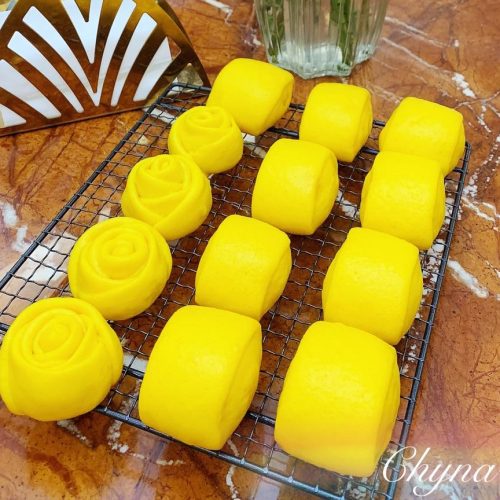
“Nan Gua Man Tou” (南瓜馒头) translates to Pumpkin Steamed Buns. Traditional Chinese mantou are steamed, un-filled bread rolls that are a staple carbohydrate in Northern China. Adding freshly steamed pumpkin puree and whole milk powder yields a naturally sweet, golden-yellow bun with a tender crumb and a rich, milky fragrance.
If you love making traditional steamed doughs from scratch, you should definitely check out my
Ingredients
- Cake Flour (Low-Protein Flour): 1.5 cups (200g). Using a low-protein flour compensates for the lack of a second proof, ensuring the buns remain ultra-soft.
- Pumpkin Puree: 1/2 cup (125g). Freshly steamed and mashed. A deeper yellow pumpkin yields a more beautiful color.
- Whole Milk Powder: 3 tablespoons (30g). Adds a wonderful milky aroma.
- Granulated Sugar: 2.5 tablespoons (30g).
- Instant Dry Yeast: 1 teaspoon (3g).
- Neutral Cooking Oil: 2 teaspoons (10g). Corn oil or canola oil works best for a smooth dough finish.
Ingredient Notes
- Pumpkin Moisture Levels: If you steam your pumpkin, it will hold more water. If you microwave it, the puree will be drier, and you may need to add an extra tablespoon or two of puree to properly hydrate the dough.
- Flour Substitutes: You can use all-purpose or bread flour if you do not have cake flour, but because higher protein flours absorb more water, you will need to increase the ratio of pumpkin puree slightly.
Equipment Needed
- Bamboo steamer or metal steaming pot
- Rolling pin
- Parchment paper (cut into small squares for the buns)
Prep & Mise en Place
Steam your pumpkin chunks until fork-tender, mash them into a fine puree, and let the puree cool to room temperature. It is crucial that the puree is not piping hot, or it will kill the yeast.
Cooking Process
Step 1: Form the Dough (5 minutes)
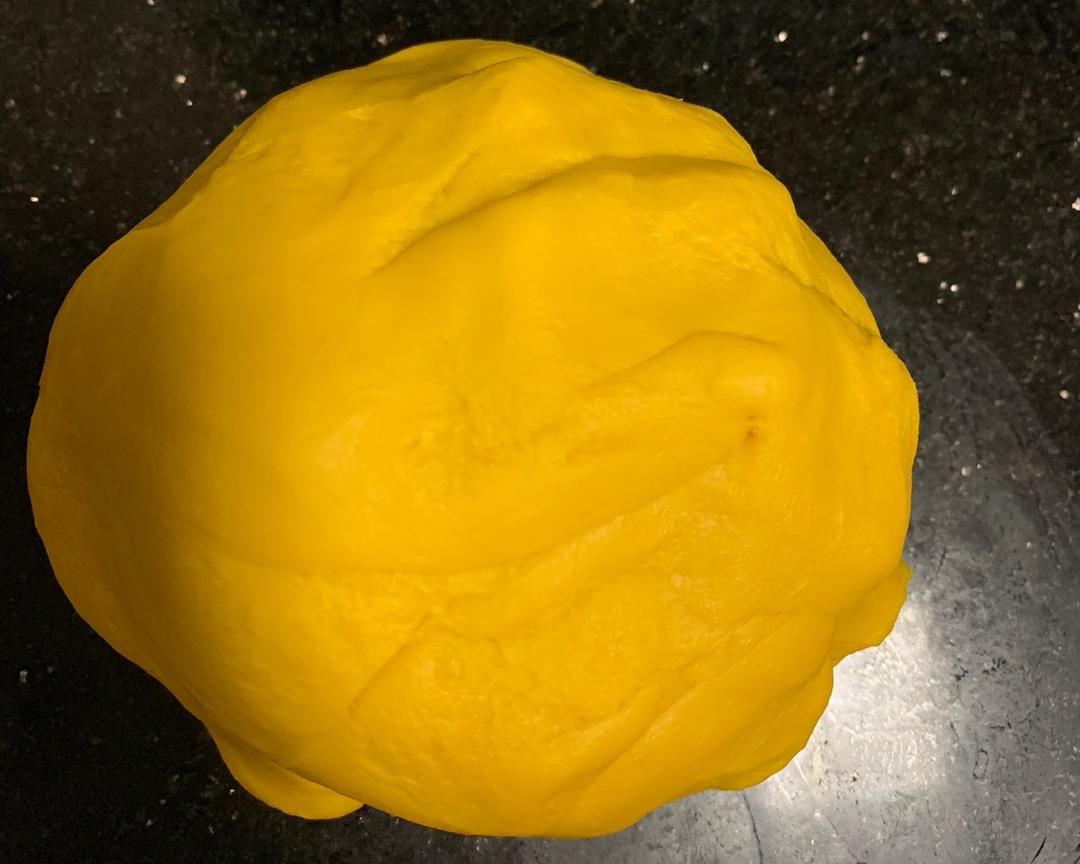
In a large mixing bowl, combine the cake flour, cooled pumpkin puree, milk powder, sugar, instant yeast, and corn oil. Make sure the yeast and sugar are placed on opposite sides of the bowl before mixing. Knead everything together until it forms a cohesive dough.
Step 2: The Roll and Fold Technique (10 minutes)
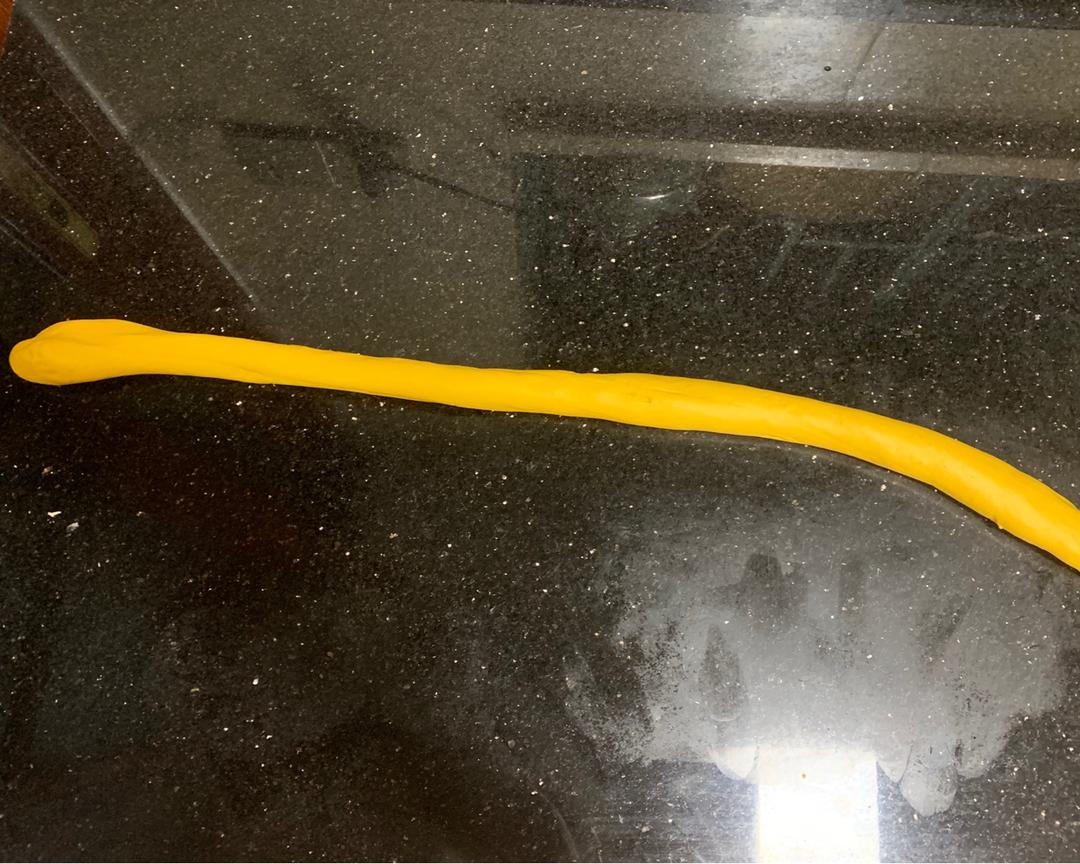
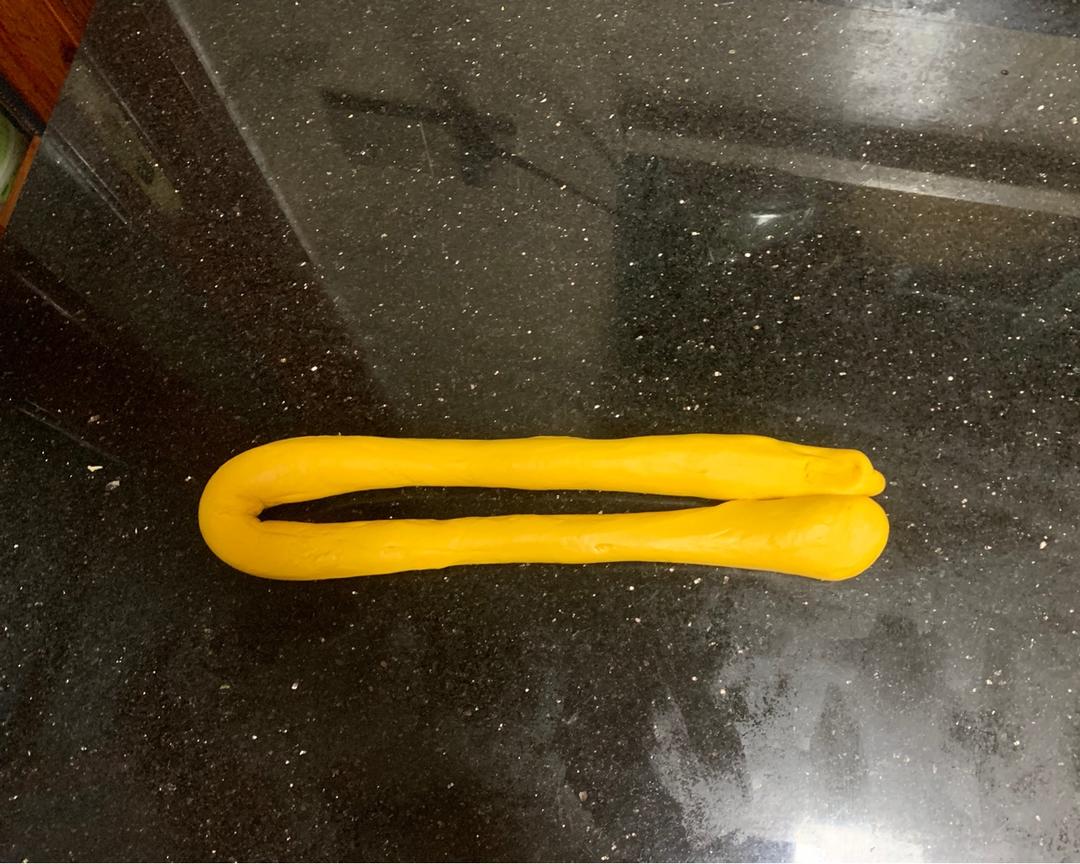
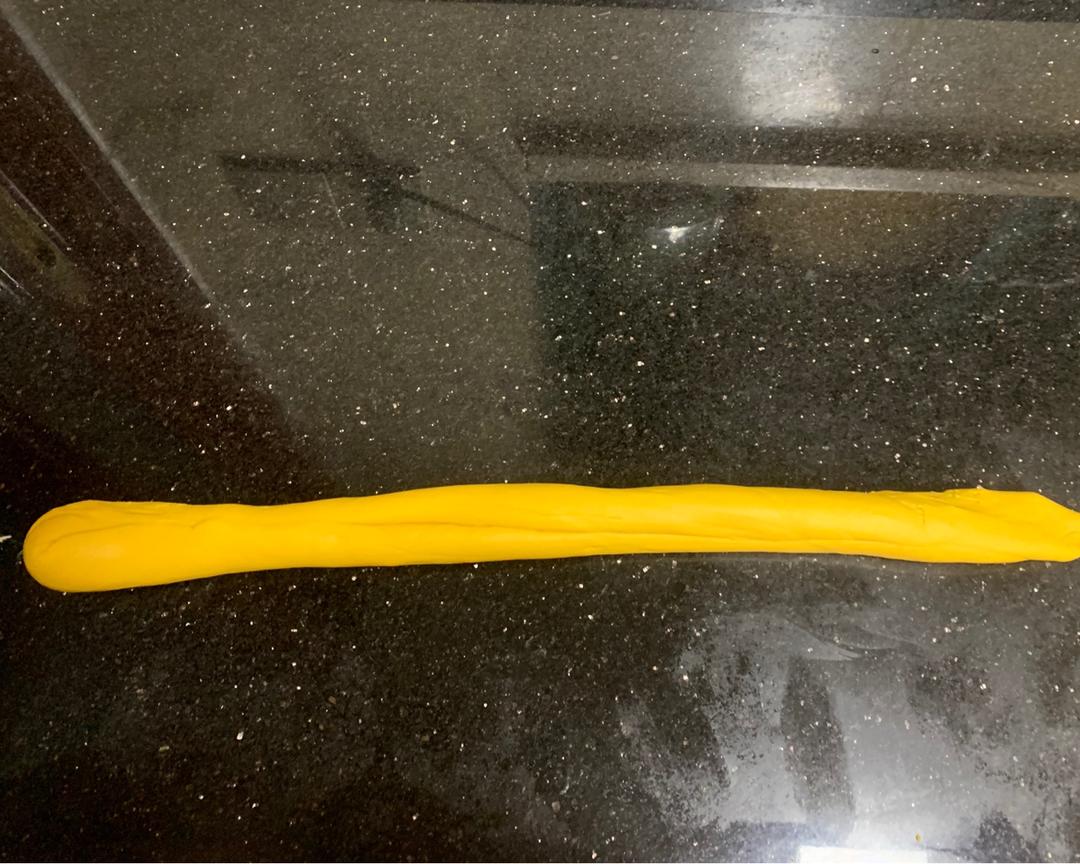
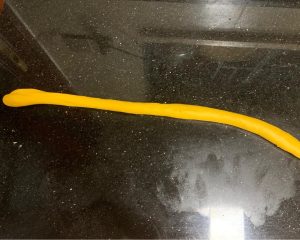
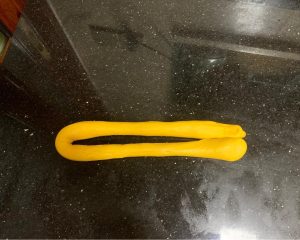
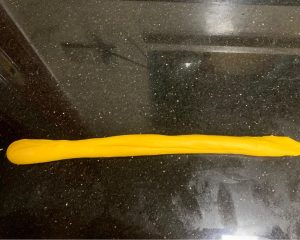
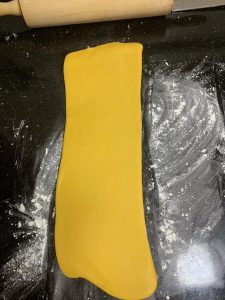
Transfer the dough to a clean, lightly floured surface. Roll the dough into a long strip. Fold it in half, then roll it out long again.
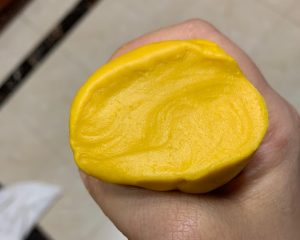
Repeat this folding and rolling process continuously until the dough is completely kneaded through. You will know it is ready when it no longer sticks to your hands or the board, and a cross-section cut of the dough looks incredibly smooth and poreless.
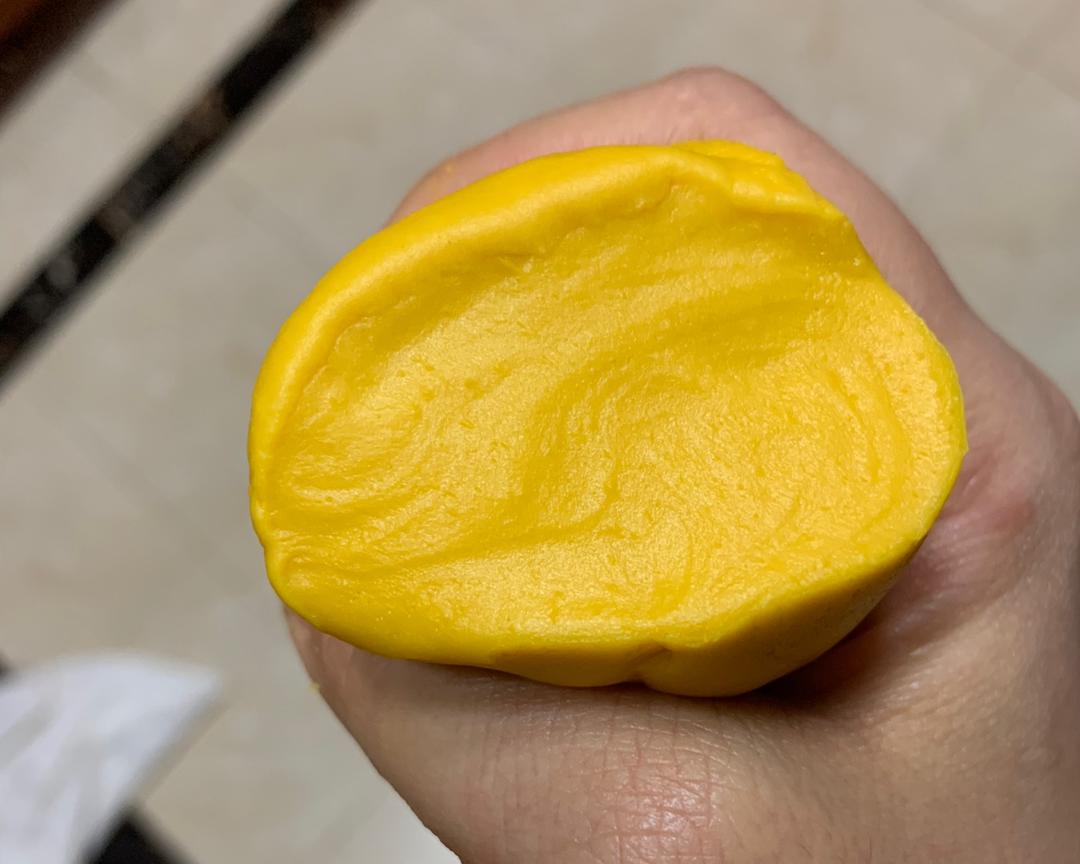
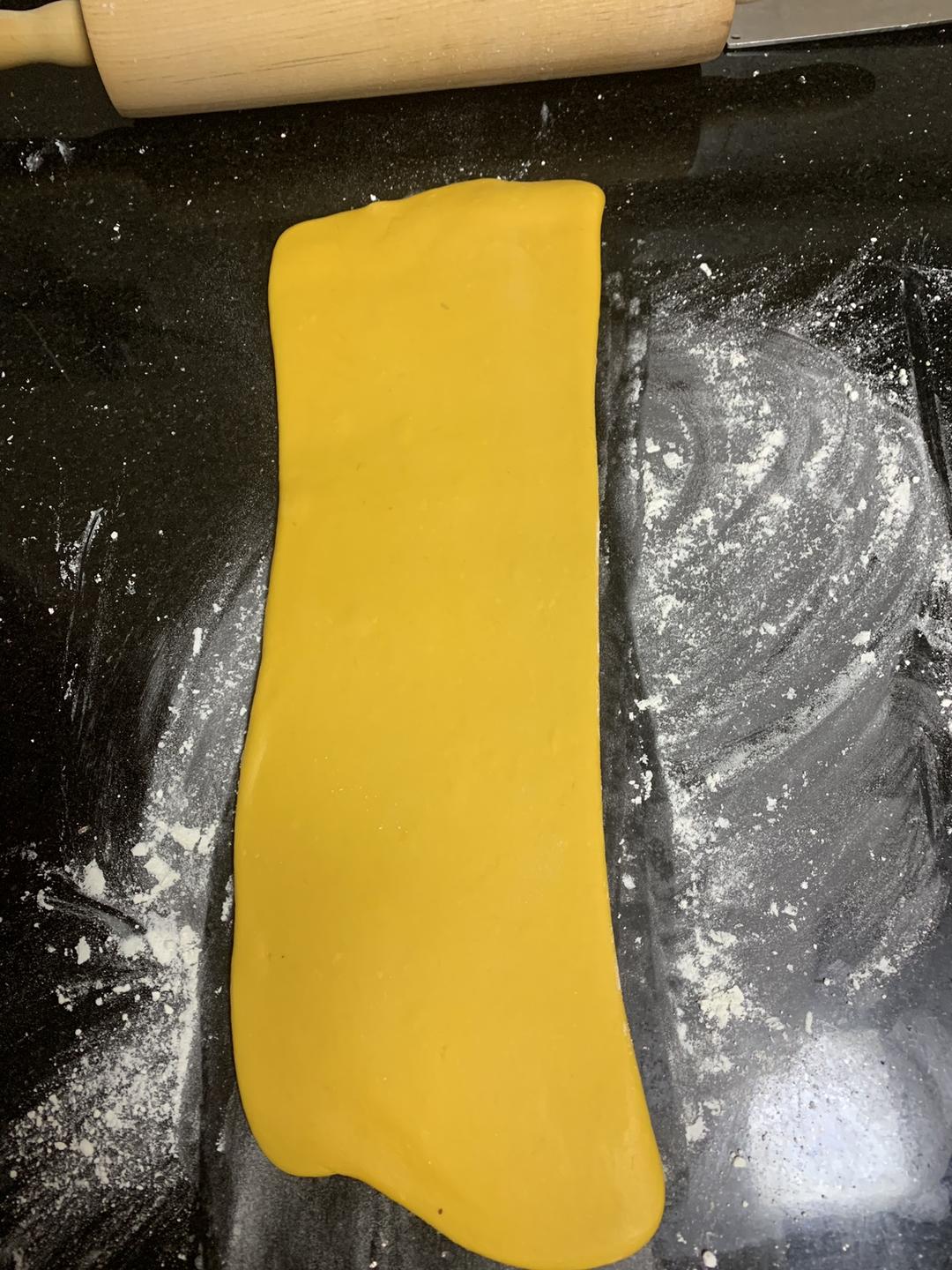
Step 3: The Tri-Fold for a Smooth Surface (5 minutes)
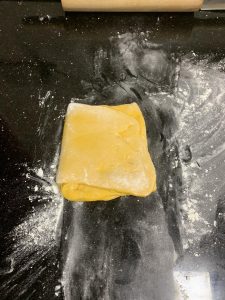
Dust the board with a little dry flour. Use your rolling pin to roll the dough out into a long, flat rectangular sheet. Fold the sheet into thirds (like a letter). Roll it out flat again.
Repeat this tri-fold process about ten times until the dough sheet is perfectly neat, smooth, and refined. This step aggressively deflates the dough, guaranteeing a smooth, non-wrinkled surface on the final bun. Trim the edges to make a perfect rectangle.
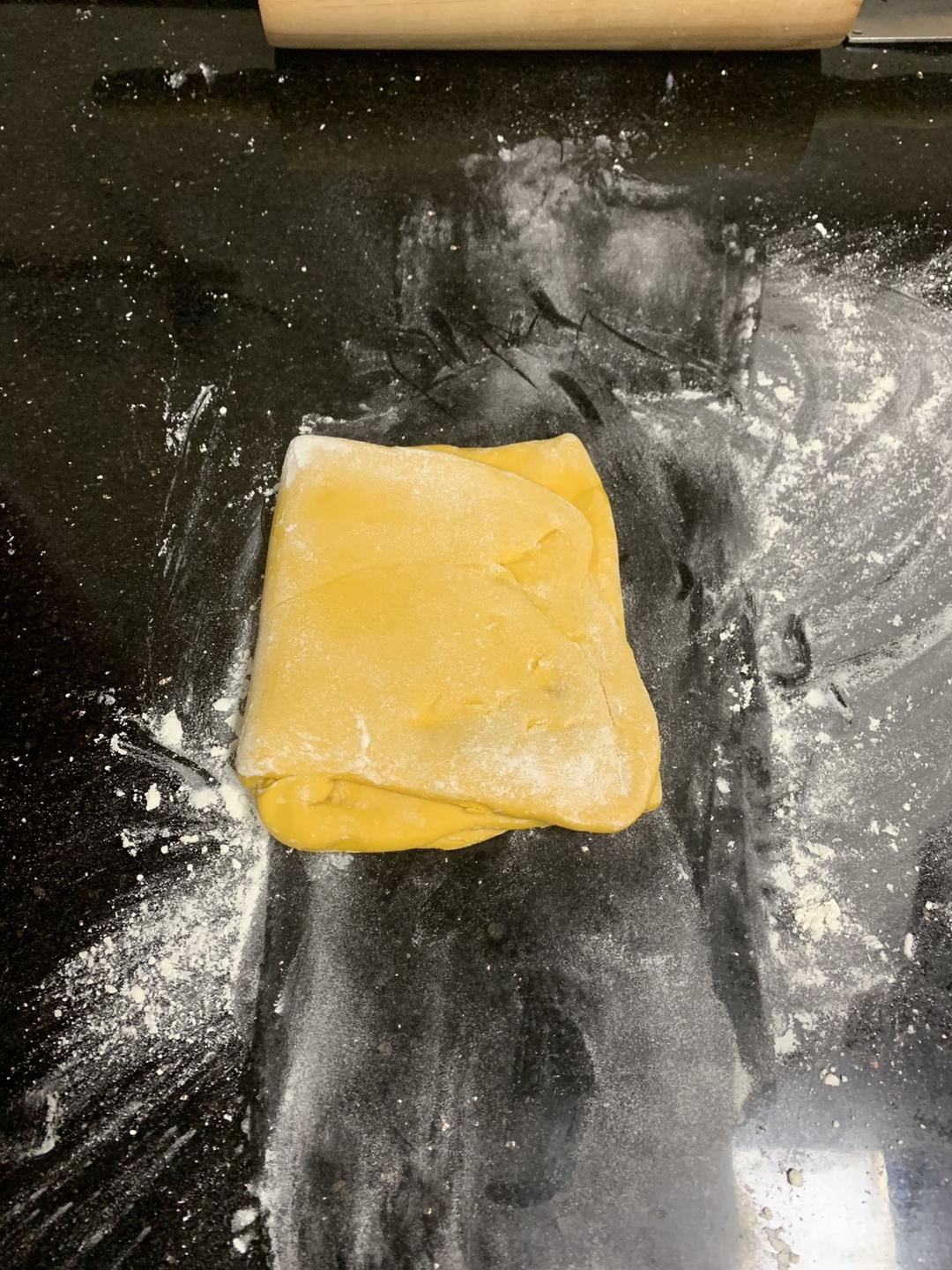
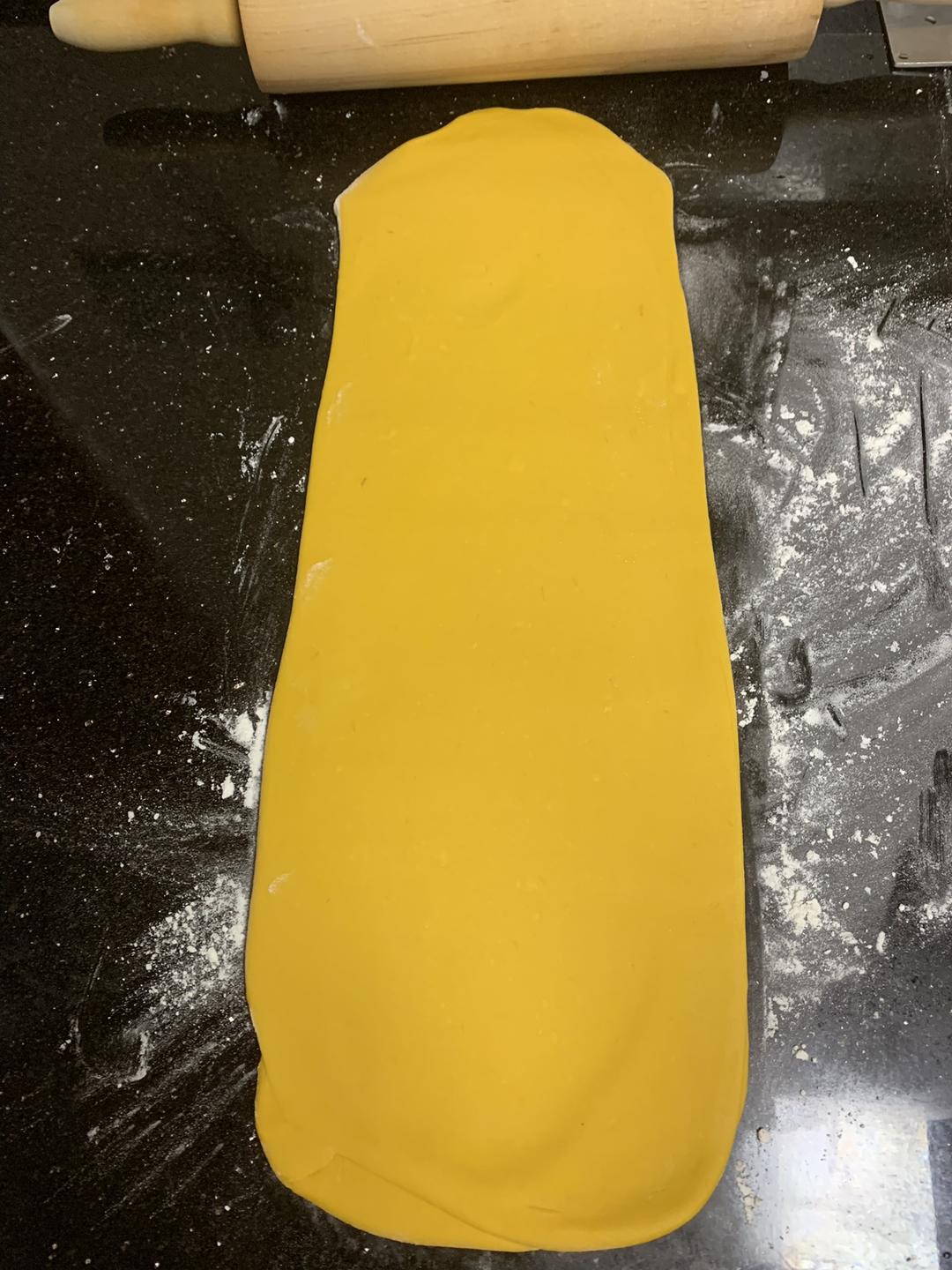
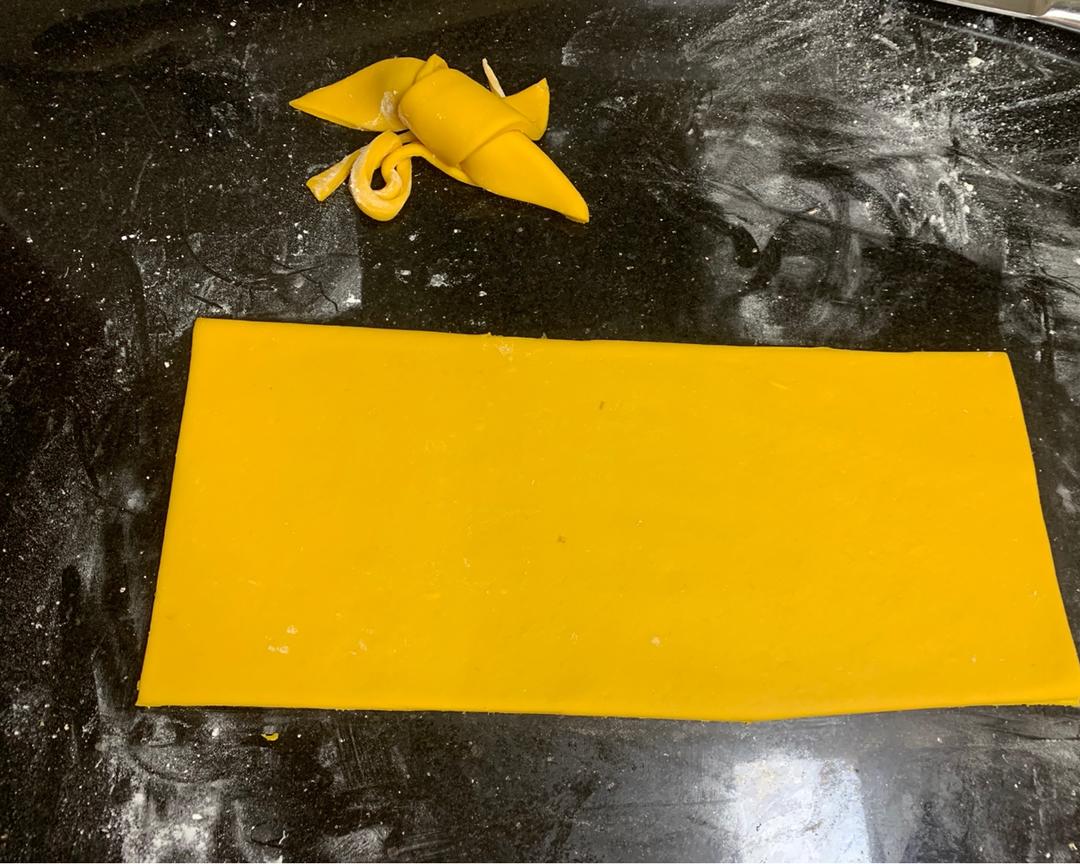
Step 4: Shaping the Buns (5 minutes)
Brush away any excess dry flour from the surface of the dough sheet. Lightly moisten the surface with a damp towel or a very fine mist of water. Tightly roll the dough sheet up into a long cylinder.
Using a sharp knife, cut the cylinder into equal-sized portions (these are your mantou). Any irregular end pieces can be rolled into simple round buns.
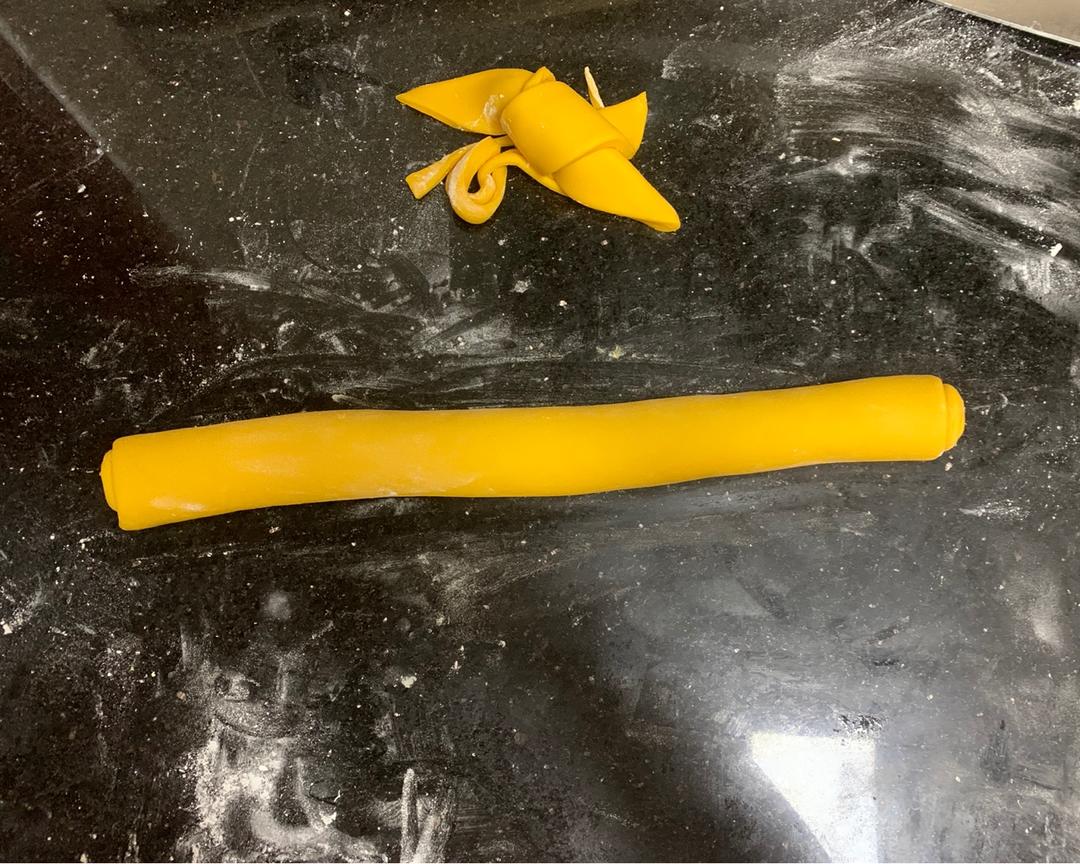
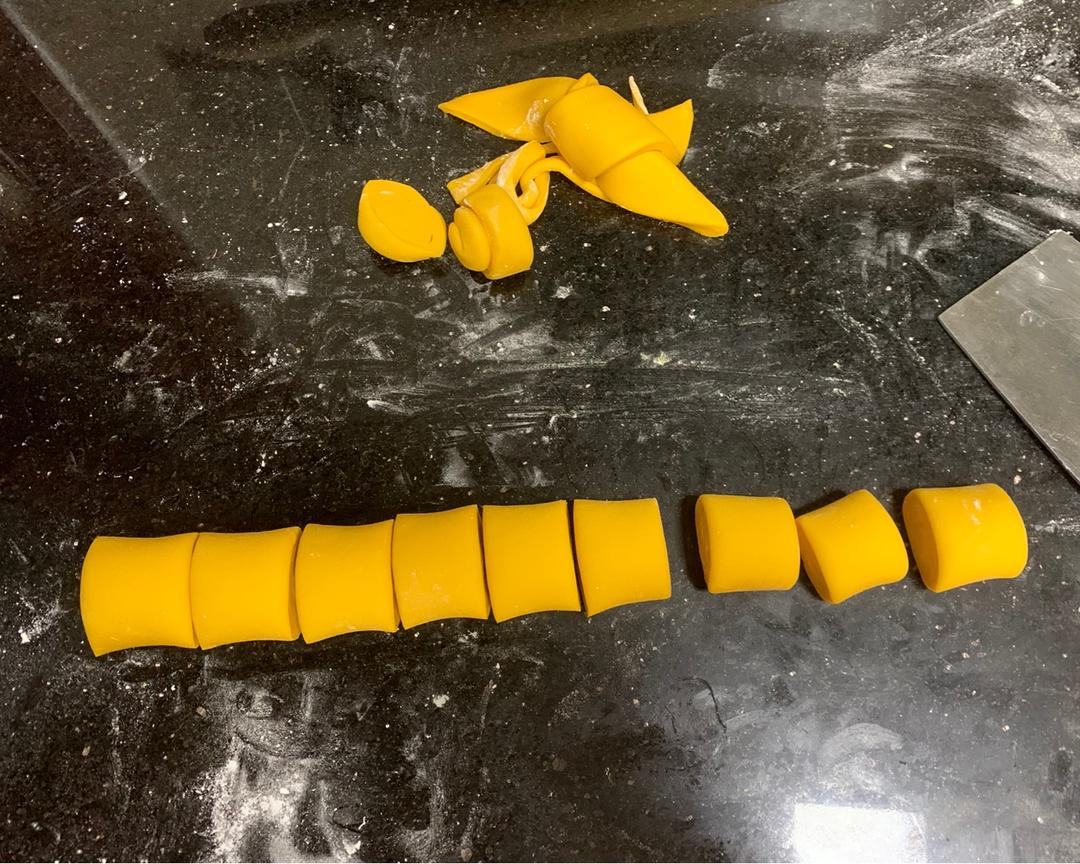
Step 5: The Single Proof (30–45 minutes)
Place each bun on a small square of parchment paper and set them into your steamer basket. Fill the bottom of your steamer pot with warm water (not boiling). Place the baskets over the warm water and let the buns ferment until they double in size. When you pick one up, it should feel airy and light.
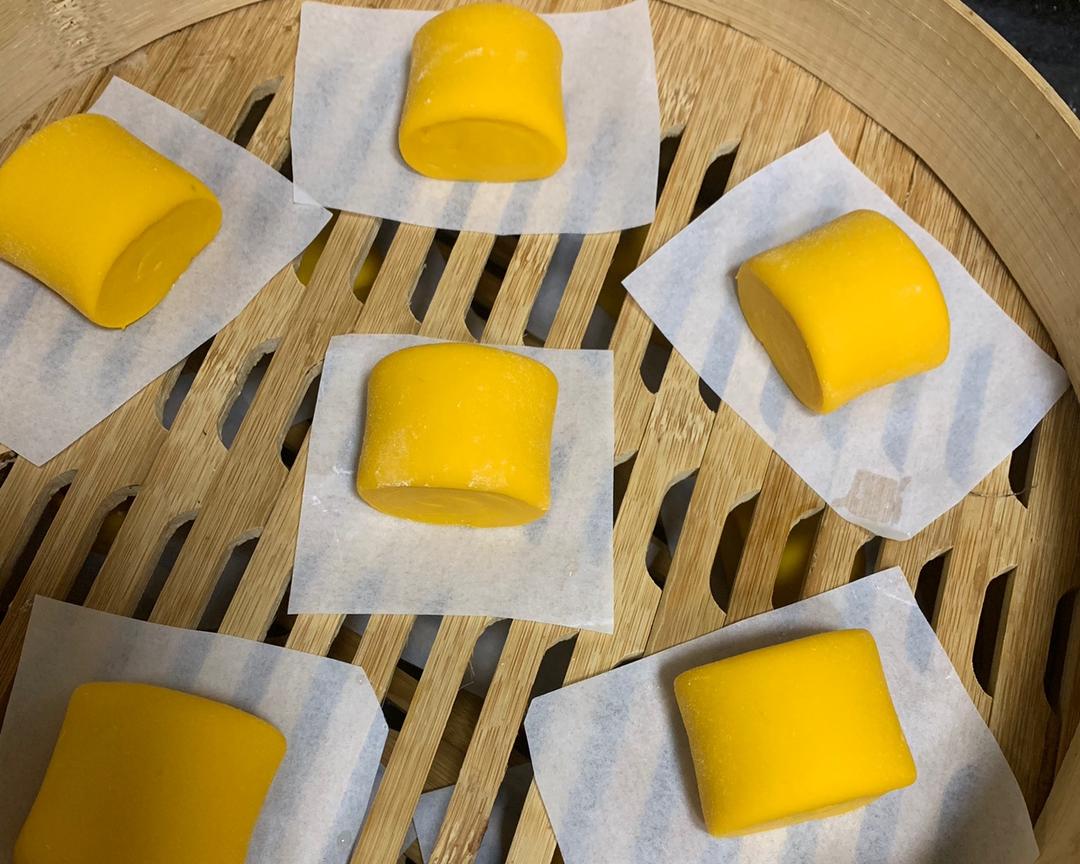
Step 6: Steaming (15 minutes)
Turn the stove to high heat. Once the steam starts vigorously rising, steam the buns for 12 minutes.
Turn off the heat, but do not open the lid. Wait exactly 3 minutes before opening the steamer.
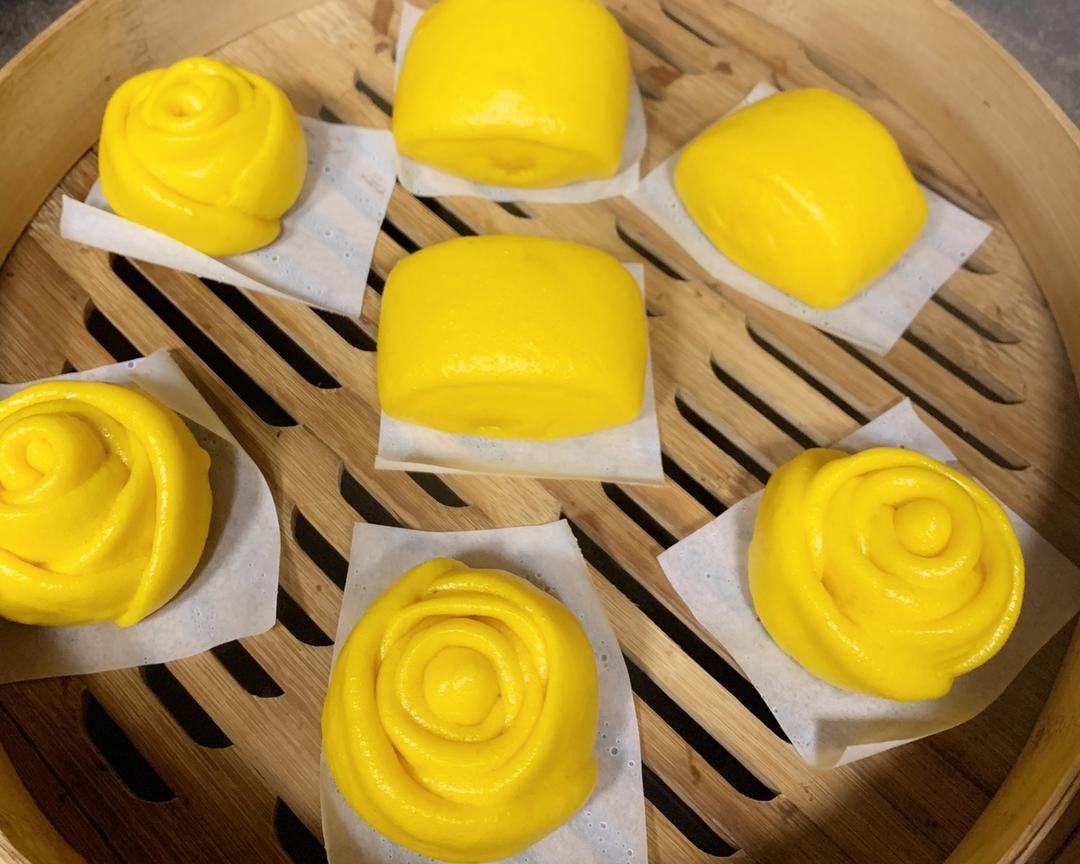
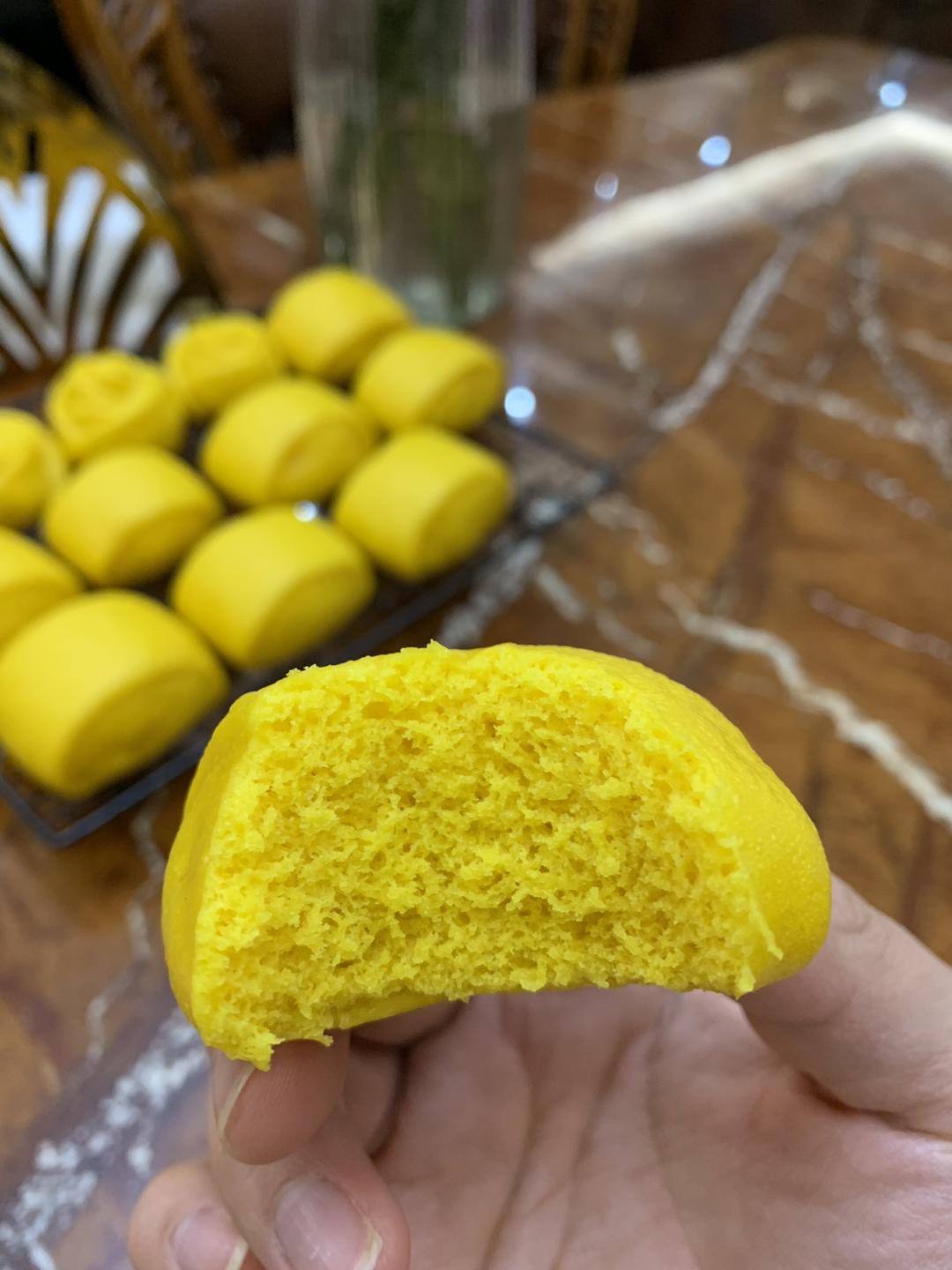
“Allowing the buns to rest in the closed steamer for 3 minutes before opening the lid prevents sudden temperature shock. If cold kitchen air hits the rapidly expanding hot starch and yeast structure, the buns will instantly shrink, collapse, and wrinkle.”
Why This Recipe Works
- Time Efficiency: Skipping the initial bulk fermentation cuts the total time in half while still yielding excellent flavor.
- Mechanical Deflation: The repetitive rolling and tri-folding technique acts as a mechanical degassing method. It aligns the gluten and crushes large air bubbles, resulting in that iconic smooth, glossy skin on Chinese mantou.
Common Mistakes When Making Pumpkin Steamed Buns
Mistake: The buns wrinkled and collapsed immediately after steaming.
- Cause: You opened the steamer lid the second you turned off the heat.
- Solution: Always allow a 3 to 5-minute resting period with the heat off before removing the lid.
Mistake: The dough is too dry and tearing.
- Cause: You used microwaved pumpkin puree or all-purpose flour without adjusting hydration.
- Solution: Add a splash of milk or a tablespoon of extra puree until the dough is smooth and pliable.
Frequently Asked Questions
Can I make the dough in a stand mixer?
Absolutely. You can use the dough hook attachment, but I highly recommend finishing the dough by hand with a rolling pin to ensure the air bubbles are completely pressed out.
Can I substitute the milk powder?
If you do not have milk powder, you can omit it. The buns will still be delicious but will lack that specific milky fragrance.
Can I freeze these?
Yes! Steamed buns freeze beautifully. Let them cool completely, store them in a freezer bag, and re-steam them straight from frozen for 8 to 10 minutes when you are ready to eat.
How to Serve
Mantou are perfect for soaking up flavors or balancing out heavily spiced dishes. For breakfast, I love serving these mildly sweet buns alongside a warm bowl of
If you are serving them as part of a larger lunch, pair them with something salty and crisp like
Storage & Reheat
- Fridge: Store in an airtight container for up to 3 days.
- Freezer: Freeze in an airtight bag for up to 2 months.
- Reheat: The best way to reheat is steaming for 5-8 minutes until soft and warm to the touch. Microwaving is possible (cover with a damp paper towel for 30 seconds), but the texture may become slightly chewy.
Allergen Notice
Contains: Wheat/Gluten and Dairy (Milk powder). For a dairy-free version, omit the milk powder.
Nutrition Disclaimer
Nutrition information is an estimate and provided for informational purposes only. Pumpkin is naturally rich in beta-carotene, but overall caloric intake will vary based on exact flour and sugar usage.
About the Author & Recipe Development
I am Lin, a culinary developer and the creator of Woks of Love. Testing Chinese dough recipes to fit the modern home cook’s schedule is one of my primary passions. This single-proof method was developed to help you get fresh, restaurant-quality steamed buns on the table with less active wait time, utilizing cake flour to mimic the softness typically only achieved through long, double fermentations.
Authoritative References
- King Arthur Baking: A comprehensive guide on how temperature and yeast fermentation directly affect the texture of yeast doughs.
Yeast Baking Guide - USDA Food Safety: Proper cooling and storing guidelines for baked and steamed bread products to prevent spoilage.
Food Safety Basics
1-Hour Pumpkin Milk Steamed Buns

Equipment
- Steamer
- Rolling Pin
- Parchment paper
Ingredients
Dough Ingredients
- 1.5 cups cake flour low-protein flour
- 0.5 cup pumpkin puree steamed and mashed, cooled
- 3 tbsp whole milk powder
- 2.5 tbsp granulated sugar
- 1 tsp instant dry yeast
- 2 tsp corn oil or any neutral oil
Instructions
- Combine the flour, cooled pumpkin puree, milk powder, sugar, yeast, and oil in a bowl. Ensure the sugar and yeast are separated before mixing. Knead until it forms a cohesive dough.

- Transfer to a work surface. Roll the dough into a long strip, fold it in half, and roll it out again. Repeat this until the dough is entirely smooth and non-sticky.
- Dust the board lightly with flour. Use a rolling pin to roll the dough into a flat rectangular sheet. Fold the sheet into thirds (letter fold), then roll it flat again. Repeat this folding and rolling process up to 10 times until the surface is exceptionally smooth.
- Trim the edges of the flattened dough sheet to make it neat. Brush away any excess dry flour, lightly moisten the surface, and roll it up tightly into a cylinder.
- Cut the cylinder into equal-sized portions. Place each portion onto a small square of parchment paper.
- Place the buns in a steamer basket over a pot of warm (not hot) water. Cover and let them proof for 30-45 minutes until doubled in size and light to the touch.

- Turn the stove to high heat. Once steaming vigorously, cook for 12 minutes. Turn off the heat and wait exactly 3 minutes before opening the steamer lid to prevent the buns from collapsing.












Leave a Reply