Hi, I am Lin from Woks of Love. If you have ever been to a Cantonese dim sum restaurant, you are undoubtedly familiar with those tiny, incredibly tender morsels of steamed pork ribs coated in a savory, garlicky black bean sauce. For the longest time, I thought replicating that specific “slip-off-the-bone” texture required commercial kitchen equipment.

However, after extensively testing traditional home-cooking methods, I discovered that the secret lies entirely in the prep work—specifically, a cold water soak and a two-step marination process. This quick, homestyle recipe allows you to achieve that highly sought-after dim sum texture right in your own kitchen with just 15 minutes of active steaming.
What Is Chi Jiao Zheng Pai Gu?
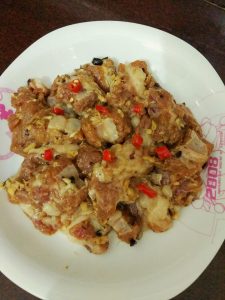
“Chi Jiao Zheng Pai Gu” (豉椒蒸排骨) translates to Steamed Pork Ribs with Black Bean and Chili. It is a fundamental Cantonese dish where small, bite-sized pieces of pork ribs are marinated in fermented black beans (douchi), soy sauce, and starch, then steamed over high heat. The starch acts as a velvet coating, protecting the meat from seizing up, while the high-heat steam gently cooks the pork in its own savory juices.
If you are looking to expand your dim sum repertoire and master different variations of this classic, I highly recommend checking out my other dedicated guide on
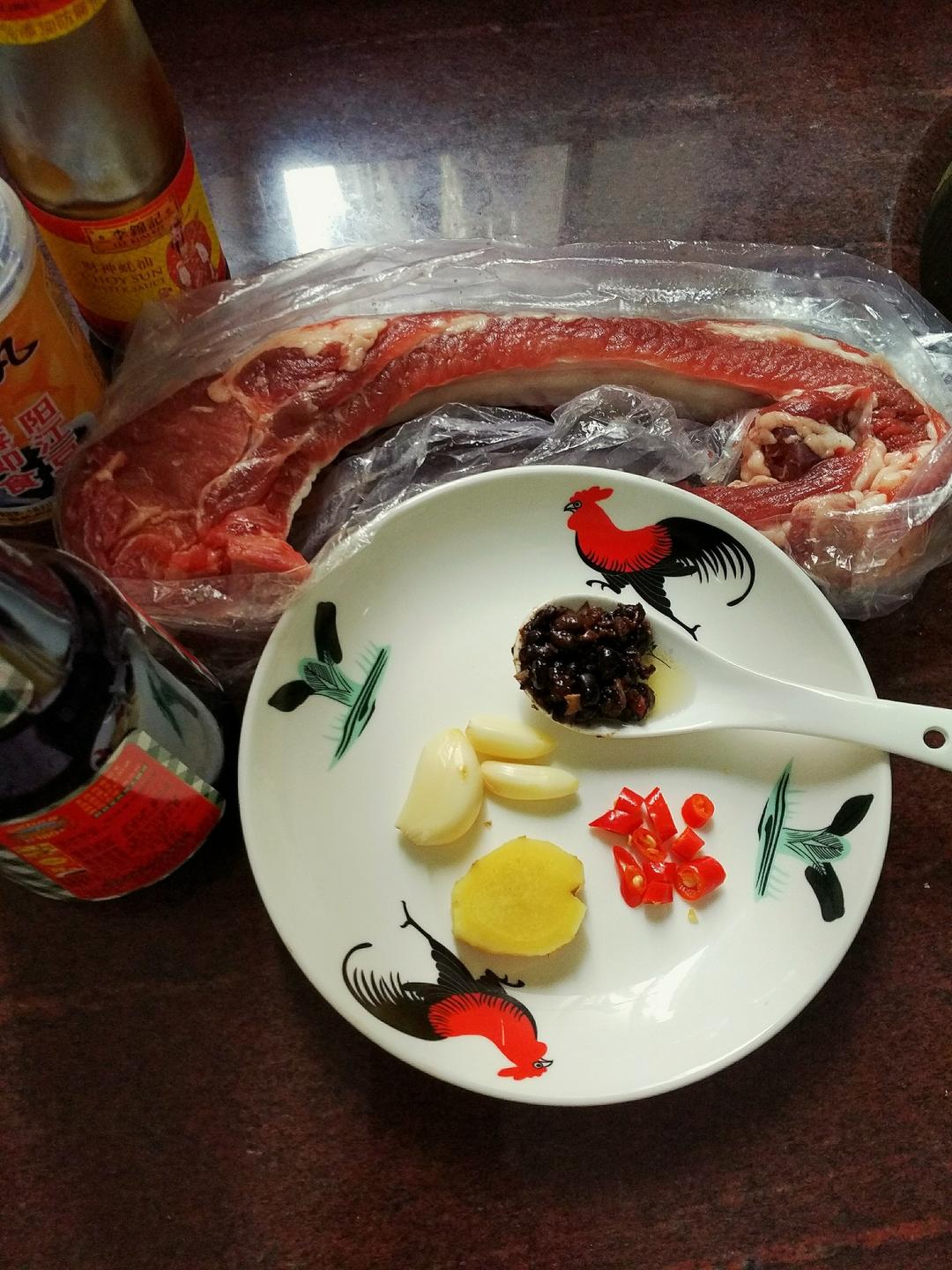
Ingredients
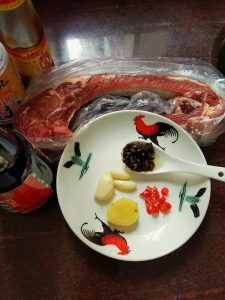
- Pork Ribs: 14 oz (400g). Ask your butcher to cut the ribs across the bone into small, 1-inch bite-sized pieces. For a deep dive into selecting the right cut, read my
Chinese Pork Ribs Guide (Spare Ribs vs Baby Back) . - Fermented Black Beans (Douchi): 1/2 tablespoon (7g). You can use ready-to-eat jarred black beans for convenience, or dry fermented black beans (rinsed and roughly chopped).
- Garlic: 1 tablespoon, finely minced.
- Ginger: 1 teaspoon, finely minced.
- Bird’s Eye Chili (小米辣): 1 small chili, thinly sliced for a subtle kick.
- Light Soy Sauce: 1/2 tablespoon (7ml). Essential for the foundational umami flavor. Learn more about choosing the best one in my
Light Soy Sauce guide. - Oyster Sauce: 1/2 tablespoon (7ml). Adds a subtle seafood sweetness. Refer to
Oyster Sauce Explained (How and When to Use It) to understand its role. - Cornstarch: 1 tablespoon (8g). The key to the tenderizing process. See
How to Use Cornstarch in Chinese Cooking . - Salt: A very small pinch (about 1/4 tsp), as the sauces are already salty.
- Cooking Oil: 1 tablespoon (15ml). Any neutral oil like canola or peanut oil.
Equipment Needed
- A large steamer pot or a wok with a steaming rack.
- A wide, shallow heat-proof plate.
- Note: A large pot is crucial. A larger volume of boiling water generates robust, consistent steam, cooking the ribs faster and preventing waterlogged meat.
Prep & Mise en Place
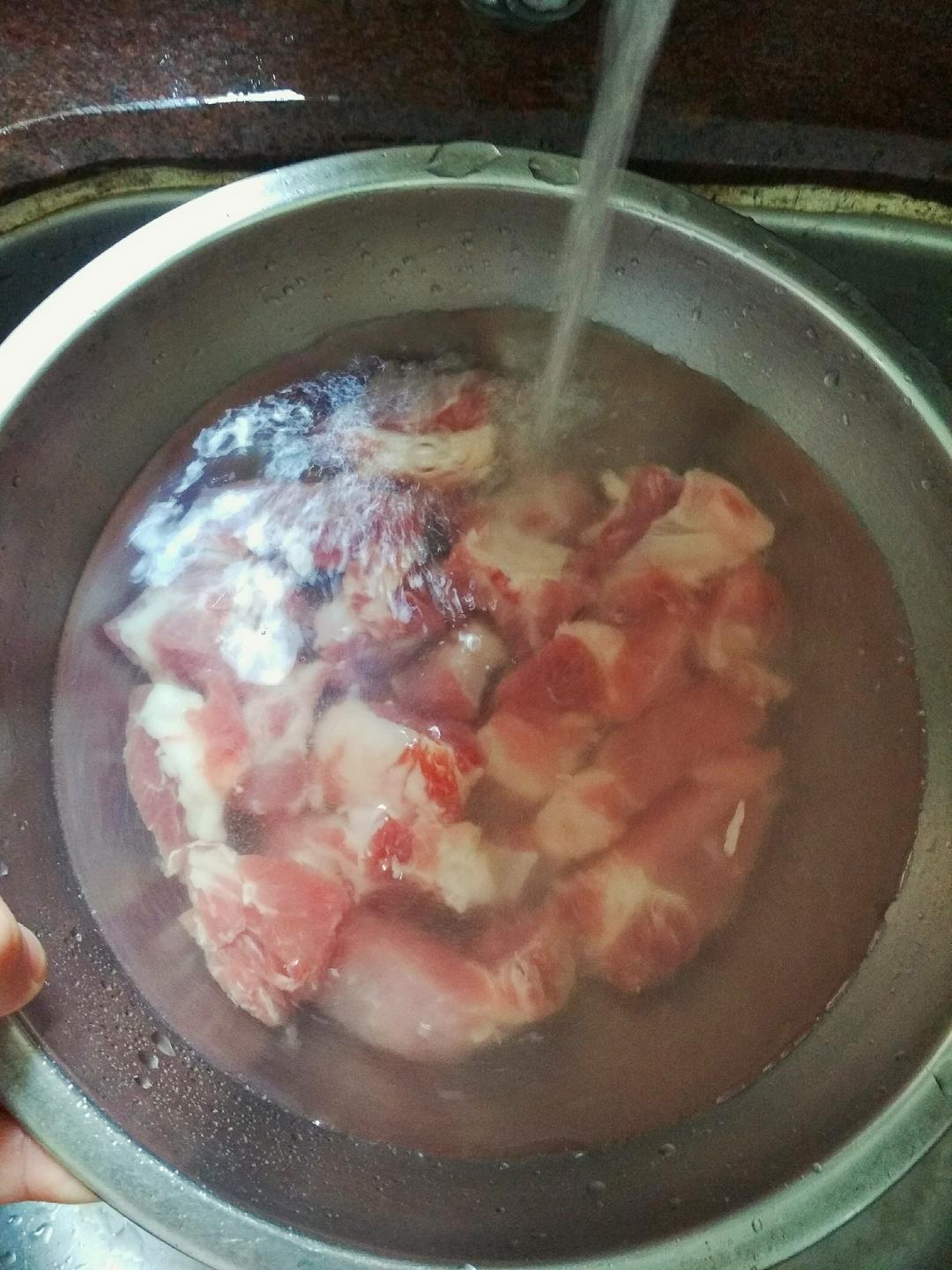
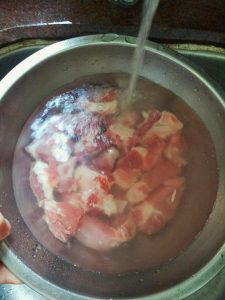
- The Purging Soak: Place the chopped ribs in a large bowl of cold water for 30 minutes. Every 10 minutes, massage the ribs and change the water. This extracts the residual blood, eliminating any gamey odor and ensuring a clean, pure flavor profile.
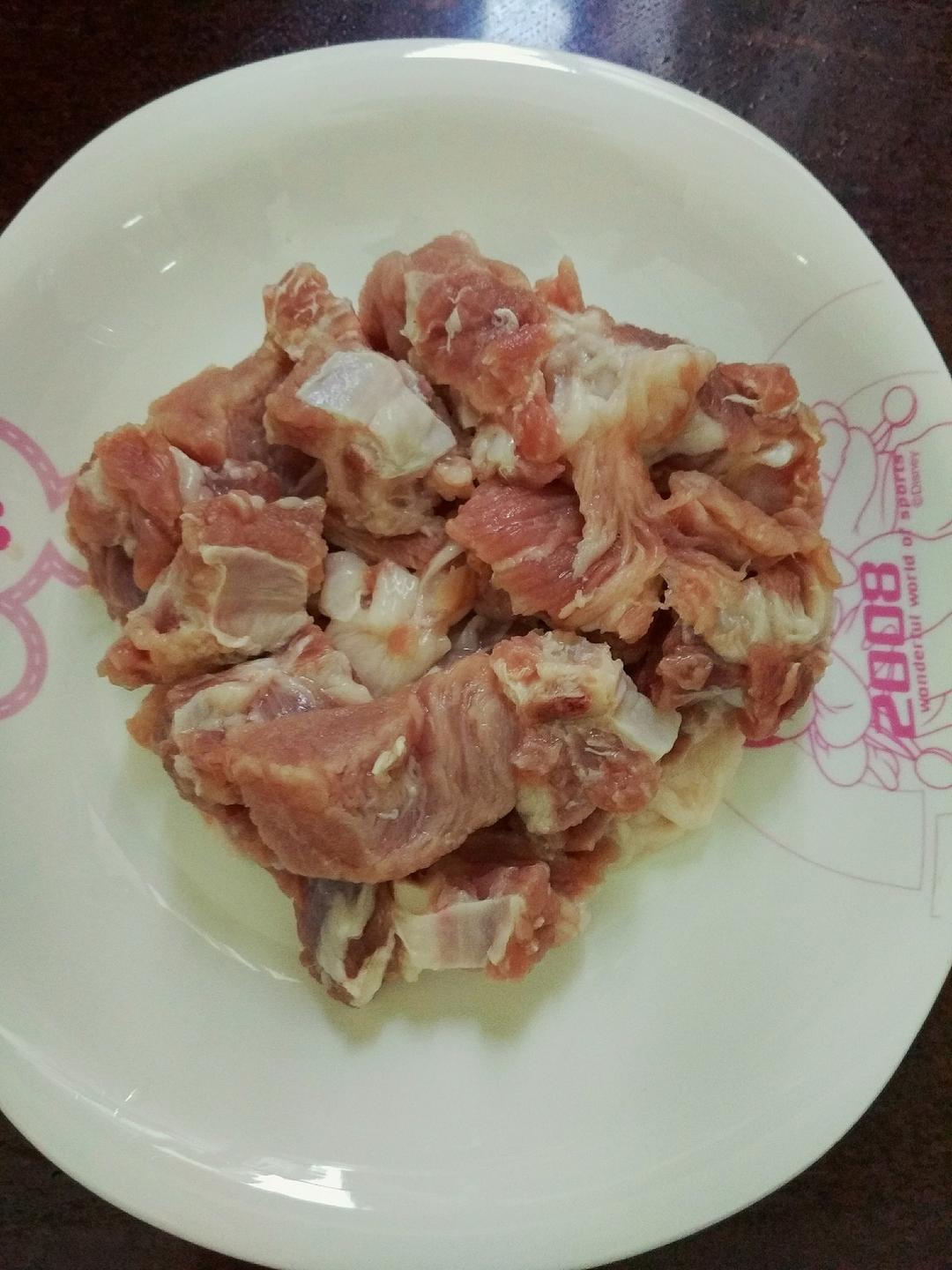
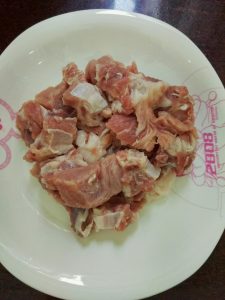
- Dry Thoroughly: After 30 minutes, remove the ribs. Squeeze them firmly with your hands to expel excess water, then pat them completely dry with paper towels. If the ribs are wet, the marinade will slide right off.
Cooking Process
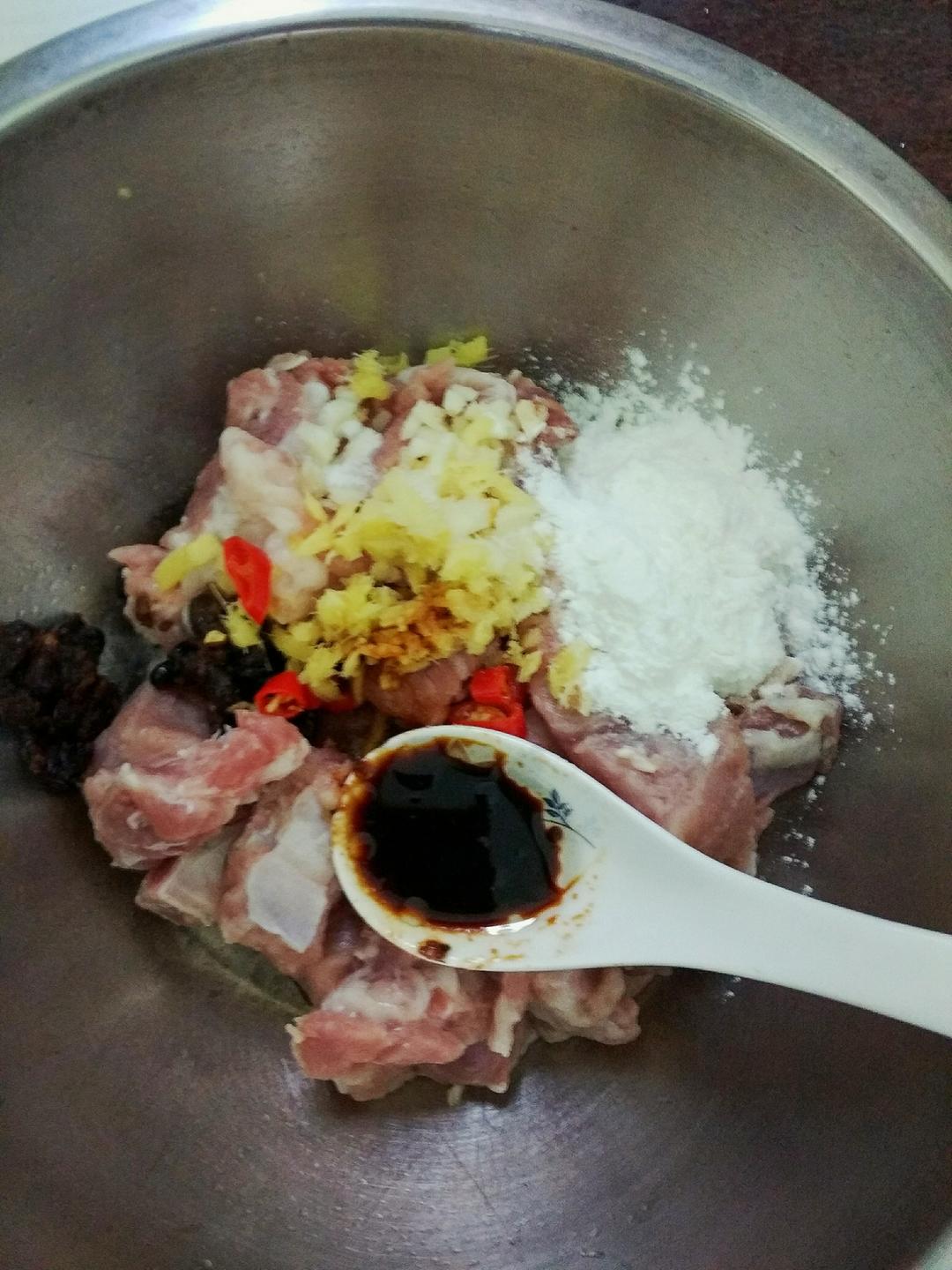
Step 1: The Flavor Marinade (10 minutes)
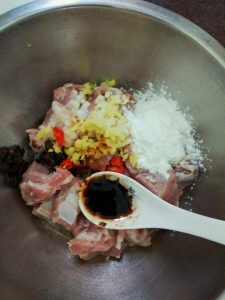
In a mixing bowl, combine the dried pork ribs with the minced garlic, ginger, chili, fermented black beans, light soy sauce, oyster sauce, salt, and cornstarch. Toss vigorously until every piece of meat is coated in a sticky, even layer. Let it sit for 10 minutes.
Step 2: The Oil Lock (1 minute)
Just before steaming, pour the 1 tablespoon of cooking oil over the marinated ribs and toss gently to coat.
“Adding the oil last creates a lipid barrier that seals in the moisture and the flavors of the marinade. Combined with the gelatinizing cornstarch, this process—often called ‘velveting’—protects the delicate meat fibers from the harsh heat of the steam, resulting in a supremely tender and smooth texture.”
Step 3: Plating
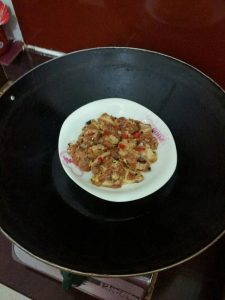
Transfer the ribs to your wide, shallow heat-proof plate. Spread them out into a single, even layer. Do not pile them up, or the ones in the center will remain raw.
Step 4: Steaming (10–15 minutes)
Bring the water in your large steamer pot to a rapid, rolling boil (212°F / 100°C). Carefully place the plate of ribs onto the steamer rack and cover tightly.
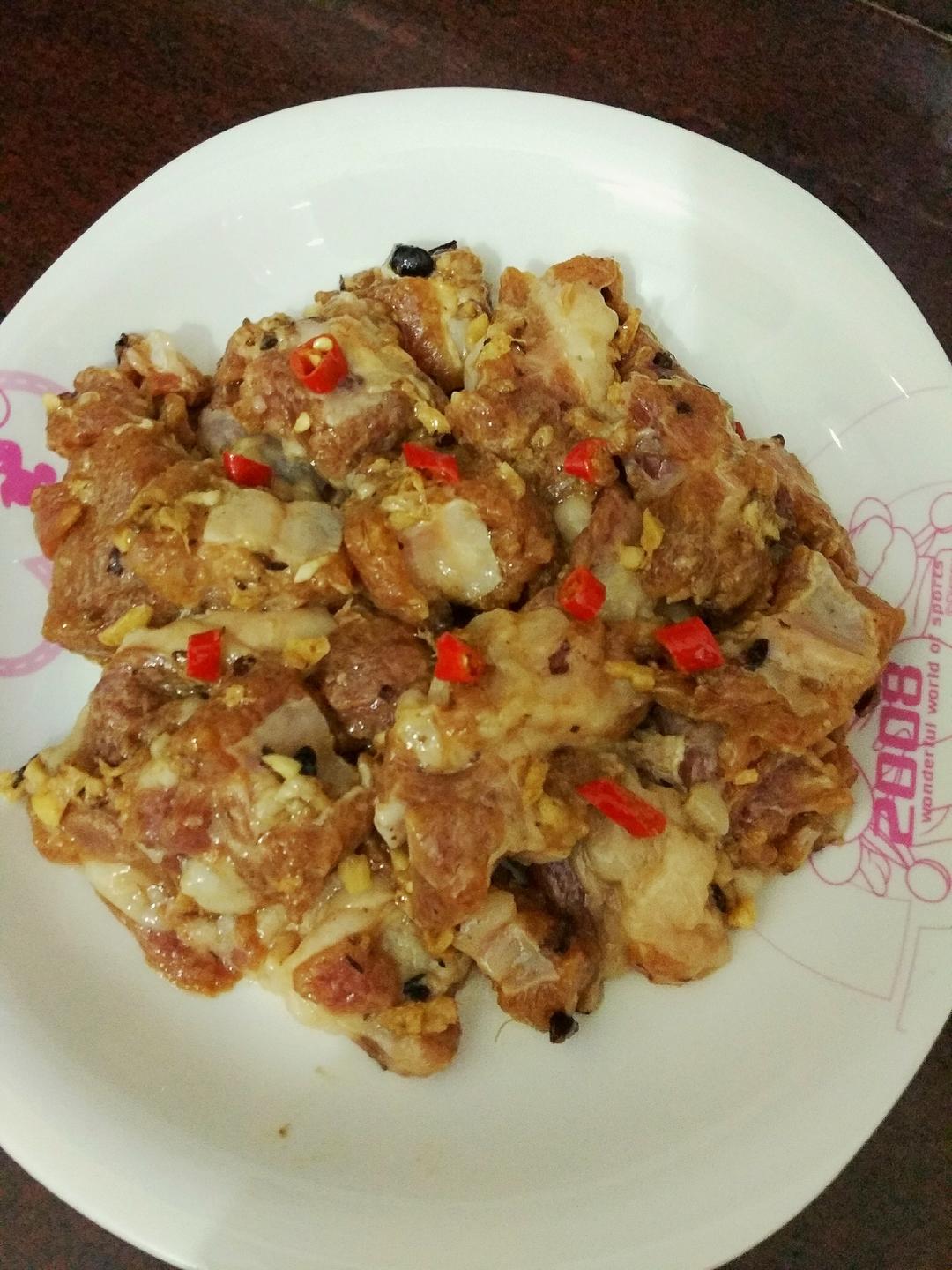
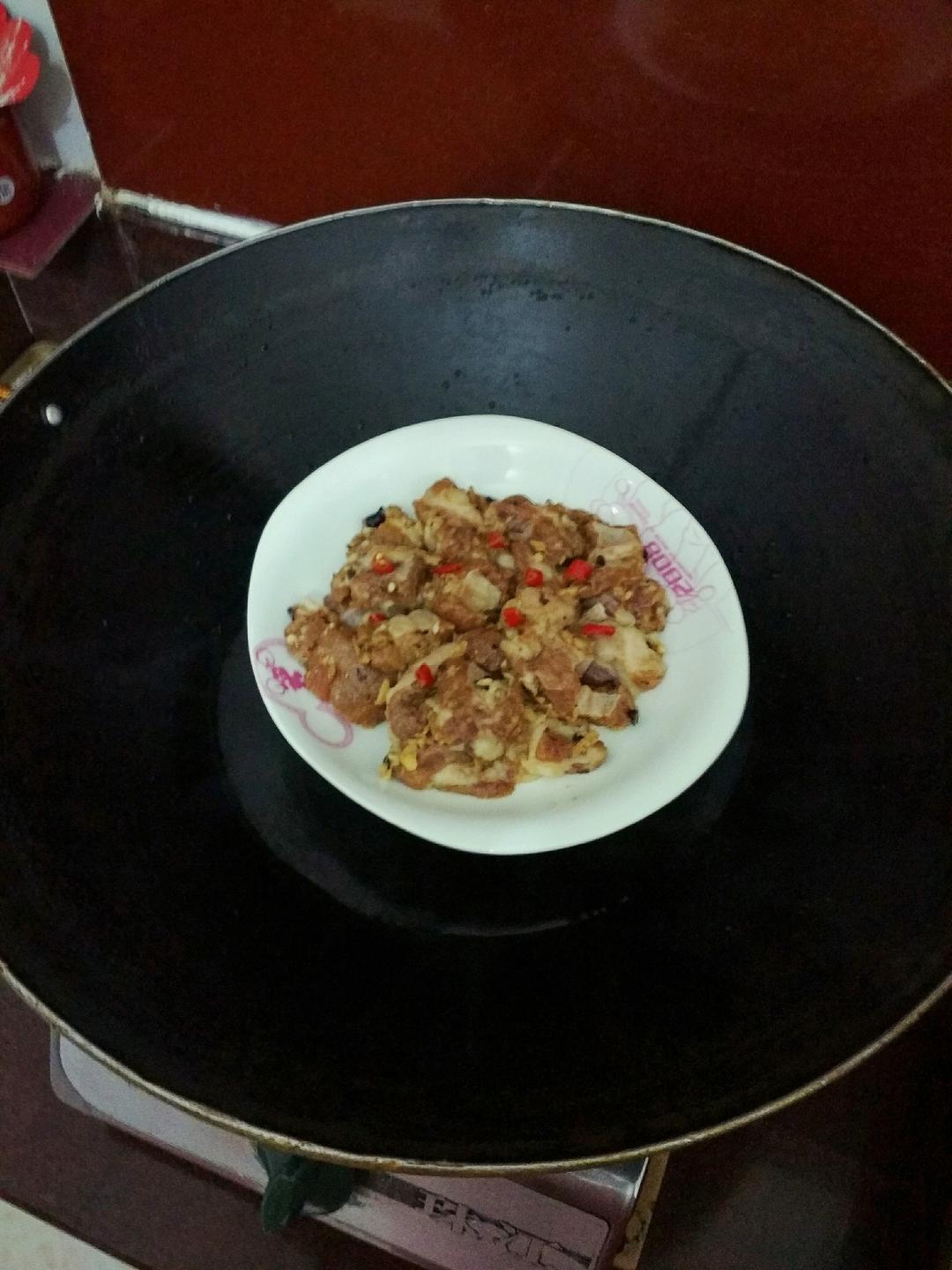
- If using a large, spacious steamer: Steam on high heat for exactly 10 minutes.
- If using a smaller pot: Extend the time to 15 minutes to account for the weaker steam circulation.
Ensure the internal temperature of the pork reaches a safe 145°F (63°C).
Step 5: Serve
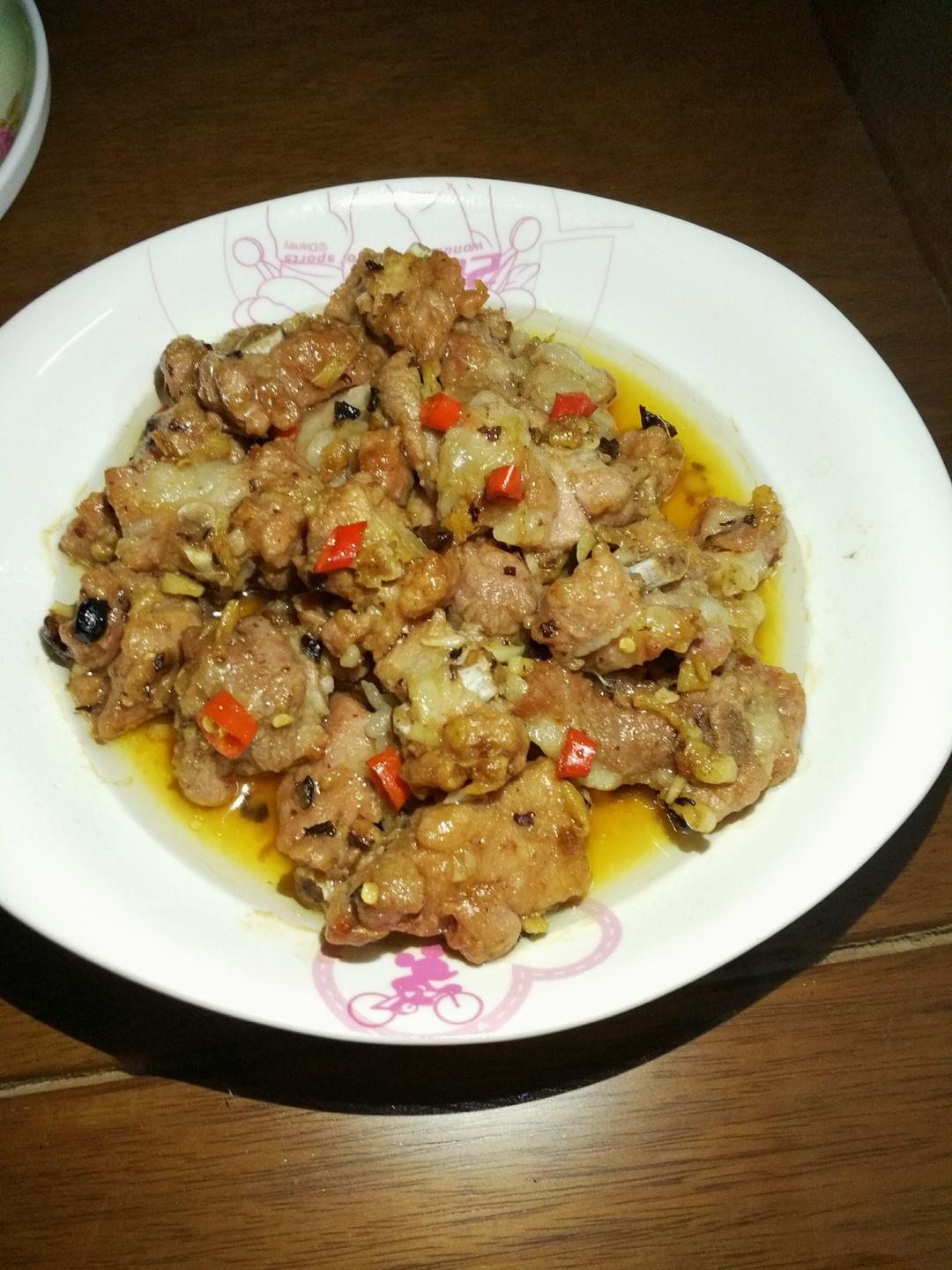
Carefully remove the plate from the steamer (it will be extremely hot). Serve immediately while the meat is tender and juicy!
Why This Recipe Works
- The Cold Water Soak: Purging the blood instead of blanching the ribs keeps the meat raw and receptive to the marinade, while still resulting in a clean-tasting dish.
- Two-Stage Marination: Coating the pork in starch first, followed by oil, physically traps the meat juices inside the protein structure during the high-heat cooking process.
- Surface Area: Using a wide, flat plate ensures the steam hits all the meat simultaneously, cooking it rapidly before it has a chance to toughen up.
Common Mistakes When Making Steamed Pork Ribs
Mistake: The pork ribs came out tough and chewy.
- Cause: The ribs were overcooked, or they were piled too high on the plate, requiring an unnecessarily long steaming time.
- Solution: Always spread the ribs in a single layer and steam over a rapid boil for no more than 10 to 15 minutes.
Mistake: The sauce is watery and pale.
- Cause: You did not dry the ribs properly after soaking, or your steamer pot is too small, causing condensation from the lid to drip directly onto the food.
- Solution: Aggressively dry the meat with paper towels before marinating. If your lid drips, tent the plate loosely with aluminum foil.
Frequently Asked Questions
Can I substitute the fermented black beans?
Black beans provide the signature flavor of this dish. However, if you are in a pinch, a small spoonful of hoisin sauce mixed with extra garlic can provide a savory (though distinctly different) alternative.
Can I make this ahead of time?
You can complete the soaking and marinating (minus the oil) up to 4 hours in advance and keep it in the fridge. However, you should only steam it right before you plan to eat.
Can I use regular spare ribs?
Yes, but they must be chopped through the bone into very small pieces (about 1 inch) to ensure they cook through within the quick 10-minute steaming window.
How to Serve
In a dim sum setting, this is eaten alongside other small plates. For a home-cooked family meal, pair these intensely savory ribs with a comforting, light soup to balance the palate, such as my
Storage & Reheat
- Fridge: Store leftovers in an airtight container for up to 3 days.
- Freezer: Freezing is not recommended, as the starch coating will become mushy upon thawing.
- Reheat: The best way to reheat is to re-steam the ribs for 5 to 7 minutes until heated through. Microwaving will cause the pork to seize up and become slightly rubbery.
Allergen Notice
Contains: Soy, Wheat/Gluten (from soy sauce and black beans), and Shellfish (from oyster sauce). For a gluten-free adaptation, use tamari. For a shellfish allergy, swap the oyster sauce for a vegetarian mushroom stir-fry sauce.
Nutrition Disclaimer
Nutrition information is an estimate and provided for informational purposes only. The fat content will vary significantly depending on the specific cut of ribs you purchase.
About the Author & Recipe Development
I am Lin, a culinary developer and the creator of Woks of Love. My goal is to demystify traditional Chinese restaurant techniques for the everyday home kitchen. This recipe was meticulously tested to find the exact balance of starch, oil, and steam-time required to achieve dim-sum parlor tenderness without the need for commercial pressure steamers or chemical tenderizers.
Authoritative References
- USDA Food Safety and Inspection Service: Guidelines on safe minimum internal temperatures for cooking fresh pork.
Safe Minimum Internal Temperature Chart - Science of Cooking: The mechanics of starch gelatinization and how velvet-coating protects meat proteins during high-heat cooking.
Meat Cookery and Chemistry
Authentic Steamed Pork Ribs with Black Bean Sauce

Equipment
- Large Steamer Pot
- Heat-proof Plate
Ingredients
Main Ingredient
- 14 oz pork ribs cut crosswise into 1-inch pieces
Marinade & Seasonings
- 0.5 tbsp fermented black beans (douchi) ready-to-eat or rinsed and chopped
- 1 tbsp garlic minced
- 1 tsp ginger minced
- 1 bird’s eye chili sliced thin
- 0.5 tbsp light soy sauce
- 0.5 tbsp oyster sauce
- 0.25 tsp salt
- 1 tbsp cornstarch
- 1 tbsp cooking oil added right before steaming
Instructions
- Place the chopped ribs in a bowl of cold water for 30 minutes. Change the water every 10 minutes and massage the ribs to extract blood. Squeeze the ribs firmly to remove water, then pat completely dry with paper towels.

- In a mixing bowl, combine the dried ribs with the fermented black beans, garlic, ginger, chili, soy sauce, oyster sauce, salt, and cornstarch. Toss well to coat evenly. Let marinate for 10 minutes.
- Just before steaming, pour the cooking oil over the ribs and toss gently to seal in the marinade.
- Spread the ribs in a single, even layer on a wide, heat-proof plate. Do not pile them up.
- Bring a large steamer pot of water to a rolling boil. Carefully place the plate inside, cover tightly, and steam on high heat for 10 to 15 minutes, depending on the size of your pot. Ensure pork reaches 145°F (63°C).
- Carefully remove the plate from the steamer and serve immediately.












Leave a Reply