As Lin from Woks of Love, I have spent years perfecting the art of traditional Chinese doughs. While hand-kneading can be a therapeutic weekend project, weekday mornings demand efficiency without sacrificing quality. This bread machine method for whole wheat steamed buns is born out of my own bustling family kitchen. It completely frees your hands while guaranteeing that smooth, pillowy texture that makes a perfect baozi.
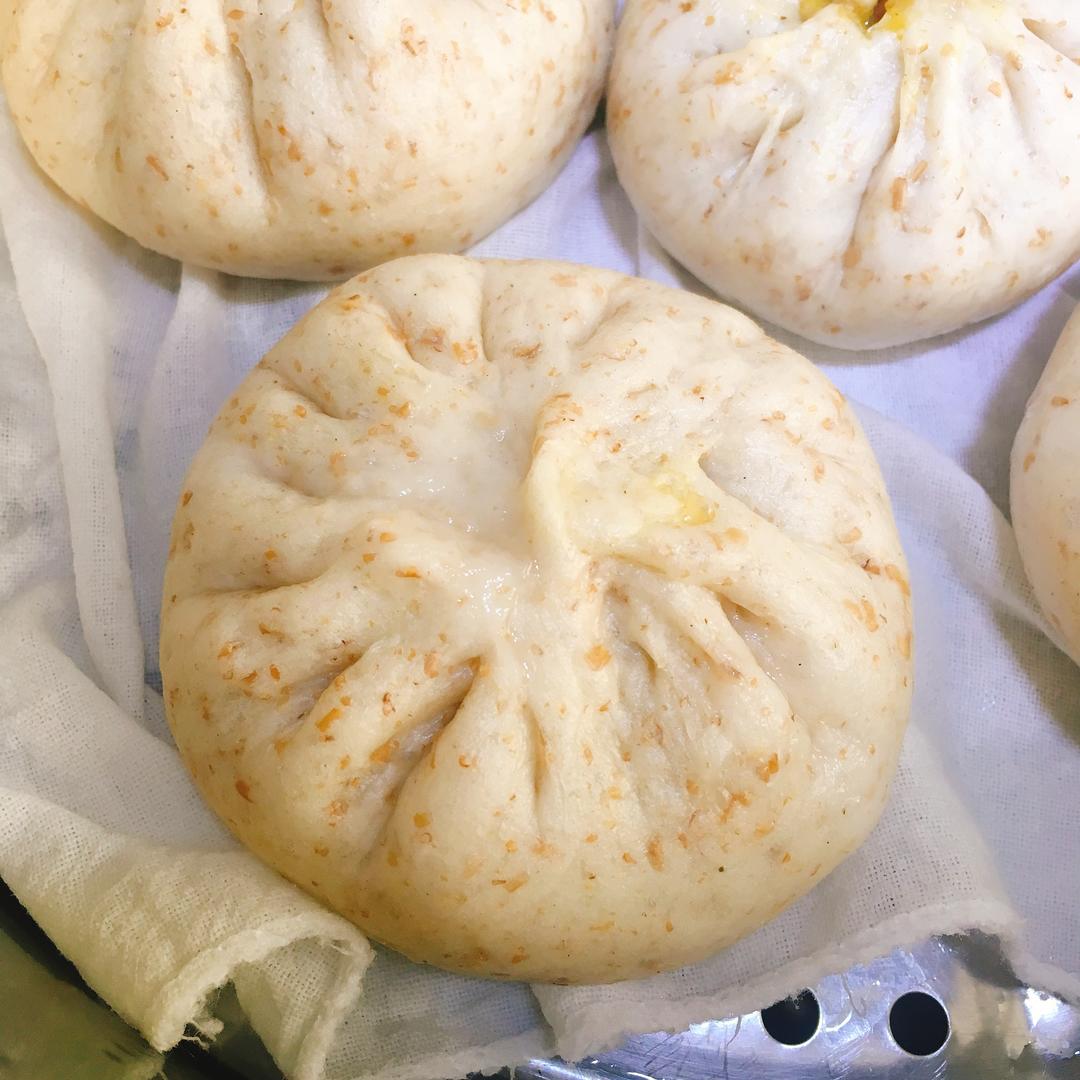
By leveraging the machine for both the initial knead and the crucial deflation process, you get bakery-quality results with a fraction of the manual labor. Whether you fill them with savory vegetables or sweet red bean paste, these buns are a wholesome, comforting staple that you can easily integrate into your weekly routine.
What Is Quan Mai Bao Zi?
“Quan Mai” (全麦) translates directly to whole wheat, and “Bao Zi” (包子) refers to filled steamed buns. While traditional white baozi are prized for their snow-white, cloud-like appearance, adding whole wheat flour introduces a nutty depth of flavor and rustic texture. Historically, less refined flours were common in everyday home cooking across northern China, where wheat is the primary staple. Today, they are celebrated for their nutritional benefits and satisfying chew.
If you prefer a completely traditional approach without a bread machine, check out my Whole Wheat Steamed Buns (Quan Mai Mantou) recipe for hand-kneading techniques and shaping traditional unfilled mantou.
Ingredients
For the Dough:
- All-purpose flour: 1 ½ cups (200 g). Standard all-purpose provides the right amount of gluten for a soft structure.
- Whole wheat flour (with bran): ⅓ cup plus 1 tablespoon (50 g). Adds a beautiful rustic color and nutty taste.
- Warm water: ½ cup plus 1 tablespoon (135 ml / 135 g). Must be lukewarm to activate the yeast properly.
- Granulated sugar: 2 ½ teaspoons (10 g). Feeds the yeast and slightly tenderizes the dough; it will not make the bun overly sweet.
- Active dry yeast or Instant yeast: 1 teaspoon (3 g).
- Aluminum-free baking powder (Optional): ¼ teaspoon (1 g). Provides an extra lift for a fluffier texture, balancing the heaviness of the whole wheat flour.
For the Filling:
- Your choice of filling: 10 oz (300 g). I highly recommend a savory cabbage and shredded radish filling, sweet red bean paste, or my classic Juicy Pork Dumpling Filling which works perfectly for meat buns.
Equipment Needed
- Bread Machine: Used strictly for the “knead” (or “imix”) function.
- Steamer Setup: A traditional bamboo steamer or a metal steamer pot with a tight-fitting lid.
- Parchment Paper Squares: To prevent the buns from sticking to the steamer basket.
Prep & Mise en Place
The secret to consistent baking is precise measurement. Weigh your flour and water using a digital scale if possible. If your whole wheat flour has very large, coarse bran flakes, you may need an extra teaspoon of water, as bran absorbs significant moisture.
Cooking Process
- Initial Kneading (16–20 minutes): Add the water, yeast, sugar, all-purpose flour, whole wheat flour, and baking powder into the bread machine pan. Select the kneading (imix/dough) program. Let the machine knead until the dough forms a smooth, cohesive ball. My machine’s cycle is 20 minutes, but I usually find 16 minutes is sufficient for a silky surface.
- First Rise (45–60 minutes): Leave the dough in the machine or transfer it to a warm place to proof until it has doubled in size.
- Deflating and Second Knead (5 minutes): Restart the bread machine’s kneading program for exactly 5 minutes. This step punches down the dough and redistributes the yeast.
- Dividing and Filling (10–15 minutes): Roll the dough into a long log and divide it into 12 equal portions, roughly 1 oz (30 g) each. Flatten each piece, roll out the edges so they are thinner than the center, and place a spoonful of your prepared filling inside. Pleat to seal the bun.
- Second Rise (20–30 minutes): Place the shaped buns into your steamer basket lined with parchment squares. Cover with the lid and let them rest. They are ready when they look visibly plump and slightly larger.
- Steaming (10–15 minutes): Bring the water in the steamer pot to a rolling boil over high heat. Place the steamer basket on top and reduce the heat to medium.
- Resting (5 minutes): Turn off the heat. Do not open the lid immediately! Let the buns rest undisturbed in the steamer for about 5 minutes. This prevents cold air from shocking the delicate buns, which causes wrinkling and deflation. Serve warm.
Why This Recipe Works
- Double Kneading: Utilizing the machine twice ensures a completely smooth dough structure, preventing the bumpy, uneven skins that often plague homemade baozi.
- Optimal Hydration: The 67% hydration ratio (135g water to 250g total flour) is the golden rule for steamed buns—wet enough to be soft, dry enough to hold intricate pleats.
- Temperature Management: The final 5-minute resting period off the heat is a classic restaurant technique that guarantees a smooth, professional finish.
Common Mistakes When Making Quan Mai Bao Zi
- Mistake: Buns shrink and wrinkle as soon as the lid is opened.
- Cause: Thermal shock. The sudden rush of cold air causes the steam inside the bun to rapidly condense.
- Solution: Always leave the lid on for 5 minutes after turning off the heat.
- Mistake: The dough is dense and didn’t rise.
- Cause: The yeast was killed by water that was too hot, or it was expired.
- Solution: Ensure water is lukewarm (not exceeding 110°F/43°C) and check your yeast’s expiration date.
- Mistake: The buns lost their pleat shapes after steaming.
- Cause: Over-proofing during the second rise.
- Solution: Only let the shaped buns grow by about 30-50%, never fully double in size during the second rise.
Frequently Asked Questions
Can I substitute the whole wheat flour for all-purpose flour?
Yes. If you prefer a traditional white bun, you can replace the 50g of whole wheat flour with an equal amount of all-purpose flour. You may need to reduce the water slightly (by about 1 teaspoon) as white flour absorbs less moisture.
Can I make these ahead of time and freeze them?
Absolutely. Steamed buns freeze incredibly well. Allow them to cool completely, then place them in a zip-top freezer bag. They will keep for up to 2 months.
Why is my dough sticky and difficult to shape?
Humidity in your kitchen can affect flour absorption. If the dough is too sticky after the first knead, sprinkle in 1 tablespoon of extra flour during the 5-minute deflation knead.
Is this an authentic method?
While bread machines are a modern convenience, the dough ratios, proofing stages, and steaming techniques remain strictly authentic to traditional Chinese culinary practices.
How to Serve
Steamed buns are the cornerstone of a comforting Chinese breakfast. Pair them with a warm, nourishing bowl of Creamy Red Bean and Black Rice Porridge or a savory Savory Millet Congee with Fish. Add a side of Chinese Tea Eggs for extra protein. If you are hosting a brunch, serve these alongside pan-fried Chinese Meat Pies for a wonderful textural contrast.
Storage & Reheat
- Refrigerator: Store in an airtight container for up to 3 days.
- Freezer: Freeze cooled buns in a single layer, then transfer to a freezer bag for up to 2 months.
- To Reheat: The best way to reheat is to steam them again for 5-8 minutes (10-12 minutes from frozen). Avoid the microwave if possible, as it can make the dough tough and rubbery.
Allergen Notice
- Contains: Gluten (Wheat).
- Depending on your filling, it may contain soy, sesame, or other allergens.
About the Author & Recipe Development
I am Lin, the voice and recipe developer behind Woks of Love. This bread machine technique was developed after realizing that many home cooks skip making baozi because of the tedious kneading required for a perfectly smooth skin. By testing various hydration levels (from 50% to 70%), I found that a 67% hydration dough paired with a secondary 5-minute machine knead perfectly mimics the firm, rhythmic hand-kneading of a seasoned dim sum chef. The result is an accessible, family-friendly recipe that doesn’t compromise on traditional texture.
Authoritative References
For the dough to rise properly, yeast health is paramount. According to King Arthur Baking’s comprehensive guide on yeast, optimal fermentation occurs between 75°F and 85°F (24°C – 29°C), and yeast will begin to die off if exposed to temperatures above 120°F (49°C). This is why ensuring your water is only lukewarm is critical to the success of your steamed buns.
—
Quick Bread Machine Whole Wheat Buns (Quan Mai Bao Zi)
Equipment
- Bread Machine
- Steamer
Ingredients
Dough
- 1.5 cups all-purpose flour
- 0.33 cup whole wheat flour with bran plus 1 tablespoon
- 0.5 cup warm water plus 1 tablespoon, lukewarm
- 2.5 tsp granulated sugar
- 1 tsp active dry yeast or instant yeast
- 0.25 tsp aluminum-free baking powder optional
Filling
- 10 oz vegetable or meat filling of choice
Instructions
- Combine water, yeast, sugar, all-purpose flour, whole wheat flour, and baking powder in the bread machine. Run the kneading/dough cycle for 16-20 minutes until a smooth dough forms.
- Let the dough rise in a warm place for 45-60 minutes until doubled in size. A poked hole in the dough should not spring back.
- Restart the bread machine kneading cycle for exactly 5 minutes to deflate the dough and remove air bubbles.
- Divide the dough into 12 equal pieces (about 30g each). Flatten each piece into a circle with thinner edges, add your filling, and pleat to seal.
- Place the buns in a steamer basket lined with parchment. Cover and let rise for 20-30 minutes until visibly plump but not doubled.
- Bring steamer water to a boil, place the basket on top, and steam over medium heat for 10 minutes (for veggie fillings) or 15 minutes (for raw meat fillings). Turn off heat and wait 5 minutes before opening the lid to prevent the buns from shrinking.












Leave a Reply