Hey there! Welcome back to my kitchen.
If you grew up in the West, you probably think of sugar as the enemy of savory food—something reserved for cookies or that jar you hide in the back of the pantry. But in the loud, chaotic Sichuan restaurant my parents ran in Chengdu, sugar was sitting right there on the line, next to the salt and the MSG.
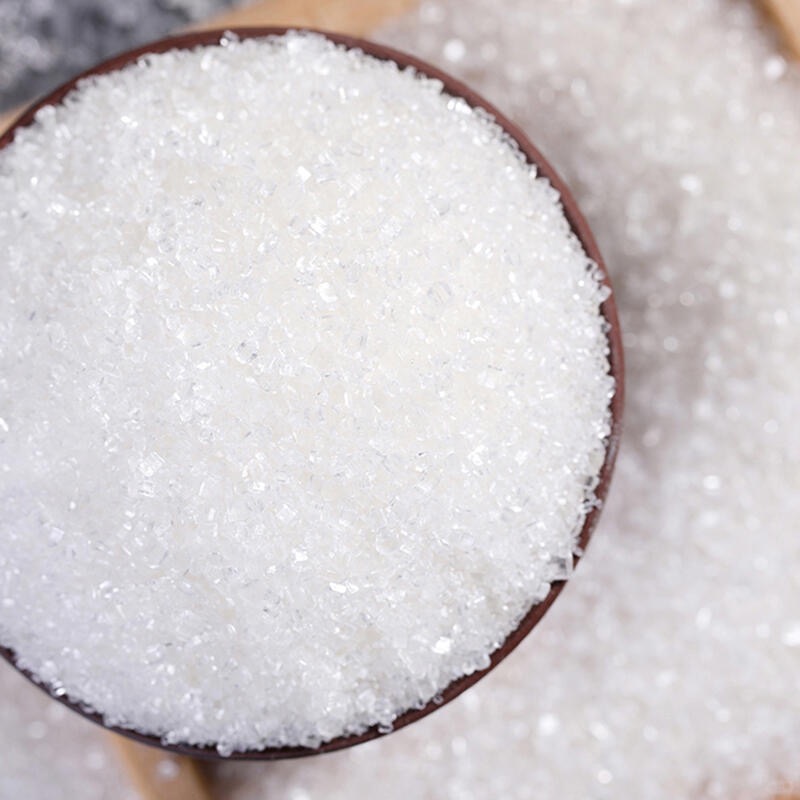
Let’s be real for a second. If you’ve ever wondered why your homemade stir-fry tastes “flat” compared to takeout, or why your braised pork lacks that ruby-red shimmer, the missing ingredient is often just a teaspoon of sugar. I’m not talking about making things sweet; I’m talking about balance.
Today, we aren’t just following a recipe; we are learning the “why” behind the ingredient. As a culinary school graduate, I learned that sugar is a flavor conductor. It tames heat, rounds out salt, and creates complexity. So, grab your apron, and let’s demystify Táng (Sugar).
The “Why”: Culinary School Logic
Why do we add sugar to savory dishes?
In my culinary training, we spent weeks studying flavor profiles. In Chinese cuisine, specifically He Wei (harmonizing flavors), sugar plays three critical roles:
- The Balancer: Just as lime juice brightens a heavy sauce, sugar cuts through harsh saltiness and fierce spiciness. In dishes like Mapo Tofu, a pinch of sugar doesn’t make it sweet—it makes the chili oil taste “fruitier” rather than just painful.
- The Maillard Reaction: Sugar speeds up caramelization. When high heat hits sugar and protein, you get that complex, savory browning that makes food taste “meaty.”
- The Glaze (Tang Se): This is the secret to that restaurant-quality shine. We call it chaming or “frying sugar.”
Chef’s Note: Think of sugar like a bass player in a rock band. You might not always hear it distinctly, but if it stops playing, the song feels empty.
Types of Sugar in Chinese Kitchens
Not all sugars are created equal. Here is what you need to look for.
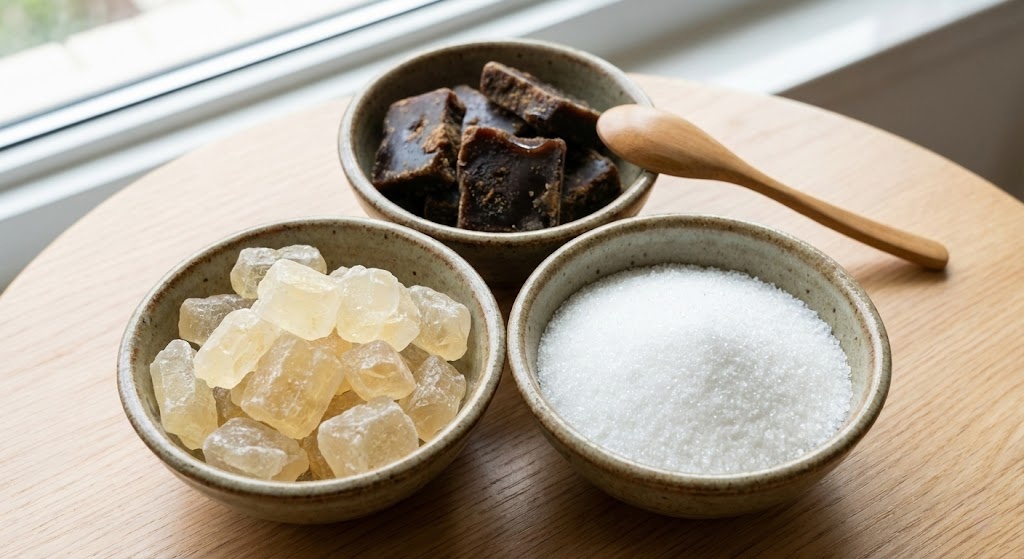
1. Rock Sugar (Bing Tang 冰糖)
This is the gold standard for braising. It is crystallized cane sugar that is less sweet than white sugar but gives a translucent, high-gloss finish to sauces.
- Best for: Slow-cooked dishes like Braised Pork Belly. It dissolves slowly, providing a steady glaze without burning as easily as granulated sugar.
2. Granulated White Sugar (Bai Tang 白糖)
The utility player. It dissolves instantly, making it perfect for quick stir-fries.
- Best for: Marinades, balancing vinaigrettes, or quick tosses like Tomato and Egg Stir-fry.
3. Brown Sugar / Slab Sugar (Hong Tang 红糖)
Unrefined and rich in molasses. In China, we often use this for its medicinal properties (warming the body) and for specific desserts or sweet soups.
- Best for: Sweet fillings or warming porridges like Red Bean and Black Rice Porridge.
How to Use It: Techniques & Sensory Cues
Here is the secret to using sugar like a pro.
1. The Marinade “Velvet”
When marinating meat, especially for Beef Chow Fun, we add a pinch of sugar along with the cornstarch.
- The Science: Sugar helps break down protein structures slightly, tenderizing the meat while aiding in that sear when it hits the hot wok.
2. Frying Sugar Color (Chao Tang Se)
This is an advanced technique, but I know you can handle it. We fry sugar in oil before adding the meat.
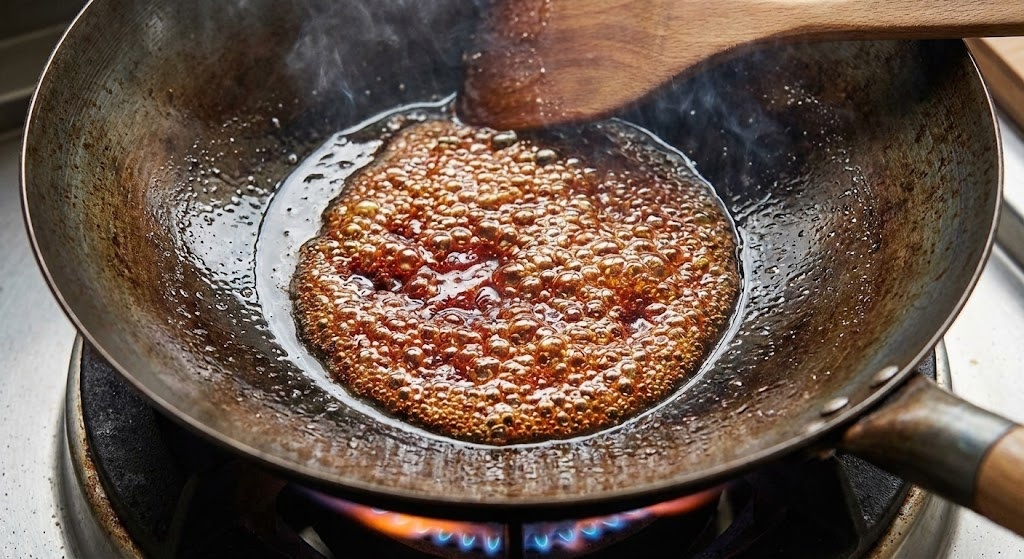
- Sensory Cue: Watch the oil closely. The sugar will melt, turn pale yellow, and then suddenly bubble up into a deep amber foam. Smell the air—the second it smells like toasted caramel (not burnt toast!), throw in your meat immediately. If you wait two seconds too long, it becomes bitter.
3. The “Lychee” Flavor Profile
In Sichuan cooking, we have a famous flavor profile called Yu Xiang (Fish Fragrant) or the sweet-and-sour balance found in Kung Pao Chicken. This relies on a heavy hand of sugar to counteract the vinegar.
- Tip: If your Kung Pao tastes too sour, don’t add less vinegar next time. Add more sugar this time.
Pairing Sugar with Other Seasonings
Sugar rarely works alone. To get that authentic flavor, you need to understand its partners.
- Sugar + Soy Sauce: The foundation of “Red Braising.” The saltiness of the Soy Sauce (both light and dark) is rounded out by the sugar, creating a savory-sweet umami bomb.
- Sugar + Vinegar: The classic duo. Whether it is Chinkiang black vinegar or rice vinegar, sugar is the necessary counterweight. You see this heavily in dishes like Sweet and Sour Pork.
- Sugar + Doubanjiang (Chili Bean Paste): This is the Sichuan secret. Doubanjiang is incredibly salty and spicy. A teaspoon of sugar mellows that harshness, bridging the gap between the fermented beans and the fresh ingredients.
Western Kitchen Reality: Proactive Troubleshooting
I know you don’t have a jet-engine burner like my parents did. Here is how to make this work on an electric stove.
- The Rock Sugar Issue: Giant lumps of rock sugar take forever to dissolve on a low-heat electric stove.
- The Fix: Put the rock sugar in a Ziploc bag and smash it with a rolling pin into smaller pieces before cooking. Or, let’s be real, just use white granulated sugar. The flavor difference is minimal in a stir-fry; you mostly lose that specific glossy sheen, but the taste will still be 95% there.
- Non-Stick Pan Warning: If you are trying to “fry sugar color” in a non-stick pan, be careful. High heat ruins the coating.
- The Fix: For non-stick users, skip the frying sugar step. Instead, add the sugar after the liquid (soy sauce/water) is added. You won’t get the same depth of color, but you will save your pan. Use a bit of Dark Soy Sauce to cheat the color.
Authoritative References & Further Reading
To ensure you are getting the most accurate science and health information, here are some trusted resources regarding sugar and cooking science:
- The Science of Caramelization: For a deep dive into the chemical process of how sugar breaks down and creates flavor, read this guide on The Maillard Reaction and Caramelization.
- Sugar Types Defined: The Sugar Association provides a comprehensive breakdown of the Differences Between Turbinado, Brown, and Granulated Sugar.
- Health Guidelines: Always cook with health in mind. Review the World Health Organization’s guidelines on sugar intake.
Lin’s “No Secrets” Final Tip
Here is the secret that changed my cooking: Taste as you go.
I know that sounds obvious, but when you are adding sugar to a savory dish like Twice-Cooked Pork, add it in small increments. You are looking for that moment when the saltiness stops “biting” your tongue and starts hugging it. That is the sweet spot—literally.
Would you like me to help you find the best brand of Rock Sugar available on Amazon or your local Asian market? Let me know in the comments!




Leave a Reply