There is a particular kind of quiet that comes over a kitchen when lamb ribs are simmering in nothing but water, ginger, scallion and a scatter of Sichuan peppercorns. No soy sauce, no bean paste, no chili oil — just a pot doing slow, patient work. That is 清炖羊肉汤, clear stewed lamb soup, and it is one of the most forgiving and most rewarding things you can make on a cold evening.
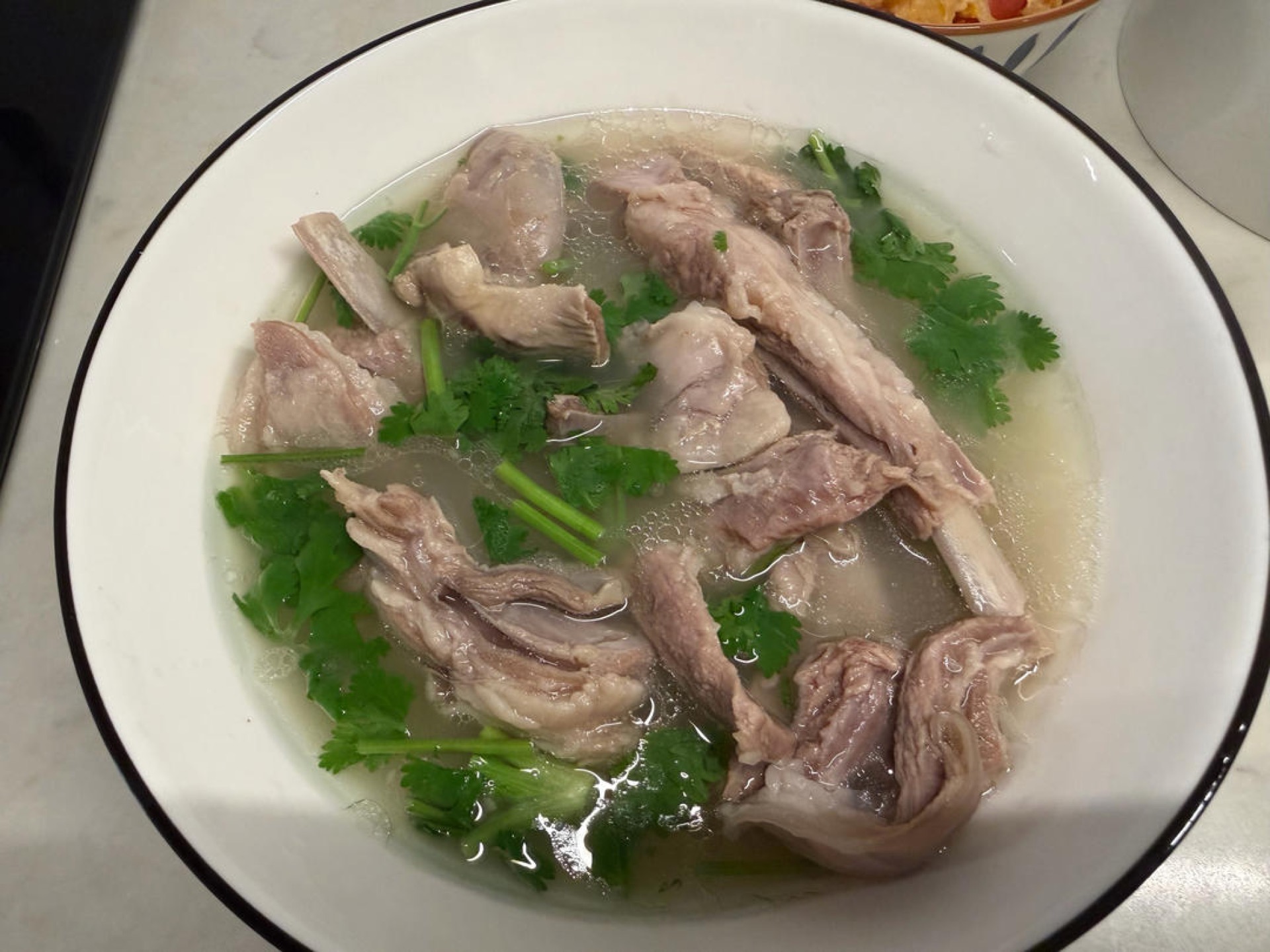
If you have only ever met lamb through cumin-heavy northwestern skewers or a heavy braise, this soup will surprise you. The broth comes out pale and gently milky, the meat slides off the bone, and the whole bowl tastes clean rather than heavy. It is the kind of dish that makes a small amount of meat feel like a feast.
The technique behind it is simple, but the details matter: how you blanch the lamb, how much water you add and when you add it, what you leave in the pot and what you take out. Get those right and you end up with something you will want to make every winter.
What Is Clear Stewed Lamb Soup?
Clear stewed lamb soup, qing dun yang rou tang, is a northern Chinese home-style soup built on a single idea: simmer lamb gently with a small handful of aromatics and let the broth stay clear. Unlike a Sichuan-style spicy lamb stew or a Cantonese herbal lamb soup loaded with dried ingredients, this one is deliberately restrained. The seasoning is salt, plus maybe a lump of rock sugar. Everything else is there to soften the lamb’s natural gaminess without hiding it.
It is usually made with bone-in lamb ribs, sometimes with lamb neck or shoulder. The bones are part of the point — they give the broth body without turning it cloudy or thick. In Beijing, Shaanxi, Ningxia and Inner Mongolia, the same soup shows up in breakfast stalls and family kitchens alike, often served with a bowl of rice noodles or a piece of flatbread for dipping.
What sets it apart from a Western lamb broth is the aromatic logic. Ginger and scallion do the heavy lifting, Sichuan peppercorns add a faint citrus-tingle warmth rather than heat, and a small piece of cinnamon bark — optional, and easy to overdo — adds a quiet sweetness underneath. If you have been exploring how to build layered flavor with aromatics, this soup is a good place to see how much restraint can do.
Simmering is not the same as boiling. A rolling boil agitates the fat and protein in the pot and emulsifies them into the liquid, which is what turns a clear broth opaque and slightly greasy. A bare simmer — bubbles breaking the surface only occasionally — keeps the broth translucent and the flavor clean.
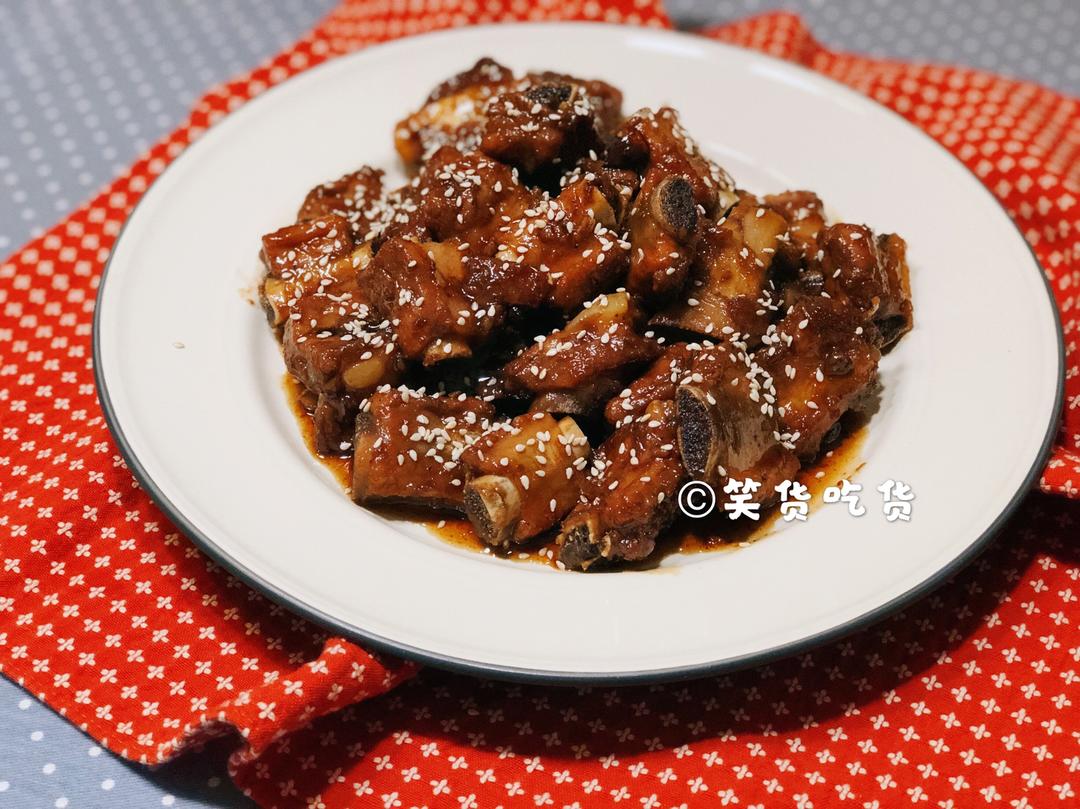
If you enjoy pork ribs simmered in clear broth, you will recognize the same principle at work. For a sweeter, glossier take on ribs, sweet and sour pork ribs shows how the same cut behaves when the cooking turns toward caramel and vinegar instead of a slow simmer.
1Authentic Sweet and Sour Pork Ribs (Tang Cu Pai Gu)A foolproof, no-fry Sweet and Sour Pork Ribs recipe using the classic 1-2-3-4 golden ratio for the perfect balance of sweet and tangy flavors. Sticky, glossy, and incredibly tender!Check out this recipe
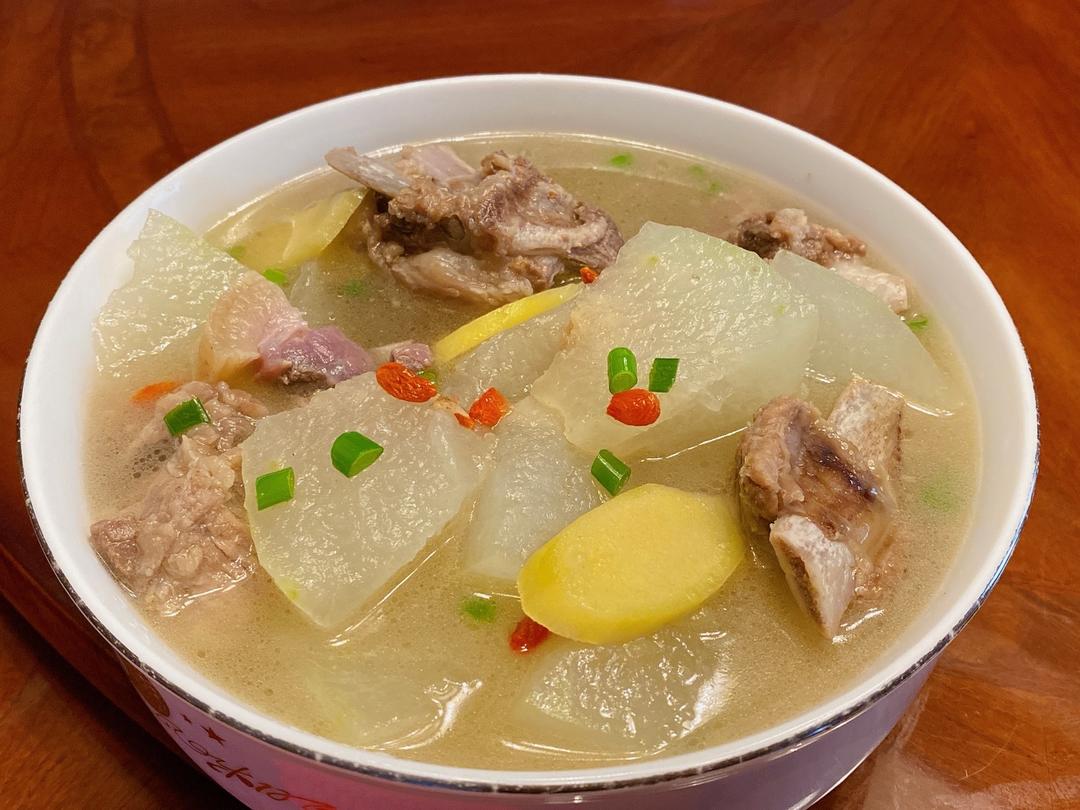
And if you like the idea of a light broth with a vegetable doing the work, winter melon pork rib soup is the summer cousin of this bowl — same gentle technique, a completely different mood.
2Authentic Winter Melon Pork Rib Soup (Dong Gua Pai Gu Tang)A comforting, hydrating summer soup featuring tender pork ribs, savory salted pork, and melt-in-your-mouth winter melon. Authentic, simple, and naturally healthy.Check out this recipe
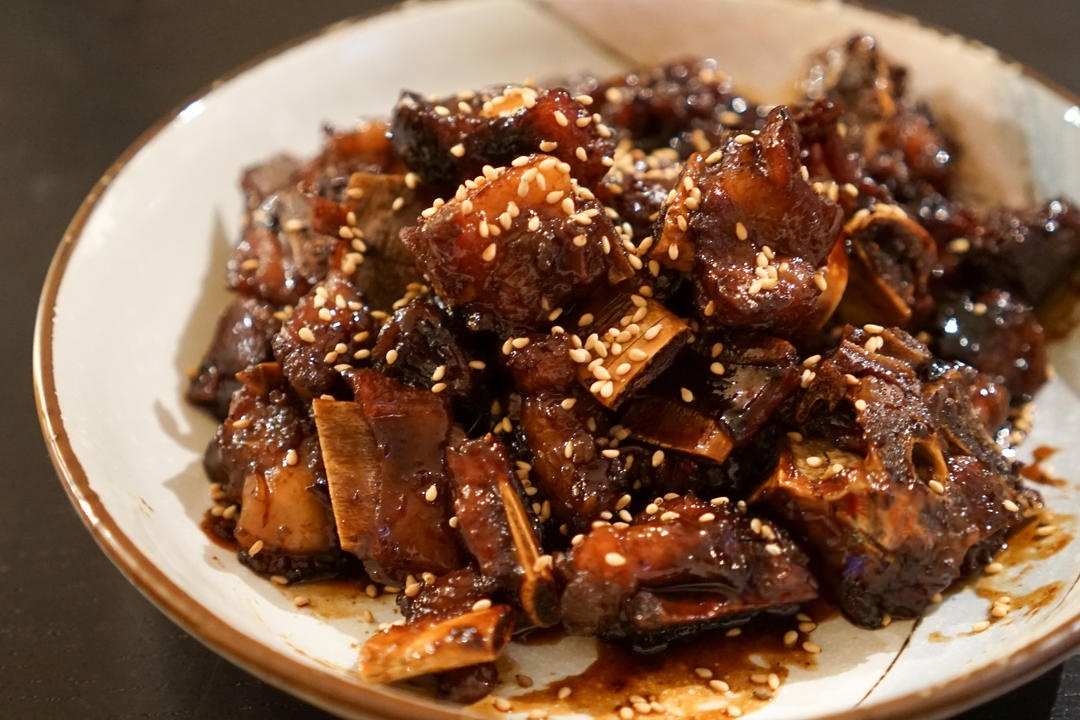
For a third angle on ribs, coca cola sweet and sour pork ribs is the shortcut version, where a sweetened liquid does the braising and the glaze comes almost for free.
3Coca-Cola Sweet and Sour Pork Ribs (Tang Cu Pai Gu)A restaurant-quality recipe for Sweet and Sour Ribs using a clever shortcut: Coca-Cola! This method creates a brilliant red glaze and tender meat with a hint of fruitiness from preserved plums.Check out this recipe
Ingredient Notes
Lamb ribs. Bone-in ribs are the classic choice, and the ones sold as “lamb rib chops” or “rack of lamb” cut into individual ribs work well. Lamb neck and shoulder also work and are more economical, though they need a little longer to soften. If you can find it, lamb from a younger animal will be milder and less gamey. Buy more than you think you need — the meat shrinks considerably and the bones are a large share of the weight.
Scallion and ginger. These are not optional garnish here; they are the backbone of the broth. Use a whole piece of ginger, smashed rather than sliced, so it releases flavor slowly without disintegrating into the soup. Scallion greens are better than the white parts for a clear broth, and tying them into a knot makes them easy to fish out later. If you only have thin scallions, two whole ones tied together do the job.
Garlic. Four whole peeled cloves, left intact. Crushed garlic would bleed too much sharpness into a delicate broth.
Sichuan peppercorns. Ten to twenty of them, and no more. They are there to cut the gaminess, not to make the soup numbing. If you are sensitive to the tingle, start with ten.
Cinnamon bark. A small piece — roughly a one-inch shard — is traditional in some households and left out in others. It adds a warm background note, but a large piece will make the broth taste like a dessert. If you are unsure, skip it the first time and add it on the next batch.
Shaoxing wine. A small splash, added with the water, helps lift the lamb aroma. Dry sherry is a fine substitute. If you are avoiding alcohol entirely, simply leave it out rather than substituting something sweet.
Salt and rock sugar. Salt goes in at the very end, never at the start — early salt tightens the meat and slows the tenderizing. A small piece of rock sugar, about the size of your thumb, rounds out the broth and brightens the lamb flavor without making the soup sweet. Regular sugar can stand in, but use half as much.
Cilantro. Added to the bowl, not the pot. Heat dulls its perfume, so it goes in at the last second, right before the hot broth hits it.
If you are building a pantry for this kind of cooking, our guide on soy sauce is useful for the dishes you will make alongside this one, and knowing what to use instead of oyster sauce helps when a recipe calls for a depth this soup deliberately avoids.
Ingredients
Here is everything you need for four generous bowls. The full amounts are in the recipe card at the bottom of this post.
- 2 lb (about 900 g) bone-in lamb ribs, cut into individual ribs
- 2 whole scallions, tied into a knot
- 1 piece ginger, about 2 inches (5 cm), smashed
- 4 cloves garlic, peeled and left whole
- 15 Sichuan peppercorns
- 1 small piece cinnamon bark (optional)
- 2 tbsp (30 ml) Shaoxing wine
- 10 cups (2.4 L) boiling water, plus more as needed
- 1 tsp (6 g) salt, or to taste
- 1 small piece rock sugar (optional)
- 1 handful cilantro, chopped, for serving
Note that there is no soy sauce and no oil in this recipe. If you are used to reaching for a bottle of dark seasoning at the start of a braise, hold back here — the whole point is a broth you can see through.
Equipment Needed
A heavy pot is the single most important piece of equipment. A Dutch oven, a clay pot or a thick-bottomed stockpot all work. A thin pot will scorch the bottom and give the broth a faint burnt note that no amount of cilantro will fix. If you are cooking Chinese food at home regularly, a wok is useful for many dishes, but for a long simmer like this one a straight-sided pot is better — wider surface area means faster evaporation.
You will also want a slotted spoon or a fine-mesh skimmer for lifting off the grey foam in the first ten minutes. A cutting board and a sharp knife handle the lamb and aromatics. That is genuinely it. No pressure cooker needed, though it will speed things up if you are short on time.
If you are new to the equipment side of Chinese cooking, our guide on how to start cooking chinese food covers what is worth buying and what is not.
Why This Recipe Works
Three things make this soup taste the way it does.
First, the double rinse. The lamb is blanched in cold water brought to a boil, then rinsed again in hot water. That second rinse is the step most people skip, and it is the one that removes the clinging grey scum that would otherwise cloud the broth and carry a faint metallic tang.
Second, boiling water only. Cold water added to a hot pot shocks the meat, tightening the fibers and slowing the breakdown of collagen. Starting with boiling water and never topping up with cold keeps the temperature steady and the meat relaxing.
Third, the removal of the aromatics at the one-hour mark. Ginger, scallion, garlic and peppercorns give everything they have in the first hour. Left in for the second hour, they turn bitter and muddy. Pulling them out and letting the lamb finish alone in its own liquid is what gives the final broth its clean, almost sweet lamb flavor.
If you like the gentle warmth that aromatics bring to a broth, the same principle shows up in a very different form in our miso soup, where a single fermented ingredient does the work in minutes rather than hours.
Prep & Mise en Place
Get everything ready before the pot goes on. This soup moves slowly, but the first ten minutes are busy.
- Soak the lamb. Put the ribs in a bowl of cold water and let them sit for 30 minutes to an hour if you have time. This draws out some of the blood and reduces the gamey note. It is not strictly required, but it makes a noticeable difference. Drain and rinse.
- Smash the ginger. Lay the peeled piece of ginger on the board and press down hard with the flat side of a cleaver or the bottom of a heavy pan until it splinters. Do not cut it into slices.
- Tie the scallions. Fold two whole scallions in half and knot them loosely so they stay together in the pot.
- Peel the garlic. Four cloves, whole, no smashing.
- Measure the peppercorns. Count them out. Fifteen is a good middle ground.
- Boil a kettle. You want 10 cups of boiling water ready before the lamb goes back in the pot, plus a little extra in case you need to top up.
- Chop the cilantro. Do this last so it stays bright, and keep it in a small bowl by the stove.
Once the lamb is blanched and rinsed, everything else is a matter of waiting.
Cooking Process
Step 1 — Blanch the Lamb
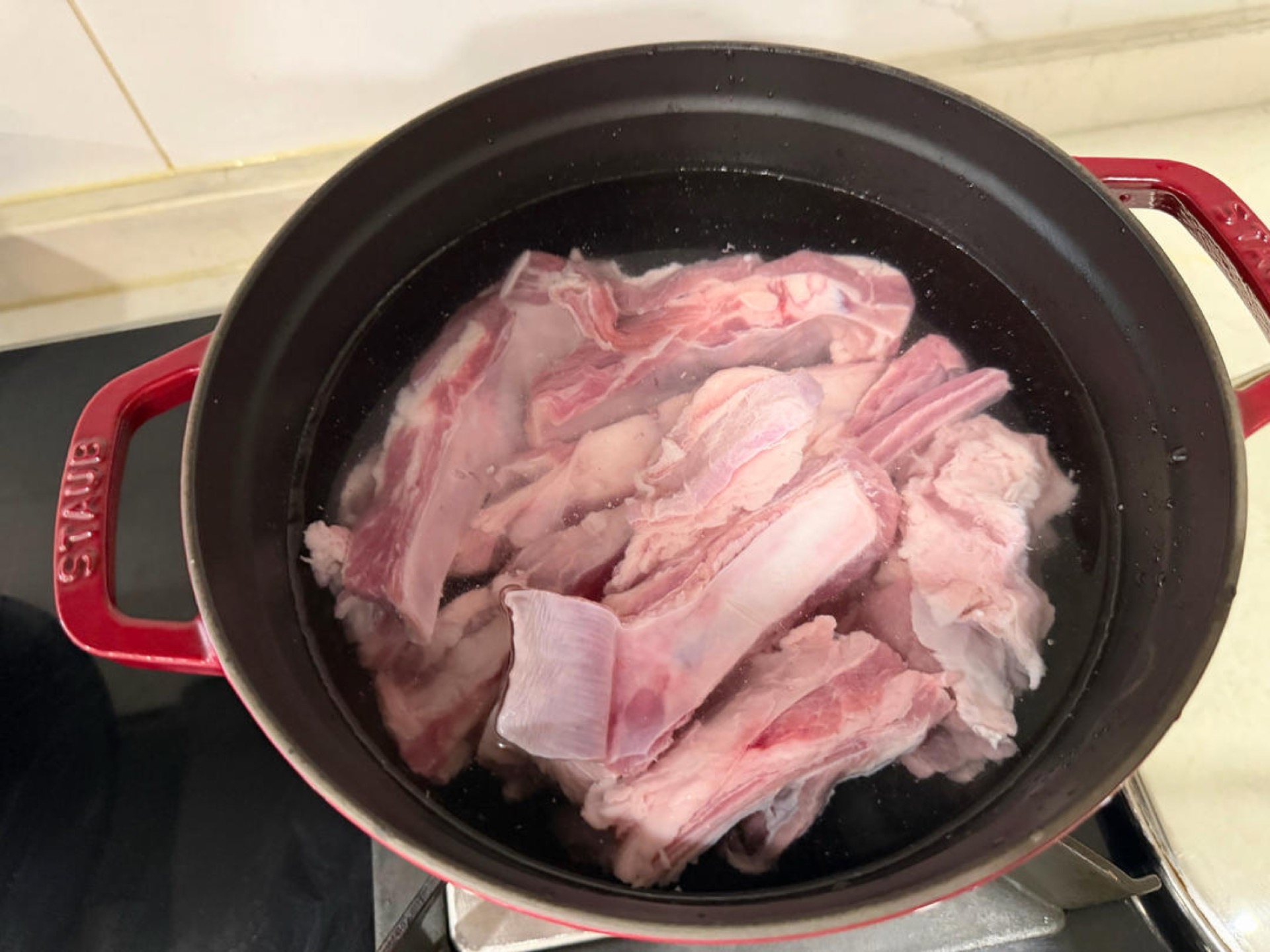
Thaw the lamb and rinse away the blood, then put it in cold water, bring it to a boil to blanch it, and move the blanched lamb to a bowl and rinse it further with hot water, which is said to reduce the gamey smell.
Step 2 — Prepare the Aromatics
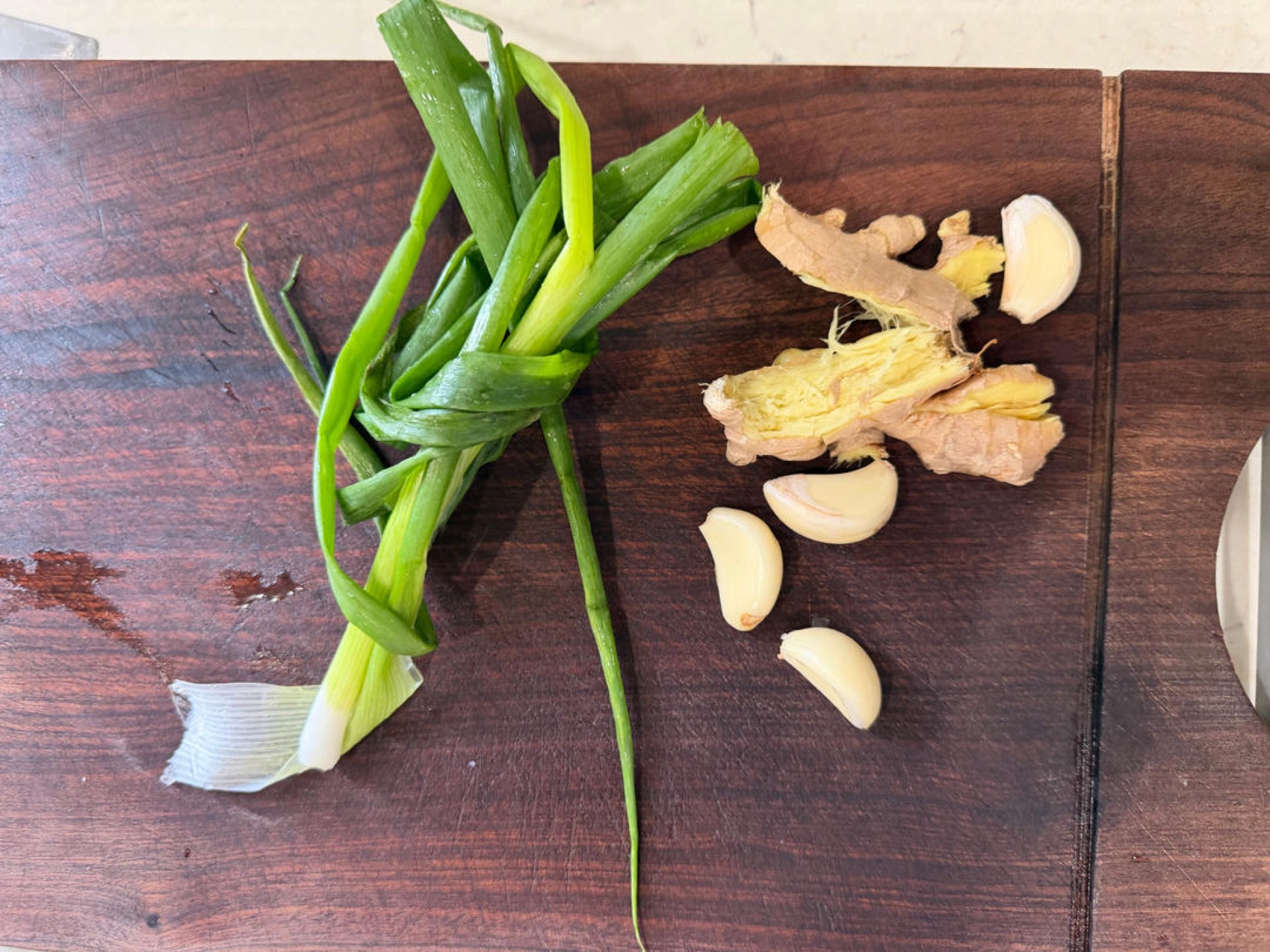
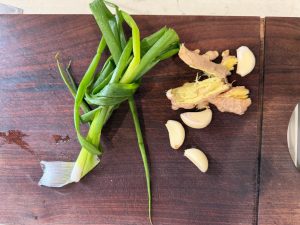
Prepare the scallion, ginger and garlic: do not crush the garlic, just peel it and leave 4 cloves whole, smash a whole piece of ginger flat with the handle of a knife, and if you have a large scallion use the green leaves, or substitute scallion if you do not, tying two whole stalks into a knot.
Step 3 — Build the Broth
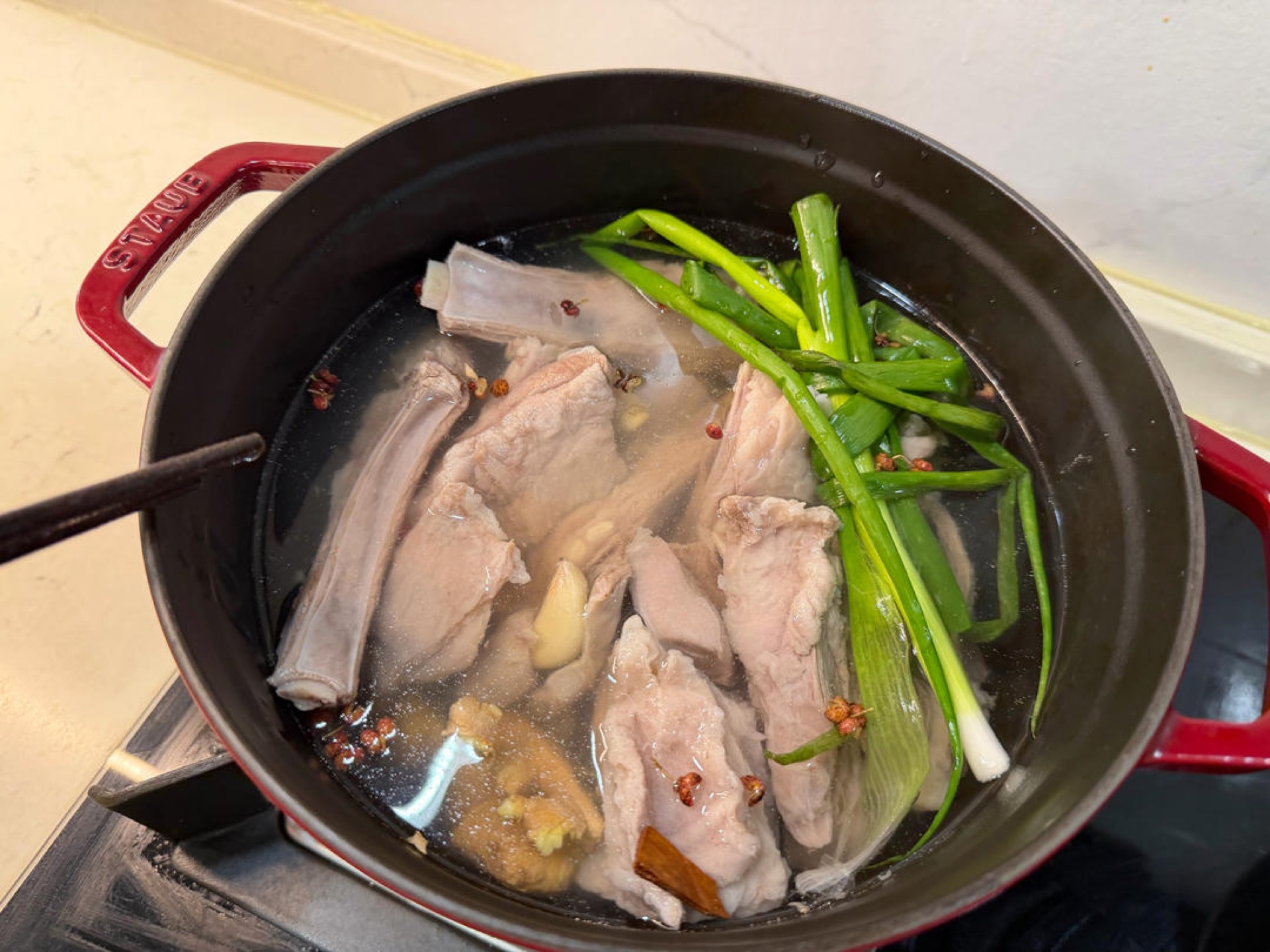
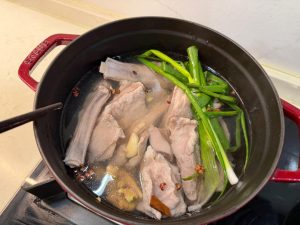
Add the washed lamb, the scallion, ginger and garlic to the pot, along with the Sichuan peppercorns and a small piece of cinnamon bark (which you can also leave out), pour in a little Shaoxing wine and boiling water — plenty of it, fully covering the lamb, because you will not add water later.
Step 4 — Simmer Gently
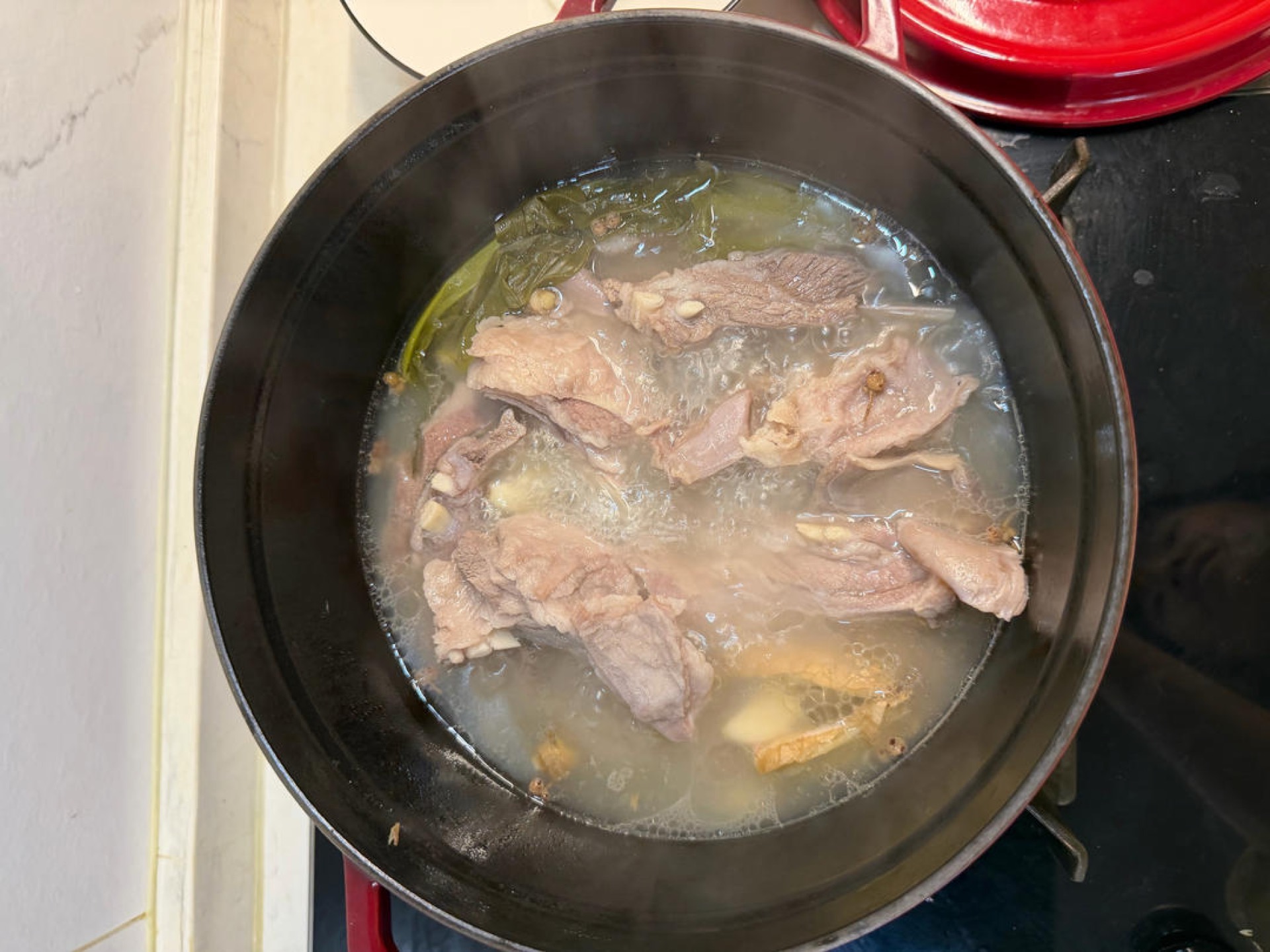
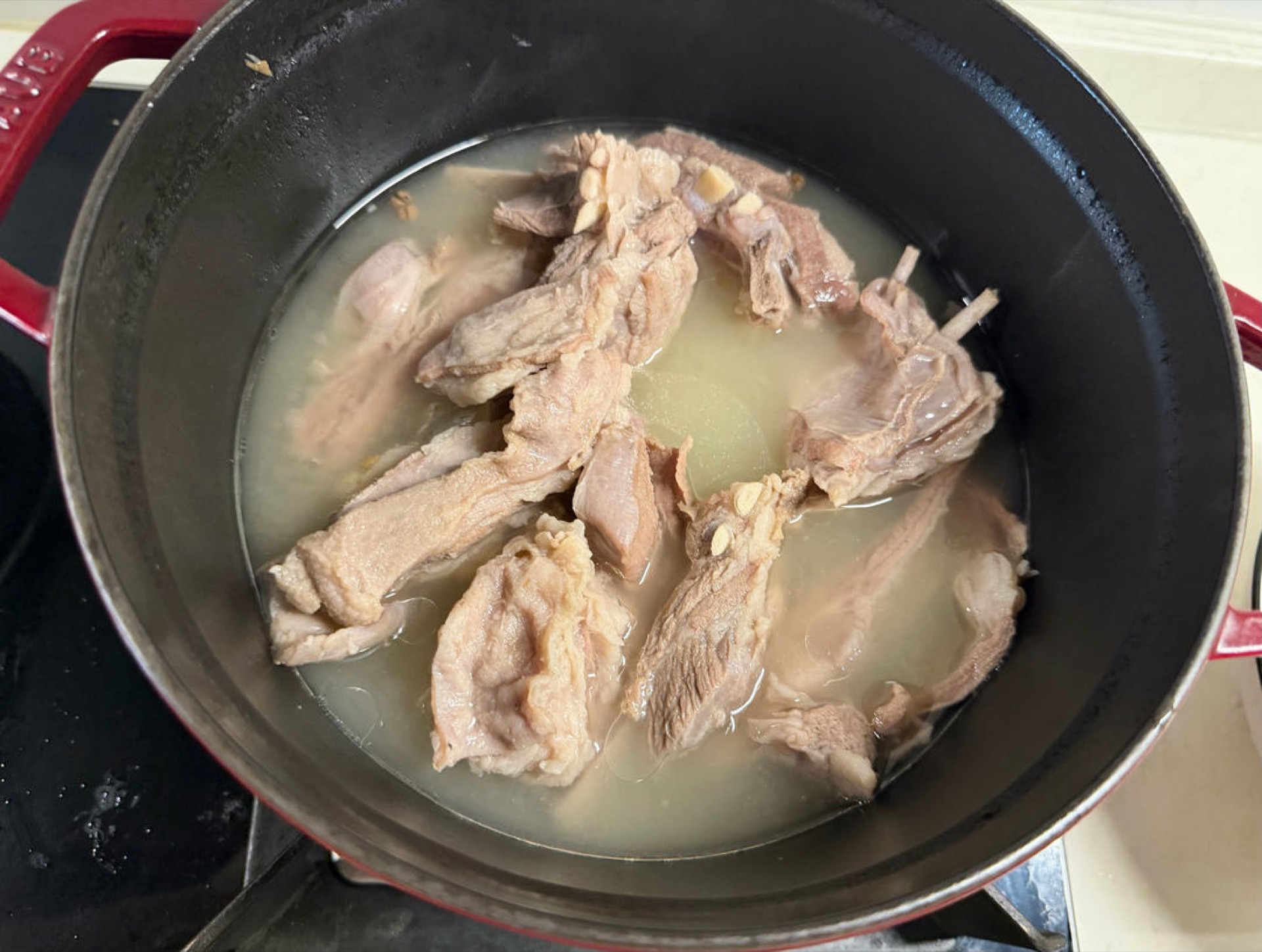
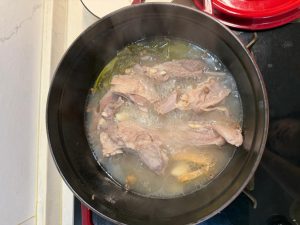
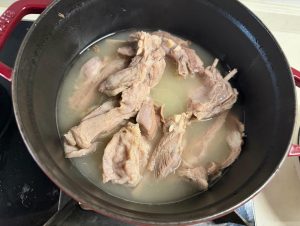
Simmer over low heat; after about 1 hour it should look roughly like the photo.
Step 5 — Strain Out the Aromatics
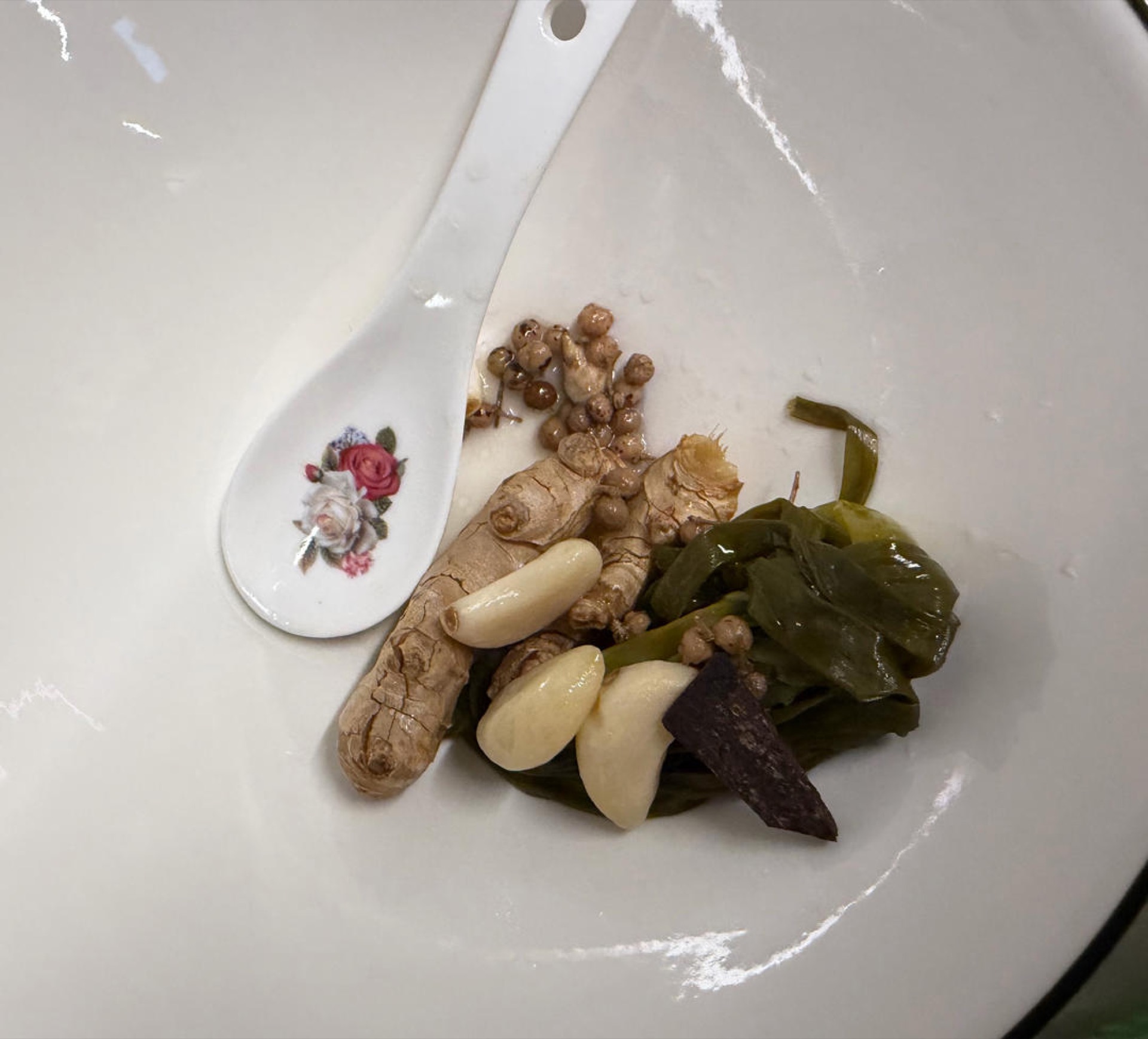
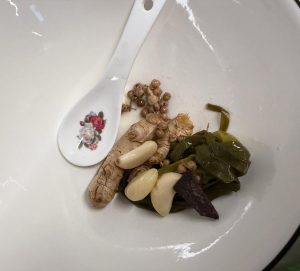
At this point remove the scallion, ginger, garlic, Sichuan peppercorns and cinnamon bark from the soup, leaving only the lamb to keep simmering for another half hour.
Step 6 — Season and Finish
Once the lamb is soft and tender it is ready to come out of the pot — if it is not tender enough, simmer it a little longer — and season with salt to taste before serving, or add a small piece of rock sugar to lift the flavor.
Step 7 — Serve with Cilantro
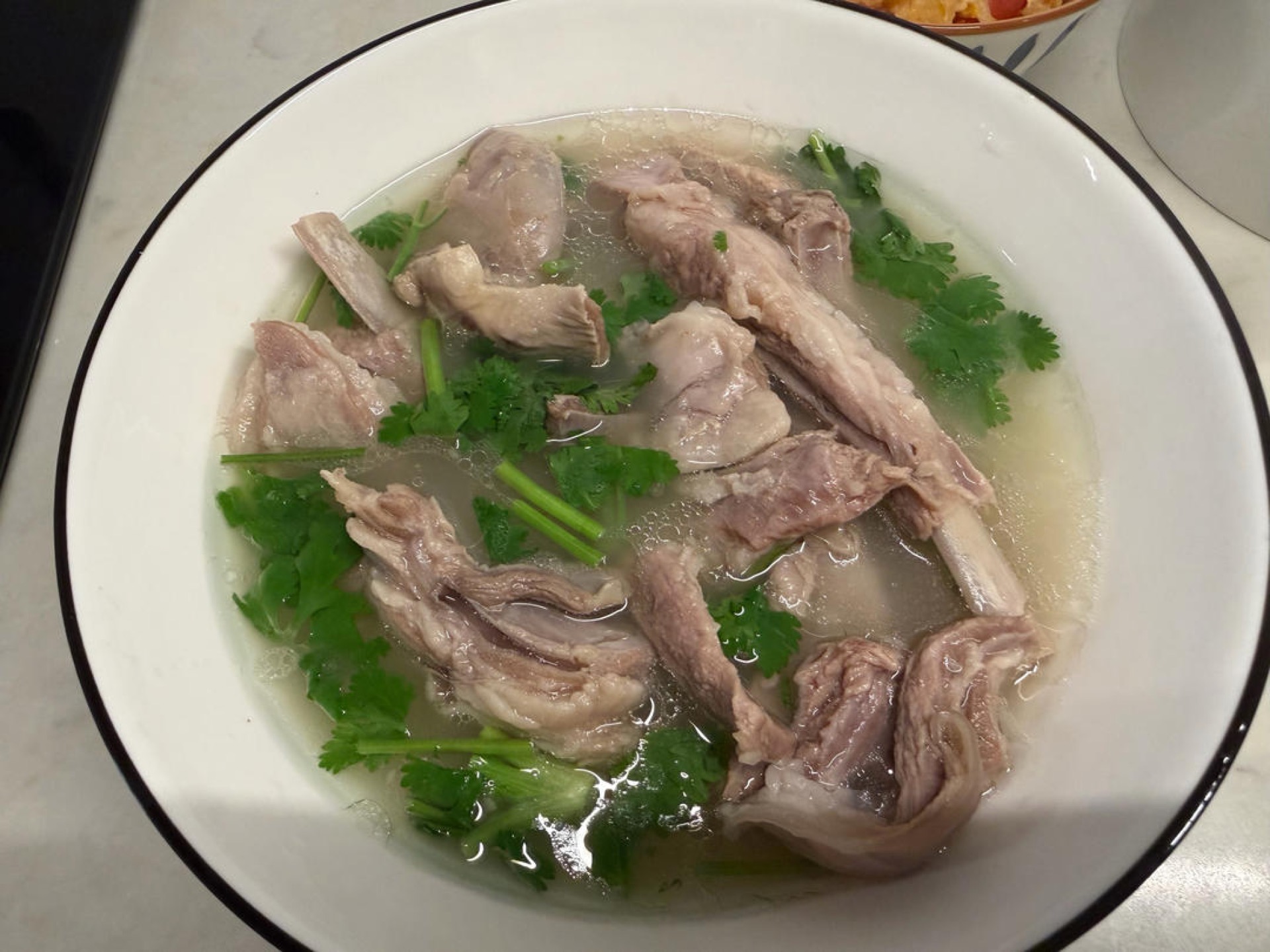
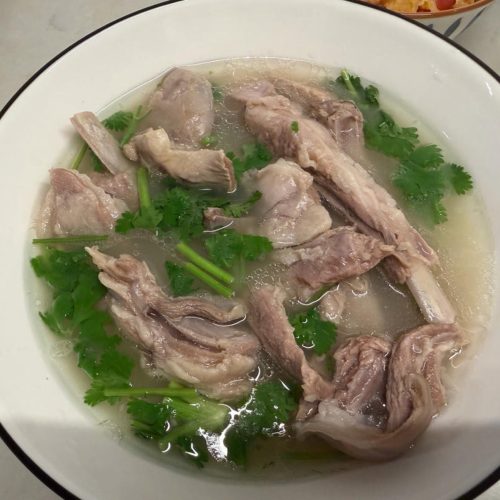
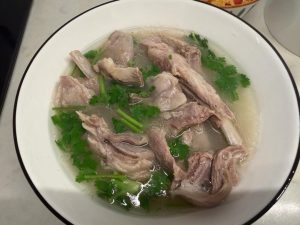
Put cilantro in the bowl, ladle in the finished broth and lamb, and your fragrant clear stewed lamb soup is ready; any extra broth can also be used to cook rice noodles.
Common Mistakes When Making Clear Stewed Lamb Soup
1. Adding cold water mid-simmer. The most common mistake, and the one that ruins the texture fastest. Cold water drops the temperature, shocks the muscle fibers and makes the lamb tough. Fix: always keep a kettle of boiling water nearby and add from that, or better, start with enough water that you never need to top up at all.
2. Boiling instead of simmering. A hard boil churns fat into the broth and turns it cloudy and greasy. Fix: once the pot comes to a boil, drop the heat immediately to the lowest setting that still shows a lazy bubble every few seconds. Put a lid on slightly ajar.
3. Leaving the aromatics in the whole time. Ginger, scallion and peppercorns go bitter after about an hour of hard simmering. Fix: fish them out at the one-hour mark with a slotted spoon and let the lamb finish alone. The broth gets cleaner and more lamb-forward.
4. Salting at the beginning. Salt draws moisture out of the meat and tightens the proteins, so the lamb takes much longer to soften. Fix: season only in the last few minutes, taste, and adjust. If you are worried about undersalting, season in two small additions rather than one big one.
5. Skipping the second rinse after blanching. The grey foam that clings to the blanched ribs is what makes a broth look muddy. Fix: rinse the blanched lamb under hot running water, or swish it in a bowl of hot water, until the surface is clean and no scum remains.
6. Using too much cinnamon or too many peppercorns. Both are supporting players. Overdo either and the soup tastes like a spice cabinet rather than lamb. Fix: one small shard of cinnamon, ten to twenty peppercorns, and no more.
7. Crowding the pot. Too much meat in too little water means the lamb steams rather than simmers, and the broth concentrates into something harsh. Fix: use a pot large enough that the lamb sits in a single layer with at least an inch of water above it.
Variations
With daikon. Add a peeled daikon radish cut into thick rounds during the last 30 minutes. It soaks up the lamb flavor and turns silky, and it stretches the soup for more people.
With rice noodles. The extra broth at the end of this recipe is perfect for cooking rice noodles — the same idea behind our purple rice dishes, where a grain or noodle carries the flavor of what it is cooked in. Ladle hot broth over cooked noodles and top with sliced lamb.
With a sour note. A spoonful of rice vinegar or a few pickled mustard greens added at the table gives the soup a bright edge. This is common in northwestern versions.
With a spice kick. A small spoon of chili oil drizzled into individual bowls, so people who want heat can add it and the pot stays clear.
With lemongrass and galangal. Not traditional for this soup, but if you like the aromatic direction, a little galangal root powder stirred in at the end pushes the broth toward a Southeast Asian profile.
Frequently Asked Questions
How do I get rid of the gamey smell in lamb soup? Three things work together: soak the raw ribs in cold water for 30 to 60 minutes, blanch them and rinse again in hot water, and use ginger, scallion, a splash of Shaoxing wine and a modest number of Sichuan peppercorns. Do not try to cover the lamb flavor entirely — the goal is a cleaner lamb taste, not a masked one.
Can I make this in a pressure cooker? Yes. After blanching and rinsing, put everything in the pressure cooker with the boiling water and cook at high pressure for about 25 minutes, then release naturally. Remove the aromatics, add salt, and simmer uncovered for 10 minutes to concentrate the broth slightly. The flavor is very close, though the broth is a touch less clear.
Why is my broth cloudy? Almost always a hard boil, or starch and protein scum that was never skimmed. Keep the pot at a bare simmer, skim in the first ten minutes, and rinse the blanched lamb thoroughly. Cloudiness is harmless, but a clear broth tastes cleaner.
Can I use lamb shoulder instead of ribs? Yes. Cut it into large chunks and expect it to need 15 to 25 minutes less time. Bone-in cuts give more body, so if you use boneless shoulder, consider adding a couple of lamb bones or a small piece of pork bone for depth.
How long can I keep the broth? Refrigerated, up to 3 days in a sealed container. The fat will rise and set on top — leave it there until you reheat, then skim if you prefer a lighter soup. Frozen, up to 3 months; thaw overnight in the fridge.
How to Serve
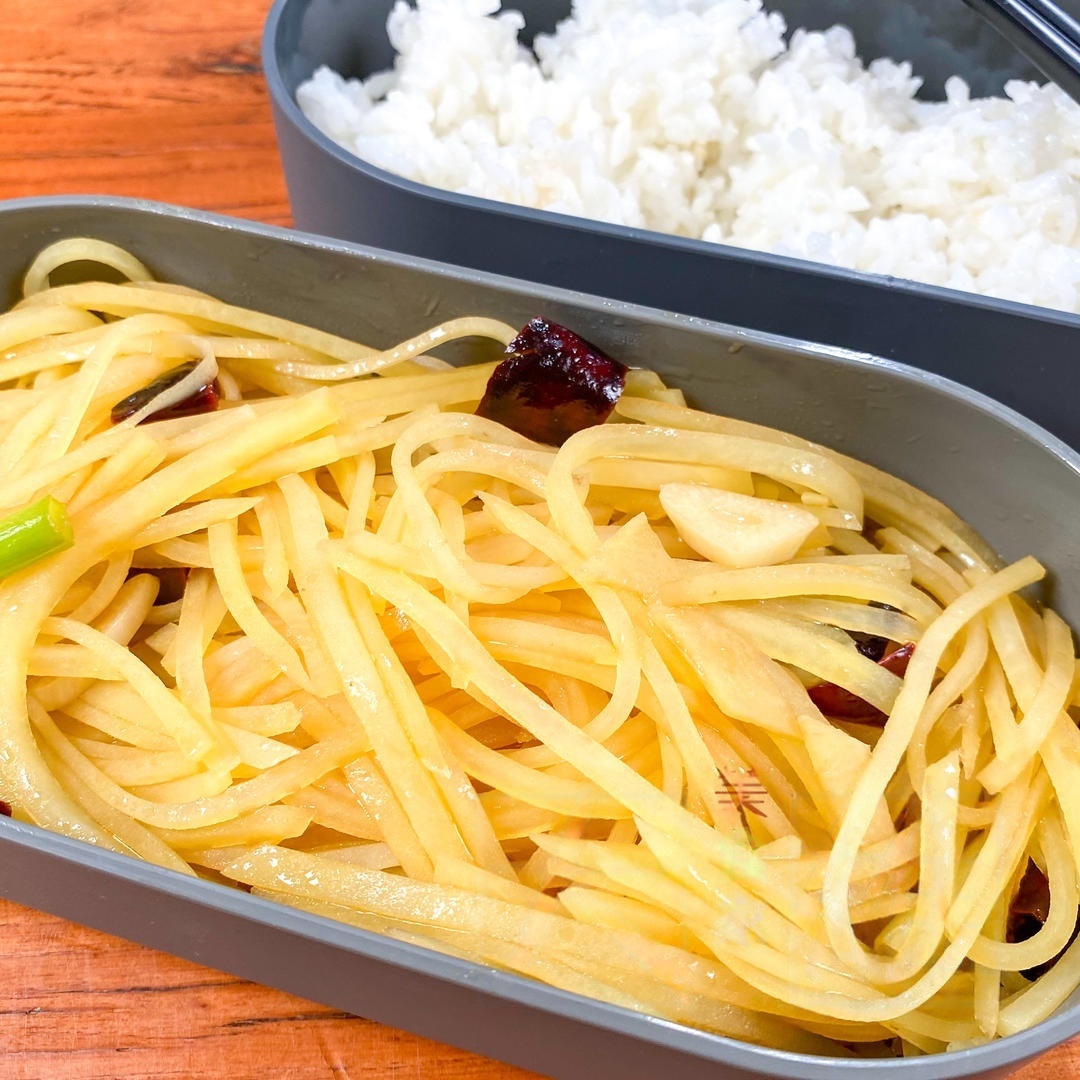
Ladle the lamb and broth into bowls over a small handful of chopped cilantro, and put salt on the table so everyone can adjust their own. A bowl of steamed rice or a piece of flatbread alongside makes it a full meal. If you want something to round out the table, a crisp cold dish works well next to a rich soup — our hot and sour shredded potatoes bring exactly the right crunch and acidity, and they come together in minutes while the soup finishes.
For a heartier pairing, a bowl of black pepper chicken rice bowls turns the meal into something substantial, and the two dishes share a warm, peppery thread that ties them together without competing.
If you would rather keep the meal soup-based, a small bowl of wonton soup broth alongside is a lighter option, and the clean, savory notes in both bowls sit comfortably side by side.
Storage & Reheat
Cool the soup within two hours of cooking, then transfer it to a sealed container and refrigerate for up to 3 days. Lamb ribs keep better in their broth than out of it — the liquid protects the meat from drying out. If you are storing the soup for more than a day, keep the meat and broth together.
To reheat, bring it gently to a simmer on the stovetop rather than blasting it in the microwave, which toughens the meat. Add a splash of water or stock if the broth has reduced too much. Do not boil hard, or you will undo the clarity you worked for.
For longer storage, freeze the soup in portions for up to 3 months. Thaw overnight in the refrigerator and reheat on the stovetop. The broth may look slightly cloudy after freezing — this is normal and does not affect the taste.
If you have extra broth with no meat left, it is excellent for cooking noodles, poaching greens, or as the liquid base for a future braise.
Allergen Notice
This recipe contains soy (from soy sauce, if you add it) and wheat (from Shaoxing wine, if used). It is free of dairy, eggs, peanuts, tree nuts and shellfish. If you are cooking for someone with a soy or gluten sensitivity, check the labels on your Shaoxing wine and any stock you use, and omit the soy sauce entirely — this soup does not need it.
Sichuan peppercorns can occasionally cause a tingling sensation that some people mistake for an allergic reaction. It is a normal sensory effect, not a sign of an allergy, but if you are unsure, start with a small amount.
Nutrition Disclaimer
Nutrition information is calculated using an ingredient database and should be considered an estimate. In cases where multiple ingredient alternatives are given, the first listed is calculated for nutrition. Garnishes and optional ingredients are not included.
About the Author & Recipe Development
Lin is the cook and writer behind Woks of Love, where she has been documenting Chinese home cooking for over a decade. Her recipes come from her own kitchen, from family tables, and from conversations with cooks who make these dishes every day. She tests each recipe until the technique is reliable enough to hand to someone cooking it for the first time.
This clear stewed lamb soup was developed from a northern Chinese home version, where the pot is built on plain water and a short list of aromatics. During testing, the biggest variables turned out to be the water temperature at the start and the moment the aromatics come out of the pot. Both are noted in the steps so you get the same clean, tender result the first time.
If you make this soup, the comments are open — tell us how it turned out, what lamb cut you used, and whether you added the cinnamon bark or left it out.
Authoritative References
For safe handling and cooking temperatures for lamb and other meats, see the USDA safe minimum internal temperature chart. For general food safety guidance on cooling and storing leftovers, see the FDA guidance on refrigerator thermometers and cold food storage. For background on how collagen converts to gelatin during long, moist cooking, see this food-science explainer on braising liquids.
Clear Stewed Lamb Soup (清炖羊肉汤): Tender Lamb in Clear Savory Broth

Equipment
- Wok
- Cutting Board
- Slotted Spoon
Ingredients
For the Soup
- 2 lb lamb ribs bone-in, cut into individual ribs
- 2 stalks scallion whole, tied into a knot
- 1 piece ginger about 2 inches, smashed with the flat of a knife
- 4 cloves garlic peeled, left whole
- 15 pieces Sichuan peppercorns optional but recommended
- 1 small piece cinnamon bark optional
- 2 tbsp Shaoxing wine or dry sherry
- 10 cups boiling water plus more as needed
For Finishing
- 1 tsp salt or to taste
- 1 small piece rock sugar optional, about the size of a thumb
- 1 handful cilantro roughly chopped, for serving
Instructions
- Thaw the lamb and rinse away the blood, then put it in cold water, bring it to a boil to blanch it, and move the blanched lamb to a bowl and rinse it further with hot water, which is said to reduce the gamey smell.

- Prepare the scallion, ginger and garlic: do not crush the garlic, just peel it and leave 4 cloves whole, smash a whole piece of ginger flat with the handle of a knife, and if you have a large scallion use the green leaves, or substitute scallion if you do not, tying two whole stalks into a knot.
- Add the washed lamb, the scallion, ginger and garlic to the pot, along with the Sichuan peppercorns and a small piece of cinnamon bark (which you can also leave out), pour in a little Shaoxing wine and boiling water — plenty of it, fully covering the lamb, because you will not add water later.
- Simmer over low heat; after about 1 hour it should look roughly like the photo.
- At this point remove the scallion, ginger, garlic, Sichuan peppercorns and cinnamon bark from the soup, leaving only the lamb to keep simmering for another half hour.

- Once the lamb is soft and tender it is ready to come out of the pot — if it is not tender enough, simmer it a little longer — and season with salt to taste before serving, or add a small piece of rock sugar to lift the flavor.

- Put cilantro in the bowl, ladle in the finished broth and lamb, and your fragrant clear stewed lamb soup is ready; any extra broth can also be used to cook rice noodles.












Leave a Reply