In the vast landscape of Chinese and Southeast Asian spices, few ingredients carry as much aromatic intrigue as Galangal Root Powder (Gao Liang Jiang, 高良姜). Often mistakenly labeled as a mere “substitute for ginger,” galangal is a powerhouse in its own right. While it belongs to the same family as ginger and turmeric, it offers a sharp, citrusy, and almost pine-like fragrance that regular ginger simply cannot replicate.
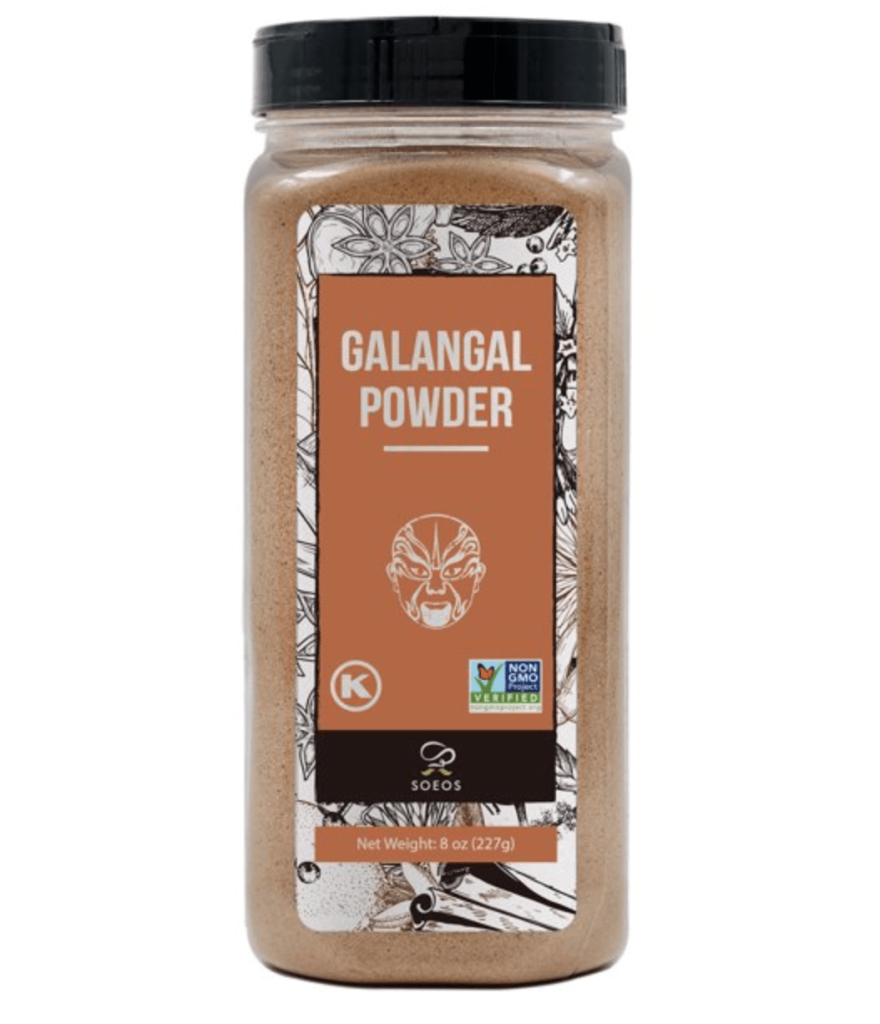
Whether you are crafting a complex Thai curry or a traditional Chinese “Master Brine,” understanding how to use the powdered form of this rhizome is essential for any home cook looking to achieve authentic flavors.
What Is Galangal Root Powder?
Galangal refers to the rhizomes of several plant species in the ginger family (Zingiberaceae), but in the context of Galangal Root Powder, we are most often referring to “Lesser Galangal” (Alpinia officinarum).
- Chinese Name & Pinyin: 高良姜 (Gāoliáng Jiāng)
- Botanical Source: It is derived from the dried and pulverized rhizome of the Alpinia plant.
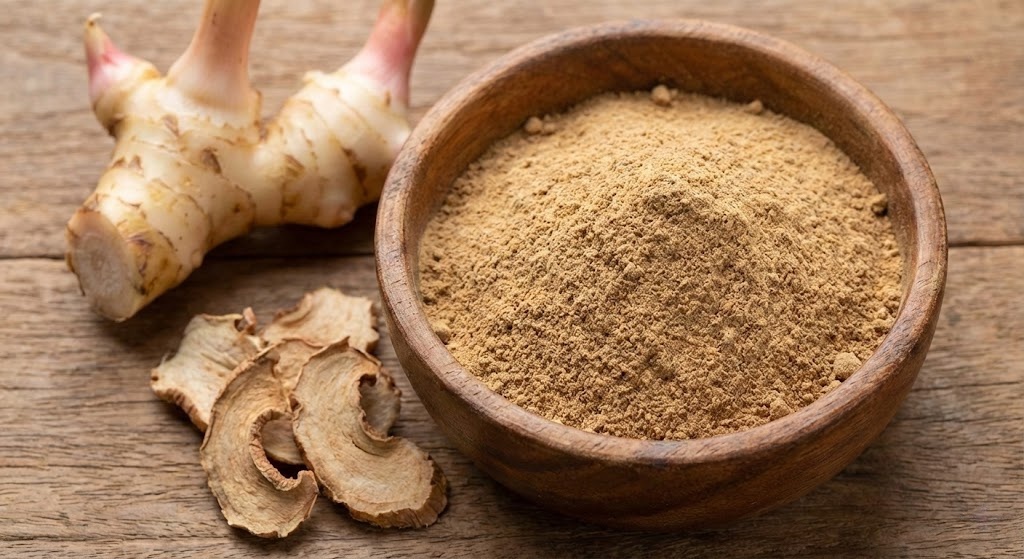
- Appearance: The powder is typically a light, sandy tan to reddish-brown color with a fine, dry texture.
- Historical Background: Native to Southeast Asia and Southern China (specifically the Guangdong and Hainan provinces), galangal has been traded for centuries. Its name, “Gao Liang,” is believed to refer to the ancient Gao Liang region in Guangdong where the highest quality roots were grown.
Note from the Kitchen: In its fresh form, galangal is famously known as “Thai Ginger” and is a cornerstone of Thai and Indonesian cooking. However, the powdered form is a secret weapon in Chinese spice rubs and medicinal soups.
Flavor Profile
The flavor of Galangal Root Powder is distinctively sharp and multi-dimensional. Unlike regular ginger, which is warm and spicy, galangal is cooling, citrusy, and resinous.
- Aroma: Earthy with strong notes of pine and eucalyptus.
- Taste: It has a “medicinal” sharpness that is less sweet than ginger. It provides a lingering heat that doesn’t burn the back of the throat but rather refreshes the palate.
- Role in Cooking: It is rarely the “main” flavor. Instead, it acts as a bridge, harmonizing fatty meats with aromatic spices.
Culinary Applications: How to Use the Powder
While fresh galangal is preferred for liquid-heavy dishes like Tom Yum Soup or an Indonesian Beef Rendang, the powder is highly valued for its concentrated flavor and ease of integration into dry mixtures.
1. The Ultimate Substitute for Sand Ginger
One of the most practical uses for Galangal Root Powder is as a replacement for Sand Ginger (Shannai). In traditional Chinese poultry dishes, if you cannot find Shannai, galangal powder provides that necessary earthy, camphor-like depth. It works beautifully when creating a dry rub for Satay Chicken Skewers.
2. Traditional Chinese Master Brine (Lu Shui)
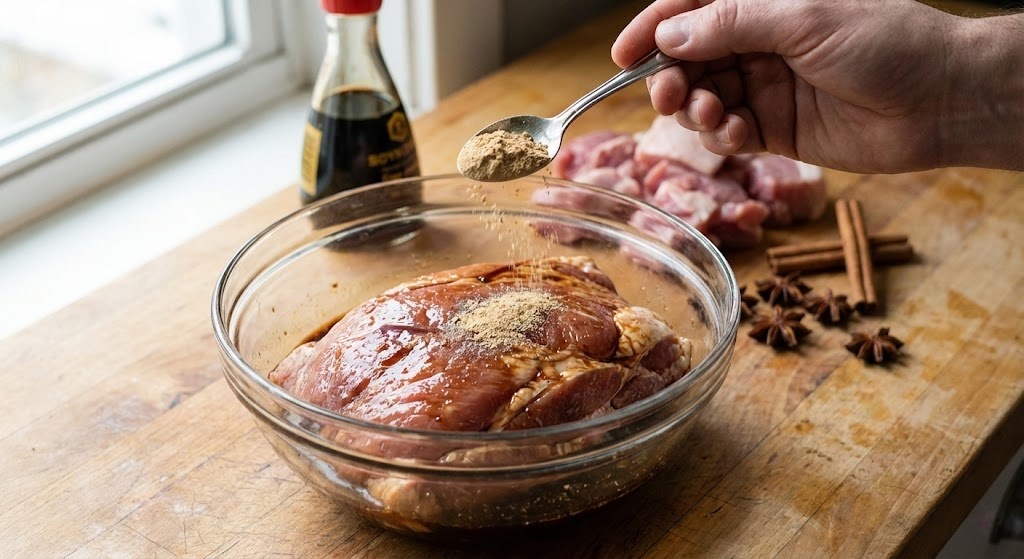
In “Red Cooking,” galangal is a key component of the spice bag. While whole dried slices are common, a pinch of powder can be used to bolster the aroma of a Braised Pork Belly.
3. Spice Blends and Rubs
Galangal powder is a staple in many versions of Five Spice Powder. Its ability to cut through the gaminess of meats makes it ideal for:
- Chicken and Pork: Mix with Salt and White Pepper for a simple, aromatic rub.
- Seafood: Use a tiny pinch to neutralize “fishy” odors in steamed dishes.
4. Seasoning Pairings for Newbies
If you are just starting out, think of galangal as a partner to these seasonings:
- Shaoxing Wine: The acidity of the wine brings out the citrus notes of the galangal.
- Light Soy Sauce: Provides the salty base that carries the galangal’s aroma.
- Garlic and Scallions: The classic trinity of Chinese aromatics is often enhanced by a touch of galangal powder for added complexity.
Buying and Selection Guide
When shopping for Galangal Root Powder, quality is paramount as the volatile oils dissipate over time.
- Where to Buy: Look in the spice aisle of Asian supermarkets (like H-Mart or 99 Ranch) or specialty spice shops. It is often labeled as “Gao Liang Jiang” or “Lesser Galangal Powder.”
- What to Look For: The powder should have a strong, pungent aroma immediately upon opening. If it smells like sawdust or faint ginger, it is likely old.
- Color: Avoid powders that look grey; look for a vibrant tan or pale reddish-brown hue.
Storage Tips
Because it is a ground spice, galangal powder has a higher surface area and loses potency faster than whole dried slices.
- Container: Store in an airtight glass jar to prevent the essential oils from leaching into plastic.
- Environment: Keep in a cool, dark, and dry cupboard. Exposure to light will fade the color and flavor.
- Shelf Life: For peak flavor, use within 6 to 9 months.
Substitutes
If a recipe calls for galangal powder and you are out:
- Sand Ginger Powder (Shannai): The closest match in terms of earthiness.
- Ginger Powder: Use in a 1:1 ratio, but add a squeeze of lime juice or a pinch of lemon zest to the dish to mimic galangal’s citrus notes.
- Fresh Galangal: 1 tablespoon of grated fresh galangal equals approximately 1/2 teaspoon of powder.
Authoritative References
- wikisource: Galangal Plant and Spice Profile
- Food and Agriculture Organization (FAO): Spice Standards and Descriptions
About Woks of Love
At Woks of Love, we are dedicated to demystifying the ingredients that make Chinese and Southeast Asian cuisine so vibrant. Our mission is to provide home cooks with the expertise needed to master traditional techniques while fostering a deep respect for the cultural history behind every spice.




Leave a Reply