For many home cooks, the gateway to Chinese cuisine is often a frustrating cycle of soggy vegetables, tough meat, and a kitchen that smells like burnt garlic but tastes like nothing. You see a chef on a high-BTU burner tossing a wok with effortless grace and wonder why your electric stove produces a watery mess instead of that elusive “wok hei.”
The truth is, professional Chinese cooking isn’t about having a jet-engine burner; it’s about understanding the relationship between heat, moisture, and preparation. In this guide, I’ll strip away the mystery and show you how to build a functional Chinese pantry and master the foundational techniques using the equipment you already own.
Quick Answer: How to Succeed Immediately
To start cooking Chinese food successfully, focus on Mise en Place (pre-cutting everything), mastering the Stir-fry Order, and using a balanced sauce ratio of salt, acid, and sugar. Most beginners fail because they add ingredients to a cold pan or overcrowd the space, leading to steaming rather than frying.
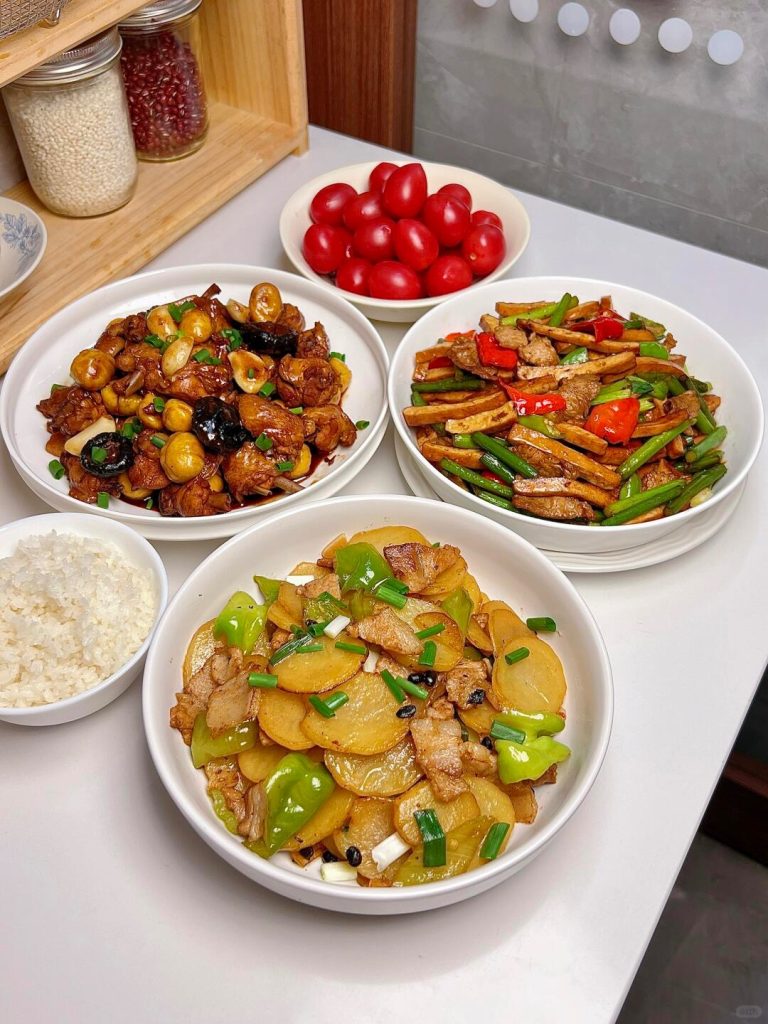
Why Chinese Technique Works
At its core, Chinese cooking—specifically stir-frying—relies on the Maillard reaction and moisture management.
- Heat Transfer: By cutting ingredients into uniform, small pieces, we maximize surface area. This allows for rapid searing (375–450°F / 190–230°C) which develops complex flavors before the cell walls of vegetables collapse and release excess water.
- Emulsification: The frequent use of a cornstarch slurry at the end of cooking isn’t just for thickness; it binds the oil, aromatics, and seasoned liquids into a cohesive glaze that clings to the food rather than pooling at the bottom of the plate.
The Real Kitchen Insight
In my ten years in professional kitchens, the biggest difference I saw between a “pro” and a “novice” wasn’t knife speed—it was pan temperature awareness. In a restaurant, we use burners pushing 80,000 to 120,000 BTUs. At home, you are likely working with 10,000 to 18,000 BTUs.
What most beginners don’t realize is that you must “pre-load” your pan with heat. You have to wait until the oil is shimmering and just beginning to whisps of smoke before the first ingredient hits the metal. If you don’t hear a violent sizzle, stop—you’re boiling, not frying.
Essential Ingredients & Substitutes
You don’t need a hundred bottles to start. These five are the “Commandments” of the Chinese pantry:
- Light Soy Sauce: Provides salt and umami. If you can’t find a dedicated light soy sauce, a high-quality “All-purpose” soy sauce works, but reduce the salt elsewhere.
- Shaoxing Wine: The secret to “restaurant smell.” It removes “raw” meat odors. A dry sherry is the best substitute for Shaoxing wine if you can’t visit an Asian grocer.
- Toasted Sesame Oil: A finishing oil used for aroma, not frying.
- Aromatics: Fresh ginger, garlic, and scallions. This is the “Holy Trinity.”
- Cornstarch: Essential for the “velveting” technique and thickening sauces.
Comparison: Restaurant vs. Home Environment
| Variable | Professional Kitchen | Western Home Kitchen |
| Heat Output | 80,000–120,000 BTU | 10,000–18,000 BTU |
| Pan Material | Thin Carbon Steel | Cast Iron or Stainless Steel |
| Oil Temp Recovery | < 10 seconds | 30–60 seconds |
| Technique | Continuous Tossing | Batch Cooking / Searing |
Prep Strategy: The “Mise en Place” Law
In Chinese cooking, the cooking takes 5 minutes, but the prep takes 20.
- Uniformity: Cut your meat and vegetables into similar sizes so they cook at the same rate.
- Dryness: Pat your vegetables dry. Any water on the surface of your broccoli will immediately drop the pan temperature and turn your fry into a steam.
- Velveting: To keep meat tender, use the how to velvet chicken method: coat protein in a bit of egg white, cornstarch, and oil before cooking. This creates a protective barrier against high heat.
Step-by-Step: Your First Stir-Fry
- Heat the Pan: Get your wok or skillet hot over high heat until a drop of water evaporates instantly (approx. 380–400°F / 193–204°C).
- Long Yao (Season the Pan): Add the best oil for stir fry (like peanut or canola), swirl it, and pour out the excess if necessary.
- Aromatics First: Toss in ginger and garlic. You should hear a loud sizzle immediately. Stir for only 10-15 seconds until fragrant—do not let them turn dark brown or bitter.
- Proteins: Spread meat in a single layer. Let it sear for 1 minute before moving it to get a crust.
- Vegetables: Add vegetables in order of “hardness” (carrots first, leafy greens last).
- The Sauce: Pour your fried rice sauce formula or stir-fry seasoning around the edges of the pan, not directly on the food, to hit the hot metal and caramelize slightly.
Common Mistakes When Starting
| Mistake | Why it Happens | The Professional Fix |
| Watery Sauce | Vegetables released juice or pan was too cold. | Cook in smaller batches; ensure the pan is 400°F+ before adding greens. |
| Tough Meat | Overcooking or cutting with the grain. | Slice meat across the grain and use a cornstarch marinade. |
| Burnt Garlic | Added too early or heat was uncontrolled. | Add garlic only when you are ready to add the bulk of the ingredients 10 seconds later. |
| Sticky Pan | Cold oil or unseasoned surface. | Learn how to season a wok properly to create a non-stick patina. |
Pro Tips for Success
- The “Wok Hei” Hack: If you are on an electric stove, use a blowtorch briefly over the food as you toss it to mimic the “breath of the wok.”
- Don’t Overcrowd: If you are cooking for four people, cook the meat and vegetables in two separate batches, then combine them at the end. Home burners cannot recover heat fast enough for a full pan.
- Equipment: While a wok is iconic, a heavy 12-inch stainless steel skillet is often better for flat electric or induction stoves because it has more contact with the heat source.
Mini Recipe: The Beginner’s Classic
If you want to practice your heat control, start with a Chinese tomato and egg stir-fry. It teaches you how to manage soft textures (eggs) and high-moisture ingredients (tomatoes) without making a mess.
Ingredients:
- 3 Eggs, beaten with a pinch of salt
- 2 Large Tomatoes, cut into wedges
- 1 tsp Ginger, minced
- 2 Scallions, chopped
- Sauce: 1 tbsp Ketchup, 1 tsp Sugar, 1/2 tsp Salt
Method:
- Heat 1 tbsp oil until shimmering. Scramble eggs quickly and remove while still slightly wet.
- Add another tsp of oil. Sauté ginger and tomatoes for 2 minutes until softened.
- Add the sauce and 2 tbsp water. Simmer until the tomatoes create a thick gravy.
- Fold the eggs back in, garnish with scallions, and serve over rice.
About the Author & Recipe Development
I am Lin, a chef with over a decade of experience in both bustling commercial kitchens and quiet home environments. This guide was developed after testing traditional techniques on standard 12,000 BTU home stoves to ensure they are repeatable for the average cook. My goal is to bridge the gap between “restaurant flashy” and “home practical.”
Sources & Standards Referenced
- USDA Food Safety and Inspection Service – Safe Minimum Internal Temperatures
- Harvard T.H. Chan School of Public Health – Healthy Cooking Oils Guide
- Culinary Institute of America – Principles of Heat Transfer and Stir-Frying
Frequently Asked Questions
Can I use Olive Oil for stir-frying? Technically yes, but extra virgin olive oil has a low smoke point (approx. 325–375°F). For high-heat stir-frying, it is better to use neutral oils like Grapeseed or Peanut which can withstand 400°F+.
Is MSG dangerous? Modern culinary science from institutions like the FDA confirms that MSG is safe for the general population when consumed in normal amounts. It is a powerful tool for adding umami.
How do I know if my pan is hot enough? The “Leidenfrost Effect” is a good test. Drop a bead of water on the dry pan; if it stays as a single ball and dances around the surface rather than evaporating instantly, you are at approximately 380°F (193°C) and ready to cook.
Can I make these dishes ahead of time?
Stir-fries are best served immediately. However, you can prep (cut and marinate) all ingredients up to 24 hours in advance.
Storage & Reheating
- Storage: Keep leftovers in an airtight container for up to 3 days.
- Reheating: Do not use the microwave if possible; it makes the vegetables mushy. Re-fry in a hot pan for 1-2 minutes with a teaspoon of water to restore the texture.
Allergen Notice: Most Chinese recipes contain Soy, Wheat (in soy sauce), and often Shellfish (in oyster sauce). Always check labels if you have sensitivities.
Nutrition Disclaimer: Nutrition information is an estimate and provided for informational purposes only. Sodium content in Chinese cooking can be high; adjust soy sauce levels according to your dietary needs.




Leave a Reply