In the vast treasure trove of Chinese aromatics, some spices shout while others hum. Coriander seed (芫荽子, yán suī zi) is a master of the latter. While many are obsessed with the polarizing love-it-or-hate-it flavor of fresh cilantro leaves, the seeds are a completely different story. They’ve been found in Neolithic sites in the Middle East and even tucked away in King Tut’s tomb, proving that humans have been captivated by their warm, lemony charm for millennia.
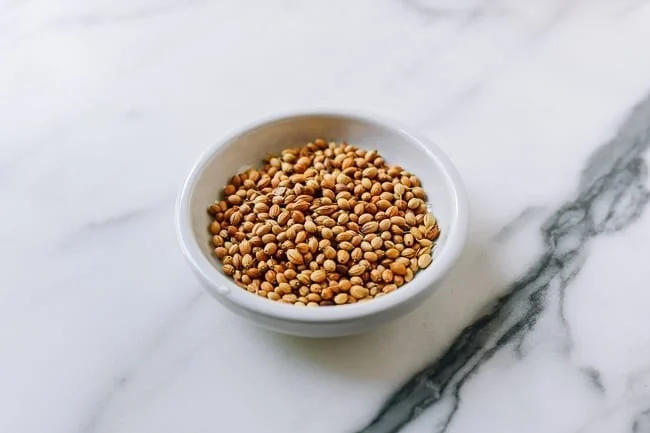
In Chinese medicine and culinary tradition, coriander seeds are prized for their ability to “move qi” and aid digestion, but in the kitchen, they are the secret bridge that connects heavy meats with bright, floral notes.
What Is Coriander Seed?
Coriander seeds are the dried fruit of the Coriandrum sativum plant. Depending on where you live, you might call the fresh leaves “cilantro” (common in North America) or “coriander” (common in the UK and Australia). However, when we talk about the seeds, we are referring to those small, tan, ribbed spheres that look a bit like miniature wooden beads.
- Botanical Origin: Part of the Apiaceae family, making it a cousin to parsley, carrots, and celery.
- Chinese Name: 芫荽子 (yán suī zi) or sometimes 胡荽 (hú suī).
- Appearance: Tiny, round, yellowish-brown husks with longitudinal ridges.
According to the American Botanical Council, coriander is one of the most widely used spices in the world, appearing in the pharmacopeias of ancient Greece, Egypt, and China alike.
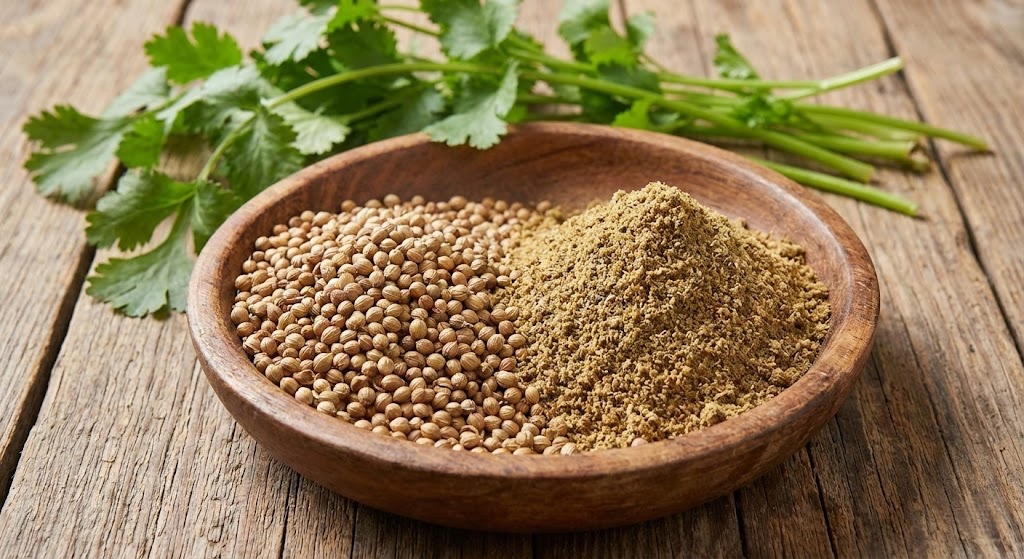
The Flavor Profile: A Citrus Explosion
If you think coriander seeds taste like cilantro leaves, prepare for a surprise. While the leaves are pungent and “soapy” to some, the seeds are warm, nutty, and intensely citrusy.
When bitten into, they release a floral aroma reminiscent of orange peel and sage. This complex profile allows it to act as a “supporting actor” in spice blends, rounding out the harsh edges of more aggressive spices like Star Anise or cloves.
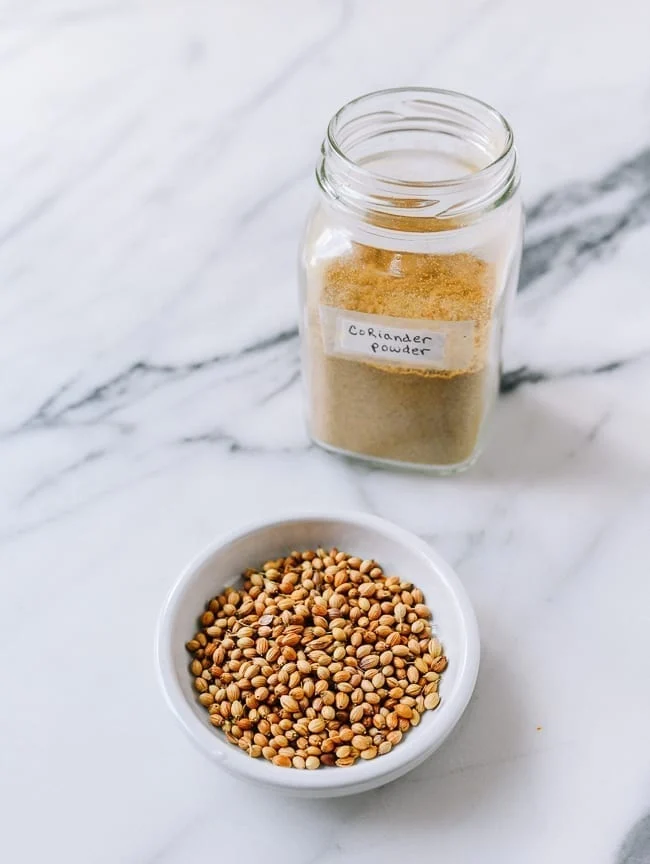
Culinary Applications: From Master Brines to Noodle Soups
In Chinese cuisine, coriander seed isn’t usually the star of a stir-fry, but it is an essential component of the “aromatic profile” for slow-cooked dishes.
1. The Secret in “Lu Shui” (Master Brine)
When making traditional Chinese braised meats, coriander seeds are often included in the spice bag. They provide a high-note brightness that cuts through the fattiness of dishes like Braised Pork Belly.
2. Regional Excellence: Xi’an and Western China
In the bold, spice-heavy regions of Shaanxi, coriander seeds are frequently paired with cumin to create that iconic “street food” aroma. We use this combination—toasting and grinding them together—to recreate the deep, soulful flavors found in our Cumin Lamb Stir-Fry.
3. Noodle Soup Broths
Coriander seeds are a non-negotiable ingredient in the spice sachets for Braised Beef Noodle Soup and Vietnamese Pho. They infuse the broth with a subtle sweetness that balances the salt and soy.
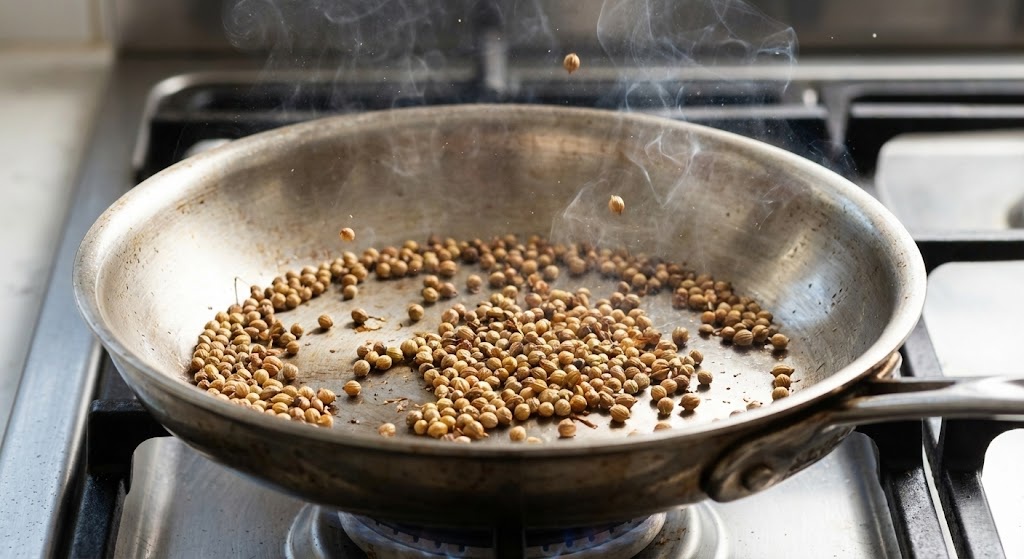
Pro Tips for Using Coriander Seeds
- Always Toast First: To unlock the full potential of yán suī zi, dry-toast the whole seeds in a skillet over medium heat for 2–3 minutes until they become fragrant and slightly darker. This chemical transformation, known as the Maillard reaction, significantly enhances the nutty undertones.
- Whole vs. Ground: Like most spices, coriander loses its “soul” quickly once ground. Buy whole seeds and use a mortar and pestle or a dedicated spice grinder just before cooking.
- Pairing: It plays beautifully with Bay Leaves, Turmeric, and Szechuan peppercorns. If you are making a custom Five Spice Powder, adding a pinch of ground coriander can add a lovely floral lift.
Buying and Storing
You can find coriander seeds in any standard supermarket, but for the best price and freshness, head to an Asian or Indian grocery store.
- Selection: Look for seeds that are uniform in color and not shriveled.
- Storage: Keep them in an airtight glass jar in a cool, dark place. Whole seeds will stay potent for up to 3-4 years, while ground coriander should be used within 6 months for maximum flavor.
Substitutes
If a recipe calls for coriander seed and you’re out:
- Caraway Seeds: Use in equal amounts (they share similar citrus/anise notes).
- Cumin: Use half the amount (it’s earthier and less citrusy).
- Fennel Seeds: Provides the sweetness but lacks the citrus “zip.”
Authoritative References
- USDA FoodData Central: Nutritional Profile of Coriander Seed
- ScienceDirect: Essential Oils and Bioactive Compounds in Coriandrum Sativum
- Journal of Food Science: Impact of Toasting on the Volatile Compounds of Spices
Related Recipes You’ll Love
- Hot and Sour Soup – Use a hint of ground coriander for extra depth.
- Braised Beef Brisket with Daikon Radish – Perfect for whole seed infusion.
- Sichuan Crispy Fried Pork – A classic where aromatics make the dish.


Leave a Reply