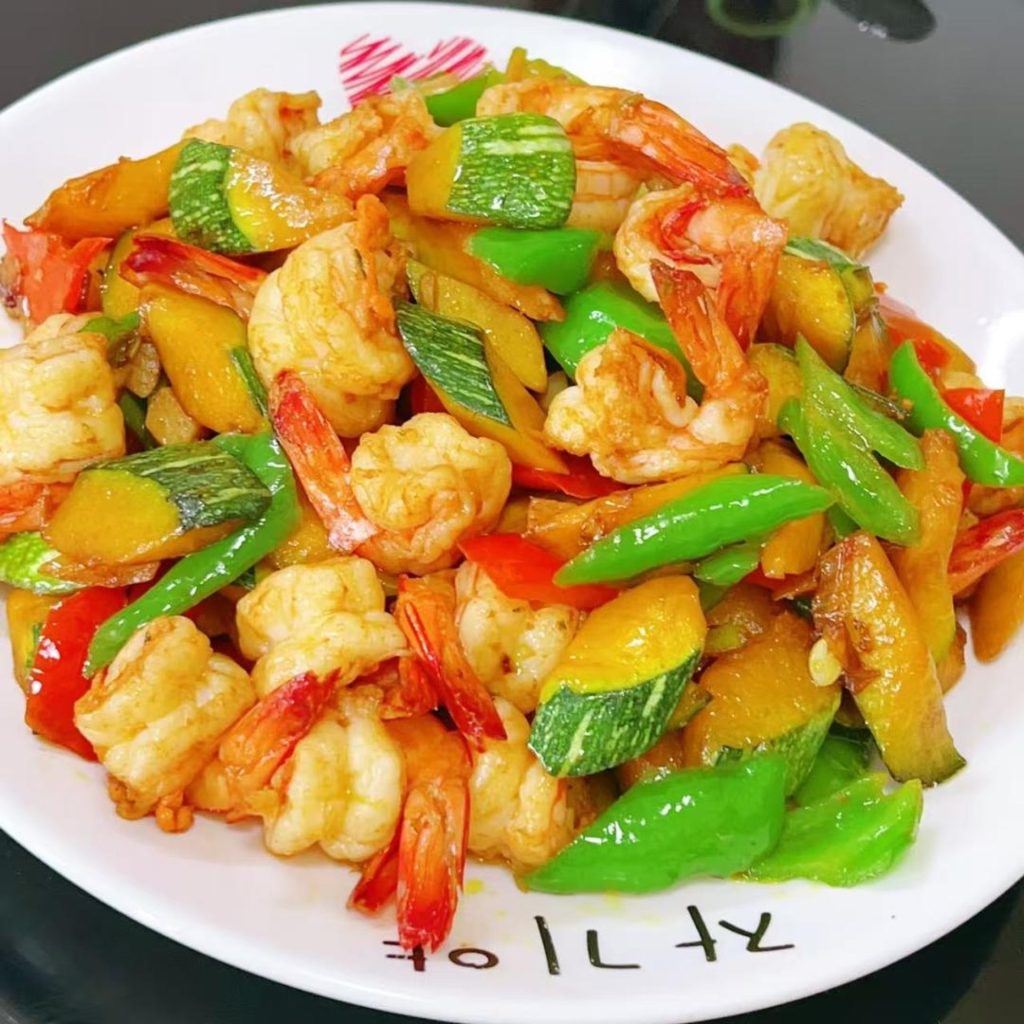
Young pumpkin is one of those vegetables that looks like a squash and behaves like a fruit: sweet, soft, and almost custardy once it hits a hot wok. Pair it with shrimp and you get a plate that is bright green and coral pink, glossy with a light garlic-ginger sauce, and ready in about half an hour. This is the kind of dish a Cantonese home cook throws together on a weeknight when the market has small, tender pumpkins and the shrimp are still jumping.
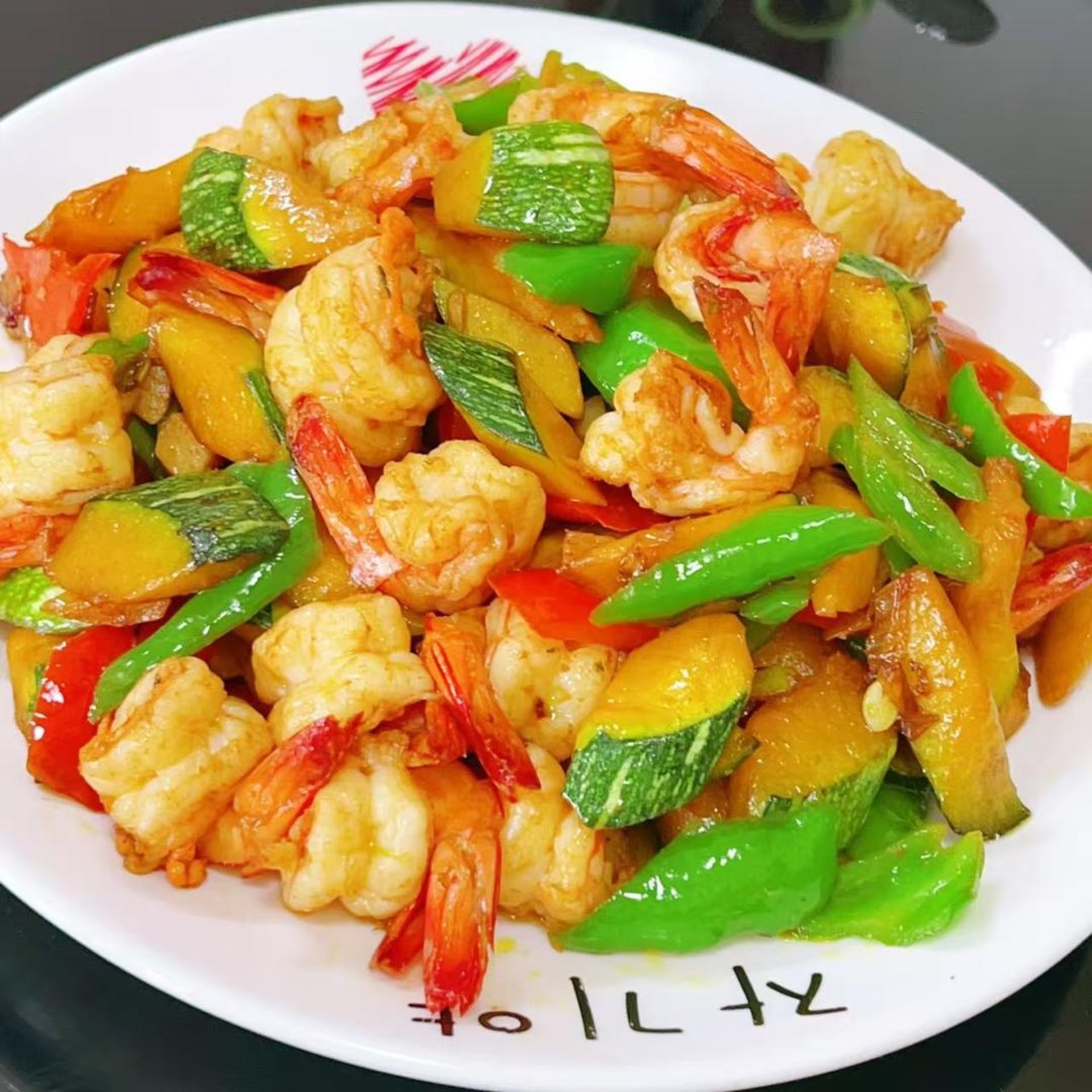
What makes it work is the contrast: the pumpkin stays sweet and yielding, the shrimp stay springy, and the peppers keep a little snap. There is no heavy sauce, no deep-frying, and no long braise — just a hot wok, a few aromatics, and the confidence to stop cooking while everything still looks alive.
If you have ever wondered why restaurant shrimp taste so much better than home-cooked ones, the answer is usually heat and timing, not secret ingredients. Here, the shrimp get a quick sear and come back to the pan only at the very end, so they never overcook. The pumpkin does the long work, softening in the sauce and picking up the oyster sauce and soy. By the time the two meet, the dish is basically done.
What Is Stir-Fried Shrimp with Young Pumpkin?
Stir-fried shrimp with young pumpkin is a home-style Chinese dish of tender young pumpkin (嫩南瓜, nèn nán guā) cut into chunks and stir-fried with peeled shrimp, sweet peppers, and a light sauce of oyster sauce, soy, and Shaoxing wine. It belongs to the same family as other quick seafood stir-fries — high heat, short cook time, a glossy but thin sauce that clings to the ingredients rather than pooling at the bottom of the plate.
Young pumpkin is different from the mature winter squash sold in the fall. It has thin, edible skin, small soft seeds, and a higher water content, which is why it cooks fast and turns silky rather than starchy. In Chinese home cooking it is treated as a vegetable, not a starch, and it is often paired with pork, shrimp, or dried scallops.
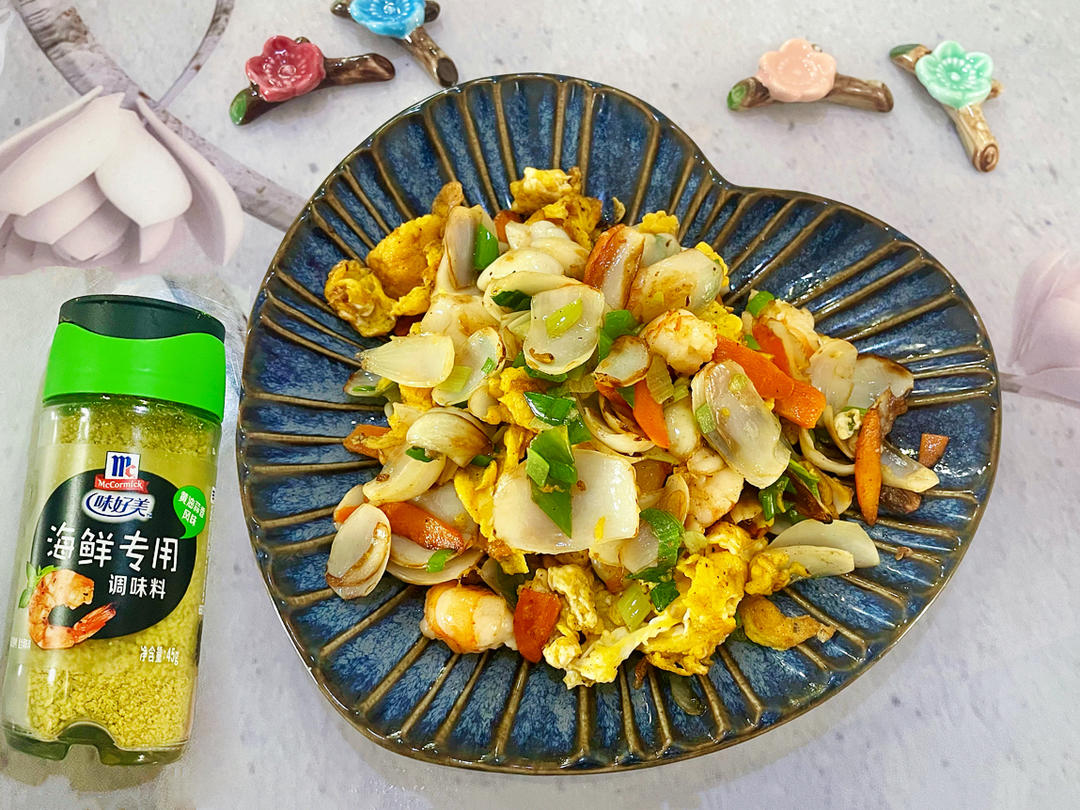
If you like the sound of this shrimp-and-pumpkin stir-fry, you will probably also enjoy our stir fried shrimp and eggs with lily bulb, which uses the same gentle, high-heat approach with a different sweet vegetable.
1Stir-Fried Shrimp and Eggs with Lily BulbA light, refreshing Cantonese-style stir-fry featuring sweet shrimp, fluffy eggs, and crunchy fresh lily bulbs. Quick, nutritious, and perfect for spring.Check out this recipe
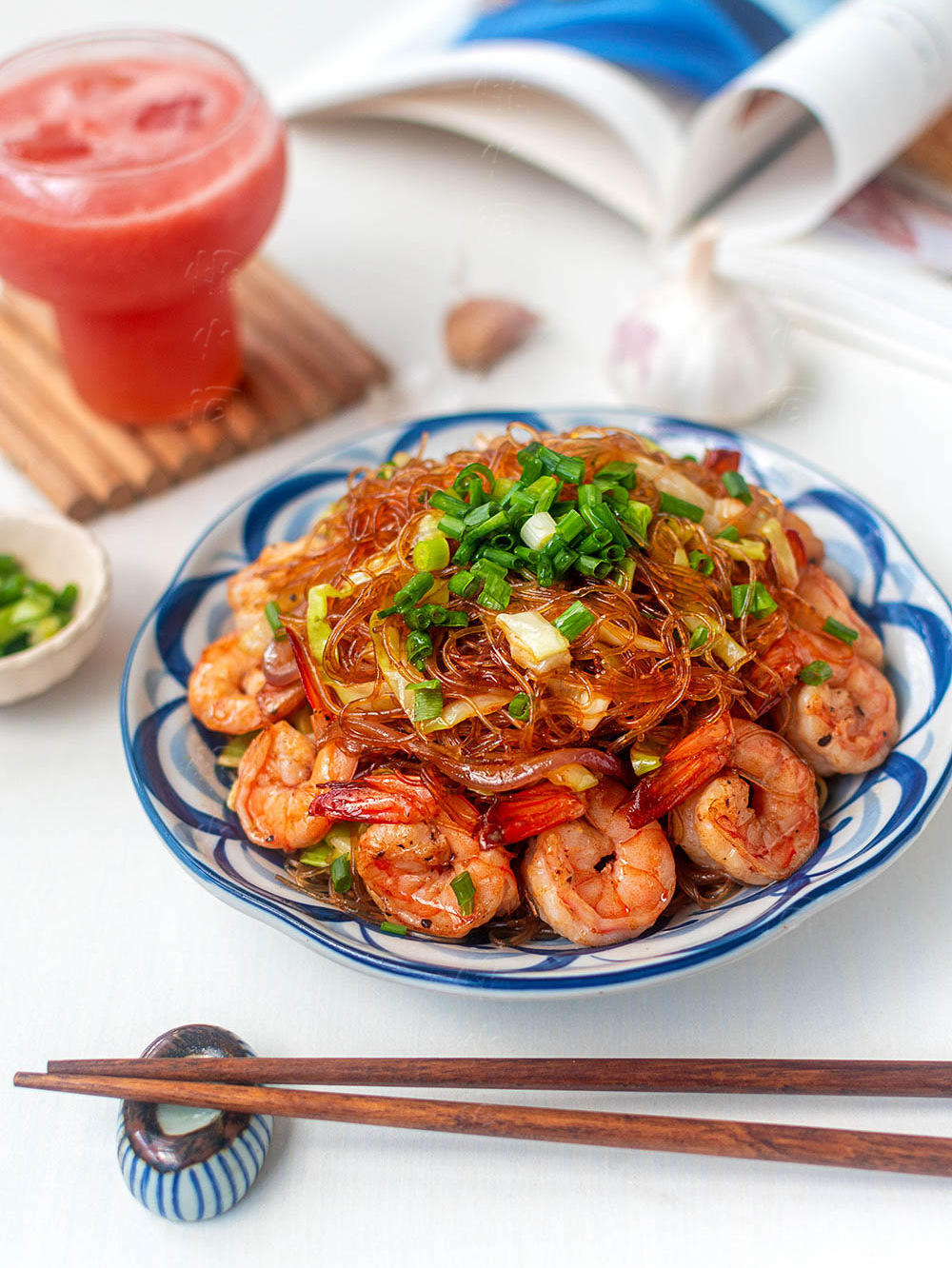
For a faster, noodle-based take on shrimp, our shrimp and glass noodle stir fry is a 15-minute weeknight dish built on the same principles of a hot wok and a light sauce.
215-Minute Shrimp and Glass Noodle Stir-fry (Xia Ren Chao Fen Si)Learn the chef’s secret to non-sticky glass noodles! This quick, 15-minute Shrimp and Glass Noodle Stir-fry is the perfect easy, savory weeknight dinner.Check out this recipe
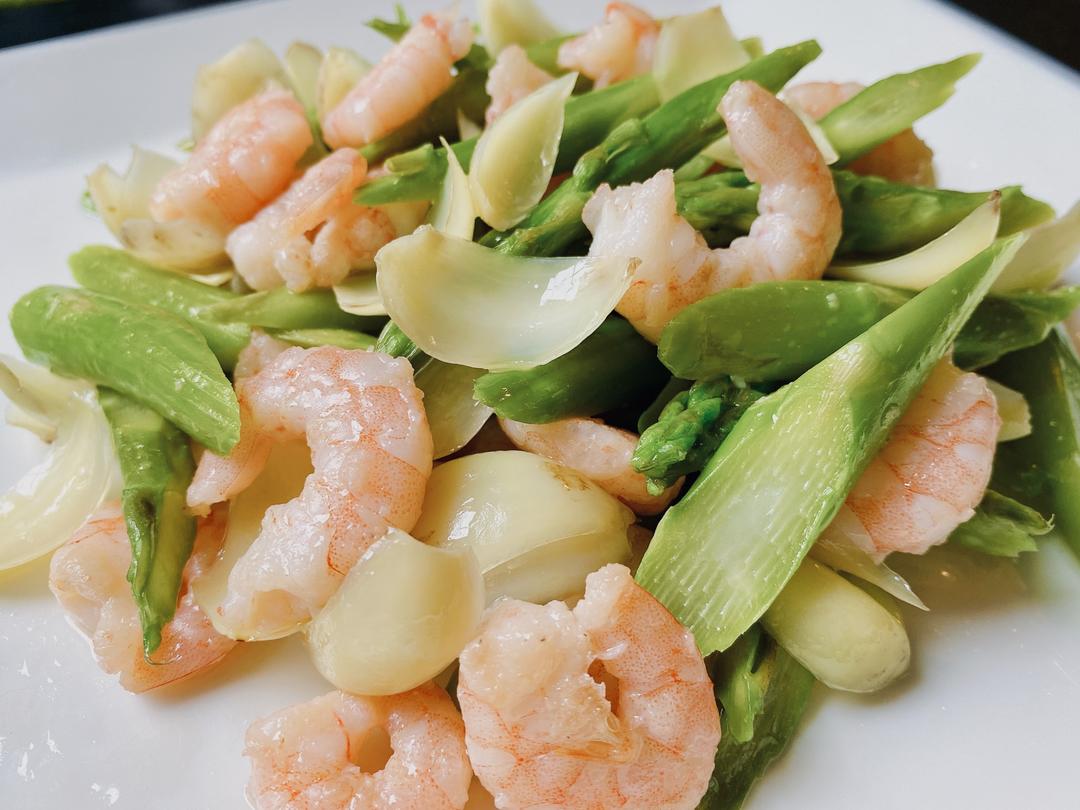
And if you want a green vegetable in the mix, our asparagus shrimp stir fry is the closest cousin to this recipe — same technique, different vegetable.
3Authentic Asparagus & Shrimp Stir-fry (Lu Sun Xia Ren)A classic, vibrant, and healthy 20-minute Chinese stir-fry featuring crisp asparagus, crunchy fresh lily bulb, and perfectly velveted, juicy shrimp. Focuses on natural flavors without heavy sauces.Check out this recipe
Why This Recipe Works
The first reason is the order of operations. The shrimp are seared first and removed, which means they get a hard, fast hit of heat and then rest while the pumpkin cooks. If you cooked them together, the pumpkin would release water, the pan would cool, and the shrimp would steam instead of sear. That is the difference between springy shrimp and rubbery ones.
The second reason is the sauce. Oyster sauce brings body and a savory depth, light soy brings salt and color, and Shaoxing wine brings aroma. There is no cornstarch slurry, no thickener, and no sugar — the pumpkin itself provides the sweetness. This is the same principle behind why your sauce tastes flat in so many home stir-fries: the sauce needs a savory backbone and enough heat to bloom it, not more liquid.
The third reason is the pumpkin itself. Young pumpkin is sweet enough that it does not need sugar, and tender enough that it does not need a long braise. It absorbs the sauce quickly and holds its shape if you cut it into even chunks. A mature squash would need a different method entirely.
There is real food science behind the sear. The Wok Skills series from Serious Eats explains that a hot wok drives off surface moisture fast, which is what lets ingredients brown instead of steam — the same reason the shrimp go in first and come out early.
Equipment Needed
A wok is ideal, but you do not need one. A large, heavy skillet or a flat-bottomed wok works well, and if you are cooking on an electric stove, a wide pan gives you more hot surface area. If you are working without a wok, this guide to the best pan for stir fry without a wok covers the options.
You will also want a cutting board, a chef’s knife, a slotted spoon for lifting the shrimp out of the oil, a small bowl for the marinade, and a serving plate. A pair of kitchen tongs is helpful for peeling shrimp, and a small strainer is useful if you want to save the shrimp shells for stock.
If you are using a carbon steel wok, make sure it is properly seasoned before you start. A well-seasoned wok is naturally nonstick and gives you a better sear. Here is how to season wok properly if yours is new or has lost its patina.
Ingredients
The ingredient list is short, and almost everything is available at a Chinese grocery or a well-stocked supermarket. The one ingredient you may need to hunt for is the young pumpkin — look for small, pale green squash with soft skin and seeds that scoop out easily. If you cannot find young pumpkin, a small kabocha or a delicate summer squash is the closest substitute.
For the shrimp, head-on shrimp are best because the heads add flavor and the shells can be saved for stock. If you buy peeled shrimp, look for dry-packed ones without added salt or preservatives. The marinade is just Shaoxing wine, white pepper, and a pinch of salt — enough to season the shrimp without masking their sweetness.
The sauce is oyster sauce and light soy sauce. Use a good-quality oyster sauce, not a sweetened “oyster-flavored” sauce, and a light soy sauce rather than dark soy, which would overpower the pumpkin. A pinch of salt at the end is usually all the seasoning the dish needs.
Ingredient Notes
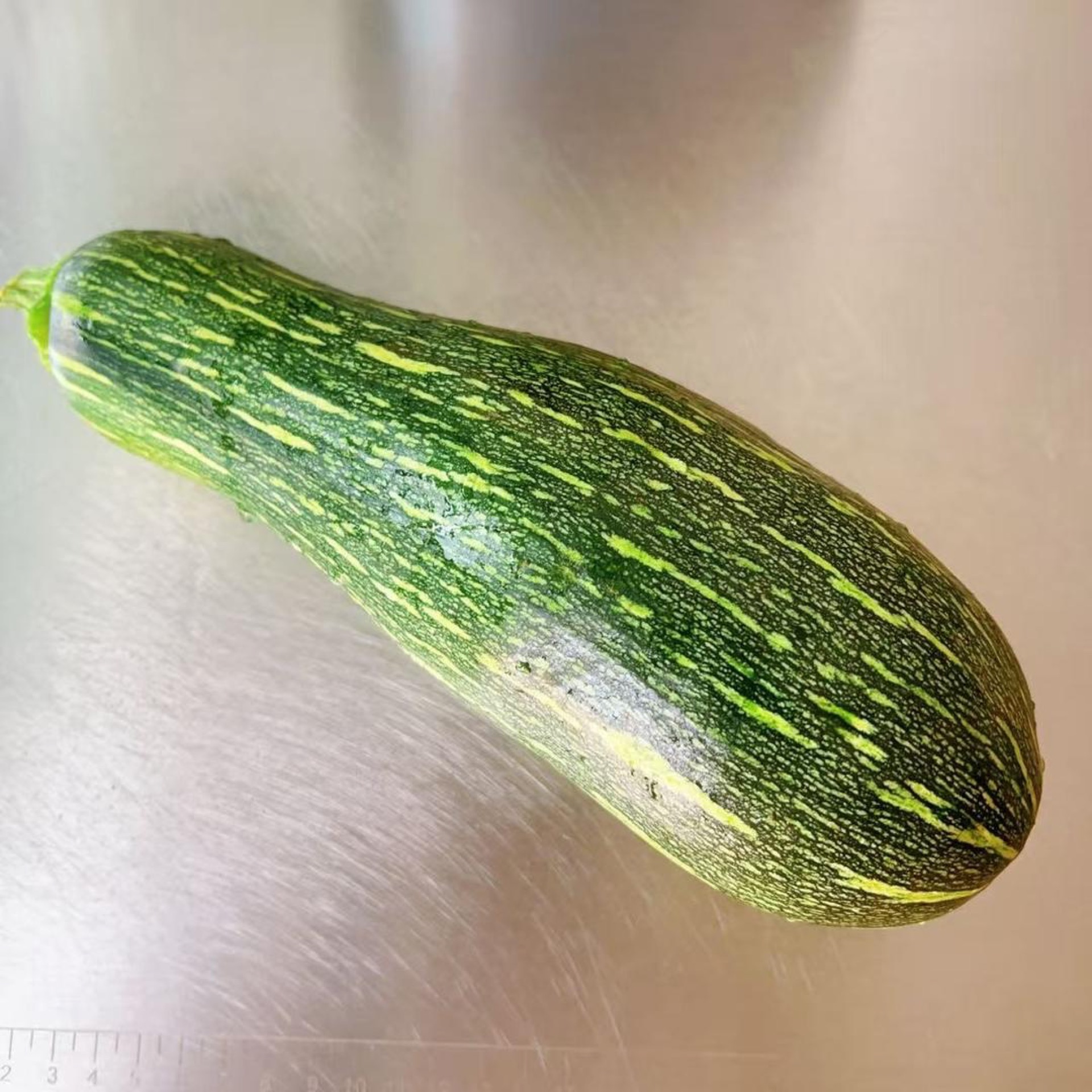
Young pumpkin: Choose one that is heavy for its size, with unblemished skin and a firm stem. The skin should be thin enough to nick with a fingernail. If the seeds are hard and dark, the pumpkin is mature and will need a longer cook time — treat it more like a winter squash.
Shrimp: Head-on shrimp give the best flavor, but peeled shrimp work fine. If you are using frozen shrimp, thaw them in the refrigerator overnight and pat them very dry before marinating. Wet shrimp will not sear.
Oyster sauce: This is the savory backbone of the dish. If you are allergic to shellfish, substitute a mushroom-based “vegetarian oyster sauce” and check the label for wheat.
Shaoxing wine: A dry sherry or a dry white wine is a fine substitute. Do not use cooking wine that has been heavily salted.
Peppers: Green and red bell peppers are used for color and crunch. If you want heat, swap one of them for a jalapeño or a Chinese long hot pepper.
Salt: Add salt at the very end, after tasting. The oyster sauce and soy sauce are already salty, and the pumpkin will absorb their flavor as it cooks.
Prep & Mise en Place
This dish moves fast once the wok is hot, so do all the prep before you turn on the stove. Start by scooping the seeds out of the pumpkin and cutting it into even one-inch chunks. Cut the peppers into the same size so everything cooks at the same rate.
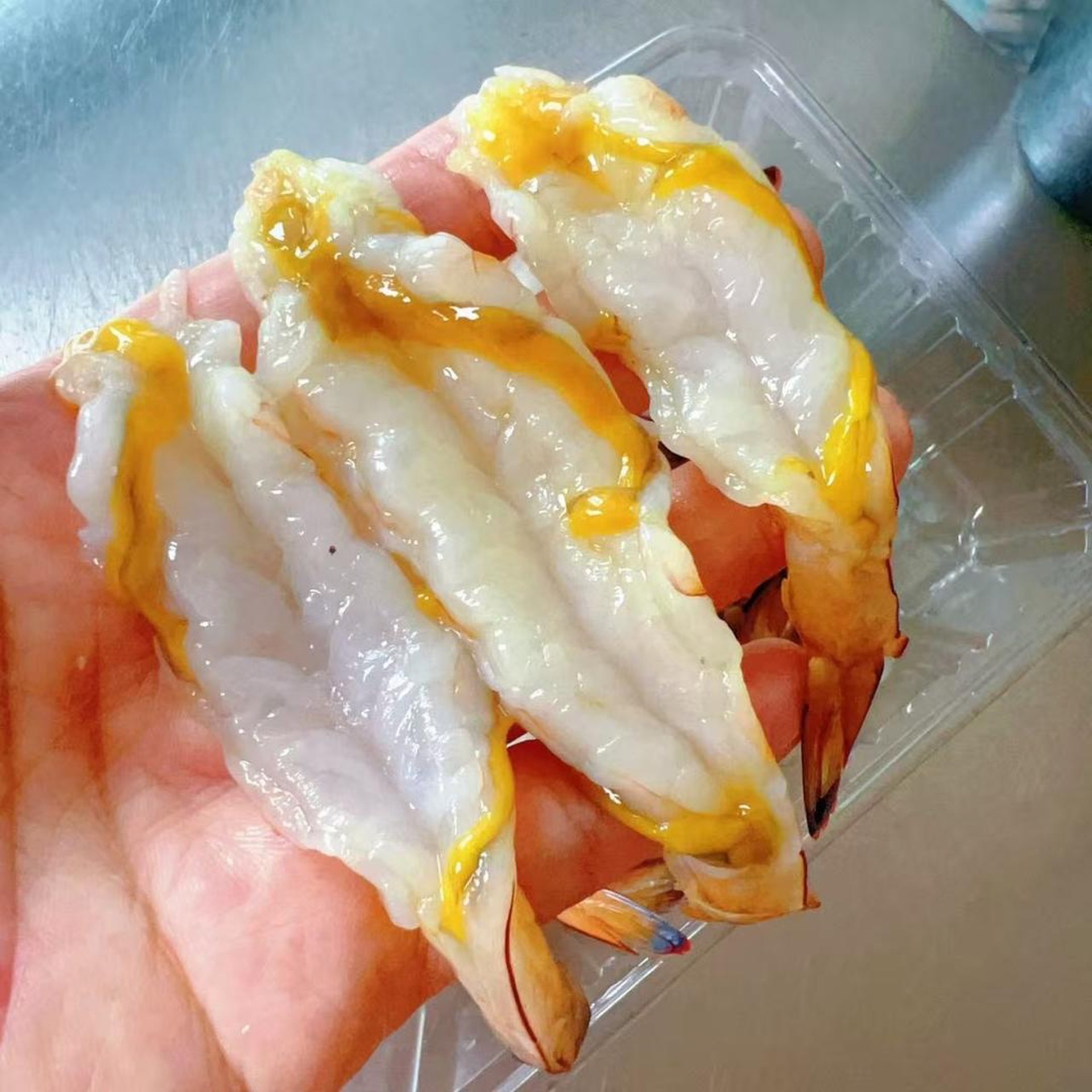
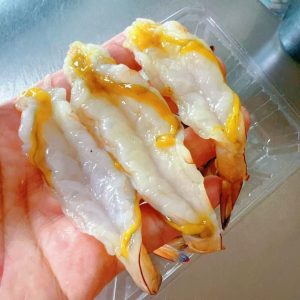
Peel the shrimp, leaving the tails on, and butterfly the backs to remove the digestive tract. Keep the yellow tomalley — it is edible and turns red when cooked. Toss the shrimp with the Shaoxing wine, white pepper, and salt, and let them sit for ten minutes while you finish the vegetables.
Slice the garlic, cut the scallion whites into short lengths, and set the green parts aside for garnish. Measure the oyster sauce and soy sauce into small bowls so you can add them quickly. Once the wok is hot, you will not have time to measure.
Cooking Process
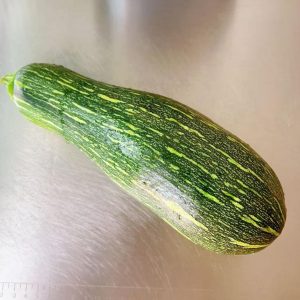
Step 1 — Meet the Pumpkin
A farm-grown young pumpkin, small and tender, with pale green skin and soft seeds that scoop out easily.
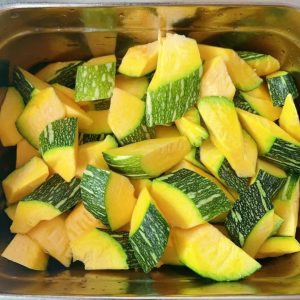
Step 2 — Seed and Cube the Pumpkin
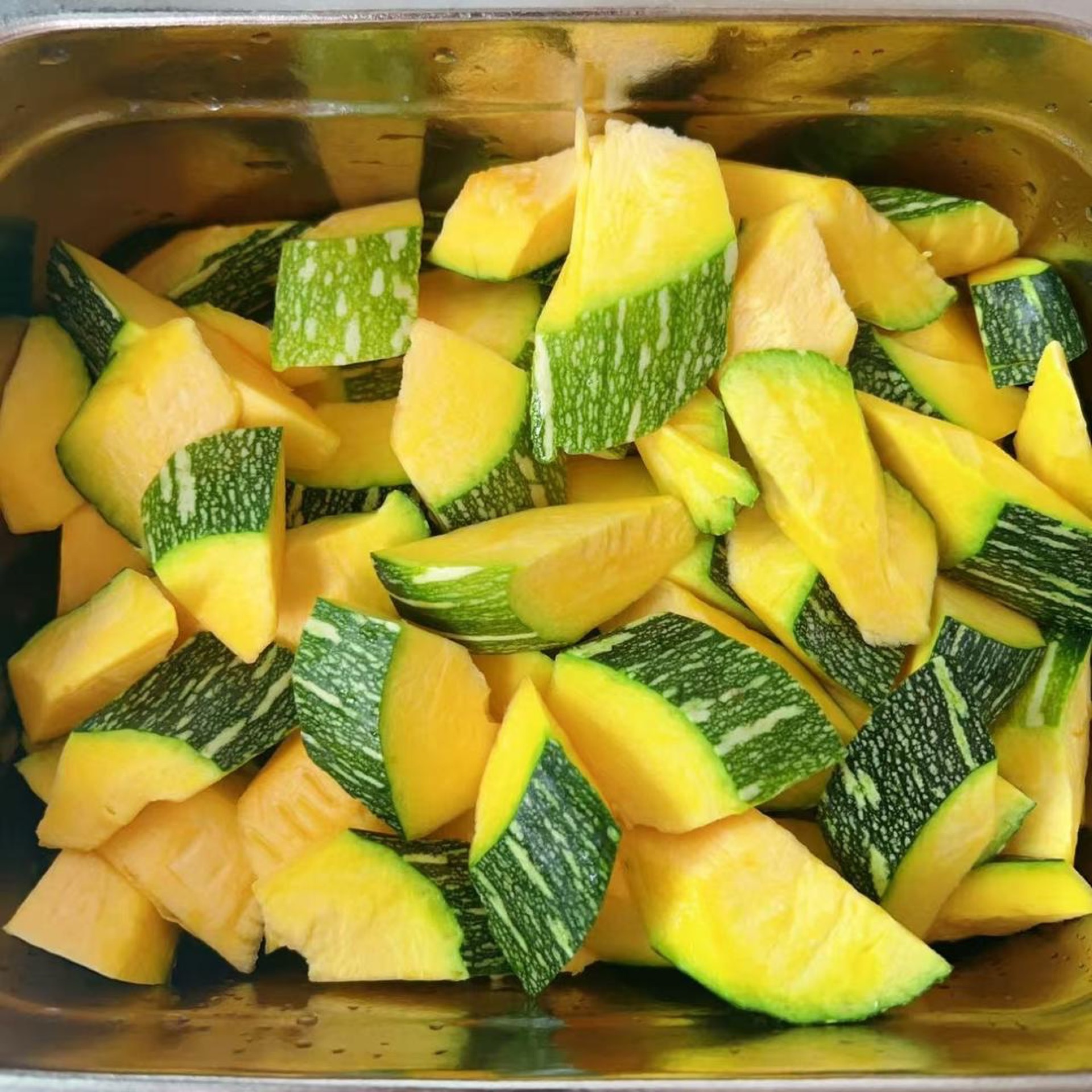
Scoop out the seeds and cut the young pumpkin into small, even chunks so it cooks through quickly.
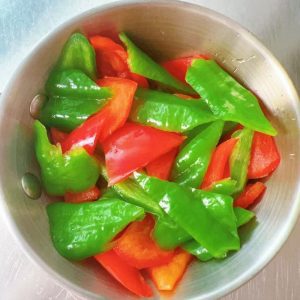
Step 3 — Prep the Peppers
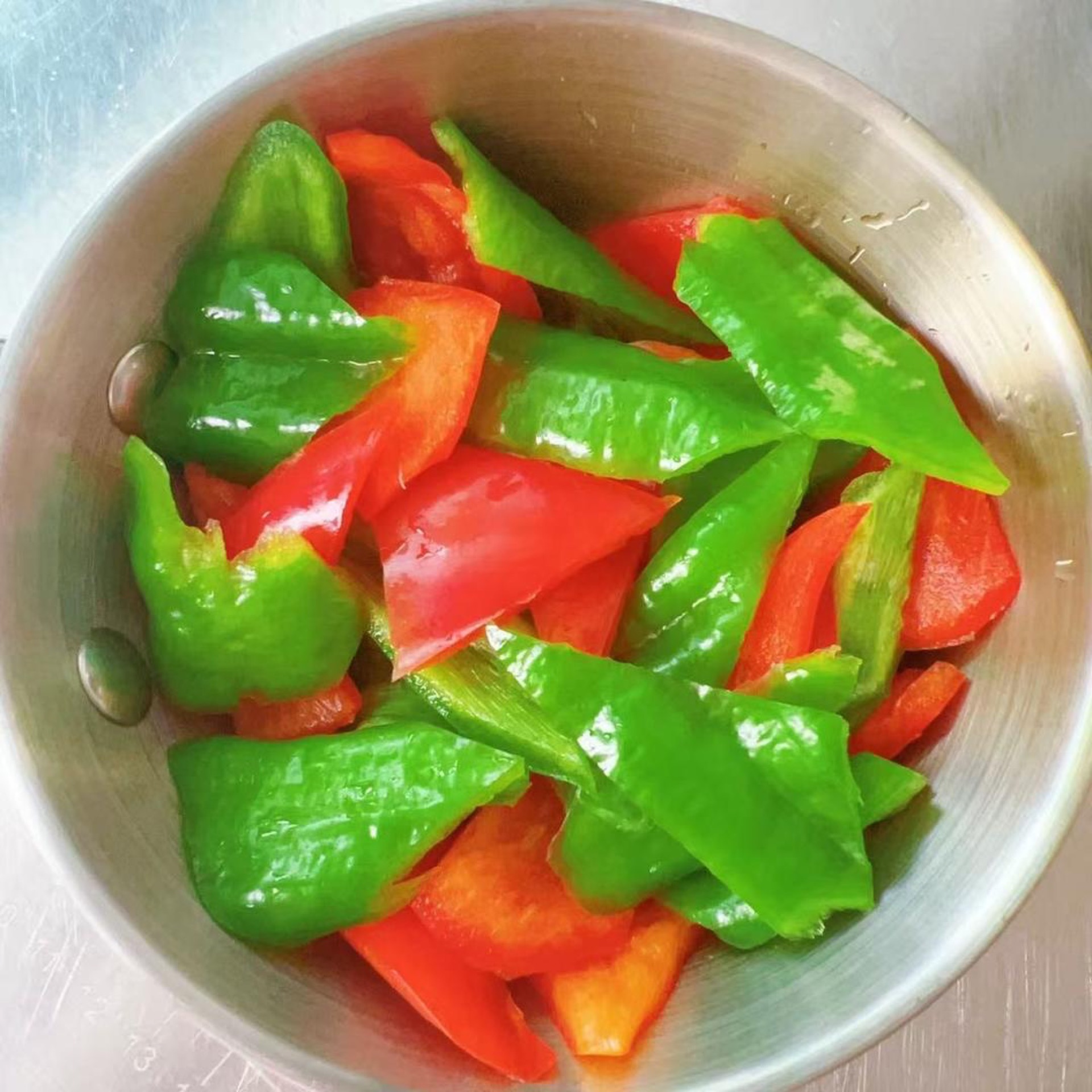
Seed and stem the green and red peppers, then cut them into small chunks the same size as the pumpkin.
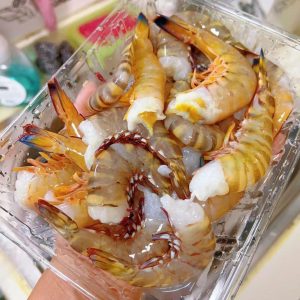
Step 4 — Clean the Shrimp
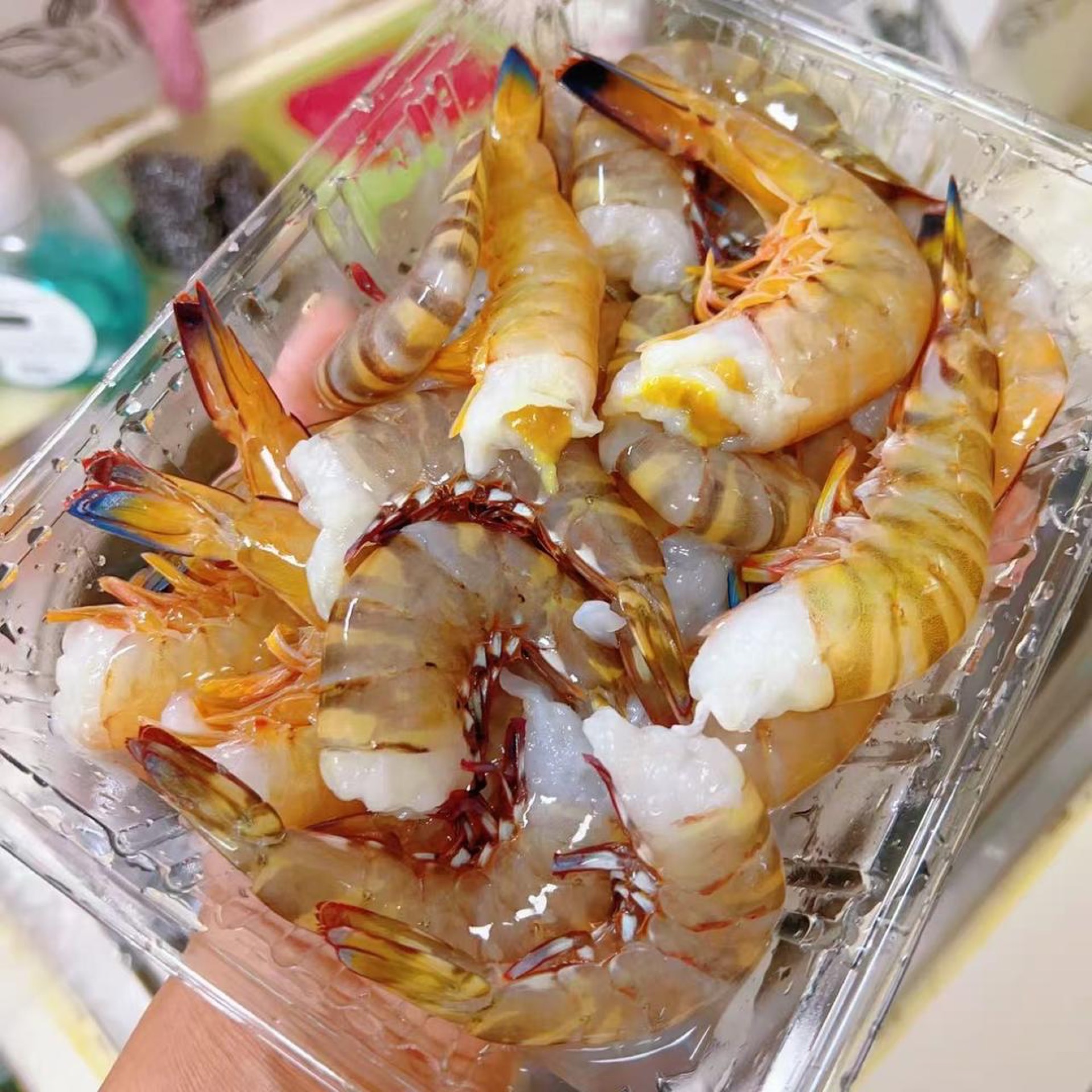
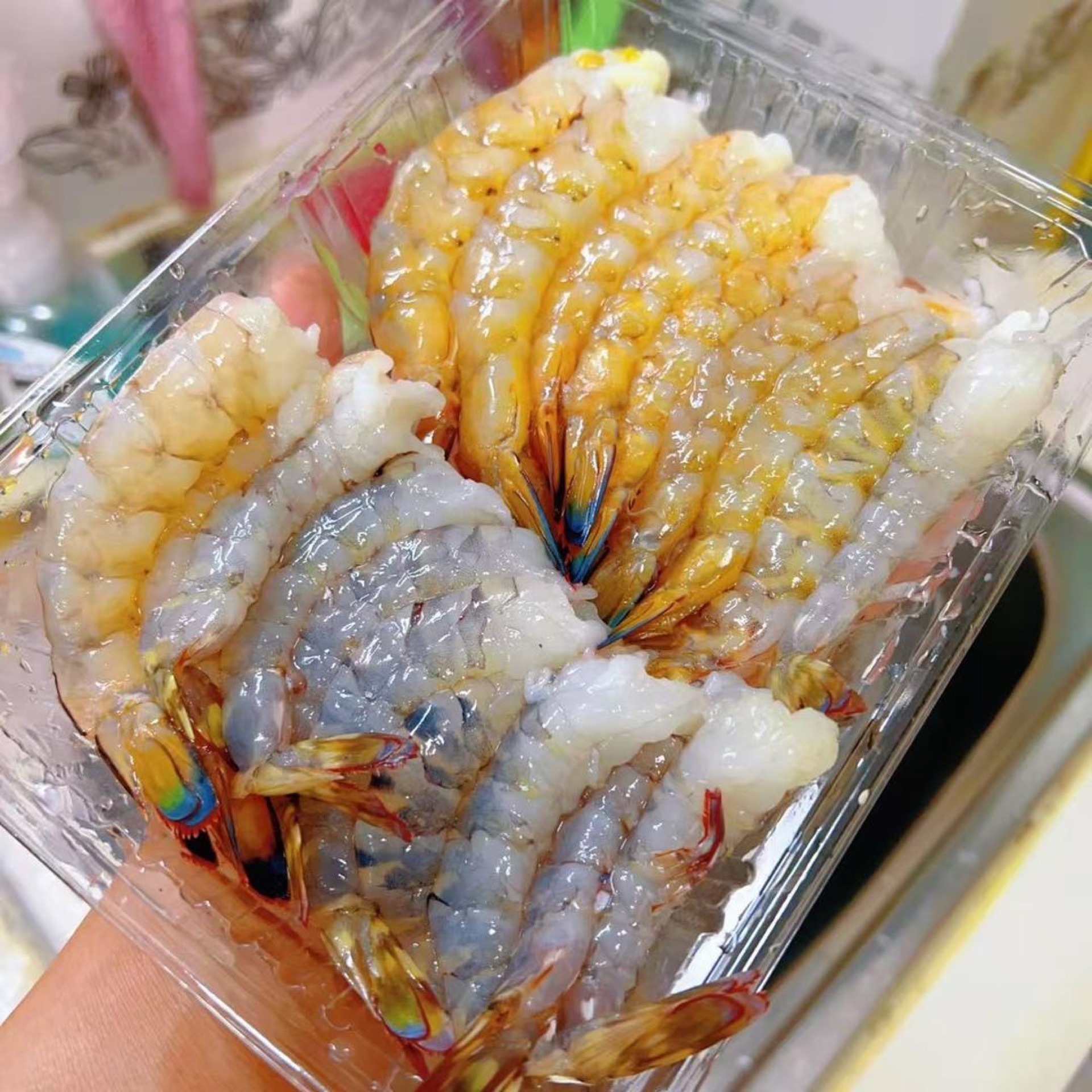
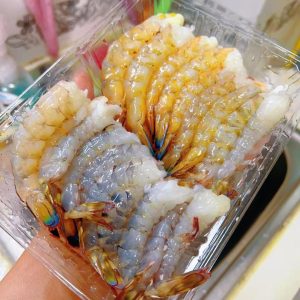
Twist off the heads of the red-claw, blue-tail, and tiger shrimp with a slow pull so the head and the digestive tract come away together.
Step 5 — Peel and Keep the Tails
Peel the shrimp shells but leave the tails on for a neat, springy bite.
Step 6 — Marinate the Shrimp
Butterfly the backs and keep the yellow tomalley, which is edible and turns red when cooked; then toss the shrimp with white pepper, Shaoxing wine, and salt for a base flavor.
Step 7 — Sear the Shrimp
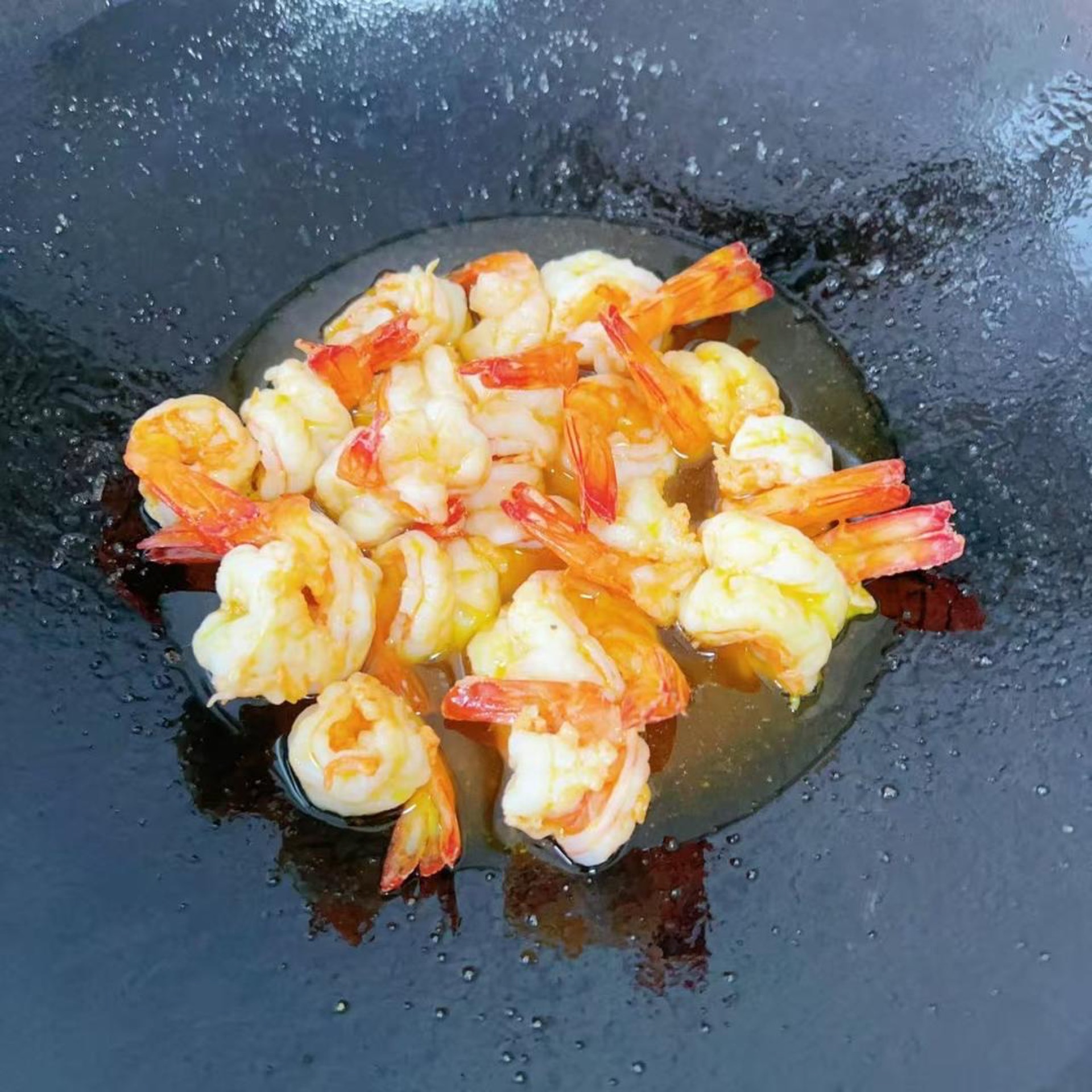
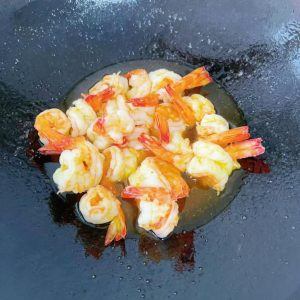
Heat oil in the wok, slide in the shrimp tails, and stir-fry just until they lose their raw look, then drain and set aside.
Step 8 — Bloom the Aromatics
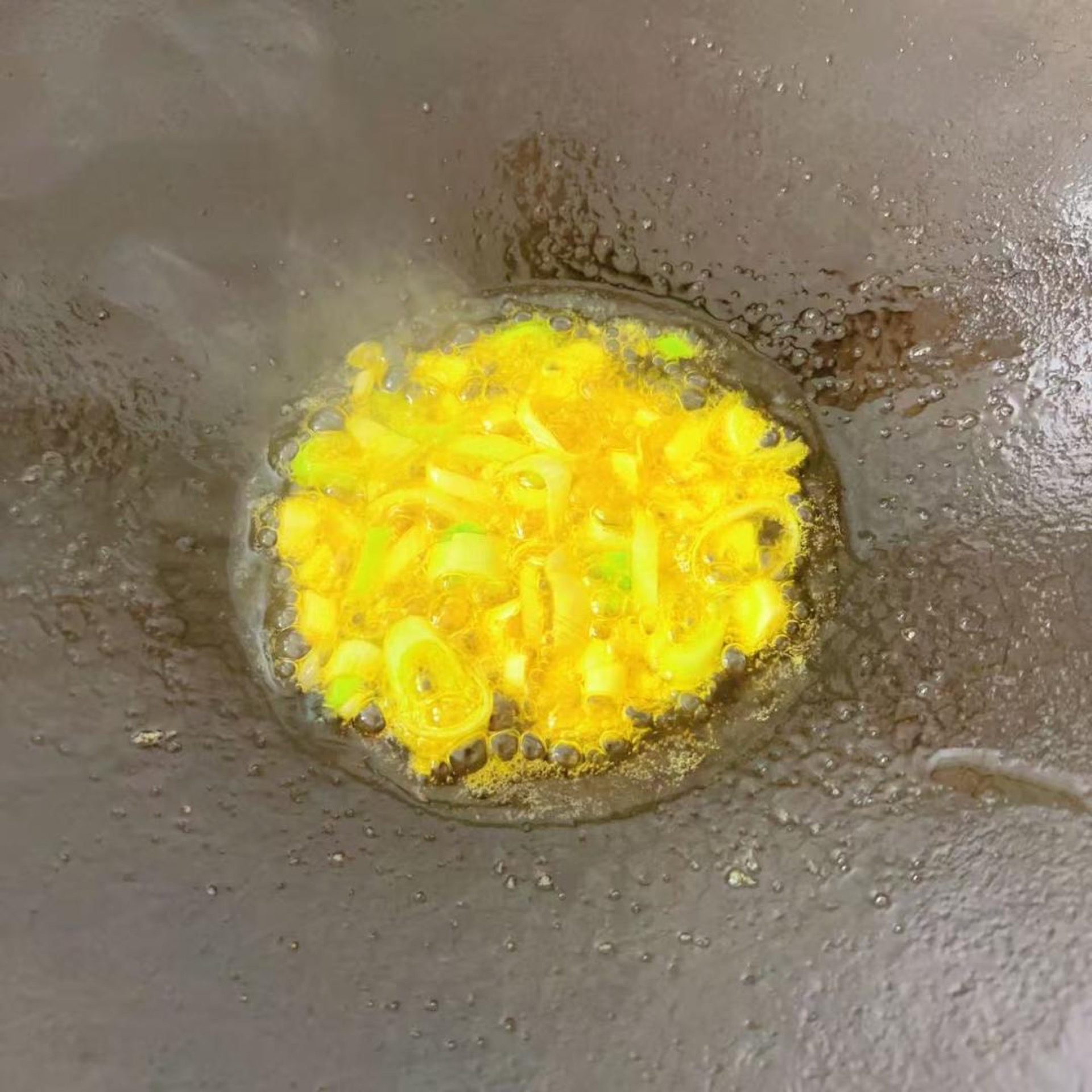
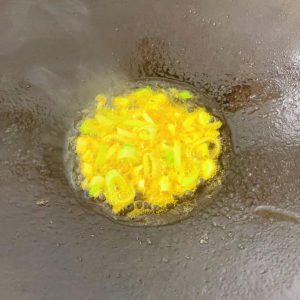
In a clean wok with a little oil, fry the scallion, ginger, and garlic until fragrant.
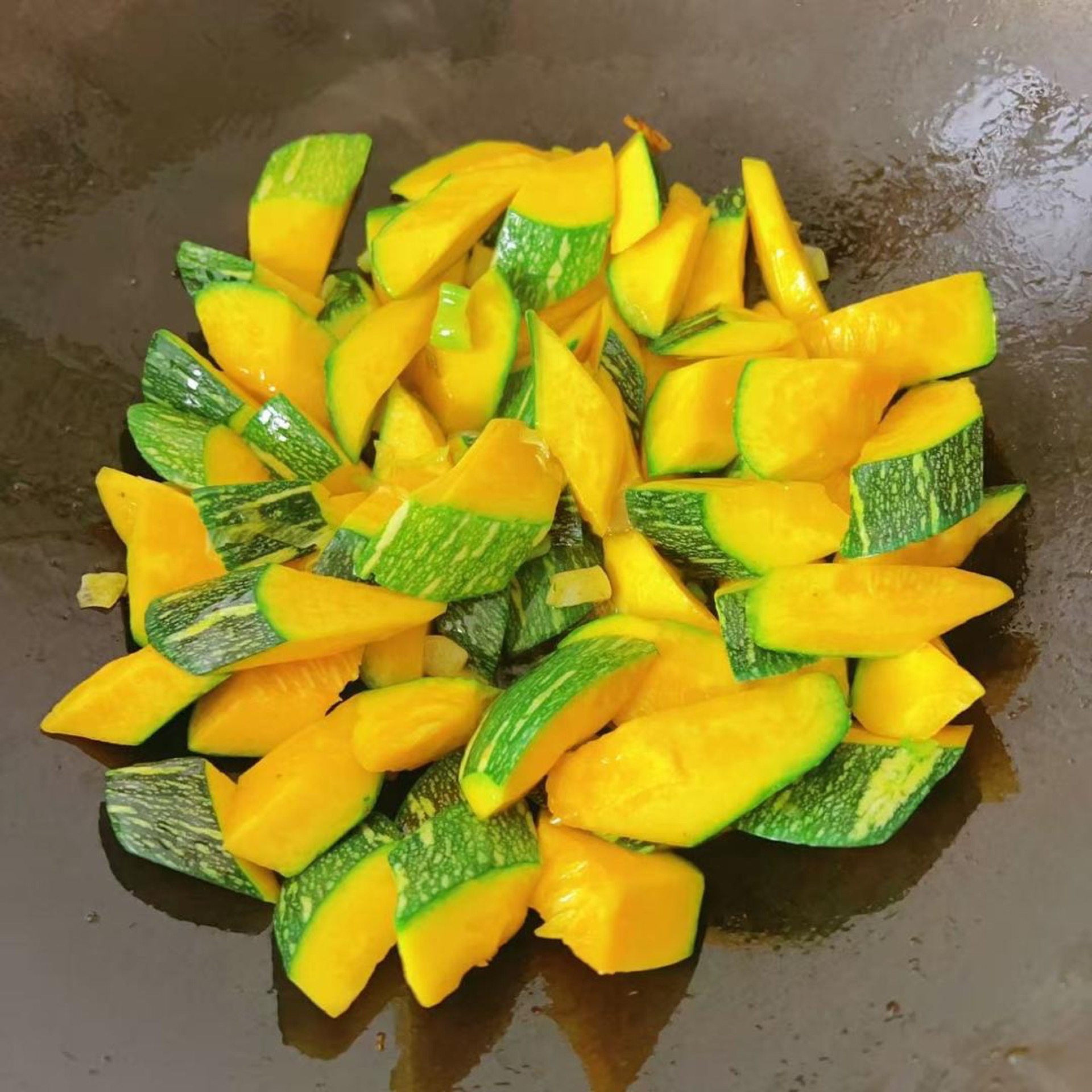
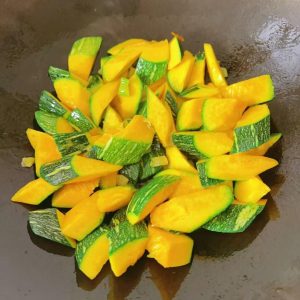
Step 9 — Add the Pumpkin
Add the young pumpkin and stir-fry over high heat.
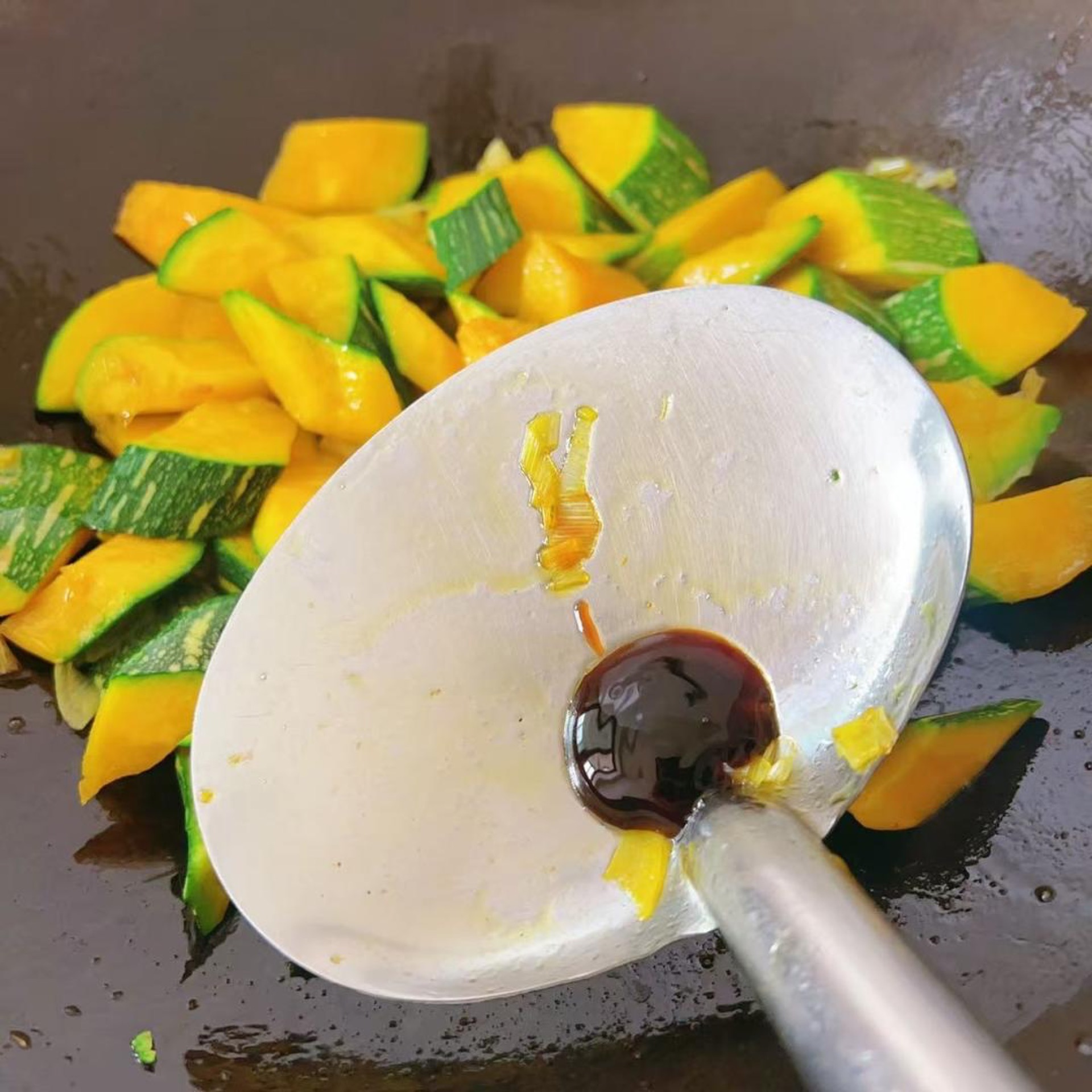
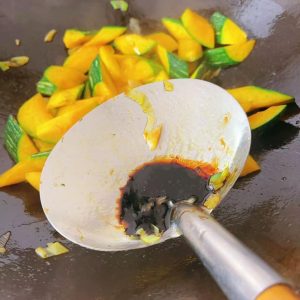
Step 10 — Season with Oyster Sauce
Add about half a spoon of oyster sauce and toss to build a savory base.
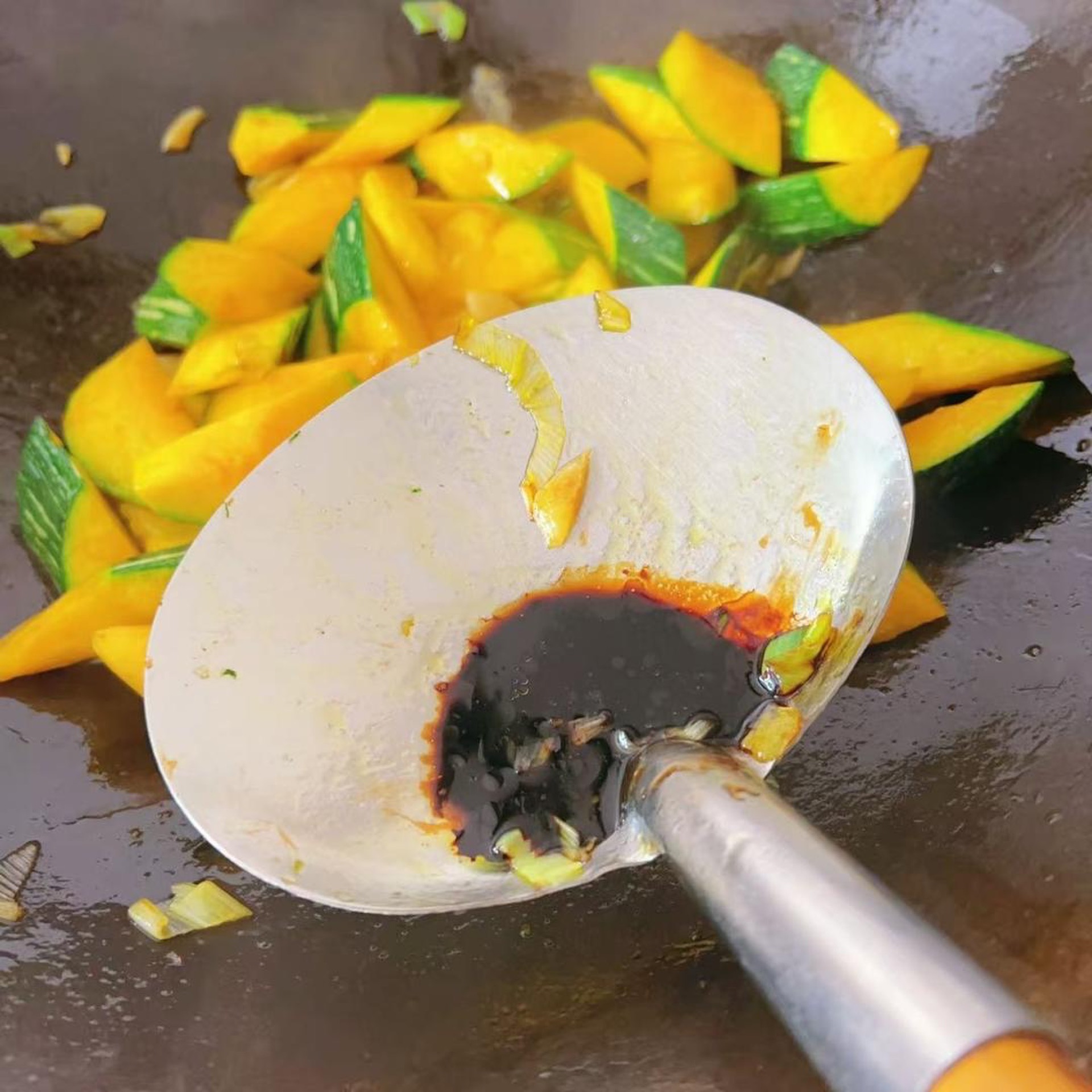
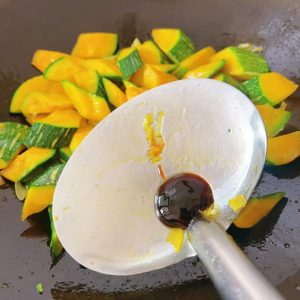
Step 11 — Add Soy Sauce
Add a small spoon of light soy sauce and toss until the pumpkin takes on color.
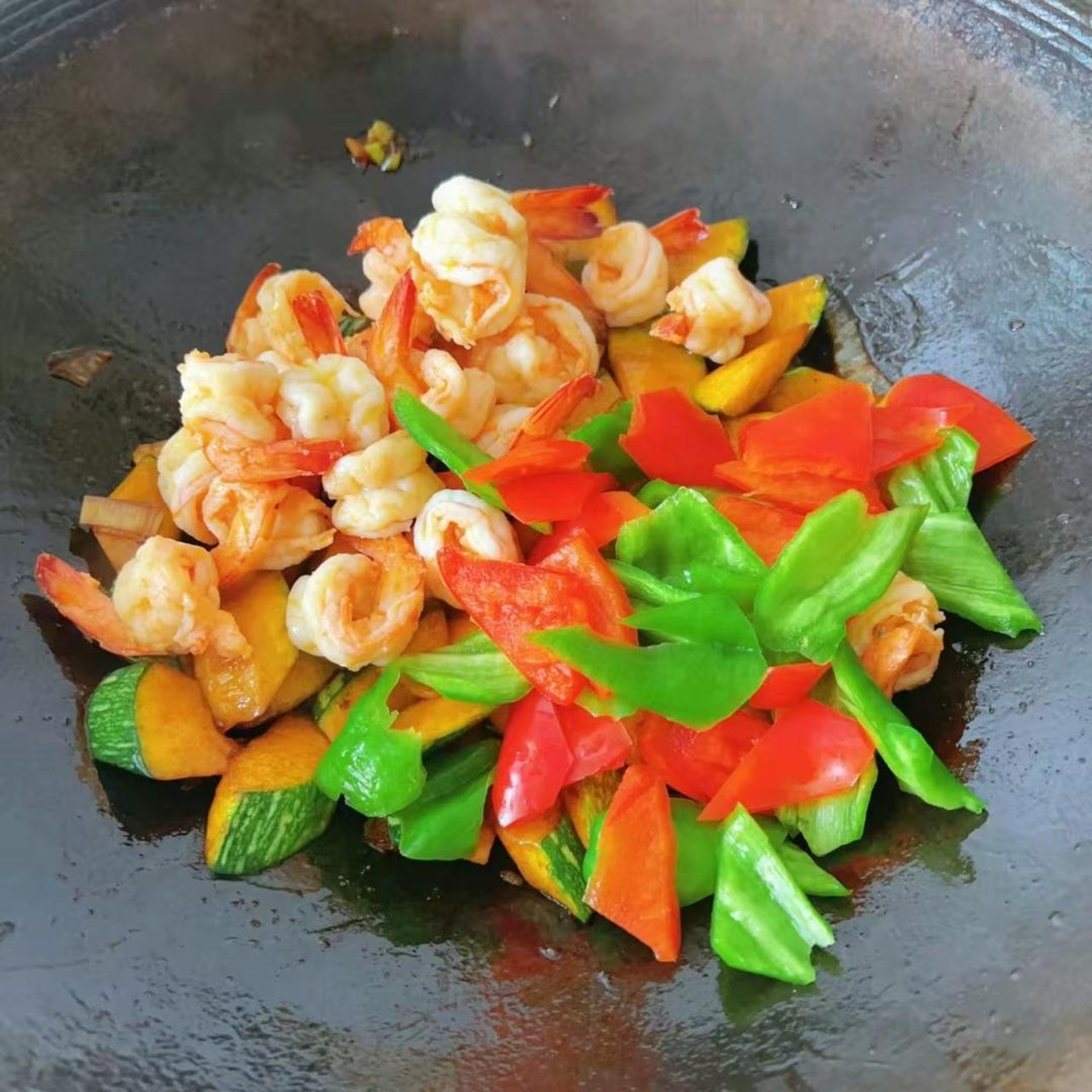
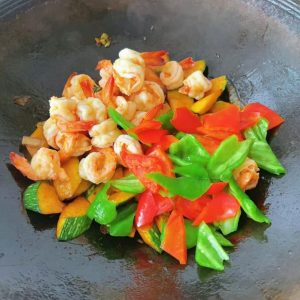
Step 12 — Finish the Stir-Fry
Stir-fry the pumpkin until just tender, then return the seared shrimp and the peppers, season with salt, and toss everything evenly.
Step 13 — Taste the Result
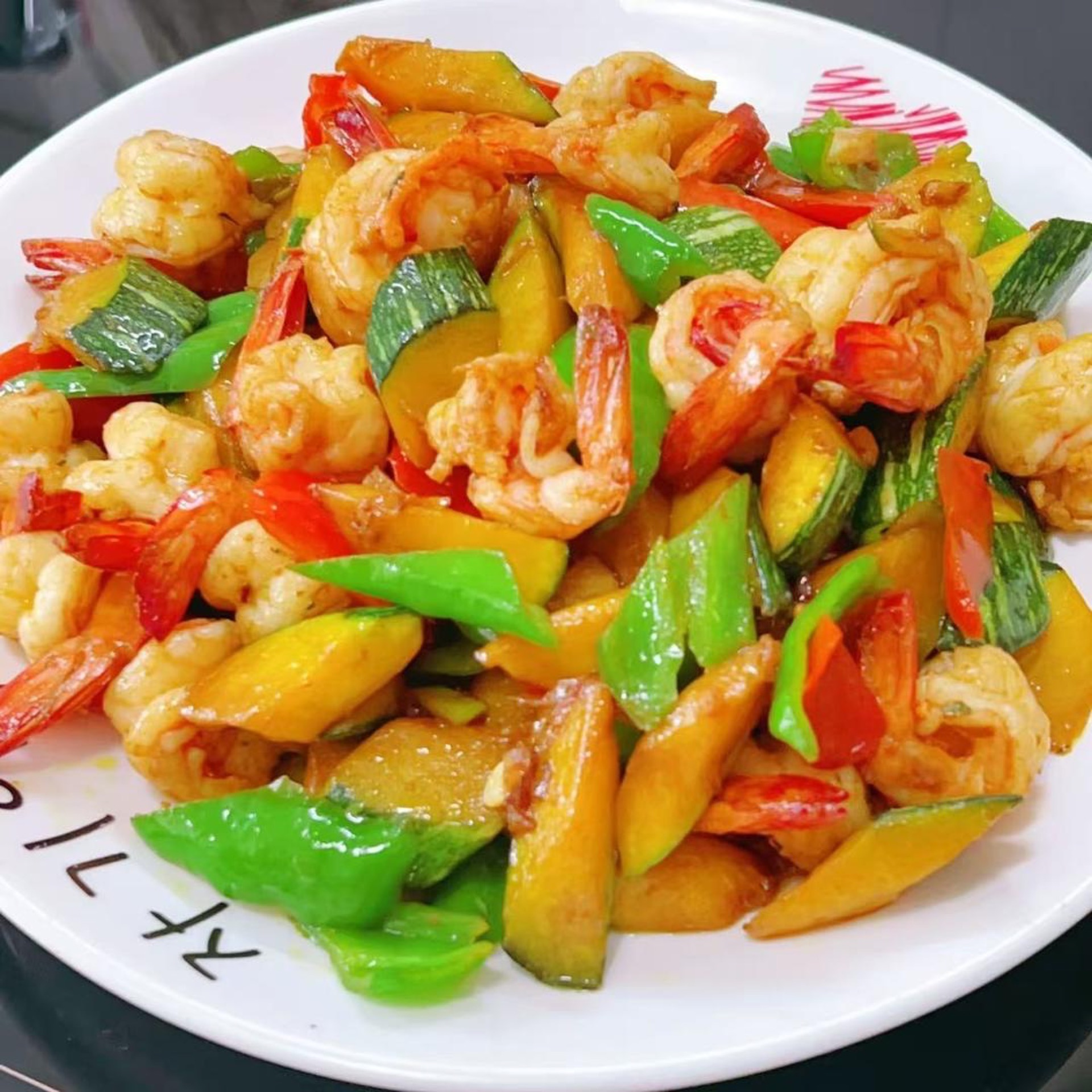
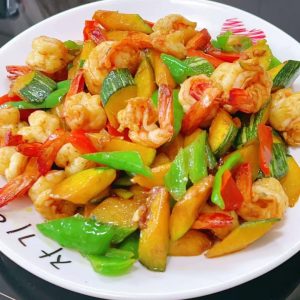
The finished dish is sweeter and more tender than meat, with glossy pumpkin and plump shrimp.
Step 14 — A Light Plate
A low-fat, vegetable-forward plate that still feels like a treat.
Common Mistakes When Making Stir-Fried Shrimp with Young Pumpkin
1. Cooking the shrimp and pumpkin together. The pumpkin releases water as it cooks, which cools the pan and steams the shrimp. The fix is to sear the shrimp first, remove them, and add them back at the very end.
2. Using a cool wok. A wok that is not fully heated will not sear anything. Heat it until a drop of water evaporates on contact, then add the oil. This is the same principle behind most stir-fry problems, and it is the single biggest reason home stir-fries taste flat.
3. Cutting the pumpkin unevenly. Large chunks will still be raw while small ones turn to mush. Cut everything into roughly one-inch pieces so the pumpkin cooks through in the same amount of time.
4. Adding salt too early. Salt draws water out of the pumpkin, which dilutes the sauce and turns the dish watery. Salt at the end, after tasting.
5. Overcrowding the pan. If your wok or skillet is too small, the ingredients will steam instead of sear. Cook in two batches, or use a larger pan.
6. Skipping the marinade. The ten-minute marinade is what gives the shrimp a seasoned base. Without it, the shrimp taste flat even if the sauce is good.
Variations
With pork: Add a handful of thinly sliced pork for a heartier dish. Sear the pork first, remove it, and add it back with the shrimp. The sweetness of the pumpkin works well with pork, as in this potato braised chicken, which uses the same sweet-savory logic.
With dried scallops: Soak a few dried scallops in warm water and add them with the aromatics for a deeper, more luxurious flavor. This is a classic Cantonese pairing with young pumpkin.
Spicy version: Add a spoonful of chili bean paste or a chopped fresh chili with the aromatics. The heat cuts through the sweetness of the pumpkin nicely.
Vegetarian version: Skip the shrimp and use firm tofu or king oyster mushrooms instead, and substitute vegetarian oyster sauce. Sear the tofu first and add it back at the end, just like the shrimp.
With glass noodles: Soak a small bundle of glass noodles and add them with the sauce for a one-bowl meal. This is the same idea as our vegetable chow fun, which uses a similar sauce-and-noodle approach.
Frequently Asked Questions
Can I use a mature pumpkin instead of young pumpkin? Yes, but you will need to adjust the cook time. Mature pumpkin is denser and starchier, so peel it, cut it into smaller pieces, and cook it longer before adding the shrimp. You may also need a splash of water to help it soften.
Do I have to peel the shrimp? Peeling is traditional for this dish because it lets the shrimp curl into neat balls and absorb the marinade. If you leave the shells on, the dish will still taste good, but the texture will be different and the sauce will not cling as well.
Can I make this ahead of time? You can prep all the ingredients up to a day ahead and store them separately in the refrigerator. The dish itself is best cooked and eaten fresh, but leftovers keep for up to three days.
What can I use instead of oyster sauce? Vegetarian oyster sauce made from mushrooms is the closest substitute. You can also use a combination of soy sauce and a little sugar, though the flavor will be less complex.
Is this dish spicy? No, as written it is not spicy. The peppers are sweet bell peppers. If you want heat, add a fresh chili or a spoonful of chili paste with the aromatics.
How to Serve
Serve this stir-fry hot over steamed white rice, with a drizzle of the pan sauce spooned over the top. The sweetness of the pumpkin and the savoriness of the shrimp sauce soak into the rice beautifully. For a lighter meal, serve it with a simple cucumber salad or a bowl of clear soup.
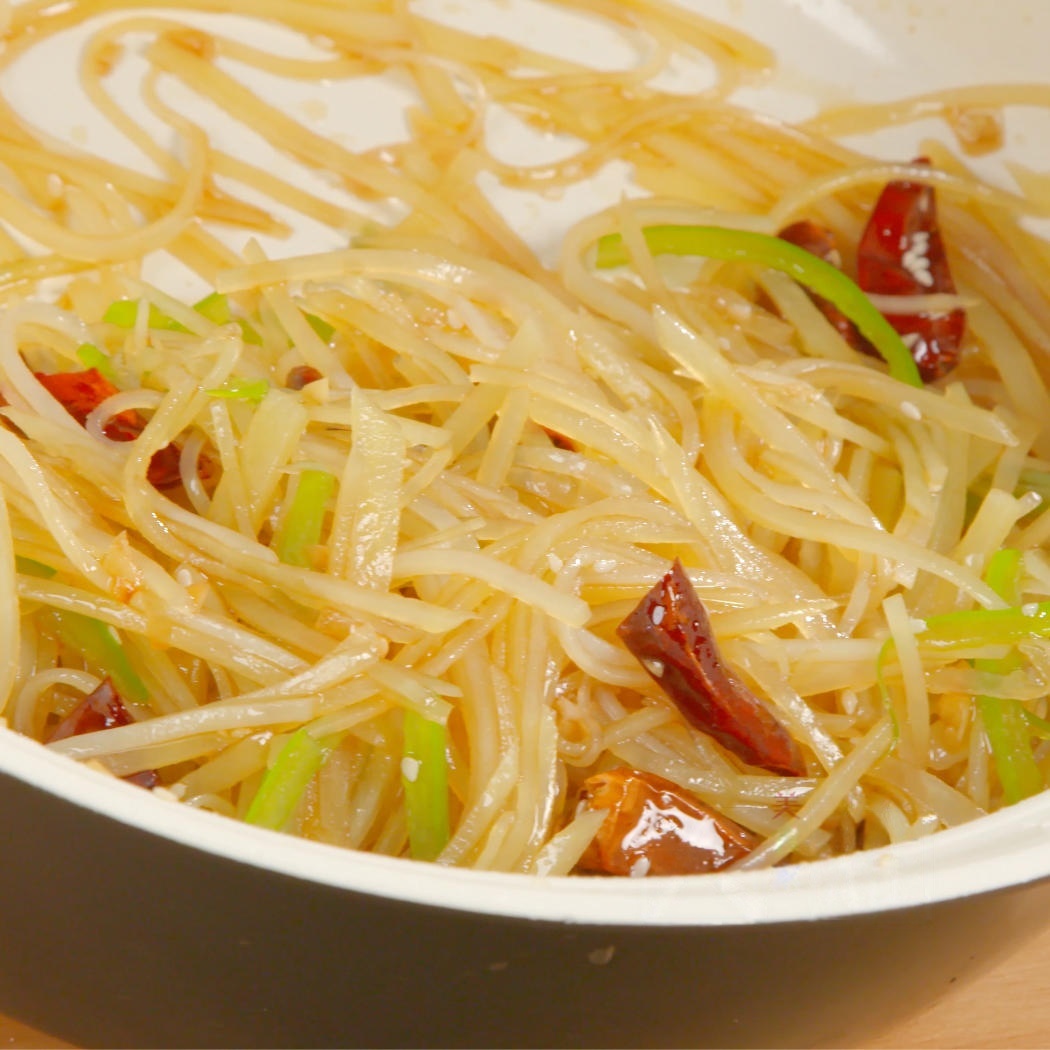
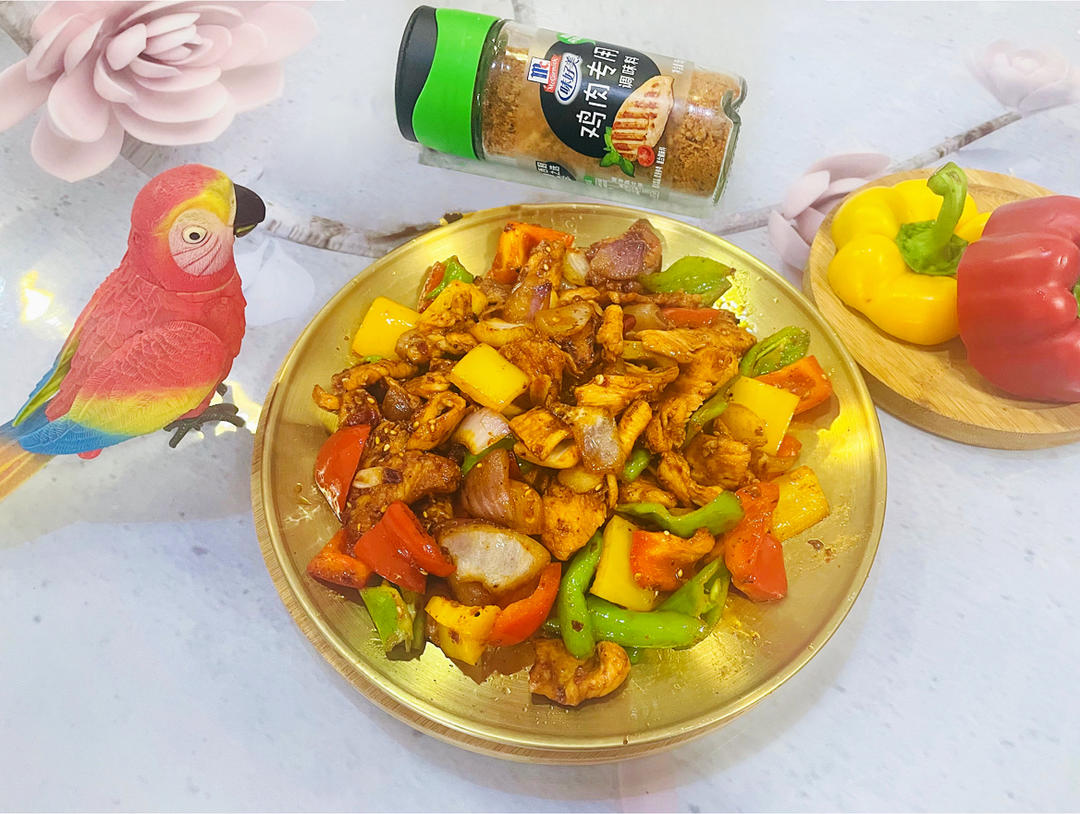
If you want a second vegetable dish on the table, our sour and spicy shredded potato salad is a crisp, tangy counterpoint that cuts through the richness of the shrimp. And if you are feeding a crowd, our stir fried chicken breast with bell peppers uses the same peppers and technique and rounds out the meal nicely.
A final note on seasoning: if the dish tastes a little flat at the end, a pinch of five spice powder or a few drops of sesame oil can wake it up. Use a light hand — the pumpkin and shrimp are the stars.
Storage & Reheat
Store leftovers in an airtight container in the refrigerator for up to three days. The pumpkin will soften further as it sits, so the dish is best eaten within a day or two. Reheat gently in a skillet over medium heat with a splash of water to loosen the sauce, or in the microwave covered with a damp paper towel.
Do not freeze this dish. The pumpkin becomes watery and mushy after thawing, and the shrimp turn rubbery. If you want to prep ahead, freeze the raw peeled shrimp and the cut pumpkin separately, then cook from frozen — though the texture will be best with fresh ingredients.
Allergen Notice
This recipe contains shellfish (shrimp) and soy (soy sauce, oyster sauce). Some oyster sauces also contain wheat, so check the label if you are gluten-sensitive. If you are allergic to shellfish, substitute vegetarian oyster sauce and use tofu or chicken instead of shrimp. Always read labels carefully, as brands vary.
Nutrition Disclaimer
Nutrition information is calculated using an ingredient database and should be considered an estimate. In cases where multiple ingredient alternatives are given, the first listed is calculated for nutrition. Garnishes and optional ingredients are not included.
About the Author & Recipe Development
Lin is the recipe developer and photographer behind Woks of Love, where she shares the home-style Chinese dishes she grew up eating and the techniques she has refined over years of cooking in a Western kitchen. This recipe was developed from a family method for young pumpkin stir-fry, tested with both head-on and peeled shrimp, and adjusted so that the timing works on a standard home stove.
Every recipe on the site is tested at least twice, and the notes on doneness, seasoning, and substitutions come from those tests. If you make this dish, the comments are the best place to share how it turned out.
Authoritative References
For safe handling and cooking temperatures for shrimp and other seafood, see the FDA advice about eating fish and seafood. For general food safety guidance on storage and reheating, see the FoodSafety.gov kitchen safety guide. For a deeper look at wok technique and the science of stir-frying, the Serious Eats Wok Skills series is an excellent resource.
Stir-Fried Shrimp with Young Pumpkin (嫩南瓜炒虾球): Sweet Pumpkin, Savory Shrimp

Equipment
- Wok
- Cutting Board
- Chef’s knife
- Slotted Spoon
- Small Bowl
Ingredients
For the Shrimp Marinade
- 500 g shrimp about 20 large shrimp, head-on or peeled, tails left on
- 1 tsp Shaoxing wine or dry sherry
- 2 g white pepper freshly ground
- 1 pinch salt fine salt
For the Stir-Fry
- 1 whole young pumpkin about 500 g, seeds removed, cut into 1-inch chunks
- 1 whole green bell pepper seeded, cut into 1-inch pieces
- 1 whole red bell pepper seeded, cut into 1-inch pieces
- 3 stalks scallion white parts for aromatics, green parts for garnish
- 4 cloves garlic sliced
- 1 tbsp cooking oil plus more for searing the shrimp
- 1 tsp oyster sauce about half a spoon
- 1 tsp light soy sauce for color and salt
- 1 pinch salt to taste at the end
Instructions
- A farm-grown young pumpkin, small and tender, with pale green skin and soft seeds that scoop out easily.

- Scoop out the seeds and cut the young pumpkin into small, even chunks so it cooks through quickly.
- Seed and stem the green and red peppers, then cut them into small chunks the same size as the pumpkin.
- Twist off the heads of the red-claw, blue-tail, and tiger shrimp with a slow pull so the head and the digestive tract come away together.
- Peel the shrimp shells but leave the tails on for a neat, springy bite.
- Butterfly the backs and keep the yellow tomalley, which is edible and turns red when cooked; then toss the shrimp with white pepper, Shaoxing wine, and salt for a base flavor.
- Heat oil in the wok, slide in the shrimp tails, and stir-fry just until they lose their raw look, then drain and set aside.
- In a clean wok with a little oil, fry the scallion, ginger, and garlic until fragrant.
- Add the young pumpkin and stir-fry over high heat.
- Add about half a spoon of oyster sauce and toss to build a savory base.
- Add a small spoon of light soy sauce and toss until the pumpkin takes on color.
- Stir-fry the pumpkin until just tender, then return the seared shrimp and the peppers, season with salt, and toss everything evenly.
- The finished dish is sweeter and more tender than meat, with glossy pumpkin and plump shrimp.
- A low-fat, vegetable-forward plate that still feels like a treat.




Leave a Reply