I’m partly writing this recipe down to train my “culinary black hole” husband (as he lovingly calls himself) to be my successor in the kitchen. For everyone else, I hope you just enjoy this classic, easy, and deeply comforting dish!
Growing up in my parents’ restaurant in Sichuan, this was never on the menu. This was what we ate at home. It’s a classic jiachangcai (家常菜), or homestyle dish, that isn’t fancy but delivers on flavor every single time. It’s pure comfort food, especially on a chilly evening.

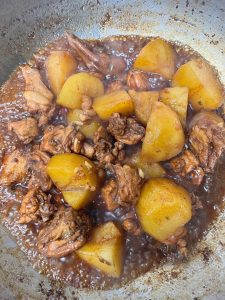
The magic is in the hong shao (red-braised) sauce. Tender, bone-in chicken and fluffy, starchy potatoes soak up a rich, glossy, and aromatic sauce made from soy sauce and whole spices. There’s nothing better than spooning that savory, slightly sweet gravy over a hot bowl of steamed rice. It’s a hearty, one-pot meal that I turn to again and again.
What is Potato Braised Chicken (Tu Dou Shao Ji)?
This dish, Tu Dou Shao Ji (土豆烧鸡), is a perfect example of the Chinese cooking technique known as “red-braising” or hong shao (红烧). This method involves slowly braising meat (in this case, chicken) in a mixture of soy sauce, sugar, and spices, which creates a signature rich, reddish-brown, glossy sauce.
While you might find versions of braised chicken in Western takeout restaurants, they are often overly sweet and use pre-made sauces. This homestyle version is different. It’s more savory, balanced, and gets its deep, complex aroma from simmering whole spices like star anise, cinnamon, and bay leaves right in the pot. It’s the kind of satisfying, rib-sticking food that Chinese families have been making for generations.
Why this Potato Braised Chicken recipe works
- Deep, Aromatic Base: We bloom the whole spices (star anise, cinnamon, bay leaves) in oil first. This is a fundamental technique that infuses the entire dish with a warm, savory aroma from the very start.
- Tender, Juicy Chicken: Using hot water to braise—not cold—is a trick I learned in my father’s kitchen. It ensures the seared chicken meat doesn’t seize up and turn tough, keeping it tender and juicy throughout the braise.
- Perfectly Cooked Potatoes: We add the potatoes part-way through the braise. This is a crucial step. It allows them to cook to a perfect, fork-tender texture and absorb the sauce without disintegrating into mush.
- A Balanced, Glossy Sauce: A tiny pinch of sugar isn’t just for sweetness. It’s a classic Chinese technique called tixian (提鲜), which balances the saltiness of the soy sauce, rounds out the flavors, and helps create that beautiful, glossy finish.
Key ingredients & substitutions
- Chicken: I highly recommend using bone-in, skin-on chicken pieces. A half chicken, chopped, is traditional. The bones and skin release gelatin and fat, creating a much richer sauce. If you prefer, bone-in chicken thighs are the next best thing.
- Potatoes: A starchy potato, like a Russet, is perfect here. You want a potato that will become soft and fluffy, soaking up that delicious braising liquid.
- Whole Spices: This recipe uses a classic red-braising combination:
- Star Anise (八角, bājiǎo): One pod is all you need for its distinct, warm, licorice-like flavor.
- Cinnamon Bark (桂皮, guìpí): Use a small piece of cassia cinnamon if you can find it, but a regular cinnamon stick works fine.
- Bay Leaves (香叶, xiāng yè): Adds a subtle, herbal background note.
- Sauce Basics:
- Chinese Cooking Wine (料酒, liàojiǔ): This is essential for removing any raw or “gamey” taste from the chicken. A good substitute is dry sherry.
- Dark Soy Sauce (老抽, lǎochōu): This is almost entirely for color. It has a hint of molasses sweetness and gives the dish its beautiful, deep reddish-brown gloss. It is less salty than light soy.
- Light Soy Sauce (生抽, shēngchōu): This is for saltiness and flavor. We add it at the end to adjust the final seasoning, as the sauce will concentrate. You can also use regular “all-purpose” soy sauce.
- Optional – Dried Chilies (辣椒, làjiāo): The original recipe notes this is optional. If you want a gentle background warmth (this isn’t meant to be a spicy dish), toss in 3-5 dried red chilies (like Tianjin or Arbol) with the other aromatics.
Ingredients
- 2 lbs (900g) bone-in, skin-on chicken (half a chicken or thighs/legs), cut into 1.5-inch pieces
- 1 lb (450g) potatoes (about 2 medium Russets)
- 2 tbsp (30ml) neutral oil (like canola or vegetable)
- 1-inch (2.5cm) piece ginger, cut into 4-5 slices
- 3 cloves garlic, peeled
- 1 star anise
- 1 small piece cinnamon bark (or 1 small stick)
- 2 bay leaves
- 3-5 dried red chilies (optional, for mild heat)
- 2 tbsp (30ml) Chinese cooking wine (or dry sherry)
- 1 tbsp (15ml) dark soy sauce
- 1 tsp (5g) salt (plus more to taste)
- ½ tsp (2g) sugar
- 3-4 cups (720-960ml) hot water (from a kettle)
- 1 tbsp (15ml) light soy sauce (optional, to taste)
- 1 scallion, chopped (optional, for garnish)
Recipe notes before you start
- Hot Water is Key: Have your hot water ready before you need it. Adding cold water to the hot pan and seared chicken is the number one reason for tough, seized-up meat.
- Bone-In Chicken: Cutting a half chicken can be tricky. You can often ask your butcher to chop it for you. If not, using bone-in, skin-on chicken thighs, cut into 1-2 inch pieces, is a fantastic and easy alternative.
- Tasting is Everything: The final saltiness depends on your brand of soy sauce. It is crucial to taste the sauce before the final high-heat reduction. The flavor will concentrate, so it’s very easy to over-salt.
Mise en place / How to prep the ingredients
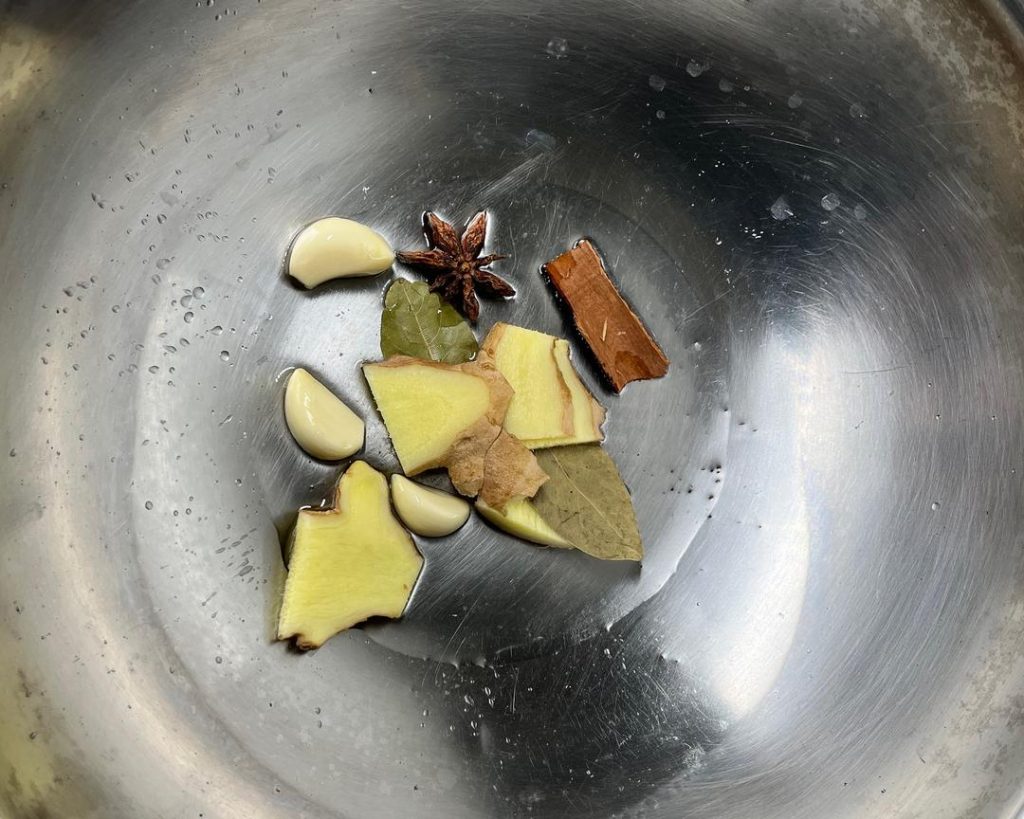
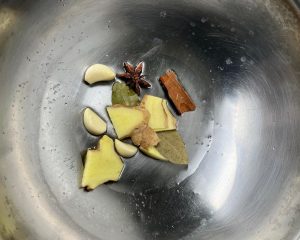
- Aromatics: Peel and slice the ginger. Peel the garlic cloves. Have the star anise, cinnamon, bay leaves, and optional dried chilies in a small bowl.
- Chicken: If your chicken isn’t already cut, chop it into 1.5 to 2-inch (4-5 cm) pieces. Pat the pieces thoroughly dry with a paper towel. This prevents the oil from splattering and helps the chicken sear rather than steam.
- Potatoes: Do not prep these yet! You’ll peel and cut the potatoes while the chicken is braising. This prevents them from oxidizing and turning brown.
How to make Potato Braised Chicken
- Place a wok, Dutch oven, or large, heavy-bottomed pot over medium-high heat. Add the 2 tbsp of oil.
- Once the oil is warm (but not smoking), add the aromatics: ginger, garlic, star anise, cinnamon, bay leaves, and optional dried chilies. Sauté for 1-2 minutes, stirring constantly, until they are very fragrant. Be careful not to burn the garlic.
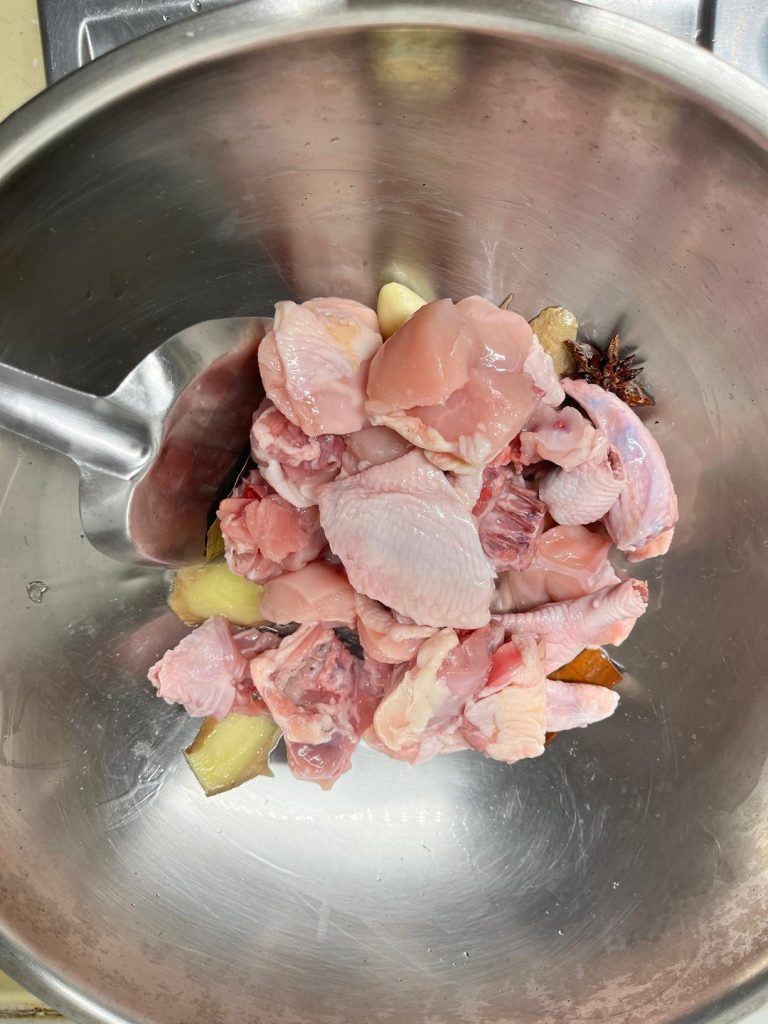
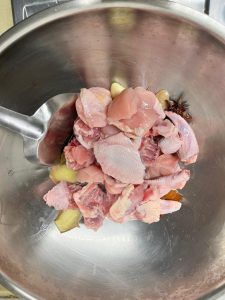
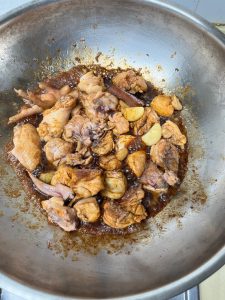
- Add the dry chicken pieces to the pot. Stir-fry for 3-4 minutes, until the chicken is lightly browned and the color has changed. The original recipe notes, “don’t worry if it sticks a little at first, it will release as it cooks.”
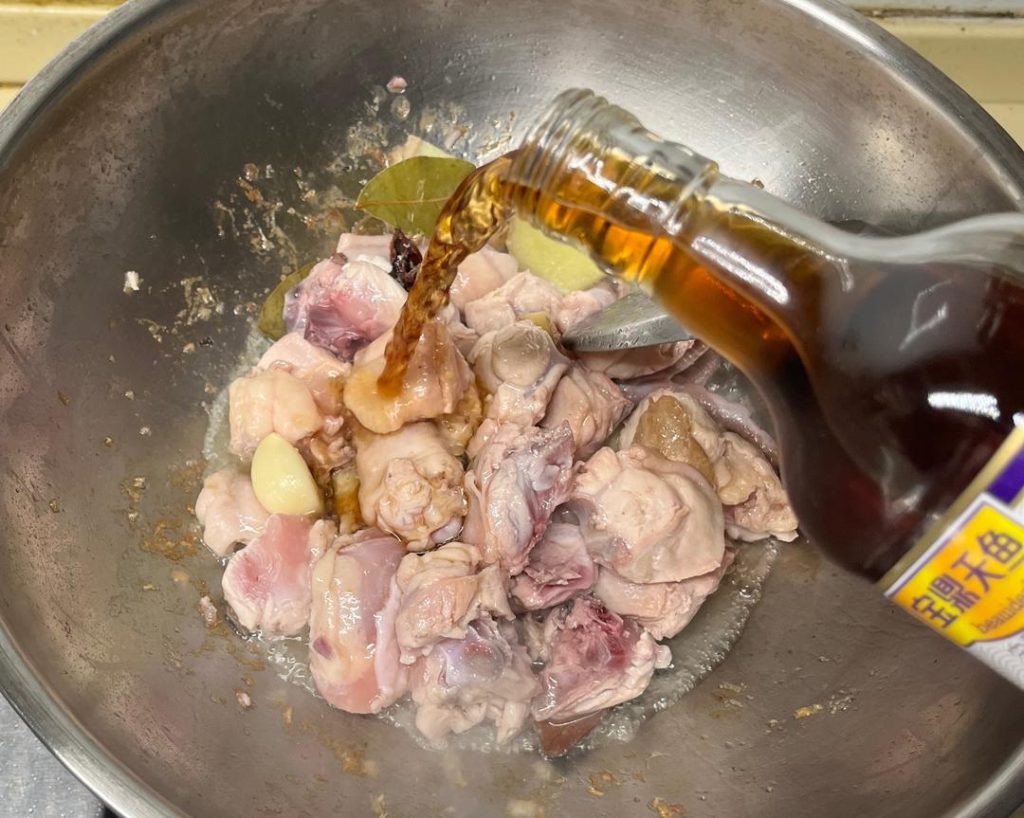
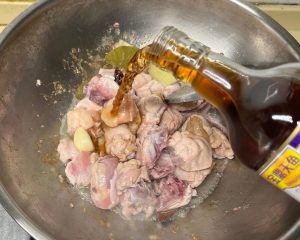
- Pour the 2 tbsp of cooking wine around the edges of the pot and stir-fry for 30 seconds to cook off the alcohol smell.
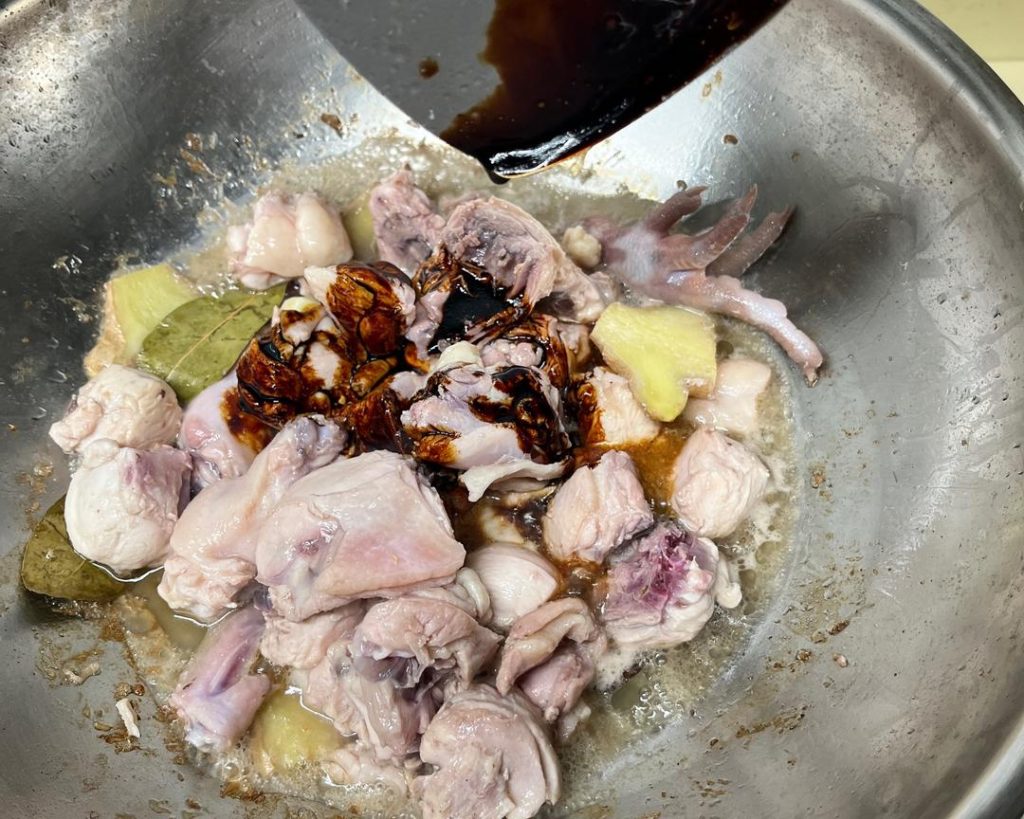
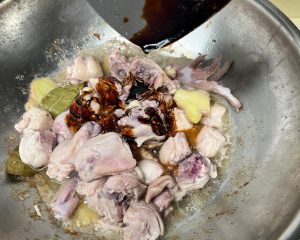
- Add the 1 tbsp of dark soy sauce. Stir-fry for 1-2 minutes, tossing the chicken constantly, until every piece is evenly coated in that deep, glossy brown color.
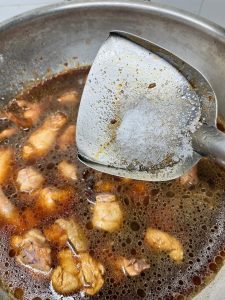
- Pour in enough hot water to just cover the chicken (about 3-4 cups). Add the ½ tsp of sugar. Bring the liquid to a rolling boil.
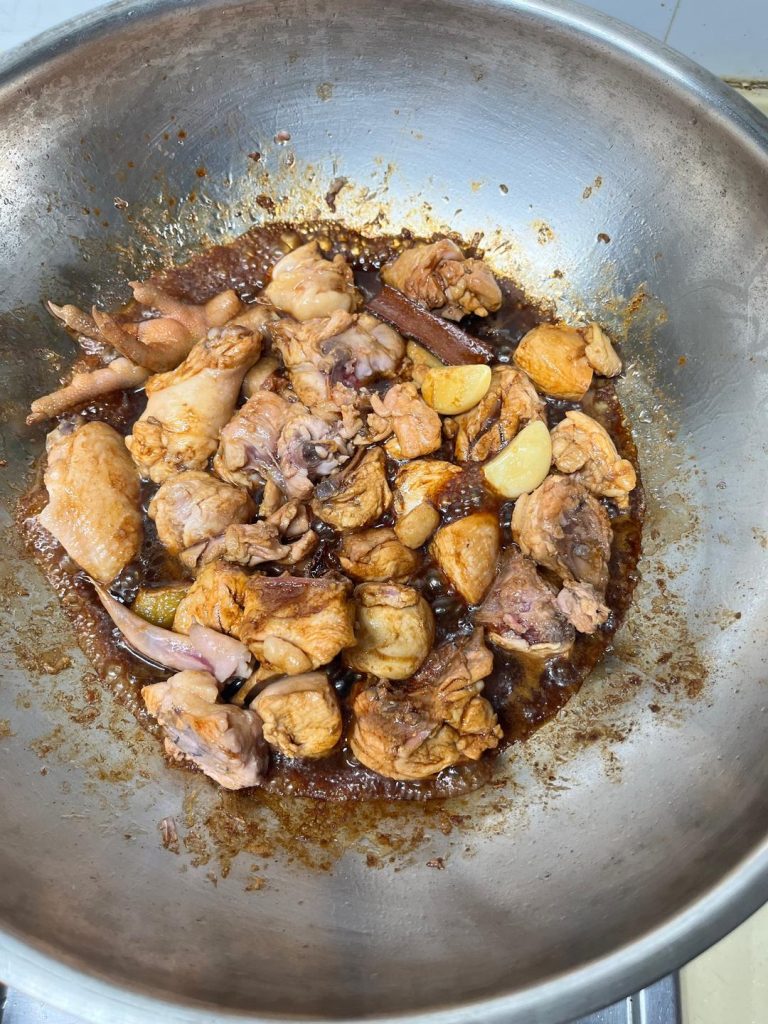
- Once boiling, reduce the heat to a medium-low simmer. Cover the pot and let the chicken braise for 10 minutes.
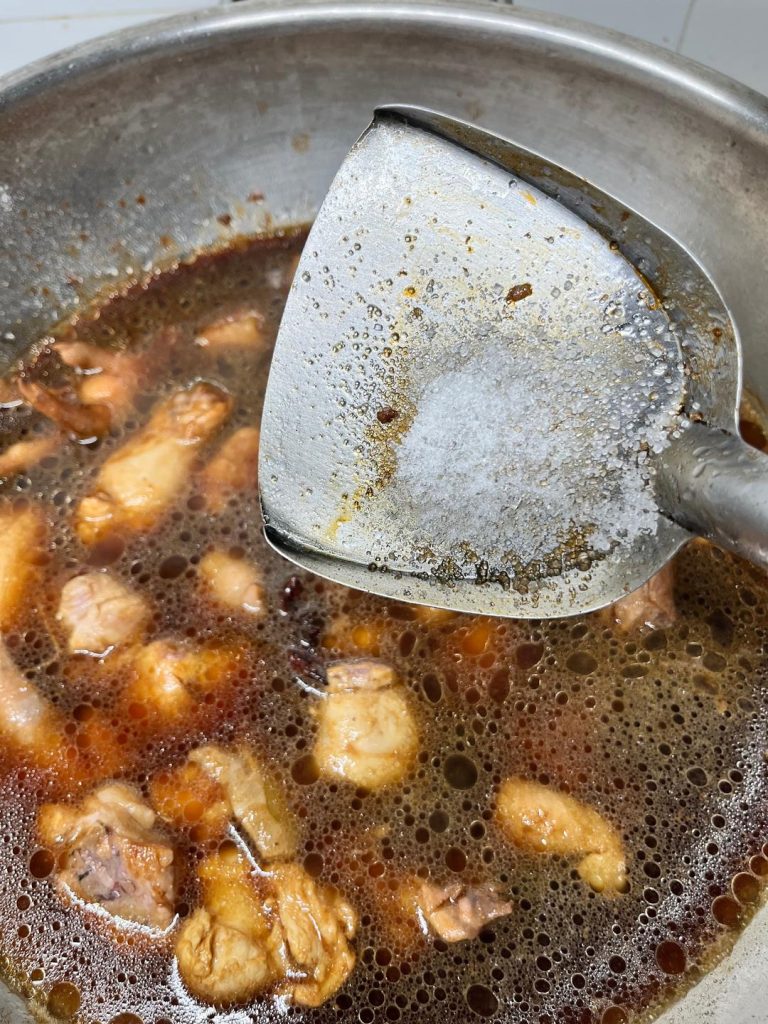
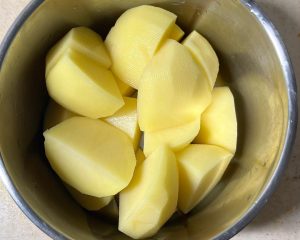
- While the chicken is simmering, peel and cut your potatoes into 1.5-inch (4 cm) chunks.
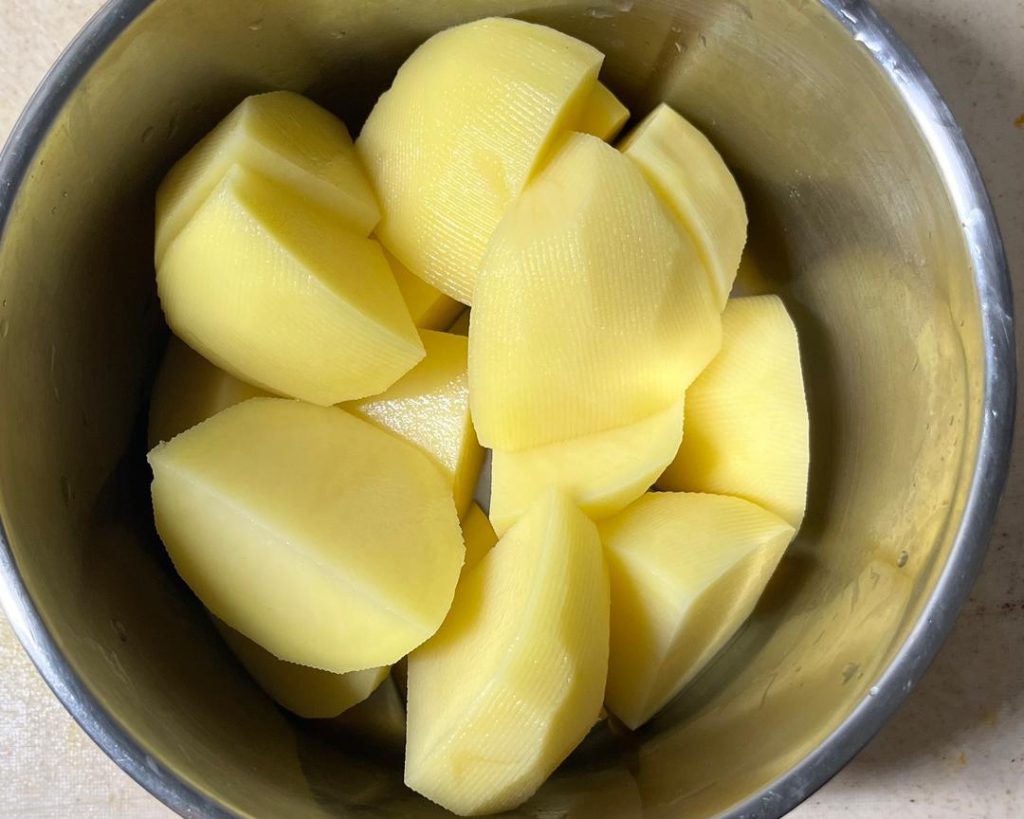
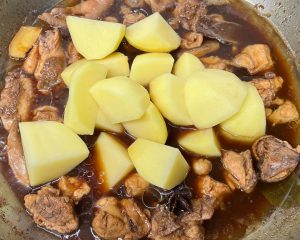
- After 10 minutes, uncover the pot and add the cut potatoes. Add the 1 tsp of salt and stir gently to combine.
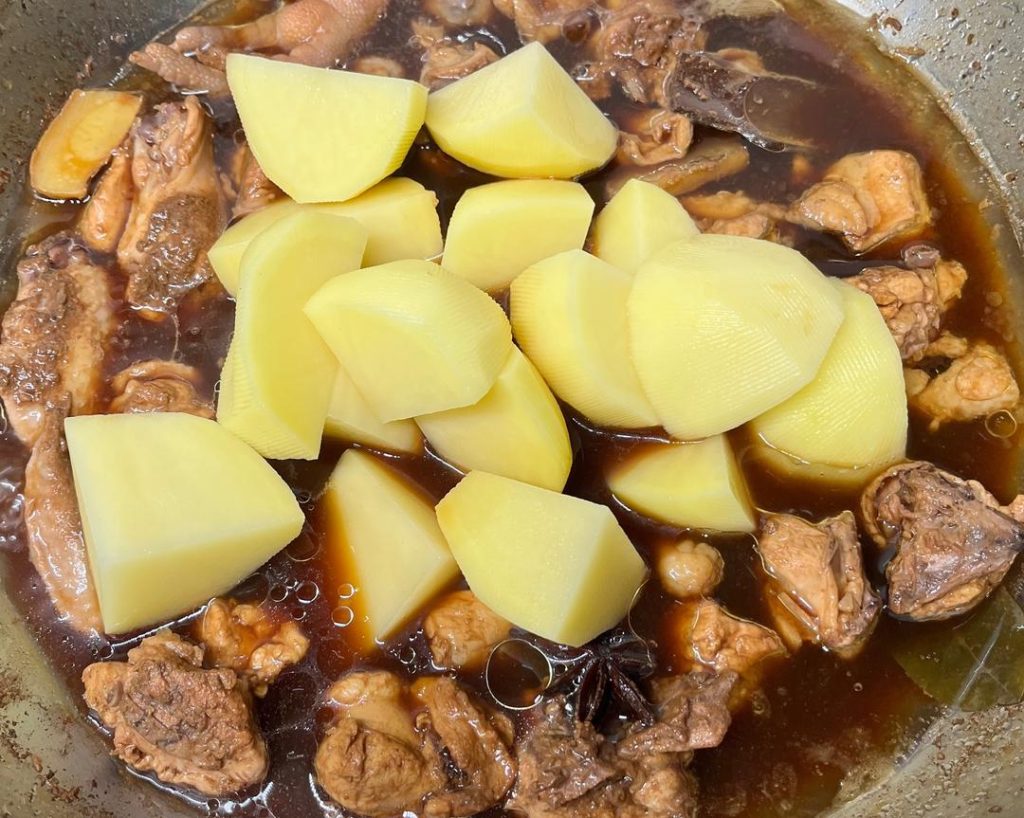
- Cover the pot again and continue to simmer for about 15 more minutes, or until the potatoes are tender and can be easily pierced with a fork.
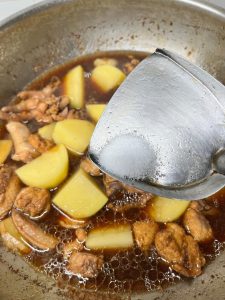
- Uncover the pot. This is the most important step: Taste the sauce. Is it salty enough? If it tastes a little bland, add the 1 tbsp of light soy sauce (or more, to your preference). Remember, the sauce will get saltier as it reduces, so err on the side of caution.
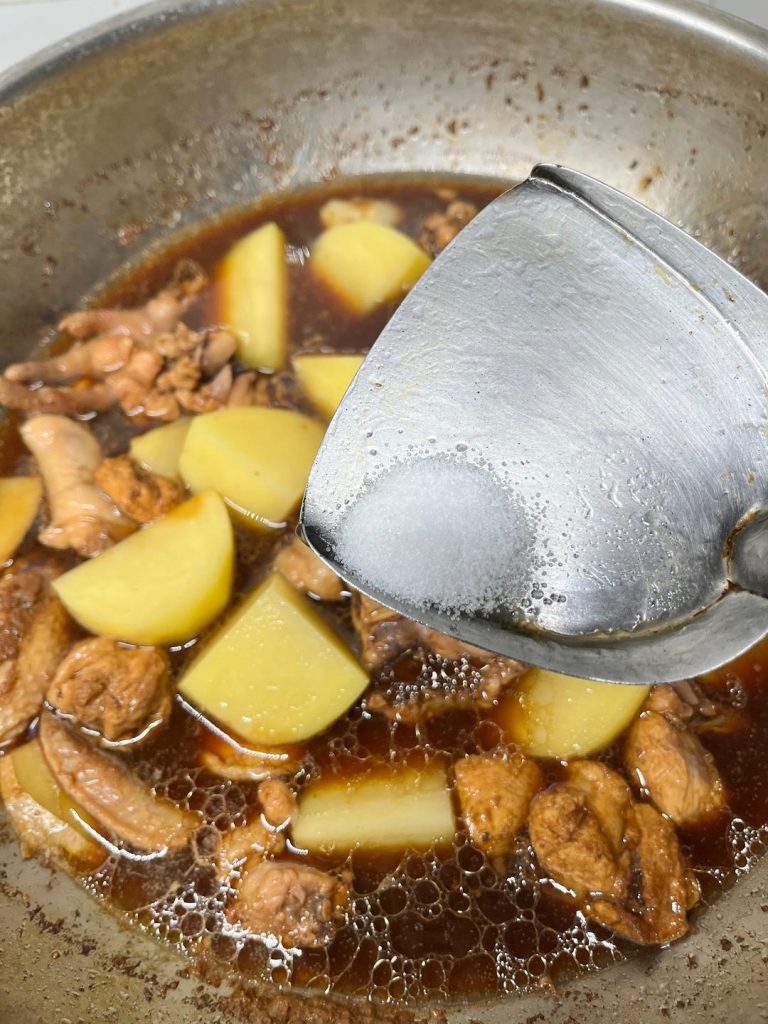
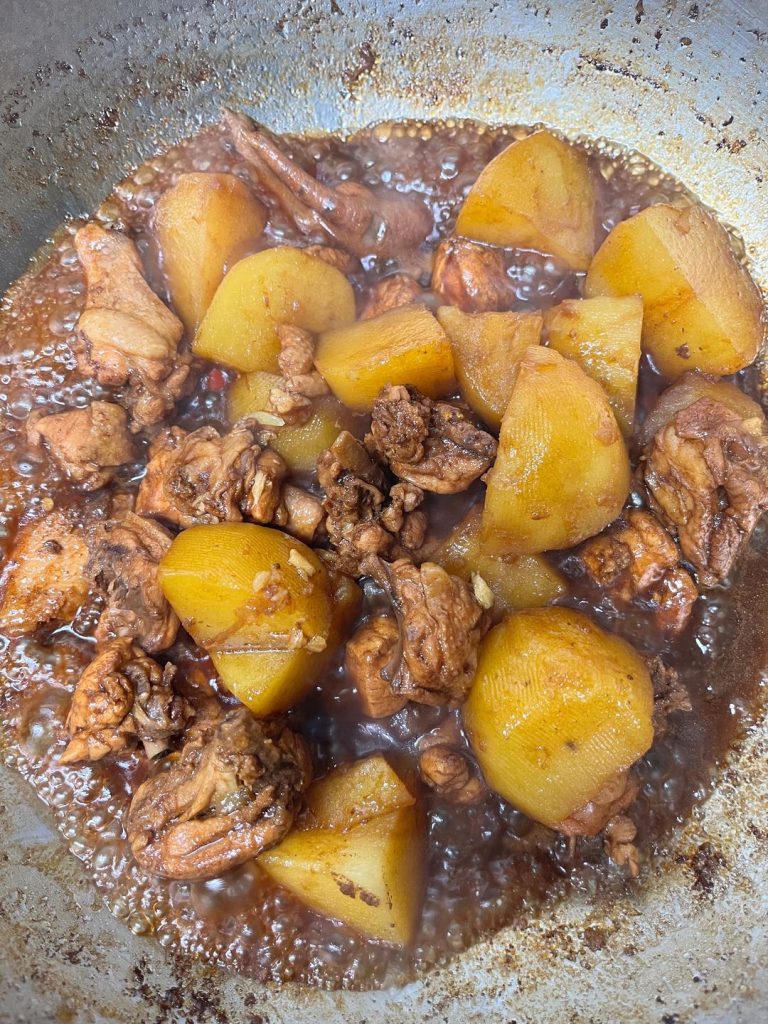
- Turn the heat up to high. Let the sauce boil vigorously, stirring gently, for 3-5 minutes. The sauce will reduce, thicken, and become a beautiful, glossy gravy that clings to the chicken and potatoes.
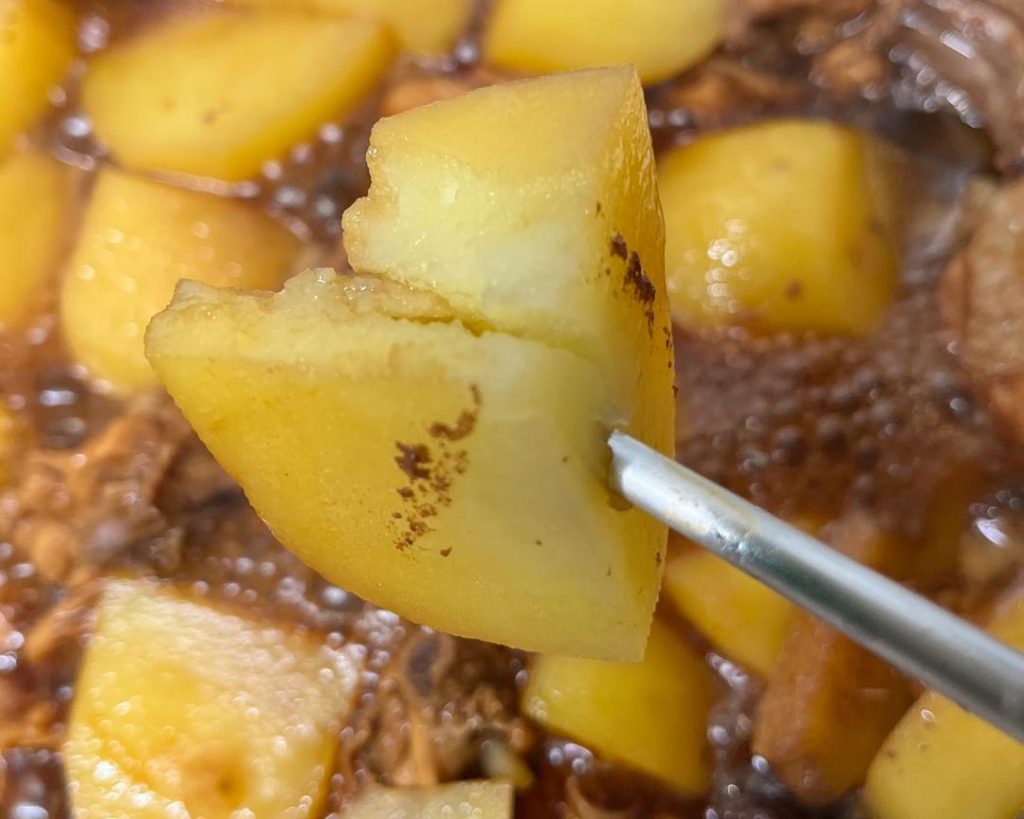
- Once the sauce has thickened, turn off the heat. Garnish with chopped scallions (if using) and serve immediately.
Tips for success
- Bloom Spices Gently: Don’t let your heat get too high when sautéing the whole spices. Burnt garlic or star anise will make the whole dish bitter.
- Don’t Fear the Sticking: When you first add the chicken, the skin might stick to the pot. Let it sear for a minute before trying to move it. It will release once a crust has formed.
- Control the Salt: I can’t say this enough—taste the sauce before the final reduction step. A sauce that tastes perfectly seasoned before reduction will be too salty after. It should taste just a little bit under-seasoned.
Variations & make-ahead ideas
- Red-Braised Chicken (红烧鸡块): As the original recipe notes, you can simply make braised chicken without the potatoes. To do this, skip the potato steps (8-10) and just simmer the chicken in step 7 for a total of 20-25 minutes, or until tender, before moving on to the tasting and reduction (step 11).
- Add Mushrooms: For extra umami, add a handful of rehydrated and sliced shiitake mushrooms at the same time you add the chicken (step 3).
- Make-Ahead: This dish is a perfect make-ahead meal. The flavors actually get even better the next day! Store it in an airtight container in the refrigerator for up to 4 days. Reheat gently in a pot over medium-low heat (adding a splash of water if the sauce is too thick) or in the microwave.
Common troubleshooting (FAQ-style)
- Why did my chicken turn out tough? You most likely added cold water (which shocks the seared meat and makes it seize up) or you used boneless, skinless chicken breast. This braising method is designed for the fat and collagen in bone-in, skin-on dark meat (thighs, legs), which keeps it tender.
- My sauce is way too salty! What happened? You likely added too much salt or light soy sauce before the final reduction. It’s a common mistake! To fix it, you can add a few more boiled (and unseasoned) potato chunks to absorb some of the salt. Next time, wait until the very end to adjust the seasoning.
- Can I make this without a wok? Absolutely. A heavy-bottomed Dutch oven, a large pot, or a deep skillet with a lid works perfectly for this braise.
- How spicy is this? With no chilies, this dish has zero spice. It’s a deeply savory, aromatic, and slightly sweet braise. You are in complete control of the heat by adding the optional dried red chilies.
How to serve Potato Braised Chicken
Serve this dish piping hot, straight from the pot. Spoon it into shallow bowls, making sure to get plenty of the chicken, potatoes, and that incredible glossy sauce. A final sprinkle of fresh, sharp-tasting chopped scallions is a great way to add a bit of color and fresh contrast.
What to serve with it
This dish absolutely demands a side of steamed jasmine rice. The primary purpose of the rice is to be a vehicle for that amazing sauce.
To make it a complete and balanced meal, I almost always serve it with a simple, quick-cooked green vegetable to cut through the richness. A Chinese Stir-fried Lettuce with Garlic is a perfect 5-minute side. On a warmer day, a cooling Easy Smashed Cucumber Salad provides a wonderful contrast.
If you’re building a larger family-style meal, this braise pairs beautifully with other homestyle classics like a Chinese Tomato and Egg Stir-fry. And if you love this “red-braising” style, you must try the pork version, Hong Shao Rou—The Woks of Life has an excellent recipe for it.
How to store & reheat
- Fridge: Store leftovers in an airtight container in the refrigerator for up to 4 days.
- Freezer: This dish freezes very well. Once cool, transfer to a freezer-safe container or bag and freeze for up to 3 months. Thaw overnight in the refrigerator before reheating.
- Reheat: The best way to reheat is gently in a pot over medium-low heat until the sauce is bubbling and the chicken is steaming hot. You may need to add a splash of water to loosen the sauce. You can also microwave it, covered, in 60-second intervals, stirring in between.
Nutrition information (estimate)
Serving size: 1/4 of the recipe
- Calories: 510 kcal
- Protein: 35g
- Fat: 28g (Saturated Fat: 7g)
- Carbohydrates: 29g
- Fiber: 4g
- Sugar: 3g
- Sodium: 890mg
Allergens: Soy, Wheat (from soy sauce and cooking wine). Can be made gluten-free by using tamari and a gluten-free cooking wine or dry sherry.
Disclaimer: Nutrition information is estimated using an ingredient database and should be considered an approximation. Actual values will vary based on brands used and exact portion sizes.
Final thoughts
This is one of those dishes that just spells “home” for me. It’s not fancy, it won’t win any culinary awards for presentation, but it is deeply, profoundly satisfying. I hope it brings as much comfort to your kitchen as it does to mine (and I really hope my husband is paying attention!).
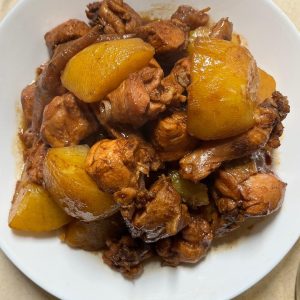
Homestyle Potato Braised Chicken (Tu Dou Shao Ji)

Equipment
- Wok or Dutch Oven (with lid)
- Spatula
- Cutting Board
- Chef’s knife
Ingredients
- 2 lbs bone-in, skin-on chicken (half a chicken or thighs/legs), cut into 1.5-inch pieces (900g)
- 1 lb potatoes (about 2 medium Russets) (450g)
- 2 tbsp neutral oil (like canola or vegetable) (30ml)
- 1 inch piece ginger, cut into 4-5 slices (2.5cm)
- 3 cloves garlic, peeled
- 1 star anise
- 1 small piece cinnamon bark (or 1 small stick)
- 2 bay leaves
- 3-5 dried red chilies optional, for mild heat
- 2 tbsp Chinese cooking wine (or dry sherry) (30ml)
- 1 tbsp dark soy sauce (15ml)
- 1 tsp salt (plus more to taste) (5g)
- ½ tsp sugar (2g)
- 3-4 cups hot water (from a kettle) (720-960ml)
- 1 tbsp light soy sauce (optional, to taste) (15ml)
- 1 scallion, chopped (optional, for garnish)
Instructions
- Heat a wok or Dutch oven over medium-high heat. Add oil. Add ginger, garlic, star anise, cinnamon, bay leaves, and optional chilies. Sauté for 1-2 minutes until fragrant.

- Add the (patted dry) chicken pieces. Stir-fry for 3-4 minutes until lightly browned.

- Add the cooking wine and stir-fry for 30 seconds.
- Add the dark soy sauce and stir-fry for 1-2 minutes until the chicken is evenly coated.
- Pour in hot water to just cover the chicken. Add the sugar. Bring to a boil, then reduce heat to a medium-low simmer. Cover and cook for 10 minutes.
- While the chicken simmers, peel and cut the potatoes into 1.5-inch chunks.
- After 10 minutes, uncover and add the potatoes and 1 tsp of salt. Stir, cover, and simmer for 15 more minutes, or until potatoes are fork-tender.
- Uncover and taste the sauce. If needed, add the optional light soy sauce to adjust seasoning.
- Turn the heat to high. Boil uncovered, stirring gently, for 3-5 minutes, or until the sauce reduces and becomes a thick, glossy gravy.
- Garnish with optional scallions and serve immediately with steamed rice.







Leave a Reply