If you ask my family, this is the “magic recipe” where the humble white radish (daikon) actually outsells the beef. Growing up in a kitchen where my father spent 20 years as a chef, I learned that the soul of a stew isn’t just the meat—it’s how the vegetables absorb the savory essence of the sauce.

This recipe is a revelation for two reasons. First, unlike most Western stews where meat is cubed raw, here we sear the whole block of brisket first to lock in moisture and create a deep Maillard reaction crust. Second, we skip the store-bought Chu Hou paste (traditional in Cantonese kitchens) and create a “master sauce” using pantry staples like soybean paste, peanut butter, and fermented bean curd. It creates a sauce so rich and flavorful, you’ll want to mix every last drop into your rice.
What is Braised Beef Brisket with Daikon?
Braised Beef Brisket with Daikon (萝卜炖牛腩, Luóbo Dùn Niúnǎn) is a staple Cantonese comfort dish. In the chaotic, steam-filled kitchens of Guangdong and Hong Kong, this dish is known as Ngau Lam. It features connective tissue-rich beef slow-cooked until gelatinous, paired with sweet, absorbent daikon radish.
While many restaurants rely on pre-made Chu Hou paste or scallop sauce for the base, this home-style version uses a clever combination of Soybean Paste (Huangdoujiang) and Fermented Bean Curd (Furu) to replicate that complex, umami-heavy flavor profile without needing expensive specialty sauces. It is savory, slightly sweet, and deeply warming—the perfect winter or early spring meal.
Why This Recipe Works
- Whole-Sear Technique: By searing the entire slab of brisket before cutting it, we minimize moisture loss. This prevents the beef from drying out during the long braise, a technique often used by professional roasters but rarely in home stews.
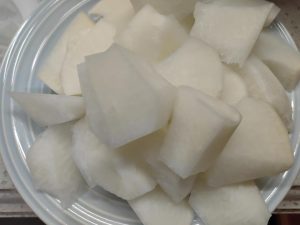
- The “Prying” Cut: We don’t just slice the radish; we use a rolling cut (known as “prying” or Gun Dao). This creates ragged, uneven edges that maximize surface area, allowing the radish to soak up significantly more sauce than a clean cut would.
- Layered Umami: The sauce combines fermented bean products with nut butter (peanut or sesame). The fats in the nut butter emulsify with the collagen from the beef, creating a glossy, thick sauce that clings to every bite.
Key Ingredients & Substitutions
To get that authentic restaurant taste, we need to talk about a few specific ingredients.
- Beef Brisket (Niu Nan): You want the rough flank or brisket with layers of fat and fascia. This connective tissue breaks down into gelatin, giving the sauce body.
- Substitution: Boneless beef short ribs or beef shank (shin) are excellent alternatives. Avoid lean cuts like round or sirloin; they will be dry.
- Daikon Radish (White Turnip): The sponge of the dish. Look for firm, heavy radishes with smooth skin.
- Soybean Paste (Huangdoujiang): This provides the salty, fermented base.
- Substitution: You can use a mild Miso paste or Korean Doenjang, though the flavor profile will shift slightly.
- White Fermented Bean Curd (Furu): This is often called “Chinese cheese.” It adds a funky, savory depth.
- Substitution: If you can’t find this, add an extra tablespoon of Miso or a teaspoon of fish sauce for that fermented kick.
- Dried Tangerine Peel (Chenpi): A classic Cantonese aromatic that cuts through the grease.
- Substitution: A strip of fresh orange zest (pith removed) works in a pinch.
Deeper Dive: The “2:8 Sauce” (Erba Jiang) The original recipe calls for Erba Jiang (20% sesame paste, 80% peanut butter). This is a secret weapon in Chinese cold dishes and hot pots. In this stew, it acts as a thickener and emulsifier. You can simply use smooth, unsweetened peanut butter as a direct substitute.
Ingredients
The Main Event:
- 2.2 lbs (1kg) Beef Brisket, preferably one whole piece
- 1 large Daikon Radish (approx. 1.5 lbs / 700g)
- 2 tbsp Vegetable Oil (for searing)
- Hot water (enough to cover beef)
The Aromatics:
- 1 knob Ginger, smashed or sliced thick
- 2 Scallion knots (green onions)
- 2 cloves Garlic, smashed
- 2 Star Anise
- 1 piece Dried Tangerine Peel (Chenpi)
The “Magic” Sauce Mix:
- 1.5 tbsp Soybean Paste (Huangdoujiang)
- 1 tbsp Hoisin Sauce (Seafood sauce in direct translation, but Hoisin is the standard equivalent)
- 1.5 cubes White Fermented Bean Curd (Furu)
- 1 tbsp Soy Sauce (Light)
- 1 tbsp Peanut Butter (or Sesame Paste)
- 1 pinch Sugar
- 1 splash Shaoxing Wine (or Hua Diao Wine)
- To taste: Salt, Five Spice Powder, Oyster Sauce
Recipe Notes Before You Start
- Equipment: You will need a heavy-bottomed pot or a Dutch oven for the braise. A wok is ideal for the stir-fry stages.
- Time Management: This is a two-stage cooking process. The beef is simmered first to tenderize, then stir-fried with the radish and sauce for the final flavor infusion.
- Cleaning the Beef: Since we are searing a whole block, ensure you pat the beef completely dry with paper towels before it hits the oil. Wet beef steams; dry beef browns.
Mise en Place (Prep Work)
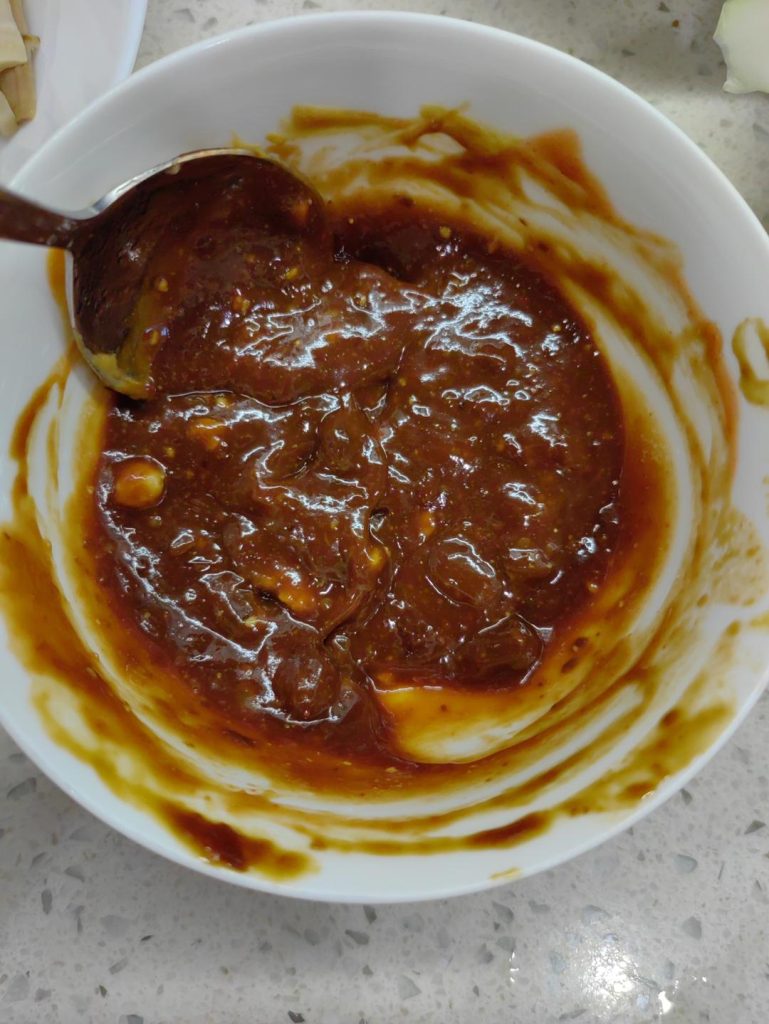
1. The Sauce: In a small bowl, combine the soybean paste, hoisin sauce, fermented bean curd (mash it smooth), soy sauce, peanut butter, and sugar. Mix well until it forms a cohesive paste.
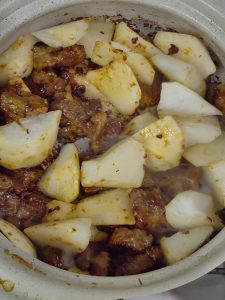
2. The Radish (The “Prying” Technique): Peel the daikon. Instead of slicing straight down, hold the knife at a slight angle. Cut a chunk, roll the radish a quarter turn, and cut again. We call this Qiao (prying) or rolling cuts. The goal is to have irregular, jagged edges.
Why “Pry” the Radish? If you observe closely at authentic Cantonese restaurants, the radish edges are never perfect. The rough texture created by the rolling cut disrupts the vegetable’s cells, allowing the salty, fatty broth to penetrate deeper than it would on a smooth, knife-cut surface.
How to Make Braised Beef Brisket with Daikon
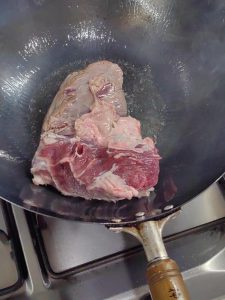
Step 1: The Whole Sear (Maillard Reaction) Heat your wok or pot over medium-high heat with oil. Place the whole block of beef brisket in. Sear the fatty side first until golden brown, then flip. You want a deep brown crust on both large surfaces.
Why: This renders out some surface fat, removes the “raw meat” smell, and builds a complex flavor base through the Maillard reaction. Remove the beef and set aside.
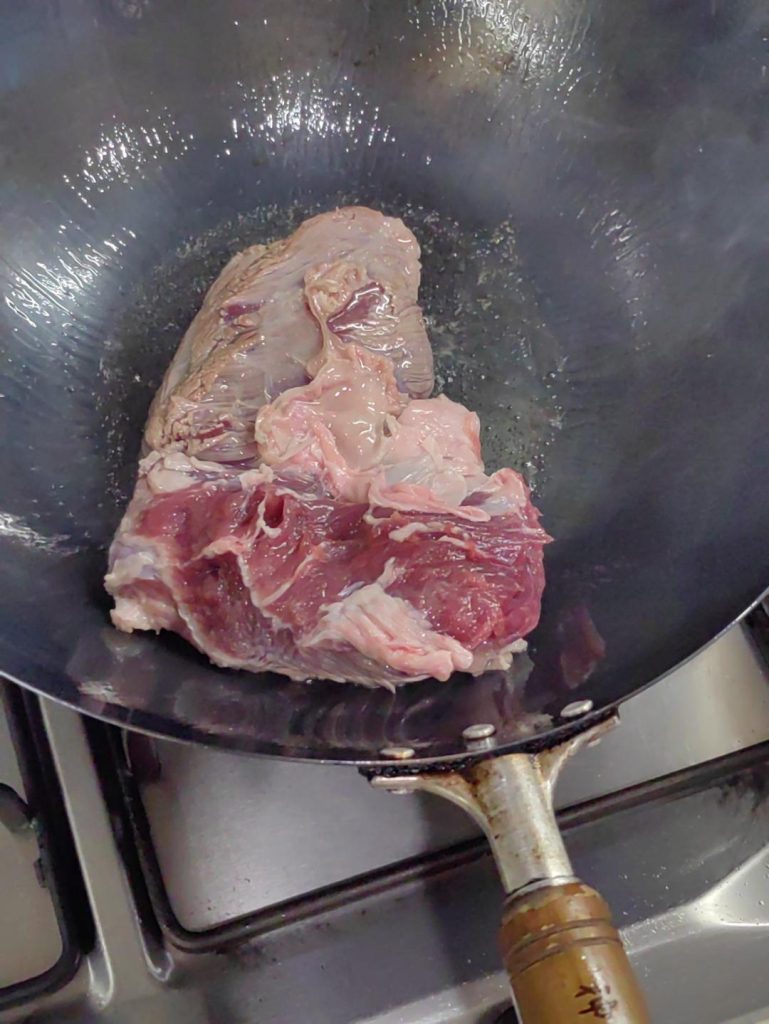
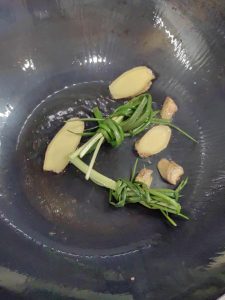
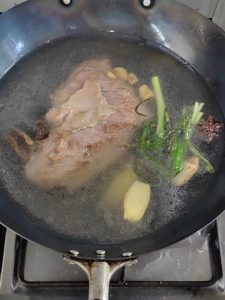
Step 2: The First Simmer In the same oily pot (don’t wash it!), toss in the ginger slices and scallion knots. Stir-fry briefly until fragrant (about 30 seconds). Return the whole seared beef to the pot. Pour in enough hot water to submerge the ingredients. Add a splash of Shaoxing wine, the star anise, and the dried tangerine peel.
- Cooking: Cover and simmer over medium heat for at least 30-40 minutes. You want the beef to be firm but penetrable with a chopstick.
- Note: Do not cook it to falling-apart tenderness yet; it needs to survive a second braise.
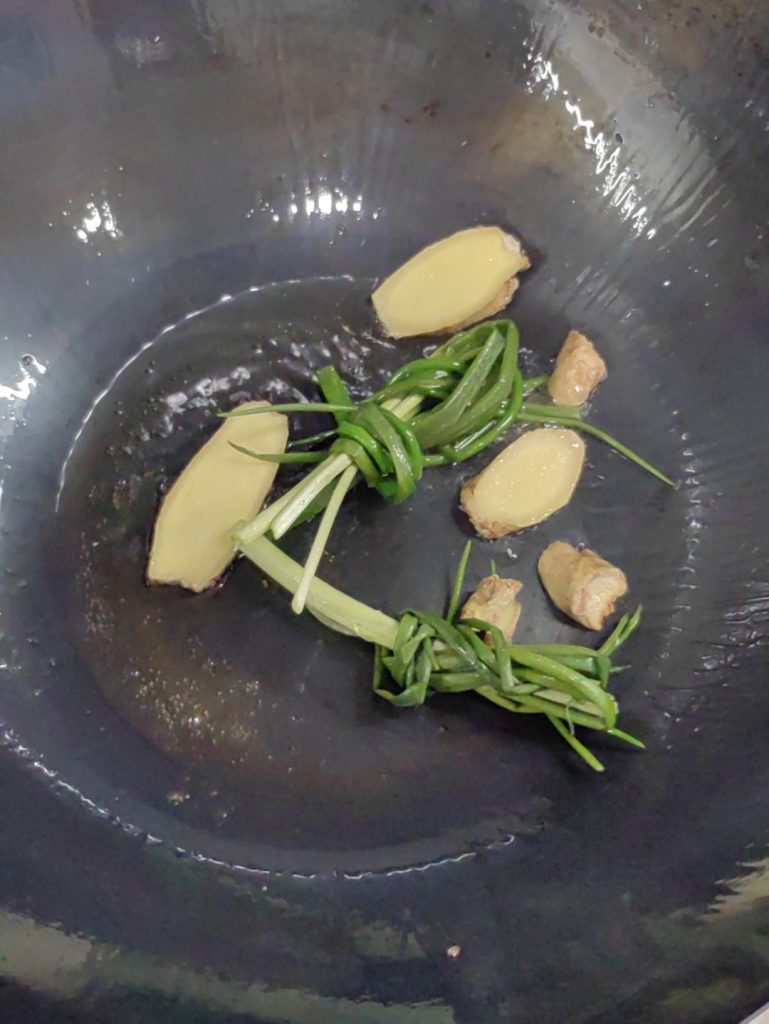
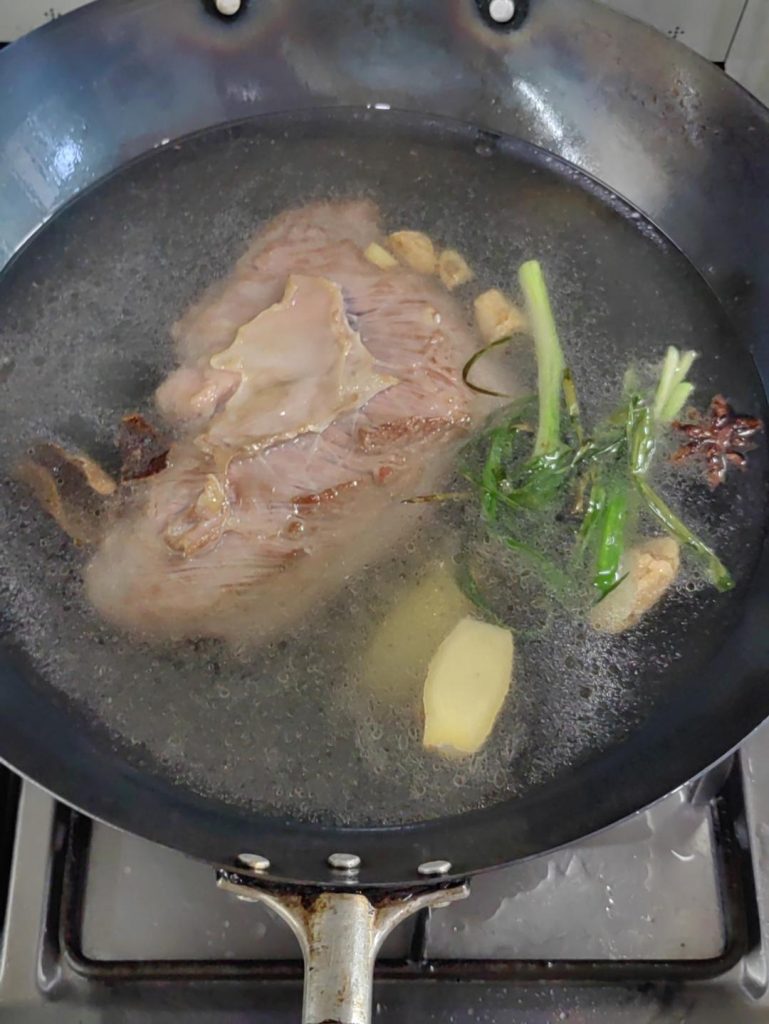
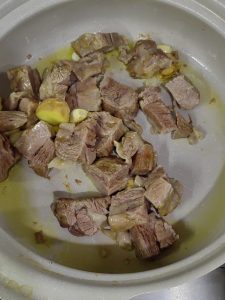
Step 3: Cut and Stir-Fry Remove the beef and let it rest for 5 minutes. Strain and reserve the beef broth—this is liquid gold! Cut the beef into 1.5-inch cubes. Heat a clean wok with a little cold oil. Add the garlic and extra ginger, stirring until fragrant. Add the beef cubes and stir-fry for 1-2 minutes to coat them in the aromatics.
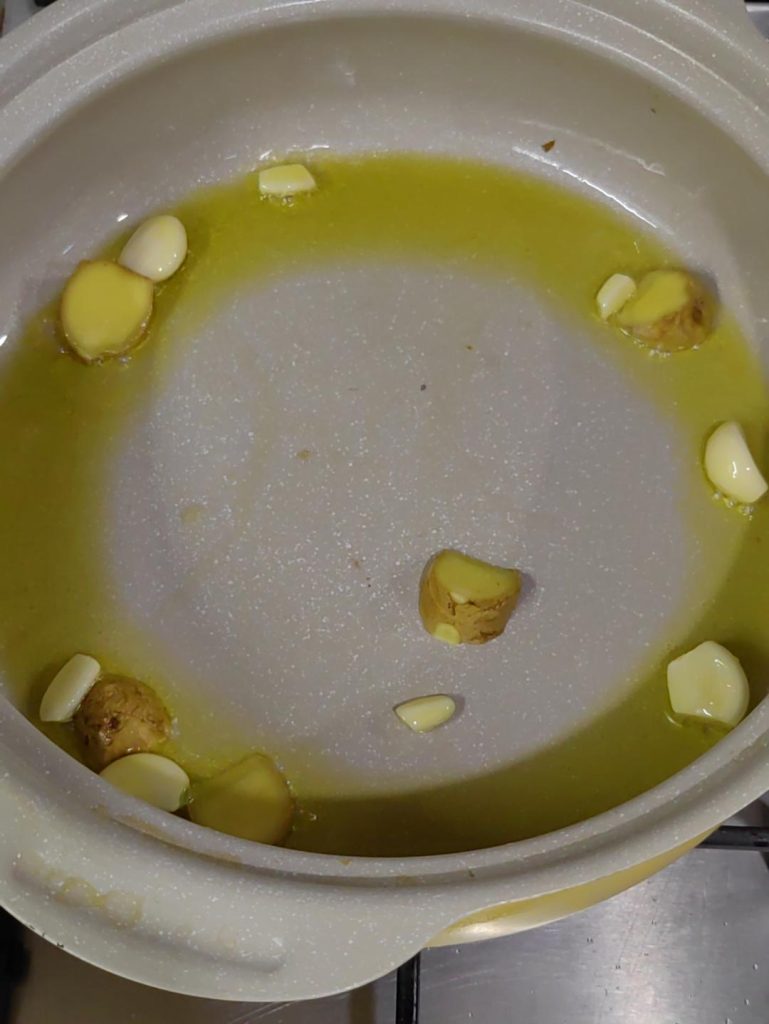
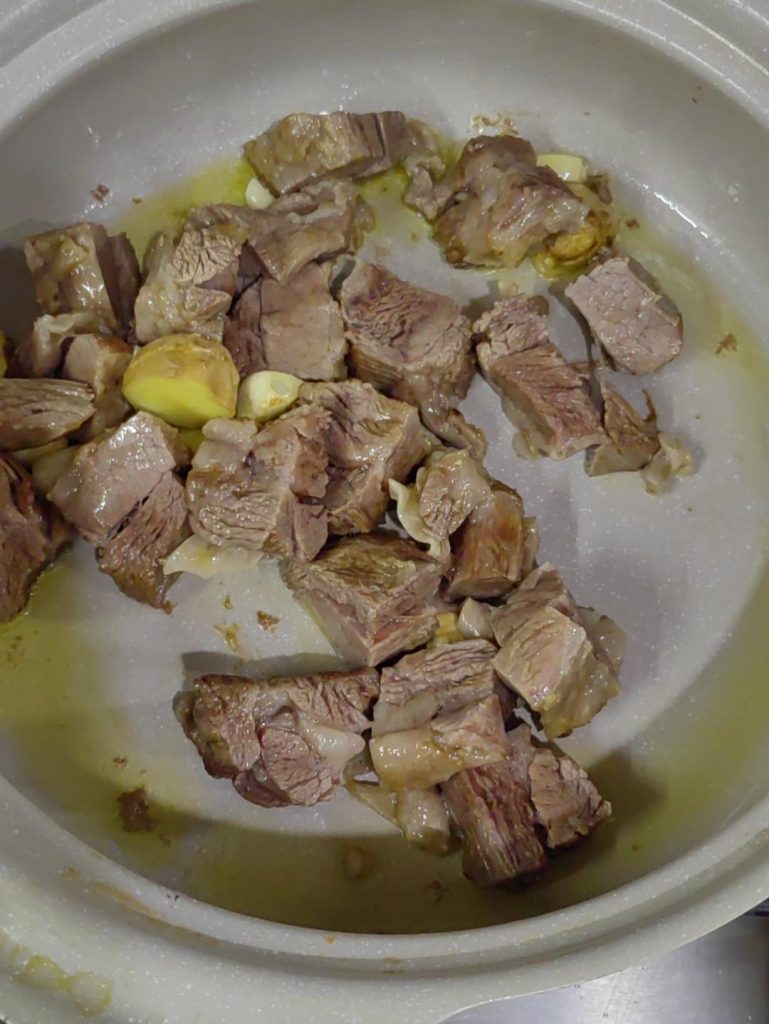
Step 4: The Flavor Infusion Add your pre-mixed “Magic Sauce” to the beef. Stir-fry vigorously for 1-2 minutes until the oil turns red and the sauce clings to the meat. Splash in a little extra Shaoxing wine to deglaze the pan. Add the prepared daikon radish chunks and toss until everything is coated in the sauce. Season with a pinch of salt, five spice powder, and oyster sauce.

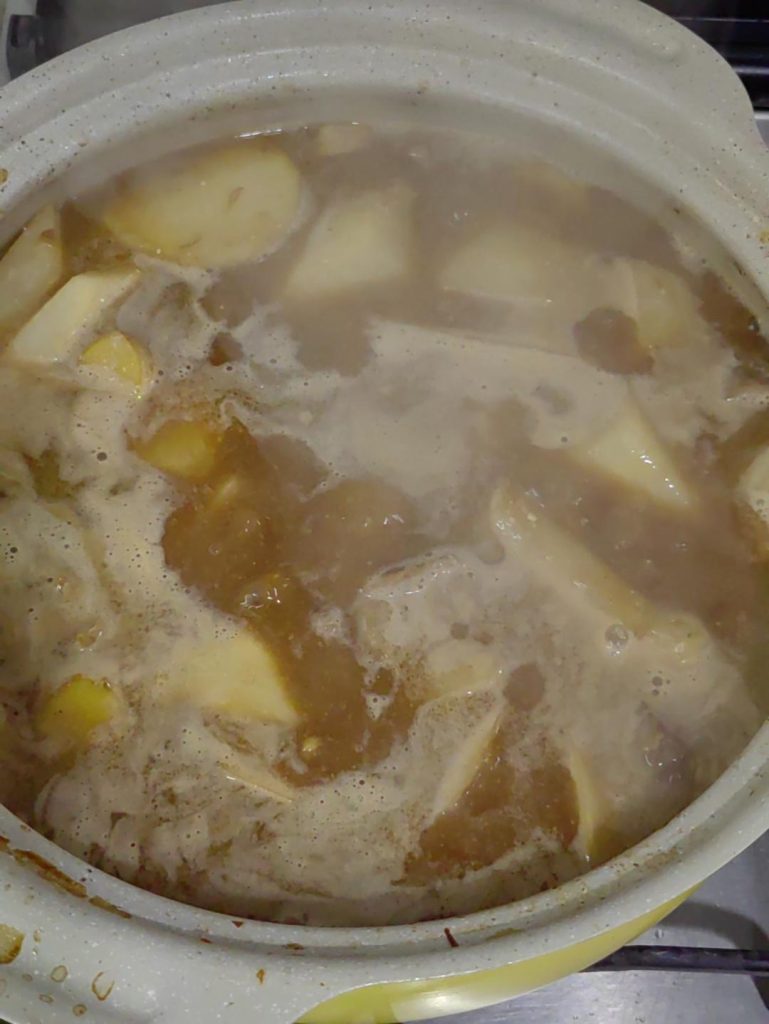
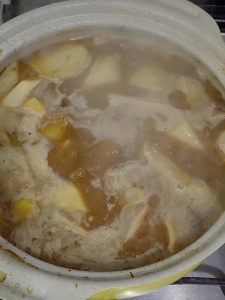
Step 5: The Final Braise Pour in the reserved beef broth from Step 2 until it just covers the ingredients. Bring to a boil, then reduce heat to low. Cover and simmer for 30 minutes.
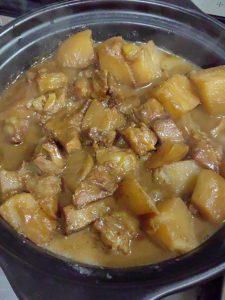
Step 6: Reduction Uncover the pot. Turn the heat to high. Let the sauce reduce until it creates a thick, glossy gravy that coats the radish and beef.
- Visual Cue: The radish should look translucent and darker, having absorbed the sauce.
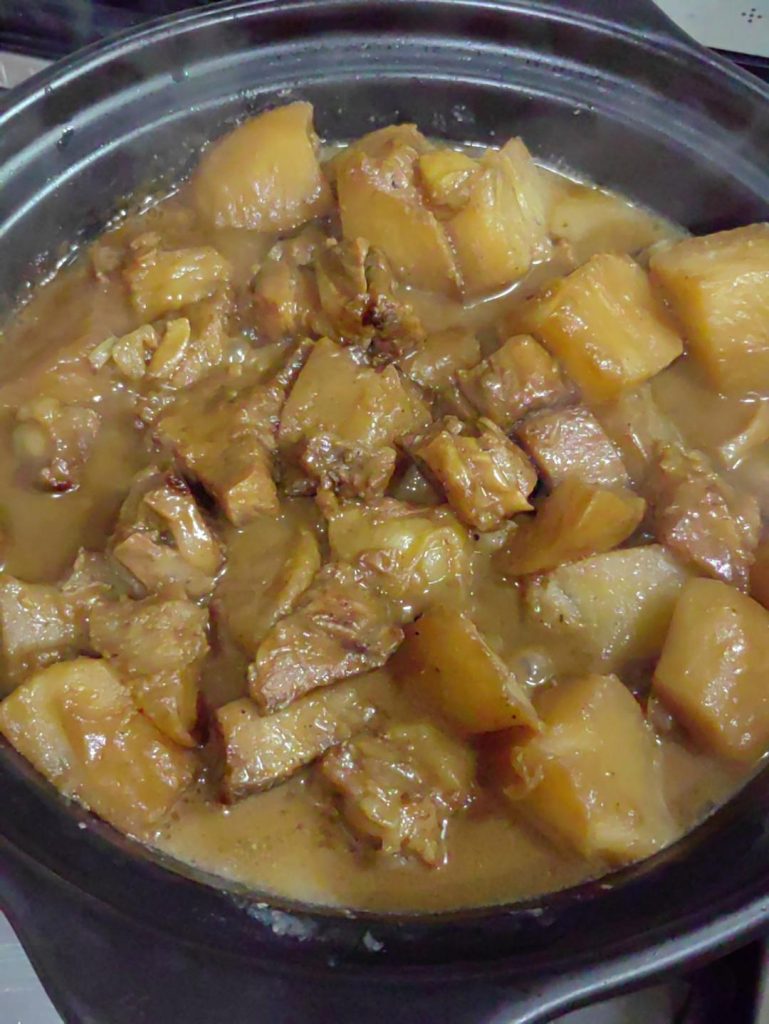
Step 7: Serve Serve immediately with steamed rice. The sauce is intense, so you’ll want plenty of plain rice to soak it up.
FAQ & Troubleshooting
- My beef is tough/chewy.
- Reason: It likely wasn’t simmered long enough in Step 2, or the heat was too high (boiling toughens protein).
- Solution: Add more water and continue simmering on low heat. Brisket needs time for collagen to break down into gelatin.
- The radish is bitter.
- Reason: Winter radishes are sweeter; summer radishes can be bitter.
- Solution: If you suspect your radish is bitter, blanch it in boiling water with a teaspoon of uncooked rice for 5 minutes before adding it to the stew.
- Can I use a pressure cooker?
- Yes. For Step 2, pressure cook the whole brisket for 15 minutes. Then release steam, cube, and proceed with the stir-fry and final braise on the stovetop (or pressure cook again for 5 minutes).
Serving Suggestions
This dish is rich and savory. It pairs best with a neutral starch.
- Steamed Jasmine Rice: The classic choice.
- Noodles: Add a splash more stock to turn this into a topping for Braised Beef Noodle Soup (Link to internal recipe).
- Vegetables: Serve with some blanched greens like Stir-fried Lettuce with Garlic to cut through the richness.
How to Store and Reheat
- Storage: Store in an airtight container in the refrigerator for up to 3 days. Actually, this dish tastes better the next day as the flavors meld and the radish absorbs even more sauce.
- Freezing: You can freeze the beef, but daikon radish changes texture significantly when frozen (it becomes spongy). It is best to eat the radish fresh.
- Reheating: Reheat on the stovetop over medium heat. You may need to add a splash of water to loosen the gelatinous sauce. Ensure the beef reaches an internal temperature of 165°F (74°C) before serving.
Food Safety and Preparation
- Raw Meat Handling: Wash hands thoroughly after handling raw brisket. Do not wash the meat in the sink (to avoid splashing bacteria); simply pat it dry.
- Cooking Temperature: Beef should be cooked to a safe internal temperature. For brisket to be tender, it usually needs to exceed 195°F (90°C) internally to break down connective tissue.
- Allergen Note: This recipe contains Soy, Wheat (gluten in sauces), and Peanuts. If you have a peanut allergy, swap the peanut butter for sesame paste or omit it.
Authoritative References
- For beef safety and storage guidelines, refer to the USDA Food Safety and Inspection Service.
- Learn more about the nutritional benefits of Daikon Radish from WebMD.
Final Thoughts
This recipe is a labor of love, but the “whole sear” and the “magic sauce” mix make it foolproof. It bridges the gap between a professional kitchen and home cooking. When the winter winds blow, nothing beats a bowl of this bubbling stew. If you make this, don’t be surprised if your family fights over the radish pieces first—that’s the sign of a successful braise!

Braised Beef Brisket with Daikon Radish

Equipment
- 1 Wok or Dutch Oven Heavy bottom preferred
- 1 Cleaver or Chef’s Knife For chopping beef and radish
Ingredients
The Main Event
- 2.2 lbs beef brisket whole piece preferred (approx 1kg)
- 1.5 lbs daikon radish white radish (approx 700g)
- 2 tbsp vegetable oil for searing
The Aromatics
- 1 knob ginger sliced thick
- 2 scallion knots
- 2 cloves garlic smashed
- 2 star anise
- 1 piece dried tangerine peel Chenpi
The Magic Sauce Mix
- 1.5 tbsp soybean paste Huangdoujiang
- 1 tbsp hoisin sauce
- 1.5 cubes white fermented bean curd Furu
- 1 tbsp light soy sauce
- 1 tbsp peanut butter or sesame paste
- 1 pinch sugar
- 1 splash Shaoxing wine
Instructions
- Heat oil in a wok or large pot over medium-high heat. Place the whole block of beef brisket in and sear on both sides until deep brown to develop the Maillard reaction. Remove and set aside.

- In the same oil, stir-fry half of the ginger slices and the scallion knots until fragrant.
- Return the whole brisket to the pot. Pour in enough hot water to cover the ingredients. Add a splash of Shaoxing wine, star anise, and dried tangerine peel.
- Cover and simmer over medium heat for 30-40 minutes until a chopstick can easily insert into the beef.
- Remove the beef and let it rest. Strain and reserve the broth. Cut the beef into 1.5-inch cubes.
- Peel the daikon radish. Use the ‘rolling cut’ (prying) method to cut it into irregular chunks. Mix the sauce ingredients (soybean paste, hoisin, fermented bean curd, soy sauce, peanut butter, sugar) in a bowl.

- Heat a clean wok with a little cold oil. Stir-fry the garlic and remaining ginger until fragrant. Add the beef cubes and toss.
- Add the mixed sauce to the beef and stir-fry until the oil turns red and aromatic. Add a splash of wine to deglaze.
- Add the radish chunks and toss to coat. Season with a pinch of salt, five spice powder, and oyster sauce.
- Pour in the reserved beef broth to cover the ingredients. Cover and simmer on low heat for 30 minutes.
- Uncover and turn heat to high. Reduce the sauce until it is thick, glossy, and fully coats the beef and radish. Serve hot with rice.
Notes
Texture Tip: “Prying” the radish (rolling cut) creates jagged edges that absorb more flavor than straight slices.
Sauce Tip: The peanut butter emulsifies the sauce, giving it a creamy mouthfeel similar to restaurant Chu Hou stews.
Safety Reminder: Ensure beef reaches an internal temperature of at least 145°F (63°C), though for brisket tenderization, 195°F+ is recommended.
Allergens: Contains Soy, Wheat (Gluten), Peanuts.
Nutrition Disclaimer: Nutrition information is calculated using an ingredient database and should be considered an estimate. Garnishes and optional ingredients are not included.












Leave a Reply