In the vast treasury of Chinese seasonings, there is a spice that, while perhaps not as famous as chili or Sichuan peppercorn in every household, plays an indispensable role in countless classic dishes. Have you ever wondered why that curry takeout you love always ends up turning your dishes—and sometimes your favorite white shirt—a stubborn shade of yellow? The culprit is Turmeric, a fragrant rhizome used in cooking as both a potent flavoring and a brilliant natural coloring agent.
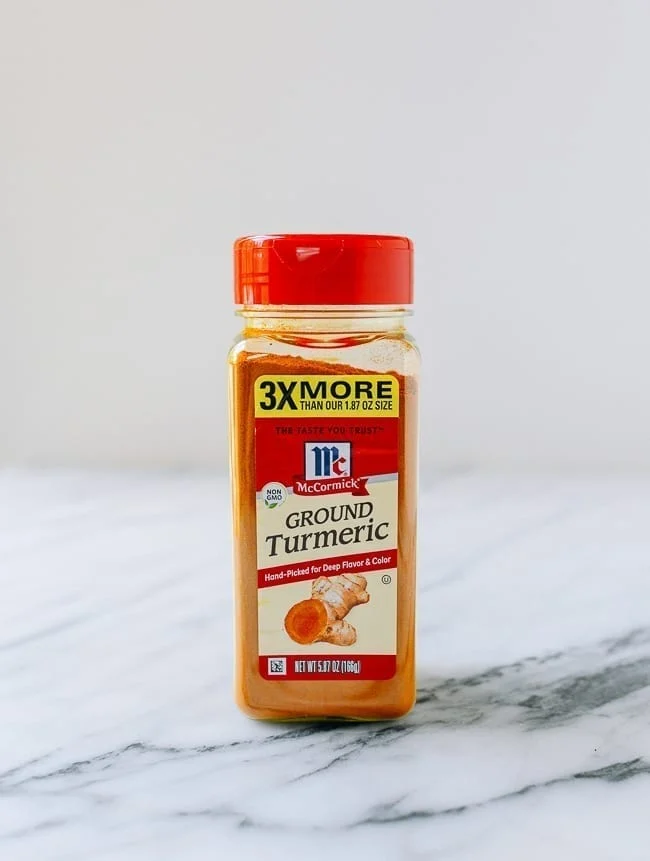
What Is Turmeric?
Turmeric, known in Mandarin as Huáng Jiāng Fěn (黄姜粉), is a member of the Zingiberaceae family. If that sounds like scientific jargon, just know it is a close relative of Ginger and the lesser-known Galangal. The plant itself, Curcuma longa, is native to the humid tropical climates of Southeast Asia and the Indian subcontinent.
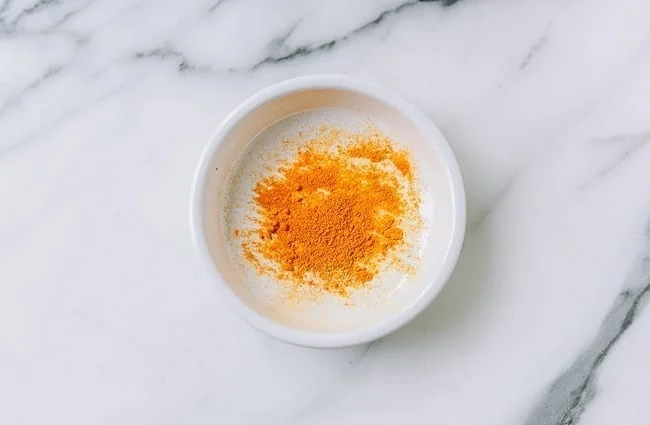
Appearance and Origin
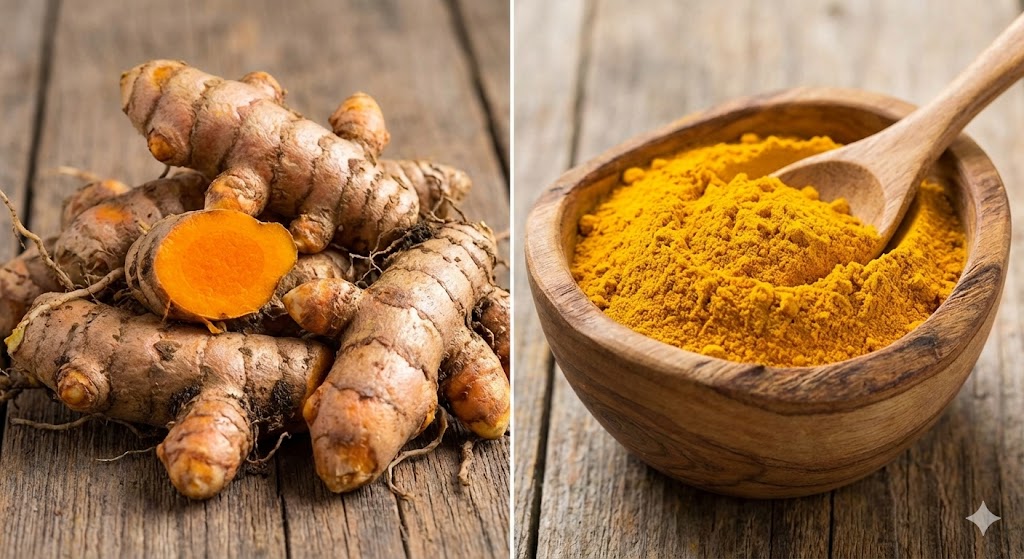
When pulled from the earth, fresh turmeric looks like a smaller, knobby version of ginger with a pale, woody exterior. However, once you snap a piece off, it reveals a shockingly vibrant orange-yellow interior. Most of us encounter it as a fine, golden-yellow powder. This is produced by boiling the fresh rhizomes, drying them in hot ovens, and then grinding them into a concentrated spice. Historically, it traveled along the Silk Road, finding its way into Chinese traditional medicine and regional cuisines centuries ago.
Flavor Profile
Turmeric possesses a complex, multi-layered personality. Its aroma is sharp, earthy, and slightly musky—reminiscent of the forest floor after a rain. On the palate, it tastes warm and peppery with a distinct bitterness that lingers.
While it shares the “warmth” of ginger, it lacks ginger’s citrusy “zing.” Instead, it provides a grounded, savory depth. In a dish, turmeric usually acts as a supporting character; it doesn’t shout for attention like a habanero, but without it, the flavor profile of a curry or a spiced braise feels hollow and flat.
Culinary Applications: Beyond the Curry
While turmeric is the backbone of curry powder, its utility in the kitchen—especially in Chinese and fusion cooking—is much broader than many realize.
Traditional and Modern Chinese Uses
In Chinese cuisine, turmeric is often used to provide a “golden” appeal to soups and stir-fries.
- Coloring Agent: We often add a pinch to Seaweed Egg Drop Soup to enhance the richness of the broth’s color without needing a dozen egg yolks.
- Fried Rice: For a stunning Yangzhou Fried Rice, a dash of turmeric added to the oil before the rice ensures every grain is beautifully coated in gold.
- Marinades: It is a secret weapon in poultry marinades, such as for our Savory Soybean Paste Chicken, where it helps develop a deep, appetising hue during roasting.
Global Applications
- Indian Subcontinent: It is essential for Chicken Tikka Masala (though our heart belongs to General Tso, we appreciate the classics!).
- Southeast Asian: Essential for Curry Beef Brisket, where it balances the richness of coconut milk.
Usage Tips for Beginners
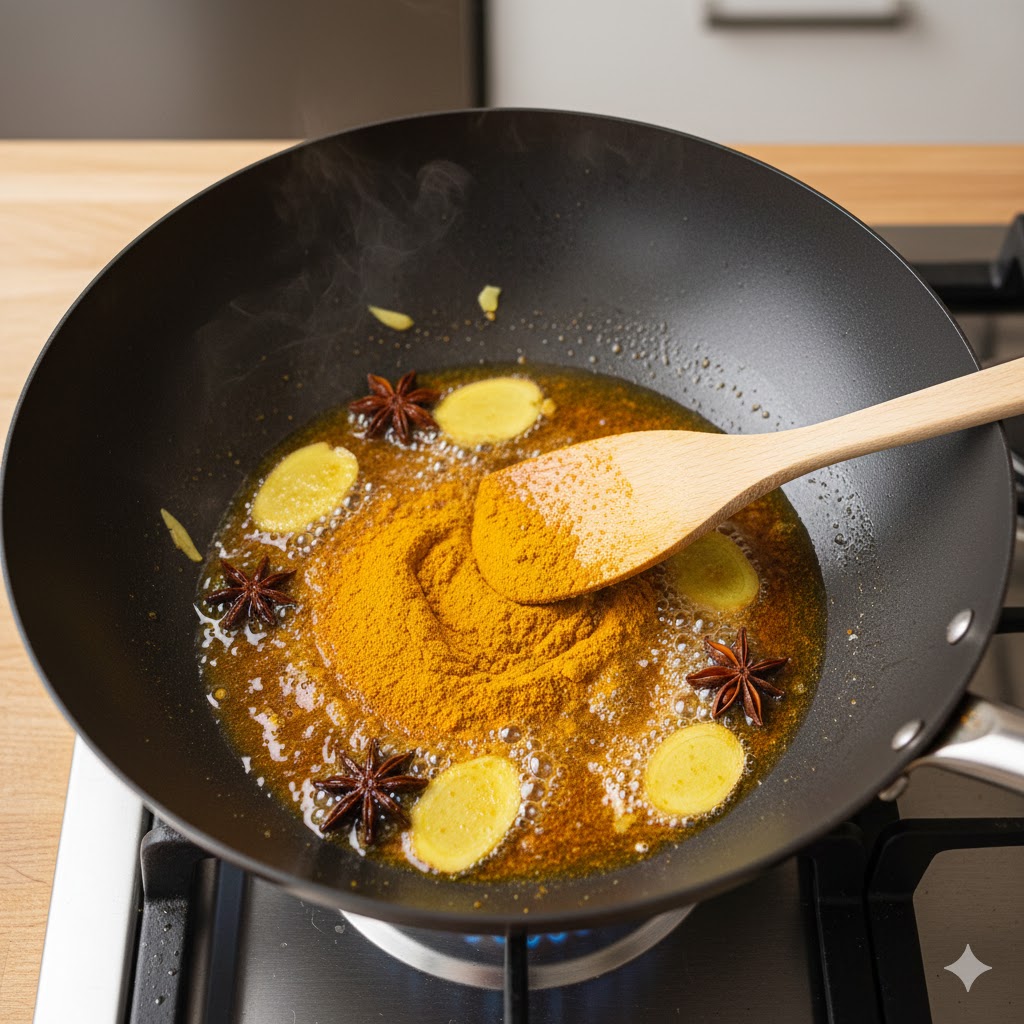
- Fat Solubility: The active compound in turmeric, curcumin, is fat-soluble. For the best flavor and color, “bloom” the powder in warm oil or lard at the beginning of your stir-fry.
- The Pepper Pairing: Science suggests that consuming turmeric with black pepper increases the absorption of curcumin significantly. When making a Braised Beef Noodle Soup, always include both.
- Less is More: Because of its bitterness, start with $1/4$ to $1/2$ teaspoon for a four-person dish.
Buying and Storing Guide
How to Pick the Best
- Where to Buy: While available in standard supermarkets, we highly recommend visiting an Asian or Indian grocery store. You will find larger quantities at a much lower price point.
- Quality Check: Look for a deep, vibrant orange-yellow color. If the powder looks pale or brownish, it is likely old and has lost its essential oils.
- Fresh vs. Powder: Fresh turmeric is more pungent and “grassy.” If a recipe calls for 1 teaspoon of powder, use about 1 tablespoon of freshly grated turmeric.
Proper Storage
Store your turmeric in an airtight glass container in a cool, dark cupboard. Exposure to sunlight will bleach the color and deaden the flavor. Ground turmeric generally stays potent for about a year.

Substitutes
If you find yourself mid-recipe without this golden powder, try these alternatives:
- Saffron: Provides a similar color but a very different, floral flavor. Use sparingly as it is expensive!
- Ginger Powder + Dry Mustard: Use a 50/50 mix to replicate the bite and some of the color.
- Curry Powder: In a pinch, you can use curry powder, but be aware it contains other strong spices like cumin and coriander that will change the dish’s flavor.
Authoritative References
- National Center for Complementary and Integrative Health (NCCIH): Turmeric and Curcumin Health Information
- ScienceDirect: Biological Activities of Curcumin
- Britannica: Turmeric Plant and Spice History
Our Favorite Recipes Using Turmeric
- Chicken Egg Foo Young (Note: Use turmeric for that classic yellow gravy!)
- Curry Beef Brisket with Potatoes
- Shrimp Fried Rice
- Instant Pot Braised Curry Beef
- Vegetarian Singapore Noodles
Recommended Reading
- The Ultimate Guide to Chinese Sauces
- Everything You Need to Know About Ginger
- Demystifying Curry Powder in Chinese Cooking
About the Author
Wok of Love is a family-run culinary project dedicated to bringing authentic Chinese home cooking to your kitchen. With decades of experience behind the wok, we blend traditional techniques with modern accessibility, ensuring every meal you cook is a “labor of love.”




Leave a Reply