Hey there! I’m Lin. If you’ve ever stepped into a bustling kitchen in Chengdu—or even just walked past my parents’ old restaurant back in the day—there is one scent that immediately hits you. it’s warm, slightly sweet, a bit numbing, and deeply aromatic. That, my friends, is the magic of Five Spice Powder (五香粉, wǔxiāng fěn).

In Chinese cuisine, we don’t just use spices for heat; we use them to create a perfect equilibrium. Five Spice Powder is the “Master of Balance,” representing the five traditional Chinese elements (wood, fire, earth, metal, and water) through flavor. Today, I’m taking you behind the scenes to show you why this bottle is the secret weapon in your pantry.
What Is Five Spice Powder?
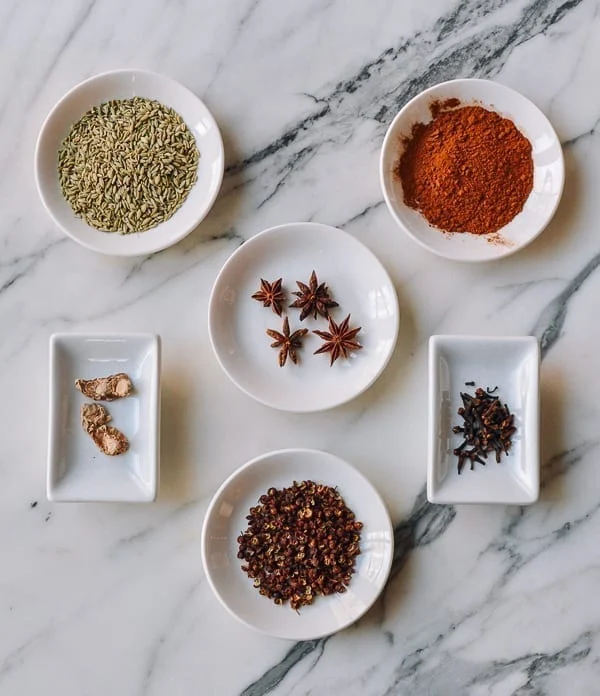
At its core, Five Spice Powder is a blend of ground spices intended to encompass the five main taste profiles: sweet, sour, bitter, pungent, and salty. While the specific recipe can vary from house to house (and province to province), the standard “big five” includes:
- Star Anise (八角, bā jiǎo): The star of the show, providing a licorice-like sweetness.
- Cloves (丁香, dīng xiāng): For an intense, pungent warmth.
- Chinese Cinnamon (肉桂, ròu guì): Also known as Cassia, which is stronger and more “woody” than the Ceylon cinnamon you might use in toast.
- Sichuan Peppercorns (花椒, huā jiāo): My personal favorite! They provide that signature numbing sensation (mǎ) and citrusy aroma.
- Fennel Seeds (小茴香, xiǎo huí xiāng): Adding a fresh, herbal sweetness that rounds out the edges.
Some regional variations might add ginger, white pepper, or dried tangerine peel. According to Britannica’s botanical records, this blend is a cornerstone of Chinese culinary identity, dating back centuries as a way to harmonize the “Yin” and “Yang” of ingredients.
The Flavor Profile: Why It Works
Let’s be real: Five Spice is potent. If you stick your nose in the jar, the scent should make you lean back—it’s that powerful.
The “Culinary School Logic” here is all about the Maillard Reaction and flavor masking. In heavy meat dishes like Braised Pork Belly, the spices work to cut through the richness of the fat. The star anise and cinnamon provide a sweetness that mimics Sugar, while the cloves and peppercorns add a “bite” that keeps the dish from feeling too heavy.
Compared to something like Garam Masala (which is more earthy and cumin-forward) or Allspice (which is a single berry), Five Spice is much more complex and should be used with a “less is more” attitude.
Pro Cooking Applications
1. The Ultimate Marinade & Dry Rub
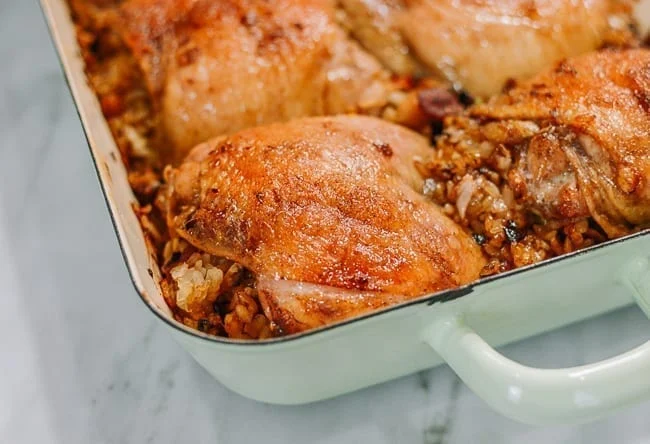
Because Five Spice is so aromatic, it’s the GOAT (Greatest of All Time) for fatty meats. When I was backpacking through Guangzhou, I saw street vendors rubbing it onto Pork Shoulder before roasting to create that iconic “Cantonese BBQ” crust.
Lin’s Tip: Always balance your Five Spice with Salt and a splash of Shaoxing Wine. The alcohol in the wine helps “bloom” the fat-soluble compounds in the spices, making the flavor penetrate deeper into the meat.
2. Braising (The “Red Cooking” Method)
If you’re making a “Lu” (Master Brine) or a slow-braised stew, a pinch of Five Spice transforms the broth. It adds a background “hum” that you can’t quite put your finger on, but you’d definitely miss if it weren’t there. It is essential for dishes like Twice-Cooked Pork where the spice notes need to stand up to bold Doubanjiang.
3. Fried Foods
Have you ever had Taiwanese Popcorn Chicken? That “addictive” flavor is usually a mix of Five Spice and White Pepper. You can even add a tiny pinch to the flour coating of your Pork and Chive Spring Rolls for an extra layer of flavor.
How to Use It Like a Pro (Tips & Tricks)
- Bloom the Powder: If using it in a stir-fry, add it to the oil for just 3-5 seconds before adding your vegetables or meat. You’ll know it’s ready when the scent fills the room, but don’t let it burn, or it will turn bitter.
- The Pinch Rule: Trust me on this—start with 1/4 teaspoon. You can always add more, but you can’t take it out. Overdoing it can make your food taste like “perfume.”
- Pairing with Other Condiments: It loves Soy Sauce and Oyster Sauce. The umami from the sauces provides a base for the high notes of the spices to dance on.
Buying and Storage Guide
Where to buy: You can find it in almost any Western supermarket now (look for brands like McCormick), but for the “real deal,” head to an Asian grocery store. Look for brands that list “Sichuan Peppercorn” rather than just “pepper.”
How to choose:
- Color: Should be a deep, warm brown. If it looks grey or dull, it’s old.
- Smell: It should smell punchy. If you have to struggle to smell it, toss it.
Storage: Like all ground spices, it loses its “soul” quickly. Store it in an airtight glass jar in a cool, dark place. Ground Five Spice is best used within 6 months. If you want it to last longer, buy the whole spices and grind them yourself in a coffee grinder!
What If I Can’t Find It? (Substitutions)
If you’re in the middle of cooking and realize you’re out, don’t panic! You can achieve a similar “vibe” by mixing:
- Equal parts ground Star Anise and Cinnamon.
- A pinch of ground Cloves.
- A dash of Sichuan Peppercorn Powder (if you have it).
It won’t be exactly the same, but it will get you 80% of the way there.
Lin’s Recommended Recipes Using Five Spice
Ready to put that jar to use? Here are a few of my favorite recipes where Five Spice really shines:
- Homestyle Pan-Fried General Tso’s Chicken – A pinch in the marinade adds that “restaurant” depth.
- Authentic Mapo Tofu – While the focus is on heat, the subtle warmth of five spice in the background makes it world-class.
- Crispy Pork and Chive Potstickers – Just a hint in the filling makes these irresistible.
- Salt and Pepper Squid – Use a Five Spice and salt mix for the ultimate seasoning.
Authoritative References
- USDA FoodData Central: Spices and Flavorings – For nutritional data and spice classification.
- The Science of Spices – Food Crumbles – Explaining the aromatic compounds in cinnamon and cloves.
- Traditional Chinese Medicine World Foundation – For understanding the cultural significance of the “Five Elements” in Chinese cooking.
About Woks of Love
I’m Lin, a culinary school grad and former professional chef who grew up in the “controlled chaos” of my family’s Sichuan restaurant. I’ve spent years bridging the gap between professional Chinese techniques and the reality of a Western home kitchen. My mission? To give you “recipes that actually work” without keeping any secrets!


Leave a Reply