In the vast landscape of Chinese aromatics, some ingredients like ginger and garlic demand your immediate attention. Others, however, are the “silent partners” that work behind the scenes to create a complex, professional-grade flavor profile. If you’ve ever wondered why a restaurant’s slow-cooked beef has a depth yours might lack, the answer often lies in the humble Bay Leaf (香叶, xiāng yè).

While it is a staple in Mediterranean and French cuisines, the bay leaf holds a prestigious spot in the “Three Treasures” of Chinese braising, alongside star anise and cinnamon. It provides an herbal bridge that cuts through heavy fats and balances the sweetness of soy sauce.
What Is Bay Leaf (香叶)?
Botanical Origin and Background The culinary bay leaf primarily comes from the Laurus nobilis, an evergreen tree native to the Mediterranean region. In Chinese, it is most commonly called Xiāng Yè (香叶), which literally translates to “fragrant leaf,” or Yuè Guì Yè (月桂叶).
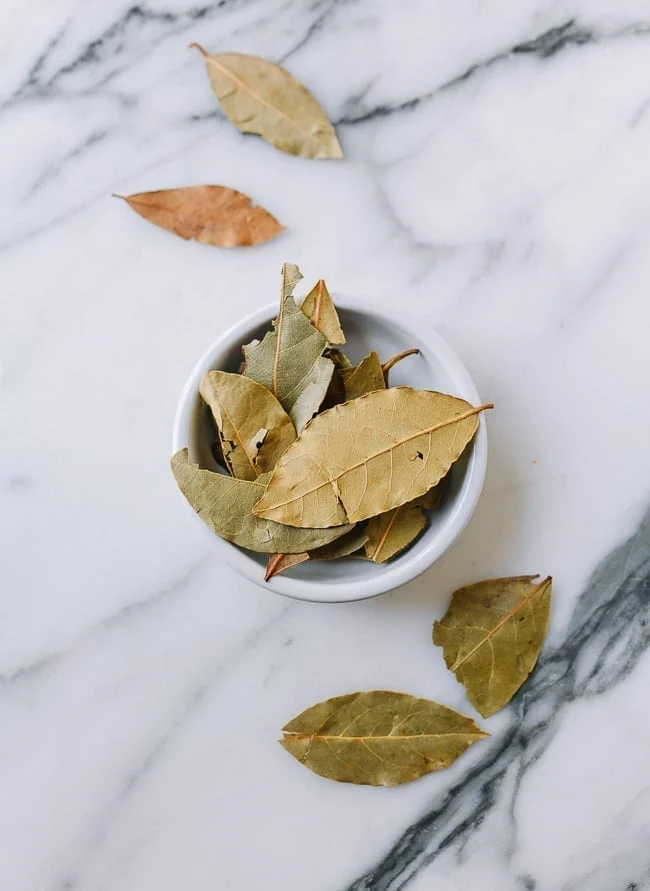
Appearance and History Historically, the laurel was a symbol of victory and wisdom in ancient Greece and Rome. It arrived in China via the Silk Road and was quickly integrated into the traditional Lu (卤) style of cooking. When dried, the leaves are elliptical, leathery, and transition from a vibrant green to a matte, olive-brown hue.
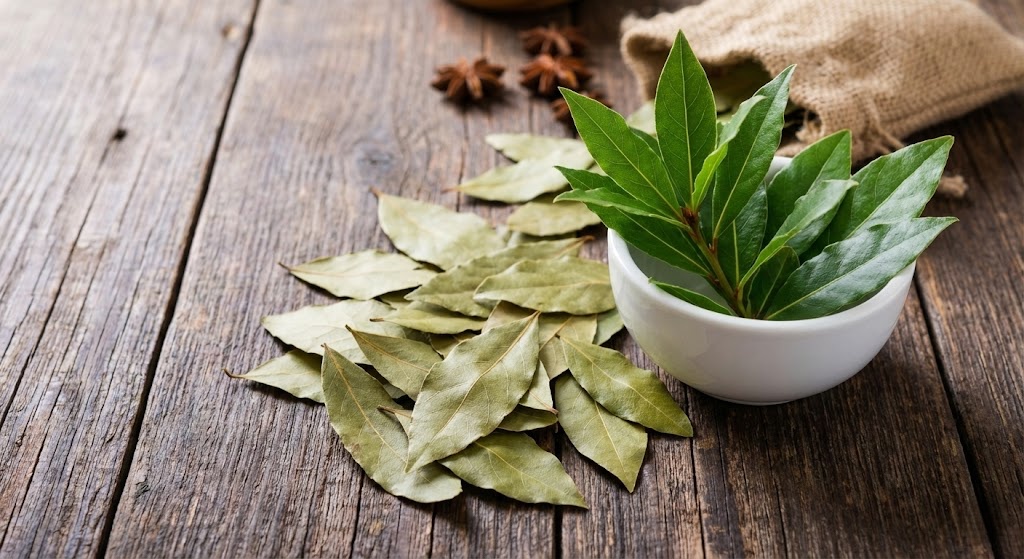
Flavor Profile: The Menthol Backbone
Bay leaves possess a multifaceted aroma that is difficult to pin down but impossible to ignore once removed.
- Aroma: Pleasantly herbal, reminiscent of oregano and thyme, with a floral note similar to Earl Grey tea.
- Taste: On its own, the leaf is bitter. However, when simmered, it releases eucalyptol (cineole), which provides a cooling, slightly menthol-like sensation.
- The Role: In Chinese cuisine, bay leaves act as a “deodorizer” for meats. They neutralize the “gamey” odors of beef, mutton, and pork, replacing them with a clean, woody fragrance.
Culinary Applications in Chinese Cuisine
1. The Art of Braising (Lu Wei)
The most common use for Xiang Ye is in Lu (卤) liquids—the Master Brines used to cook everything from duck wings to beef shanks. Because bay leaves require time to release their oils, they are perfect for our Braised Beef Noodle Soup.
2. Infusing Spicy Oils
In Sichuan cooking, bay leaves are fried in oil alongside Dried Chili Peppers and Sichuan Chili Flakes to create a complex base for hot pot or Mapo Tofu. The heat of the oil blooms the leaf’s fragrance instantly.

3. Usage Tips for Beginners
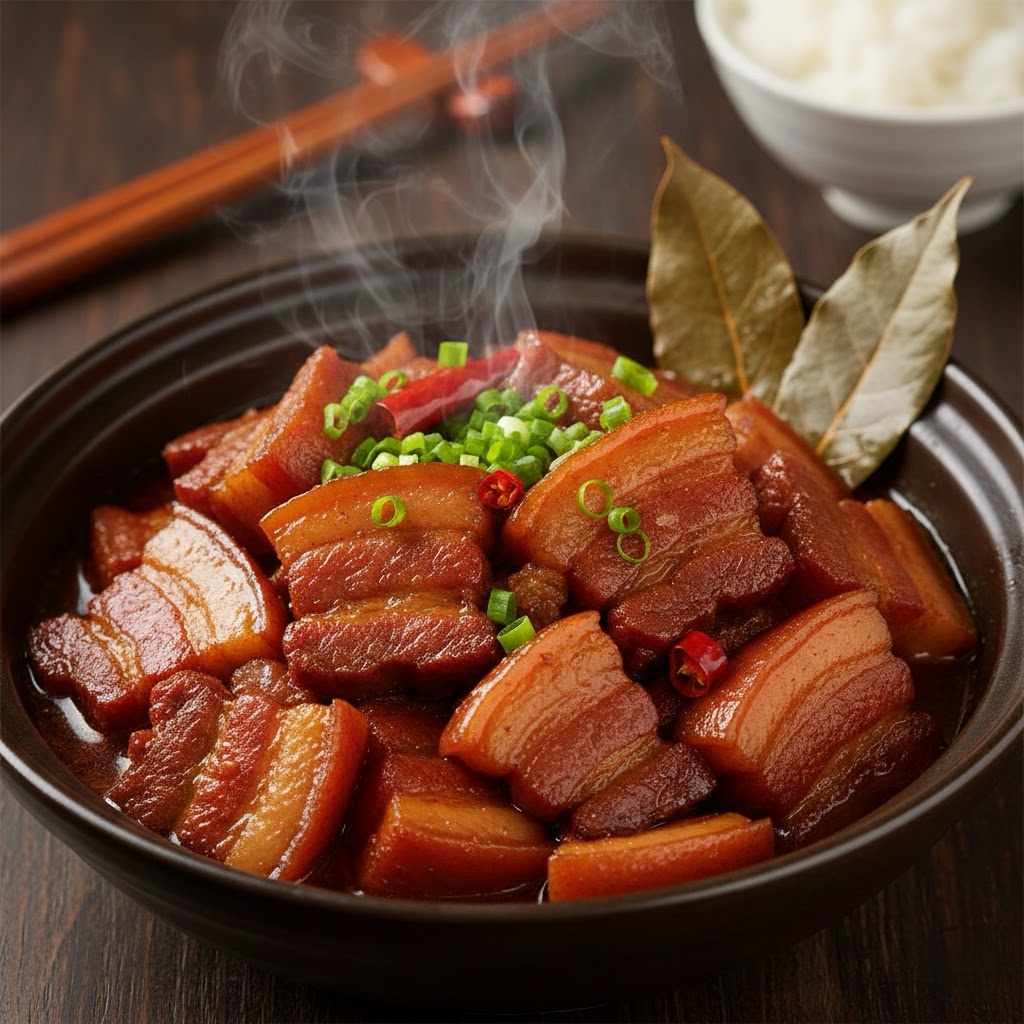
- Don’t Overdo It: For a standard pot of Red Braised Pork Belly, 1 to 2 leaves are usually sufficient. Too many can lead to a medicinal, bitter taste.
- The “Fry First” Method: Before adding water to your stew, briefly sauté the bay leaf in a little oil with your ginger and scallions. This “wakes up” the fat-soluble compounds.
- Remove Before Serving: Like many whole spices, the texture is unpleasant to eat.
Perfect Spice Pairings
To achieve a balanced “Chinese flavor,” bay leaves are rarely used alone. They are almost always part of a team:
- Star Anise: Provides the sweet, licorice-like top note.
- Five Spice Powder: Bay leaves complement the cinnamon and cloves within this blend.
- Dried Tangerine Peel: Adds a citrusy brightness that lifts the earthy notes of the bay leaf.
Buying and Storing Guide
How to Pick the Best Leaves
When shopping at an Asian grocery store or online, look for:
- Color: Leaves should be olive green. If they are grey or dark brown, they are old and have lost their essential oils.
- Wholeness: Try to buy whole leaves rather than fragments. Broken leaves release their flavor too quickly and are harder to fish out of the sauce.
Storage
Store them in an airtight glass jar in a cool, dark place. While they last a long time, their potency drops after about a year. Chef’s Tip: Store your bay leaves in the freezer to keep the oils “locked in” for up to two years.
Substitutes
If you run out of bay leaves, you can use:
- Fresh Laurel: Use half the amount, as fresh leaves can be very potent.
- Dried Thyme: A pinch of thyme can mimic the herbal earthiness, though it lacks the menthol cooling effect.
Authoritative References
- Encyclopedia Britannica: History and Botany of Laurus Nobilis
- researchgate: Chemical Composition of Bay Leaf Essential Oils
- USDA FoodData Central: Nutritional Profile of Dried Bay Leaves
About Woks of Love
We are a family of food lovers dedicated to demystifying Chinese home cooking. By focusing on the “why” behind ingredients like Xiang Ye, we hope to empower you to create authentic, restaurant-quality meals in your own kitchen.





Leave a Reply