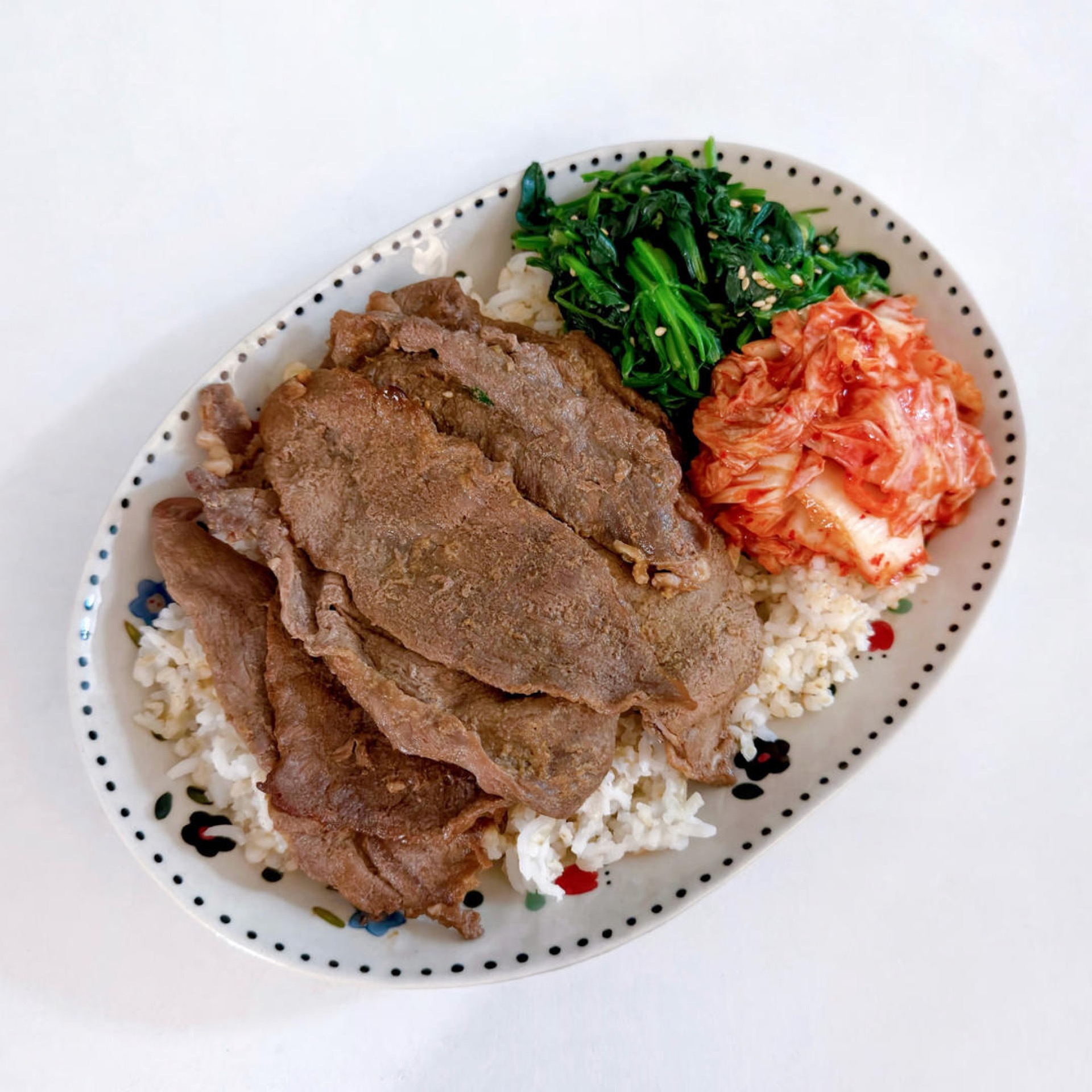
There’s a particular smell that hits you when you walk into a yakiniku restaurant in Japan — sweet soy, toasted sesame, and charred fat curling off a tabletop grill. This yakiniku-style beef bento (牛小排便当) is my attempt to bottle that smell into something you can carry to work in a lacquered box. Thin slices of beef get a five-minute dip in a miso-sake marinade, sear for barely a minute in a hot pan, and land over rice with sesame-dressed spinach and a spoonful of kimchi. It’s the kind of lunch that makes a desk feel like a counter seat.
What Is Yakiniku-Style Beef Bento?
A yakiniku-style beef bento is a Japanese packed lunch built around thinly sliced, marinated beef that’s been grilled hot and fast, the way it would be at a yakiniku (Japanese barbecue) restaurant. The meat is usually a quick-marinated cut — short plate, chuck, or ribeye sliced paper-thin — seasoned with soy, sugar, sake, and often miso or garlic. It’s layered over rice with a vegetable side or two and something pickled, and eaten at room temperature, which is exactly why the components are cooked and cooled separately rather than tossed together hot.
The dish sits at the intersection of two Japanese lunch traditions: the portable, compartmentalized bento, and the grilled-meat rice bowl you’d get at a yakiniku chain. The version here leans on the second one — the marinade is a classic yakiniku tare built on sake and miso, and the beef is seared rather than simmered, so the edges stay crisp against the soft rice underneath.
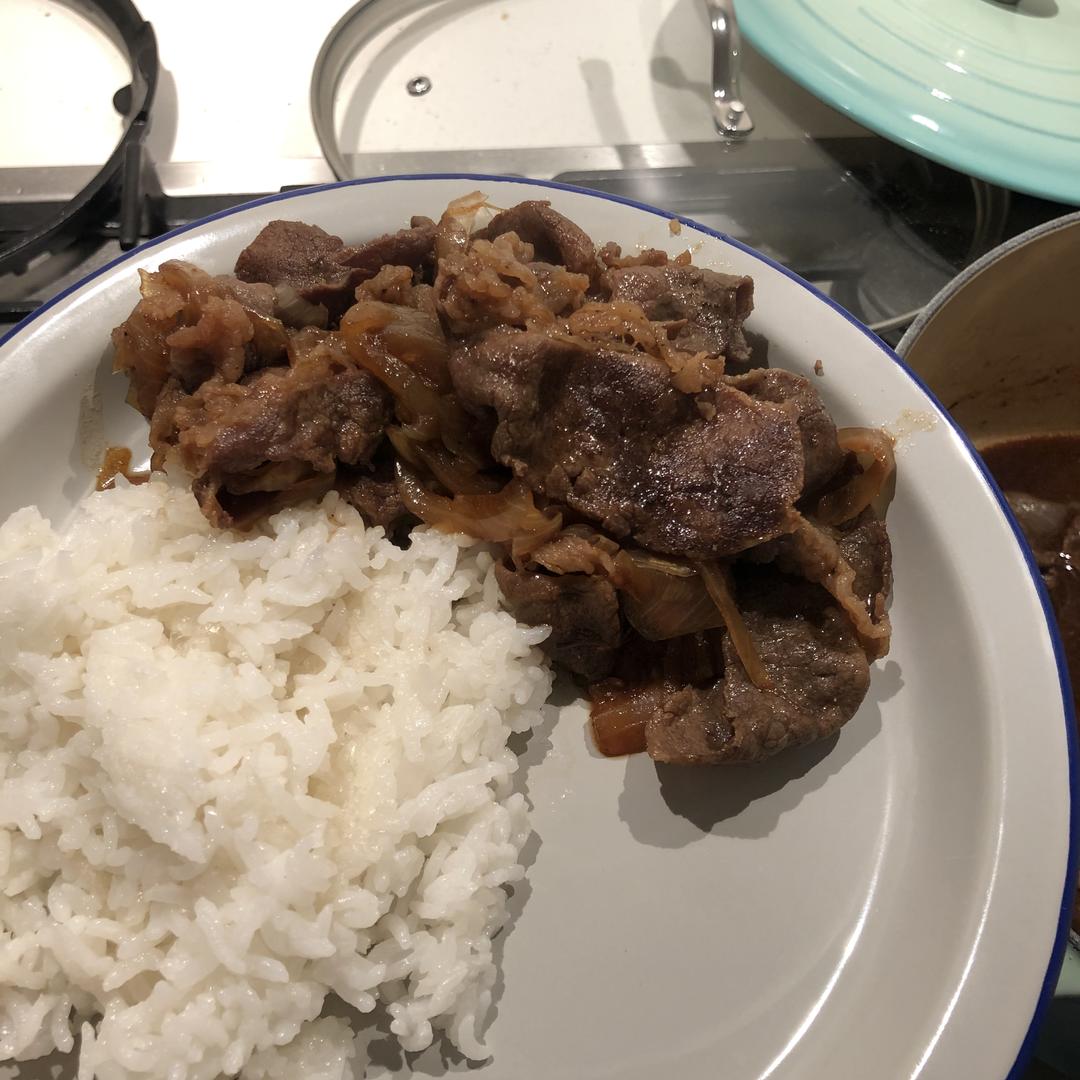
If you love the idea of marinated beef over rice but want something slower and more simmered, this simmered japanese style beef rice bowl is the gentler cousin of this bento, and it’s the one I make on cold nights when I want the kitchen to smell like dashi and onions.
1Simmered Japanese-Style Beef Rice Bowl (Ri Shi Fei Niu Fan)Thinly sliced hot-pot beef simmered with onion in a sweet-savory mirin, sake and soy broth until glossy, then spooned over steamed rice. A comforting 35-minute Japanese-style beef bowl.Check out this recipe
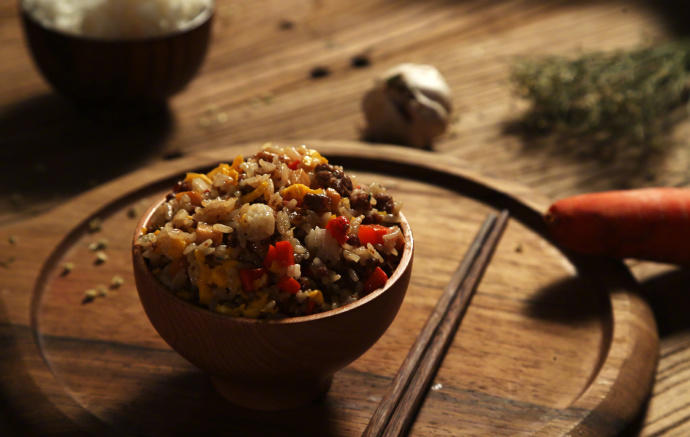
If you’re the type who can’t leave leftover rice alone, this beef and king oyster mushroom fried rice takes the same beef-and-rice pairing in a completely different direction — wok-charred, mushroomy, and just as fast to throw together on a weeknight.
2Beef and King Oyster Mushroom Fried RiceA savory, homestyle fried rice featuring the meaty texture of King Oyster mushrooms, sweet carrots, and ground beef. A balanced one-bowl meal ready in 25 minutes.Check out this recipe
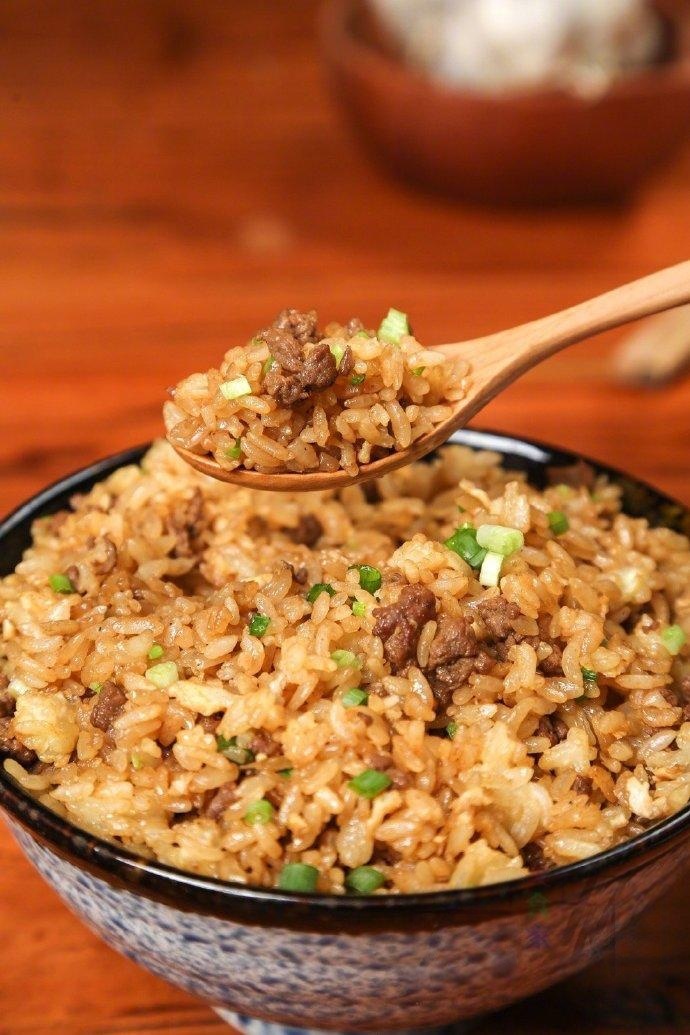
And for a version that leans on slow-cooked meat instead of thin slices, this beef brisket fried rice is a great use for brisket leftovers and proves how well beef and rice hold hands in a hot pan.
3Beef Brisket Fried Rice (Niu Nan Chao Fan)A savory, soy-sauce-rich fried rice featuring tender diced beef brisket and the ‘gold-over-silver’ egg technique. A quick, nutritious meal perfect for using leftover rice.Check out this recipe
Why This Recipe Works
Three things make this bento taste better than the sum of its parts. First, the marinade is built on miso and sake rather than soy and sugar alone — the miso adds a fermented, almost cheesy depth, and the sake’s alcohol carries the aromatics into the meat while its sweetness rounds off the salt. Second, the beef is sliced thin and marinated briefly. Thin slices absorb seasoning in minutes, so a five-minute soak gives you the flavor of an overnight marinade without turning the meat mushy. Third, every component is cooled before it goes into the box, which keeps the rice from steaming itself soggy and keeps the spinach from bleeding water into the beef.
The spinach is treated the Japanese way — blanched briefly, shocked in ice water, then squeezed and dressed with sesame oil, salt, and a pinch of sugar. That’s the same ohitashi technique used in countless Japanese home kitchens, and it turns a plain bunch of greens into something you actually want to eat cold. The kimchi adds acid and heat, which is exactly what a sweet-savory beef needs to keep from feeling heavy.
Sugar in a marinade isn’t just for flavor — it drives the Maillard reaction, the browning cascade that gives seared beef its roasted, savory crust. That’s also why marinated meat scorches so fast: the sugars on the surface burn before the interior cooks through, so a medium pan and a short sear beat a screaming-hot one here.
Equipment Needed
You don’t need a tabletop grill to make this. A well-seasoned flat bottom round bottom wok or a heavy frying pan will give you the same fast sear with better heat control. A cast-iron skillet works too, but give it a full preheat so the beef doesn’t stick.
- Frying pan or grill pan — medium heat is the sweet spot for sugary marinades.
- Cutting board and sharp chef’s knife — for trimming spinach and slicing beef if your butcher didn’t.
- Two mixing bowls — one for the marinade, one for the spinach dressing.
- Slotted spoon or tongs — for lifting beef out of the pan without dragging burnt bits along.
- Ice water bowl — for shocking the spinach so it stays bright green.
- Bento box or a shallow container — anything with a snug lid works.
Ingredients
Every ingredient here is supermarket-friendly, and most of the Japanese pantry items keep for months. Here’s what goes into the box.
- Thinly sliced beef (120 g) — short plate, chuck, or ribeye, sliced as thin as you can get it.
- Garlic (1/2 tsp, grated) — fresh, not powder.
- Miso paste (1/2 tsp) — white or red both work; red is punchier.
- Sugar (1/2 tbsp for the marinade, 1/4 tsp for the spinach)
- Japanese soy sauce (1 tbsp) — lighter and less salty than Chinese light soy.
- Japanese cooking sake (2 tbsp) — drinking sake works, but cooking sake is cheaper.
- Spinach (1 small bunch, about 200 g) — regular or baby spinach both blanch fine.
- Salt (1/4 tsp) — for the spinach dressing and the blanching water.
- Toasted sesame oil (1 tsp)
- White sesame seeds (1/4 tsp) — toasted, ideally.
- Steamed rice — short-grain Japanese rice holds its shape best in a bento.
- Kimchi — as much or as little as you like.
Ingredient Notes
Which cut of beef? The classic choice is short plate (bara), the fatty, well-marbled cut used for yakiniku. Chuck and ribeye are easier to find and work beautifully. If you can only get pre-sliced hot pot beef, that’s perfect — it’s already the right thickness. Avoid lean stewing cuts; they’ll turn tough in a 30-second sear.
Miso matters more than you’d think. White (shiro) miso is sweeter and milder, red (aka) miso is saltier and more fermented. Either works, but if you use red, cut back slightly on the soy sauce. Don’t skip the miso entirely — it’s what separates this marinade from a plain teriyaki.
Sake, not mirin. Cooking sake brings acidity and a clean rice aroma; mirin is much sweeter and will make the marinade cloying. If you truly can’t find sake, dry sherry is the closest substitute, and a splash of dry white wine will do in a pinch.
Spinach type. Big bunched spinach with thick stems is traditional and gives you the nicest texture contrast after blanching. Baby spinach wilts in seconds, so blanch it for only 8–10 seconds and skip the cross-cut step.
Prep & Mise en Place
Bento cooking is assembly-line cooking, and it goes fastest if you set everything up before the pan gets hot.
- Slice the beef. If your beef isn’t pre-sliced, freeze it for 20 minutes and then slice against the grain as thin as you can — about 1/8 inch (3 mm).
- Make the marinade. Whisk garlic, miso, sugar, soy sauce, and sake in a small bowl until smooth.
- Trim the spinach. Cut off the yellow root ends and score a cross into thick stalks.
- Set up the ice bath. Fill a bowl with ice and cold water and keep it next to the stove.
- Cook the rice ahead. Rice needs to be cooled to room temperature before it goes in the box, so start it first or use leftovers.
- Have the kimchi ready. Portion it out so you’re not digging in the jar with beefy hands later.
Once the mise en place is done, the actual cooking takes under ten minutes. If you’re new to working with a hot pan, our guide on how to prevent overcrowding in stir fry applies here too — a crowded pan steams the beef instead of searing it.
Cooking Process
Step 1 — Make the Marinade
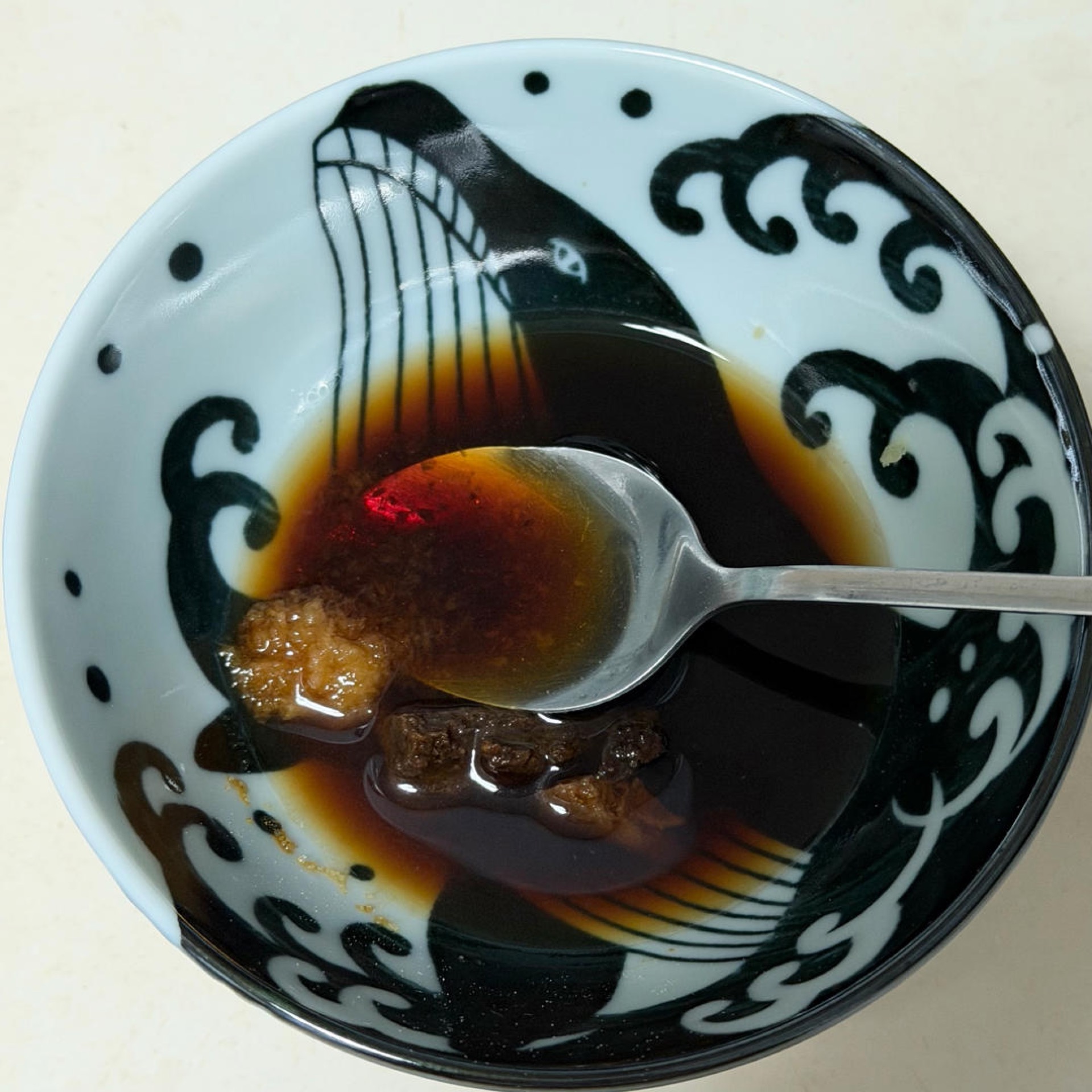
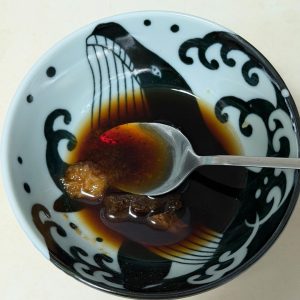
Whisk the grated garlic, miso, sugar, soy sauce, and sake together in a small bowl until the miso dissolves and the sugar is fully incorporated.
Step 2 — Coat the Beef
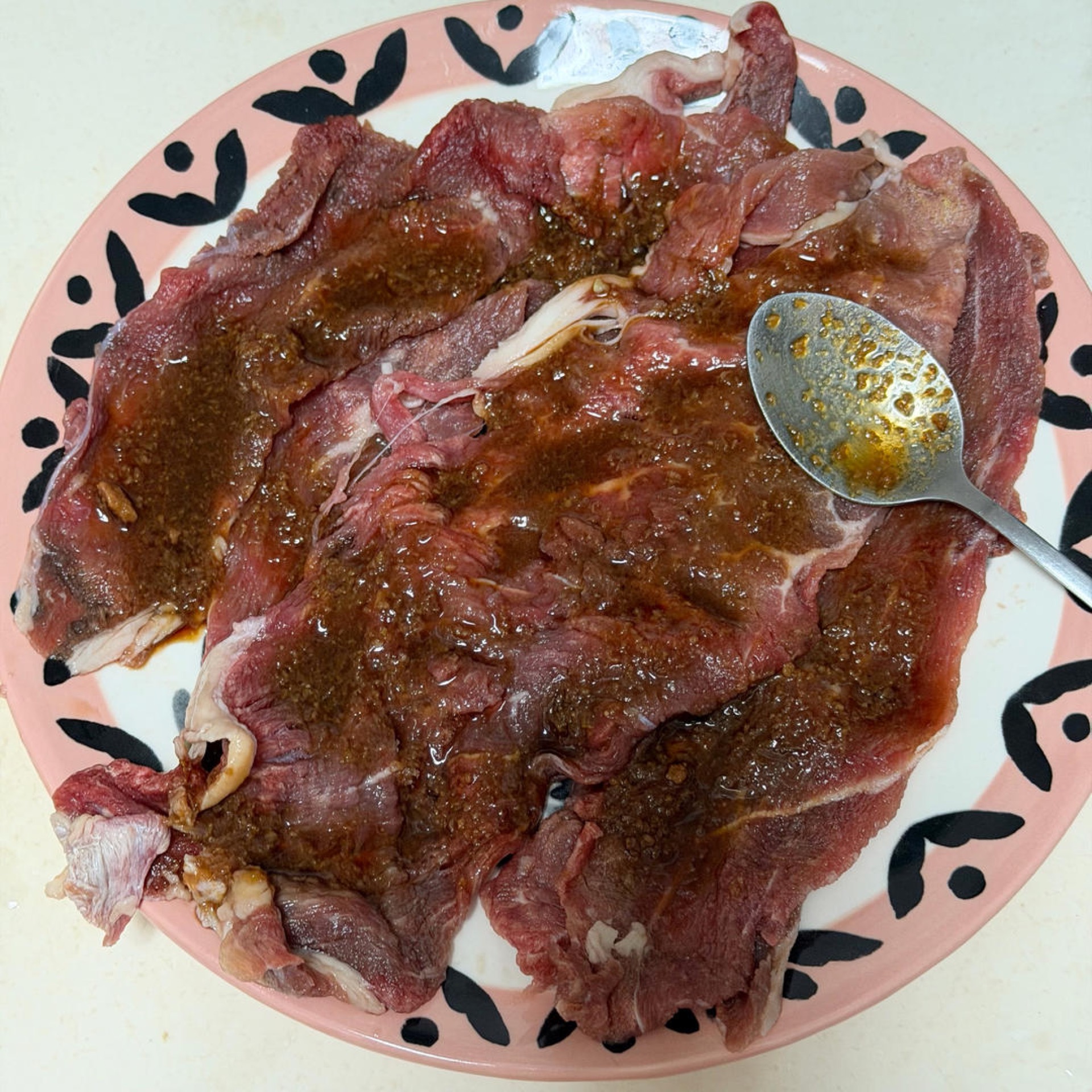
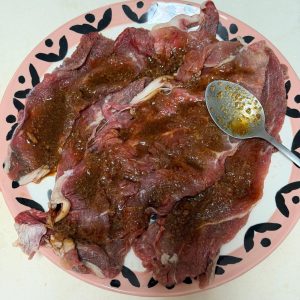
Lay the beef slices flat and brush or spread the marinade evenly over both sides; thin slices only need about 5 minutes to absorb the flavor.
Step 3 — Blanch the Spinach
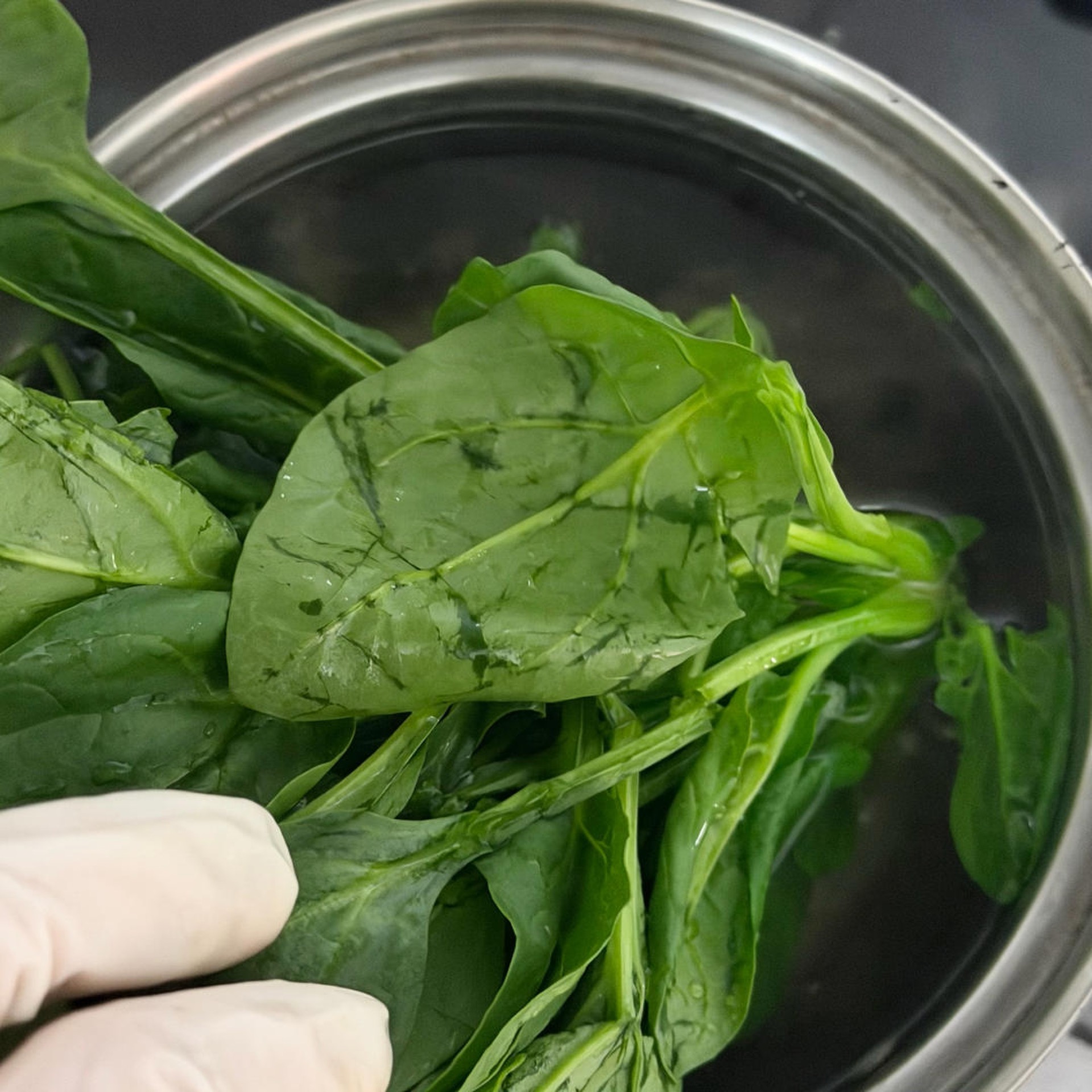
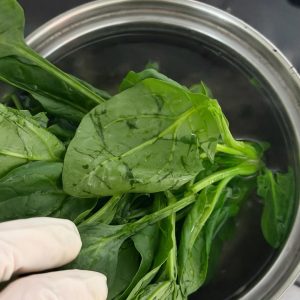
Trim the yellowed root ends off the spinach and cut a cross into thick stalks so the bunch holds together; add a little salt to boiling water, lower in the stalks first, then ease the leaves under once the stems soften, and blanch for 15 to 20 seconds.
Step 4 — Season the Spinach
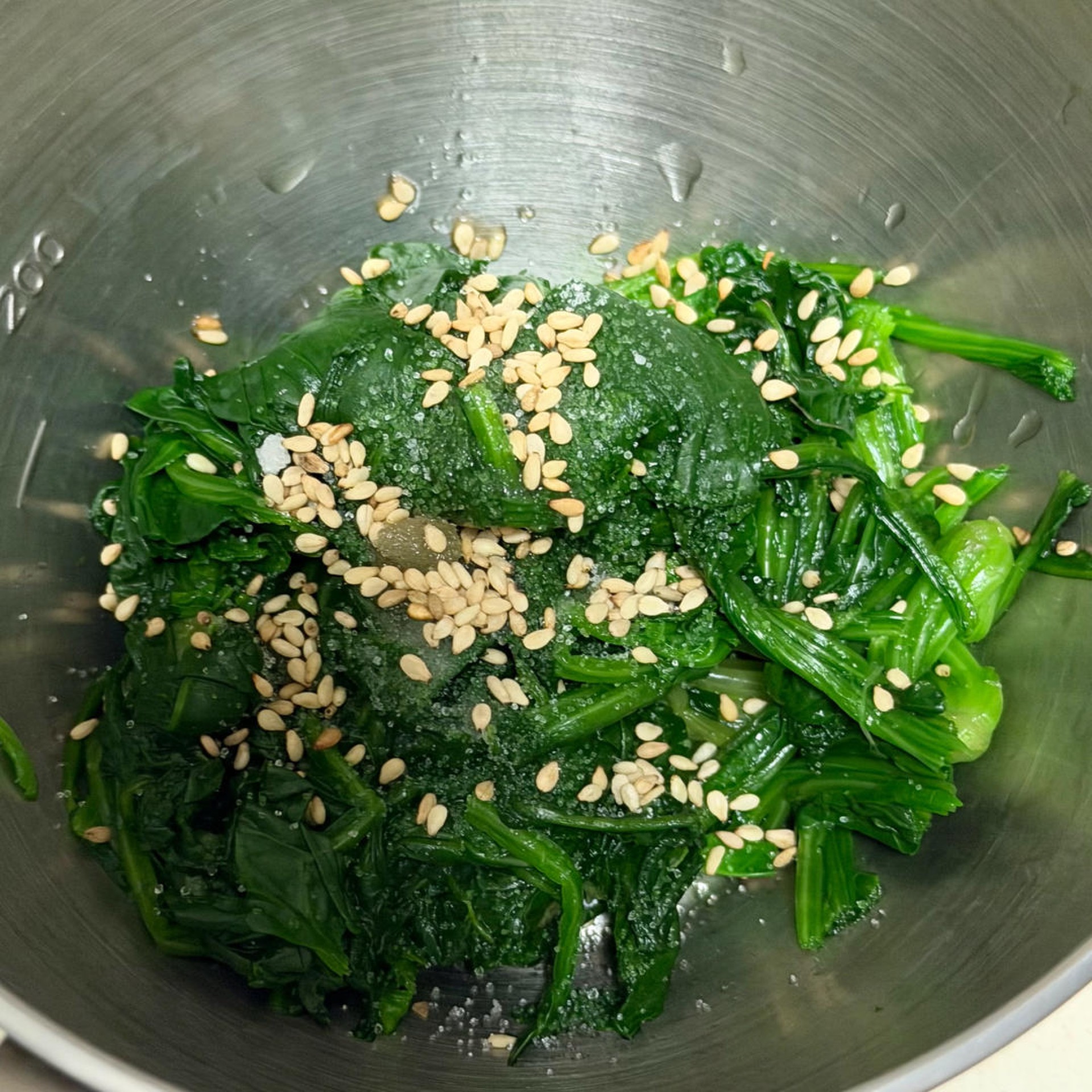
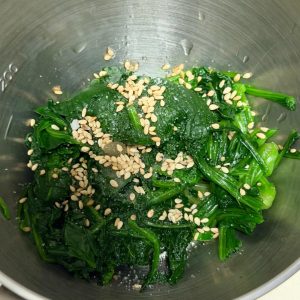
Plunge the spinach straight into ice water, squeeze out the excess water gently by hand or over a bamboo mat, tear it apart along the cross cut, and cut it into bite-sized lengths, then toss with the sugar, salt, sesame oil, and white sesame seeds.
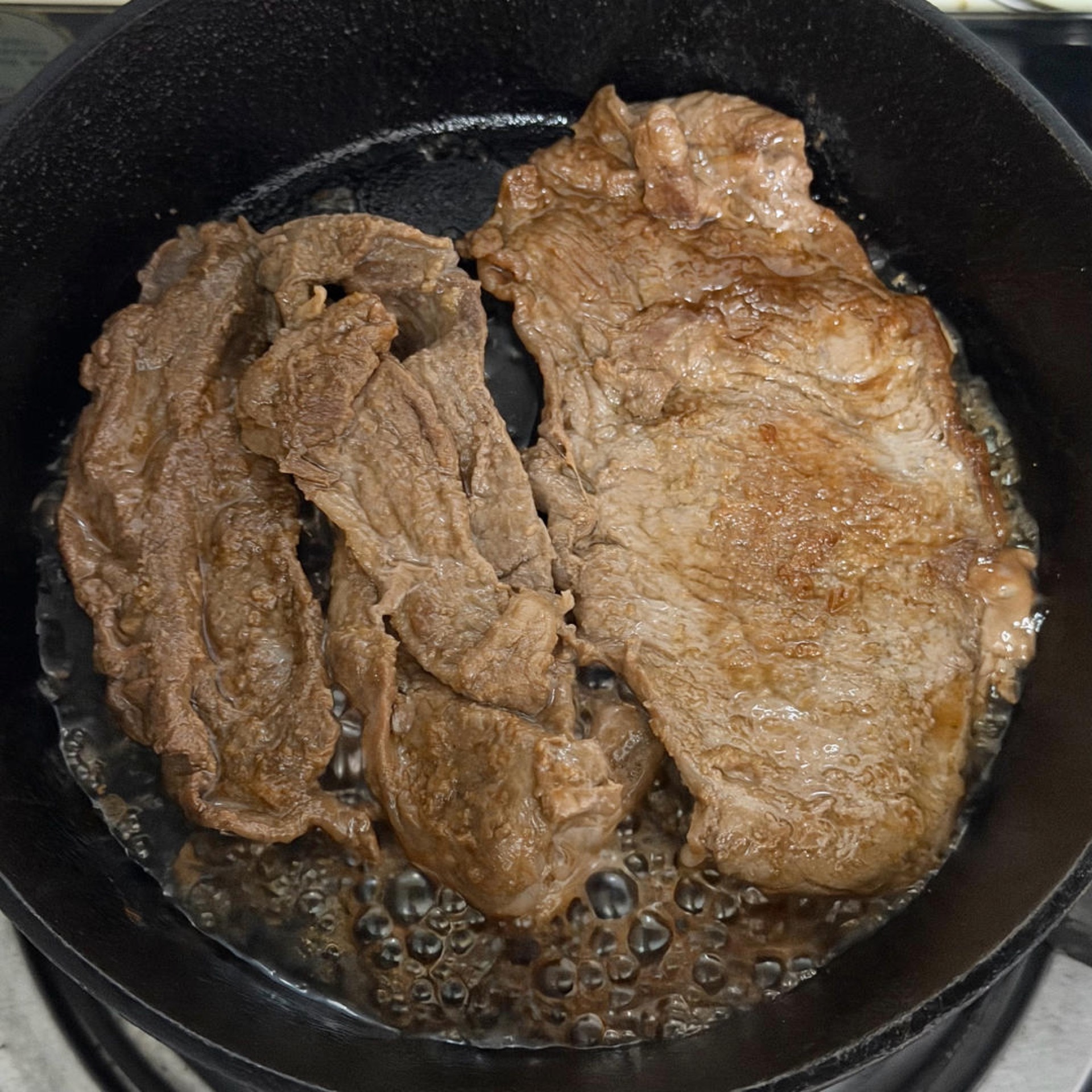
Step 5 — Sear the Beef
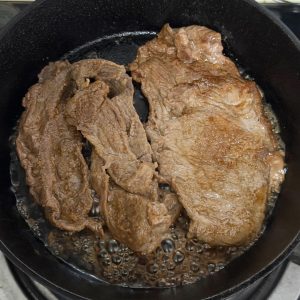
Spray a frying pan with oil over medium heat, add the marinated slices, and flip once the first side changes color, cooking just a few more seconds on the second side since the marinade catches and burns easily.
Step 6 — Layer the Box
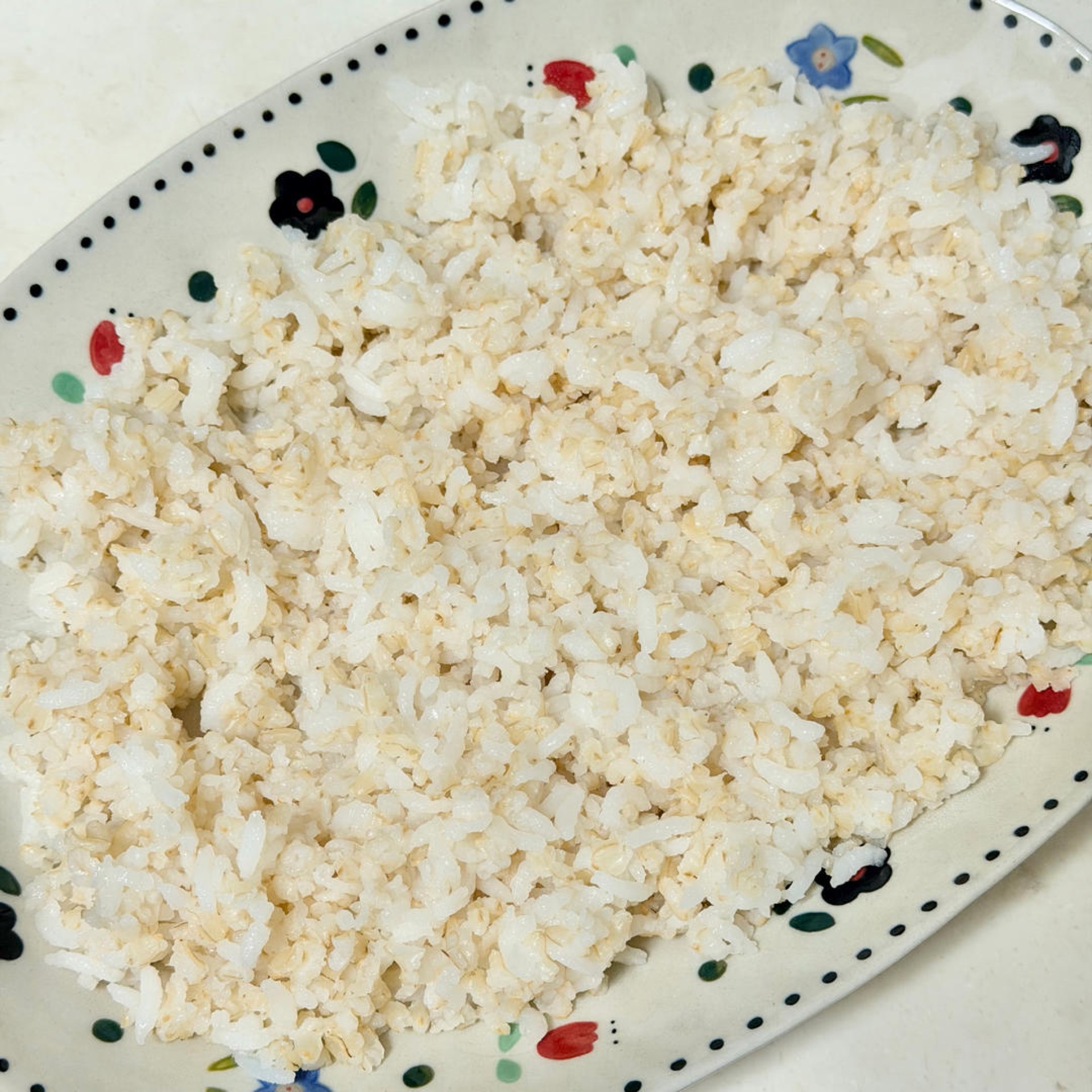
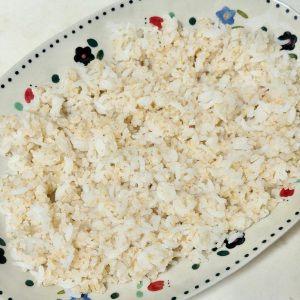
To pack, spread a layer of cooled beef across the bottom of the bento box, then spoon the cooled rice over it.
Step 7 — Add the Toppings
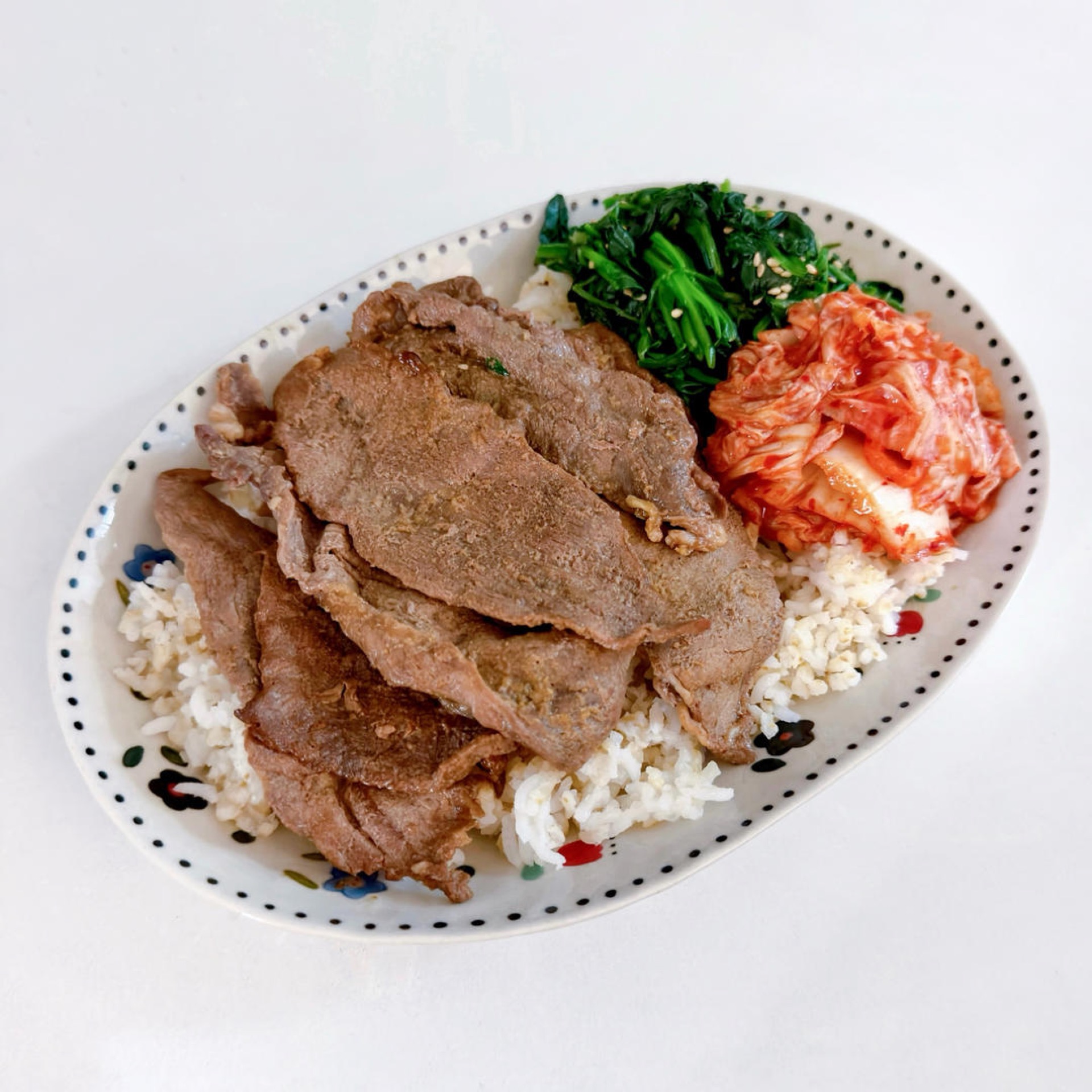
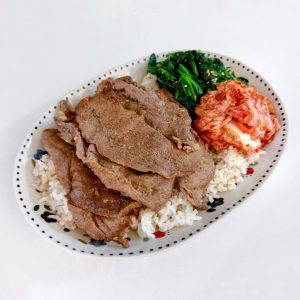
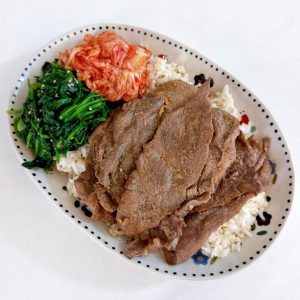
Arrange the spinach and kimchi on top of the rice, then lay the remaining beef slices over everything.
Step 8 — Finish the Box
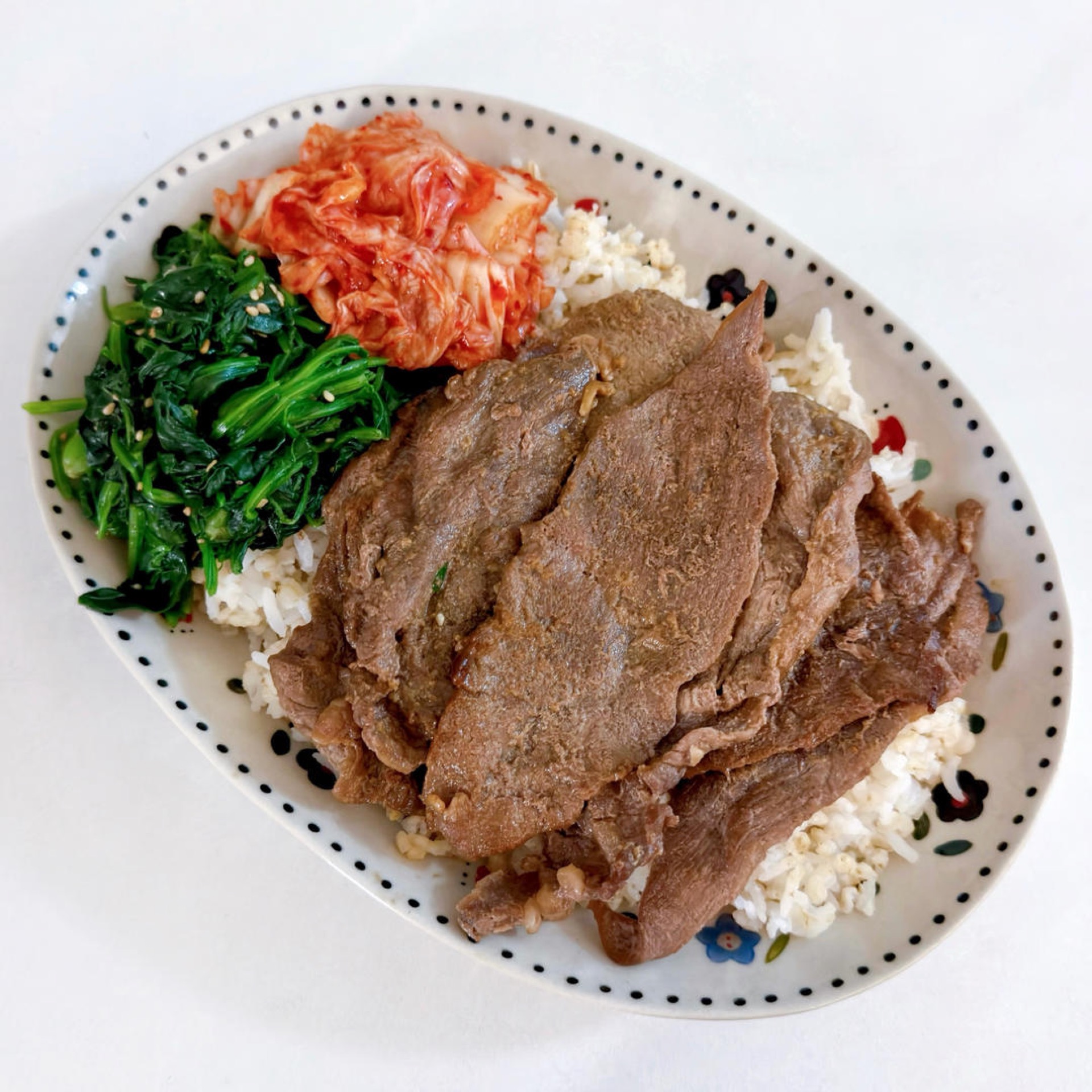
Tuck in any remaining garnishes, close the lid, and the bento is ready to carry.
Common Mistakes When Making Yakiniku-Style Beef Bento
- Marinating the beef too long. Thin slices are porous; more than 10 minutes and the salt starts drawing out moisture, leaving you with dry, rubbery meat. Five minutes is plenty, and 15 is the absolute ceiling.
- Searing over high heat. The sugar and miso in the marinade burn before the beef cooks. Use medium heat, and wipe the pan between batches if the residue darkens.
- Packing the box while everything is hot. Steam trapped in a closed box turns rice gluey and wilts the spinach. Cool every component to room temperature — or chill it — before layering.
- Over-squeezing the spinach. Squeeze gently. If you wring it like a towel, you crush the leaves and lose the texture that makes ohitashi pleasant.
- Using long-grain or jasmine rice. It doesn’t clump the way short-grain does, so the bento falls apart when you eat it. Short-grain Japanese rice is the right call.
- Skipping the ice bath. Spinach pulled straight from boiling water keeps cooking and turns olive-drab. The cold shock stops the cooking and locks in the green.
Variations
Chicken or pork version. The same marinade works on thinly sliced chicken thigh or pork loin — marinate chicken for 15 minutes instead of 5, since it’s thicker and needs the time.
Add a soft-boiled egg. A 6½-minute egg, peeled and halved, turns this into a fuller meal and adds richness that plays well with the miso.
Swap the spinach. Blanched bok choy, water spinach, or even quick-pickled cucumber all work in place of the sesame spinach. If you grow your own sprouts, a handful of fresh mung bean sprouts adds crunch — here’s how to grow mung bean sprouts at home.
Make it spicy. Add a teaspoon of gochujang or a spoonful of chili crisp to the marinade for a Korean-Japanese hybrid that’s closer to a spicy pork bulgogi bento.
Vegetarian version. Firm tofu or king oyster mushrooms take the same marinade beautifully — press the tofu, slice it ½ inch thick, and sear it a little longer per side. For a braised, saucy alternative, try this braised tofu and mushrooms.
Frequently Asked Questions
Can I make this bento the night before? Yes — in fact it’s better that way. Assemble the box, refrigerate it overnight, and take it out in the morning. The flavors meld and the rice firms up, which makes it easier to eat with chopsticks.
Does the beef need to be served warm? No. Bento beef is traditionally eaten at room temperature, and this marinade is designed for it. Reheating in a microwave will toughen the thin slices, so if you want it warm, sear it fresh in the morning and let it cool just slightly before packing.
How thin should the beef be sliced? About 1/8 inch (3 mm) — thin enough that it cooks through in under a minute. If you can see through it, it’s too thin; if it needs more than 90 seconds per side, it’s too thick.
Can I use Chinese light soy sauce instead of Japanese soy sauce? You can, but reduce the amount by about a quarter — Chinese light soy is saltier and more assertive, and it will overwhelm the miso.
What if I don’t have a bento box? Any shallow container with a lid works, including a glass meal-prep container. The layering order matters more than the vessel: beef, then rice, then toppings, then more beef.
How to Serve
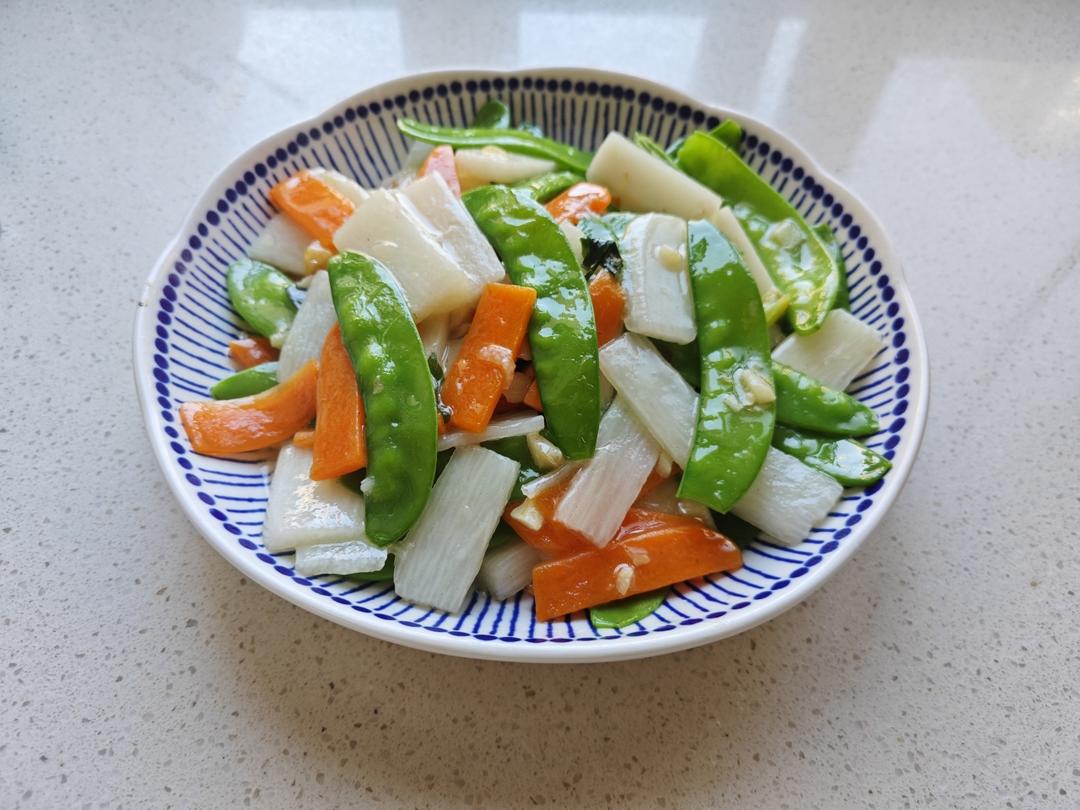
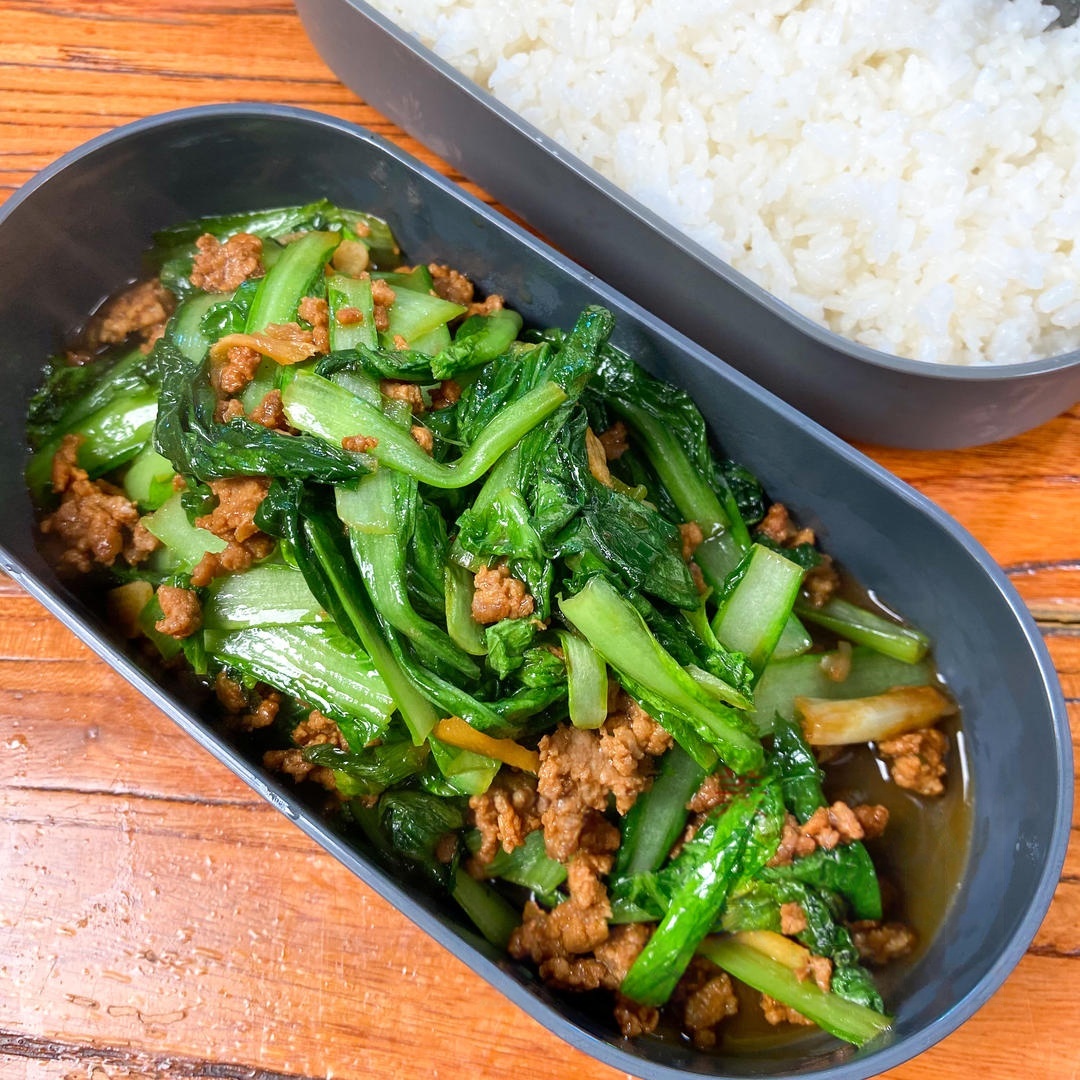
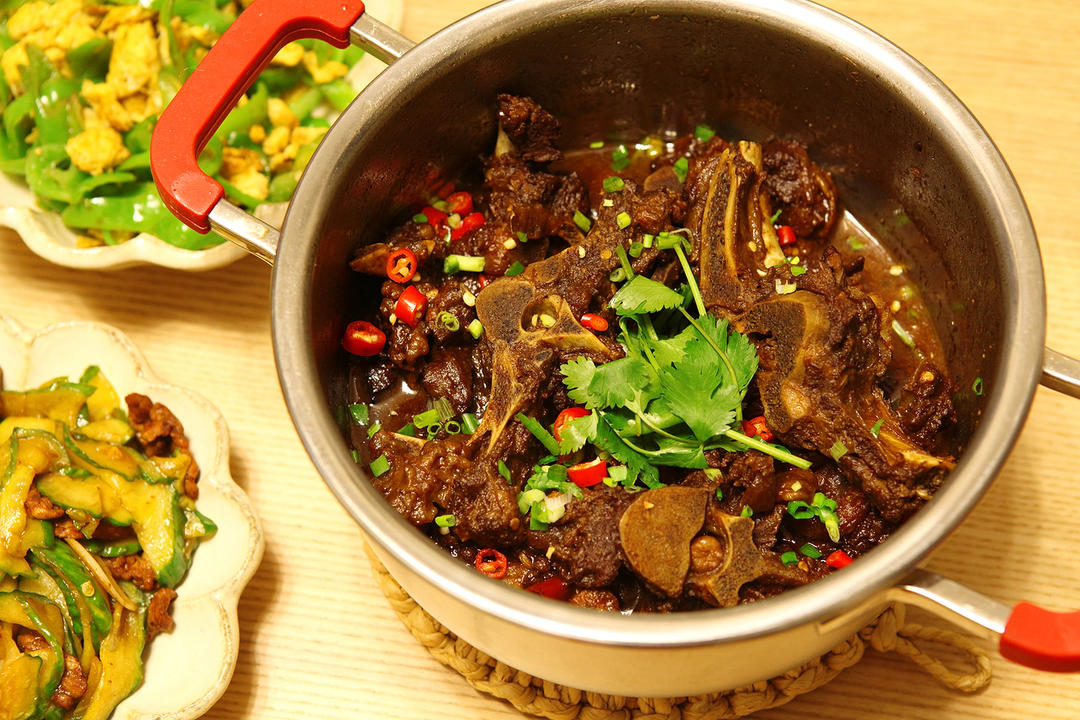
This bento is a complete meal on its own, but if you’re serving it at home rather than packing it, a few sides round it out nicely. A bowl of stir fried snow peas and Chinese yam adds crunch and a clean vegetable note that balances the sweet beef, and it comes together in the same pan in about five minutes. If you want something heartier alongside, minced pork with baby bok choy brings a saucy, garlicky contrast that soaks into rice beautifully. And for a cold-weather dinner where you want the table to feel like a proper spread, a small bowl of spicy lamb spine stew on the side turns this into a full Japanese-Chinese hybrid meal.
Storage & Reheat
Assembled bento keeps in the refrigerator for up to 24 hours — that’s the sweet spot for both flavor and food safety. Beyond that, the rice starts to dry out and the spinach loses its bite. Keep the kimchi in its own small compartment or a separate silicone cup if you can, so its juices don’t tint the rice.
If you’re packing it for later in the day, use an insulated bag with a small ice pack. Beef that’s been cooked and cooled should not sit above 40°F (4°C) for more than two hours.
To reheat, remove the kimchi and spinach first, then microwave the beef and rice portion for 60–90 seconds on medium power. The beef will soften slightly but stays tender. Never reheat the spinach — it turns limp and bitter. If you’d rather not microwave at all, this bento is genuinely good cold, which is the whole point.
Allergen Notice
This recipe contains soy (soy sauce and miso), wheat (soy sauce and miso are typically made with wheat), and sesame (sesame oil and sesame seeds). Most commercial kimchi contains fish sauce or salted shrimp, so check the label if you’re avoiding shellfish or fish. If you need a gluten-free version, use tamari in place of soy sauce and a certified gluten-free miso.
Nutrition Disclaimer
Nutrition information is calculated using an ingredient database and should be considered an estimate. In cases where multiple ingredient alternatives are given, the first listed is calculated for nutrition. Garnishes and optional ingredients are not included.
About the Author & Recipe Development
Lin is the cook and writer behind Woks of Love, a site devoted to the everyday home cooking of China and its neighbors. She grew up watching her grandmother blanch greens by feel and learned to sear meat by sound — the sizzle tells you when the pan is ready. This bento came out of a trip to a Tokyo yakiniku counter, where the beef arrived at the table already marinated and the rice came in a lacquered box. The recipe was tested with short plate and ribeye, and the five-minute marinating time was settled on after several batches that turned out either bland or mushy. The spinach method is adapted from the ohitashi her grandmother made every summer.
Authoritative References
For safe cooking temperatures and storage guidance used in this recipe, see the FDA refrigerator and food safety guidance and the USDA safe minimum internal temperature chart. For background on how sugars drive browning in seared meat, see the Serious Eats explainer on the Maillard reaction.
Yakiniku-Style Beef Bento (牛小排便当): Savory Grilled Beef Over Rice

Equipment
- Frying pan or grill pan
- Cutting Board
- Chef’s knife
- Mixing bowls
- Slotted Spoon
- Bento box
Ingredients
For the Marinade
- 1/2 tsp garlic grated
- 1/2 tsp miso paste white or red
- 1/2 tbsp sugar
- 1 tbsp Japanese soy sauce
- 2 tbsp Japanese cooking sake
For the Beef
- 120 g beef thinly sliced, or other thin-cut meat
For the Sesame Spinach
- 1 small bunch spinach about 200 g
- 1/4 tsp sugar
- 1/4 tsp salt
- 1 tsp toasted sesame oil
- 1/4 tsp white sesame seeds toasted
For Assembling
- 1 portion steamed rice cooled
- 1 small portion kimchi Korean-style, to taste
Instructions
- Whisk the grated garlic, miso, sugar, soy sauce, and sake together in a small bowl until the miso dissolves and the sugar is fully incorporated.

- Lay the beef slices flat and brush or spread the marinade evenly over both sides; thin slices only need about 5 minutes to absorb the flavor.
- Trim the yellowed root ends off the spinach and cut a cross into thick stalks so the bunch holds together; add a little salt to boiling water, lower in the stalks first, then ease the leaves under once the stems soften, and blanch for 15 to 20 seconds.
- Plunge the spinach straight into ice water, squeeze out the excess water gently by hand or over a bamboo mat, tear it apart along the cross cut, and cut it into bite-sized lengths, then toss with the sugar, salt, sesame oil, and white sesame seeds.
- Spray a frying pan with oil over medium heat, add the marinated slices, and flip once the first side changes color, cooking just a few more seconds on the second side since the marinade catches and burns easily.
- To pack, spread a layer of cooled beef across the bottom of the bento box, then spoon the cooled rice over it.
- Arrange the spinach and kimchi on top of the rice, then lay the remaining beef slices over everything.
- Tuck in any remaining garnishes, close the lid, and the bento is ready to carry.












Leave a Reply