There is a version of beef rice bowl that tastes like a warm hug on a cold evening: thin slices of hot-pot beef simmered slowly with onion in a sweet-savory broth of mirin, sake and soy, the liquid reducing into a glossy glaze that you pour over steamed rice. In China this homestyle dish is called ri shi fei niu fan (日式肥牛饭) — “Japanese-style beef rice bowl” — and it is one of those weeknight miracles built from a box of cheap shabu-shabu beef and a pantry of bottled sauces.
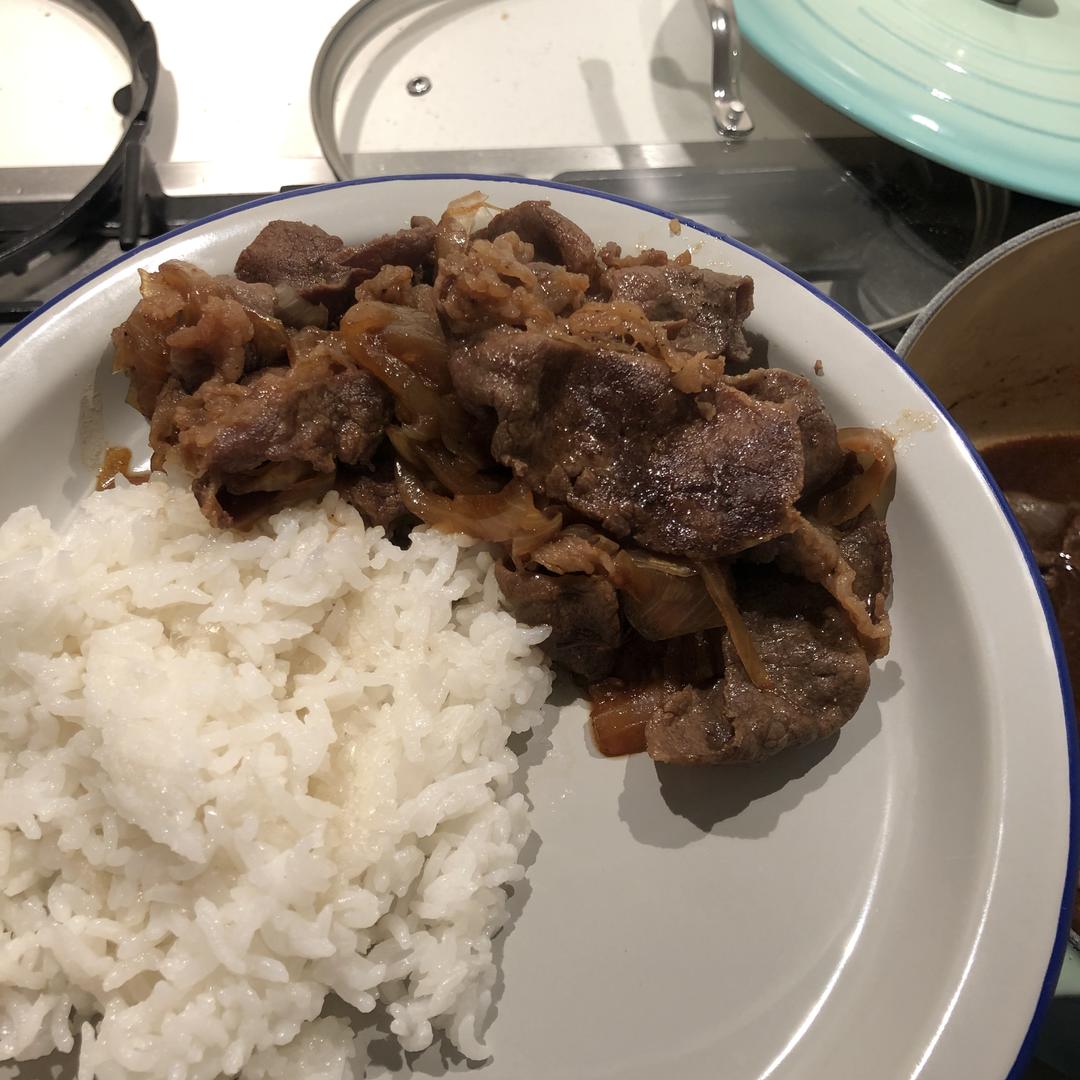
The technique is almost insultingly simple: boil water with onion and seasonings, drop in the beef, and let everything bubble on low heat until the liquid has tightened into a sauce. No stir-frying, no marinating, no separate sauce pan. About 35 minutes later you have a bowl that tastes like something from a fast-food chain’s flagship menu — except the beef is exactly as fatty or as lean as you chose, and the sauce is yours to adjust.
What Is a Japanese-Style Beef Rice Bowl (Ri Shi Fei Niu Fan)?
Ri shi fei niu fan (日式肥牛饭) is a Chinese home-cook’s take on the Japanese gyudon-style beef bowl: a bowl of steamed rice topped with thinly sliced beef that has been simmered in a sweet soy-based broth, usually with onion. “Fei niu” (肥牛) means “fat beef” — the thin, marbled slices sold for hot pot and shabu-shabu. Where Japanese gyudon is flash-cooked in seconds, the Chinese homestyle version simmers longer, letting the seasoned broth reduce into a concentrated sauce that soaks into the rice. It is fast, forgiving, and endlessly customizable.
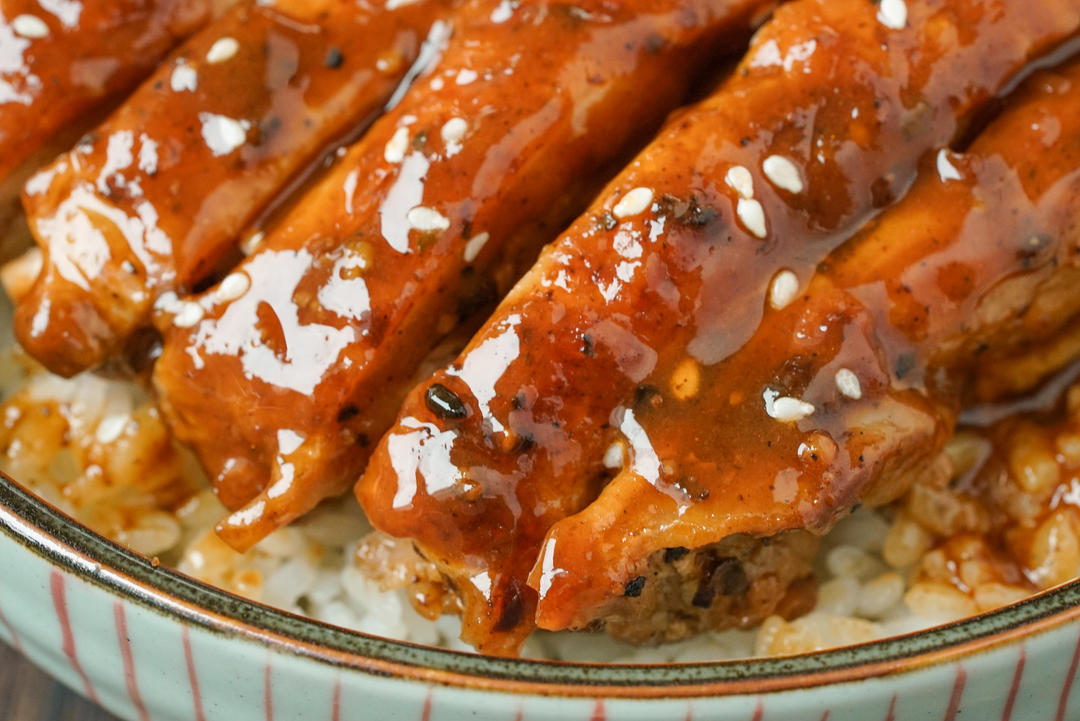
If you are a rice-bowl person like me, you will love my black pepper chicken rice bowls — the same one-bowl weeknight energy, this time with black-pepper chicken over steamed rice. Make both and you have two of the easiest dinners in your rotation.
1Black Pepper Chicken Rice Bowls (Hei Jiao Ji Tui Fan)Juicy pan-seared chicken thighs glazed in a rich, savory black pepper sauce served over steamed rice. A quick, comforting 30-minute meal inspired by Asian rice bowls.Check out this recipe
Why This Recipe Works
- Simmering seasons the beef from the outside in: thin hot-pot slices cook in minutes but absorb the soy-mirin broth as the liquid reduces, so every bite carries the sweet-savory glaze.
- Mirin and sake build the authentic sweetness: mirin adds the glossy, mellow sweetness and sheen of Japanese bowls; sake (or cooking wine) balances it and burns off its alcohol during the boil.
- One pot, no separate steps: the sauce, onion and beef cook in the same water, and the reduced liquid becomes the sauce — nothing is wasted and nothing needs thickening.
- The long, low simmer concentrates flavor: 15 to 25 minutes on low tightens the broth into a rich glaze that clings to the beef and drips into the rice.
- Cheap beef works: because the meat is simmered in seasoned liquid rather than dry-seared, ordinary hot-pot beef comes out tender and flavorful.
Equipment Needed
- A medium pot or saucepan (about 3 L)
- A rice cooker (or follow my guide to cooking perfect rice in a cast iron pot)
- A fine-mesh strainer, if you want to remove the foam that rises during simmering
Ingredients
- 300 g (10.5 oz) thinly sliced hot-pot beef (shabu-shabu grade)
- 1 onion (about 200 g / 7 oz), sliced
- 350 ml (1.5 cups) water
- 30–40 ml (2–2.5 tbsp) mirin
- 40 ml (2.5 tbsp) sake, or cooking wine
- 30 ml (2 tbsp) light soy sauce
- 5 ml (1 tsp) dark soy sauce
- 10 g (2 tsp) sugar
- Steamed rice, for serving
Ingredient Notes
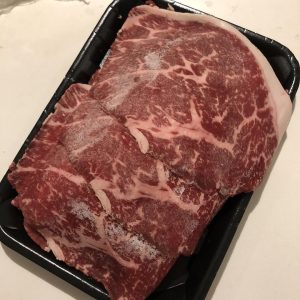
Hot-pot beef is the thinly sliced, well-marbled beef sold in Asian grocers for shabu-shabu; any thin-sliced beef works — the recipe explicitly calls for the cheap stuff. Mirin is a sweet Japanese rice wine; it gives the bowl its characteristic shine and gentle sweetness. If you do not have it, mix 2 tsp sugar with 2 tbsp dry sherry as a stand-in. Sake can be replaced 1:1 with Shaoxing cooking wine, as the original recipe notes. Dark soy is for color only — it turns the broth a deep amber; skip it if you only have light soy.
Prep & Mise en Place
Measure the sauce ingredients into a small bowl before you start — this recipe moves quickly once the pot is on. Slice the onion into thin half-moons, about 0.5 cm thick, so it cooks through during the long simmer. If your beef slices are frozen, let them thaw in the fridge overnight; you want them pliable enough to separate into single slices. Start the rice first so it is ready when the beef finishes.
Cooking Process
Step 1 — Make the Sauce
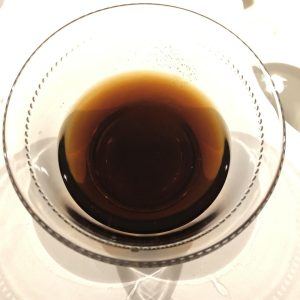
In a small bowl, combine 30–40 ml mirin, 40 ml sake (or cooking wine), 30 ml light soy, 5 ml dark soy and 10 g sugar. Stir until the sugar dissolves — this is the whole flavor of the dish.
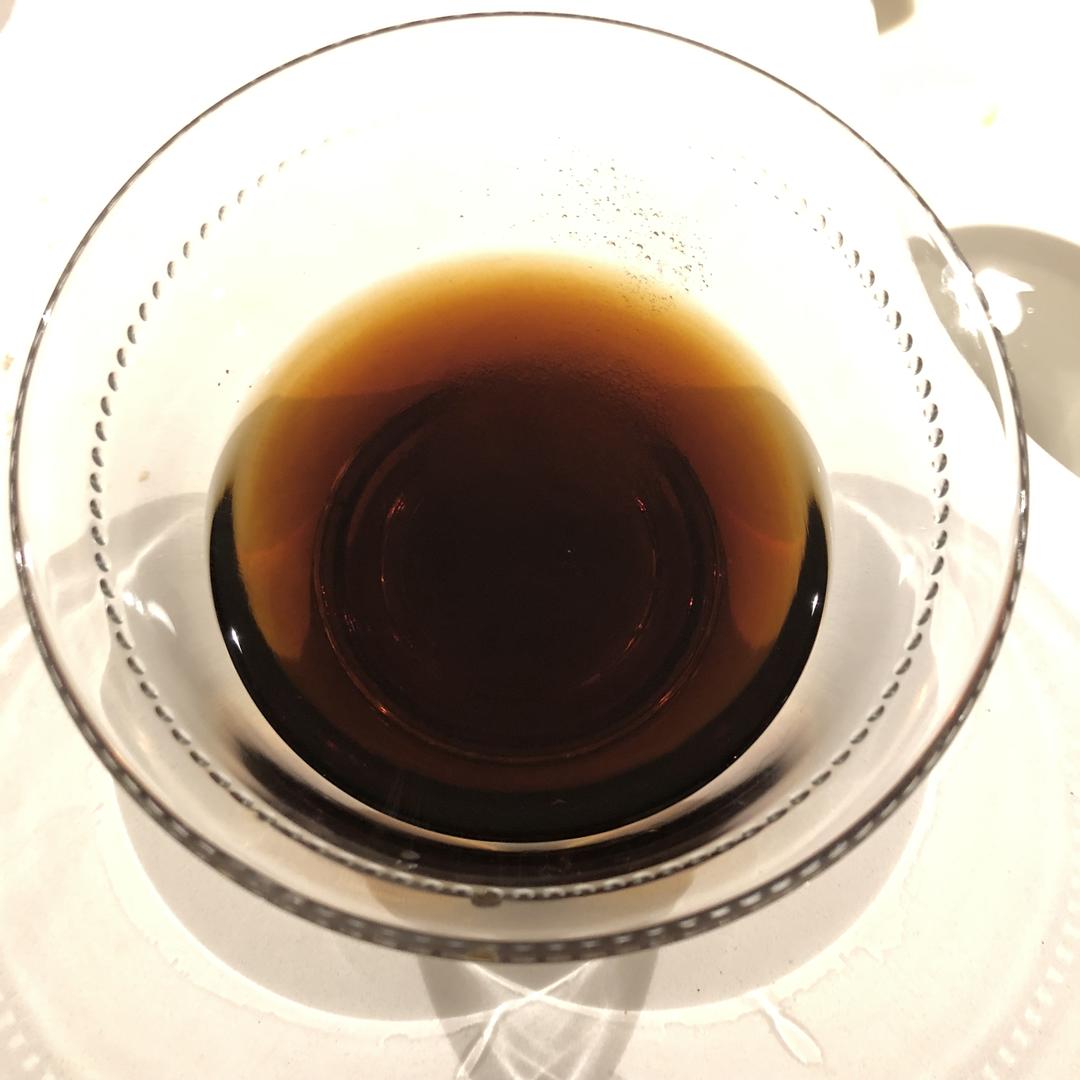
The trio of mirin, sake and soy is the backbone of Japanese simmered dishes: sake contributes acidity and depth while its alcohol evaporates during the boil, mirin brings sweetness and a glossy finish, and soy provides the salt and umami. Balanced together, they read as unmistakably “Japanese-style” in one taste.
Step 2 — Get the Beef
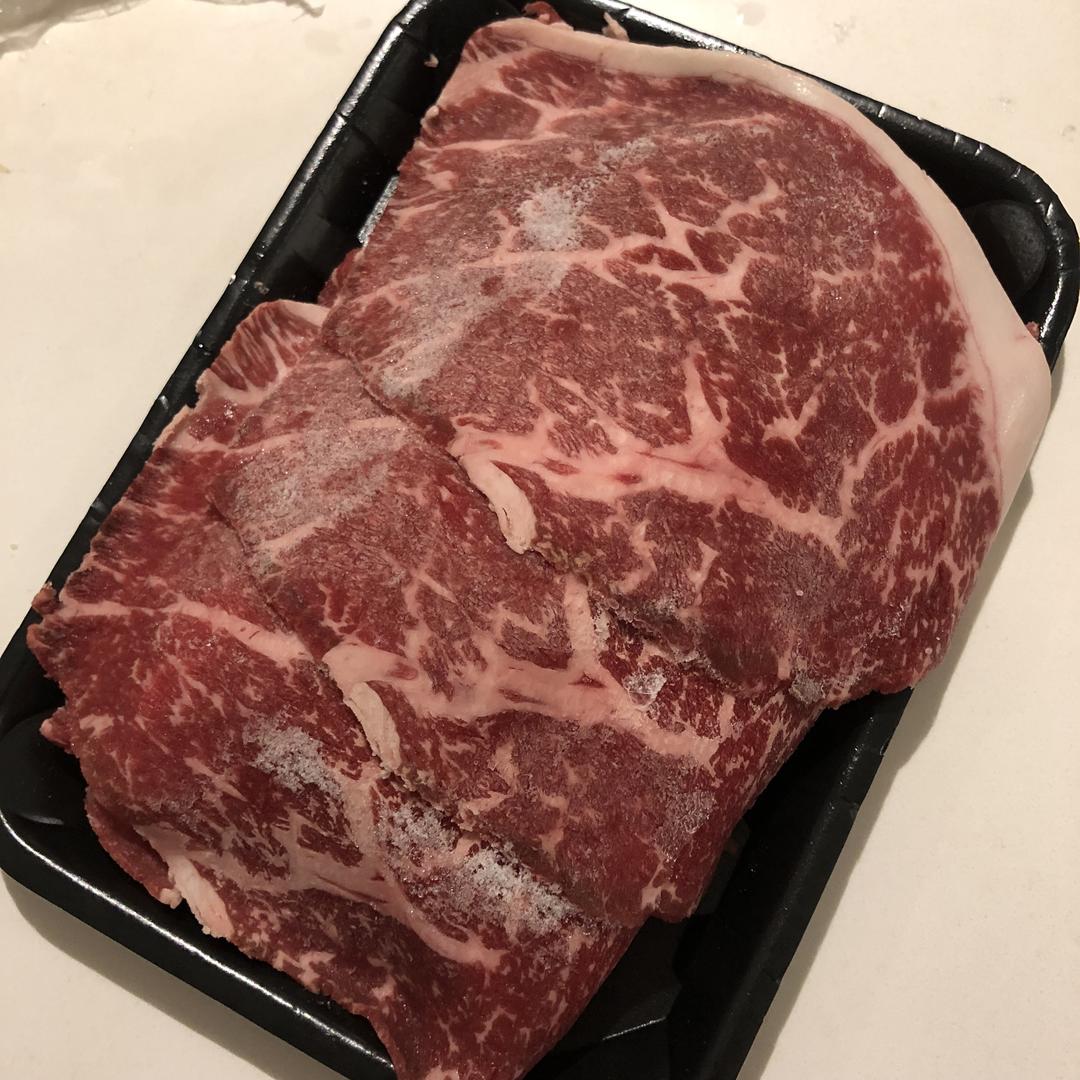
Use a box of thinly sliced hot-pot beef — the affordable, well-marbled kind meant for shabu-shabu. Separate the slices so they will drop into the pot one by one.
Step 3 — Slice the Onion
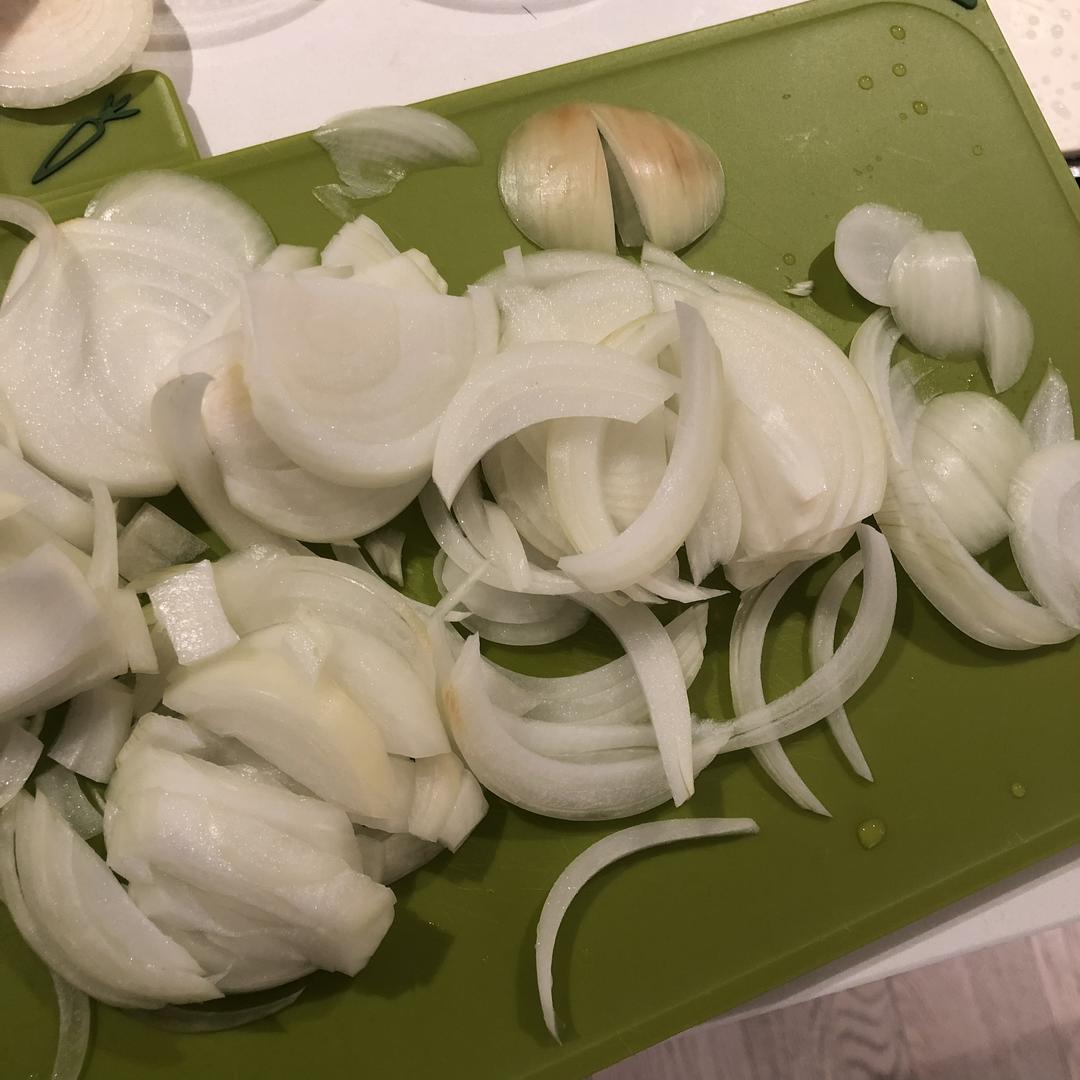
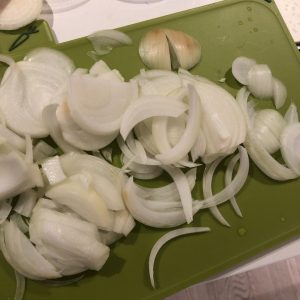
Peel the onion and slice it into thin half-moons, about 0.5 cm thick.
Step 4 — Boil the Broth
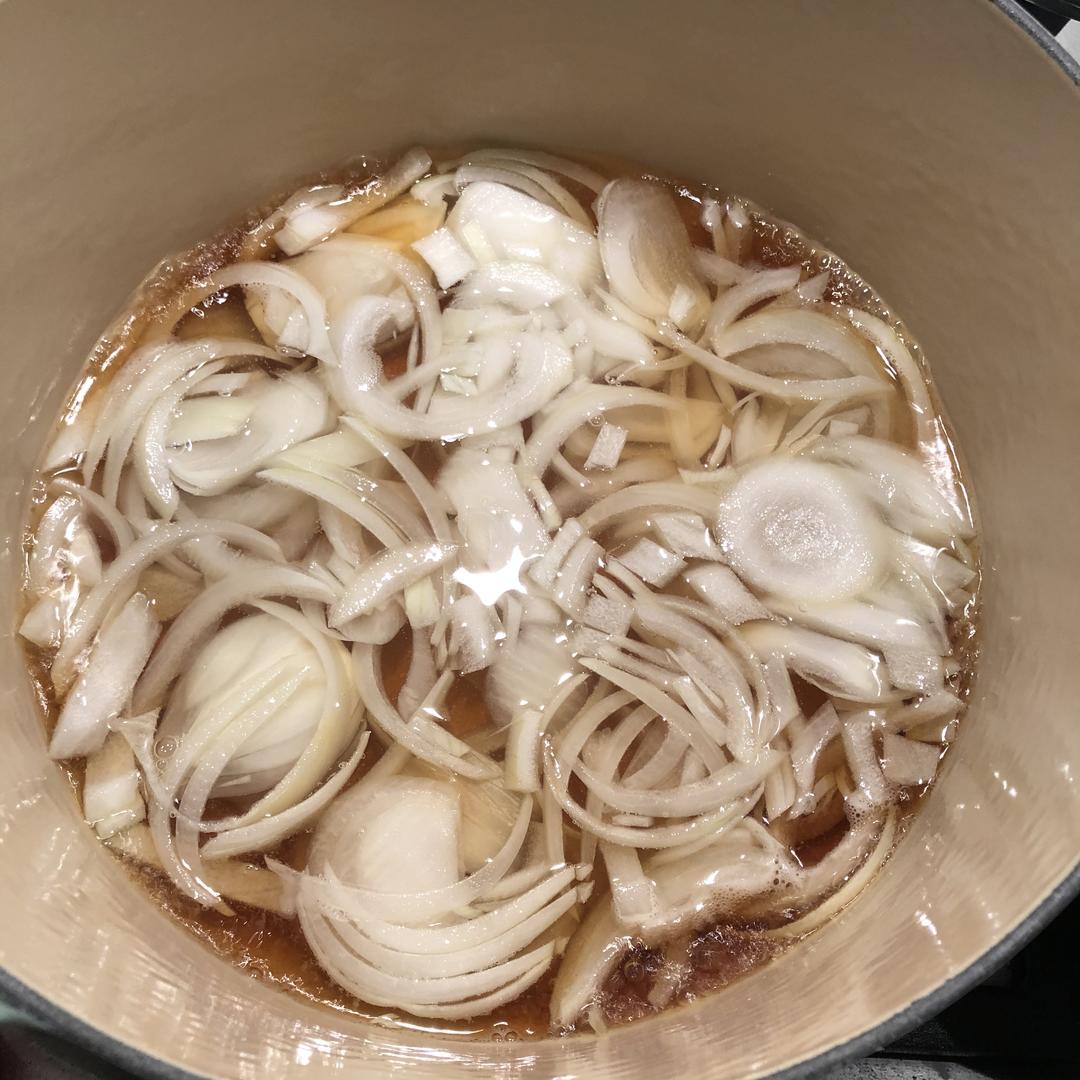
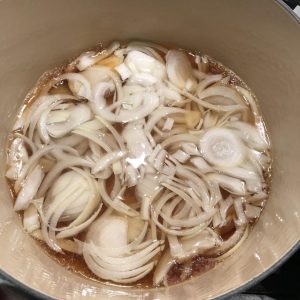
Pour 350 ml water into the pot and bring it to a boil over high heat. Add the sliced onion and the sauce, and bring it back to a full boil.
Step 5 — Add the Beef and Simmer
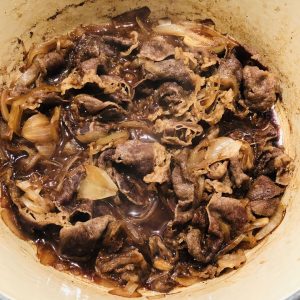
Drop the beef slices into the boiling broth one at a time. Bring the pot back to a boil on high, then lower the heat and simmer for 15 to 25 minutes, until the liquid has reduced and the beef is fully cooked and coated.
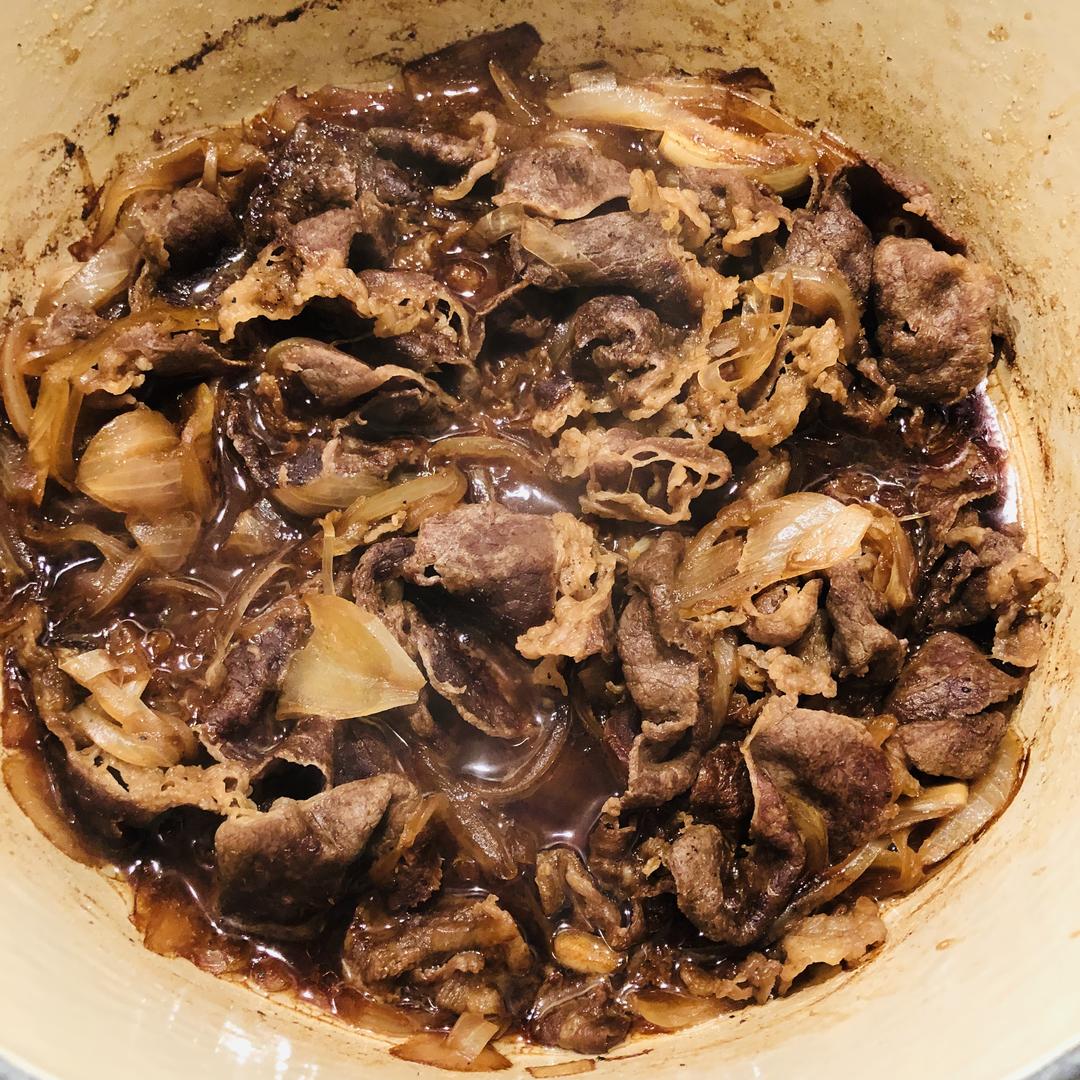
The long simmer is what separates this homestyle bowl from fast gyudon: as the water evaporates, the soy-mirin sugar concentrates into a glossy sauce, while the onion softens into sweetness and the thin beef tenderizes in the seasoned liquid. Simmering on low (a gentle bubble, not a boil) prevents the sauce from turning bitter as it reduces.
Step 6 — Serve Over Rice
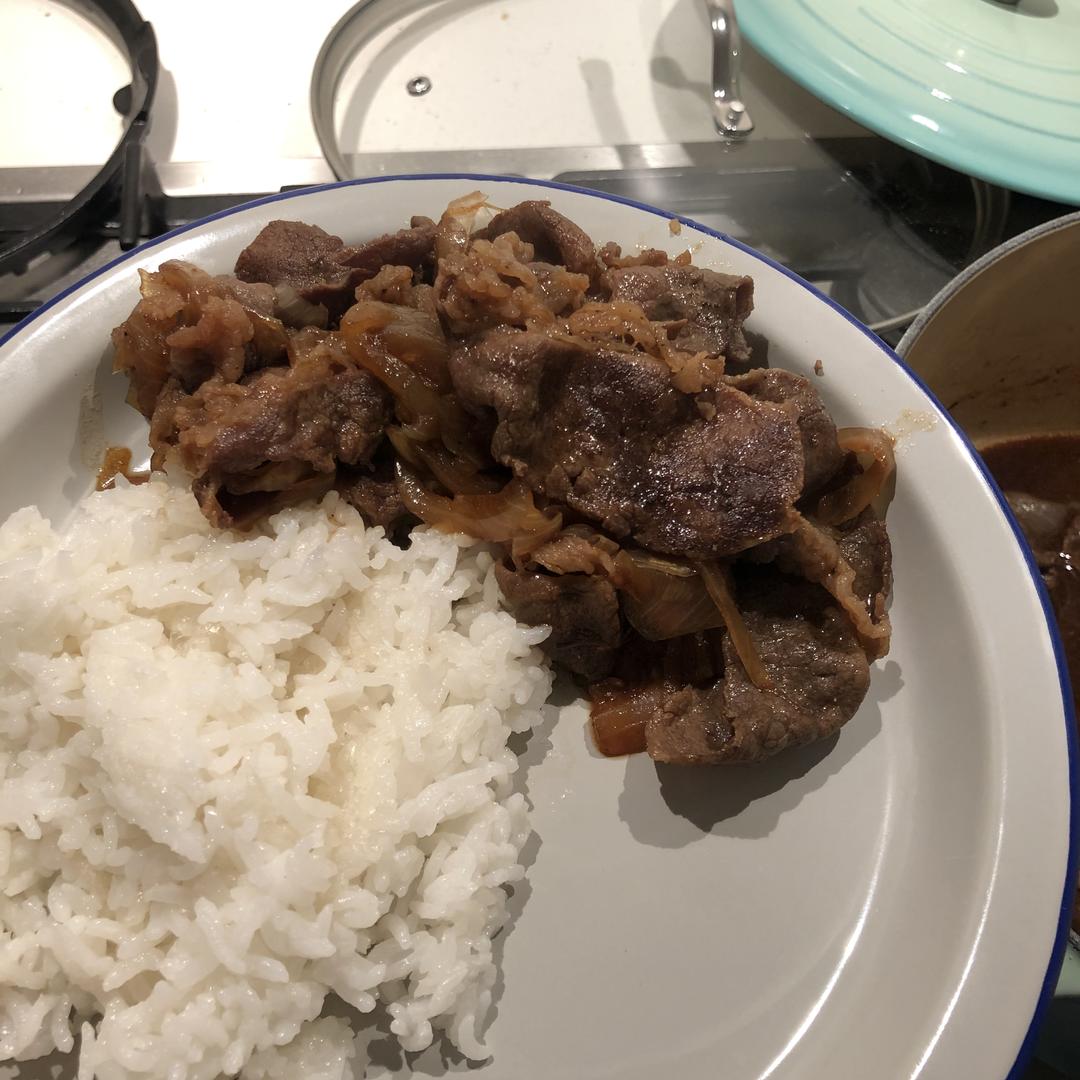
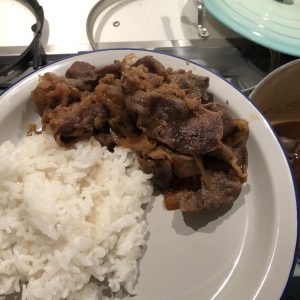
When the liquid has reduced to a generous sauce, spoon the beef and onion over steamed rice and pour the glaze on top. It also works beautifully over udon noodles if you are not in a rice mood.
Common Mistakes When Making a Japanese-Style Beef Rice Bowl
1. The sauce is too thin and watery. Cause: not simmered long enough. Fix: let the broth bubble gently for the full 15 to 25 minutes until it visibly tightens and coats a spoon.
2. The sauce tastes bitter. Cause: boiling hard at the end, or the mirin/sake scorched on the pot wall. Fix: keep a gentle simmer on low heat, and stir the sauce into the water before the beef goes in.
3. The beef is tough and chewy. Cause: cooked at a rolling boil, or sliced beef that was not hot-pot grade. Fix: bring to a boil only once after adding the beef, then drop the heat; thin shabu-shabu slices stay tender in a low simmer.
4. The dish is too sweet or too salty. Cause: the ratio was off. Fix: taste the broth before adding the beef and adjust — 10 g sugar and 30 ml light soy for 350 ml water is the balanced starting point.
5. Foam and scum in the sauce. Cause: the beef released protein foam during simmering. Fix: skim it with a fine-mesh strainer after the first boil, and the glaze will finish clear and glossy.
Variations
This bowl is a template. Crack a soft-cooked egg over the top for the classic gyudon experience. Add sliced mushrooms or shredded cabbage with the onion for extra bulk. For heat, finish with a pinch of shichimi togarashi or a spoon of chili garlic sauce. Swap the beef for pork belly slices or chicken thigh strips — the broth works with any quick-cooking meat. And if you have a taste for the soy-simmered style, the same flavor logic powers braised beef noodle soup.
Frequently Asked Questions
Can I use regular steak instead of hot-pot beef? Yes, but slice it as thin as you can (partially frozen slicing helps), and expect a slightly firmer texture than the thin shabu-shabu slices.
What can I substitute for mirin? Mix 1 tbsp dry sherry with 1 tsp sugar per tablespoon of mirin, or use a splash of sweet rice wine. The glaze will be slightly less glossy but still delicious.
Can I make this ahead or freeze it? The beef and sauce keep refrigerated for up to 3 days and reheat beautifully. Freeze in portions for up to 1 month; thaw and reheat gently with a splash of water.
Is the alcohol cooked off? The sake and mirin boil at the start, so the alcohol mostly evaporates, leaving only their flavor — safe for most cooks, though you can skip the sake and add a little more mirin and water if you prefer.
Why does my beef need 25 minutes while gyudon takes seconds? Gyudon flash-cooks the beef in a pre-made sauce. Here the broth starts watery and must reduce to concentrate, which takes time — the beef is done long before, but the simmering finishes the sauce. That is the point of this homestyle version.
How to Serve
Serve the bowl piping hot over steamed rice with the reduced sauce spooned on top — a soft-cooked egg makes it a proper treat. For a complete table, add seaweed egg drop soup and a quick tomato and egg stir-fry on the side. If you are in a beef mood, my black pepper beef cubes and Hunan stir-fried beef are quick stovetop favorites, and braised beef brisket with potatoes is the slow-cooked weekend counterpart.
Storage & Reheat
Refrigerate leftovers in an airtight container for up to 3 days. Reheat in a covered pan over low heat with a tablespoon of water until hot, stirring occasionally. Beef and sauce freeze well for up to 1 month in portioned bags. As with all beef dishes, reheat until piping hot throughout — an internal temperature of 165°F (74°C) if you are reheating with a thermometer.
Allergen Notice
This recipe contains soy and gluten (soy sauce, mirin, sake). Use gluten-free tamari and gluten-free mirin/sake substitutes for a gluten-free version. Contains no nuts, eggs, dairy or shellfish.
Nutrition Disclaimer
Nutrition information is calculated using an ingredient database and should be considered an estimate. In cases where multiple ingredient alternatives are given, the first listed is calculated for nutrition. Garnishes and optional ingredients are not included. Nutrition information is an estimate and provided for informational purposes only.
About the Author & Recipe Development
I’m Lin, a chef who spent a decade in restaurant kitchens before writing recipes for home cooks. This beef bowl comes from the “cheap and fast” chapter of my recipe notebook — the one for nights when the dinner decision has to be made in seconds. I tested it with both premium and bargain hot-pot beef, and the bargain box won, because the long simmer does the flavor work. My father always added a cracked egg on top, and I have never found a better argument for it. This is the version I make when I want a warm, sweet, saucy bowl with almost no cleanup.
Authoritative References
For safe handling of the beef, I follow the USDA safe minimum internal temperature chart, which recommends cooking beef to 145°F (63°C) with a rest — a low simmer for 15 to 25 minutes exceeds this comfortably.
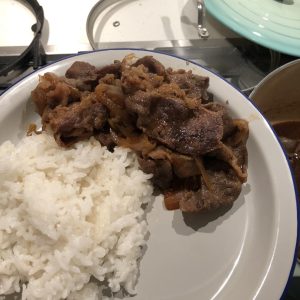
Simmered Japanese-Style Beef Rice Bowl (Ri Shi Fei Niu Fan)

Equipment
- Medium Pot or Saucepan
- Rice Cooker
Ingredients
For the Bowl
- 300 g thinly sliced hot-pot beef shabu-shabu grade
- 1 onion about 200 g, sliced into thin half-moons
- 350 ml water
- 2 tbsp mirin 30-40 ml
- 2.5 tbsp sake 40 ml, or cooking wine
- 2 tbsp light soy sauce 30 ml
- 1 tsp dark soy sauce 5 ml, for color
- 2 tsp sugar 10 g
- steamed rice for serving
Instructions
- Combine 30-40 ml mirin, 40 ml sake (or cooking wine), 30 ml light soy, 5 ml dark soy and 10 g sugar in a bowl; stir until the sugar dissolves.

- Use a box of thinly sliced hot-pot beef and separate the slices.
- Peel the onion and slice into thin half-moons, about 0.5 cm thick.
- Bring 350 ml water to a boil over high heat. Add the onion and sauce, and bring back to a full boil.
- Add the beef slices one at a time. Bring back to a boil on high, then lower the heat and simmer 15 to 25 minutes until the liquid reduces to a glossy sauce.
- Spoon the beef and onion over steamed rice and pour the glaze on top. Also excellent over udon noodles.






Leave a Reply