The Ultimate Wok Debate: Flat Bottom vs. Round Bottom Woks
Choosing the right wok is a pivotal decision for any home cook looking to master Chinese cuisine. This guide breaks down the technical differences between flat bottom and round bottom woks to help you decide which belongs in your kitchen.
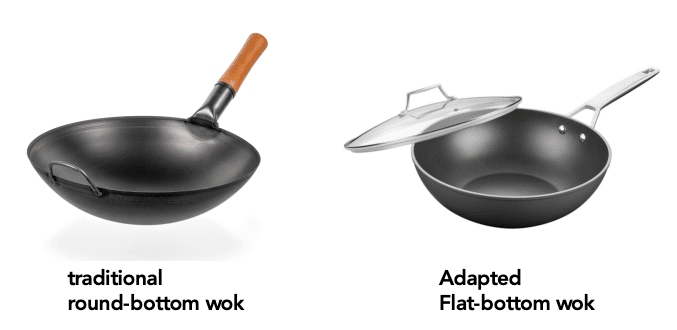
What Is a Wok Used For?
A wok is a versatile, high-walled vessel designed primarily for stir-frying, but it also excels at deep-frying, steaming, smoking, and braising. Its unique shape allows for efficient heat distribution and the ability to toss ingredients rapidly, which is essential for developing “wok hei”—the signature “breath of a wok” flavor.
Material and Shape Comparison Table
| Feature | Flat Bottom Wok | Round Bottom Wok |
| Stability | High (sits directly on burners) | Low (requires a wok ring) |
| Heat Contact | Large surface area on flat burners | Concentrated at the very bottom |
| Stove Compatibility | Electric, Induction, Flat Gas | Traditional Gas Burners |
| Tossing Ease | Moderate (bottom can “catch”) | High (smooth, continuous curve) |
| Material Options | Carbon Steel, Cast Iron, Non-stick | Carbon Steel, Cast Iron |
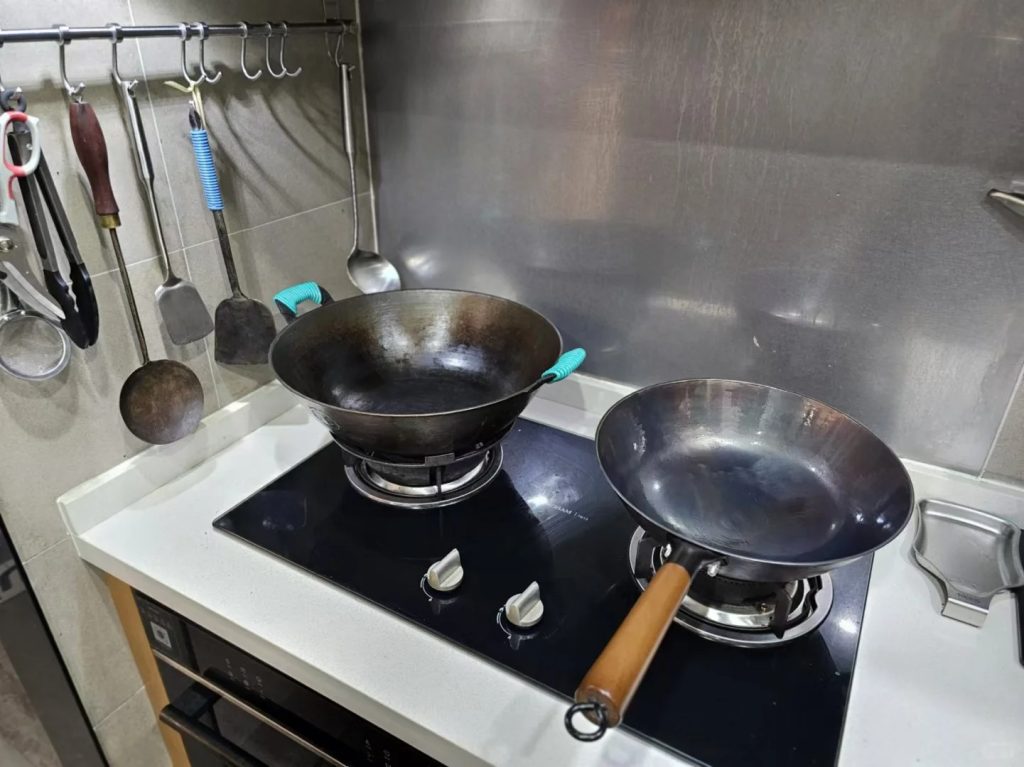
Flat Bottom Woks: The Modern Home Solution
Flat bottom woks were designed specifically for Western kitchens where electric and induction stoves are common.
Pros
- Stability: It sits securely on any flat heating element without the need for additional accessories.
- Induction Friendly: The flat base provides the necessary contact for induction magnets to work effectively.
- Versatility: Beyond stir-frying, the flat base makes it easier to sear proteins like pan-seared sirloin steak or fry Chinese meat pies.
Cons
- The “Corner” Problem: The transition from the flat bottom to the curved sides creates a “corner” where food can occasionally get trapped or scorched.
- Heat Distribution: On gas stoves, heat can sometimes concentrate too much on the flat base, making the sides cooler than desired.
Round Bottom Woks: The Professional Standard
The round bottom wok is the traditional design used for centuries in Chinese cooking.
Pros
- Superior Tossing: The continuous curve allows a spatula to glide effortlessly, making it easier to prepare dishes like Yangzhou fried rice or beef chow fun.
- Optimal Heat Flow: Heat rises evenly along the sides, creating a larger high-heat zone for flash-cooking vegetables.
- Authentic Wok Hei: Because you can toss food higher and more frequently, you achieve better aeration.
Cons
- Instability: It will wobble or tip on a standard stove without a wok ring.
- Stove Limitations: It is virtually impossible to use on induction or electric glass-top stoves because there is no surface contact.
Maintenance and Care
Regardless of the shape, if you choose a carbon steel vs. cast iron wok, proper maintenance is required.
- Seasoning: New carbon steel woks must be “opened” (seasoned) to create a natural non-stick patina.
- Cleaning: Never use harsh detergents or abrasive scrubbers that strip the seasoning. Use hot water and a bamboo brush.
- Drying: Always dry the wok over a low flame immediately after washing to prevent rust.
Common Mistakes to Avoid
- Buying Non-Stick: High-heat stir-frying destroys non-stick coatings and releases fumes. Stick to carbon steel or cast iron.
- Overcrowding: If you put too much food in a flat bottom wok, the temperature drops, and your meat will steam rather than sear.
- Ignoring the Wok Ring: If using a round bottom wok on gas, the ring must be the correct height—too high, and you lose heat; too low, and the flame stifles.
FAQ
Can I use a round bottom wok on an electric stove?
It is not recommended. The heat transfer is extremely inefficient because only a tiny point of the wok touches the surface.
Which is better for a beginner?
A flat bottom carbon steel wok is usually the best entry point for most home cooks because of its stability and compatibility.
Does shape affect the flavor?
Technically, no, but the round bottom allows for better technique, which indirectly leads to better flavor through superior wok hei.










Leave a Reply