There is something deeply comforting about a dish that fills the kitchen with the scent of cumin and lamb before it ever reaches the table. Xinjiang lamb pilaf, known in Chinese as 羊肉抓饭, is exactly that kind of meal. It is a one-pot rice dish from China’s far northwest, where lamb, carrots, and rice cook together until every grain is perfumed with savory, slightly sweet flavor.
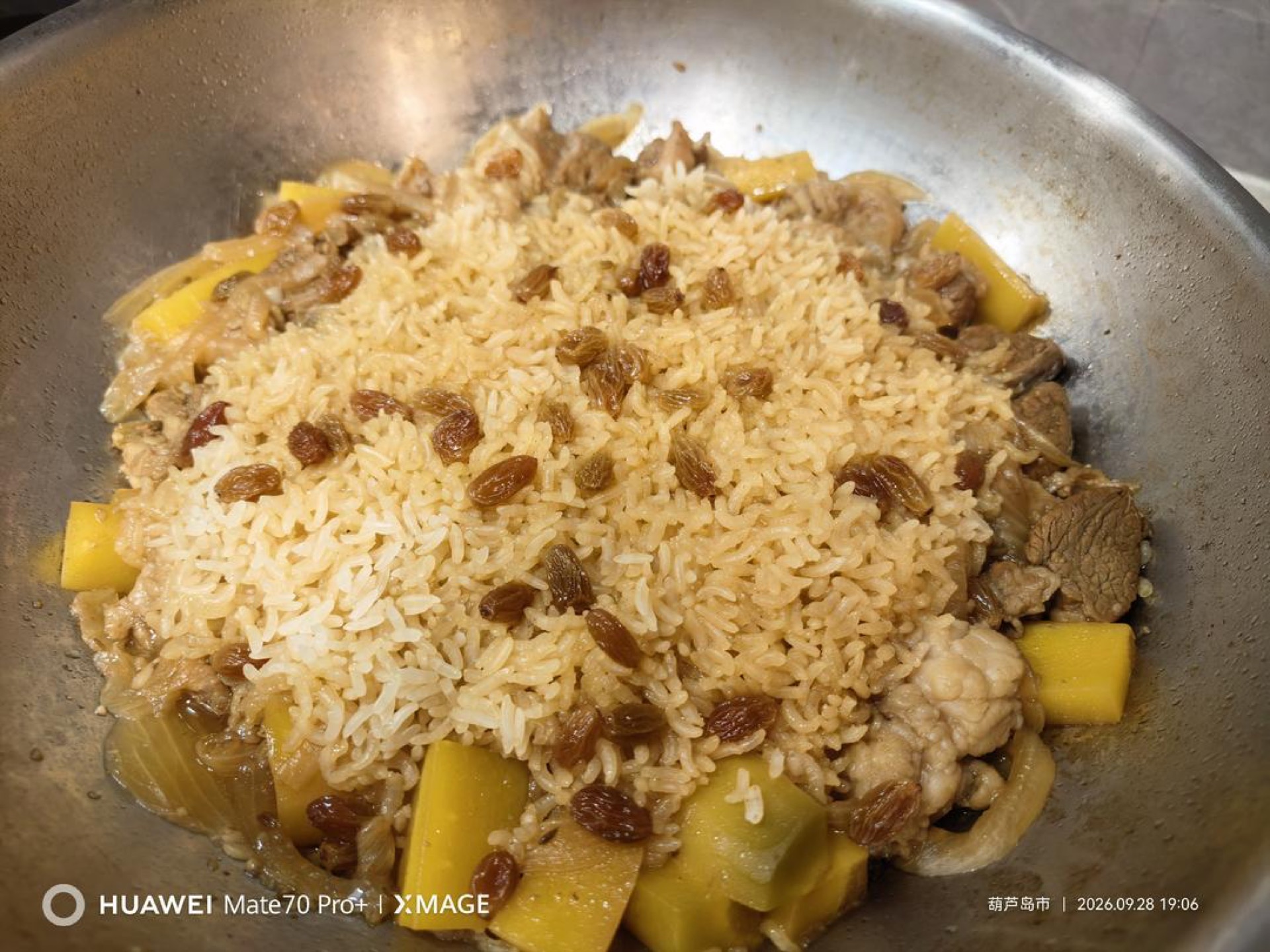
The name 抓饭 literally means “hand pilaf,” a nod to the way it is traditionally eaten. In Xinjiang, families and travelers alike gather around a shared platter, scooping up rice and lamb with their hands. At home, a spoon works just as well, but the spirit of the dish remains the same: generous, aromatic, and made to be shared.
What Is Xinjiang Lamb Pilaf?
Xinjiang lamb pilaf is a rice dish from the Xinjiang Uyghur Autonomous Region in northwestern China. It belongs to the same family of rice dishes as Uzbek plov and other Central Asian pilafs, which makes sense given Xinjiang’s location along the historic Silk Road. The dish combines lamb, onions, carrots, and rice, all cooked together in one pot with cumin and a touch of sweetness from raisins.
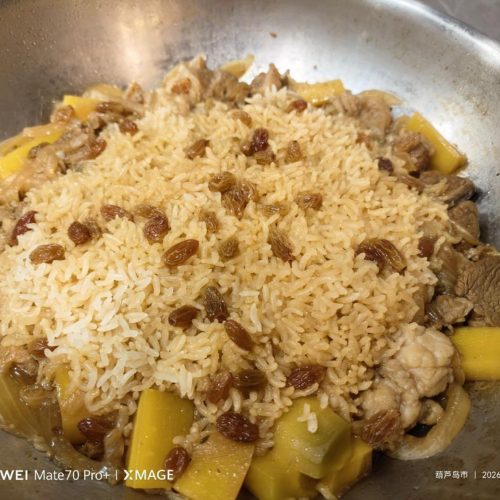
What sets it apart from a simple lamb and rice dish is the layering of flavors. The lamb is seared first, then simmered with onions and carrots until the broth is rich and savory. The rice is added later, soaking up that broth as it cooks. The result is rice that is fluffy and separate, with each grain carrying the flavor of lamb, cumin, and sweet carrots.
If you enjoy the deep, savory flavors of slow-cooked rice dishes, you might also like our lamb liver fried rice, which brings a similar rustic Xinjiang character to the table.
1Lamb Liver Fried Rice (Yang Gan Chao Fan)This savory Lamb Liver Fried Rice uses the ‘Golden Fried Rice’ technique to coat every grain in egg, creating a fluffy texture that pairs perfectly with tender, velvety lamb liver and sweet vegetables. A nutritious, homestyle meal ready in 20 minutes.Check out this recipe

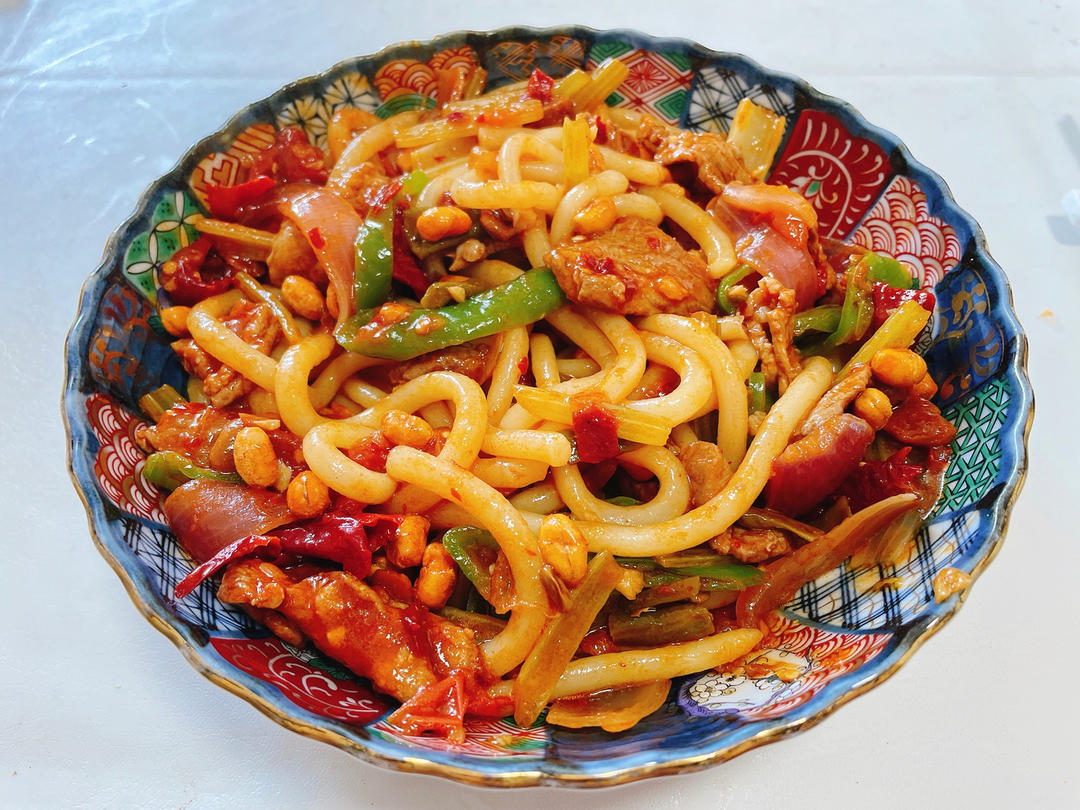
For another Xinjiang-inspired favorite, try our Xinjiang fried rice noodles, where the same bold cumin and lamb flavors meet chewy rice noodles.
2Xinjiang Fried Rice Noodles (Xinjiang Chao Mifen)A spicy, saucy, and chewy rice noodle dish from Western China featuring a rich tomato and bean paste sauce, beef, and crisp vegetables. It is a bold ‘flavor bomb’ that perfectly bridges the gap between a stir-fry and a comforting pasta dish.Check out this recipe
And if you love the idea of rice cooked in a single pot, our cantonese clay pot rice is a wonderful next step, with its crisp bottom layer and savory toppings.
3Authentic Cantonese Clay Pot Rice (Bao Zai Fan)This authentic Clay Pot Rice recipe creates a complete meal with savory Chinese sausage, cured pork, and a signature crispy rice bottom (Guoba). Even if you don’t have a clay pot, you can make this in a Dutch oven!Check out this recipe

Why This Recipe Works
This recipe keeps things simple without sacrificing depth. The lamb is seared first to build a savory base, then simmered with onions and carrots until the broth is rich and fragrant. That broth becomes the cooking liquid for the rice, so every grain absorbs the flavor of the meat and vegetables.
Soaking the rice is a small step that makes a big difference. It helps the grains cook evenly and stay separate, so the finished pilaf is fluffy rather than sticky. The raisins are optional, but they add a gentle sweetness that balances the cumin and savory lamb, just as they do in traditional versions.
Cumin is the signature spice here, and toasting it briefly with the carrots releases its warm, earthy aroma. If you want to learn more about this spice, our guide to cumin seeds explains how to store and use them for the best flavor.
Equipment Needed
You do not need special equipment for this dish, but a few tools make it easier. A wok or a wide, heavy-bottomed pot works best because it gives the lamb and vegetables room to sear rather than steam. A cutting board and a sharp knife are essential for preparing the onions, carrots, and lamb. A slotted spoon is handy for skimming excess oil from the broth, and a lid for the pot helps the rice steam evenly at the end.
If you are new to cooking Chinese food at home, our guide on how to learn Chinese cooking fast covers the basic techniques and tools that make dishes like this one easier.
Ingredients
Here is what you will need to make this Xinjiang lamb pilaf. The list is short, and most of these ingredients are easy to find.
- 1 lb lamb leg, cut into 1-inch cubes
- 1 whole onion, sliced thin
- 1 whole carrot, cut into thick strips
- 1 tsp cumin seeds
- 160 ml jasmine rice, rinsed and soaked
- 1 tbsp soy sauce
- 2 tsp vinegar
- 1 tsp sugar
- 1 tsp salt, to taste
- 2 tbsp raisins, optional
- 1 cup water, for cooking
Ingredient Notes
Lamb leg is the best choice here because it has a good balance of meat and fat, and it becomes tender after simmering. If you use a leaner cut, add a little extra oil when searing. The carrots are not just a vegetable here; they sweeten the broth and soften into the rice. Traditional recipes often use two carrots, so feel free to add a second one if you enjoy their sweetness.
Cumin is essential to the flavor of this dish. Ground cumin works, but whole cumin seeds toasted briefly in the wok release a deeper aroma. Soy sauce, vinegar, and sugar form a simple seasoning base, and the vinegar helps cut through the richness of the lamb. Raisins are optional but recommended for a touch of sweetness that balances the savory broth.
For the rice, jasmine or any medium-grain rice works well. Rinse it until the water runs clear, then soak it for at least 8 hours or overnight. This step helps the rice cook evenly and keeps the grains separate.
Prep & Mise en Place
Before you start cooking, take a few minutes to prepare everything. Slice the onion into thin strips, cut the carrots into thick strips, and cut the lamb into bite-sized cubes. Rinse the lamb and pat it dry with paper towels so it sears properly instead of steaming.
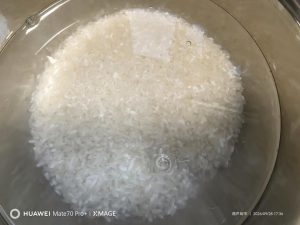
Rinse the rice under cold water until the water runs clear, then cover it with water and let it soak for at least 8 hours or overnight. When you are ready to cook, drain the rice well. Having all your ingredients ready before you turn on the heat makes the cooking process smooth and stress-free.
Cooking Process
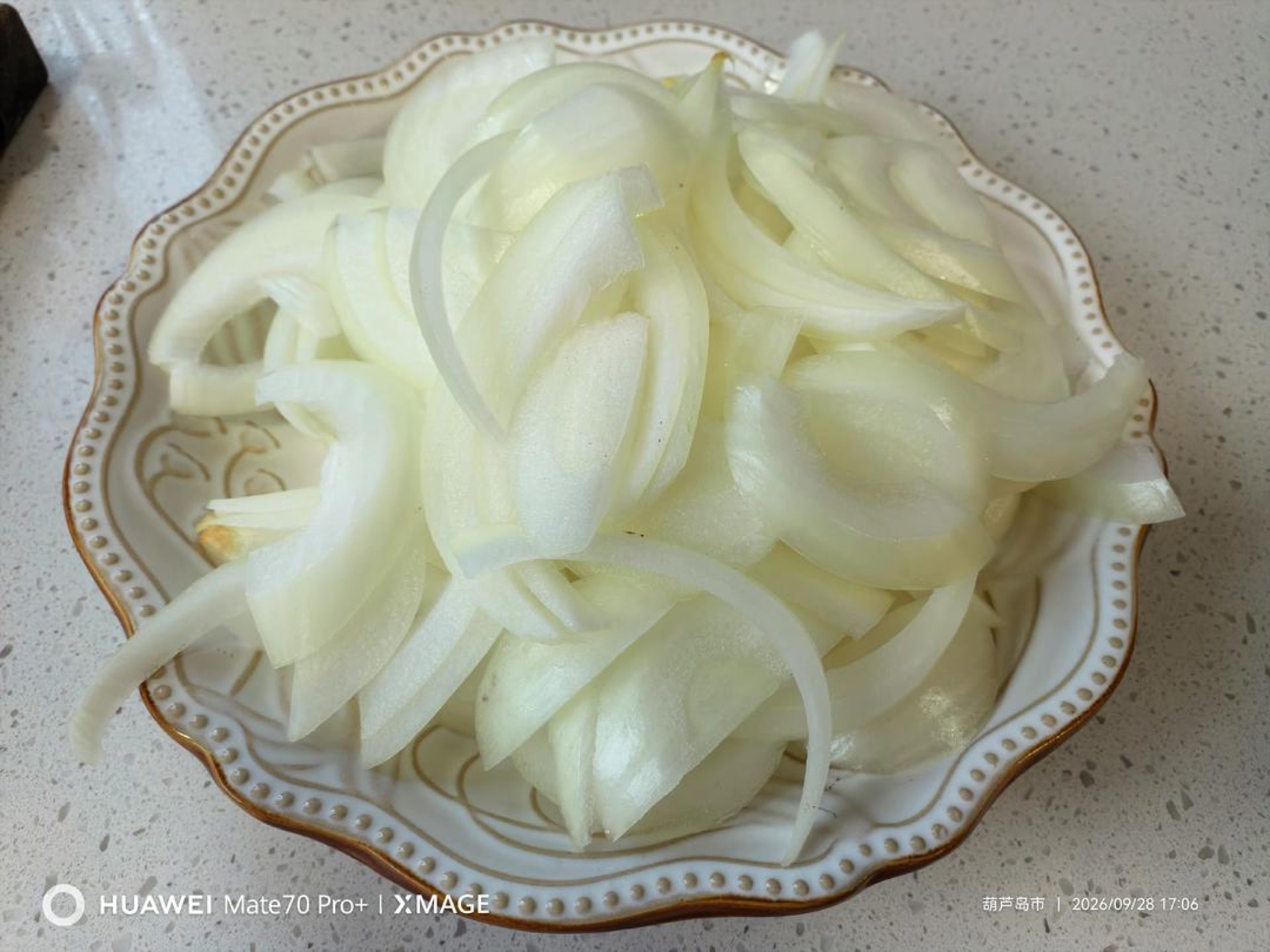
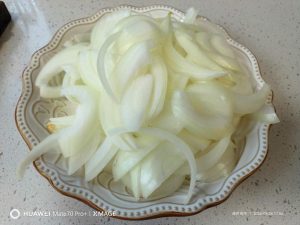
Step 1 — Slice the Onion
Slice the onion into thin strips.
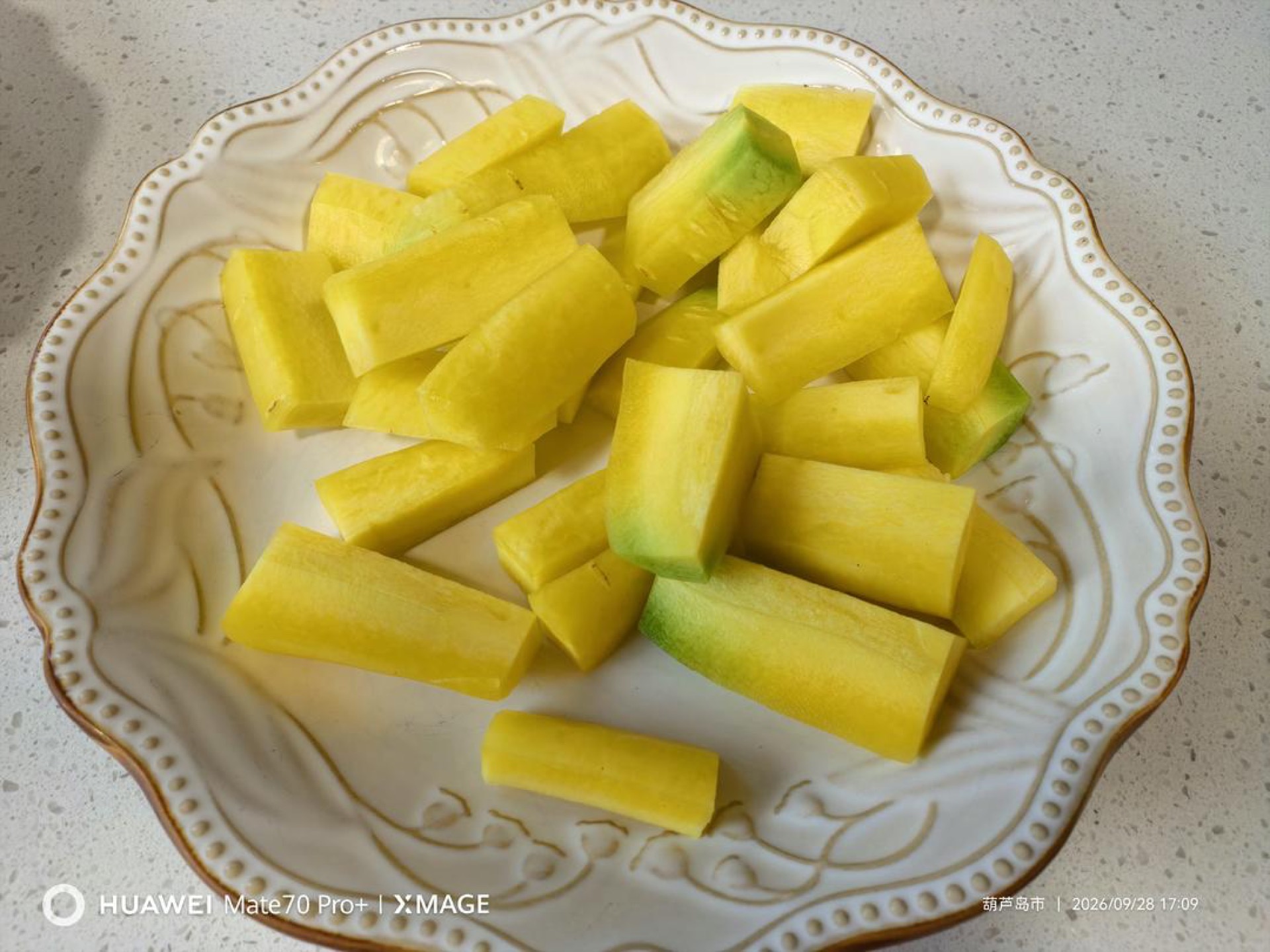
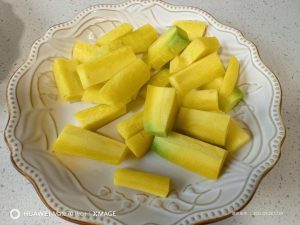
Step 2 — Cut the Carrots
Cut the carrots into thick strips. Two carrots work even better, but one is fine if you prefer a milder carrot flavor.
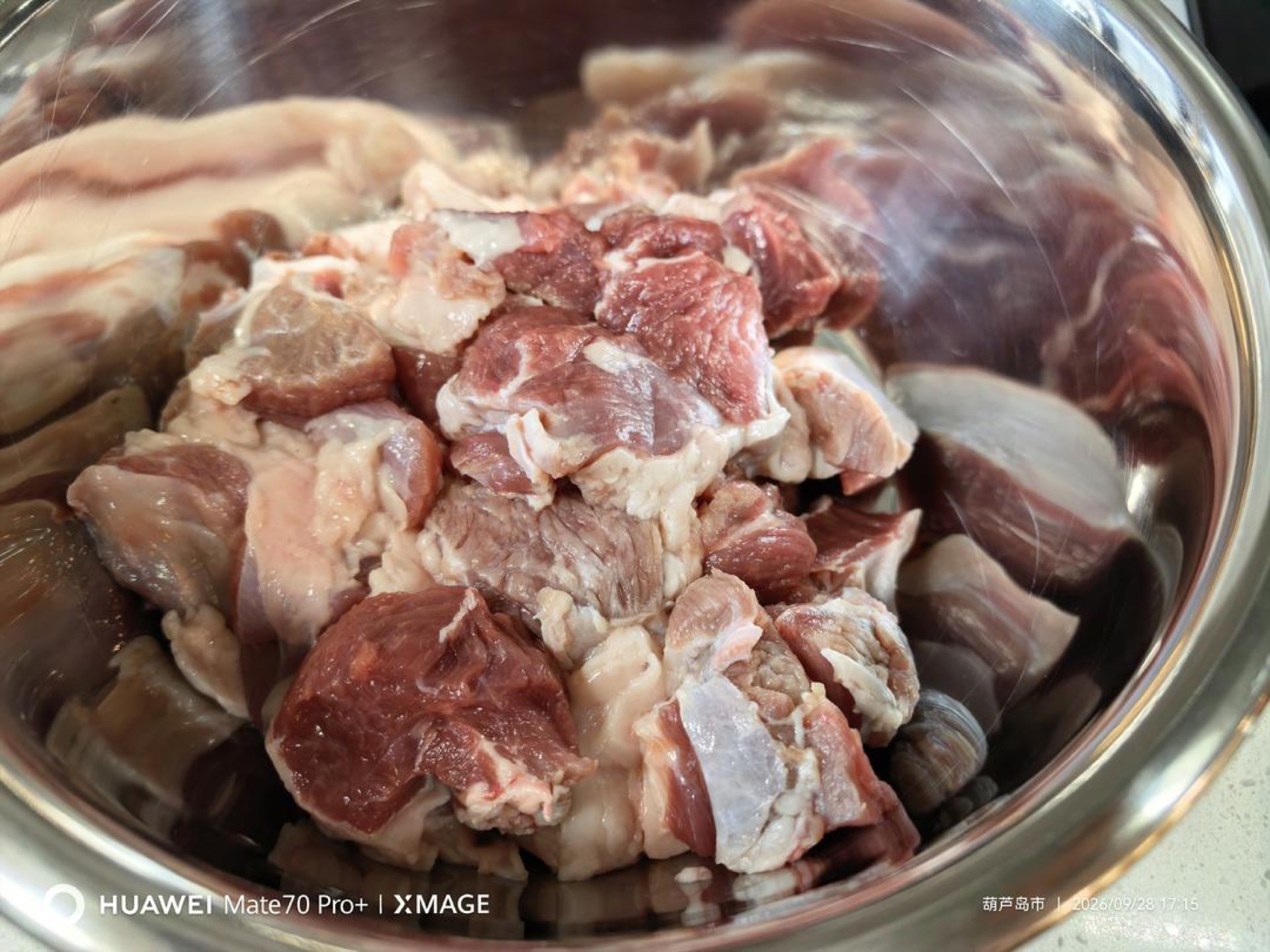
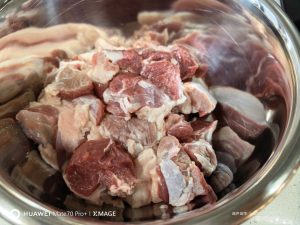
Step 3 — Prepare the Lamb
Rinse the lamb and pat it dry, then cut it into bite-sized cubes.
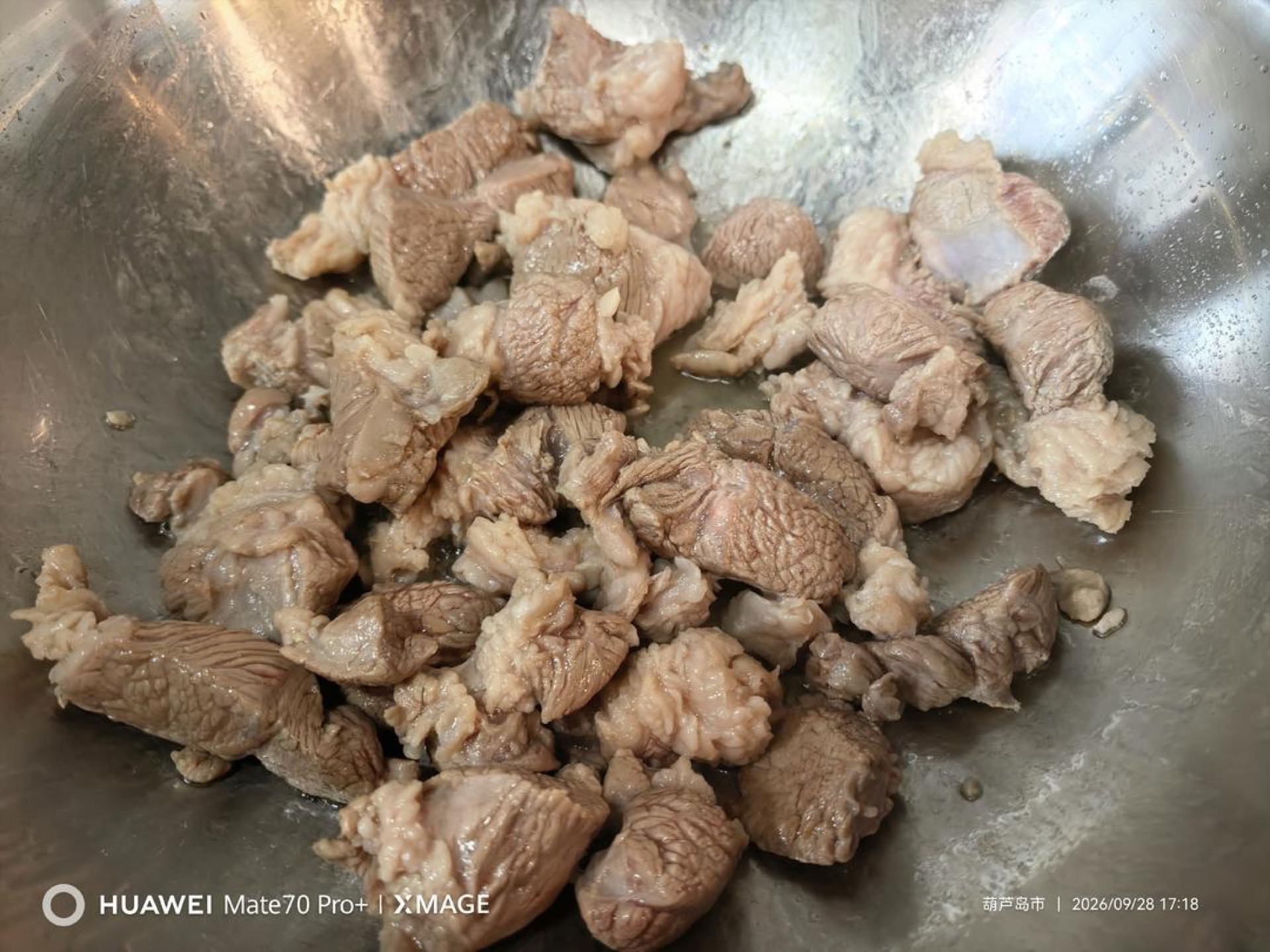
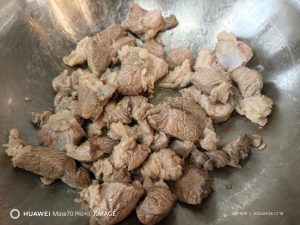
Step 4 — Sear the Lamb
Sear the lamb in the wok until the meat tightens and browns.
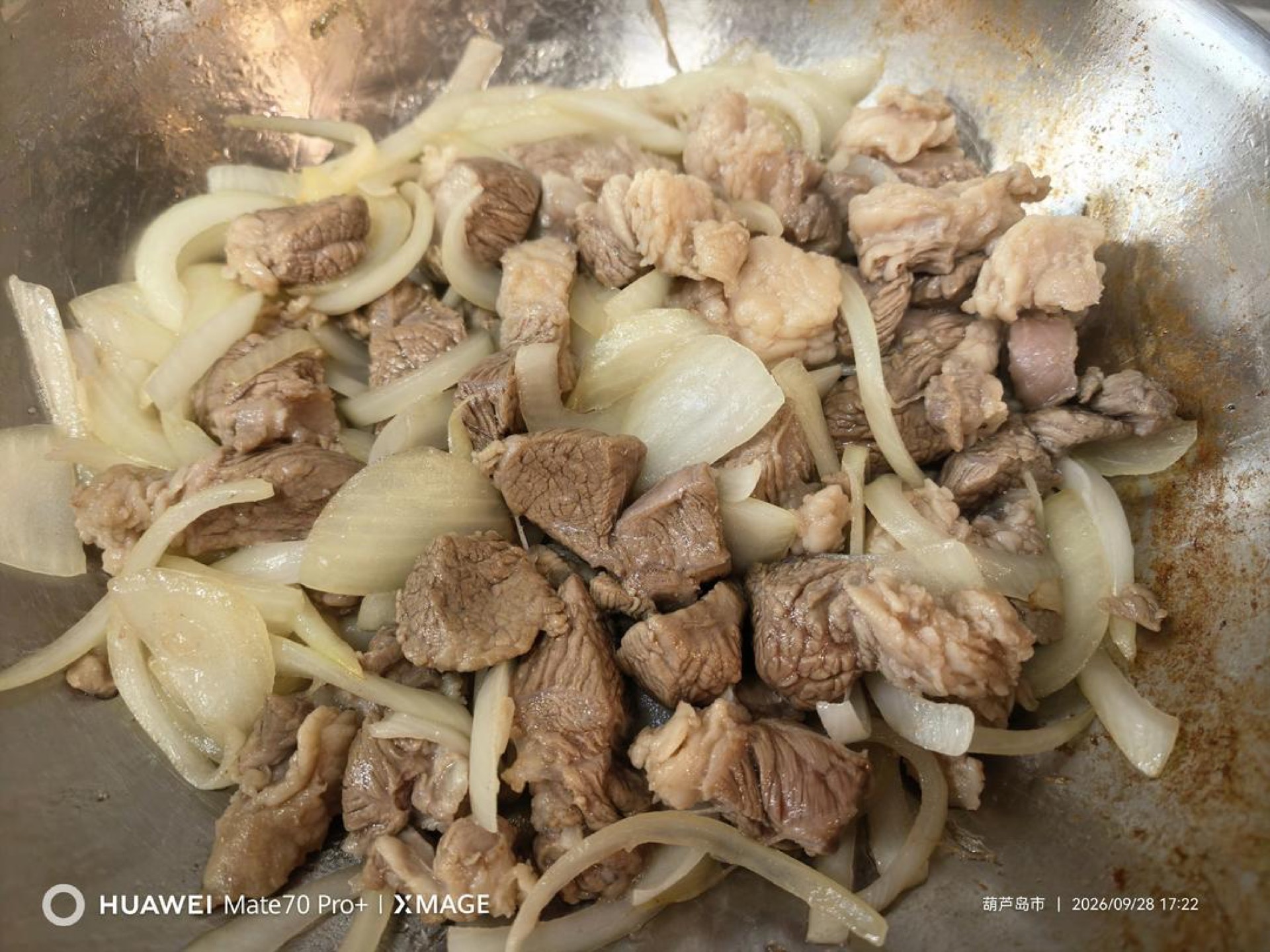
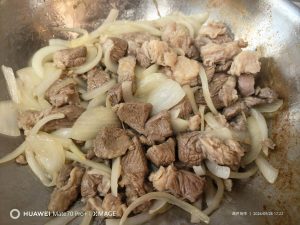
Step 5 — Add the Onion
Add the onion and stir-fry until it softens and turns translucent.
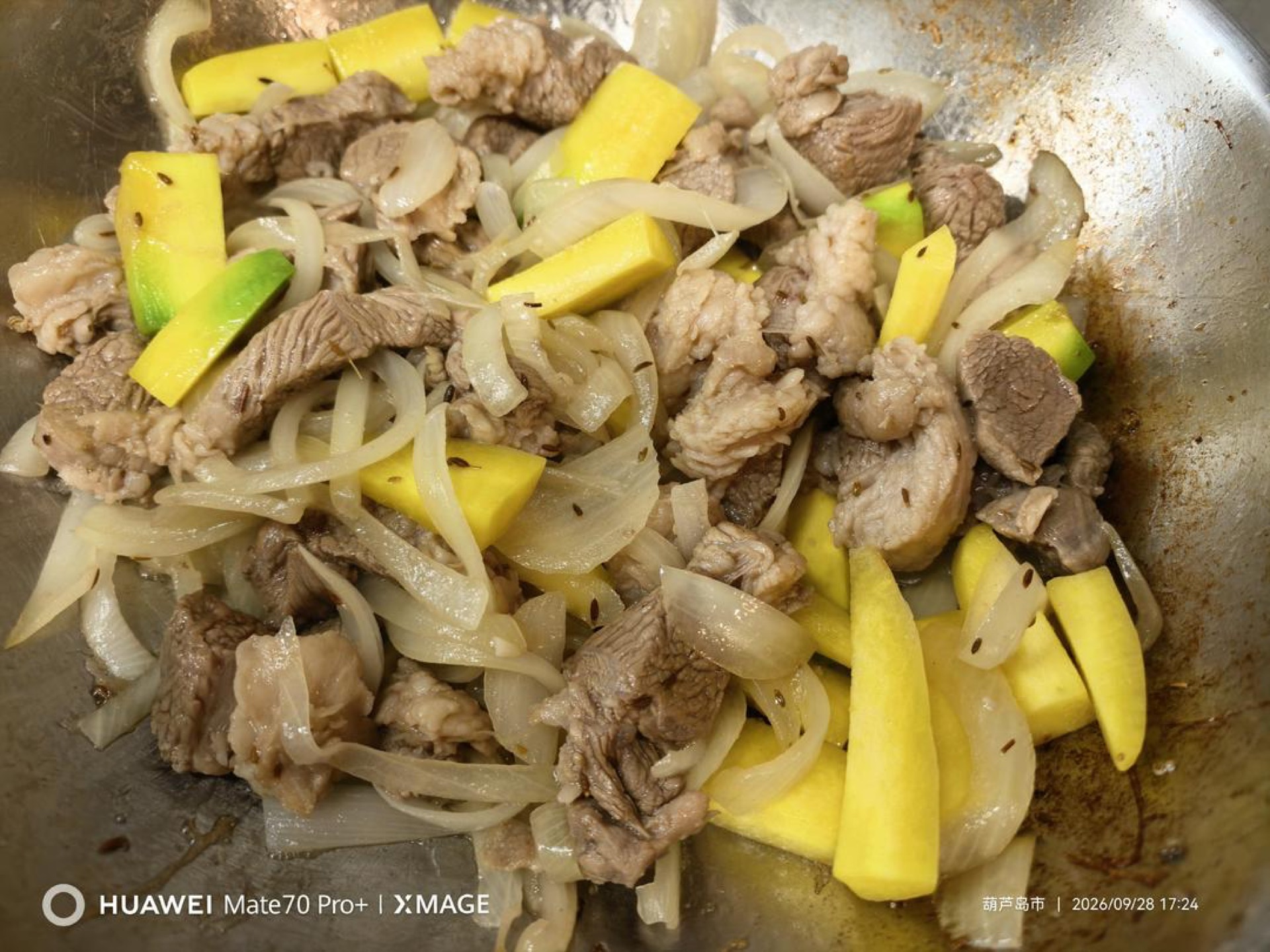
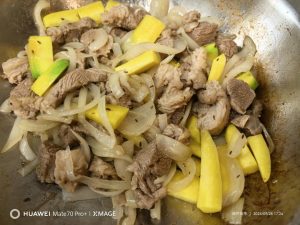
Step 6 — Add Carrots and Cumin
Add the carrots and cumin, and stir-fry until fragrant.
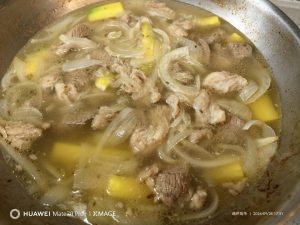
Step 7 — Add Water
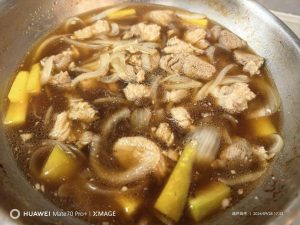
Add about 1 liter of water and skim off the excess oil.
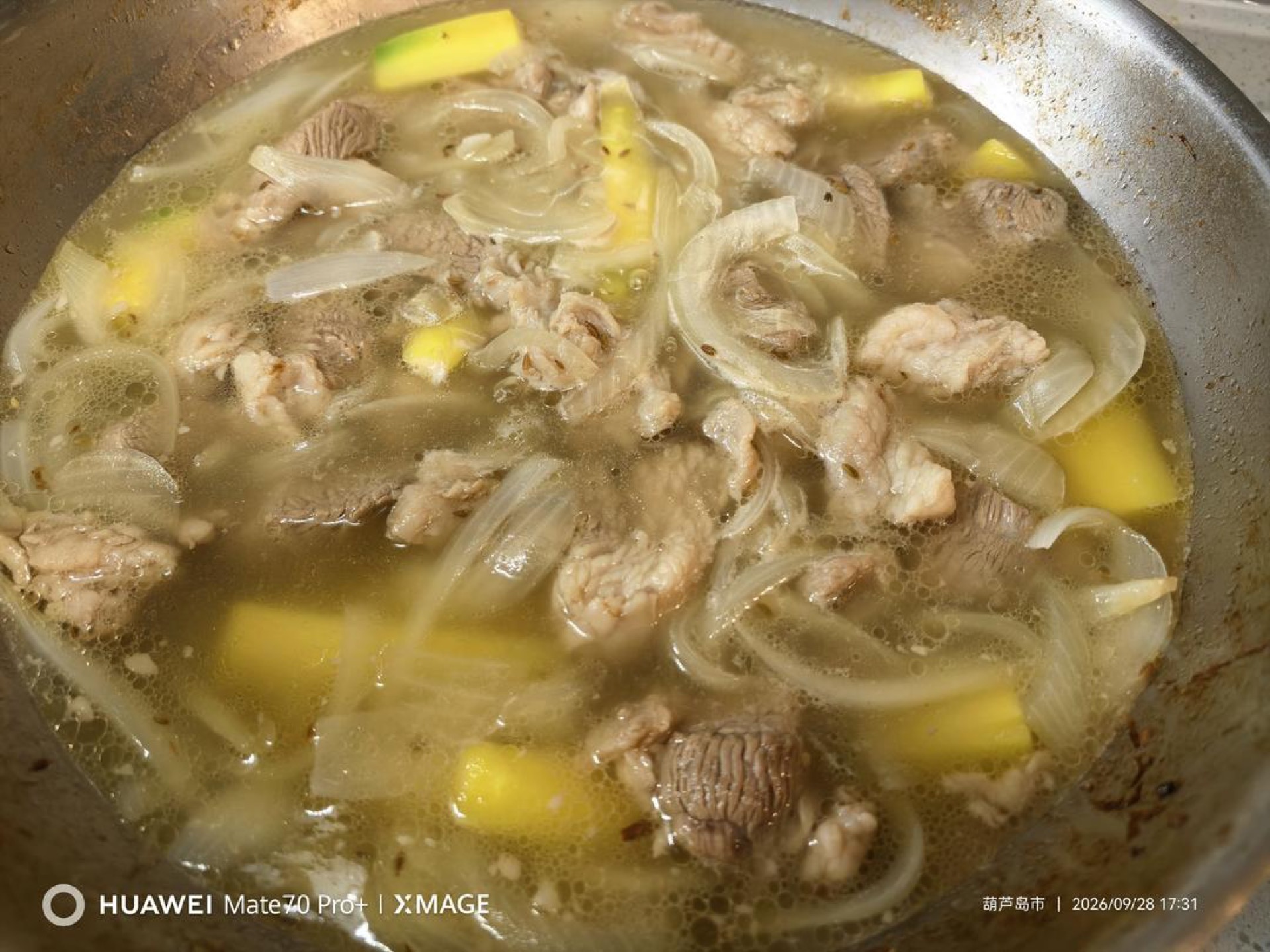
Step 8 — Season and Simmer
Add the soy sauce, vinegar, and sugar, then season with salt until it tastes lightly seasoned. Simmer for one hour.
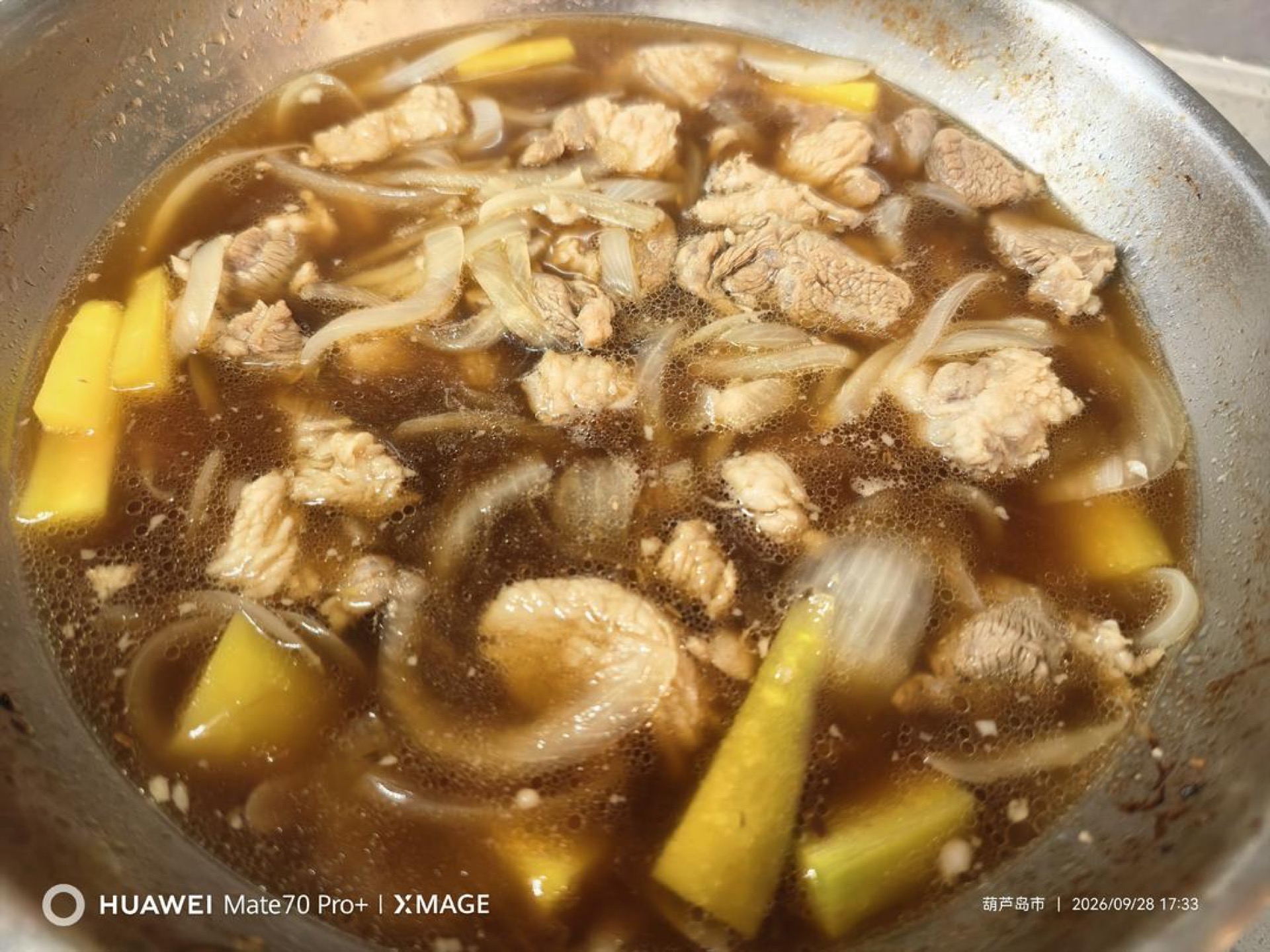
Step 9 — Soak the Rice
Rinse the rice and let it soak.
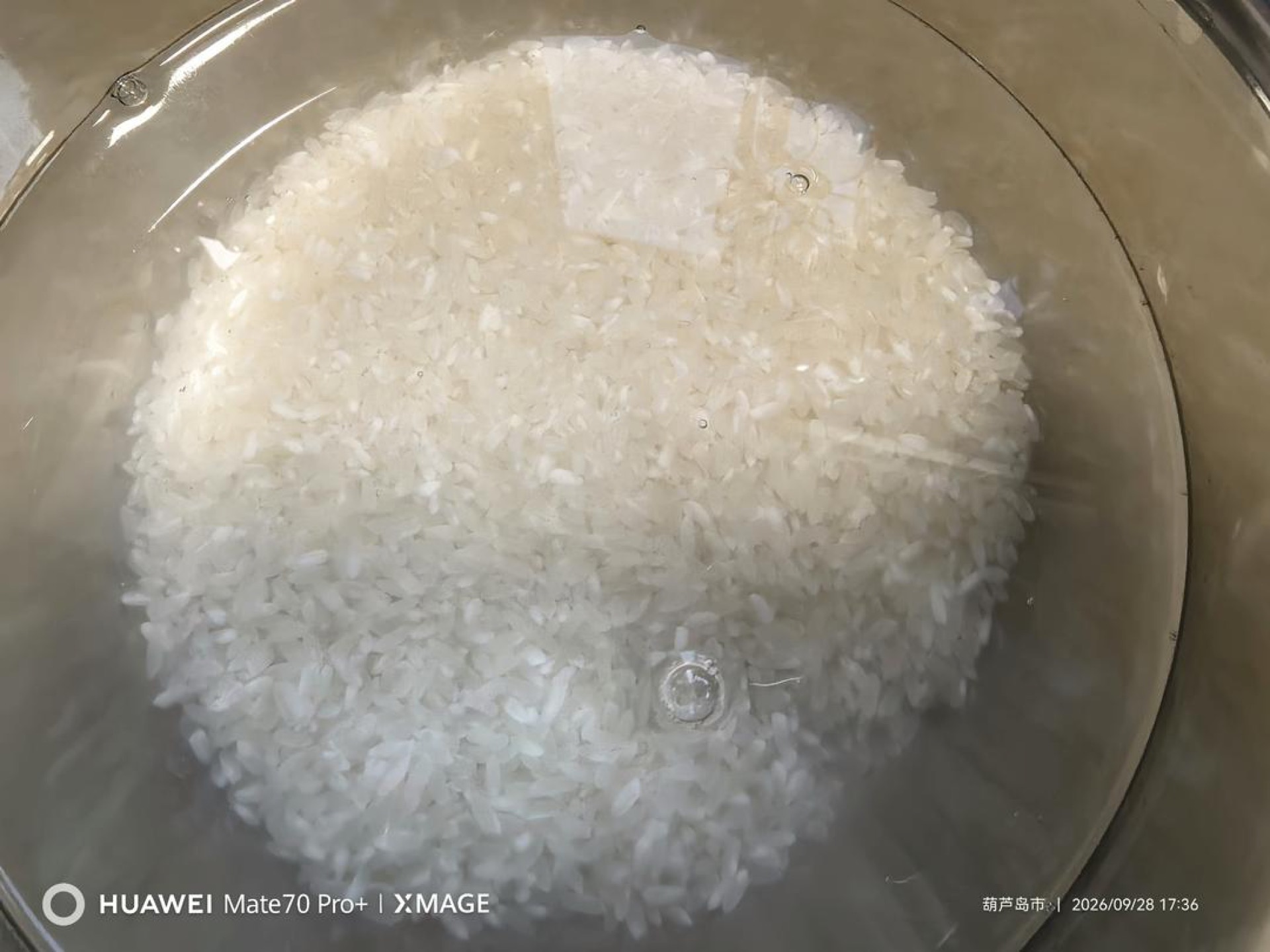
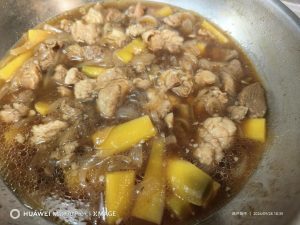
Step 10 — Adjust the Liquid
Leave just enough water to cook the rice. If there is too much, keep simmering; if too little, add more. Adjust the cooking time to your taste.
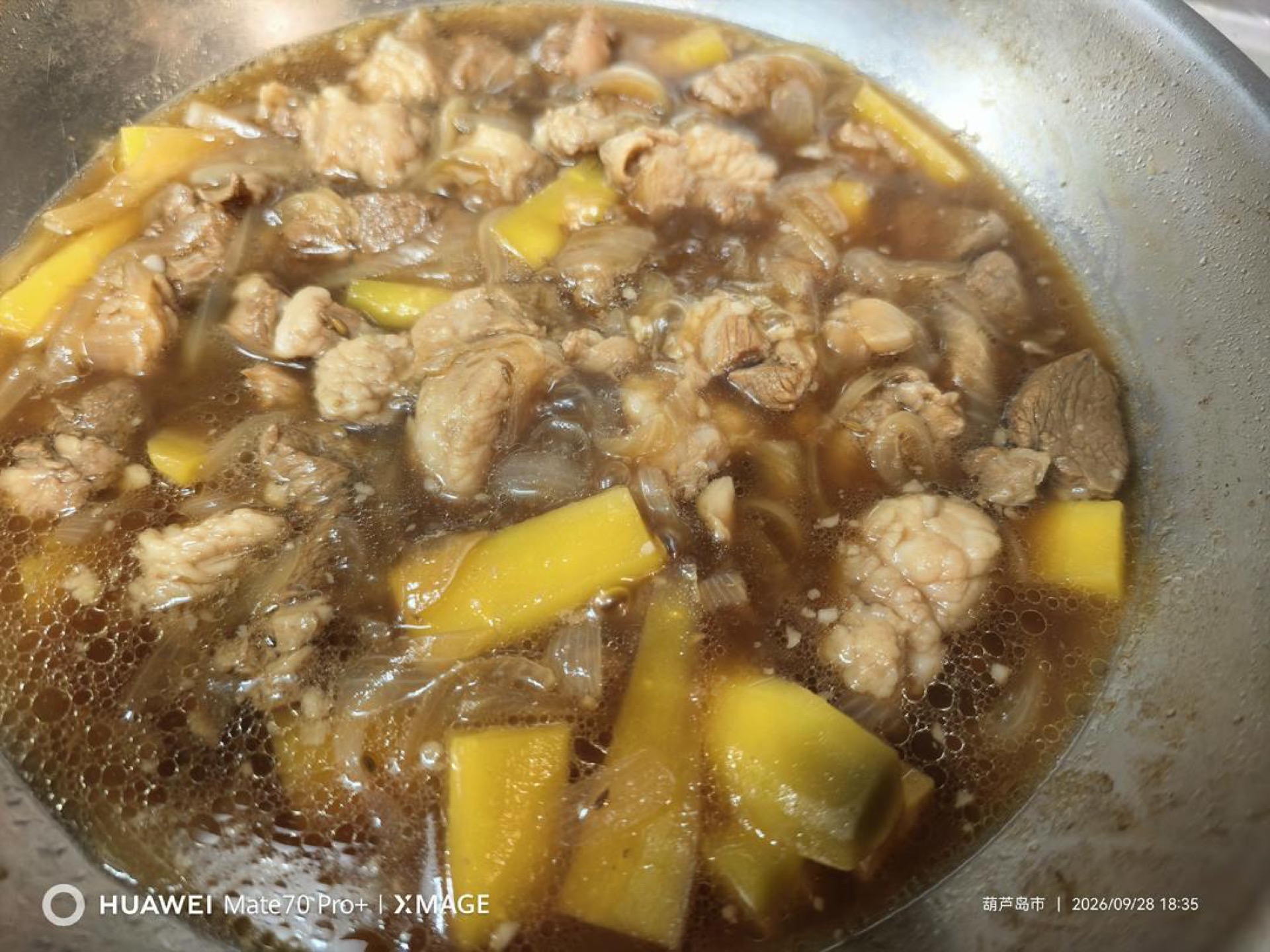
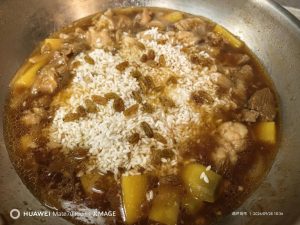
Step 11 — Add Rice and Raisins
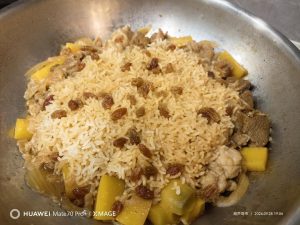
Add the drained rice and raisins.
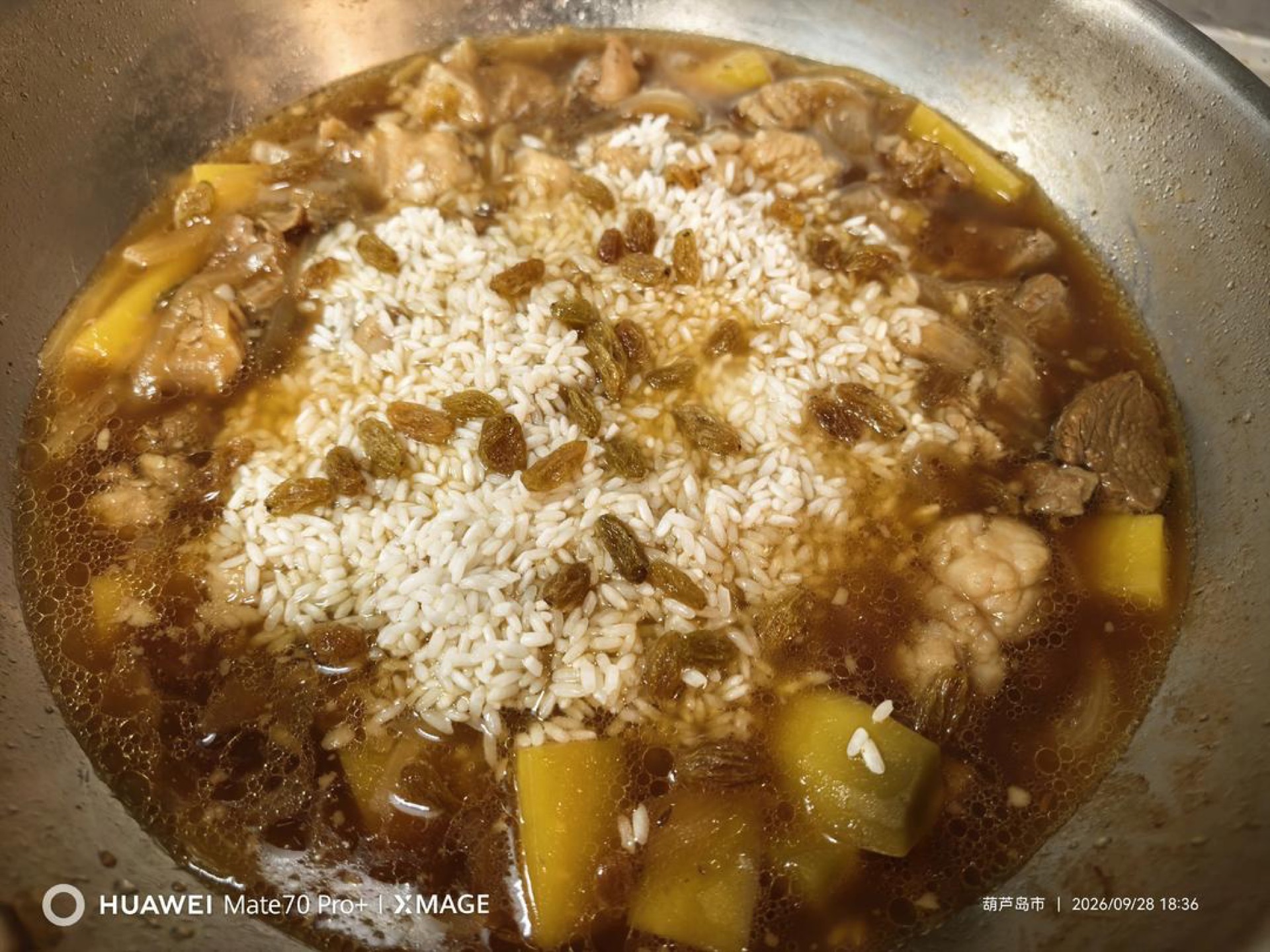
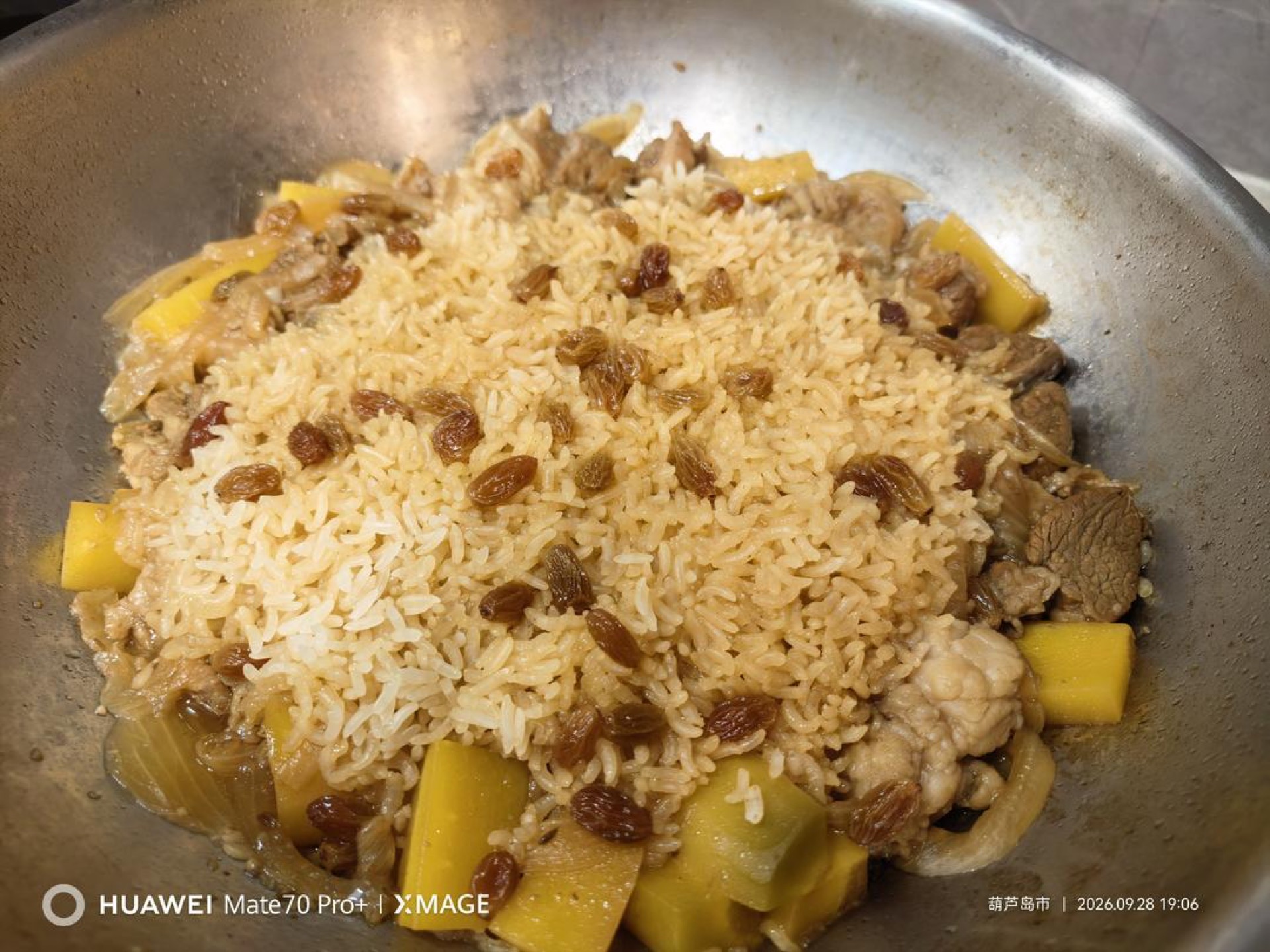
Step 12 — Finish Cooking
Cook for another half hour, then fluff and serve.
Common Mistakes When Making Xinjiang Lamb Pilaf
1. Not soaking the rice. If you skip soaking, the rice may cook unevenly and turn out sticky. Soak it for at least 8 hours so the grains absorb water and cook evenly.
2. Crowding the pan when searing the lamb. If the lamb is crowded, it steams instead of browning. Sear it in batches if needed, and give each piece space to develop a golden crust.
3. Adding too much water. The rice needs just enough liquid to cook. If the broth is too watery, keep simmering to reduce it before adding the rice, or the finished dish will be mushy.
4. Not tasting the broth. The broth is the flavor base for the rice, so taste it before adding the rice. Adjust the salt and seasoning now, because it is harder to fix later.
5. Skipping the rest at the end. After the rice is cooked, let it rest covered for a few minutes. This allows the steam to finish cooking the grains and makes the pilaf fluffy.
6. Using the wrong rice. Short-grain or sticky rice will make the dish gluey. Choose jasmine or another medium-grain rice for the best texture.
Variations
There are many ways to adapt this dish to your taste. Some cooks add a second carrot for extra sweetness, while others add a handful of raisins or dried apricots for a fruity note. If you like a bit of heat, add a pinch of chili flakes with the cumin.
For a richer flavor, you can use lamb shoulder instead of leg, though it may need a little more simmering time to become tender. Some versions add a spoonful of Chinese sesame paste to the broth for a nutty depth, though this is not traditional. If you want to try a different protein, beef chuck works well as a substitute, though the flavor will be less distinctive.
For a vegetarian version, you could substitute mushrooms and tofu for the lamb, but the cooking time and liquid amounts will need adjustment. The dish is flexible, so feel free to make it your own.
Frequently Asked Questions
Can I make this dish ahead of time? Yes. Xinjiang lamb pilaf reheats well. Store it in an airtight container in the refrigerator for up to 3 to 4 days, and reheat it gently on the stovetop or in the microwave with a splash of water.
What if I don’t have cumin seeds? Ground cumin works fine. Use about half the amount, since ground cumin is more concentrated. Add it with the carrots as directed.
Can I use a rice cooker? You can, but the stovetop method gives you more control over the liquid and the browning of the lamb. If you use a rice cooker, cook the lamb and vegetables first, then transfer everything to the rice cooker with the rice and water.
How do I know when the rice is done? The rice should be tender and the liquid absorbed. If there is still liquid in the pot, cook a few minutes longer with the lid off. If the rice is dry, add a splash of water and steam it a little longer.
Is this dish spicy? No, it is not spicy. The cumin adds warmth and aroma, but there is no chili heat unless you add it yourself.
How to Serve
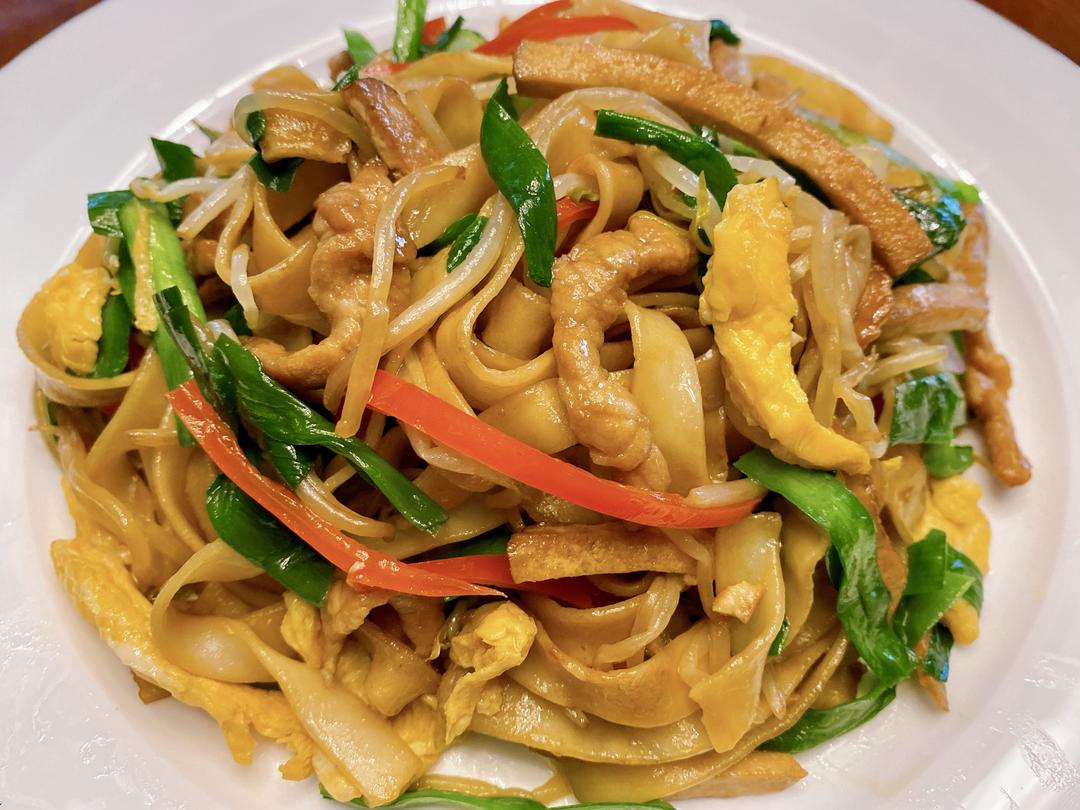
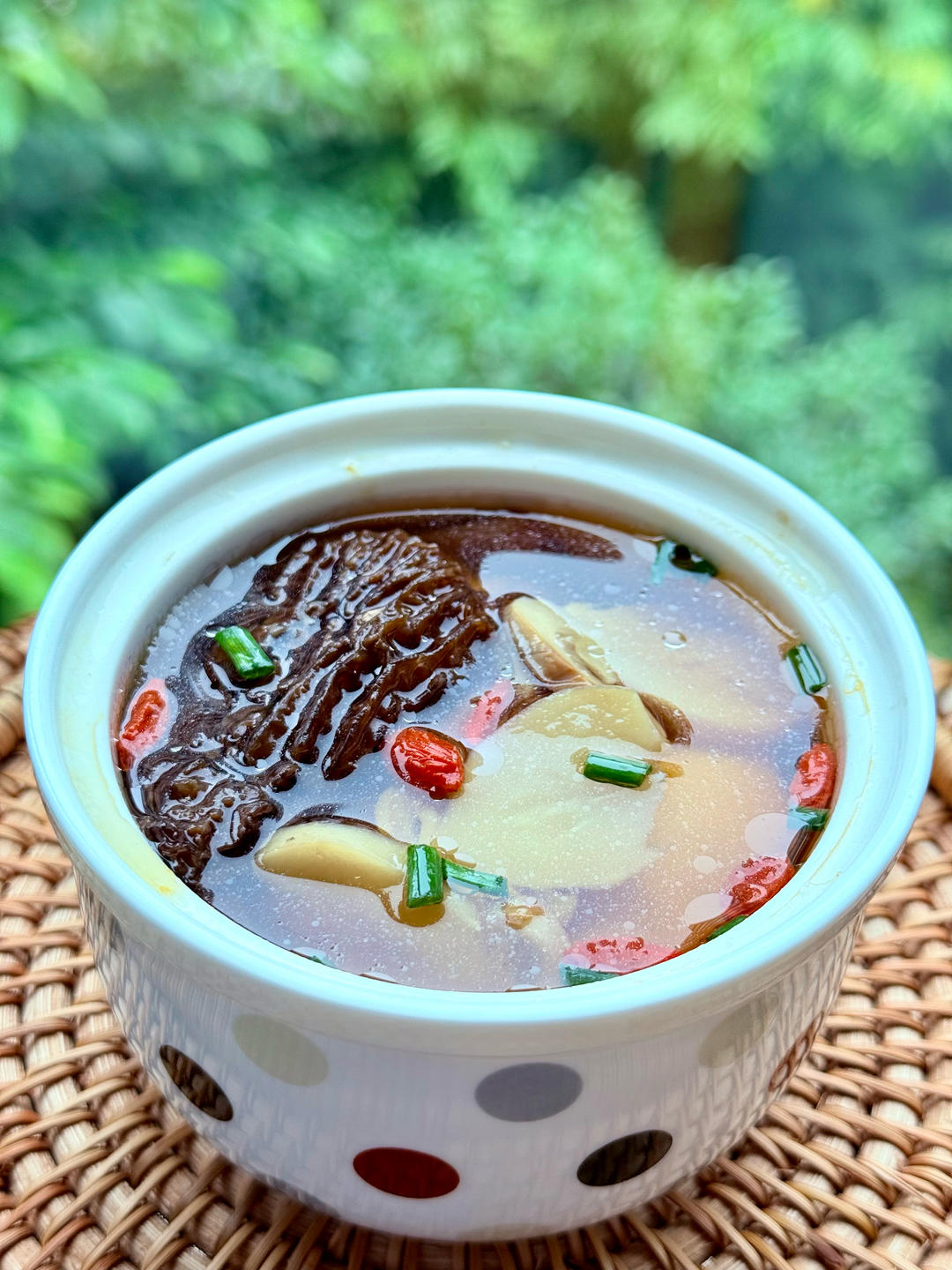
Xinjiang lamb pilaf is a complete meal on its own, but it also pairs well with simple sides. A fresh cucumber and tomato salad adds a cool contrast to the rich, savory rice. If you want to round out the meal with another dish, our chow mein makes a satisfying companion, and our Nanchang clay pot soup with minced pork and egg brings a comforting, savory broth to the table.
For a lighter option, serve the pilaf with a simple stir-fried green vegetable or a bowl of pickled cucumbers. A spoonful of yogurt on the side is also traditional in some regions and adds a tangy contrast.
Storage & Reheat
Store leftover Xinjiang lamb pilaf in an airtight container in the refrigerator for up to 3 to 4 days. To reheat, add a splash of water to the rice and warm it gently on the stovetop or in the microwave. The rice may dry out slightly as it sits, so the water helps restore its texture.
You can also freeze the pilaf for up to 2 months. Thaw it in the refrigerator overnight before reheating. For best results, reheat only what you plan to eat, as repeated reheating can dry out the rice.
Allergen Notice
This recipe contains soy, as it uses soy sauce. If you need to avoid soy, use a soy-free alternative such as coconut aminos. Depending on the soy sauce you use, the dish may also contain gluten. Always check the labels of your ingredients if you have allergies or dietary restrictions.
Nutrition Disclaimer
Nutrition information is calculated using an ingredient database and should be considered an estimate. In cases where multiple ingredient alternatives are given, the first listed is calculated for nutrition. Garnishes and optional ingredients are not included.
About the Author & Recipe Development
This recipe was developed by Lin, the author of Woks of Love, who grew up cooking Chinese food and now shares family recipes and techniques with home cooks around the world. Xinjiang lamb pilaf is a dish Lin loves for its simplicity and deep flavor, and this version is adapted from a traditional home-style recipe. Every recipe on the site is tested in a home kitchen to make sure it works for real cooks.
If you are interested in learning more about Chinese cooking techniques, our guide on how to slice meat for stir fry across the grain is a helpful resource, and our recipe for golden egg fried rice with lettuce and shiitake is another great way to practice your rice-cooking skills.
Authoritative References
For safe handling and cooking temperatures for lamb, see the USDA safe temperature chart. For general food safety guidance, refer to the FDA Food Code.
Xinjiang Lamb Pilaf (羊肉抓饭): Fragrant Rice with Tender Lamb

Equipment
- Wok
- Cutting Board
- Slotted Spoon
Ingredients
For the Lamb Base
- 1 lb lamb leg cut into 1-inch cubes
- 1 whole onion sliced thin
- 1 whole carrot cut into thick strips
- 1 tsp cumin seeds ground or whole
For the Rice
- 160 ml jasmine rice rinsed and soaked
- 1 tbsp soy sauce light soy
- 2 tsp vinegar rice vinegar
- 1 tsp sugar granulated
- 1 tsp salt to taste
- 2 tbsp raisins optional
- 1 cup water for cooking
Instructions
- Slice the onion into thin strips.

- Cut the carrots into thick strips. Two carrots work even better, but one is fine if you prefer a milder carrot flavor.
- Rinse the lamb and pat it dry, then cut it into bite-sized cubes.
- Sear the lamb in the wok until the meat tightens and browns.
- Add the onion and stir-fry until it softens and turns translucent.
- Add the carrots and cumin, and stir-fry until fragrant.
- Add about 1 liter of water and skim off the excess oil.
- Add the soy sauce, vinegar, and sugar, then season with salt until it tastes lightly seasoned. Simmer for one hour.
- Rinse the rice and let it soak.
- Leave just enough water to cook the rice. If there is too much, keep simmering; if too little, add more. Adjust the cooking time to your taste.
- Add the drained rice and raisins.
- Cook for another half hour, then fluff and serve.












Leave a Reply