From the sizzling street stalls of Xinjiang to the curry houses of Mumbai and the family kitchens of Mexico, cumin seeds are a global culinary superstar. While often associated with heavy spice blends, in Chinese cuisine—specifically the fragrant dishes of the Northwest—Cumin Seeds (孜然, Zīrán) stand alone as a defining flavor that transforms simple grilled meats into addictive masterpieces.

What Are Cumin Seeds?
Botanical Origins & History Cumin (Cuminum cyminum) is a flowering plant in the family Apiaceae, making it a botanical cousin to parsley, carrots, and celery. Native to the Irano-Turanian region, cumin has been cultivated for millennia. Evidence of its use dates back to ancient Egypt (where it was used in mummification) and the Roman Empire.
In China, cumin is not a native crop. It arrived via the ancient Silk Road, carried by traders from Persia and Central Asia. This history is preserved in its Chinese name, “Zīrán” (孜然), which is phonetically derived from the Persian word “Zireh.” Because of this route, cumin became deeply rooted in the cuisine of Xinjiang and the Muslim Chinese (Hui) communities of Northern China long before it reached the southern coastal provinces.
Appearance Whole cumin seeds are boat-shaped, ridged, and typically brownish-gray or yellow-brown in color. To the untrained eye, they look remarkably similar to Caraway Seeds or Fennel Seeds, but a quick sniff reveals a world of difference.
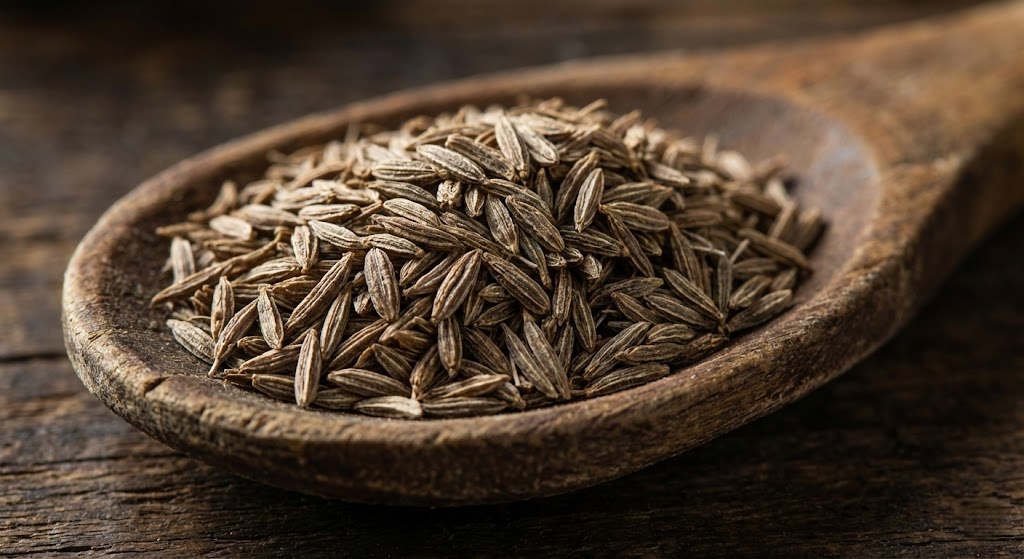
Flavor Profile
Cumin is distinctive for its strong, pungent, and warm profile. It possesses a nutty, earthy depth with a slight bitterness that mellows upon cooking. Unlike fennel (which tastes of licorice/anise) or coriander (which is citrusy and floral), cumin provides a bass note—a heavy, savory foundation that anchors a dish.
- Aroma: Musky, penetrating, and slightly peppery.
- Taste: Bitter-sweet warmth, earthy, and intense.
Culinary Uses in Chinese Cooking
While Westerners might associate cumin primarily with taco seasoning or curry powder, in China, it is the king of the barbecue.
1. The Soul of Xinjiang Cuisine
The most iconic use of cumin in China is in Yangrou Chuan (lamb skewers). Street vendors in Beijing, Xi’an, and Urumqi coat fatty lamb chunks in a mixture of ground cumin, chili flakes, and salt. The cumin cuts through the richness of the lamb, removing any gamey odor while complementing the char from the charcoal grill.
If you are craving that authentic street food flavor at home, try our Roasted Cumin Lamb Chops, which recreates that smoky, savory magic in your oven.
2. Stir-Fries and “Dry Pot” Dishes
Cumin isn’t just for grilling. It is frequently used in “dry-frying” (gan bian) techniques where meat is fried until crispy and then tossed with spices.
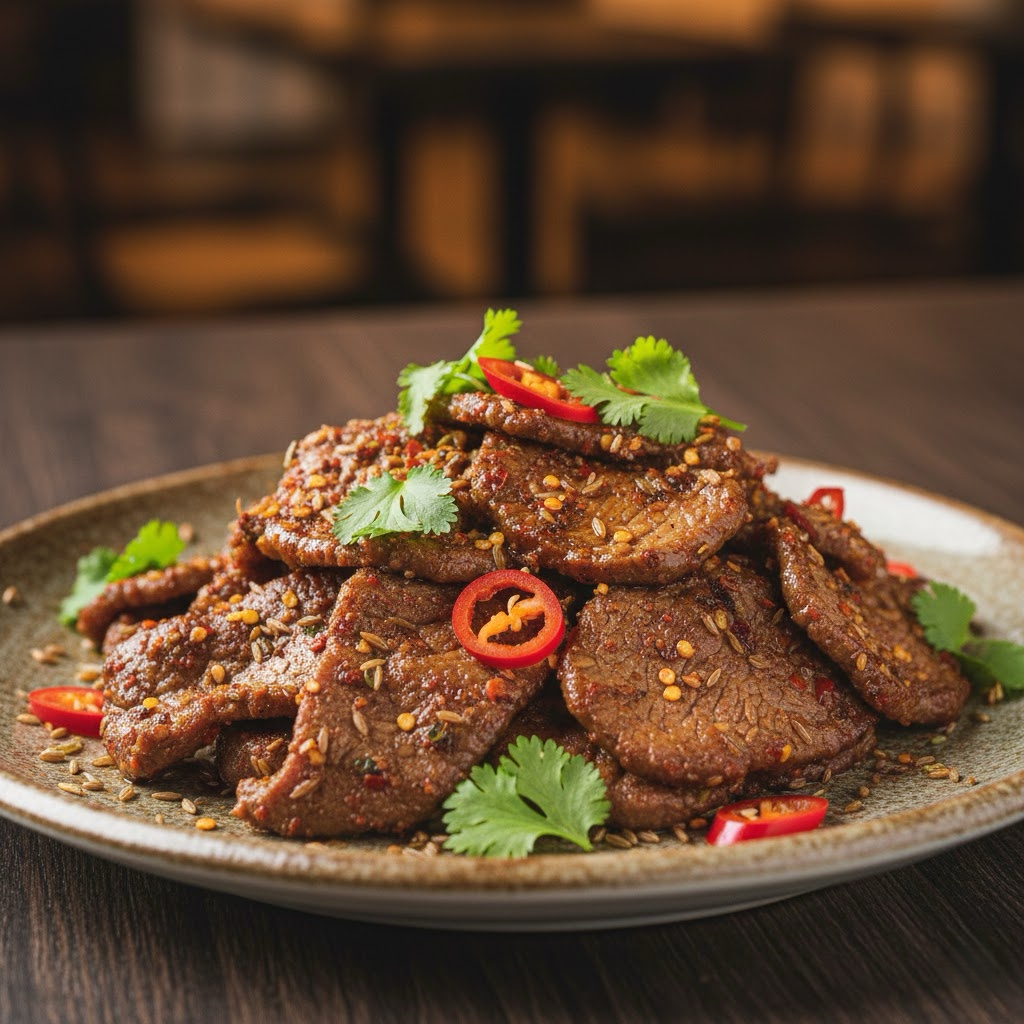
- Cumin Lamb: Thinly sliced lamb is stir-fried quickly with whole and ground cumin, coriander, and chili. For a restaurant-quality version, check out our Cumin Lamb recipe.
- Cumin Chicken: The flavor works equally well with poultry. Our Pan-Fried Cumin Chicken Strips are a lighter, weeknight-friendly alternative.
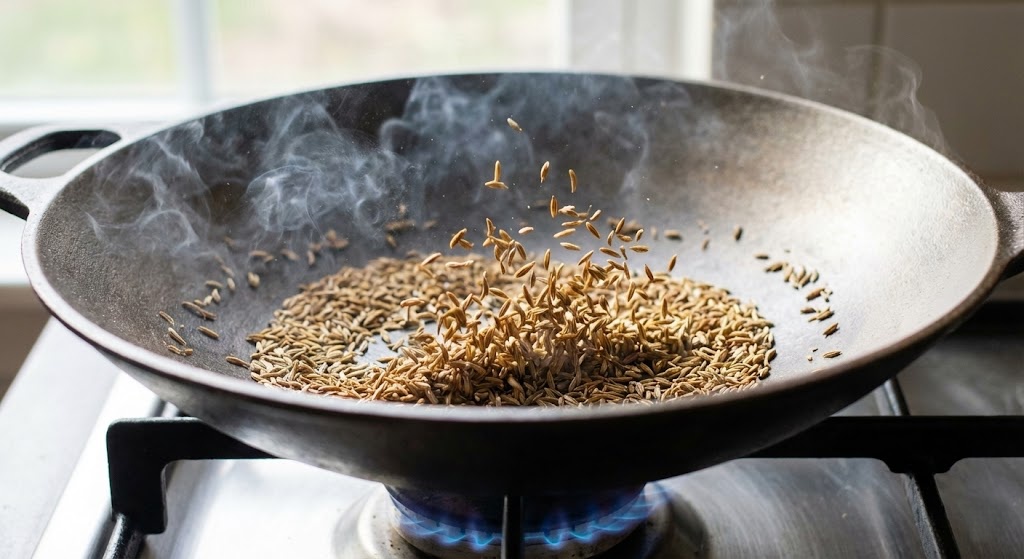
3. Spice Blends and Sauces
Cumin rarely works alone. In Chinese “Shao Kao” (barbecue) mixes, it is often blended with:
- Sichuan Peppercorn Powder for a numbing kick.
- Dried Chili Peppers for heat.
- Garlic for pungency.
For a unique texture contrast, you might even find it seasoning crunchy bits in dishes like Cumin Spicy Chicken Cartilage, a popular drinking snack.
Buying and Storing Guide
Whole vs. Ground Always buy whole cumin seeds if possible. Ground cumin (cumin powder) loses its volatile oils—and thus its flavor—very quickly after grinding.
- To Test Quality: Crush a few seeds between your fingers. They should release an immediate, potent fragrance. If they smell faint or dusty, they are too old.
Storage Store whole seeds in an airtight glass jar in a cool, dark place. They will stay fresh for up to a year. Ground cumin should be used within 3-6 months.
Substitutes
If you run out of cumin, these alternatives can work in a pinch, though the flavor profile will shift:
- Caraway Seeds: The closest relative in appearance, but they have stronger anise notes. Use half the amount.
- Ground Coriander: Adds a similar earthy citrus note but lacks cumin’s heat.
- Garam Masala: Since this blend contains cumin, it can work for curries, though it adds other flavors like cinnamon and cloves.
Health Benefits (Traditional & Modern)
In traditional medicine, cumin has long been valued as a digestive aid.
- Digestion: Cumin stimulates the production of pancreatic enzymes, which may help improve digestion and nutrient absorption.
- Iron: The seeds are a naturally rich source of iron.
- Antioxidants: Like many spices, cumin is packed with plant compounds like terpenes and phenols that function as antioxidants.
Our Favorite Recipes Using Cumin
- Cumin Lamb (Ziran Yangrou)
- Roasted Cumin Lamb Chops
- Pan-Fried Cumin Chicken Strips
- Garlic Cumin Chicken
- Cumin Spicy Chicken Cartilage
- Hand-Torn Cabbage (Often seasoned with vinegar and spices that pair well with cumin dishes)
- Xinjiang Cumin Lamb Skewers (Use this technique with lamb!)
Authoritative References
- Botany & Taxonomy: Cuminum cyminum classification and morphology. Britannica
- Health Benefits: Research on cumin’s effect on digestion and metabolic profiles. National Institutes of Health (PMC)
- Nutritional Data: USDA FoodData Central entry for Cumin Seed. USDA.gov







Leave a Reply