If you have ever ordered takeout fried noodles, you might have noticed a thick pool of grease sitting at the bottom of the takeout container. While restaurant chow mein is undeniably delicious, it often comes packed with excessive fats and heavy carbs.

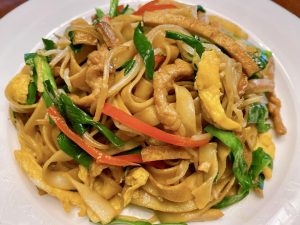
Today, I want to share my family’s everyday solution: a vibrant, homestyle Chinese fried noodle recipe that is colorful, aromatic, and perfectly balanced. By utilizing a good non-stick pan and smart prep techniques, we can create a satisfying meal loaded with lean protein, fresh vegetables, and fiber—without the heavy, greasy aftermath. It is the perfect 25-minute weeknight dinner that will leave you feeling energized rather than sluggish.
What Is Jia Chang Chao Mian?
“Jia Chang” (家常) translates to “homestyle,” and “Chao Mian” (炒面) means “fried noodles.” Unlike commercial versions that rely on deep-frying noodles or swimming in oil, the homestyle approach is all about achieving a balanced, nutritious meal using whatever fresh ingredients you have on hand. It typically combines a lean protein, eggs, and crisp vegetables tossed with chewy noodles in a savory, umami-rich sauce.
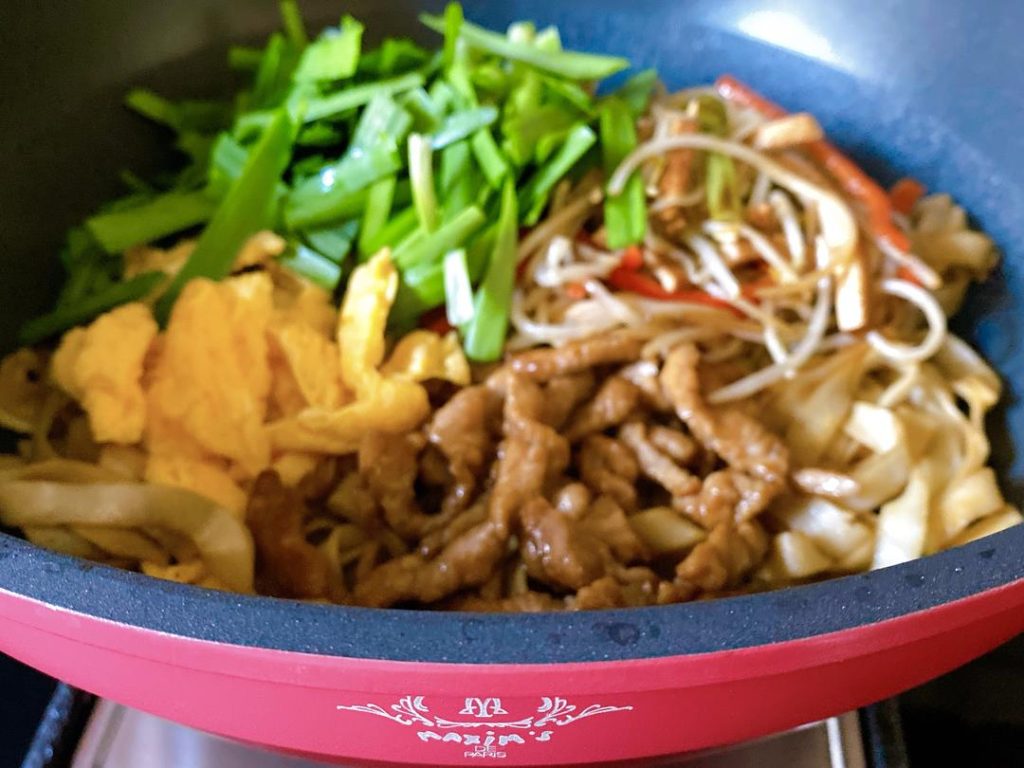
Explore More: If you love comforting noodle stir-fries, I highly recommend checking out my Pork and Assorted Vegetable Chow Mein. It is another fantastic variation that utilizes similar techniques with a slightly different flavor profile!
1Pork Chow Mein with Soft-Fried EggA restaurant-style Pork Chow Mein loaded with assorted vegetables and topped with a creamy, runny fried egg. The perfect satisfying noodle stir-fry for a quick dinner.Check out this recipe
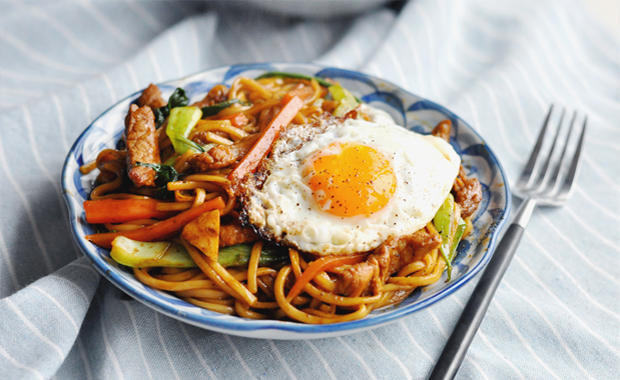
Ingredients
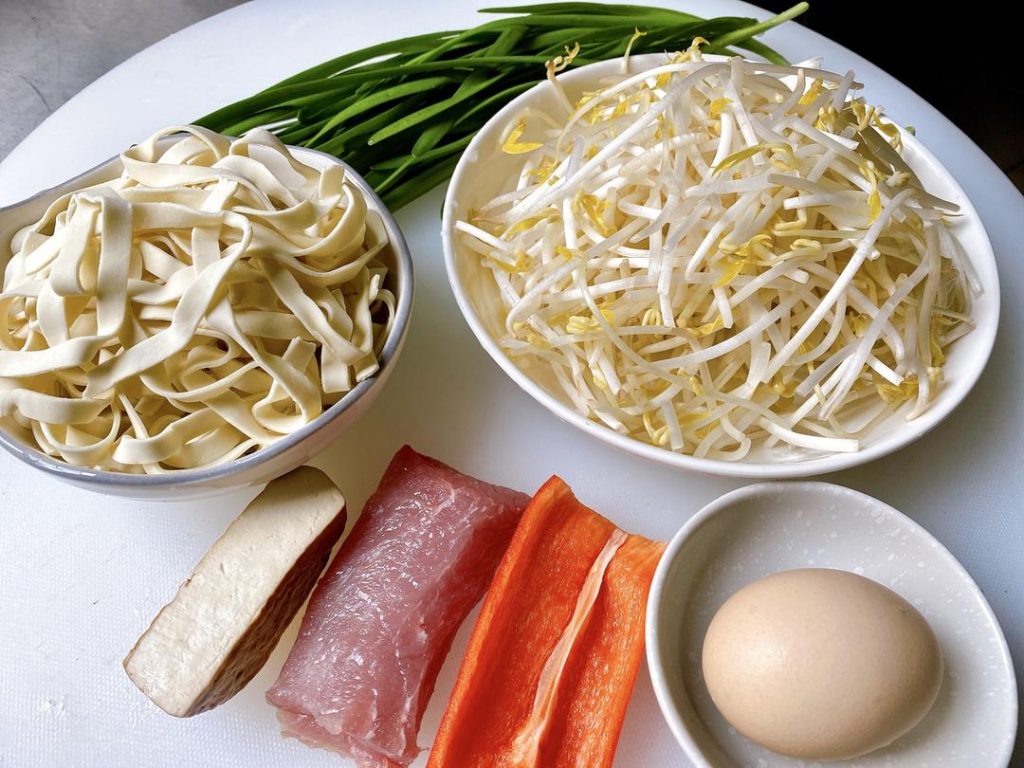
For the Noodles & Vegetables:
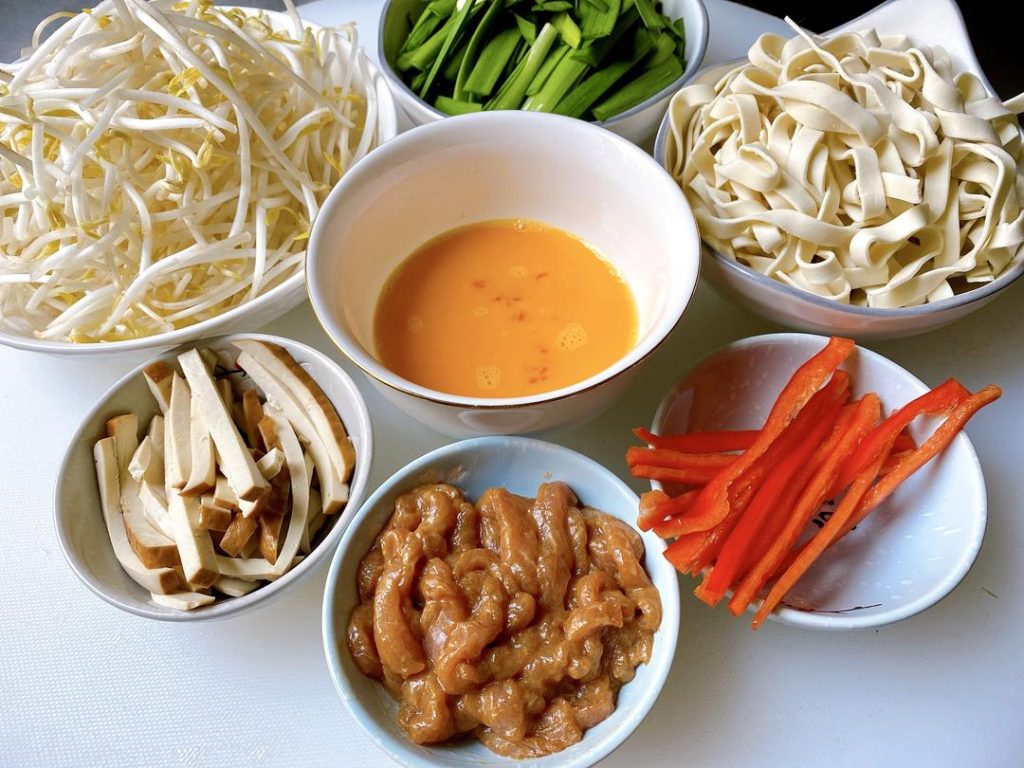
- Fresh wheat noodles: 150g (5.3 oz). Look for medium-thick fresh noodles in the refrigerated section of an Asian grocery store.
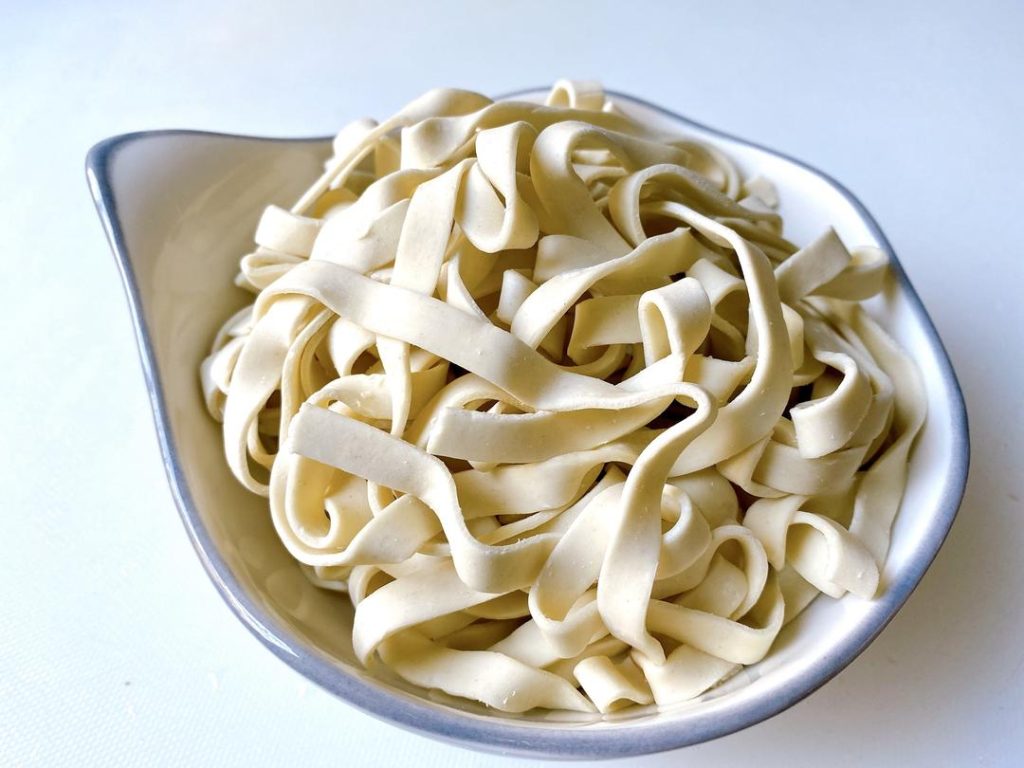
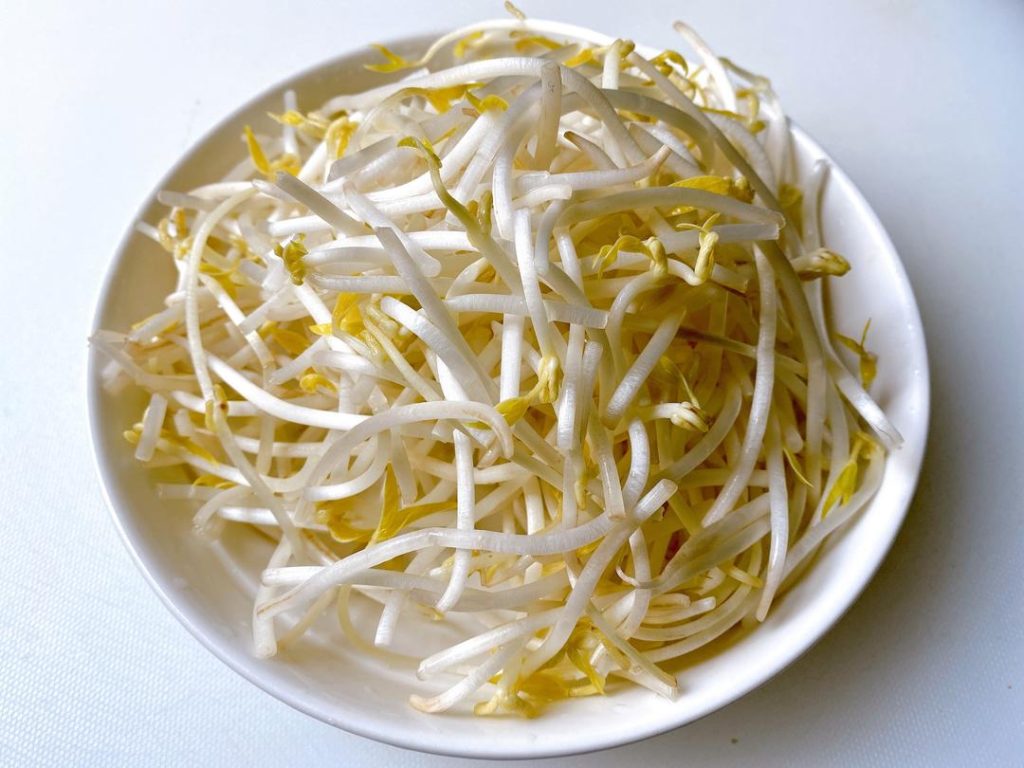
- Mung bean sprouts: 200g (7 oz). Wash them and pinch off the stringy roots for a cleaner mouthfeel. If you love fresh produce, check out my guide on How to Grow Mung Bean Sprouts at home.
- Firm tofu (or dried tofu/dougan): 40g (1.4 oz), sliced into thin strips.
- Red bell pepper: 20g (0.7 oz), julienned for a pop of color and sweetness.
- Egg: 1 large, beaten.
- Garlic chives (Jiu Cai): A small handful, cut into 2-inch segments (substitute with scallions if unavailable).
- Cooking oil: 1 tbsp (15ml) for tossing the noodles, plus extra for the stir-fry.
For the Pork & Marinade:
- Lean pork: 60g (2.1 oz), cut into thin slivers. For the best texture, read my tips on Pork Loin: How to Keep It Juicy in Stir-fries.
- Cornstarch: 1 tsp (5g).
- Oyster sauce: 1 tsp (5g).
- Light soy sauce: 1 tsp (5g).
- Shaoxing wine: 1 tsp (5g).
- Cooking oil: 1 tsp (5g).
For the Stir-fry Sauce:
- Light soy sauce: 1 tbsp (15g). Read more about choosing a good Light Soy Sauce.
- Oyster sauce: 2 tsp (10g). You can learn more about this umami booster in my Oyster Sauce guide.
- Shaoxing wine: 1 tbsp (15g). Need a substitute? Check my Shaoxing Wine primer.
- Salt: Optional, to taste (the sauces generally provide enough sodium).
Equipment Needed
- Non-stick wok or large skillet: Essential for minimizing oil usage while preventing the noodles from sticking.
- Large pot: For boiling the noodles.
- Tongs or chopsticks: For tossing the noodles evenly.
Prep & Mise en Place
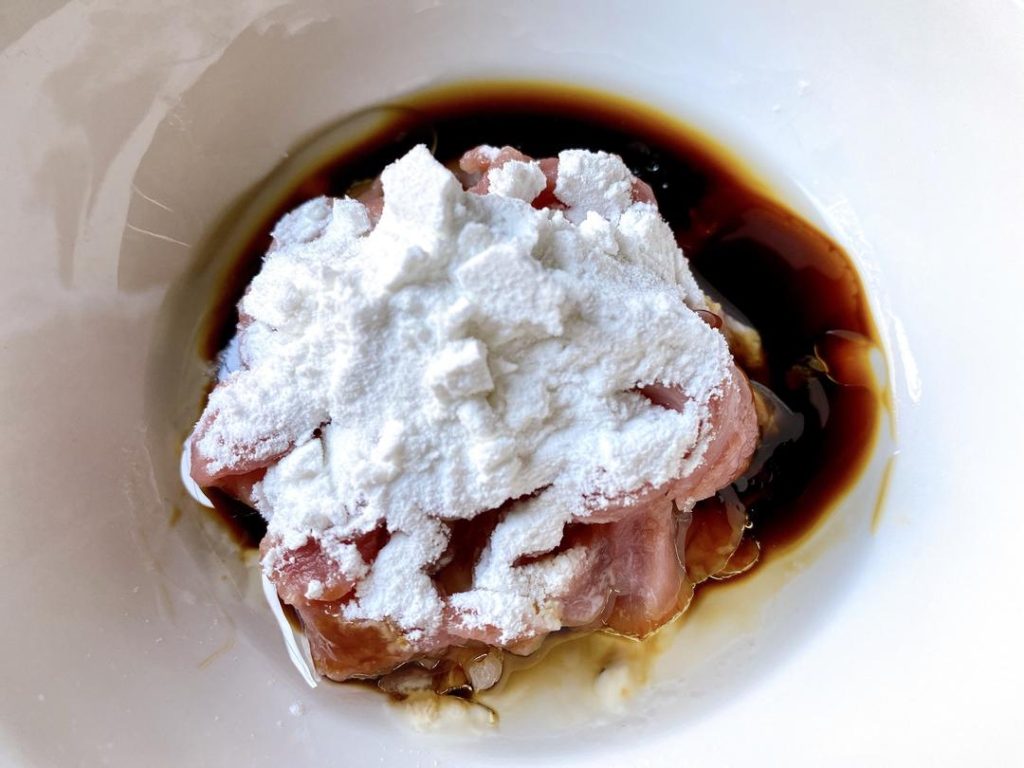
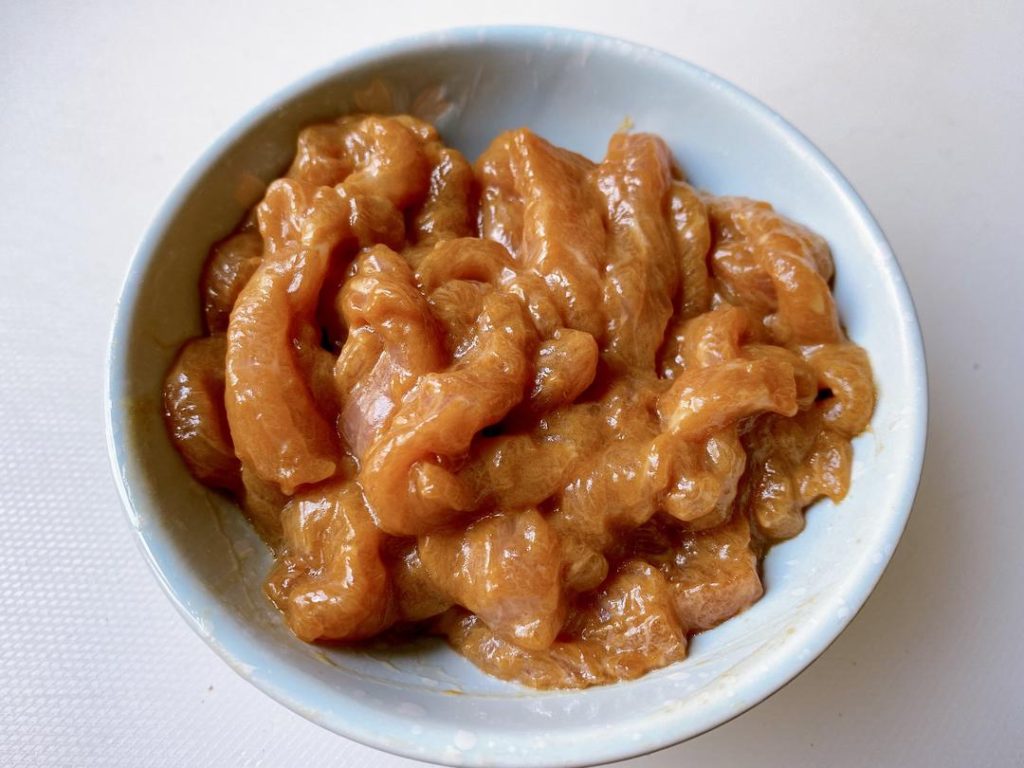
- Marinate the pork: In a small bowl, massage the sliced pork with the cornstarch, oyster sauce, light soy sauce, Shaoxing wine, and oil. Let it sit for 10 minutes. The oil seals in the moisture, while the cornstarch creates a protective barrier.
- Mix the sauce: Combine the stir-fry sauce ingredients in a small bowl. Pre-mixing is crucial to avoid scrambling for bottles while the wok is smoking hot.
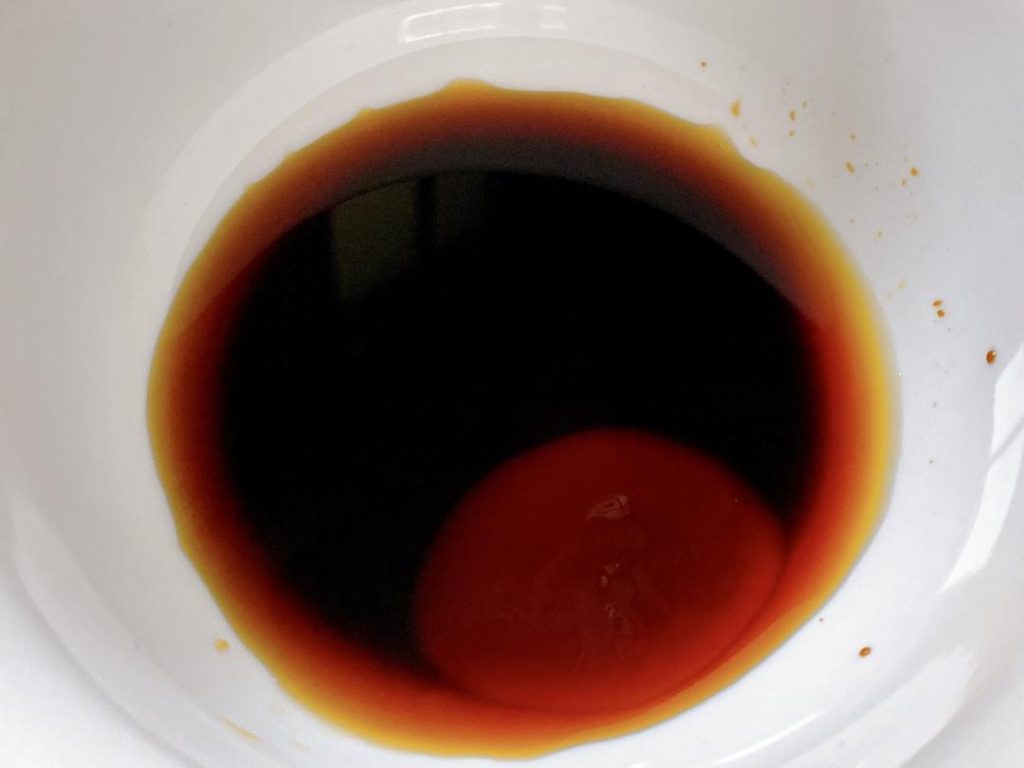
Cooking Process
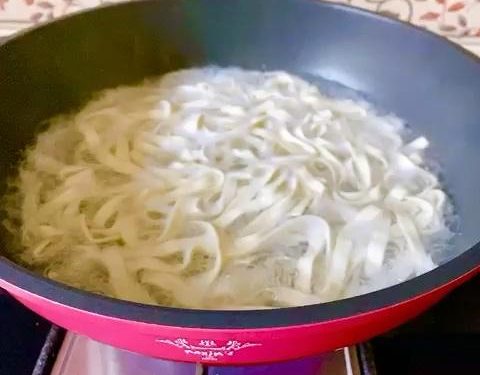
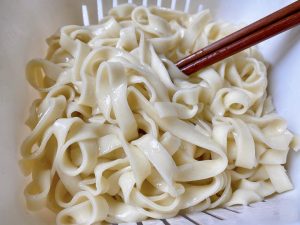
1. Parboil the Noodles (3-4 minutes) Bring a pot of water to a boil. Add the fresh noodles and cook them until they are about 80% done (they should still have a firm, chewy bite in the center).
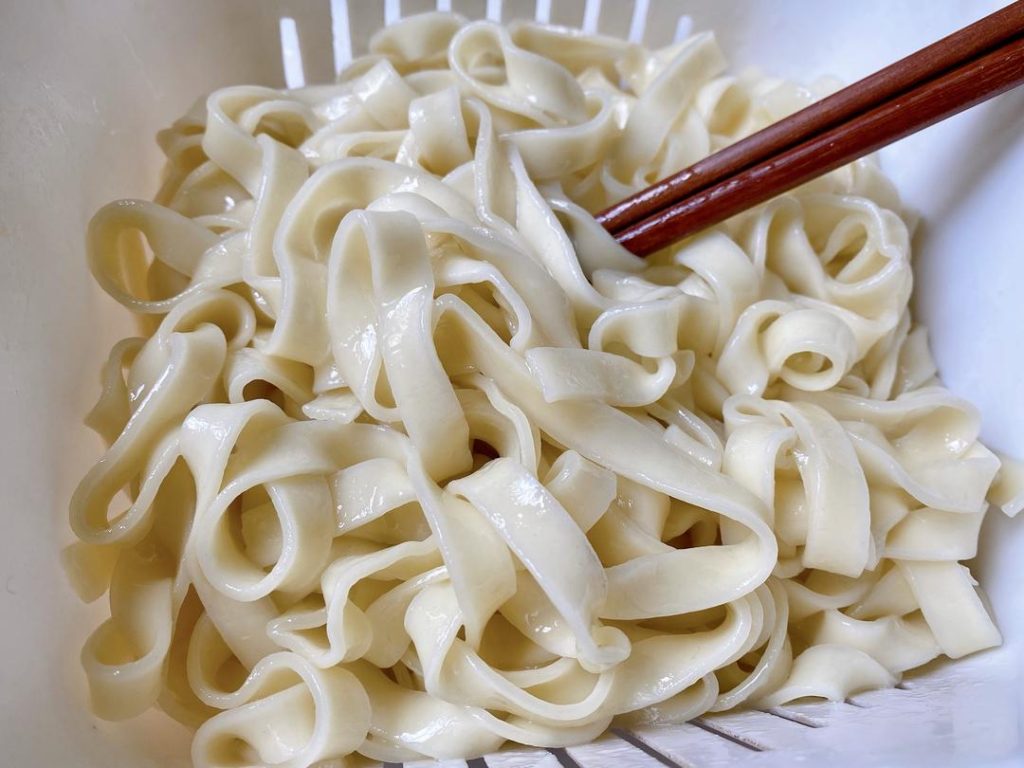
“Immediately drain the noodles and rinse them under cold water. Rinsing halts the cooking process and washes away excess surface starch, which is the primary culprit behind gummy, clumped-together fried noodles.”
Shake off all excess water and toss the noodles thoroughly with 1 tablespoon of cooking oil to prevent sticking.
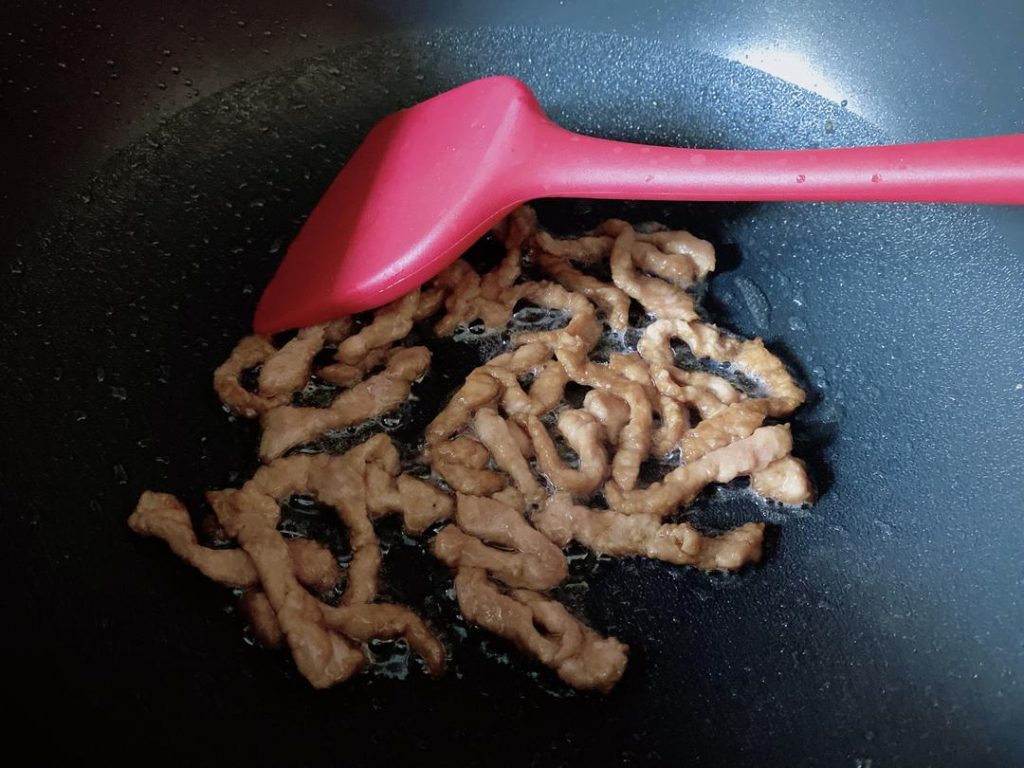
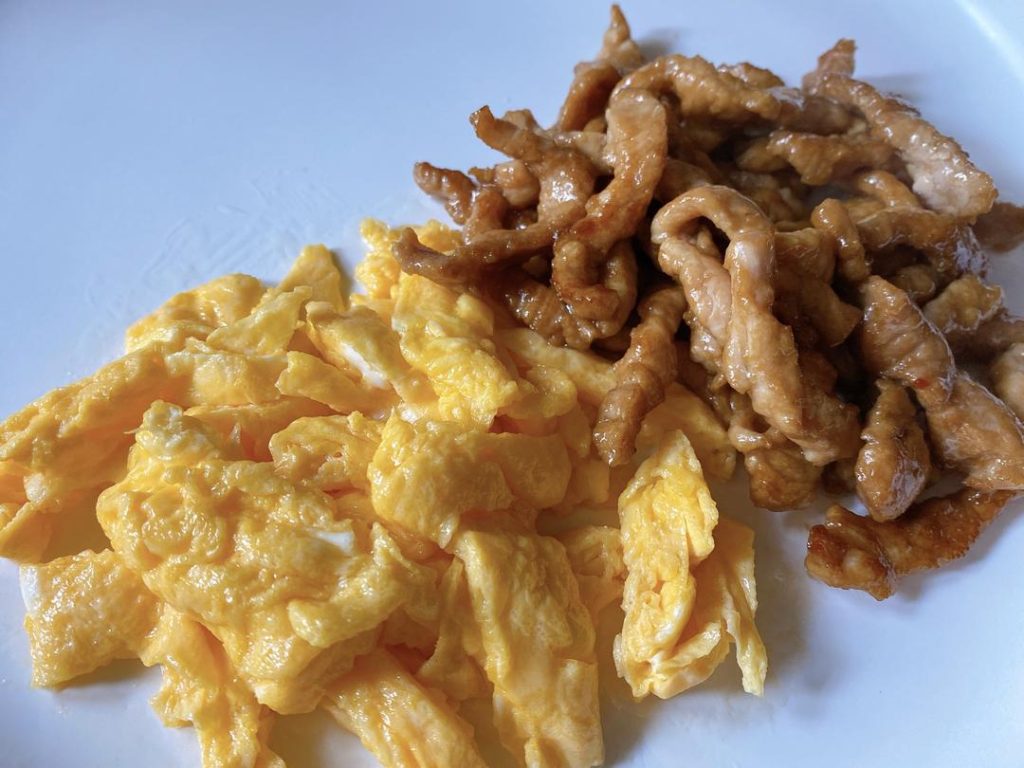
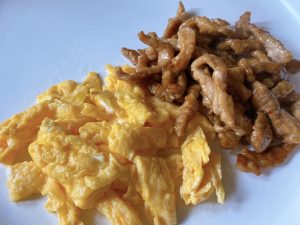
2. Scramble the Egg & Sear the Pork (3-5 minutes) Heat a light drizzle of oil in your non-stick skillet over medium-high heat. Add the beaten egg, scrambling just until set (about 1 minute). Remove and set aside. In the same pan, add the marinated pork. Stir-fry for 2-3 minutes until it just changes color and reaches a safe internal temperature of 145°F (63°C). Remove and set aside.
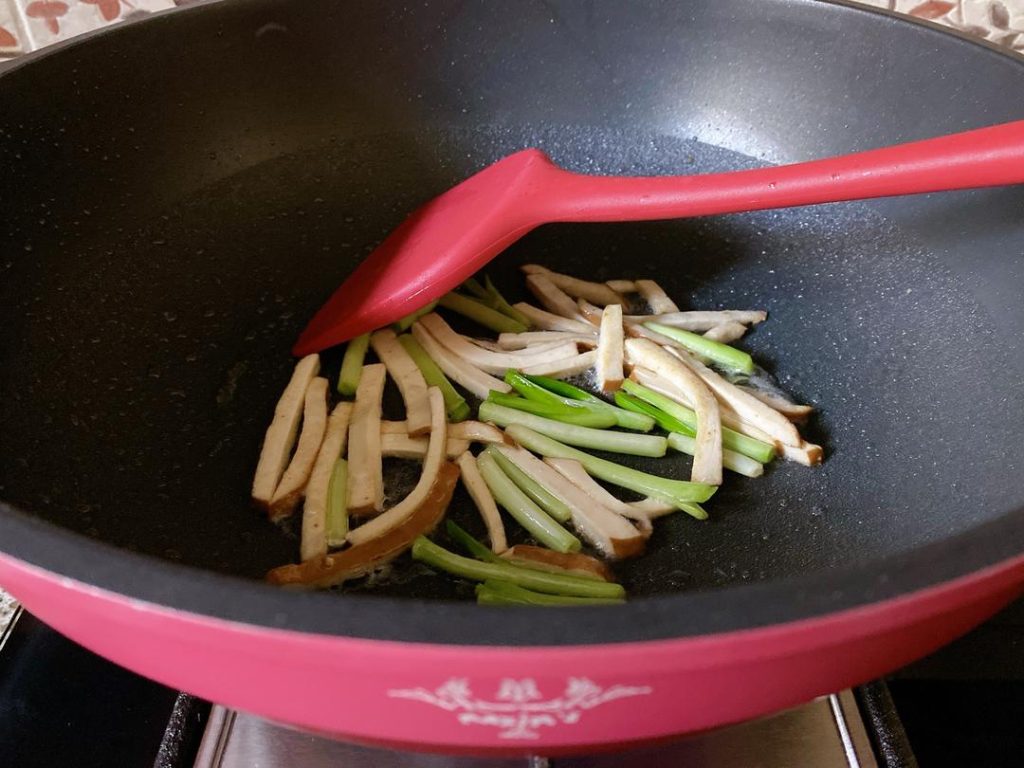
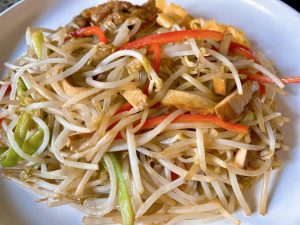
3. Sauté the Vegetables (2 minutes) Add a tiny drop of oil if the pan is completely dry. Add the tofu strips and the firmer bottom stems of the garlic chives. Sauté for 30 seconds. Toss in the red bell pepper and mung bean sprouts. Stir-fry briskly for 1 minute just until the sprouts begin to soften. 💡 Tip: Do not overcook the bean sprouts, or they will release water and make your noodles soggy. Remove the vegetables from the pan.
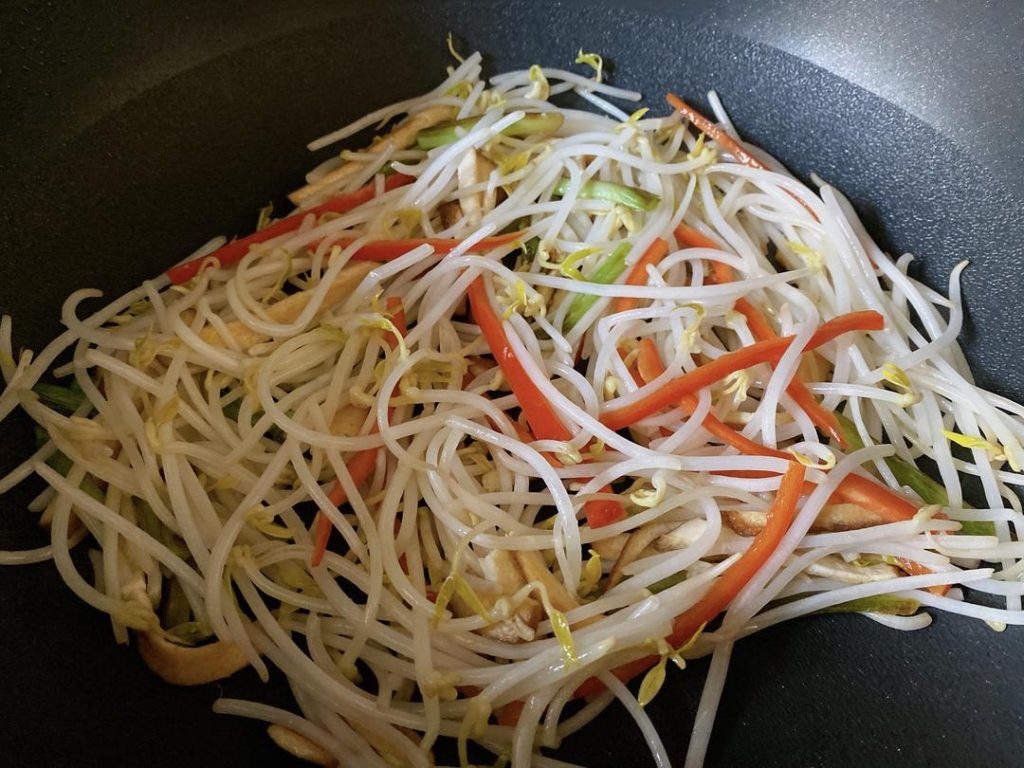
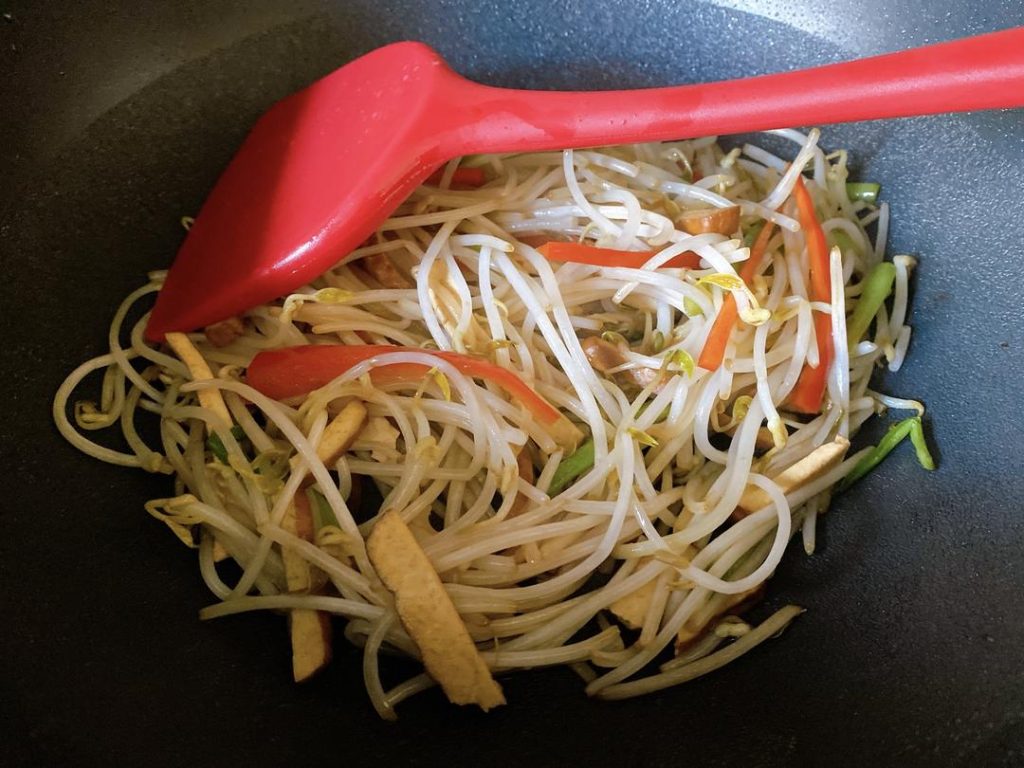
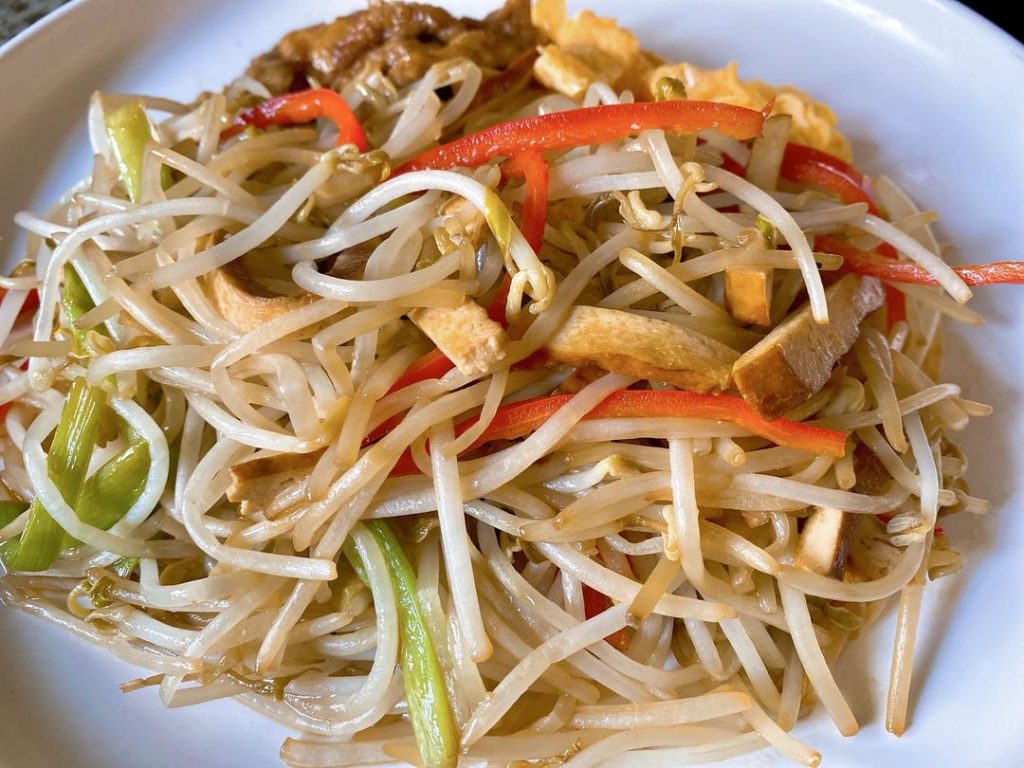
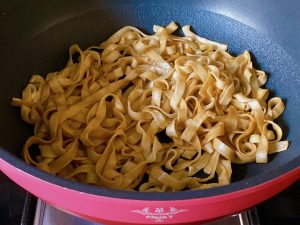
4. Fry the Noodles (2-3 minutes) Wipe the skillet clean if necessary. Add a final light drizzle of oil over high heat. Add the parboiled noodles, using chopsticks to separate and toss them gently. Gradually pour in your pre-mixed stir-fry sauce, tossing continuously so every noodle is coated evenly.
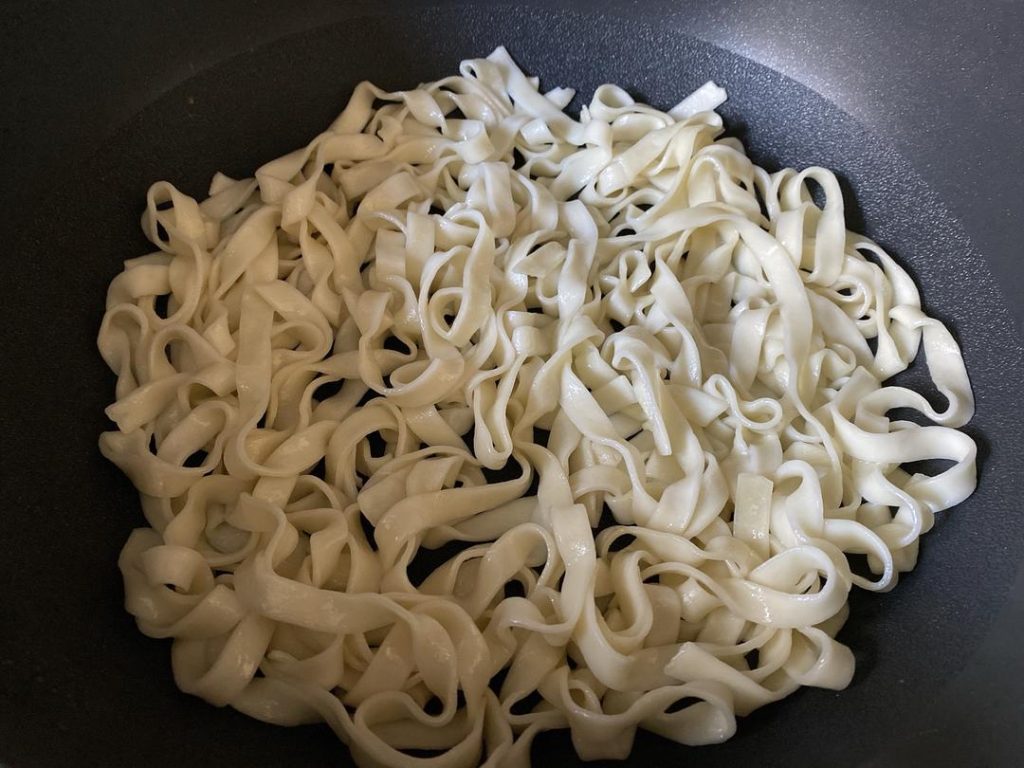
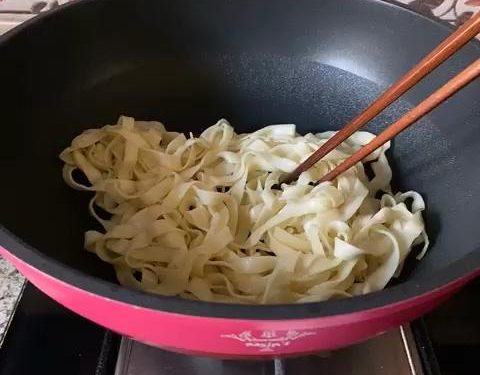
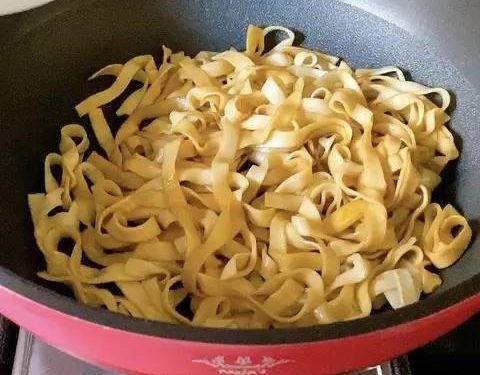
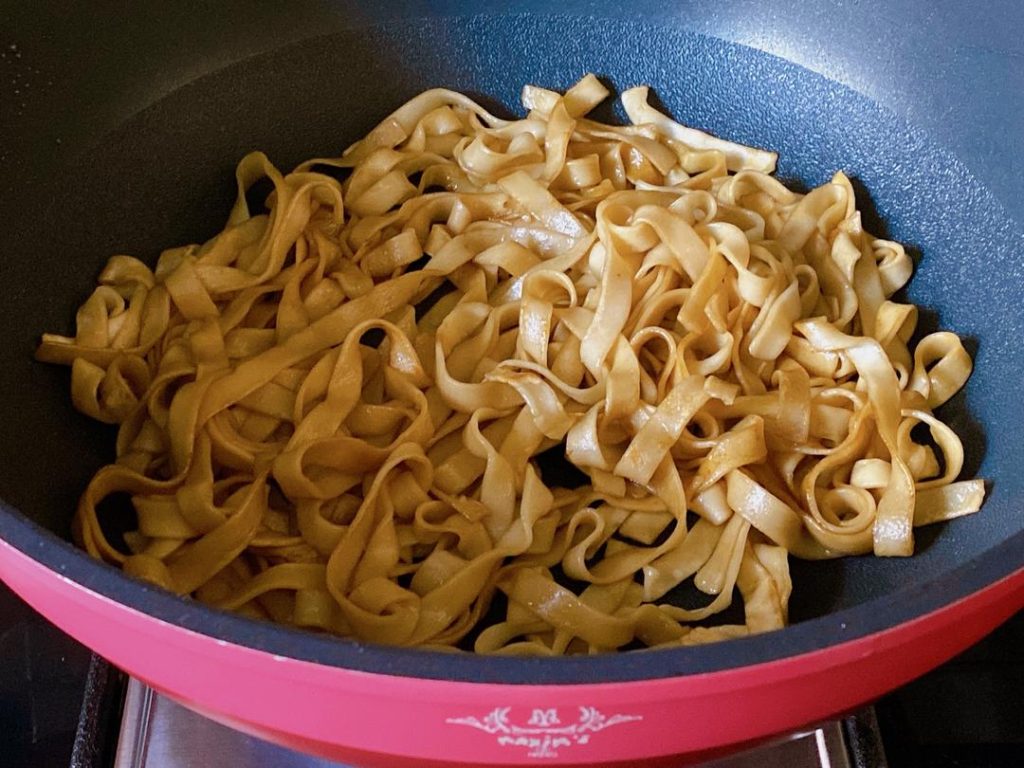
5. Bring It All Together (1-2 minutes) Return the cooked egg, pork, and vegetable mix to the pan. Add the leafy green tops of the garlic chives. Toss everything together for 1 final minute until the chives are just wilted and the dish is steaming hot. Serve immediately!
Why This Recipe Works
- The 80% Rule: By undercooking the noodles in water, they can absorb the savory stir-fry sauce in the wok without turning into mush.
- Separating Components: Cooking the proteins and moisture-heavy vegetables separately ensures the wok stays hot, producing a stir-fry (rather than a steam-fry).
- Strategic Oil Use: Tossing the rinsed noodles in a little cold oil is a restaurant secret that guarantees distinct, individual noodle strands with minimal total fat.
Common Mistakes & Troubleshooting
- Mistake: The noodles are sticking to the pan.
- Reason: You skipped rinsing the starch off the boiled noodles, or your pan wasn’t hot enough.
- Fix: Always rinse the noodles under cold water until the water runs clear, and ensure your pan is fully preheated before adding them.
- Mistake: The chow mein is watery and soggy.
- Reason: The bean sprouts were overcooked and released all their internal moisture.
- Fix: Bean sprouts need less than a minute in the hot pan. Flash-fry them quickly and remove them to stop the cooking.
Frequently Asked Questions
- Can I use dry pasta instead of fresh Chinese noodles? Yes! Spaghetti or linguine works surprisingly well. Boil them a minute or two shy of al dente, rinse in cold water, and proceed with the recipe.
- Is this recipe authentic? Yes, this is a highly authentic “Jia Chang” (home kitchen) preparation, reflecting how Chinese families actually cook daily meals—prioritizing vegetable-to-meat ratios and utilizing less oil than commercial kitchens.
- Can I make it vegetarian? Absolutely. Omit the pork, use a vegetarian mushroom sauce instead of oyster sauce, and double up on the tofu.
- Can I make this ahead of time? Chow mein is best enjoyed fresh off the stove. However, you can prep and chop all your vegetables, and mix the sauce up to 24 hours in advance.
How to Serve
This complete meal offers protein, carbs, and vegetables all in one bowl. If you are serving a crowd, it pairs beautifully with my Easy Tomato and Egg Stir-fry or a light, comforting bowl of Seaweed Egg Drop Soup.
Storage & Reheat
- Refrigerate: Store leftovers in an airtight container for up to 3 days.
- Reheat: Microwave for 1-2 minutes until steaming, or for the best texture, briefly re-fry in a hot skillet with a tiny splash of water to revive the noodles.
- Freeze: I do not recommend freezing this dish, as the bean sprouts will become completely mushy upon thawing.
Allergen Notice
- Contains: Wheat/Gluten (noodles, soy sauce), Soy (soy sauce, tofu), Eggs.
About the Author & Recipe Development
Hi, I am Lin! Welcome to Woks of Love. As a home chef constantly balancing traditional flavors with everyday family nutrition, I have tested countless noodle variations. This specific method was developed to ensure my son gets a colorful, balanced meal without the heavy grease commonly associated with street-food stir-fries. By cooking the moisture-heavy vegetables separately and rinsing the starch from the noodles, I’ve found the perfect formula for a foolproof, non-greasy home chow mein.
Authoritative References
- Meat Safety: For optimal food safety, the USDA recommends cooking whole cuts of pork to an internal temperature of 145°F (63°C) with a 3-minute rest time. You can read more at the USDA Food Safety and Inspection Service.
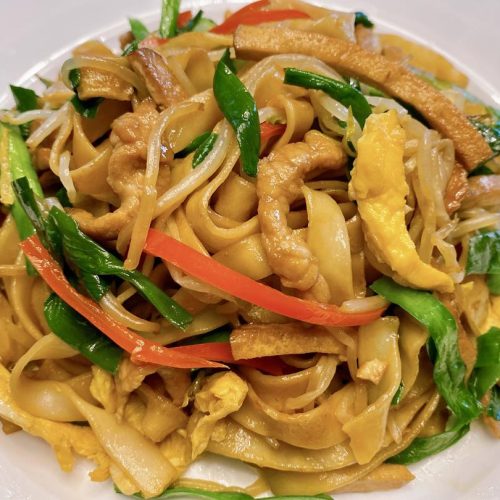
Easy Homestyle Chow Mein (Jia Chang Chao Mian)

Equipment
- Non-stick Wok or Skillet
- Large Pot
Ingredients
Noodles & Vegetables
- 150 g fresh wheat noodles about 5.3 oz
- 200 g mung bean sprouts about 7 oz, washed and roots picked
- 40 g firm tofu or dried tofu about 1.4 oz, sliced thin
- 20 g red bell pepper about 0.7 oz, julienned
- 1 large egg beaten
- 1 handful garlic chives cut into 2-inch segments
Pork & Marinade
- 60 g lean pork about 2.1 oz, thinly sliced
- 1 tsp cornstarch
- 1 tsp oyster sauce
- 1 tsp light soy sauce
- 1 tsp Shaoxing wine
- 1 tsp cooking oil
Stir-fry Sauce
- 1 tbsp light soy sauce
- 2 tsp oyster sauce
- 1 tbsp Shaoxing wine
Instructions
- Mix the pork with cornstarch, oyster sauce, light soy sauce, Shaoxing wine, and 1 tsp oil. Let marinate for 10 minutes.

- Pre-mix the stir-fry sauce ingredients in a small bowl.
- Boil the noodles until 80% cooked (about 3 minutes). Rinse immediately under cold water, drain well, and toss with 1 tbsp of oil.
- In a non-stick skillet over medium-high heat, scramble the egg. Remove. In the same pan, stir-fry the pork until cooked through. Remove.
- Sauté the tofu and chive stems for 30 seconds. Add the red pepper and bean sprouts, stir-frying for 1 minute. Remove the vegetables.
- Add a little oil to the pan over high heat. Add the noodles and toss, gradually pouring in the pre-mixed stir-fry sauce.
- Return the egg, pork, and vegetables to the pan along with the chive leaves. Toss everything together for 1 minute until well mixed and heated through.



Leave a Reply