If you have ever walked through a bustling night market in China or dined at a chaotic, delicious roadside BBQ stall (Shao Kao), you know that intoxicating aroma. It hits you before you even see the food—a wave of savory, pungent garlic mixed with the earthy depth of fermented black beans.
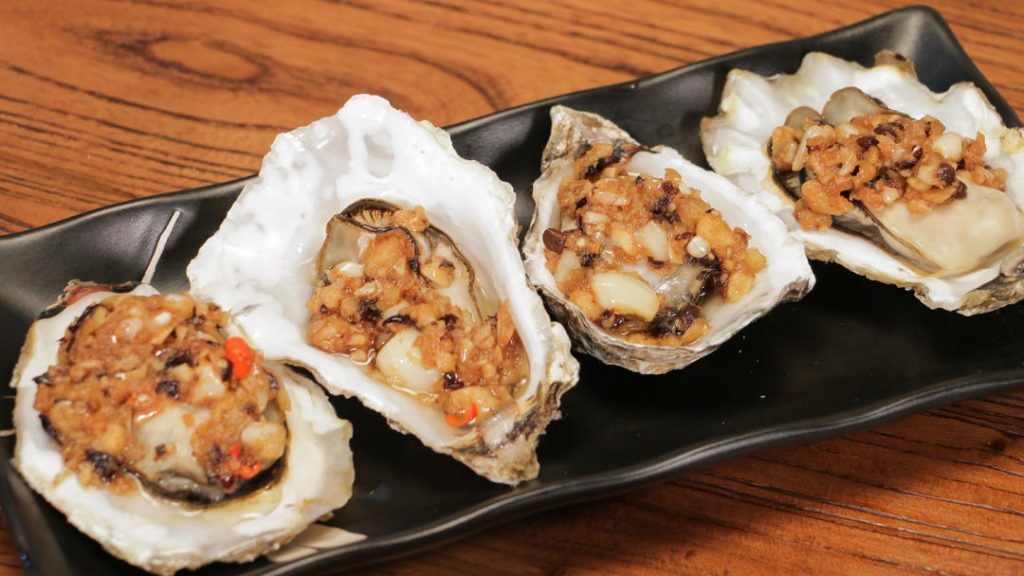
I remember sitting on small plastic stools with my father, watching chefs ladle a thick, golden sauce over sizzling oysters and grilled eggplant. For years, I wondered why my homemade garlic sauce never tasted quite the same. It was often too bitter or lacked that deep, savory punch.
After consulting with two professional chefs and years of testing in my own kitchen, I’m sharing the secret technique today. It isn’t just about mixing garlic and oil. The secret lies in the “Gold and Silver Garlic” (Jin Yin Suan) method—a technique where half the garlic is fried to a golden crisp, and the other half is added raw. Combined with savory fermented black beans (douchi), this sauce is the “secret weapon” that makes restaurant seafood taste incredible.
Whether you are topping Garlic Fried Shrimp or looking for a way to elevate simple steamed vegetables, this sauce is a game-changer.
Why This Recipe Works
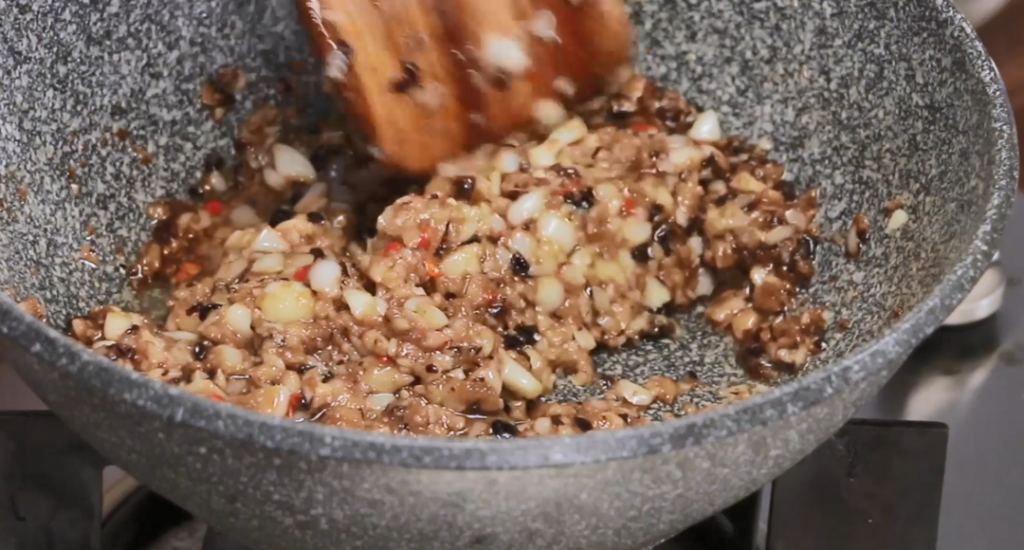
- The “Gold and Silver” Technique: By frying half the garlic, we create a mellow, nutty, “golden” aroma. By keeping the other half raw (“silver”), we retain the sharp, spicy pungency. Combining them creates a complexity that single-cooked garlic cannot achieve.
- The Washing Step: This is the most crucial professional secret. Washing the chopped garlic removes surface starch (stickiness) and excess sulfurous compounds. This prevents the garlic from clumping, burning, and turning bitter in the hot oil.
- Umami Bomb: The combination of fermented black beans and oyster sauce provides a double-hit of glutamates, making this sauce incredibly savory.
What is Fermented Black Bean Garlic Sauce?
This sauce, known as Suan Rong Jiang (蒜蓉酱) with added Douchi (豆豉), is the backbone of Chinese seafood barbecue. Unlike the Universal Chinese Street Food Sauce which might be used for cold dishes or noodles, this oil-heavy sauce is designed for high-heat roasting or steaming.
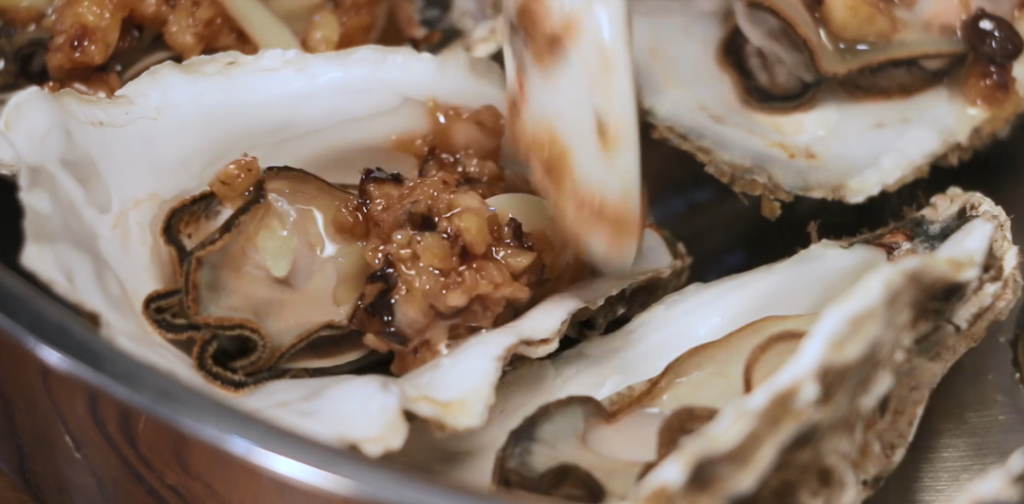
It is most famous for being ladled over:
- Steamed Scallops with vermicelli.
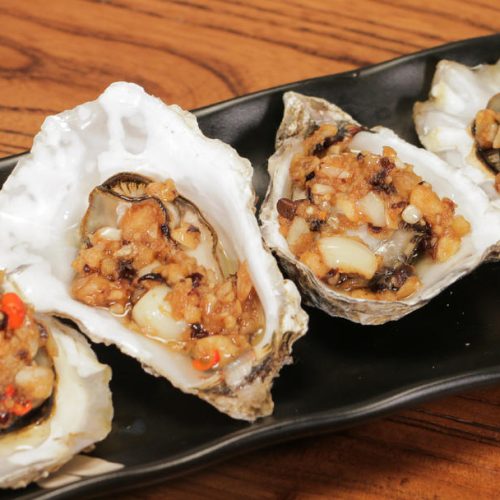
- Grilled Oysters on the half shell.
- Garlic Crayfish (Xiao Long Xia).
- Steamed Vegetables like enoki mushrooms or baby bok choy.
Key Ingredients & Substitutions
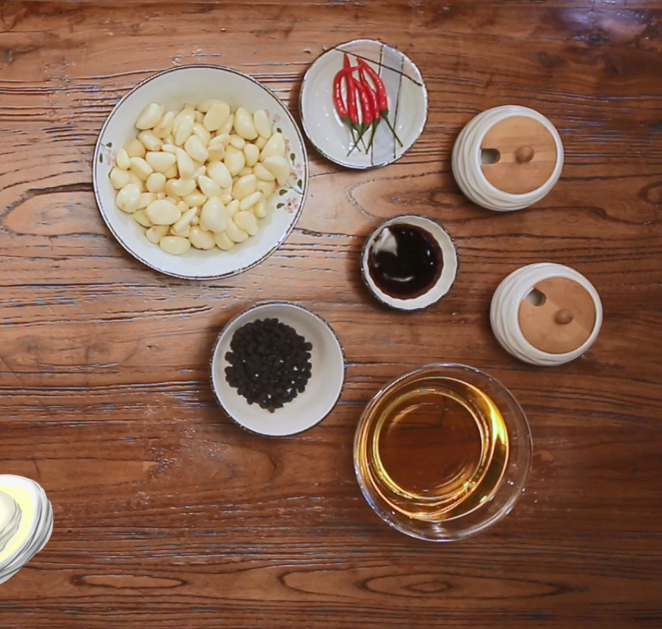
- Garlic: You need a lot of it—about 8 whole heads. Do not use pre-minced jarred garlic; it lacks the flavor and texture needed here.
- Fermented Black Beans (Douchi): These are dried, salted black soybeans. They add a funky, salty, earthy depth. You can find them at Asian markets. If you enjoy Steamed Pork Ribs with Black Bean Sauce, you likely already have these in your pantry.
- Neutral Oil: You need an oil with a high smoke point and neutral flavor, such as canola, vegetable, or grapeseed oil. Do not use olive oil.
- Fresh Chilies: The recipe calls for Thai Bird’s Eye chilies (Xiao Mi La) for heat. If you prefer a milder sauce, you can substitute with milder red jalapeños or omit them entirely.
- Oyster Sauce: This adds sweetness and viscosity. For a vegetarian version, use mushroom stir-fry sauce.
- Sugar: Essential to balance the extreme saltiness of the black beans and the heat of the chilies.
Equipment You Will Need
- Food Processor: While hand-chopping is traditional, using a food processor for 8 heads of garlic saves immense time.
- Fine Mesh Strainer: For washing and draining the garlic.
- Wok or Deep Skillet: For frying the sauce.
- Glass Jar: For storage.
Recipe Notes Before You Start
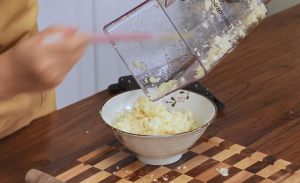
Garlic Processing: When using a food processor, pulse the garlic; do not puree it. You want distinct little granules of garlic, not a wet paste.
Safety First: We are working with hot oil. Ensure your washed garlic is drained very well. Water and hot oil do not mix, and excess water will cause dangerous splattering.
Flavor Balance: Fermented black beans are very salty. We do not add extra salt in the cooking process until the very end, and only if absolutely necessary after tasting.
How to Make Ultimate Garlic Black Bean Sauce
Step 1: Prepare the Ingredients
First, peel all the garlic. This is the most labor-intensive part! Cut the Thai chilies into small rings or mince them (wear gloves if you are sensitive to spice).
Take the fermented black beans (100g) and place them in a small bowl. Rinse them with hot water quickly to remove surface dust and grit, then drain well. Coarsely chop them—you don’t want a paste, just smaller chunks to release flavor.
Step 2: Process the Garlic
Mince the 8 heads of garlic. You can smash and chop them by hand, pound them in a mortar and pestle, or pulse them in a food processor on low speed. You want a coarse mince.
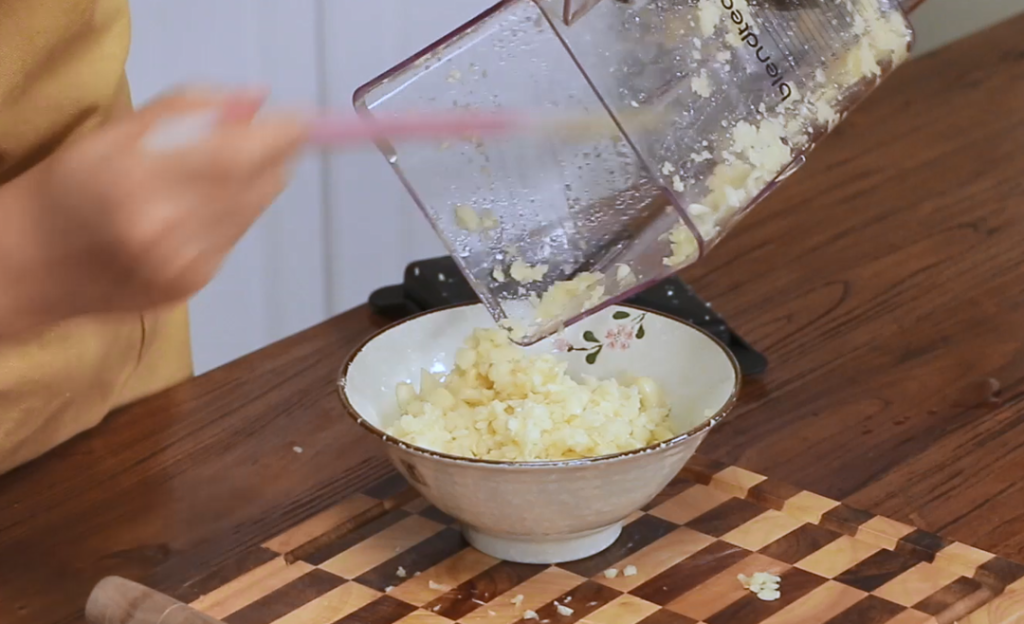
Step 3: The Crucial Wash (Don’t Skip This!)
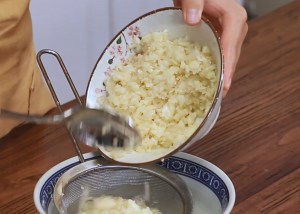
Divide your minced garlic into two equal portions. Take one portion and place it in a fine-mesh sieve. Rinse it thoroughly under cool running water.
- Why? This washes away the sticky garlic juices (which cause sticking and burning) and reduces the harsh, raw bite that can turn bitter when fried. Squeeze or shake the sieve to drain as much water as possible. The drier, the crispier it will get. Leave the other half of the garlic raw.

Step 4: Fry the “Gold” Garlic
Place a wok or saucepan over low heat. Pour in a generous amount of neutral oil (about 1.5 – 2 cups). We want the oil to reach about 300°F (150°C)—warm, but not smoking hot.
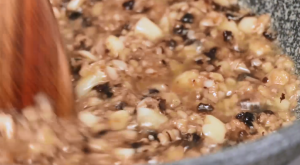
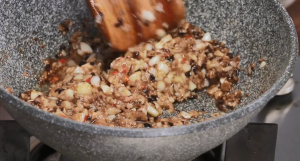
Add the chopped black beans and the washed portion of the garlic into the oil. Stir gently and constantly over low heat. We are essentially dehydrating and confiting the garlic. Fry until the garlic turns a light golden color and the aroma is potent. Do not let it turn dark brown, or it will taste bitter.
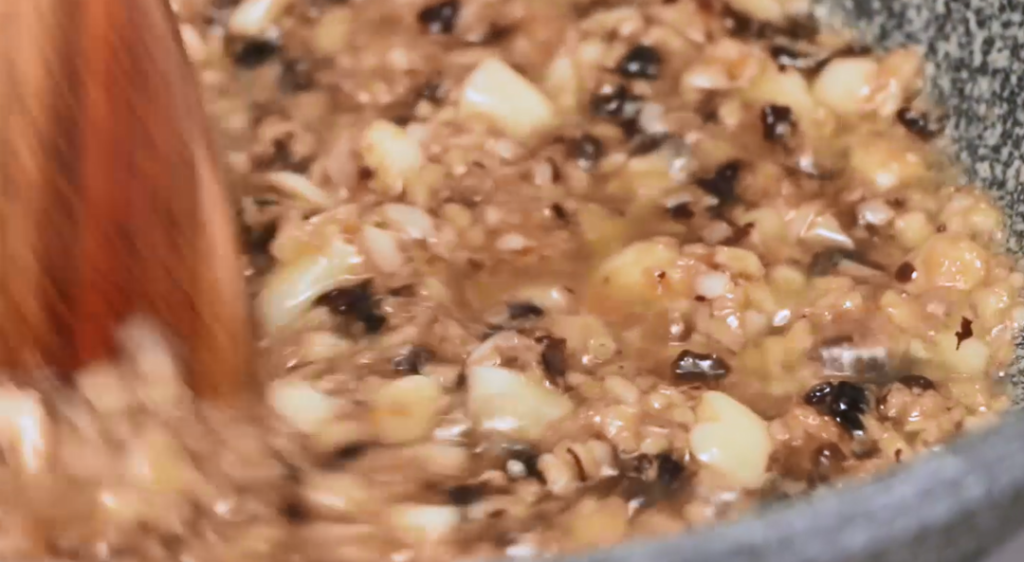
Step 5: The “Silver” Garlic & Seasoning
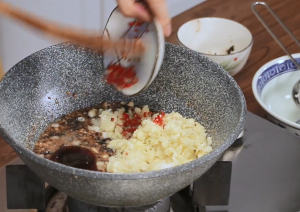
Once the garlic is golden, turn off the heat immediately. Pour in the reserved raw garlic (the unwashed half). The residual heat of the oil will cook it slightly, removing the raw edge while keeping the strong garlic flavor.
Add the minced chilies, 1 tsp MSG (optional but recommended for restaurant flavor), 2 tbsp sugar, and 2 tbsp oyster sauce. Stir well using the residual heat to dissolve the sugar and combine the flavors.
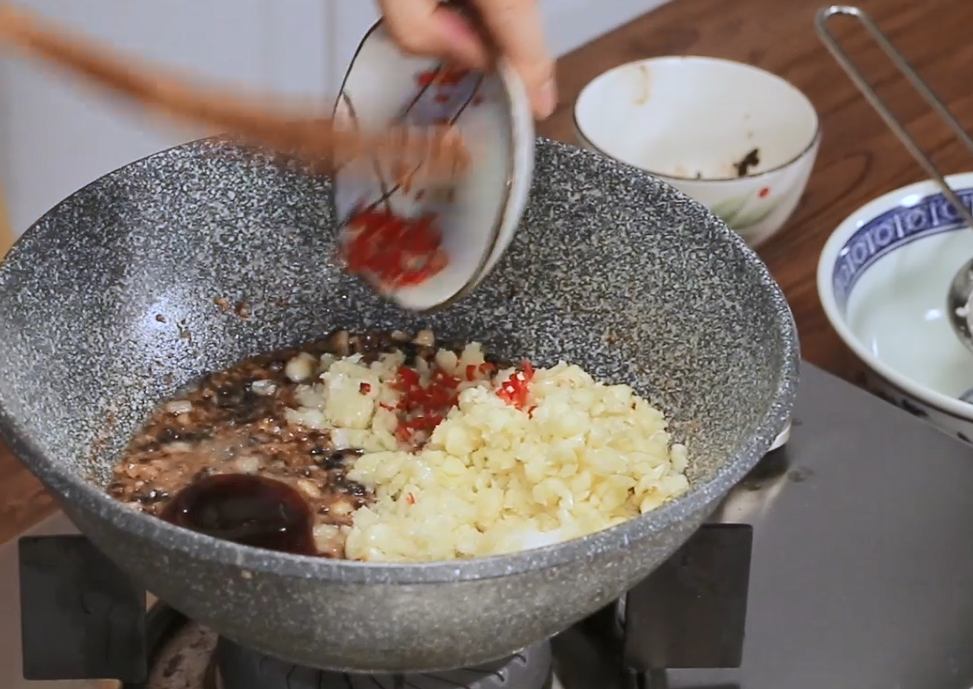
Step 6: Taste and Cool
Taste the sauce. The black beans are naturally salty, so you likely won’t need extra salt. If it tastes bland, add a pinch of salt now. Let it cool completely before transferring to a clean glass jar.
Common Mistakes When Making Garlic Sauce
- Burning the Garlic: Garlic goes from golden to burnt in seconds. Remember to turn off the heat before it looks fully brown, as the residual heat continues the cooking process.
- Skipping the Wash: If you don’t wash the garlic intended for frying, it will stick to your wok and likely taste bitter.
- Oil Too Hot: If the oil is smoking when you add the garlic, it will burn on the outside while remaining raw inside. Start with warm oil and bring the heat up gently.
FAQ & Troubleshooting
Q: Can I use jarred minced garlic? A: I strongly advise against it. Jarred garlic often contains citric acid and has a “tinny” flavor that ruins this sauce. Fresh garlic is essential for the Homemade Garlic Sauce profile we are aiming for.
Q: Why is my garlic bitter? A: You likely fried it too long or at too high a heat. Garlic continues to cook even after you turn off the heat. Turn the stove off when it is pale gold, not dark brown.
Q: Is MSG necessary? A: It is optional, but it provides that specific “restaurant taste.” If you prefer not to use it, you can substitute a little chicken bouillon powder or just omit it.
Q: Can I use this for things other than seafood? A: Absolutely. It is fantastic on Braised Tofu with Fresh Chilis or even spooned over simple boiled noodles.
How to Store and Serve
- Storage: Store this sauce in an airtight glass jar in the refrigerator. Because it contains fresh garlic in oil (which has low acidity), it carries a risk of botulism if stored at room temperature. Use within 1 week for best safety and quality, or freeze it in ice cube trays for up to 3 months.
- Serving Suggestions:
- Seafood: Spoon over raw scallops or oysters and steam for 5-8 minutes.
- Veggies: Blanch lettuce or broccoli and drizzle this sauce on top for an instant side dish similar to Stir-fried Lettuce with Garlic.
- BBQ: Use it as a finishing sauce for grilled eggplant or Roasted Lamb Leg.
- Noodles: Mix a spoonful into plain boiled noodles for a quick lunch.
About the Author & Recipe Development
I’m Lin, and I grew up in a family of restaurateurs where the smell of frying garlic and chili oil was our daily alarm clock. This recipe was developed by combining techniques I learned from two different chefs—one specializing in Cantonese seafood and the other in Sichuan street food. It bridges the gap between the subtle sweetness of Cantonese Steamed Hairy Crab dips and the bold punch of Sichuan flavors.
Authoritative References
- Garlic in Oil Safety: For detailed safety guidelines on storing garlic in oil to prevent botulism, please refer to the USDA Food Safety Guidelines.
- Fermented Black Beans: To understand the history and production of Douchi, you can read more at the Michelin Guide’s overview of Chinese fermented sauces.
Ultimate Garlic Black Bean Sauce (Suan Rong Jiang)

Equipment
- Food processor
- Fine-mesh strainer
- Wok
- Glass Jar
Ingredients
- 100 g Dried Fermented Black Beans (Douchi) approx. 3.5 oz
- 8 heads Garlic approx. 2-3 cups minced
- 2 cups Neutral Oil Vegetable, Canola, or Soybean
- 2 Thai Bird’s Eye Chilies finely chopped
- 2 tbsp Oyster Sauce
- 2 tbsp Sugar
- 1 tsp MSG optional
- Salt to taste
Instructions
- Peel and mince all garlic heads. Rinse the fermented black beans in hot water, drain, and coarsely chop.

- Divide minced garlic in half. Rinse one half under water to remove stickiness and drain well. Keep the other half raw.

- Heat oil in a wok over low heat. Add the washed garlic and black beans. Fry until garlic is light golden and fragrant.

- Turn off the heat. Add the reserved raw garlic, chilies, sugar, oyster sauce, and MSG. Stir to combine using residual heat.

- Let cool completely before storing in an airtight container in the refrigerator.













Leave a Reply