There is an old saying in China: “When the autumn wind rises, the crab legs itch.” This poetic phrase signals that the best season for crabs has arrived.

I have visited Yangcheng Lake—the most famous region in China for hairy crabs—many times. In the local crab farmers’ homes, the preparation is incredibly simple: steaming. They don’t fry it or drown it in heavy spices. They believe, and I agree, that steaming highlights the original, unadulterated sweetness of the crab meat and the rich creaminess of the roe.
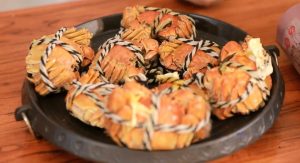
Today, I’m sharing not just the method for Steamed Hairy Crab (Qing Zheng Da Zha Xie), but also the essential techniques for how to dismantle and eat it by hand, ensuring you don’t waste a single morsel of that precious meat.
What Are Hairy Crabs?
Hairy Crabs (Chinese Mitten Crabs) are a freshwater delicacy in Eastern China, prized for their sweet flesh and, most importantly, their rich, buttery golden roe (in females) or creamy milt (in males). They are called “hairy” because of the distinct fur-like cuffs on their claws.
Unlike the massive Dungeness crabs or King crabs often found in the West, these are smaller and are almost always sold and steamed alive to ensure freshness. In the culinary world of Jiangnan (south of the Yangtze), eating these crabs is a seasonal ritual, often accompanied by warm yellow wine (Shaoxing wine) to balance the “cooling” nature of the crab.
Why This Recipe Works
- Cold Water Start: Unlike many seafood recipes that call for boiling water, we start with cold water. This gentle heating process prevents the crabs from struggling violently, which keeps their legs intact.
- Belly Up Technique: Steaming the crabs upside down ensures that the savory oils, roe, and juices stay inside the shell rather than leaking out into the steamer water.
- Precise Timing: We steam for exactly 15 minutes after the water boils. This is the sweet spot for safety and texture—thoroughly cooked but still tender.
Key Ingredients & Substitutions
- Hairy Crabs (Dazha Xie): You must buy them live. If you are in the US or Europe, you can sometimes find them at specialized Asian seafood markets in the autumn, or substitute with blue crabs (though the flavor profile is different).
- Ginger: Essential for the dipping sauce and for balancing the “cold” energy of the crab in Traditional Chinese Medicine (TCM).
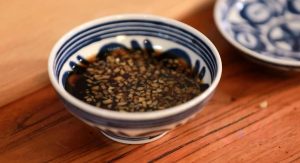
- Crab Vinegar: This is typically a sweetened black vinegar. If you cannot find specific “Crab Vinegar,” you can easily make your own using Chinkiang Vinegar, a little sugar, and finely minced ginger.
- Perilla Leaves (Optional): Traditional recipes sometimes add dried perilla leaves to the steaming water to remove fishiness, but fresh ginger works well too.
Recipe Notes Before You Start
Storage is Key: The crabs must be alive before you cook them. Storage is very simple: put them in the refrigerator (not the freezer!). They can survive for 3-5 days in the fridge. Note: Do not freeze them; they will die and the texture will be ruined.
Equipment: You will need a large steamer or a wok with a steaming rack.
Safety: If a crab is dead before you cook it, discard it. Dead crabs develop bacteria very quickly that can cause food poisoning.
How to Make Steamed Hairy Crab
Step 1: Clean the Crabs
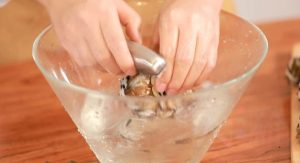
Hairy crabs usually travel a long way to get to your kitchen. While they are usually tied up with string or straw, you should give them a quick scrub. Rinse them under cold running water and brush the shells lightly to remove any dirt. Do not untie them yet!
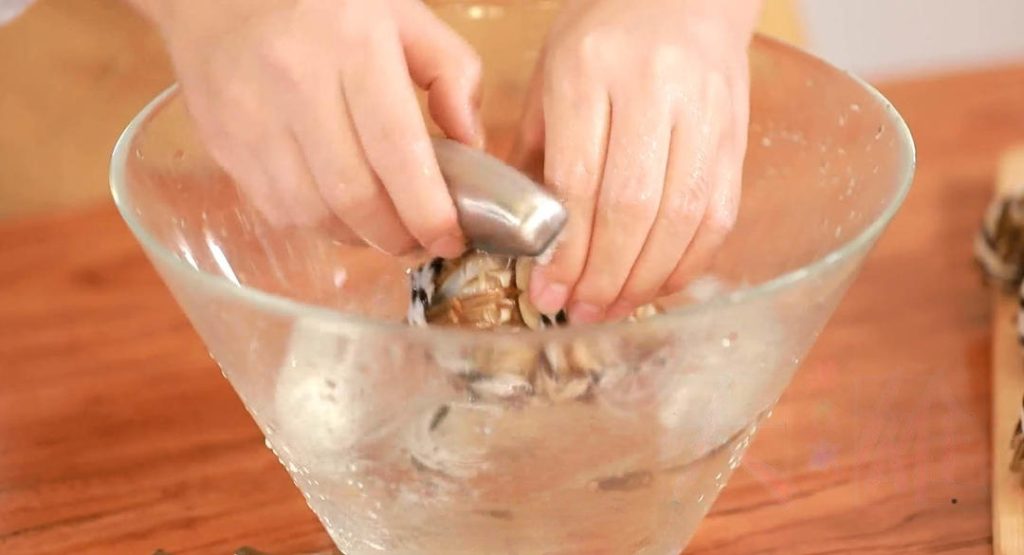
Step 2: Arrange in the Steamer
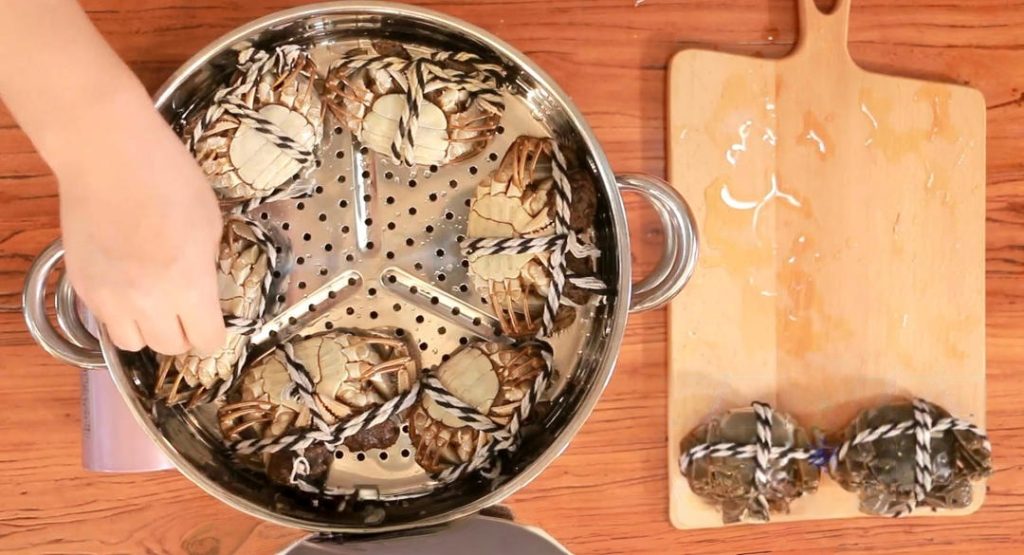
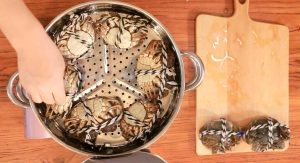
Place cold water in your steamer pot or wok. Place the crabs on the steamer rack belly side up.
- Why belly up? This acts like a bowl, catching all the delicious roe and oils. If you steam them belly down, those juices will leak out and be wasted.
- Why cold water? As the water heats up gradually, the crabs struggle less. This prevents their legs from falling off during the cooking process.
Step 3: Steam
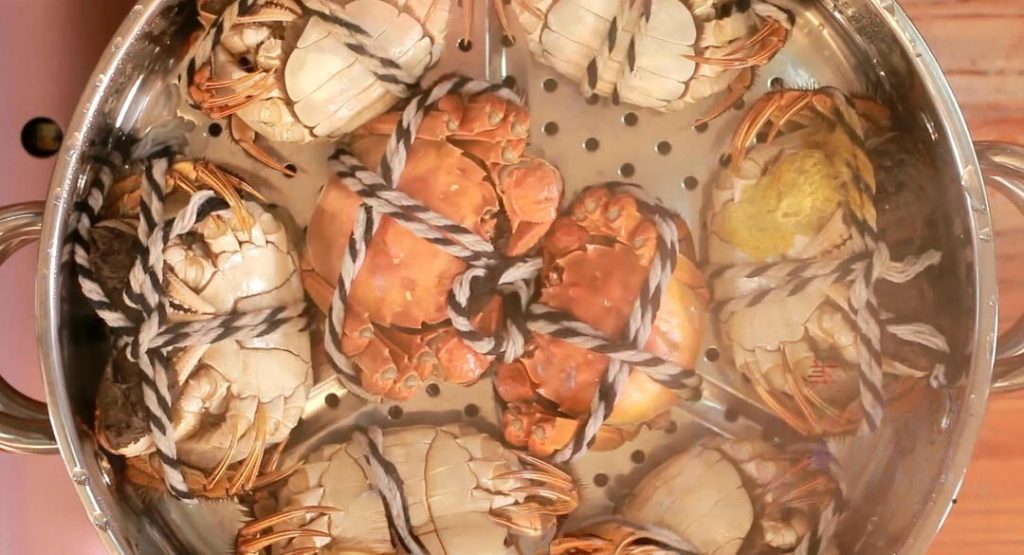
Cover the pot and turn the heat to high. Once the water comes to a boil and you see steam escaping, start your timer. Steam for 15 minutes.
- Tip: Do not cut the time short. Hairy crabs live in lake bottoms and must be cooked thoroughly to ensure they are safe to eat. High heat and sufficient time are non-negotiable.
Step 4: Make the Dipping Sauce
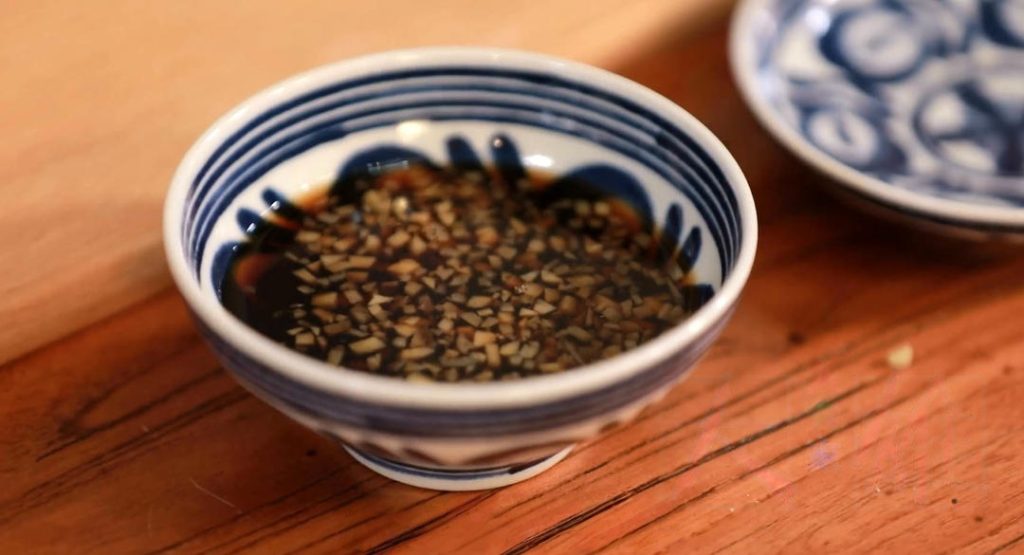
While the crabs are steaming, prepare the sauce. Finely mince the ginger. Mix it with the crab vinegar (or your Chinkiang Vinegar and sugar mixture).
- Why ginger? Ginger adds flavor, but in Chinese culture, it is also used to counteract the “cold” (yin) nature of the crab meat, making it easier on the stomach.
Step 5: Serve
After 15 minutes, remove the crabs from the steamer. Serve immediately while hot.

How to Dismantle and Eat a Hairy Crab (My Hands-Only Method)
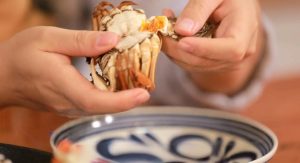
Eating hairy crab is an art form. While some use an 8-piece toolset, I prefer the rustic, hands-on method I learned from the locals.
- The Roe First: Flip the crab over and pull off the flap (the apron) on the belly. There is often a bit of delicious yellow roe hidden underneath—eat that first!
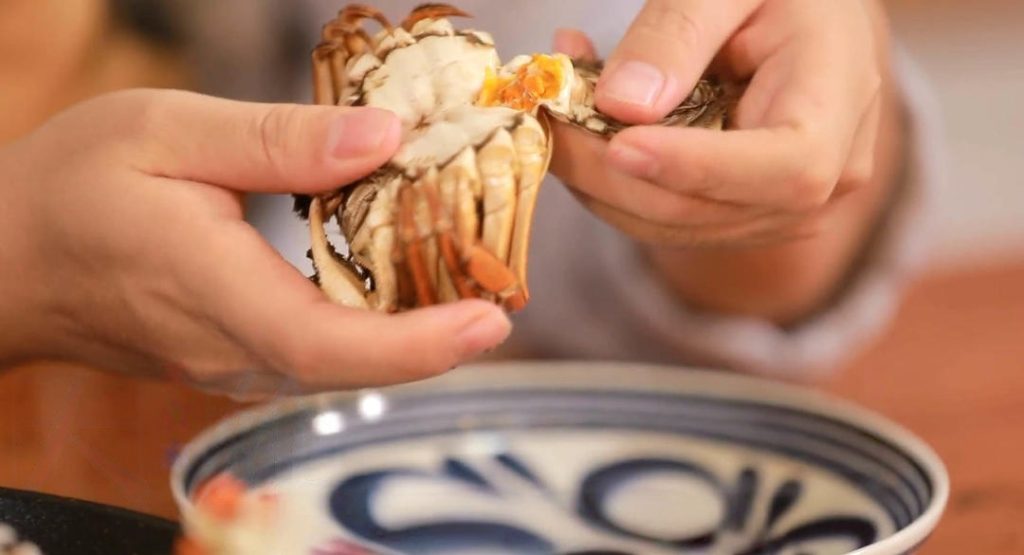
- Open the Shell: Prying from the back seam, lift off the top shell (carapace). You will see the golden roe lining the shell.
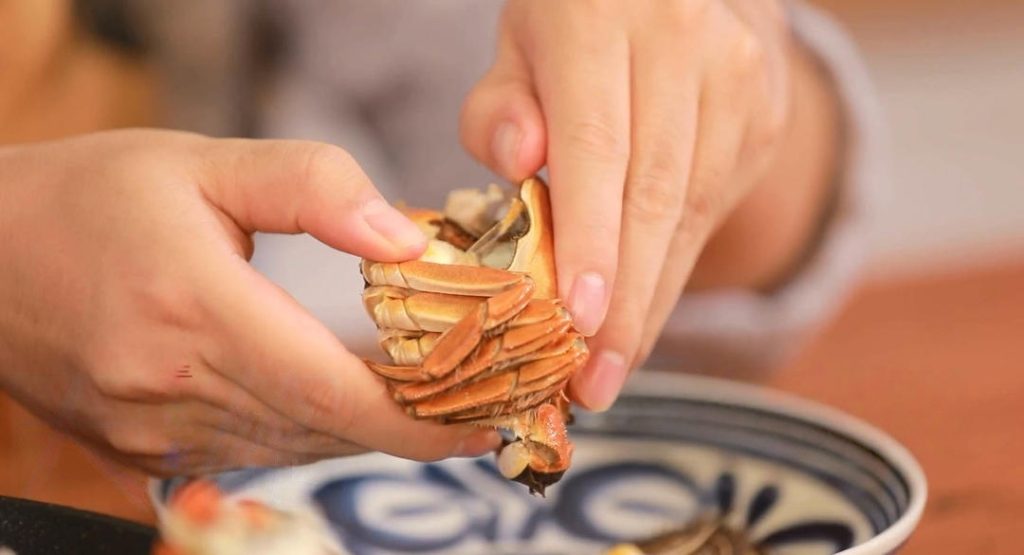
- Remove the Stomach: In the top shell, near the mouth, there is a round, bubble-like sac. This is the stomach. It is often filled with sand and is not edible. Remove and discard it. You can then spoon out and eat the roe from the shell.
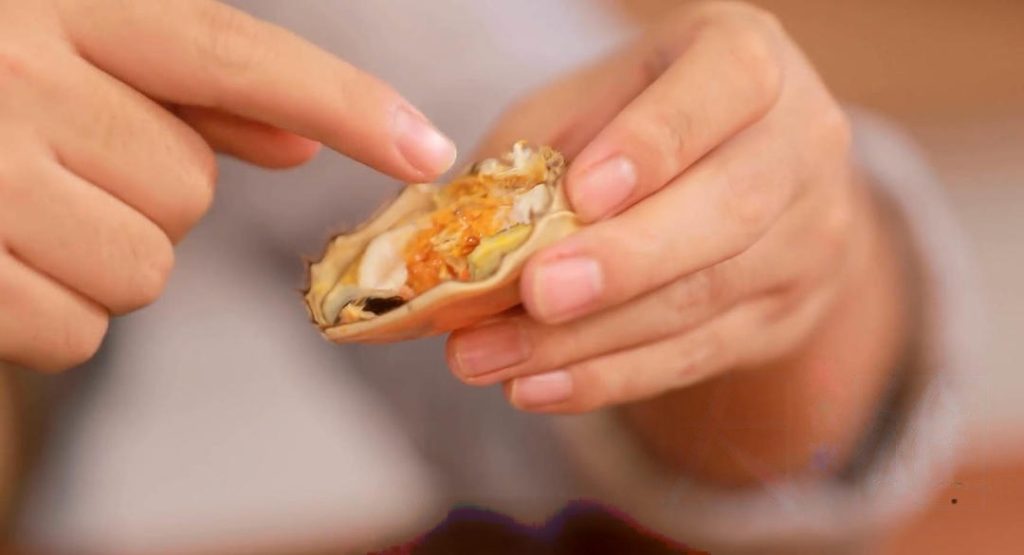
- Clean the Body: On the body of the crab, you will see feathery, gray-white gills on both sides. Remove and discard these—they are the lungs and are not edible. Tip: If the gills are very white, it indicates the water quality where the crab lived was good.
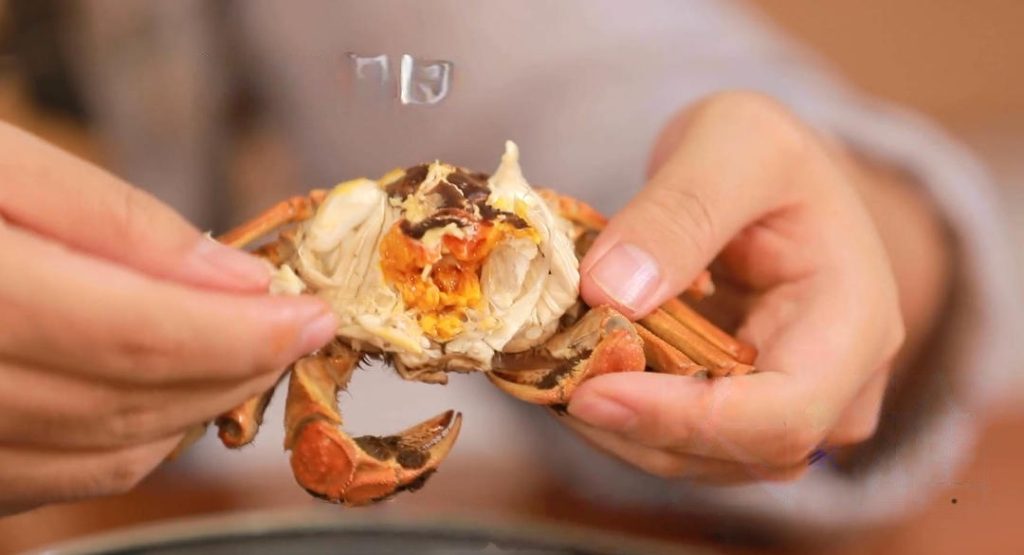
- Remove the Heart (Important): In the center of the crab body, usually buried slightly under the roe/fat, there is a small, hexagonal-shaped white piece. This is the crab heart. In TCM, this is considered extremely “cooling” (high yin energy) and should not be eaten.
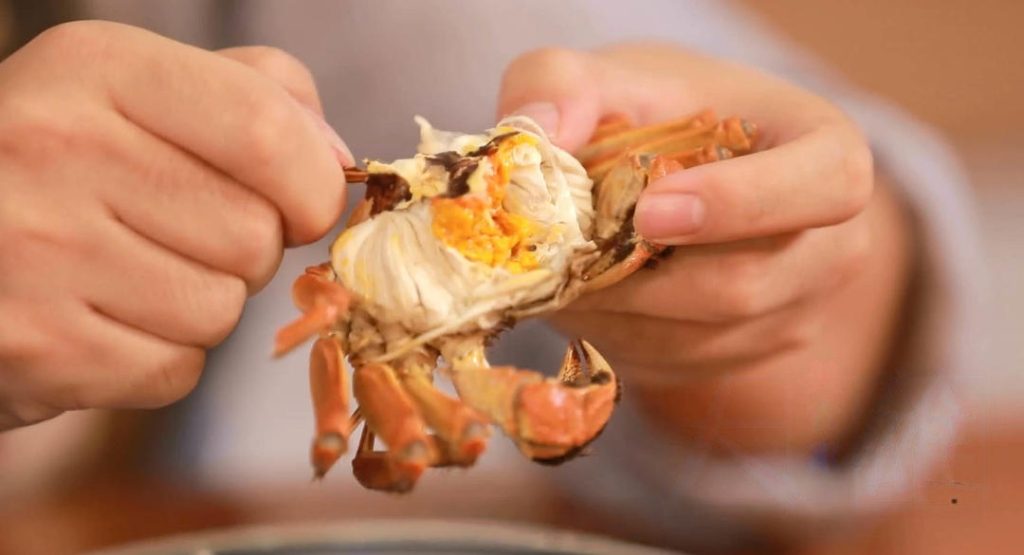
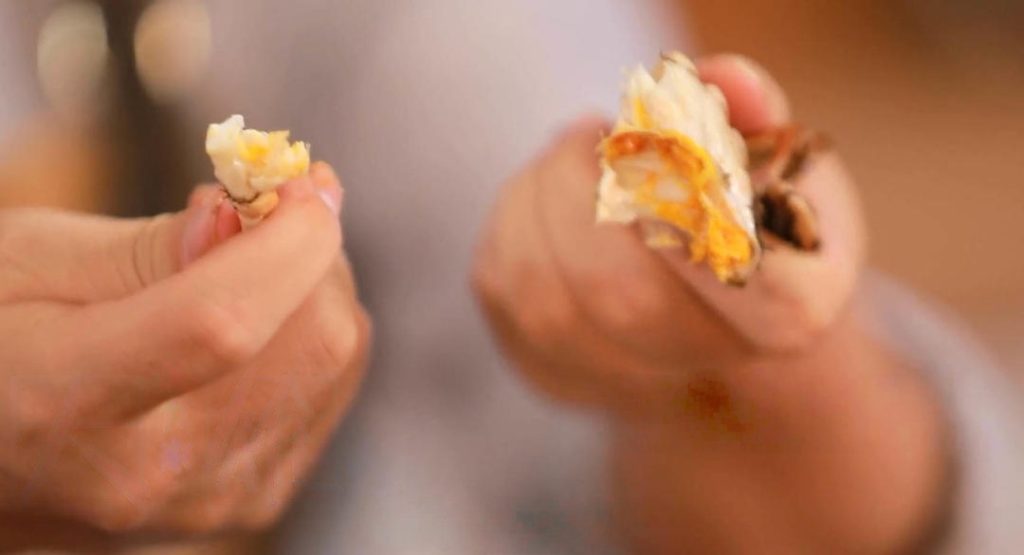
- The “Scythe” Trick: Break off the crab legs. Take the very last segment of a leg (the pointy tip). This acts like a natural tool! You can use this pointy tip to push the meat out of the other leg segments. It’s perfect for getting that cylinder of leg meat out intact.
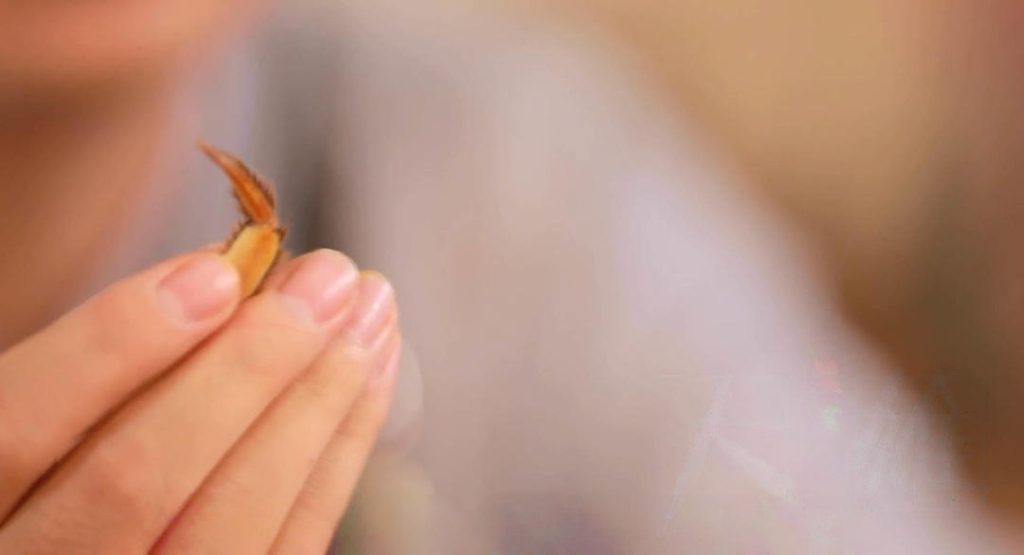
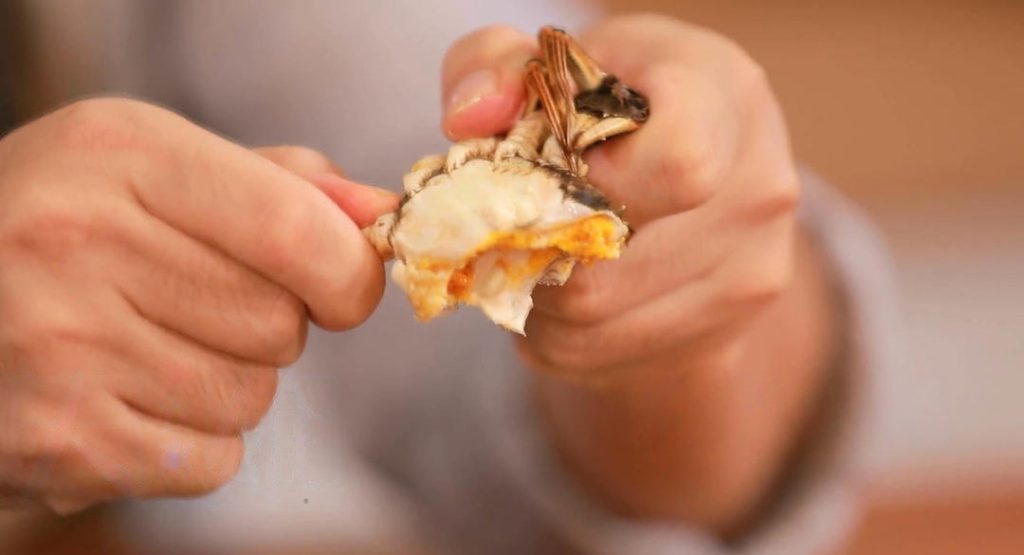
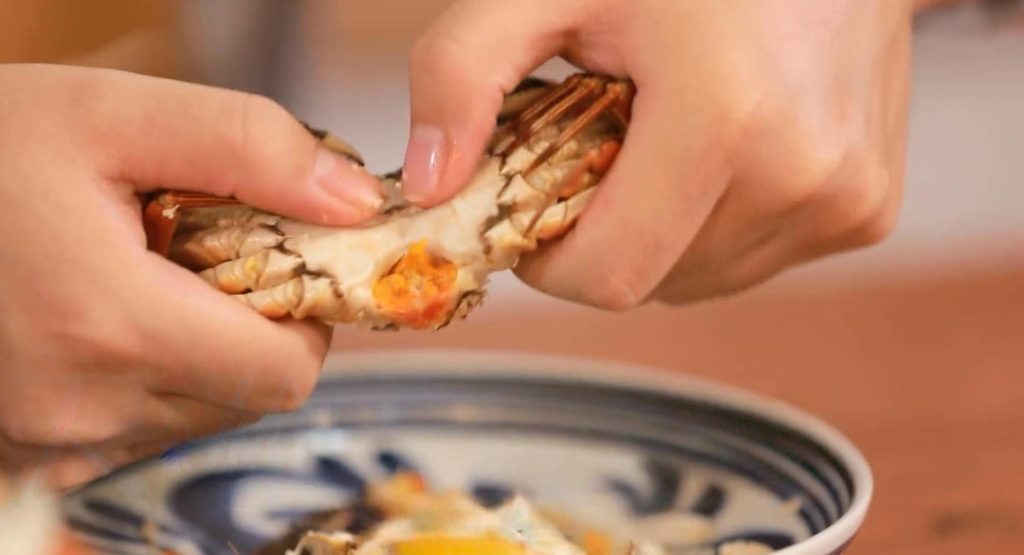
- Split and Eat: Break the main body in half. You can now easily pick out the sweet white meat and the remaining roe.
Common Mistakes When Steaming Hairy Crabs
- Steaming Belly Down: This is the most common error. Gravity will pull the flavorful oils and roe out of the crab, leaving you with dry meat and a messy steamer. Always steam belly up!
- Using Boiling Water: Dropping live crabs into boiling water causes them to panic and thrash, often causing them to shed their legs. Start with cold water for a better presentation.
- Freezing the Crabs: Never freeze live hairy crabs. They must be kept alive in the fridge (covered with a damp towel) until the moment they go into the steamer.
Serving Suggestions
Since hairy crab is a “cooling” food, it pairs beautifully with warming beverages. Warm Shaoxing wine with a preserved plum is traditional, or a hot cup of ginger tea.
If you are planning a full Chinese banquet, start with a cold appetizer like Smashed Cucumber Salad to wake up the palate. For a main course alongside the crab, a rich dish like Braised Pork Belly offers a nice contrast in texture.
For a vegetable side, try something simple like Stir-fried Lettuce with Garlic to keep the meal balanced. And if you still have room for dessert, a warm bowl of Red Bean and Black Rice Porridge is the perfect cozy ending to an autumn meal.
Also, if you enjoy the delicate wrapping technique of dumplings, you might see similarities in how we treat the “packaging” of food in Chinese cuisine, much like in my Vegetable Steamed Dumplings or the regional favorite Shanghai Wonton Soup.
About the Author & Recipe Development
I’m Lin, a culinary writer for Woks of Love. Growing up in a household where food was the language of love, I learned early on that the best ingredients need the least manipulation. This recipe comes from my personal travels to the Yangcheng Lake region, where I spent time with local crab farmers.
I tested this method in my home kitchen to ensure that the timing (15 minutes from cold water start) works on standard residential stoves, not just high-BTU restaurant wok burners. My goal is to demystify these traditional delicacies so you can enjoy a true taste of China at home.
Authoritative References
- USDA Food Safety and Inspection Service: For guidelines on safe internal cooking temperatures for shellfish, refer to the USDA Safe Minimum Internal Temperature Chart.
- Center for Food Safety (Hong Kong): For specific advice on consuming hairy crabs, including safety tips regarding the removal of internal organs, see their Food Safety Focus on Hairy Crabs.
Nutrition Information (Estimate)
- Calories: 180 kcal
- Protein: 28g
- Fat: 6g
- Carbohydrates: 0g
- Cholesterol: 120mg
- Sodium: 450mg
Nutrition information is calculated using an ingredient database and should be considered an estimate. Garnishes and optional items are not included. Actual values vary.
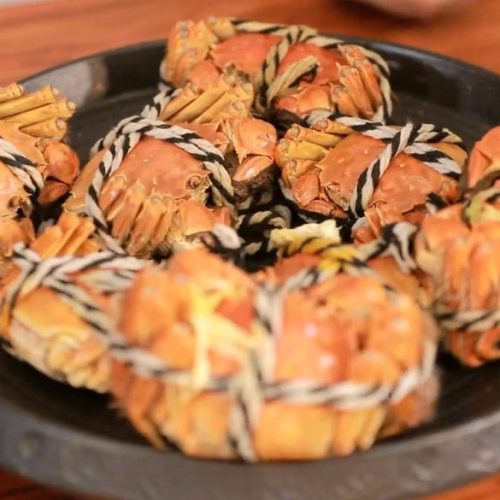
Steamed Hairy Crab (Yangcheng Lake Style)

Equipment
- Steamer or Wok with Rack Large enough to hold crabs in a single layer
- Kitchen Brush For cleaning the crab shells
Ingredients
Main Ingredients
- 4 live Hairy Crabs approx. 200g each, tied
- 1 knob ginger about 2 inches
- 4 tbsp Crab Vinegar or Chinkiang vinegar mixed with sugar
Instructions
- Store the live crabs in the refrigerator (not freezer) if not cooking immediately. They can stay fresh for 3-5 days. Discard any crabs that have died.
- Rinse the crabs under cold water and brush the shells clean. Do not untie the strings.

- Place cold water in your steamer. Arrange the crabs on the steamer rack belly-side up. This prevents the roe and juices from leaking out.
- Cover and bring the water to a boil. Once steam appears, steam for exactly 15 minutes to ensure they are fully cooked and safe to eat.
- While steaming, mince the ginger finely and mix with the crab vinegar to make the dipping sauce.
- Remove crabs from the steamer and serve hot with the dipping sauce.








Leave a Reply