Growing up in Sichuan, my family kitchen was always busy, but we didn’t always have time for complicated, multi-day recipes. While Western roast lamb often involves long marinating times to penetrate the meat, this “Home-style” (Jia Chang) method is a game-changer that I learned from watching busy chefs maximize efficiency without sacrificing flavor.
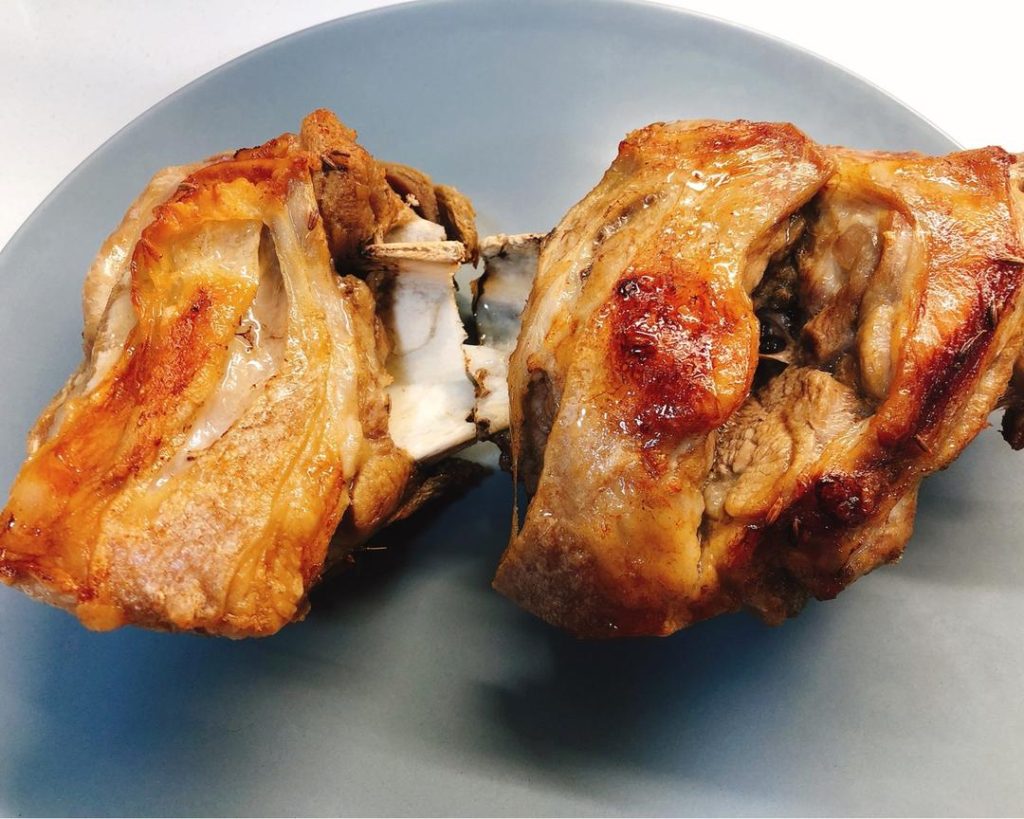
This recipe uses a unique “boil-then-bake” technique. It might sound unconventional to a Western home cook accustomed to roasting raw meat, but trust me on this. Boiling the lamb with aromatics first not only removes the heavy gamey odor (shan wei) that many people dislike, but it also infuses the meat with flavor and ensures the inside is juicy before it ever hits the oven.
Why This Recipe Works
- Removes Gamey Odors: Boiling the lamb with ginger, scallions, and cooking wine effectively neutralizes strong odors before roasting.
- Time-Saving: There is absolutely no need to marinate the meat overnight. You can go from fridge to table in about an hour.
- Guaranteed Juiciness: The boiling step acts like a rapid braise, locking in moisture. The high-heat roasting then crisps the fat, creating a texture similar to Chinese BBQ Pork but with savory cumin notes.
- Beginner Friendly: This method is very forgiving. Because the lamb is partially cooked in liquid, there is less risk of drying it out in the oven.
What Is Home-Style Roasted Lamb Leg?
In China, particularly in the North and West, lamb is a staple. Street vendors roast whole sheep over charcoal, dusted heavily with cumin and chili. This home-style version adapts those flavors for a standard kitchen oven. We ask the butcher to chop the leg bone or separate the meat slightly, making it easier to handle in a pot and ensuring it cooks evenly.
Key Ingredients
- Lamb Leg: You need one whole lamb leg. Pro Tip: Ask your butcher to chop through the bone in a few places or “butterfly” it slightly so it fits in your pot and lies relatively flat in the roasting pan. This makes it easier to eat and cook.
- Cumin Powder (Zi Ran): This is the soul of the dish. Cumin and lamb are the ultimate power couple in Chinese cuisine.
- Sichuan Peppercorns: These add a subtle floral aroma and help cut through the richness of the lamb fat. If you are new to this spice, read my Sichuan Peppercorn cooking tips to understand its unique profile.
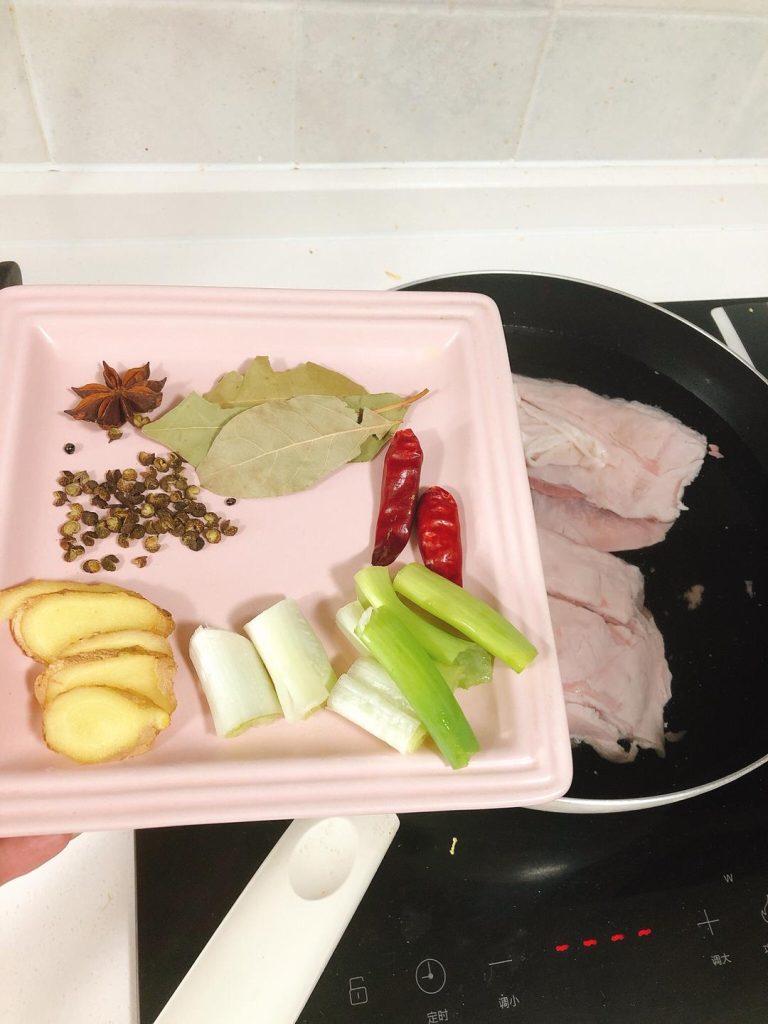
- Aromatics: A classic combination of scallion, ginger, star anise, bay leaves, and dried chilies creates a flavorful broth that penetrates the meat during the boil.
- Shaoxing Wine: Essential for removing the raw meat smell.
Ingredients
For the Boiling Pot:
- 1 Lamb leg (approx. 4-5 lbs / 2 kg), bone cracked or cut for manageability
- 2 tbsp Shaoxing cooking wine (can substitute dry sherry)
- 2 tsp Salt (for the water)
- 1 tbsp Sichuan peppercorns
- 1 Star anise
- 3 Bay leaves
- ½ stalk Scallion (green onion), large pieces
- 5 slices Ginger
- 2 Dried red chilies
For the Roast:
- 1 tbsp Cumin powder (or more to taste)
- 1 tsp Salt (or to taste, for surface seasoning)
- 1 tbsp Neutral oil (optional, helps spices stick if the fat layer is thin)
Recipe Notes Before You Start
- Equipment: You will need a large stockpot deep enough to submerge the lamb and a baking sheet or roasting pan.
- Oven Temp: We are blasting this at high heat (430°F / 220°C) to crisp the exterior since the interior is already partially cooked.
- The Cut: If you cannot find a whole leg, this method also works well with lamb shoulder or shank, though cooking times may vary slightly.
How to Make Roasted Lamb Leg
Step 1: The Cold Water Start
Place your thawed lamb leg into a large pot. Pour in enough cold water to cover the meat completely.
Why cold water? Starting with cold water allows impurities and blood to release slowly as the water heats up, resulting in a cleaner flavor.
Step 2: Add Aromatics and Boil
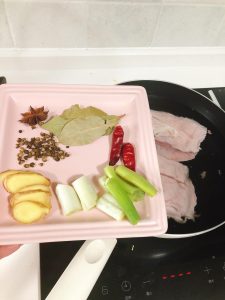
Add the scallion, ginger, dried chilies, Sichuan peppercorns, bay leaves, and star anise to the water. Pour in the Shaoxing wine and add 2 tablespoons of salt.
Note: Try to keep the star anise in the water rather than stuck directly against the meat to prevent one spot from having an overpowering licorice flavor.
Bring the pot to a boil over high heat. Skim off any gray foam (scum) that floats to the top. Let it boil vigorously for 20 minutes.
Step 3: Drain and Season
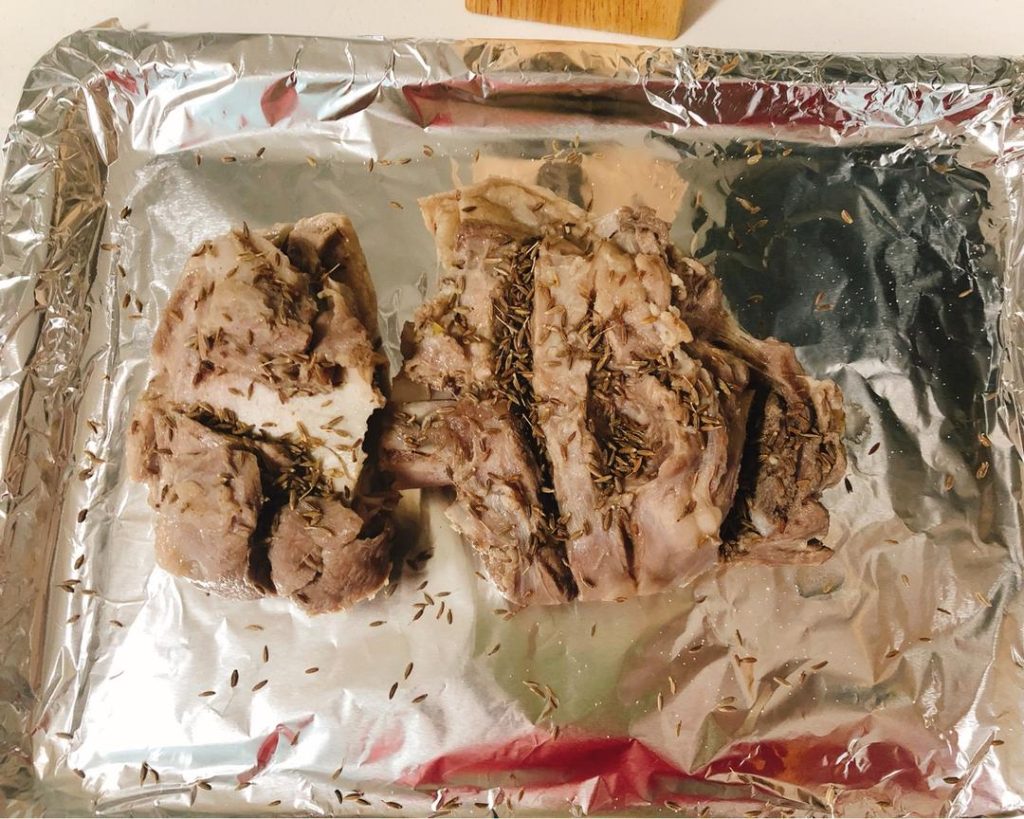
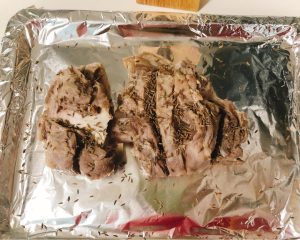
Preheat your oven to 430°F (220°C). Remove the lamb from the pot and drain it well. Pat it dry with paper towels—this is crucial because moisture is the enemy of crispiness. Place the lamb on a roasting pan or baking sheet. Sprinkle the surface generously with the cumin powder and the remaining 1 teaspoon of salt. If the meat is very lean, you can brush a little oil on first to help the spices adhere.
Step 4: Roast Part 1
Place the lamb in the preheated oven, fat/skin side down first. Roast for 20 minutes. You should hear it sizzling.
Step 5: Flip and Finish
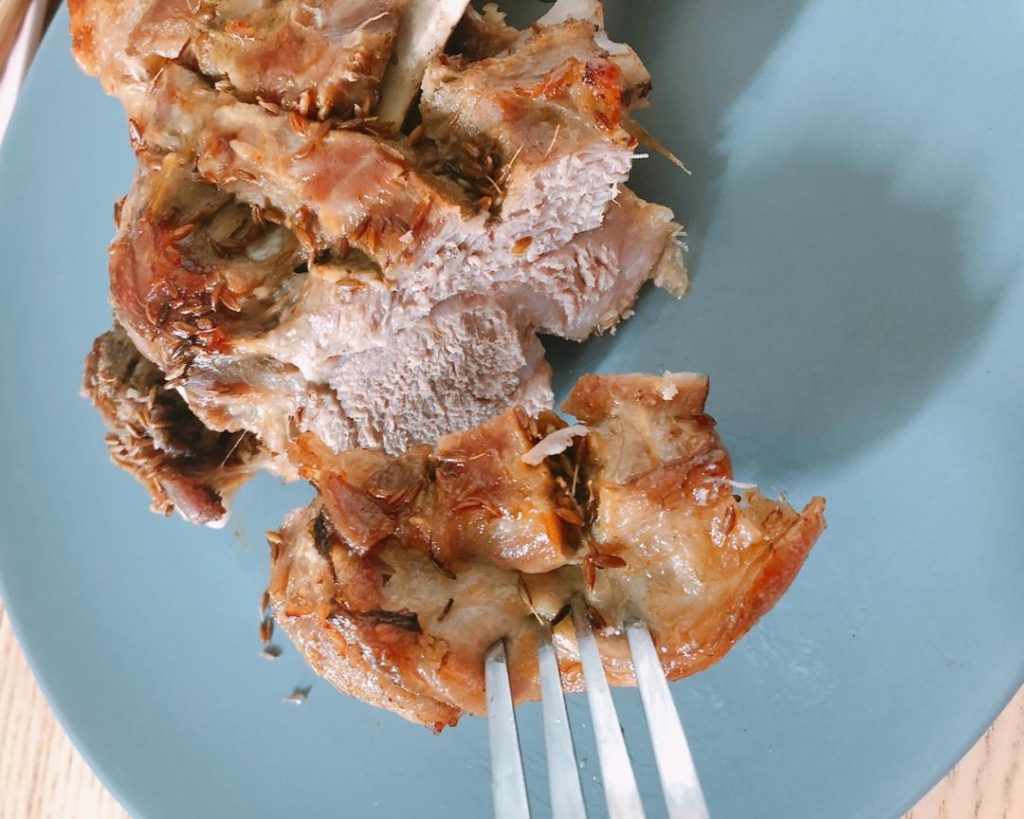
Remove the pan carefully. Flip the lamb over so the fat/skin side is facing up. Return to the oven and roast for another 20 minutes.
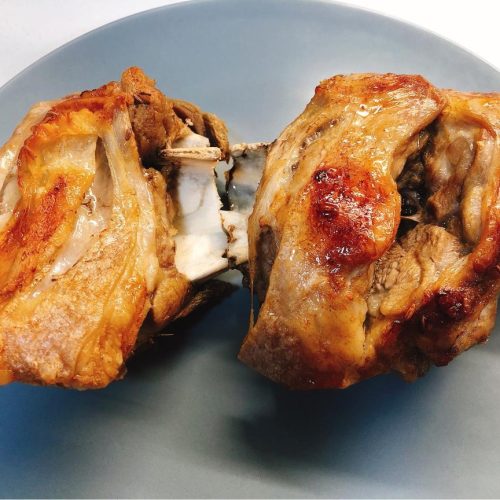
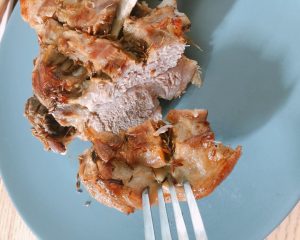
Visual Cue: The surface should be golden brown, the spices fragrant (toasted, not burnt), and the fat rendered and crispy.
Step 6: Rest and Serve
Remove from the oven and let it rest for at least 10 minutes before carving. This allows the juices to redistribute. Serve immediately. It pairs wonderfully with a side of Black Pepper Beef Cubes style roasted vegetables or simple steamed rice.
Troubleshooting & FAQ
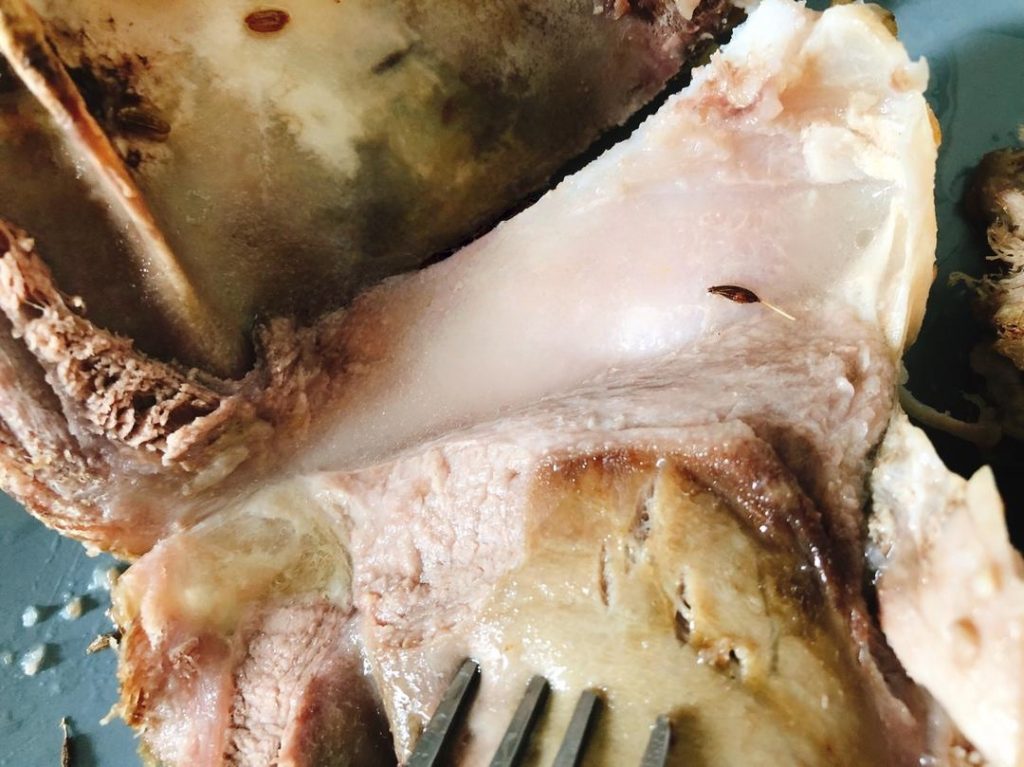
Q: Won’t boiling the meat remove all the flavor and make it tough? A: Not at all. I have tested this personally many times. Because we boil it for a relatively short time (20 minutes) with salt and strong aromatics, the meat stays tender. The high-heat roast then seals the surface. The inside remains incredibly juicy.
Q: My oven runs hot, will the spices burn? A: Cumin can burn if exposed to 430°F for too long. If you notice the spices darkening too quickly, cover the lamb loosely with aluminum foil for the last 10 minutes of cooking.
Q: Is the meat fully cooked after this time? A: For a standard leg, 20 minutes of boiling plus 40 minutes of high-heat roasting usually results in medium-well to well-done lamb, which is the traditional Chinese preference. If you have a meat thermometer, aim for an internal temperature of 145°F (63°C) for medium-rare or 160°F (71°C) for medium.
Nutrition Information (Per Serving, Estimated)
- Calories: 380 kcal
- Protein: 45g
- Fat: 20g
- Carbohydrates: 2g
- Sodium: 580mg
- Fiber: 1g
- Sugar: 0g
Disclaimer: Nutrition information is calculated using an ingredient database and should be considered an estimate. Actual values may vary depending on the specific cut of lamb used, the amount of fat rendered off during roasting, and the exact quantity of salt consumed.
Food Safety & Preparation
- Internal Temperature: For safety and best quality, use a meat thermometer to ensure the thickest part of the lamb reaches an internal temperature of at least 145°F (63°C) for medium-rare, or 160°F (71°C) for medium.
- Resting Meat: Allow the roasted lamb to rest for at least 10 minutes before carving. This allows the juices to redistribute throughout the meat rather than spilling out onto the cutting board.
- Cross-Contamination: Always wash hands, cutting boards, and utensils thoroughly with hot soapy water after handling raw meat to prevent cross-contamination.
- Allergen Warning: Traditional Shaoxing wine contains wheat (gluten). If you are cooking for someone with celiac disease or gluten intolerance, substitute with Dry Sherry or a certified gluten-free cooking wine.
Recipe Notes (Chef’s Tips)
Why Boil Before Roasting? This “boil-then-roast” technique is a traditional Chinese home-cooking secret for handling bone-in cuts like lamb legs or ribs. Boiling with aromatics (ginger, scallion, star anise) acts as a powerful marinade that penetrates deep into the meat fibers while simultaneously removing the strong, gamey odor often associated with lamb. It also guarantees that the meat near the bone is fully cooked and tender, so the oven time is dedicated solely to crisping the fat and toasting the spices.
Crispy Skin Secret Moisture is the enemy of crispiness. After removing the lamb from the boiling water, let it steam dry for a few minutes and then pat it thoroughly dry with paper towels. If the surface is wet, the spices will turn into a paste rather than a crust. For an extra golden finish, you can brush a very thin layer of neutral oil over the skin before applying the cumin and salt.
Spice Customization Cumin (Zi Ran) is the dominant flavor here, but you can easily adapt this rub. For a spicy kick, mix chili powder (cayenne or crushed red pepper flakes) with the cumin. If you enjoy a numbing sensation, add ground Sichuan peppercorns to the dry rub mix.
Make-Ahead Friendly This recipe is excellent for meal prep. You can complete the boiling step up to 24 hours in advance. Store the boiled lamb in the refrigerator. When ready to eat, bring it to room temperature for 30 minutes, season, and roast in the hot oven until crispy and heated through.fic cut of lamb used.
Easy Oven Roasted Lamb Leg (Jia Chang Kao Yang Tui)

Equipment
- Large Stockpot
- Roasting Pan
Ingredients
For the Boiling Pot
- 1 Lamb leg (approx. 4-5 lbs) bone chopped or separated for easier handling
- 2 tbsp Shaoxing cooking wine or dry sherry
- 2 tsp Salt for the water
- 1 tbsp Sichuan peppercorns
- 1 piece Star anise
- 3 leaves Bay leaves
- 0.5 stalk Scallion cut into large sections
- 5 slices Ginger
- 2 Dried red chilies
For the Roast
- 1 tbsp Cumin powder or more to taste
- 1 tsp Salt for seasoning surface
- 1 tbsp Neutral oil optional, to help spices stick
Instructions
- Place the lamb leg in a large pot and cover with cold water. Add salt (2 tsp), Shaoxing wine, scallion, ginger, chilies, peppercorns, bay leaves, and star anise. Bring to a boil over high heat.

- Once boiling, skim off any foam. Continue to boil on high heat for 20 minutes.
- While boiling, preheat your oven to 430°F (220°C).
- Remove the lamb from the water and drain well. Pat dry with paper towels. Place on a roasting pan.
- Sprinkle the lamb generously with cumin powder and the remaining salt. (Brush with a little oil first if the meat is very lean).

- Roast in the oven for 20 minutes with the fat/skin side facing down.
- Flip the lamb over and roast for another 20 minutes with the fat side up, until the surface is golden and crispy.
- Remove from oven, slice, and serve immediately.




Leave a Reply