There is a specific clamor unique to a Cantonese Dim Sum hall on a Sunday morning—the clinking of porcelain, the snipping of shears, and the rolling thunder of serving carts. Growing up, my family’s table was never without a few steamer baskets, but the one non-negotiable order was always the Steamed Pork Ribs with Black Bean Sauce (Dou Chi Zheng Pai Gu).
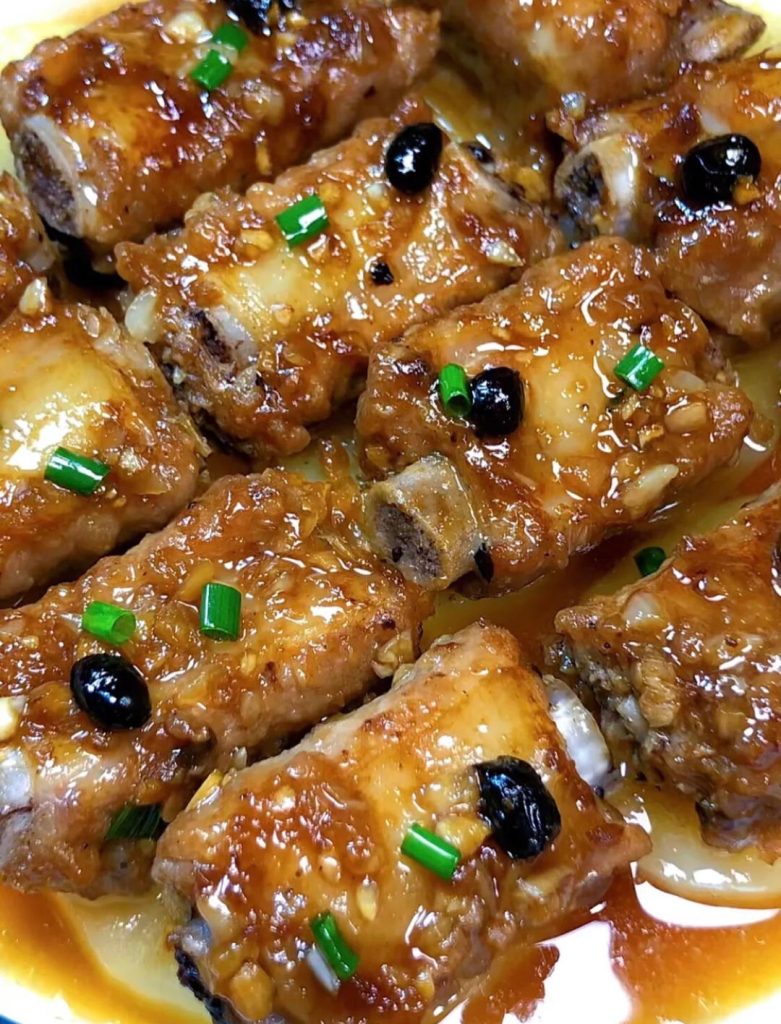
Unlike the roasted or braised ribs common in Western cuisine, these ribs are pale, glistening, and incredibly tender. The flavor is a sophisticated balance of savory meat juice, the pungent kick of fermented black beans, and the subtle sweetness of garlic. However, for years, I struggled to replicate that unique “bouncy” and velvety texture at home. My ribs would often turn out tough or gray.
After my professional culinary training and years of testing in my own kitchen, I realized the secret wasn’t a fancy chemical tenderizer; it was a simple preparation technique involving flour and water.
In this recipe, I’m sharing that restaurant technique with you. I’ve also adapted this specific version to include a bed of sliced potatoes (a common home-cooking variation), which soak up all the savory drippings. It turns a snack into a hearty meal that pairs perfectly with Cantonese Clay Pot Rice or a side of Chinese Broccoli with Oyster Sauce.
What Is Steamed Pork Ribs with Black Bean Sauce?
This dish is a staple of Cantonese cuisine (Yue Cai). It features bite-sized pork spare ribs marinated in a savory sauce made from fermented black beans (douchi), garlic, and soy sauce, then steamed until cooked through.
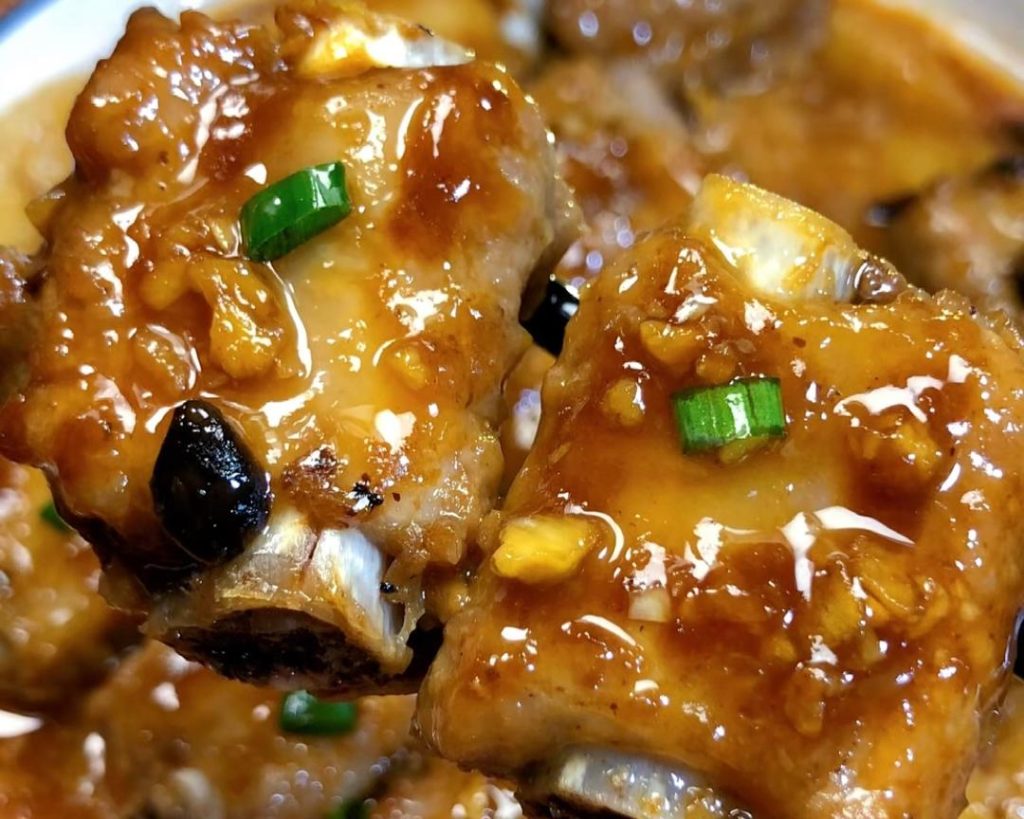
Traditional Dim Sum versions are purely meat, often containing taro or pumpkin cubes at the bottom to absorb the flavor. This version uses potatoes, which become meltingly tender and flavorful after 25 minutes in the steamer.
Looking for a Different Twist on Steamed Ribs?
If you’ve already mastered the savory, fermented punch of the black bean version and want to try another iconic Chinese steaming technique, you should check out our Steamed Pork Ribs with Taro (Fen Zheng Pai Gu).
While the black bean ribs focus on a clean, salty profile, the taro version uses a from-scratch toasted rice powder that creates a velvety, spiced coating around each rib. It’s a heartier, more aromatic dish where the taro at the bottom absorbs all the rendered pork fat—think of it as the ultimate homestyle comfort food compared to the lighter dim sum style of the black bean version. It’s a great way to practice your stir-fry toasting skills and dive deeper into regional Sichuan flavors.
1Authentic Steamed Pork Ribs with Taro (Fen Zheng Pai Gu)A classic Chinese comfort dish featuring tender pork ribs coated in aromatic toasted rice powder, steamed over a bed of buttery taro.Check out this recipeLove Steamed Ribs? Try This Earthy Twist!
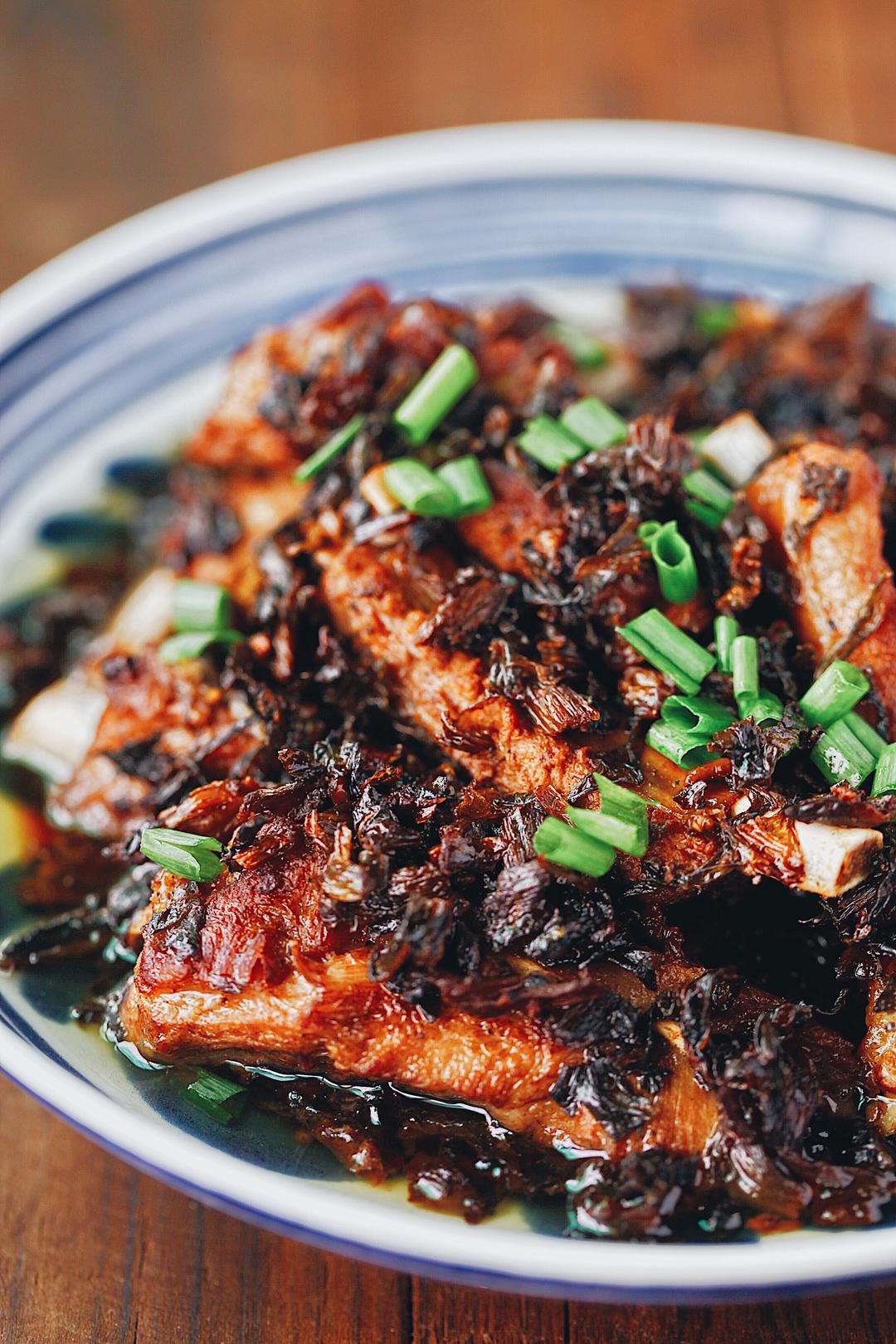
If you enjoy the succulent, tender texture of these ribs but want to explore a deeper, more rustic flavor profile, you must try our Steamed Pork Ribs with Preserved Mustard Greens. While the black bean version is a beloved dim sum staple , the version with Mei Gan Cai (preserved mustard greens) offers a unique, earthy sweetness that absorbs the rich pork juices beautifully—making it arguably the ultimate “rice killer” for a cozy family dinner.
2Steamed Pork Ribs with Preserved Mustard Greens (Mei Gan Cai Zheng Pai Gu)An easy, authentic homestyle Chinese dish featuring tender pork ribs steamed with aromatic, savory preserved mustard greens. No blanching required!Check out this recipe

Why This Recipe Works
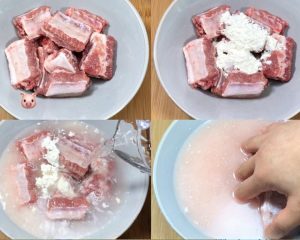
- The “Flour Wash” Technique: By massaging the raw ribs with flour and water before cooking, we draw out blood and impurities. This removes the “gamey” pork smell and ensures the ribs steam up with that classic, clean, pale color rather than turning gray and muddy.
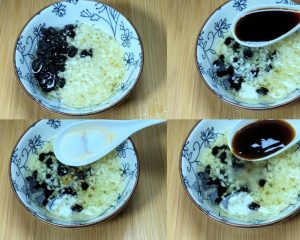
- Hot Oil Bloom: Instead of just mixing raw garlic and black beans into the meat, we pour sizzling hot oil over them first. This releases their aromatics instantly, creating a much more fragrant marinade base.
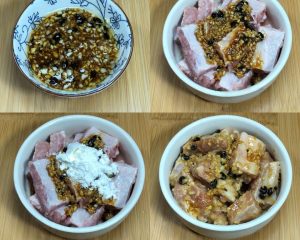
- Moisture Retention: Coating the ribs in cornstarch (a technique known as velveting) seals in the juices, ensuring the meat stays silky and smooth even after steaming.
Key Ingredients & Substitutions
- Pork Ribs: You want pork spare ribs or rib tips.
- Butcher Note: Ask your butcher to cut the ribs across the bone into long strips, about 1 inch (2.5 cm) wide. Then, at home, you can slice between the bones to create small bite-sized nuggets. This is crucial for even steaming.
- Fermented Black Beans (Douchi): These are dried, salted, fermented soybeans. They are the soul of this dish—salty, savory, and full of umami.
- Substitutions: If you cannot find whole fermented black beans at an Asian grocer, you can use a jarred “Black Bean Sauce” (like Lee Kum Kee), but reduce the added soy sauce as the jarred sauce is salty.
- Potatoes: These act as a sponge for the delicious rib juices.
- Variations: You can substitute with taro root, pumpkin cubes, or even sweet potato.
- Cornstarch: Essential for that silky “dim sum” texture. Potato starch is a viable substitute.
Recipe Notes Before You Start
- Soak the Black Beans: If your fermented black beans are very dry or salty, rinse them briefly in water and pat them dry before using.
- Equipment: You will need a steamer setup. This can be a bamboo steamer placed over a wok, a metal tiered steamer, or even a simple wire rack placed inside a large pot with a lid.
- Safety: Since we are steaming pork, we want to ensure it reaches a safe internal temperature of 145°F (63°C), though for ribs, we usually cook them longer to break down connective tissue.
Mise en Place / Prep
- The Ribs: Chop your ribs into small 1-inch pieces if they aren’t already.
- The Aromatics: Mince the garlic finely. Roughly chop the black beans (don’t pulverize them; you want chunks).
- The Veggie Base: Peel and slice the potato into 1/4-inch thick slices.
How to Make Steamed Pork Ribs
Step 1: The Deep Clean (Crucial Step) Place the chopped ribs in a large bowl. Add 1 tablespoon of all-purpose flour and a splash of water. Massage the ribs vigorously for 2 minutes. You will see the water turn cloudy and pink—this is the blood and impurities being pulled out. Rinse the ribs thoroughly under cold running water until the water runs clear. Drain well and pat dry with paper towels. Why? This step guarantees the clean, pure flavor and the light color characteristic of high-quality dim sum.

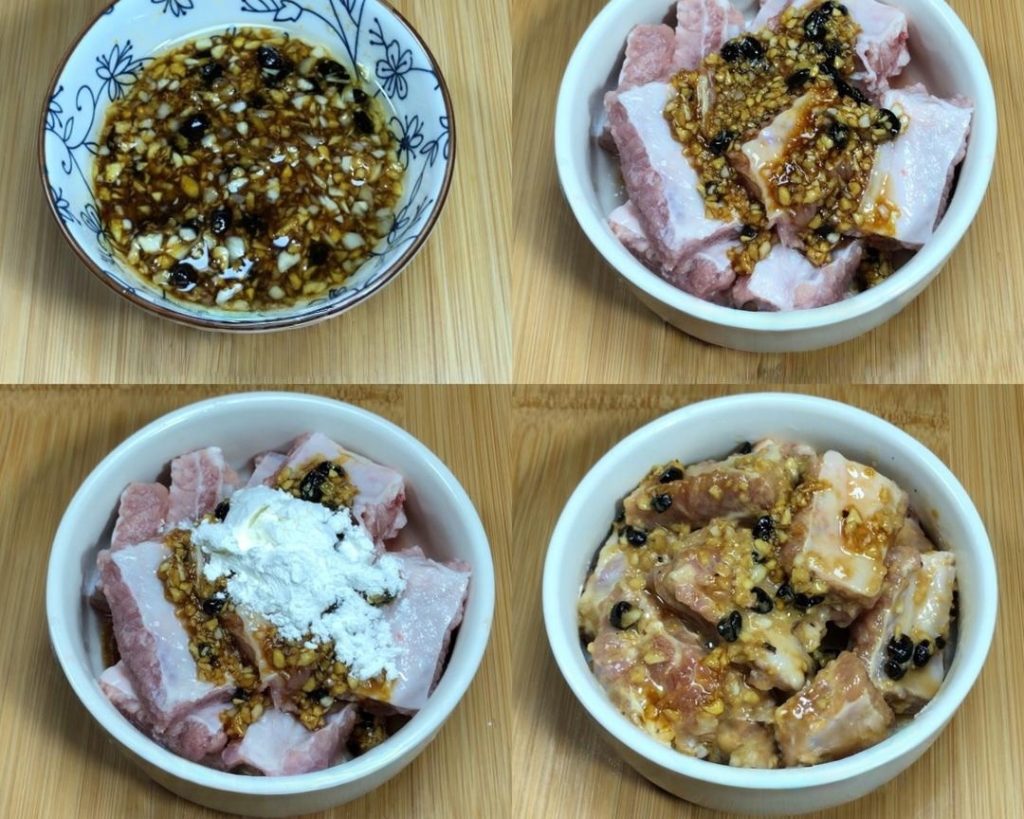
Step 2: Bloom the Aromatics In a small heat-proof bowl, combine the minced garlic and chopped fermented black beans. Heat the cooking oil in a small pan (or ladle) until it is shimmering and slightly smoking. Carefully pour the hot oil over the garlic and black beans. Visual Cue: The mixture should sizzle aggressively and release a strong, savory aroma immediately.
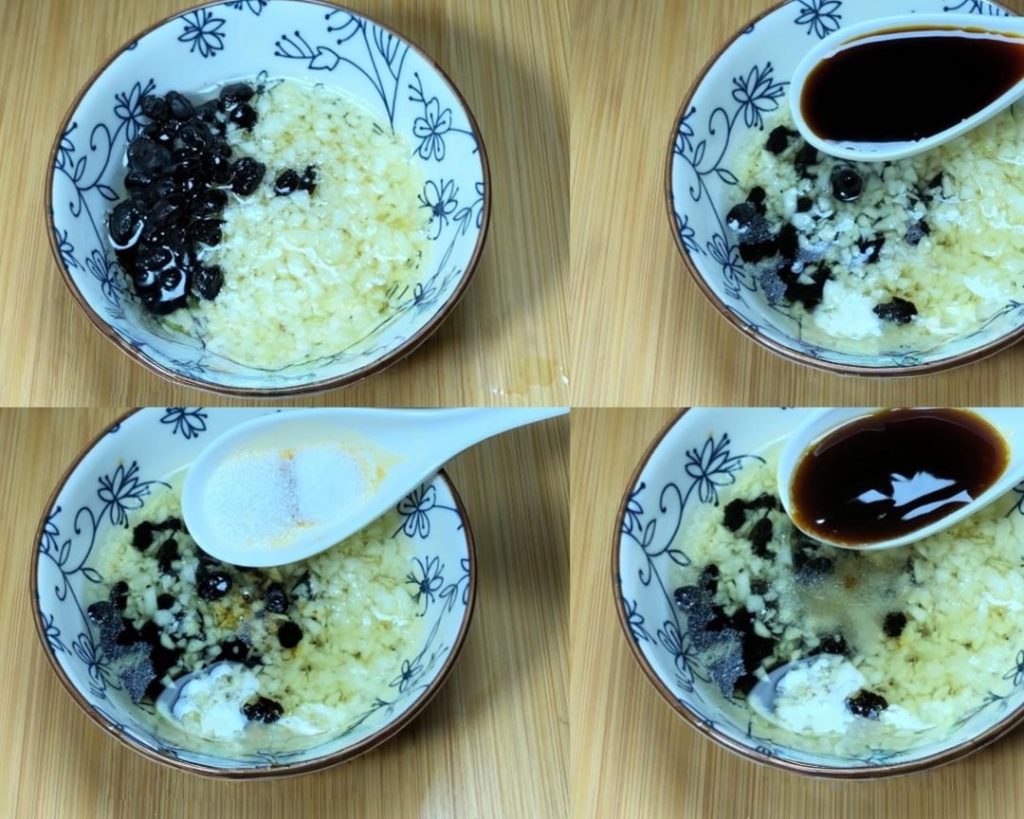
Step 3: Marinate the Ribs To the bowl with the aromatic oil mixture, add the light soy sauce, oyster sauce, salt, and sugar. Mix well. Pour this sauce over the cleaned, dried ribs. Mix until evenly coated. Finally, add the cornstarch and toss again until the ribs feel tacky and coated. Note: Let this marinate for at least 30 minutes to allow the flavors to penetrate.
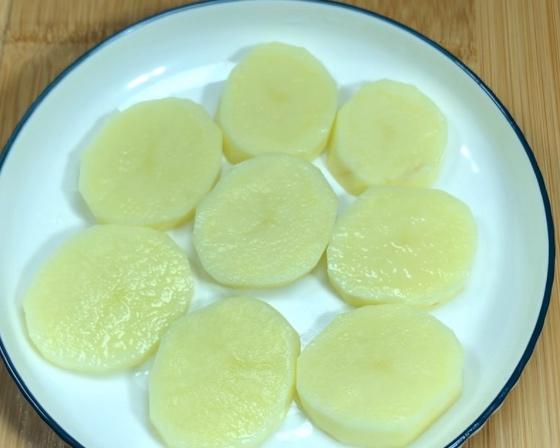
Step 4: Assemble and Steam Arrange the potato slices in a single layer on the bottom of a heat-proof deep plate or pie dish. Layer the marinated ribs on top of the potatoes. Try not to stack them too high; a flatter layer ensures even cooking.

Step 5: Steaming Bring the water in your steamer to a rolling boil. Carefully place the plate into the steamer. Cover tightly and steam on high heat for 25 minutes.
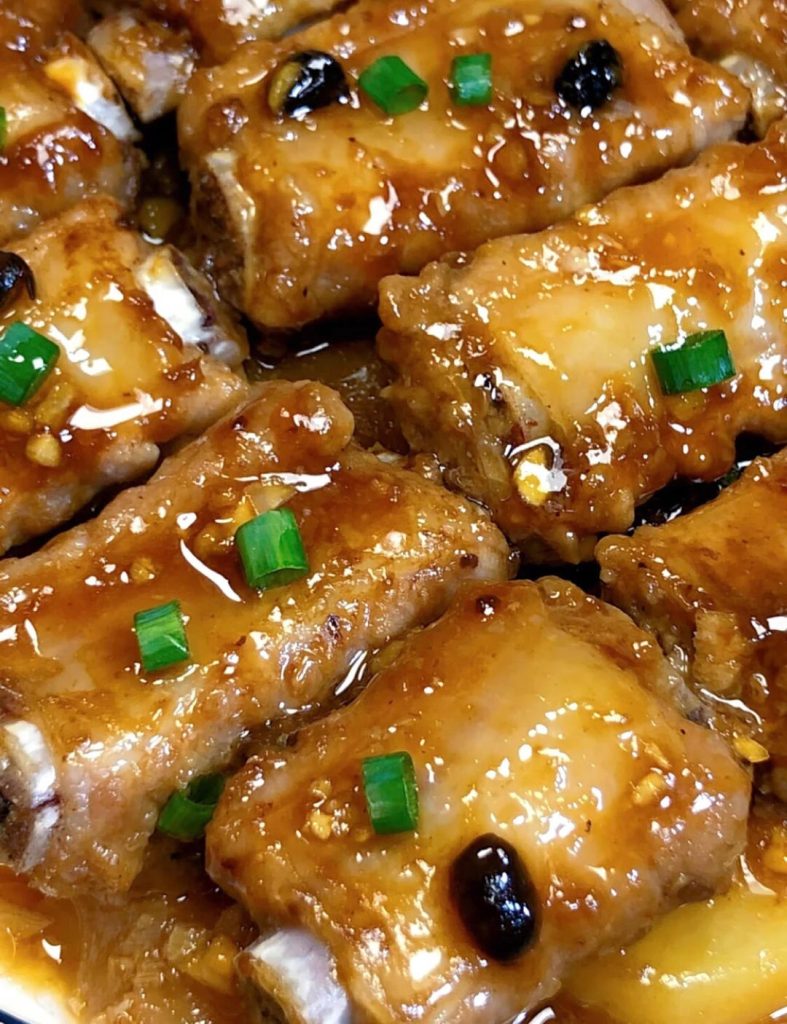
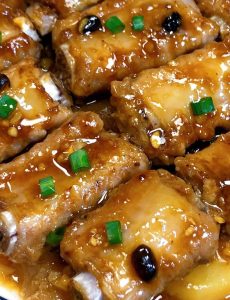
Step 6: Serve Carefully remove the hot plate (use plate clips or a towel). The ribs should be glistening, and the potatoes tender. Serve immediately with plenty of white rice.
Troubleshooting & FAQ
Q: My ribs released too much water and the sauce is runny.
- A: This usually happens if the ribs weren’t dried enough after washing. Ensure you pat them very dry with paper towels before adding the marinade. Also, ensure your steamer water is boiling before you put the plate in to sear the outside quickly.
Q: Can I make this spicy?
- A: Absolutely. You can add chopped fresh chili peppers or a teaspoon of Chili Garlic Sauce to the marinade for a kick.
Q: Why are my ribs tough?
- A: You may have cut the pieces too large, or you didn’t steam them long enough. Ensure the pieces are bite-sized (approx 1 inch). If they are large, increase steaming time to 35-40 minutes.
How to Store & Reheat
- Fridge: Store leftovers in an airtight container for up to 3 days.
- Reheat: Steam for 10 minutes or microwave on high for 2-3 minutes. Steaming is preferred to keep the texture silky.
Serving Suggestions
This dish is rich and savory, so it needs a neutral starch.
- Rice: Jasmine rice is the classic pairing.
- Vegetables: A simple blanched green like choy sum or a Smashed Cucumber Salad cuts through the richness perfectly.
Nutrition Information (Estimate)
- Calories: 350 kcal
- Protein: 25 g
- Carbohydrates: 15 g
- Fat: 22 g
- Saturated Fat: 7 g
- Cholesterol: 70 mg
- Sodium: 850 mg
- Fiber: 2 g
- Sugar: 2 g
Disclaimer: Nutrition information is calculated using an ingredient database and should be considered an estimate. Garnishes and optional items are not included. Actual values vary.
Food Safety & Preparation Reminders
- Pork Safety: Ensure the pork ribs reach a safe internal temperature of at least 145°F (63°C) to prevent foodborne illness.
- Cross-Contamination: Wash hands, knives, and cutting boards thoroughly with hot soapy water after handling raw pork.
- Steaming Caution: When opening the steamer lid, always tilt it away from your face to avoid burns from the escaping steam.
- Allergen Note: This recipe contains Soy (soy sauce, black beans), Wheat (if using standard soy sauce and flour for cleaning), and Shellfish (oyster sauce).
Recipe Notes
Steaming Success: Make sure your steamer water is at a rolling boil before you place the plate inside. The immediate blast of high heat helps set the coating and seal in the juices for that signature velvety texture.
💡 Chef’s Tip: The Secret to “Clean” Ribs The most critical step in this recipe is the “flour wash.” Don’t skip massaging the raw ribs with flour and water! This technique draws out excess blood and impurities that water alone cannot remove. This is the professional dim sum secret that ensures your ribs steam up with a pristine, pale color and a pure, savory flavor, rather than looking gray or tasting “gamey.”
Blooming the Aromatics: Pouring hot oil over the minced garlic and black beans (instead of stir-frying them) instantly releases their fragrance without burning them. This infused oil then becomes the base of your marinade, carrying that deep savory flavor into every crevice of the meat.
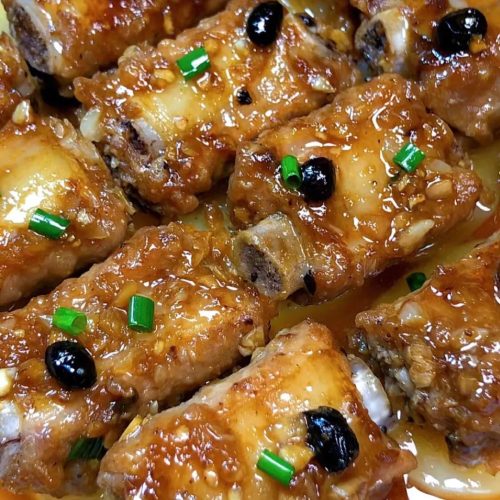
Steamed Pork Ribs with Black Bean Sauce (Dim Sum Style)

Equipment
- Steamer (Bamboo or Metal)
- Heat-proof Plate
- Wok or Large Pot
Ingredients
Ribs & Cleaning
- 1.1 lbs pork spare ribs or rib tips approx. 500g, cut into 1-inch pieces
- 1 tbsp all-purpose flour for cleaning the ribs
Marinade & Sauce
- 1 tbsp fermented black beans (douchi) rinsed and roughly chopped
- 2 cloves garlic minced (approx 1 tbsp)
- 1 tbsp cooking oil neutral oil like canola or vegetable
- 2 tsp light soy sauce
- 1 tsp oyster sauce
- 1/2 tsp sugar
- 1/4 tsp salt
- 1 tbsp cornstarch
Base
- 1 medium potato peeled and sliced 1/4 inch thick
Instructions
- Clean the ribs: Place chopped ribs in a bowl with the flour and a splash of water. Massage for 2 minutes to remove impurities. Rinse thoroughly until water runs clear. Pat completely dry.

- Make the aromatic oil: Place minced garlic and chopped black beans in a heat-proof bowl. Heat the 1 tbsp oil until smoking, then pour over the aromatics to sizzle.
- Marinate: Add soy sauce, oyster sauce, sugar, and salt to the aromatic oil mixture. Pour over the ribs and mix well. Add cornstarch and toss until coated. Marinate for 30 minutes.
- Assemble: Lay potato slices on the bottom of a heat-proof steamer plate. Spread the ribs evenly on top.
- Steam: Place the plate in a steamer over boiling water. Cover and steam on high heat for 25 minutes.
- Serve: Remove carefully and serve hot.














Leave a Reply