Growing up in my family’s restaurant kitchen, I learned early on that the balance of flavors—sweet, sour, savory, and salty—is the heartbeat of Chinese cuisine. While I am a Sichuan girl at heart, known for my love of Kung Pao Chicken and spicy chilies, there is a special place in my heart for the Cantonese classic: Bo Luo Gu Lao Rou (菠萝咕咾肉).

Pineapple Sweet and Sour Pork is a dish that bridges generations. It’s colorful, appetizing, and, when done right, incredibly satisfying without being greasy. The tartness of fresh, seasonal pineapple cuts right through the richness of the fried pork, creating a harmony that makes you want “just one more bite.”
Many people are intimidated by deep-frying at home, fearing a mess or soggy results. However, with the right technique—specifically the “double-fry” method I’ll teach you below—you can achieve that restaurant-quality crunch in your own kitchen.
About the Author & Recipe Development
I’m Lin, a culinary instructor and writer born in Sichuan, China. My cooking philosophy combines the traditional techniques passed down from my chef father with the practical science I learned in professional culinary training. This recipe was developed to bridge the gap between the authentic Sweet and Sour Pork you might eat in Guangzhou and the friendly, accessible version found in Western kitchens. I’ve tested this batter ratio multiple times to ensure it stays crispy even after being tossed in sauce!
What is Bo Luo Gu Lao Rou?
Gu Lao Rou (often Anglicized as “Koo Loo Yuk” or Sweet and Sour Pork) is one of the most globally recognized Chinese dishes. The “Bo Luo” in the title simply means Pineapple.
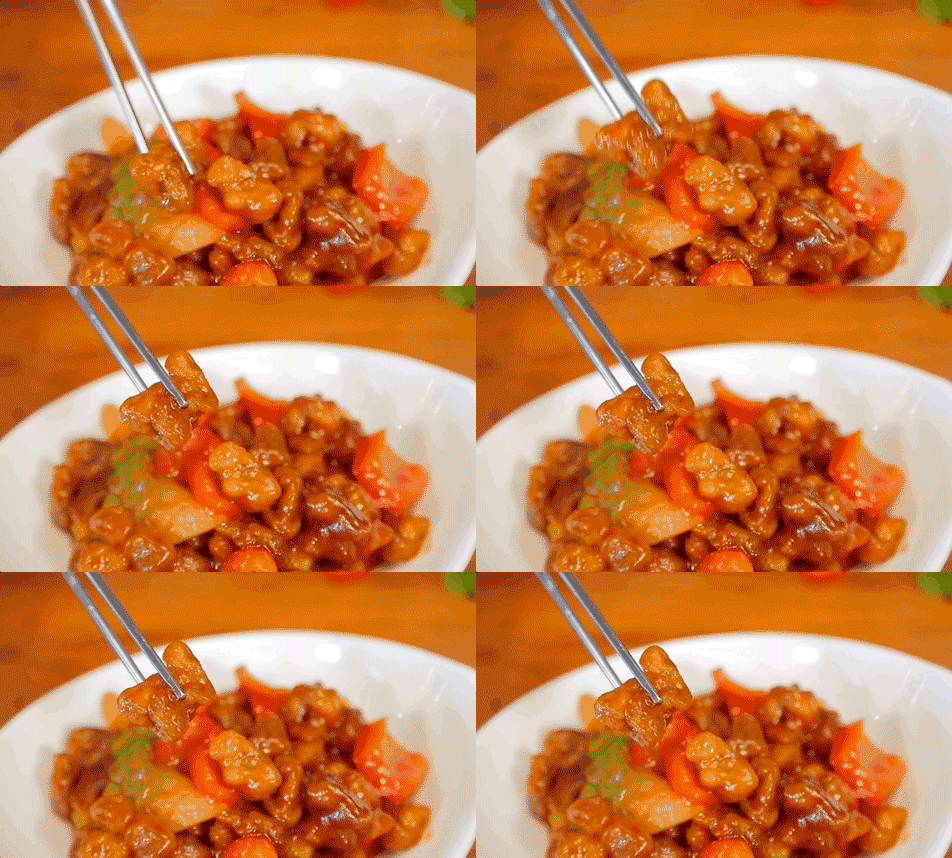
Unlike the neon-red, batter-heavy versions often found in lower-quality takeouts, the traditional homestyle version relies on a lighter coating and a sauce derived from ketchup, vinegar, and sugar to create a glossy, appetizing glaze. It pairs the savory meat with the bright acidity of fruit and the crunch of peppers.
Why This Recipe Works
- The Double Fry: Frying the meat once cooks it through, but the second fry at a higher temperature forces out excess oil and creates a glass-like crispy crust.
- Pork Shoulder (Mei Rou): We use “Mei Rou” (pork collar/butt), which has the perfect ratio of fat to lean meat, ensuring the pork stays juicy inside the crispy shell.
- Balanced Sauce: We don’t rely on jarred sauces. A simple mix of ketchup, vinegar, and sugar gives you full control over the flavor profile.
Key Ingredients & Substitutions
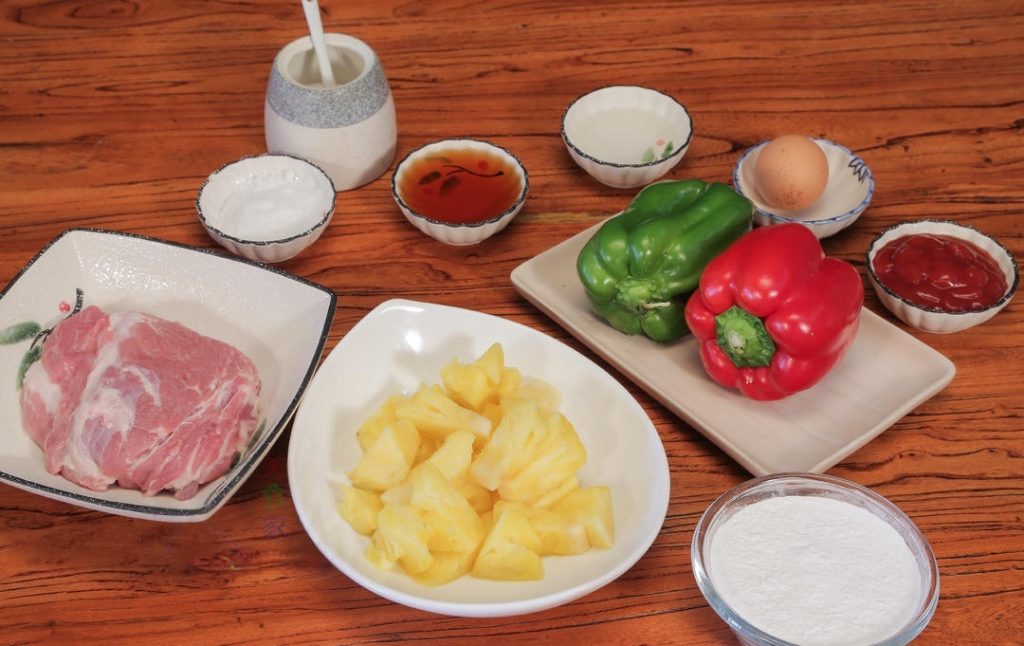
- Pork: The original recipe calls for “Zhu Mei Rou.” In Western butchers, look for Pork Shoulder (Boston Butt) or Pork Collar. These cuts are well-marbled. If you prefer a leaner bite, you can use tenderloin, but be careful not to overcook it.
- Pineapple: Fresh pineapple is best because it contains enzymes that tenderize the meat and offers a superior floral aroma. However, canned pineapple chunks (drained) work in a pinch.
- Ketchup: Yes, authentic Cantonese chefs use ketchup! It provides the base color and a savory-sweet depth that food coloring cannot replicate.
- Shaoxing Wine: This is essential for removing any “porky” odor. If you cannot find it, dry sherry is an acceptable substitute. Read more about Shaoxing Wine here.
- Vinegar: Regular white vinegar provides a sharp, clean sourness that balances the sugar.
- Starch: Potato starch provides the crispest coating, but cornstarch (corn flour) is a perfectly fine standard for this recipe.
Equipment You Will Need
- Wok or Dutch Oven: For deep frying. A heavy bottom maintains heat better.
- Kitchen Thermometer: Essential for monitoring oil temperature to ensure safety and crispiness.
- Slotted Spoon or Spider Strainer: For safely removing the pork from the hot oil.
Recipe Notes Before You Start
Mise en Place: Deep frying and stir-frying happen fast. Have your sauce mixed, your veggies chopped, and your pork coated before you turn on the stove.
Oil Safety: When deep-frying, never fill your pot more than halfway with oil. Ensure your pork is dry (not dripping marinade) before dredging in starch to minimize splatter.
How to Make Sweet and Sour Pork with Pineapple
Step 1: Prep and Marinate the Pork
First, cut the 7 oz (200g) of pork shoulder into uniform 1-inch (2.5cm) cubes. Consistency in size ensures even cooking.
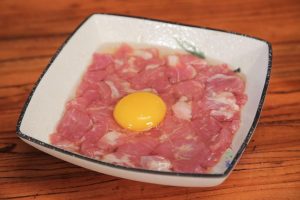
Place the pork in a bowl. Add 1/2 tsp salt and 3 tbsp Shaoxing Wine. Massage the meat with your hands to help it absorb the liquid. Let it marinate for about 10 minutes.
Lin’s Tip: Adding liquid to the meat before sealing it with starch creates steam inside the crust, steaming the meat gently while the outside fries.
Step 2: Create the Batter
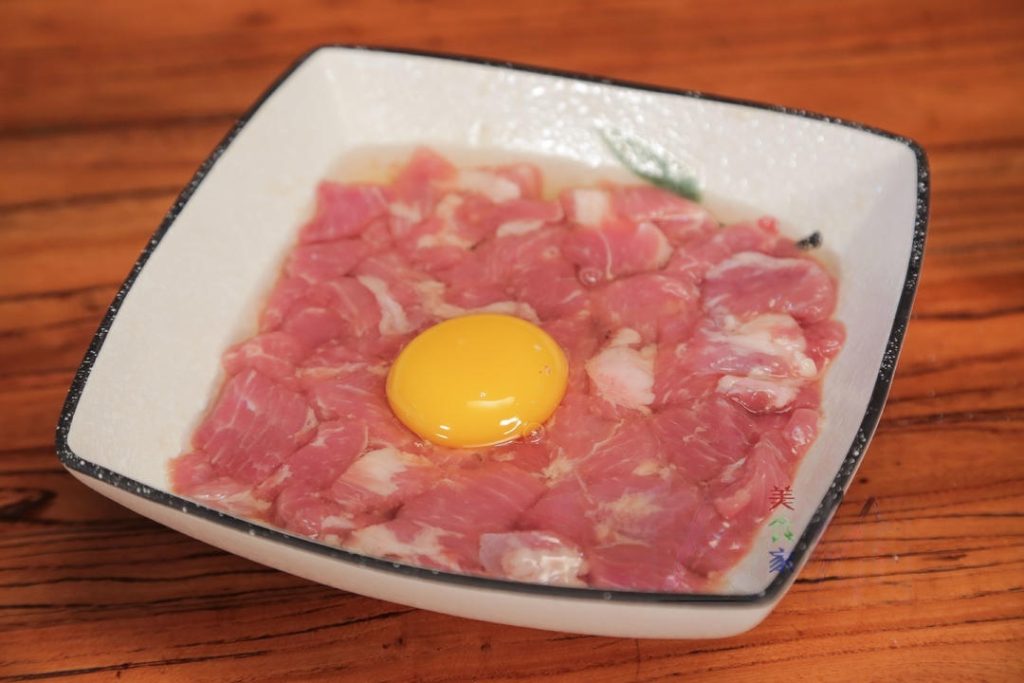
Crack 1 egg into the marinated pork and mix well until every piece is coated in egg wash. Then, sprinkle a little dry cornstarch (about 1 tbsp) into the bowl and mix again. This “wet” layer helps the final dry coating stick.

Step 3: The Dry Coating
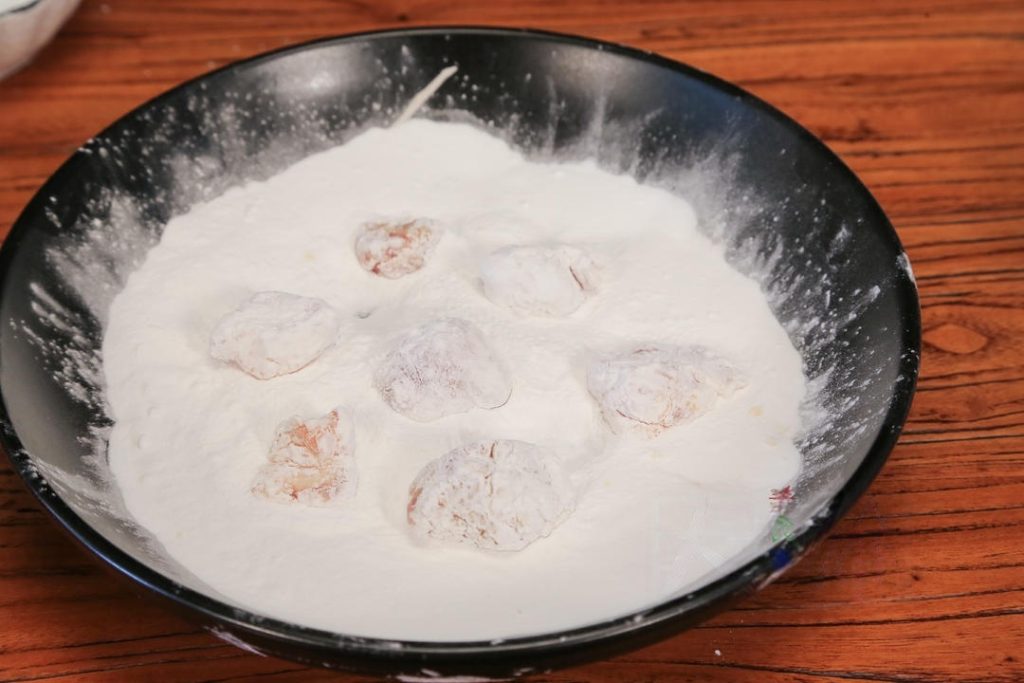
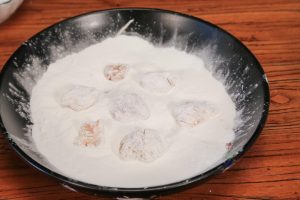
Prepare a separate plate filled with dry cornstarch. Roll each piece of pork in the starch and press firmly to ensure a thick, even white coating. Shake off excess powder.
Why do we do this? This method, distinct from a wet batter used in Sweet and Sour Chicken, creates a craggier, crunchier surface that grabs onto the sauce effectively.
Step 4: The First Fry (Cooking Through)
Heat your neutral oil (vegetable, canola, or peanut) in a wok to 320°F (160°C). If you put a wooden chopstick in, gentle bubbles should form around it.
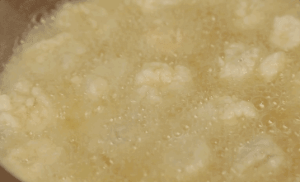
Carefully slide the pork cubes into the oil one by one to prevent sticking. Fry over medium heat until the surface is a pale yellow and the crust has set (about 3-4 minutes). Remove the pork and let it rest on a wire rack.
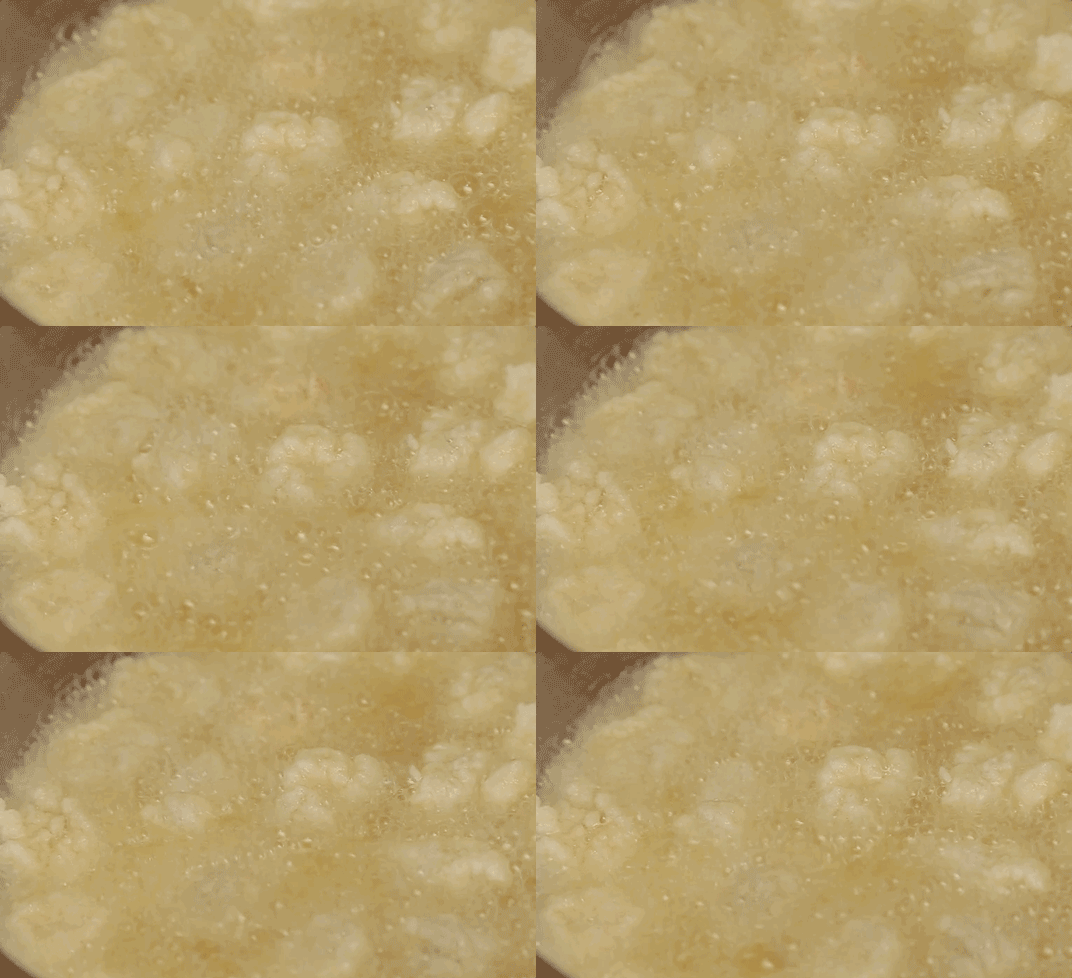
Step 5: The Second Fry (Crisping)
Increase the heat to high. Bring the oil temperature up to 375°F (190°C). The oil should be shimmering. Add the pork back in for a “flash fry” of about 2-3 minutes until golden brown and audibly crispy. Remove and drain.
Science of the Double Fry: The first fry cooks the meat; the second fry drives out moisture from the crust, ensuring it doesn’t get soggy the moment it hits the sauce.
Step 6: Flash Fry the Vegetables
Briefly dip the cut bell peppers and pineapple chunks into the hot oil for just 10-15 seconds. This brightens their color without making them mushy. Remove immediately. (Note: If you prefer to use less oil, you can skip this and just stir-fry them in the next step).
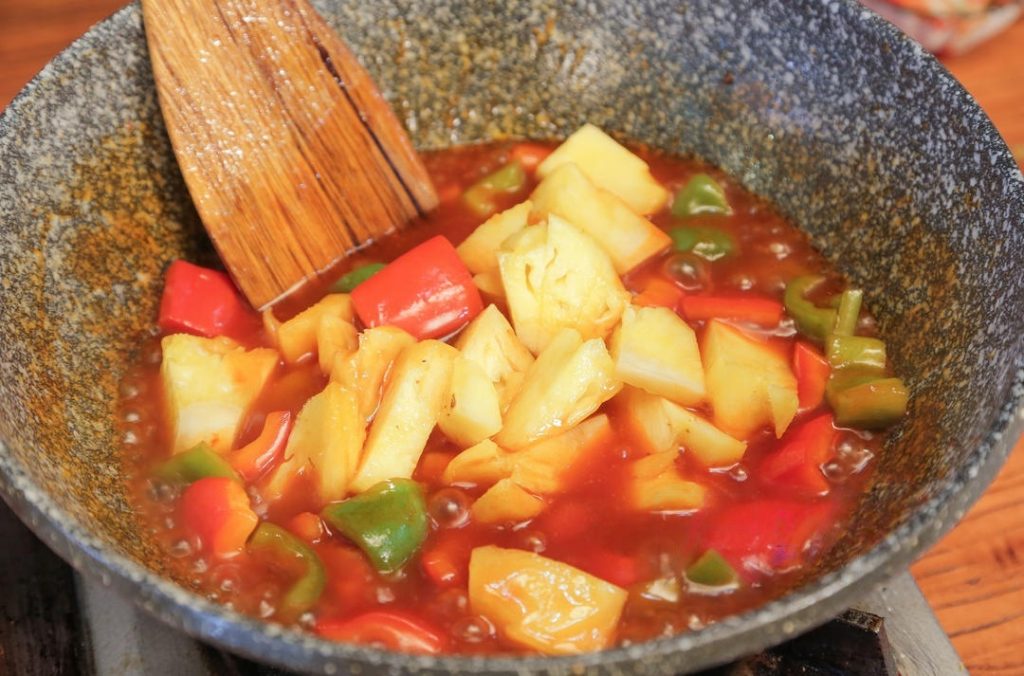
Step 7: Make the Sauce and Combine
Pour out the frying oil, leaving about 1 tablespoon in the wok.
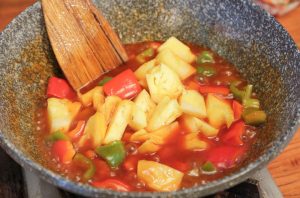
Add 6 tbsp Ketchup, 1 tbsp White Vinegar, and 1 tbsp Sugar (adjust to taste). Stir-fry over low heat until the sugar dissolves and the sauce bubbles and turns a vibrant red. Add a splash of water mixed with a pinch of cornstarch to thicken it into a glossy glaze.
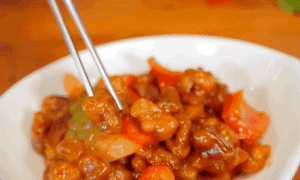
Finally, dump in the fried pork, peppers, and pineapple. Crank the heat to high and toss rapidly. You want the sauce to coat everything, but you do not want to cook the pork in the sauce, or it will lose its crunch.
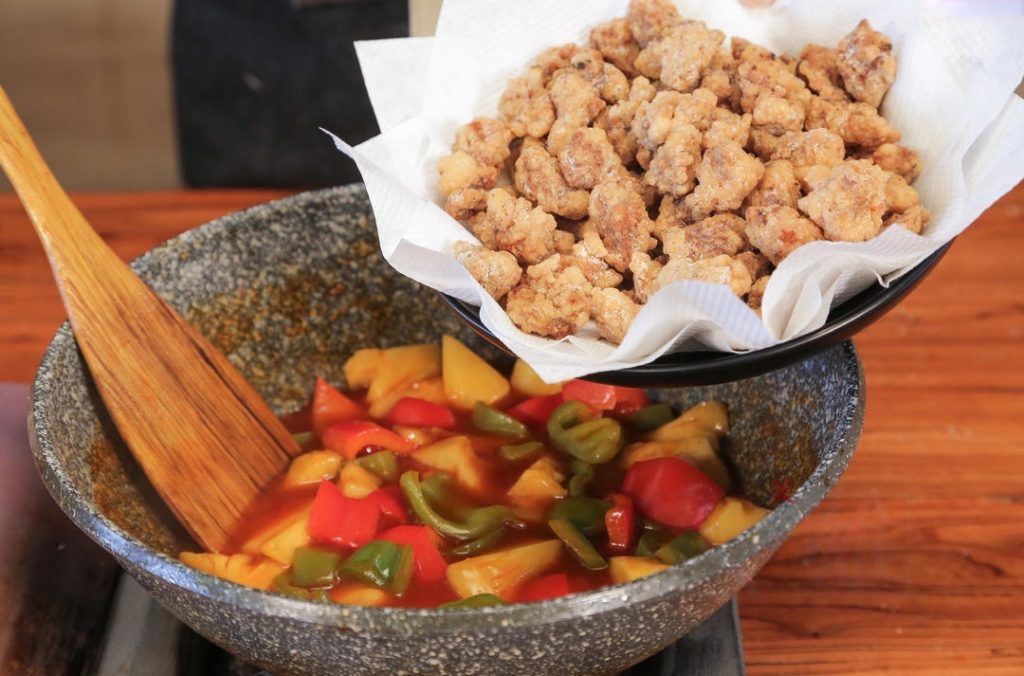
Serve immediately!
Common Mistakes When Making Sweet and Sour Pork
- Oil too cold: If the oil isn’t hot enough, the coating will absorb grease and become heavy rather than crispy. Use a thermometer!
- Overcrowding the pan: Frying too many pieces at once drops the oil temperature drastically. Fry in batches if using a small pot.
- Saucing too early: Never toss the pork in the sauce until your guests are sitting at the table. The sauce contains water, which is the enemy of a crispy crust.
Serving Suggestions
This dish is rich and flavorful, so it pairs best with simple sides. A bowl of steamed jasmine rice is mandatory to soak up the extra sauce. For a balanced meal, I recommend serving it alongside a simple vegetable dish like Stir-fried Lettuce with Garlic or a refreshing Smashed Cucumber Salad to cut through the sweetness.
Troubleshooting & FAQ
Q: Can I use chicken instead of pork? A: Absolutely. This batter and sauce work perfectly for chicken. In fact, it’s very similar to my Sweet and Sour Chicken recipe.
Q: My sauce is too sour. What do I do? A: Brands of ketchup vary in acidity. If it’s too sour, simply add another teaspoon of sugar. Taste as you go!
Q: Is this gluten-free? A: The cornstarch coating is gluten-free, but you must ensure your Soy Sauce, Ketchup, and Cooking Wine are certified gluten-free.
Authoritative References
For more information on safe internal cooking temperatures for pork, please refer to the USDA Food Safety and Inspection Service.
For a deeper dive into the essential sauces used in this recipe, check out our guide on Essential Chinese Sauces.
Food Safety & Storage
- Pork Safety: Ensure the internal temperature of the pork reaches at least 145°F (63°C) with a 3-minute rest time.
- Storage: This dish is best eaten fresh. If you must store leftovers, keep them in an airtight container in the fridge for up to 2 days. Reheat in an air fryer or oven to attempt to revive the texture; microwaving will result in soft coating.
- Allergens: This recipe contains Eggs and usually Soy/Wheat (in the soy sauce/condiments).
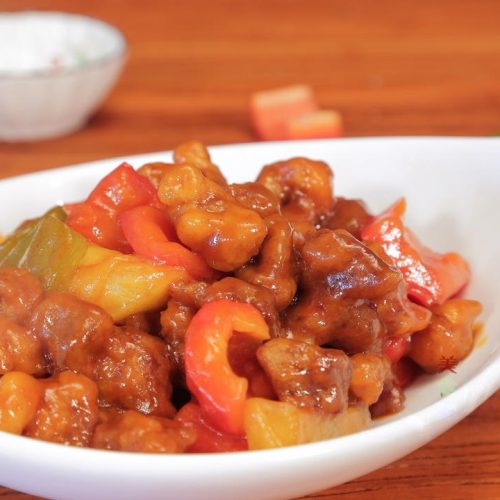
Sweet and Sour Pork with Pineapple (Bo Luo Gu Lao Rou)

Equipment
- Wok or Dutch Oven For deep frying
- Kitchen Thermometer Essential for safety and consistency
- Slotted Spoon Or spider strainer
Ingredients
Main Ingredients
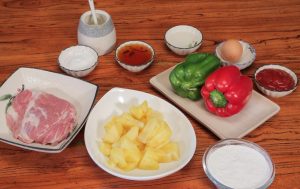
- 7 oz Pork Shoulder (Pork Butt/Collar) cut into 1-inch cubes (approx 200g)
- 1 cup Fresh Pineapple cut into chunks
- 0.5 Green Bell Pepper cut into chunks
- 0.5 Red Bell Pepper cut into chunks
- Neutral Oil for deep frying (Vegetable or Canola)
Marinade
- 0.5 tsp Salt
- 3 tbsp Shaoxing Wine can substitute with dry sherry
Coating
- 1 Egg beaten
- 1 cup Cornstarch divided use
Sauce
- 6 tbsp Ketchup
- 1 tbsp White Vinegar or Rice Vinegar
- 1 tbsp Sugar adjust to taste
- 1 tsp Cornstarch mixed with 2 tbsp water (Slurry)
Instructions
- Cut the pork shoulder into 1-inch cubes. In a bowl, mix the pork with salt and Shaoxing wine. Let marinate for 10 minutes.

- Crack the egg into the pork bowl and mix well. Sprinkle 1 tablespoon of cornstarch into the wet pork mixture and mix again.

- Place the remaining cornstarch on a plate. Roll each piece of pork in the starch, pressing firmly to coat. Shake off excess.
- Heat oil in a wok to 320°F (160°C). Fry pork in batches over medium heat until pale yellow and cooked through (3-4 minutes). Remove and drain.

- Increase oil heat to 375°F (190°C). Return pork to the oil for a second fry (2-3 minutes) until golden brown and crispy. Remove and drain.
- Quickly pass the peppers and pineapple through the hot oil for 10 seconds, then remove. (Optional: You can skip this and stir-fry them later).

- Pour out the oil, leaving 1 tablespoon in the wok. Add ketchup, vinegar, and sugar. Stir over low heat until bubbly. Add the cornstarch slurry to thicken.
- Add the fried pork, peppers, and pineapple to the sauce. Toss quickly over high heat to coat everything evenly. Serve immediately.

Notes
Calories: 450 kcal | Carbohydrates: 35g | Protein: 22g | Fat: 24g | Saturated Fat: 5g | Cholesterol: 85mg | Sodium: 850mg | Fiber: 2g | Sugar: 18g
(Disclaimer: Nutrition information is calculated using an ingredient database and should be considered an estimate. Garnishes and optional ingredients are not included.) Safety & Allergy Warning:
This recipe contains Eggs. Most soy sauces and cooking wines contain Wheat/Gluten; verify labels if cooking for allergies. Pork must be cooked to an internal temperature of 145°F (63°C). Cooking Tip:
Do not skip the double fry! The second fry at a higher temperature drives out oil and ensures the crust stays crispy even after adding the sauce.




Leave a Reply