There is a particular smell that comes off a wok when hot peppers hit bare metal — a little smoky, a little sharp, and completely unmistakable. That is the smell of a Hunan kitchen at dinnertime, and it is the smell of this screw pepper pork stir-fry. Screw peppers blister until their skins wrinkle and char, thin slices of marinated pork sear in the same wok, and a handful of garlic ties the whole thing together. Nothing is braised, nothing is drowned in sauce. It is a fast, punchy, deeply savory plate that exists for one purpose: to make rice disappear.
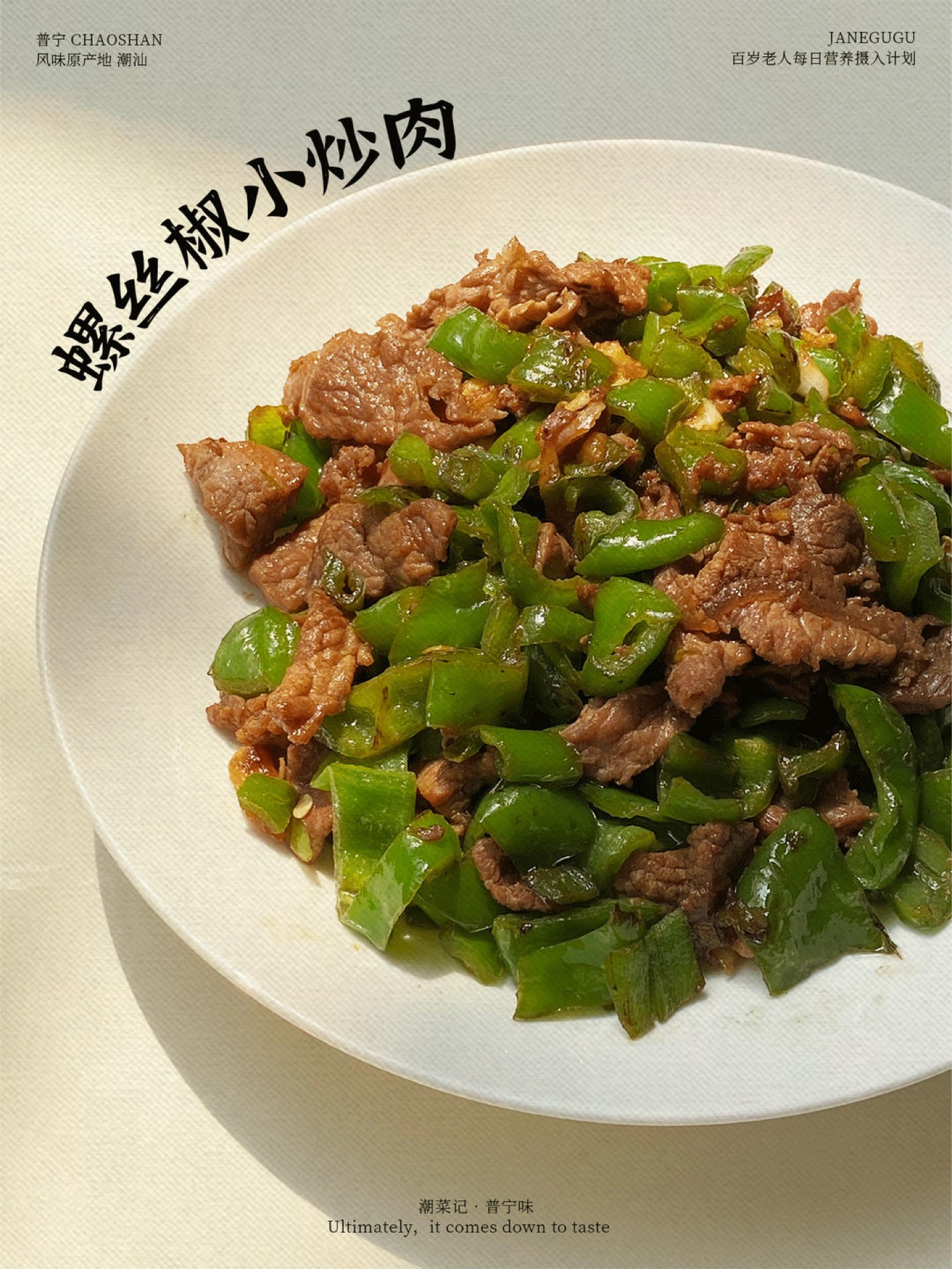
If you have eaten your way through Hunan cooking, you already know xiaochaorou. It is the dish that anchors a family table, ordered in restaurants and thrown together at home on a weeknight with whatever pepper is in season. In summer, that pepper is usually the long, twisted, aggressively hot one the Chinese call luosijiao — screw pepper — and it is the reason this version tastes the way it does. The pork is not stewed or simmered; it is stir-fried hot and fast so the edges catch a little color while the inside stays juicy.
My version keeps things simple on purpose. Three peppers, a modest amount of pork, garlic, salt, and soy sauce. That is essentially it. What makes it work is technique rather than a long ingredient list: blister the peppers dry first, marinate the pork briefly, and keep the wok hot enough that everything sears instead of steaming. Once you have those three habits down, this becomes one of those recipes you stop measuring and start cooking by feel.
What Is Screw Pepper Pork Stir-Fry?
Screw pepper pork stir-fry — luosijiao xiaochaorou (螺丝椒小炒肉) — is a Hunan home-style dish built on three things: hot peppers, thin-sliced pork, and a very hot wok. The name is literal. “Screw pepper” refers to a long, slender, deeply wrinkled chili that twists as it grows, and “xiaochaorou” means a small, quick stir-fry of pork. Unlike Sichuan twice-cooked pork, which starts with pre-boiled belly and a fermented bean paste base, this dish uses raw sliced pork and relies on the peppers themselves for most of the flavor.
The technique that defines it is dry-blistering. The peppers go into a wok with no oil at all and get pressed against the hot metal until their skins scorch and soften. This drives off water, concentrates their sweetness, and tames some of the raw bite of the chili. They come out smoky and tender rather than crunchy. Only then does the oil go in, followed by garlic and pork. The result is a plate that tastes far more complex than its four or five ingredients suggest.
Another dish that shares the same quick-sear, small-dice approach is Jiang Bao San Ding, a classic stir-fry where everything is cut small so it cooks in minutes. The recipe for stir fried diced pork is a good next step once you are comfortable working fast over high heat.
1Authentic Jiang Bao San Ding (Stir-Fried Diced Pork)A quick, comforting Chinese homestyle meal featuring diced pork, tofu, radish, and soybeans in a deeply savory yellow soybean paste sauce.Check out this recipe

And if your family likes the pepper-and-pork combination but wants something milder, this pork stir fry with green peppers is the gentler cousin of tonight’s dinner. The full recipe for pork stir fry with green peppers uses the same marinating and searing method with a friendlier chili.
2Pork Stir-fry with Green Peppers (Luosijiao Xiaochao Rou)A classic homestyle Chinese dish featuring savory rendered pork belly and blistered spicy green peppers. This quick 15-minute stir-fry is known as a ‘rice killer’ for its bold, appetizing flavors.Check out this recipe
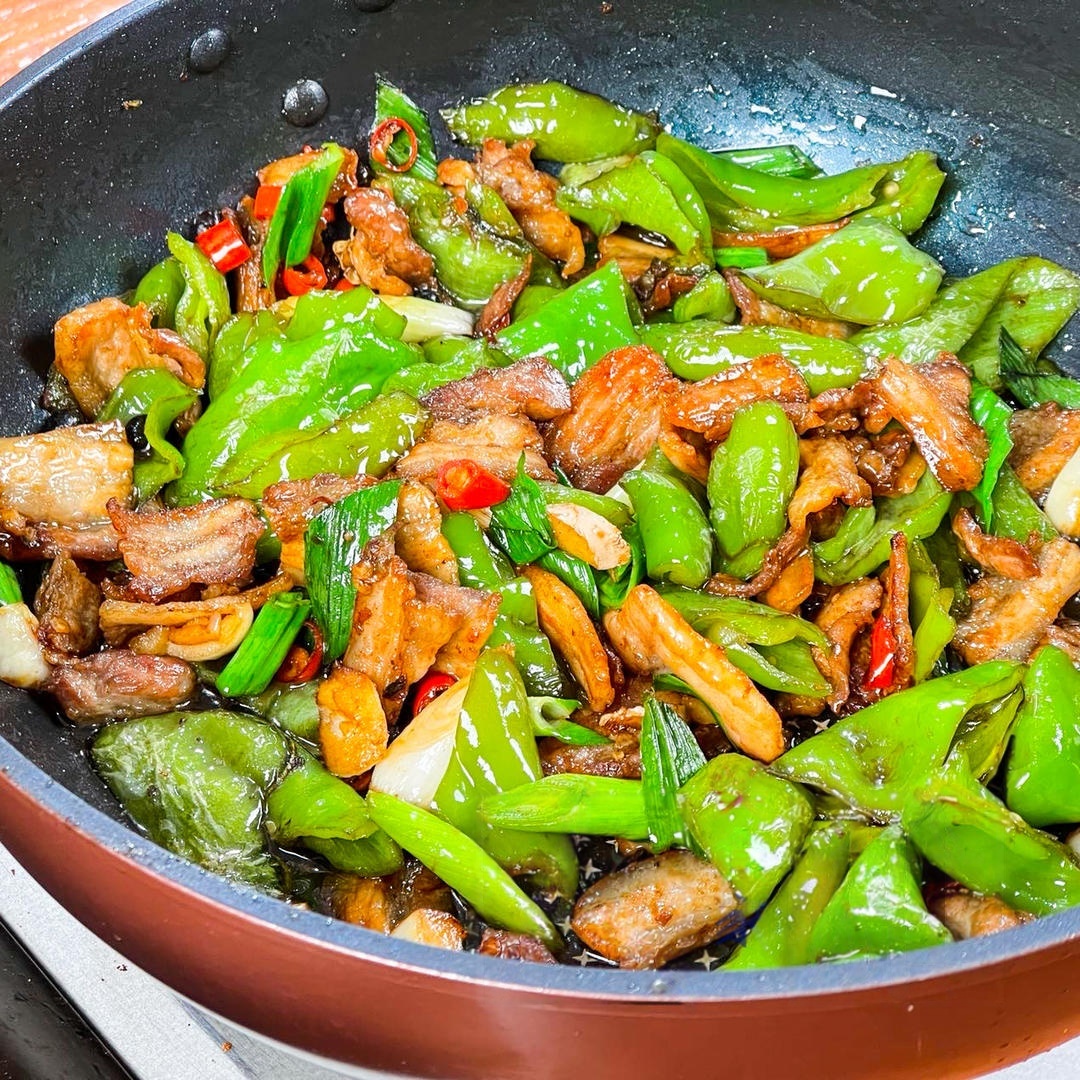
There is also a vegetable-forward option in the same spirit: stir-fried baby napa cabbage with crispy potato slices and pork, which layers crisp textures the way this dish layers heat. You can find it in the recipe for stir fried baby napa cabbage with crispy potato.
3Stir-Fried Baby Napa Cabbage with Crispy Potato Slices and PorkAn authentic Sichuan canteen-style stir-fry featuring sweet baby Napa cabbage, crispy-edged potatoes, and tender pork belly seasoned with spicy bean paste.Check out this recipe

Ingredient Notes
Screw peppers. These are the heart of the dish. Look for long, thin, deeply twisted peppers with wrinkled skin, roughly 6 to 8 inches long. They are genuinely hot — somewhere between a jalapeño and a serrano in everyday terms, though individual peppers vary a lot. If you cannot find them, a mix of jalapeños and one or two serranos gets you close, and a handful of shishitos will give you the blistered texture with far less heat.
Pork leg or shoulder. The source recipe uses thinly sliced black pig leg, and that cut is ideal because it has a little intramuscular fat and a firm texture that holds up to high heat. Pork shoulder works beautifully. Pork loin is leaner and can dry out if you are not quick with it. If you only have pork belly, slice it thin and expect a richer, fattier result.
Slice it thin. This is the single most important preparation detail. A 1/8-inch slice sears through in seconds; a 1/4-inch slice steams and turns tough. Partially freezing the meat for 20 minutes makes this much easier to achieve.
Garlic. The source uses three cloves, and I go a little further — four or five — because garlic does a lot of the heavy lifting here. I like to split it: half minced fine so it disappears into the oil, half sliced so you get little toasty chips in the finished dish.
Soy sauce. Light soy sauce is the workhorse; it seasons and adds umami without darkening the pork too much. A few drops of dark soy sauce deepen the color if you want that glossy restaurant look. If you are avoiding gluten, tamari is a straight swap. For other pantry questions, this guide to a good substitute for rice vinegar is handy when a recipe calls for a splash of acid you do not have.
Salt, sugar, and cornstarch. A pinch of sugar is not there to make the dish sweet — it rounds off the chili’s edge. Cornstarch in the marinade is optional but gives the pork a silky coating that helps it stay tender. If you are out, this explanation of what to use instead of cornstarch covers the alternatives.
Ingredients
Everything below makes four servings as part of a shared meal, or two generous portions over rice.
For the pork marinade: 12 oz thinly sliced pork leg or shoulder, 1/2 tsp salt, 1 tsp light soy sauce, 1 tsp Shaoxing wine (optional), 1 tsp cornstarch (optional), and 1 tsp neutral oil.
For the stir-fry: 3 whole screw peppers (about 8 oz), sliced into rings; 4 cloves garlic, half minced and half sliced; 2 tbsp neutral oil; 1 tbsp light soy sauce; 1/2 tsp dark soy sauce (optional); and 1/4 tsp sugar.
Equipment Needed
A carbon steel or cast iron wok is the right tool here, and it matters more than usual because of the dry-blistering step. You want a vessel that can take high heat without oil and come back for more. A large skillet will work, though it will not get quite as hot, and you may need to blister the peppers in two batches.
Beyond the wok, you need a cutting board and a sharp chef’s knife for the thin slicing, a slotted spoon or spider to lift the peppers out, and a small bowl for the marinade. That is the whole list. This is not a dish that requires a pantry of specialty equipment — it requires speed and heat.
Why This Recipe Works
The order of operations is doing most of the work. Blistering the peppers first, without oil, drives off their water and concentrates their flavor before any fat enters the pan. If you skip this and just stir-fry peppers in oil, they steam in their own moisture and end up soft and flat instead of smoky and intense.
Marinating the pork for even twenty minutes makes a measurable difference. Salt begins to season the meat through, soy sauce adds savoriness, and the optional cornstarch creates a thin protective layer that keeps the slices juicy during a very hot sear. The oil in the marinade also keeps the slices from clumping together in the wok, which is what causes uneven cooking.
Finally, the garlic goes in twice. The first batch flavors the oil and disappears into the background; the second batch goes in late so it stays fragrant and slightly crisp. That two-stage approach is a small thing that gives the finished dish more depth than a single dump of garlic would.
Why does dry-blistering change the flavor so much? It is the Maillard reaction and moisture loss working together — as surface water evaporates, the pepper’s skin temperature climbs past the point where browning reactions take off, creating hundreds of new aromatic compounds that raw peppers simply do not have.
There is a second piece of food science at play in the pork. Slicing across the grain shortens the muscle fibers, so your teeth do not have to do the work of tearing them apart. Combined with a fast sear, the meat stays tender even though it is a relatively lean cut.
Prep & Mise en Place
Because the cooking happens in about six minutes, everything must be ready before the wok gets hot. Start by putting the pork in the freezer for 20 minutes — not to freeze it, just to firm it up so you can slice it paper-thin. While it chills, wash and slice the peppers into rings, keeping the seeds if you want full heat and scraping them out if you want it milder.
Next, peel and divide the garlic: mince two cloves and slice the other two. Then mix the marinade ingredients in a small bowl and toss the sliced pork through it, setting it aside for at least 15 to 20 minutes. Finally, measure out your soy sauces and sugar into a little dish so you are not fumbling with bottles over a screaming hot wok.
Set the table, cook the rice, and pour yourself something cold. Once the wok is hot, you will not have a spare hand for anything else.
Cooking Process
Step 1 — Ready the Wok
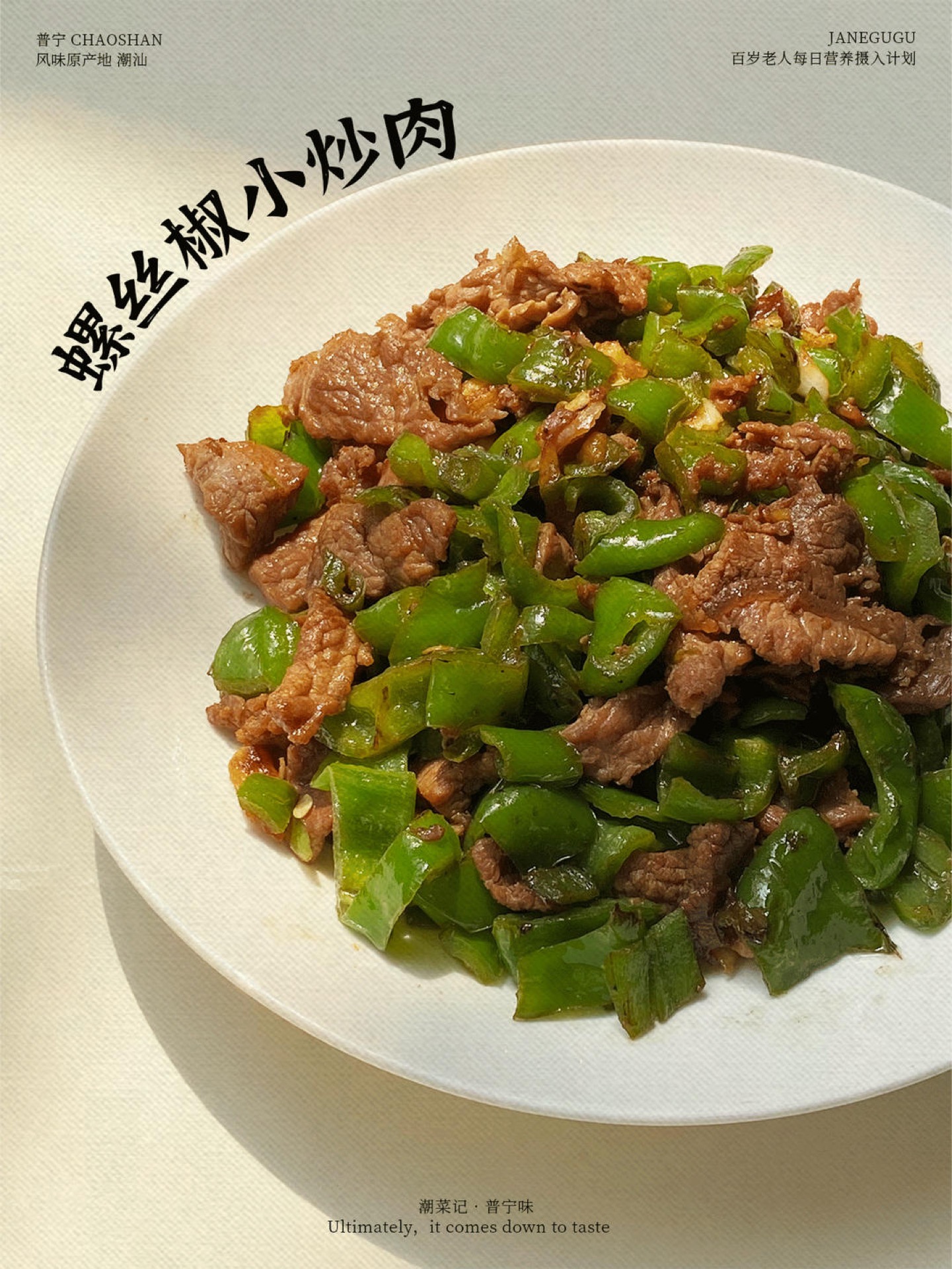
Today I am making a plate of screw pepper stir-fried pork, so set out the wok, a cutting board, and a small bowl for the marinade before anything else.
Step 2 — Lay Out the Ingredients
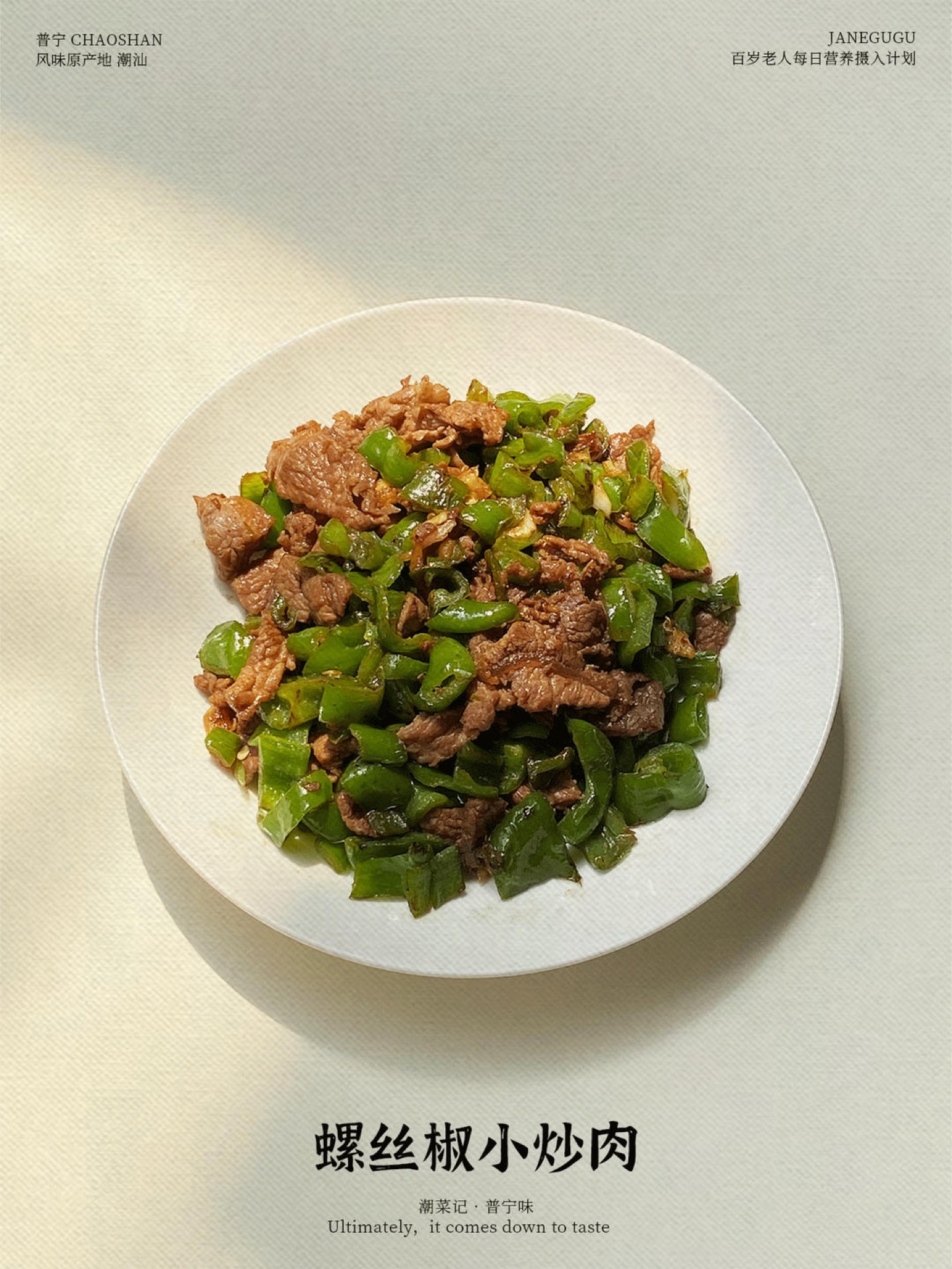
Take a look at everything that goes into the dish first: three screw peppers, about 12 ounces of thinly sliced pork leg, and a few cloves of garlic.
Step 3 — Slice the Peppers
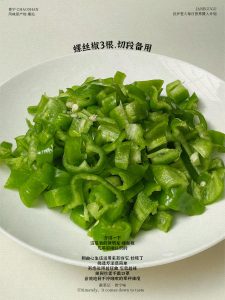
Rinse the screw peppers clean, trim the stems, and slice them into thin rings, keeping the seeds in for heat.
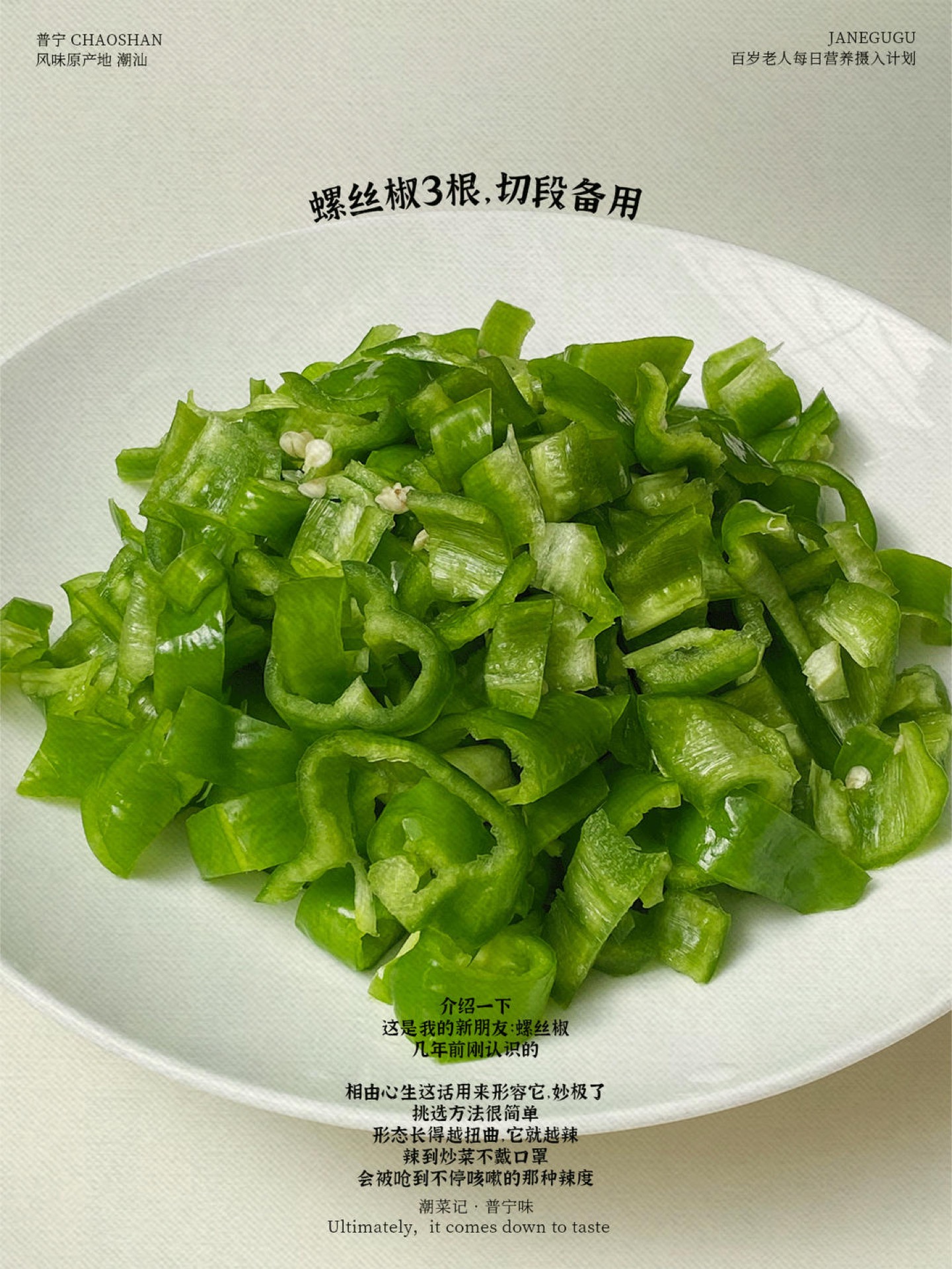
Step 4 — Portion the Pork
Cut a small block of pork leg into slices, aiming for pieces about the size of a playing card so they cook evenly.
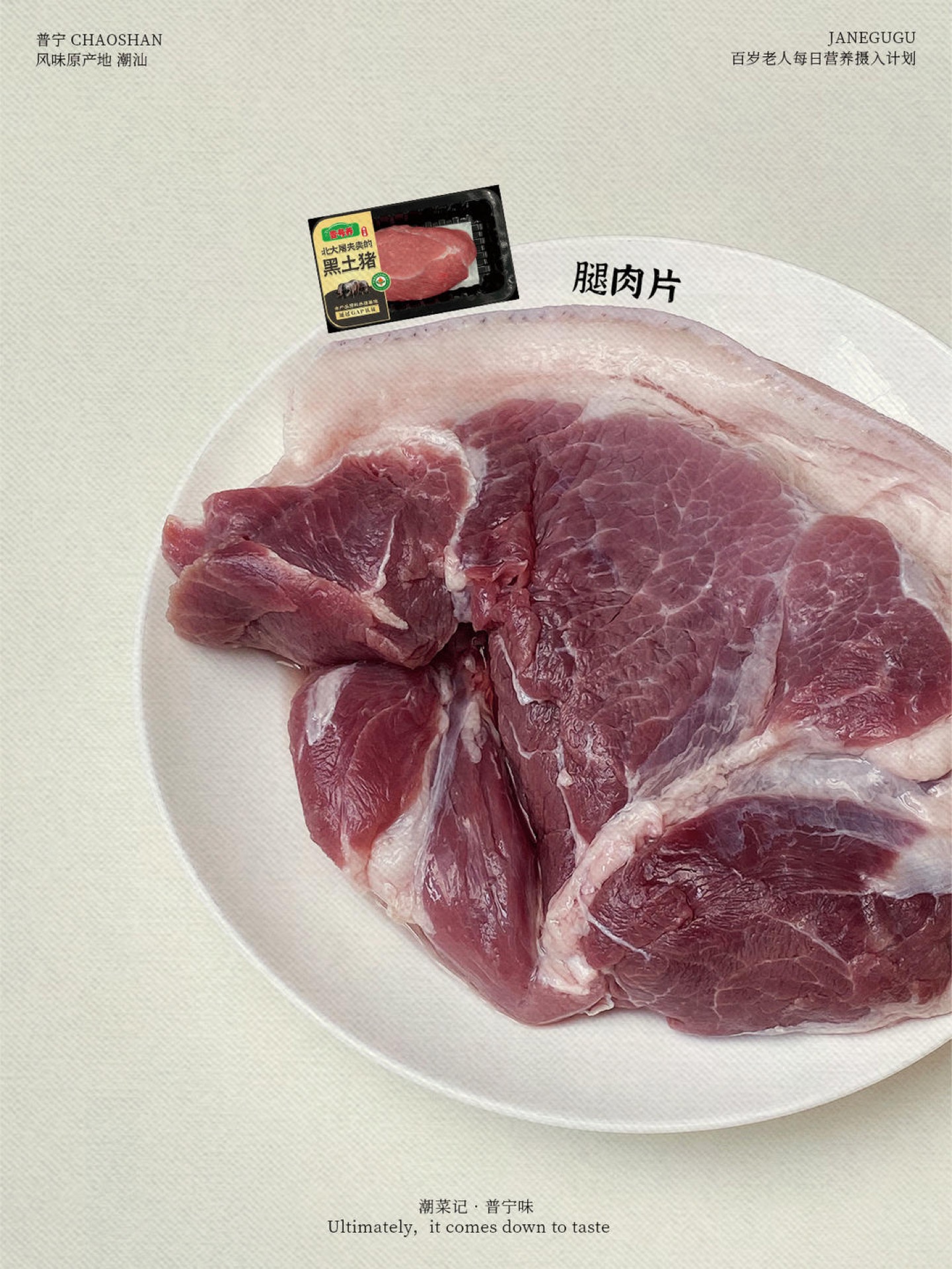
Step 5 — Marinate the Pork
Toss the sliced pork leg with a pinch of salt and a small splash of soy sauce, then set it aside for about 20 minutes while the peppers are prepped.
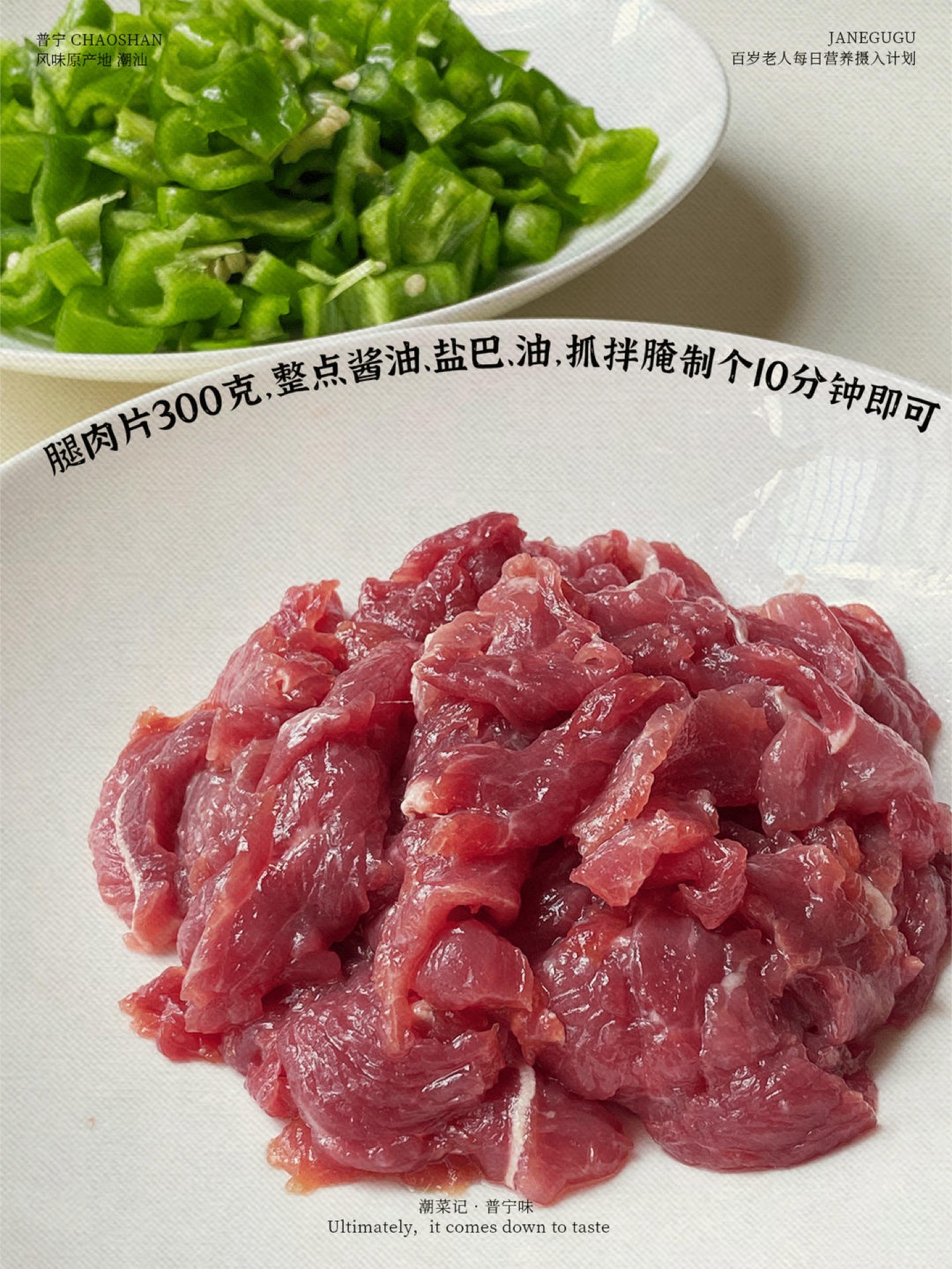
Step 6 — Slice the Pork Thin
Slice the pork as thinly as you comfortably can, because thinner slices cook faster, stay tender, and soak up more of the pepper flavor.
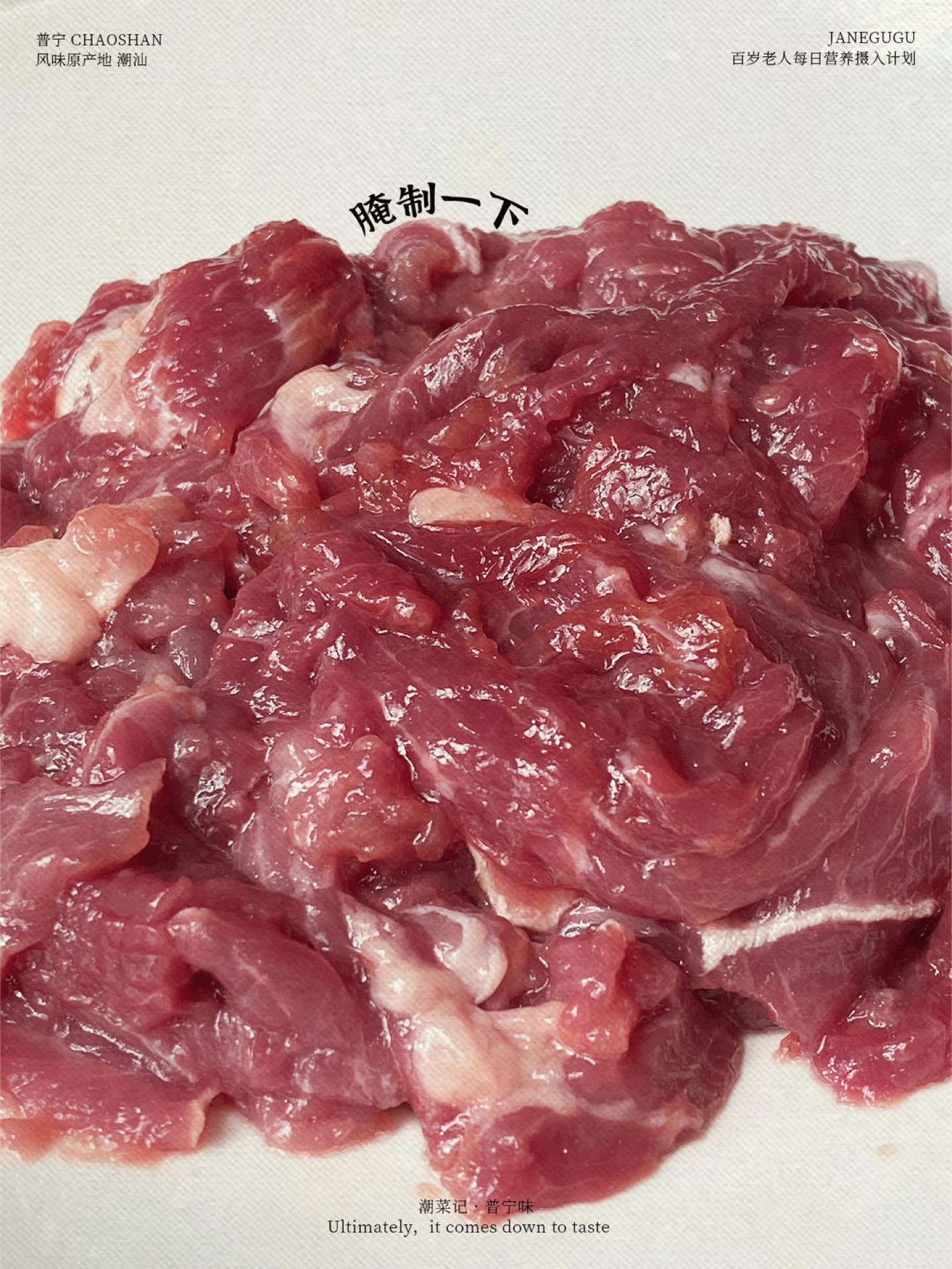
Step 7 — Blister the Peppers
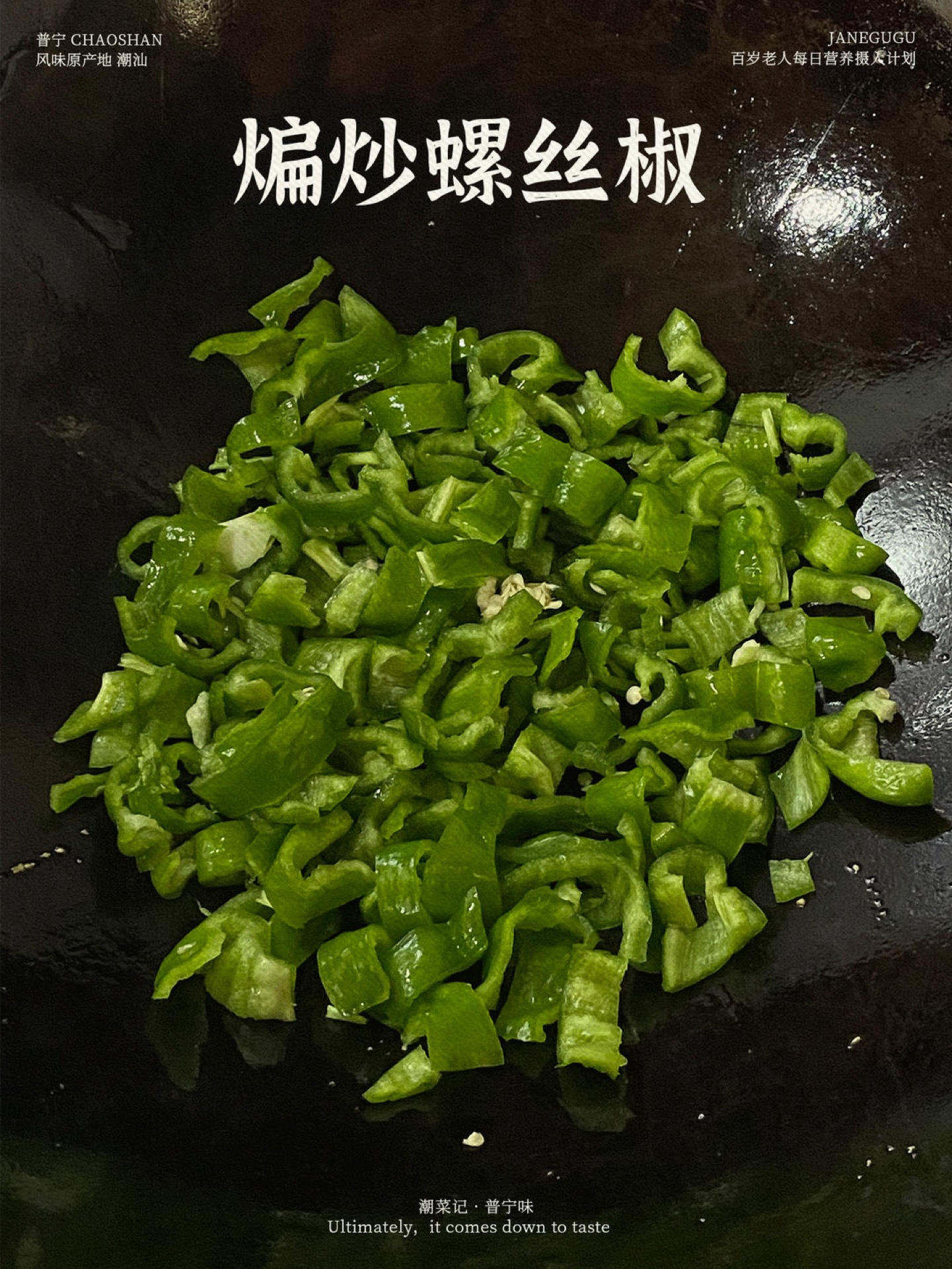
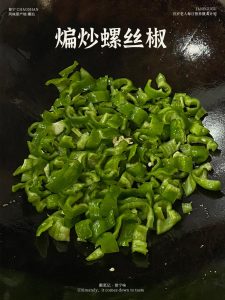
Heat the wok with no oil at all, add the screw peppers, and press them against the metal until both sides are blistered and dry, then scoop them out and set them aside.
Step 8 — Aromatics and Pork
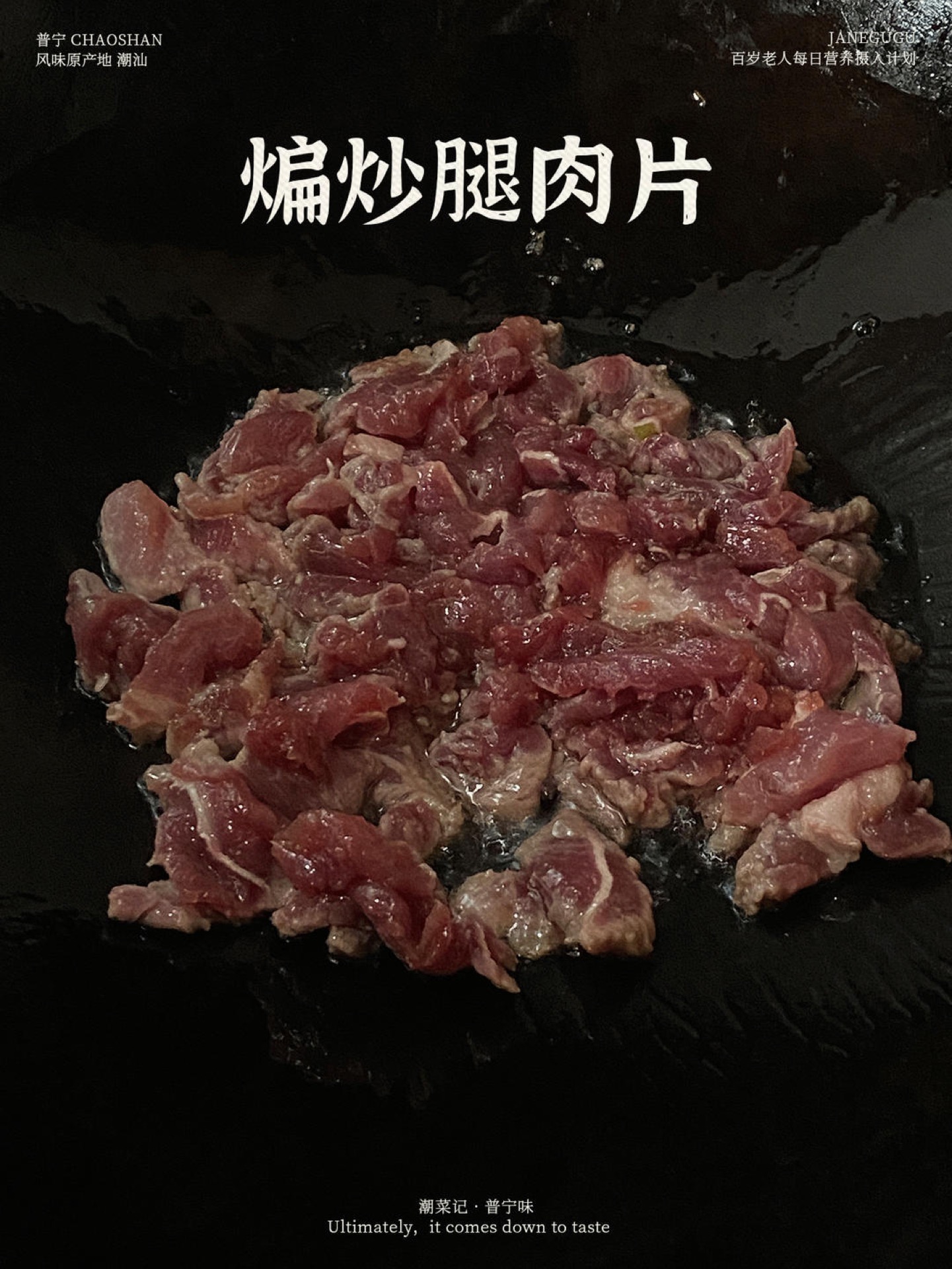
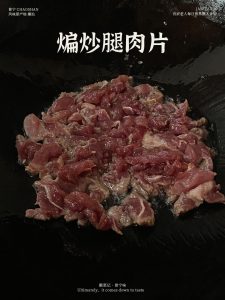
Add oil to the wok, drop in the minced garlic to sizzle until fragrant, then add the pork slices and start stir-frying.
Step 9 — Sear Until Colored
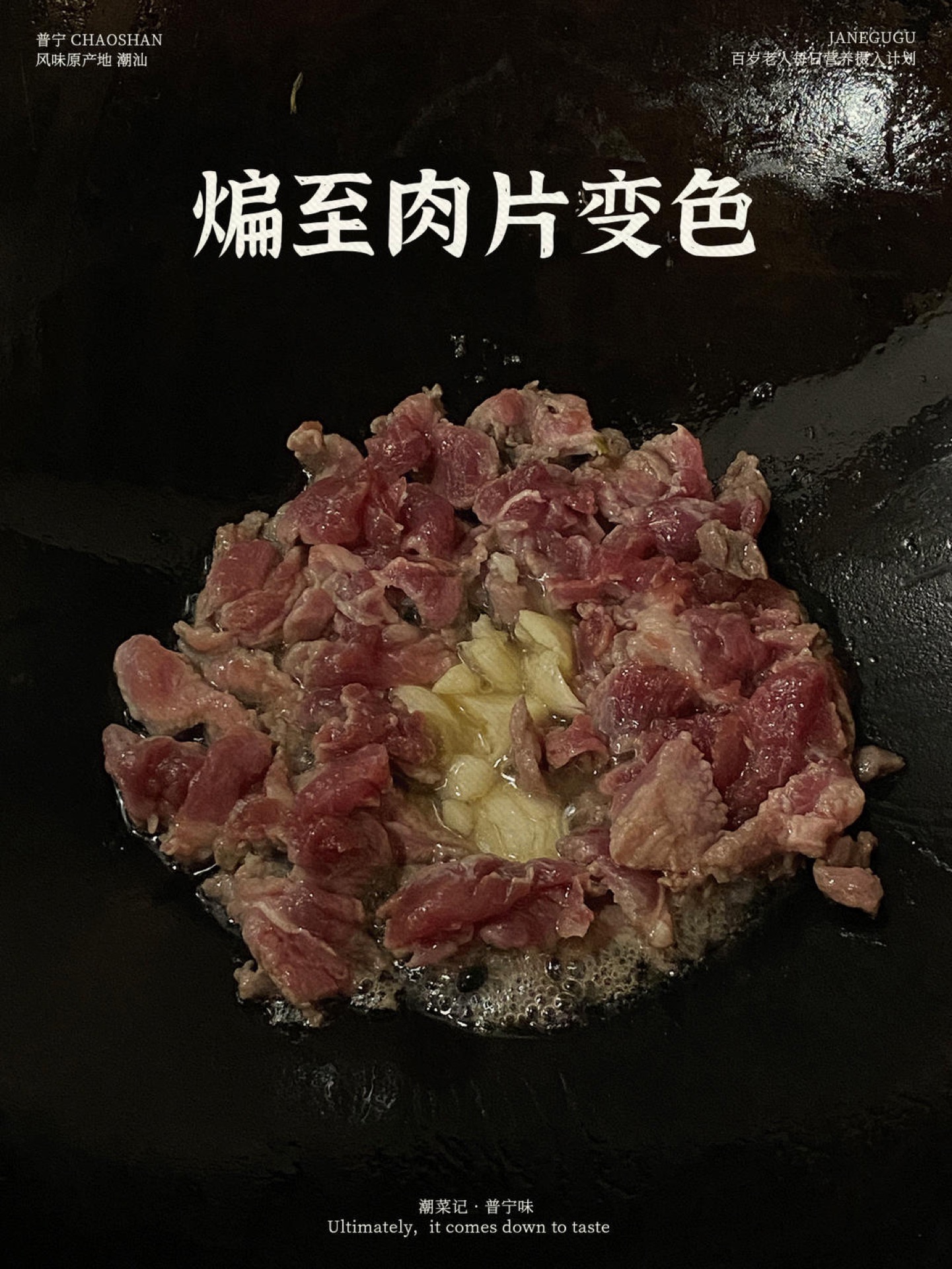
Keep stir-frying the pork until every slice has turned from pink to an even pale gold.
Step 10 — More Garlic
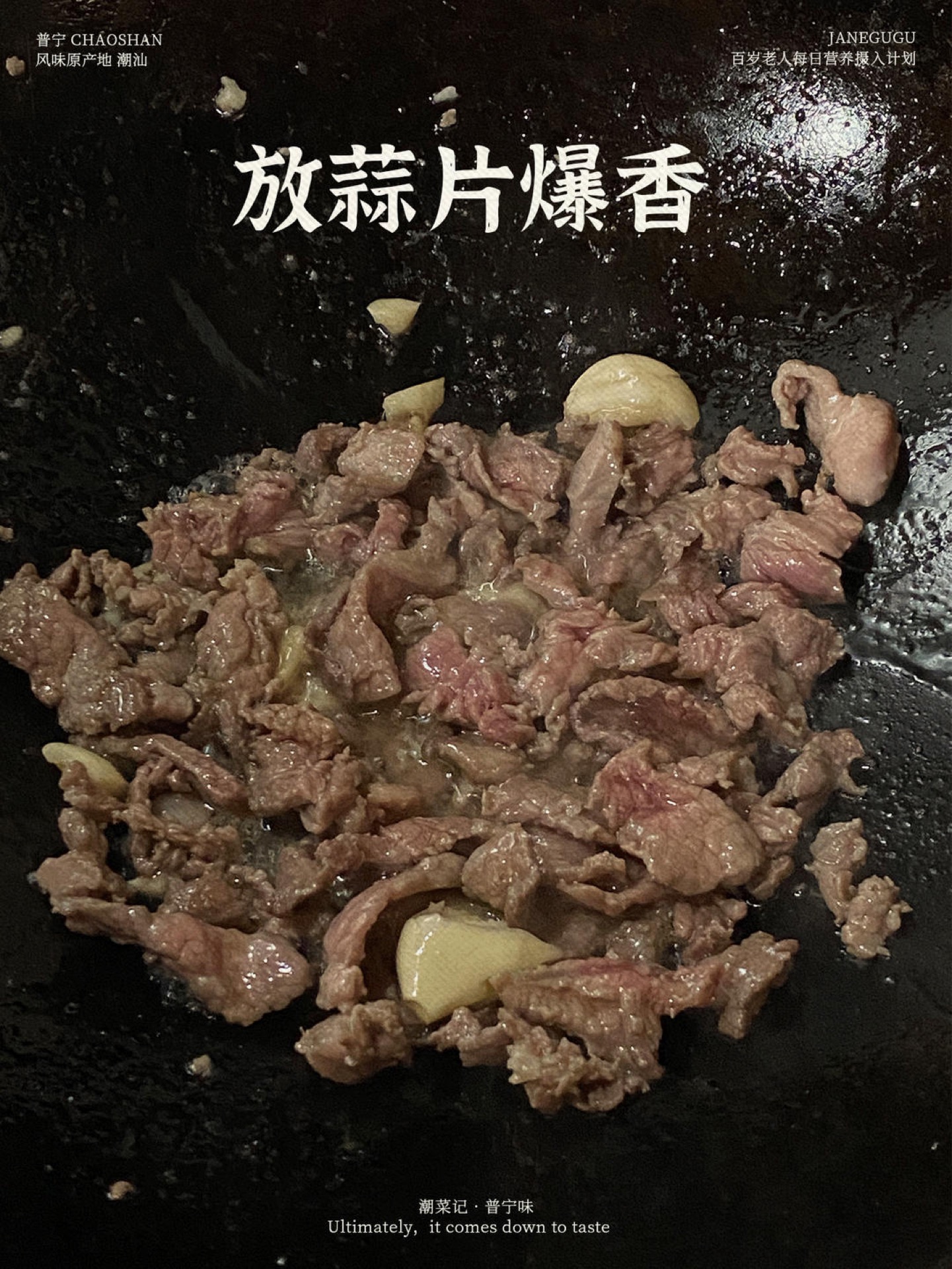
Scatter in the sliced garlic and fry it for a few seconds until it smells sweet and toasty.
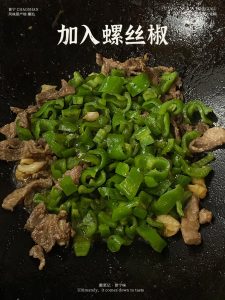
Step 11 — Finish with Soy and Peppers
Splash in a little more soy sauce to season, return the blistered screw peppers to the wok, and toss everything a few times before sliding it onto a plate.
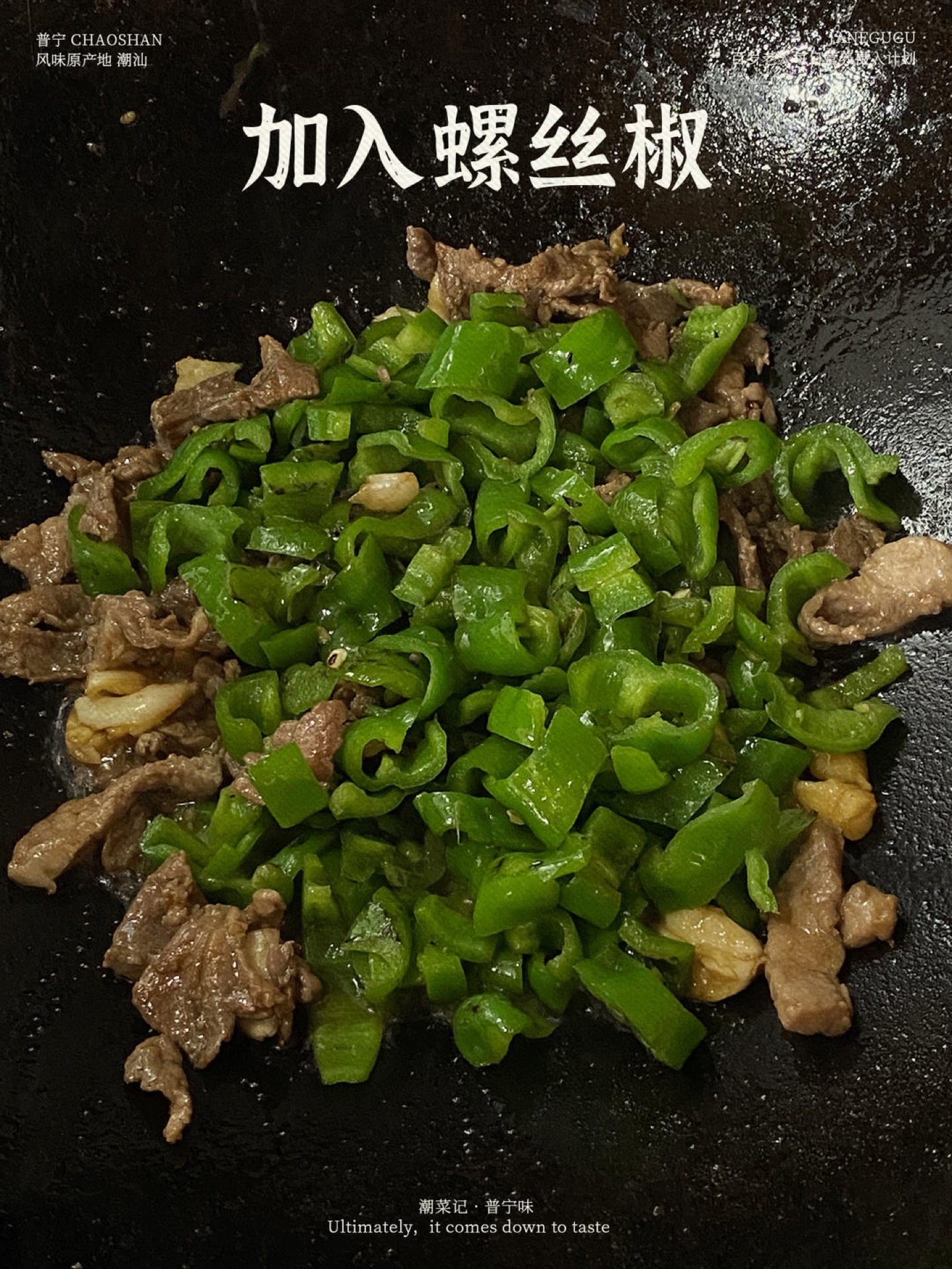
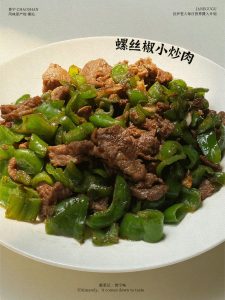
Step 12 — Serve It Hot
This is a real rice-killer of a dish, a home-style version of screw pepper stir-fried pork that disappears fast.
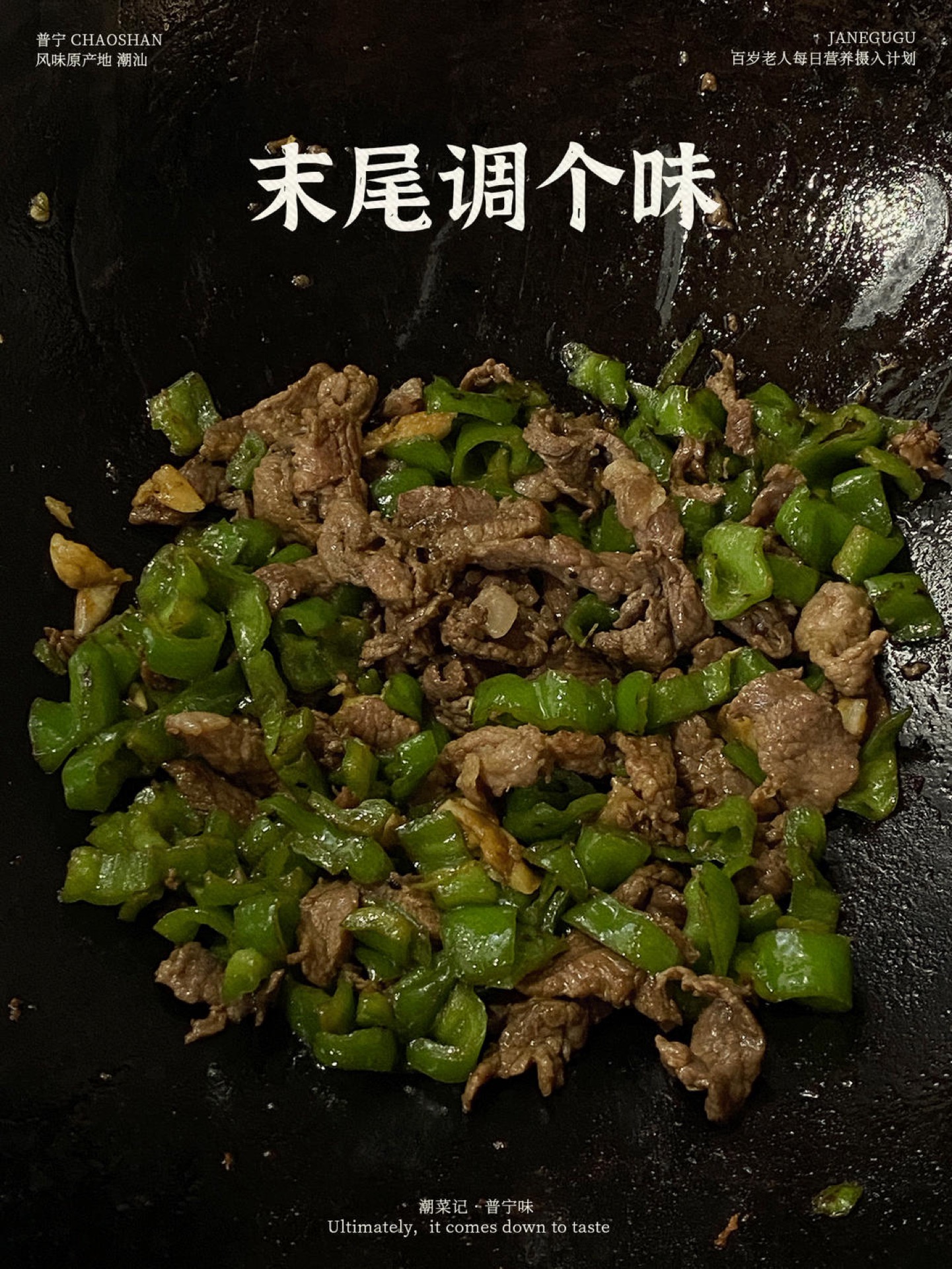
Step 13 — Note the Speed
The whole point of this recipe is that it is quick, from a cold wok to the table in well under half an hour.
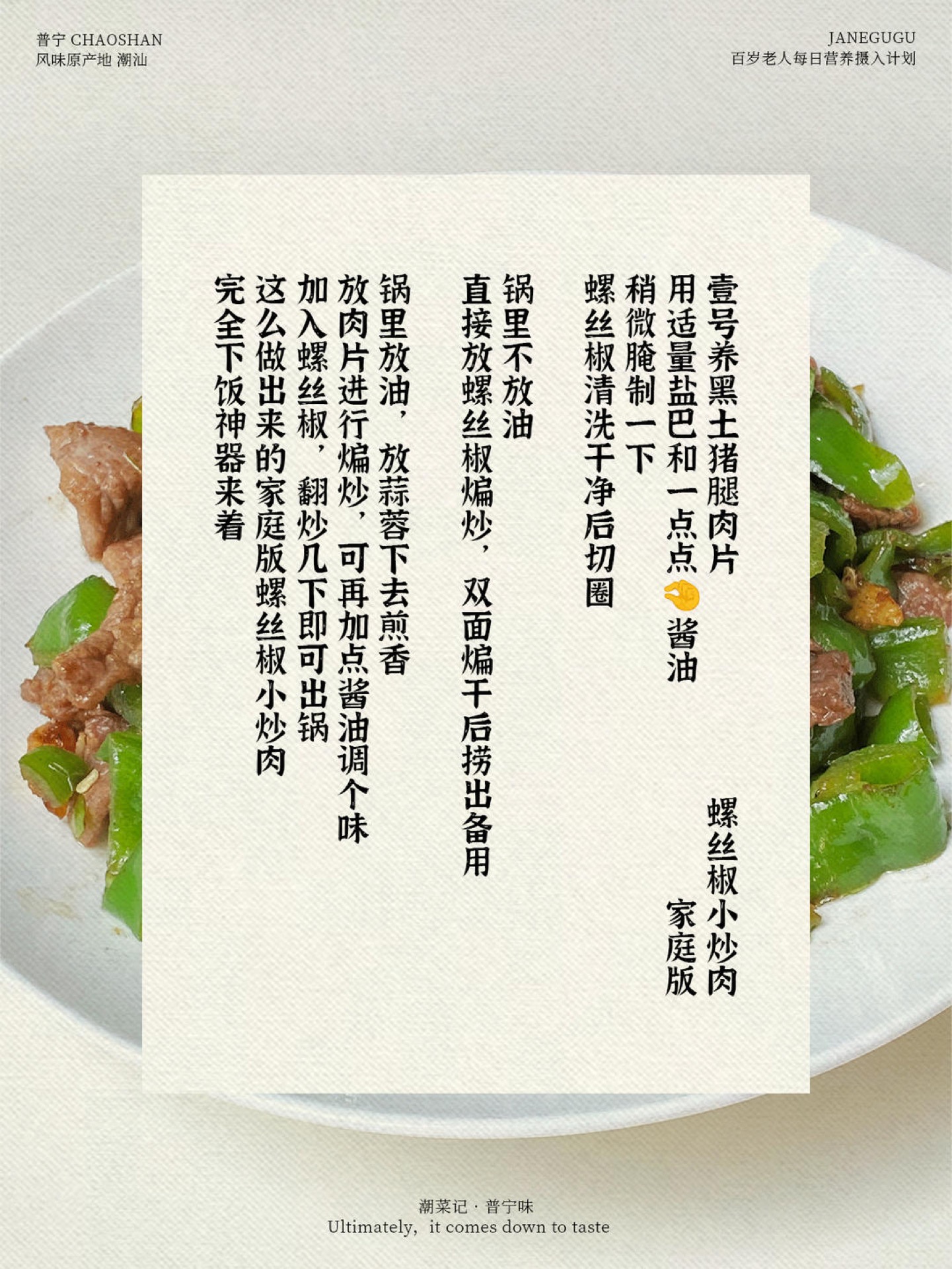
Step 14 — Give It a Try
If this sounds good to you, go ahead and cook it tonight and see how fast the plate empties.
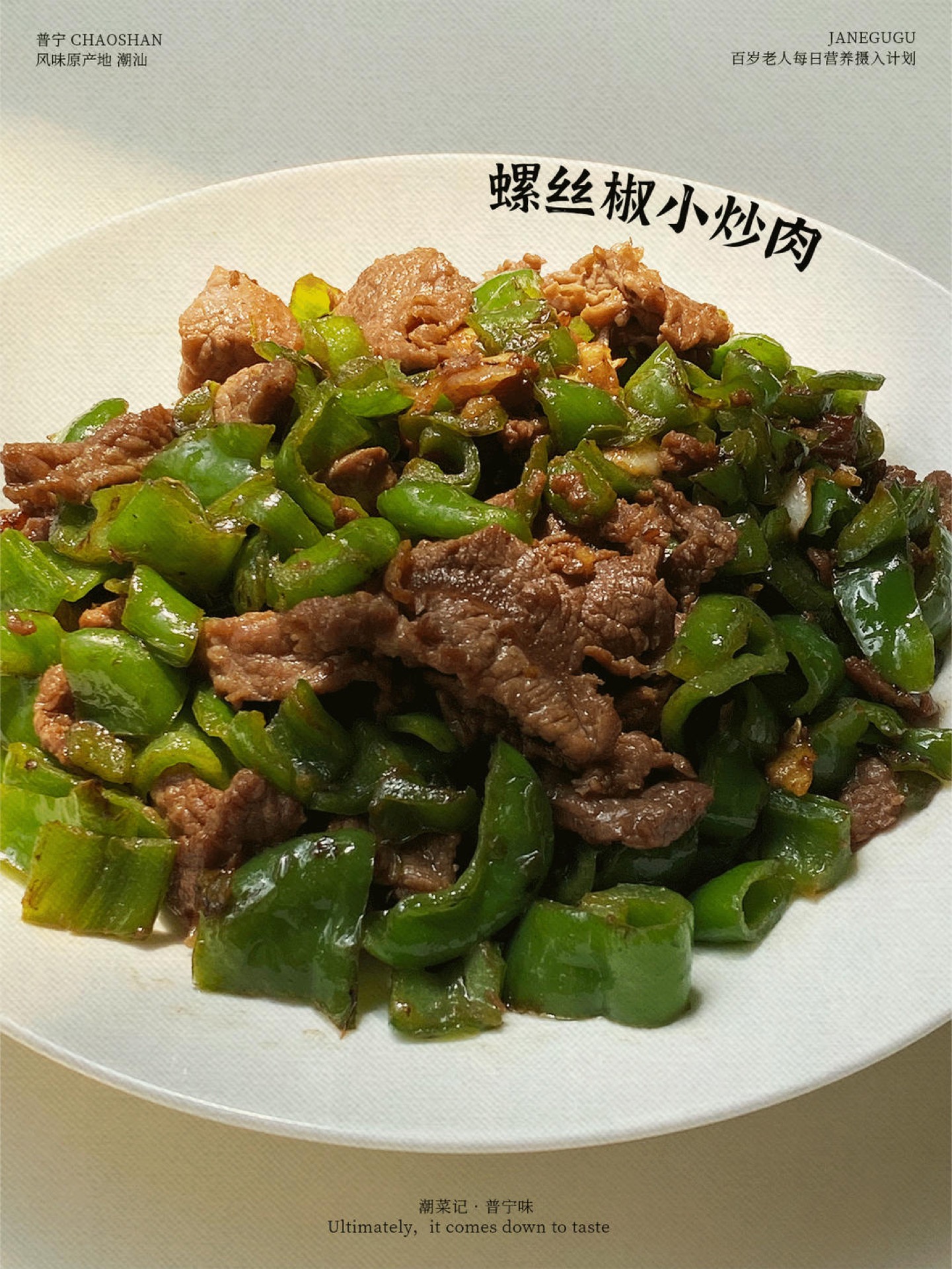
Common Mistakes When Making Screw Pepper Pork
1. Slicing the pork too thick. Thick slices need longer cooking, which means the outside overcooks before the inside is done, and you end up with chewy meat. Fix: chill the pork for 20 minutes and use a sharp knife to cut 1/8-inch slices across the grain.
2. Adding oil to the peppers. Oil traps moisture and makes the peppers steam rather than blister, so they never develop that smoky char. Fix: start them in a completely dry wok, press them against the metal, and only add oil once they are blistered and removed.
3. Crowding the wok. Too much pork at once drops the pan temperature and the meat releases water, so it boils instead of searing. Fix: cook the pork in two batches if your wok is small, or use a larger wok and spread the slices out before stirring.
4. Burning the garlic. Minced garlic goes from fragrant to bitter in a matter of seconds over high heat. Fix: add the minced garlic to the oil and stir immediately, then add the pork right away so the garlic has something to sit on besides bare metal.
5. Skipping the marinade rest. Rushing the pork straight from the cutting board to the wok means the seasoning sits on the surface rather than penetrating. Fix: give it at least 15 minutes, and up to 30 if you have the time.
6. Overcooking the peppers on the second pass. Once blistered, the peppers only need a few tosses at the end to warm through and coat in sauce. Fix: add them in the last 30 seconds and pull the wok off the heat as soon as they are glossy.
Variations
Milder version. Swap the screw peppers for green bell peppers and one jalapeño. You lose some of the fire but keep the blistered texture and the garlicky pork, which makes it a much easier sell for kids or anyone heat-averse.
Pork belly version. Use thinly sliced pork belly instead of leg, and render it a little longer so some of the fat crisps at the edges. The peppers will pick up that rendered fat and taste even richer.
Added aromatics. A few slivers of fresh ginger, a teaspoon of fermented black beans, or a splash of Shaoxing wine added with the soy sauce all work well. Fermented black beans in particular push the dish toward a deeper, more savory register.
Vegetable additions. Thin strips of celery, a handful of scallion whites, or a few wood ear mushrooms can go in with the peppers at the end. Keep the additions thin so they cook through in the same short window.
Extra heat. If screw peppers are not hot enough for you, add a teaspoon of chili oil or a pinch of dried chili flakes with the garlic. A little white pepper stirred in at the end also adds a warm, sharp note without much visible heat.
Frequently Asked Questions
What are screw peppers, and what can I use instead? Screw peppers (luosijiao) are long, thin, wrinkled Chinese chilis with a pronounced twist and a serious kick. Good substitutes include a mix of jalapeño and serrano, or, for a milder dish, shishito peppers or green bell peppers with a single jalapeño for warmth.
How hot is this dish? It is genuinely spicy — noticeably hotter than a typical green pepper stir-fry, though not as punishing as a dish built on dried chilis. You can dial it down by removing the seeds and pith from the peppers, which is where much of the capsaicin lives.
Can I make it ahead of time? You can slice the peppers, slice the pork, and mix the marinade up to a day in advance and keep everything refrigerated separately. The actual stir-frying should happen right before you eat, since the dish loses its edge when reheated.
Do I need a wok? No, but you need high heat. A large cast iron skillet or a heavy stainless pan will work. Just be aware that a skillet holds less heat, so cook the pork in batches and give the pan time to come back up to temperature between them.
What if my pork is tough? Toughness almost always comes from thick slicing or overcooking. Slice thinner next time, marinate with a teaspoon of cornstarch, and pull the pork from the wok the moment it loses its pink color.
How to Serve
This dish is built for steamed white rice, and plenty of it. A bowl of plain jasmine rice is the classic pairing, but brown rice or even a simple congee works just as well. If you want a second vegetable on the table, a quick garlicky greens stir-fry or a cucumber salad balances the heat nicely.
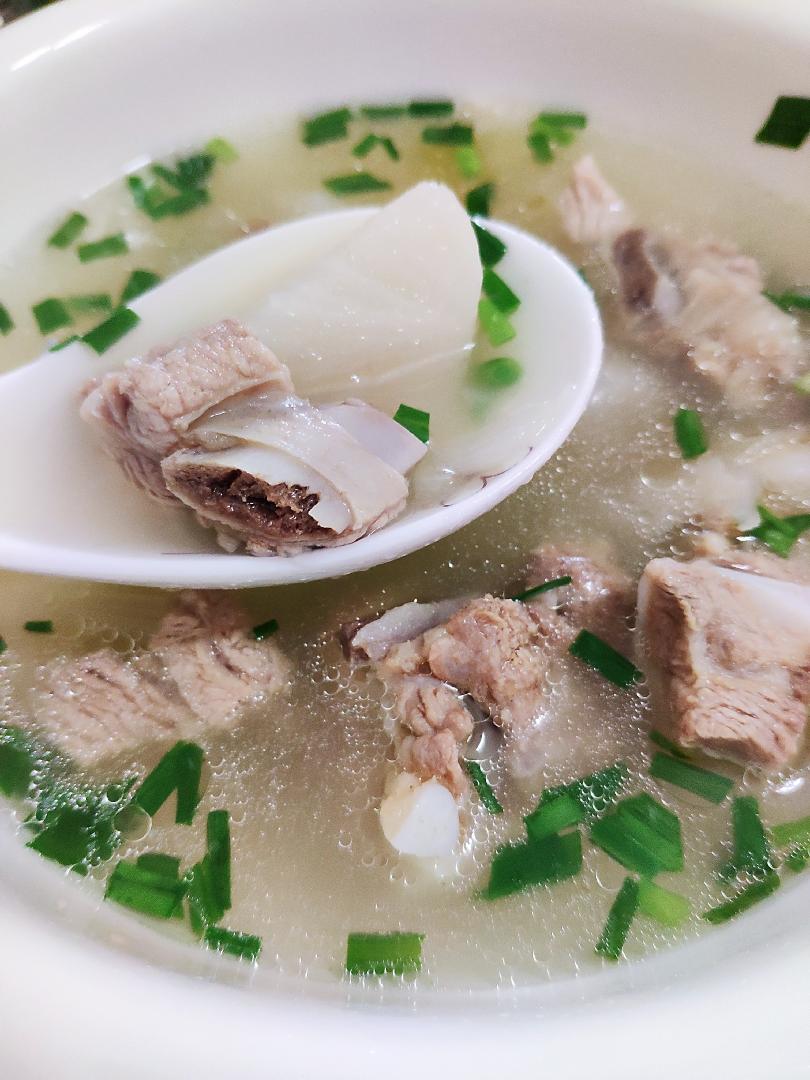
For a fuller spread, I like to serve this alongside a bowl of radish pork rib soup, which is mild and clean and gives everyone at the table somewhere to cool off between bites. On nights when I want something a little more indulgent, Shanghai fried pork chops make a great second protein, and the two dishes share a similar soy-and-garlic flavor profile.
If you are feeding a crowd and want one more plate that disappears quickly, Sichuan crispy fried chicken is a reliable crowd-pleaser and holds up well next to something this spicy.


Storage & Reheat
Leftovers keep in an airtight container in the refrigerator for up to 3 days. Let the dish cool to room temperature before sealing it — trapping steam is what makes the peppers go limp and the pork soggy. Reheat gently in a skillet over medium heat with a teaspoon of water, or in the microwave covered, until the internal temperature reaches 165°F (74°C).
I do not recommend freezing this dish. The peppers lose their texture entirely on thawing, and the pork can turn grainy. If you have a large batch, it is better to eat it within three days than to freeze it. Reheated leftovers will not have the same seared edge, but they still make an excellent rice bowl the next day.
Allergen Notice
This recipe contains soy, in the form of light and dark soy sauce. If you are cooking for someone with a soy allergy, coconut aminos is the closest substitute, though it is sweeter and less salty, so adjust the seasoning at the end. If you are avoiding gluten, check your soy sauce label carefully or use tamari, which is typically brewed without wheat. Shaoxing wine is optional and can simply be left out.
Nutrition Disclaimer
Nutrition information is calculated using an ingredient database and should be considered an estimate. In cases where multiple ingredient alternatives are given, the first listed is calculated for nutrition. Garnishes and optional ingredients are not included.
About the Author & Recipe Development
I am Lin, and I have been cooking and writing about Chinese home cooking at Woks of Love for years. This recipe came out of a summer of cooking through Hunan home-style dishes, where the pepper is treated as a main ingredient rather than a garnish. The version here follows the home-cook logic of the original — blister the peppers dry, marinate the pork briefly, keep the wok hot — with a few notes added from testing it repeatedly in a Western kitchen with ingredients you can actually find.
I test every recipe at least twice before publishing, and I write the notes based on what actually went wrong in my own kitchen, not what I assume might go wrong in yours. If you cook this and something does not work the way you expected, that is useful information, and I would love to hear about it.
Authoritative References
For safe handling and cooking temperatures for pork, see the USDA safe minimum internal temperature chart. For general food safety guidance on cooling and storing leftovers, the FDA refrigerator and food safety guidance is a good reference. And for a deeper look at what high heat does to food, Harold McGee’s writing on browning reactions, summarized in this explainer on the Maillard reaction, is well worth reading.

Stir-Fried Pork with Screw Peppers (螺丝椒小炒肉): Tender Pork, Fiery

Equipment
- Wok
- Cutting Board
- Chef’s knife
- Slotted Spoon
- Small Bowl
Ingredients
For the Pork Marinade
- 12 oz pork leg thinly sliced, or pork shoulder
- 1/2 tsp salt
- 1 tsp light soy sauce or tamari
- 1 tsp Shaoxing wine optional
- 1 tsp cornstarch optional, for velveting
- 1 tsp neutral oil to coat the slices
For the Stir-Fry
- 3 whole screw peppers about 8 oz, sliced into rings
- 4 cloves garlic 2 minced, 2 thinly sliced
- 2 tbsp neutral oil for the wok
- 1 tbsp light soy sauce for the finish
- 1/2 tsp dark soy sauce optional, for color
- 1/4 tsp sugar to round the heat
Instructions
- Today I am making a plate of screw pepper stir-fried pork, so set out the wok, a cutting board, and a small bowl for the marinade before anything else.

- Take a look at everything that goes into the dish first: three screw peppers, about 12 ounces of thinly sliced pork leg, and a few cloves of garlic.
- Rinse the screw peppers clean, trim the stems, and slice them into thin rings, keeping the seeds in for heat.
- Cut a small block of pork leg into slices, aiming for pieces about the size of a playing card so they cook evenly.
- Toss the sliced pork leg with a pinch of salt and a small splash of soy sauce, then set it aside for about 20 minutes while the peppers are prepped.
- Slice the pork as thinly as you comfortably can, because thinner slices cook faster, stay tender, and soak up more of the pepper flavor.
- Heat the wok with no oil at all, add the screw peppers, and press them against the metal until both sides are blistered and dry, then scoop them out and set them aside.
- Add oil to the wok, drop in the minced garlic to sizzle until fragrant, then add the pork slices and start stir-frying.
- Keep stir-frying the pork until every slice has turned from pink to an even pale gold.
- Scatter in the sliced garlic and fry it for a few seconds until it smells sweet and toasty.
- Splash in a little more soy sauce to season, return the blistered screw peppers to the wok, and toss everything a few times before sliding it onto a plate.
- This is a real rice-killer of a dish, a home-style version of screw pepper stir-fried pork that disappears fast.
- The whole point of this recipe is that it is quick, from a cold wok to the table in well under half an hour.
- If this sounds good to you, go ahead and cook it tonight and see how fast the plate empties.





















Leave a Reply