You’re halfway through a recipe, the wok is smoking, and you reach for the rice vinegar, only to find the bottle empty. In a panic, you grab the standard white distilled vinegar from the back of the pantry, splash it in, and take a bite. Instead of that mellow, slightly sweet tang you were expecting, your palate is hit with a harsh, medicinal sting that overpowers every other flavor. It’s a common frustration that can turn a balanced meal into a sharp, acidic mess.

The Quick Fix: What to Grab Right Now
If you need a quick answer: the best all-around substitute for rice vinegar is Apple Cider Vinegar (ACV). It possesses a similar mild acidity and a fruity undertone that mimics the fermented rice profile. If you only have White Wine Vinegar, use it in a 1:1 ratio but add a small pinch of white sugar to round out the sharp edges.
Why These Substitutes Actually Work
Rice vinegar is unique because it usually sits at a lower acidity level (around 4–5%) compared to Western spirits or white vinegars (often 6–7%).
- Aromatics: Rice vinegar has a fermented “funk” that adds depth.
- Sugar Content: It is naturally sweeter than most grain-based vinegars.
- The Mechanism: When you substitute, you aren’t just replacing “sourness.” You are trying to match the pH balanceand the residual sugars. Using a high-acid vinegar without a sweetener causes the proteins in your dish to tighten up too quickly, resulting in a dish that feels “thin” on the tongue.
The Real Kitchen Insight: A Chef’s Perspective
In my experience working in high-volume restaurant kitchens, we occasionally ran out of specialty items during a rush. What most beginners don’t realize is that Chinese cooking is all about the “Five Flavors” (Wu Wei) balance. In a restaurant, we don’t just swap one liquid for another; we adjust the entire flavor profile. If I’m making Sweet and Sour Pork and I’m out of rice vinegar, I’ll use a blend of cider vinegar and a touch of pineapple juice. This creates that “glossy” mouthfeel and complex tartness that defines authentic Cantonese cuisine.
Essential Substitutes and How to Use Them
| Substitute | Best For | Adjustment Needed |
| Apple Cider Vinegar | Everything | Use 1:1. No sugar needed. |
| White Wine Vinegar | Stir-fries | 1:1 ratio + 1/4 tsp sugar per tbsp. |
| Champagne Vinegar | Delicate sauces | 1:1 ratio. Very close in profile. |
| Lemon/Lime Juice | Seafood/Salads | Use 3/4 amount; it’s more “bright” than “mellow.” |
| Sherry Vinegar | Heavy meats | Use 1:1; has a nutty depth. |
For those looking for a deeper, more robust flavor, you might be looking for Chinese Black Vinegar, which is an entirely different beast—dark, malty, and aged.
Preparation Strategy: The Acid Test
Before you pour your substitute into the pan, follow this logic:
- Taste the Base: Dip a spoon into your substitute. Does it make your eyes water? If it’s too sharp, dilute it with a teaspoon of water.
- Color Check: Don’t use balsamic vinegar for light-colored sauces or an easy smashed cucumber salad unless you want your vegetables to turn a muddy brown.
- The Sweetener Rule: Always have a bit of sugar or honey nearby to bridge the gap between the substitute’s harshness and the original’s sweetness.
Step-by-Step: Saving Your Sauce
- Measure: Start with 80% of the volume called for in the recipe.
- Dilute: If using distilled white vinegar, mix 1 tbsp vinegar with 1 tsp water and 1/2 tsp sugar.
- Hear the Sizzle: Add the vinegar to the edge of the wok, not directly onto the meat. You should hear a sharp hiss. This “flashes” off the raw alcohol scent and leaves the aroma behind.
- Sensory Check: Look for the sauce to thicken slightly and become translucent. If the smell of the vinegar still stings your nose from a foot away, it needs more heat or a pinch more sugar.
5 Common Mistakes + Professional Fixes
| Mistake | Why it happens | The Fix |
| Using Distilled White Vinegar | It’s too high in acetic acid. | Dilute with water and add sugar/mirin. |
| Adding too much too soon | Acid doesn’t “cook out” like water. | Add in small increments and taste. |
| Using Aged Balsamic | Too sweet and too dark. | Switch to Sherry vinegar or Red Wine vinegar. |
| Forgetting the Sugar | Rice vinegar is naturally sweet. | Add 1/4 tsp of sugar for every tbsp of substitute. |
| Overheating the Acid | Boiling vinegar for too long loses the bright notes. | Add it toward the end of the stir-fry process. |
Pro Tips for Flavor Layering
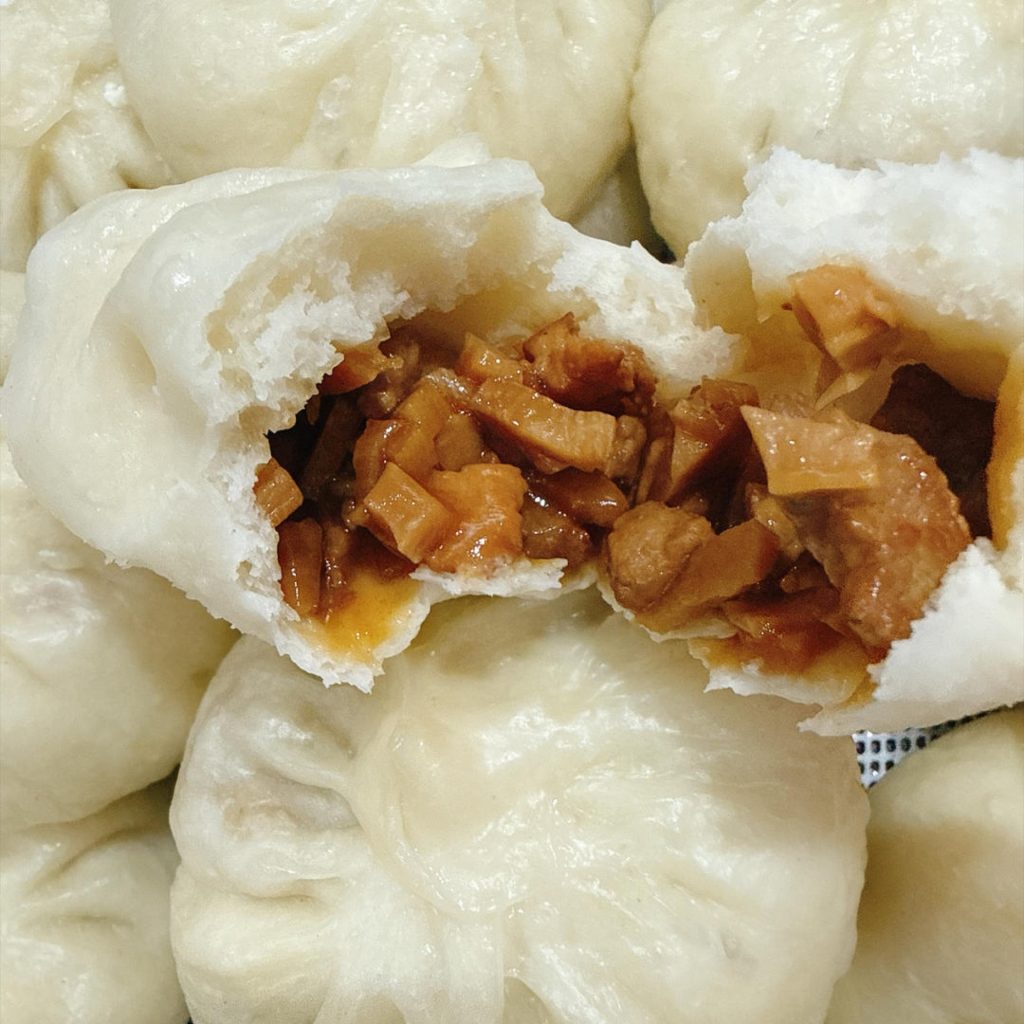
If you want to move beyond basic substitution, try these “heat hacks.” When making a dipping sauce for your juicy pork dumpling filling, don’t just use vinegar. Mix your substitute with a few drops of Chinese chili oil and toasted sesame oil. The fats in the oil will coat your tongue, allowing the acidity of the substitute to taste smoother and more “expensive” than it actually is. Also, if you have a bottle of dry Sherry or Mirin, adding a splash of that to your white wine vinegar substitute will provide the fermented rice aroma that is usually missing.
Variations for Dietary Needs
- For Keto/Low Carb: Use Apple Cider Vinegar but swap the sugar for a drop of liquid stevia or monk fruit.
- For Grain-Free: Lemon juice is your best bet for a clean, sharp acidity that avoids grain-based fermentation.
- For Maximum Umami: Mix 1 tbsp of White Wine Vinegar with 1/2 tsp of Light Soy Sauce.
Mini Recipe: 5-Minute “Emergency” Stir-Fry Sauce
This sauce works perfectly as a base for any vegetable or protein stir-fry when you’re out of the “real” stuff.
- 2 tbsp Soy Sauce
- 1 tbsp Apple Cider Vinegar (our star substitute)
- 1 tsp Sugar
- 1/2 tsp Cornstarch (to thicken)
- 1 tsp Ginger, minced
Instructions: Whisk all ingredients in a small bowl. Pour into your hot pan after the meat and vegetables are cooked. Let it bubble for 30 seconds until it turns into a glossy glaze that clings to your ingredients.
FAQ
1. Can I use Rice Wine instead of Rice Vinegar?
No. Rice wine (like Shaoxing) is alcohol and is used for depth and removing “meaty” smells. Rice vinegar is an acid used for tang. They are not interchangeable.
2. Is Seasoned Rice Vinegar different?
Yes. Seasoned rice vinegar has added sugar and salt. If you use it as a substitute for plain rice vinegar, reduce the salt and sugar in the rest of your recipe.
3. Why did my sauce turn grey when I used a substitute?
This usually happens when using a dark substitute like balsamic or red wine vinegar in a light dish. Stick to ACV or white wine vinegar to keep colors vibrant.
4. Can I use Lemon juice for sushi rice?
In a pinch, yes, but add extra sugar. The flavor will be significantly more “citrusy” and less “malty.”
5. How long does the substitute last?
Most vinegars are shelf-stable for years. However, once you mix a substitute with sugar or water, use it immediately or store it in the fridge for no more than a week.










Leave a Reply