The Panic of the Empty Cornstarch Jar
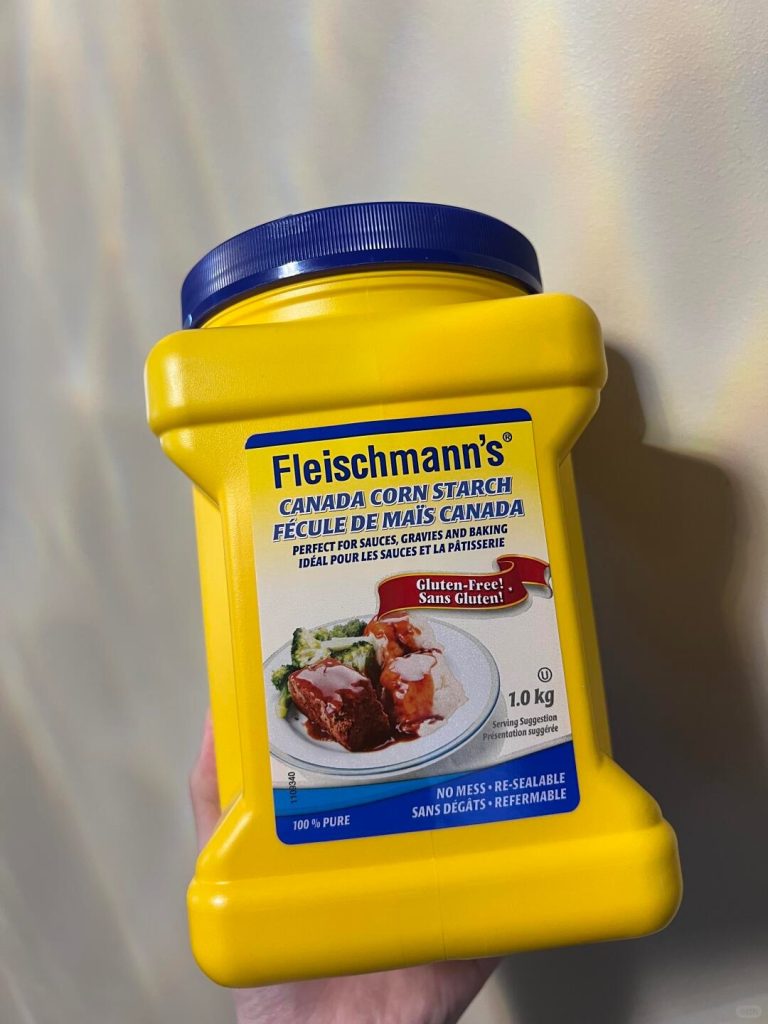
You’re standing over a sizzling pan, the aromatics are perfectly fragrant, and your Vegetable Chow Fun is nearly finished. You reach into the pantry for that final, glossy sauce-thickening step, only to find the cornstarch container completely empty. We’ve all been there—that moment of realization when a watery, thin liquid threatens to turn a crisp stir-fry into a soggy disappointment.
The Quick Fix
If you need an immediate replacement, potato starch is your absolute best bet; use it in a 1:1 ratio with water to create a slurry. For those looking for a grain-free or Paleo-friendly option, arrowroot powder or tapioca starch provide excellent thickening power and a beautiful, professional sheen to your sauces.
Why It Works: The Science of the “Glaze”
Starch works through a process called gelatinization. When starch granules are heated with moisture, they swell and eventually burst, releasing molecules that trap water and create viscosity. Heat is the trigger, but timing is the key—add it too early and the starch breaks down; add it too late and it won’t activate. This balance is the secret to why a sauce either clings to your ingredients or pools at the bottom of the wok.
The Real Kitchen Insight
In my experience working in high-volume restaurant kitchens, we actually don’t rely solely on cornstarch. While it’s the “all-purpose” choice for home cooks, many pro chefs prefer potato starch for high-heat wok cooking. What most beginners don’t realize is that potato starch results in a more translucent, “jewelry-like” gloss on dishes like Kung Pao Chicken. In a professional setting, we look for that specific light-reflecting quality that makes a dish look vibrant rather than heavy or “gloopy”.
Essential Substitutes and Alternatives
When you’re out of the “blue box,” these are your most reliable allies in a home kitchen:
- Potato Starch: The closest match for Chinese cooking; it thickens at a slightly lower temperature and creates a very high gloss.
- Arrowroot Powder: Perfect for acidic sauces; unlike cornstarch, it won’t break down if your sauce contains vinegar or citrus.
- Tapioca Starch: Provides a slightly “chewy” or bouncy texture; excellent if you want a sauce that clings aggressively.
- All-Purpose Flour: Use double the amount and cook it longer to remove the raw flour taste; note that this results in an opaque, cloudier sauce.
Prep Strategy: The Slurry Logic
Before you toss any substitute into the pan, you must follow the correct preparation order:
- Moisture Control: Never add dry starch directly to hot liquid, as it will clump into “starch dumplings” instantly.
- The Ratio: Mix 1 part starch with 2 parts cold water or room-temperature broth.
- The Order: The slurry is always the very last thing to enter the pan. Stir it again right before pouring, as starch settles at the bottom of the bowl quickly.
Step-by-Step Cooking Technique
- High Heat: Ensure your pan is at a medium-high heat; you should hear a vigorous sizzle when the sauce hits.
- The Swirl: Pour the slurry in a slow stream around the edges of the pan rather than directly onto the meat.
- The Sensory Signal: Use your best spatula for stir fry to quickly toss the ingredients.
- Look for the Change: Watch for the liquid to turn from cloudy to translucent; this signal means the starch has “cooked out” and reached maximum thickness.
5 Common Starch Mistakes + Fixes
| Mistake | Why | Fix |
| Clumpy Sauce | Added dry powder to hot liquid | Strain the sauce or whisk vigorously |
| Thin/Watery Finish | Didn’t reach a boil | Bring to a simmer for 30 seconds |
| Gummy Texture | Too much tapioca starch | Thin with a splash of broth |
| Chalky Taste | Under-cooked flour | Simmer for 1-2 more minutes |
| Sauce Separates | Heat was too low | Use a higher heat next time |
Pro Tips: Heat and Layering
If your pan isn’t hot enough, the starch won’t gelatinize, leading to a “weeping” sauce. This is a common reason why is my stir fry watery. To prevent this on a standard home stove, cook in smaller batches to maintain the temperature. Also, ensure you season a wok properly to create a natural non-stick surface that helps the starch glaze the food rather than sticking to the metal.
Variations for Special Diets
- Gluten-Free: Stick to potato starch, tapioca, or arrowroot.
- Low Carb: Use a tiny amount of Xanthan gum (start with 1/8 teaspoon), though the texture will be more “syrupy”.
- Keto: Avoid grain starches and rely on reduction (simmering the liquid down) or heavy cream if the dish allows.
Mini Recipe: Emergency Thickening Sauce
Even without cornstarch, you can finish a dish like Stir-Fried Chicken with Snow Peas with this simple base:
- Liquid: 1/2 cup chicken broth + 2 tbsp soy sauce.
- Thickener: 1 tbsp potato starch (or arrowroot) mixed with 2 tbsp cold water.
- Flavor: 1 tsp sugar and a dash of white pepper.
Method: Whisk the liquid and flavorings. Once your stir-fry is cooked, pour in the liquid. When it bubbles, stir the slurry and swirl it in. Toss for 30 seconds until the sauce turns into a clear, glossy glaze.
FAQ
- Can I use baking powder? No, it contains leavening agents that will make your sauce foam and taste metallic.
- Does flour change the color? Yes, it makes the sauce opaque and “milky” rather than clear.
- Is potato starch a 1:1 swap? Yes, it is the most direct substitute for cornstarch in almost all Chinese recipes.
- Can I use rice flour? It works, but it’s grittier and requires more quantity to achieve the same thickness.
- How do I store starches? Keep them in an airtight container in a cool, dry place; moisture is the enemy of shelf life.
Understanding how to swap starches is a fundamental skill for any home cook. Whether you’re making a quick dinner or trying to cook perfect rice in a cast iron pot, mastering these small technical details is what elevates your cooking from “good” to restaurant quality.



Leave a Reply