There is a particular kind of quiet that settles over a Chinese kitchen on a cold evening, when a covered wok has been murmuring on the stove for an hour and the whole house smells of star anise, soy and beef. That is the smell of braised beef with white radish (牛肉炖萝卜), a dish that shows up on northern Chinese tables the moment daikon comes into season. It is not fancy. It is not fast. It is, however, one of the most satisfying things you can make in a single wok — beef short ribs coaxed to the point where a chopstick slides through them, and chunks of radish that have drunk up the braise until they taste almost meaty themselves.
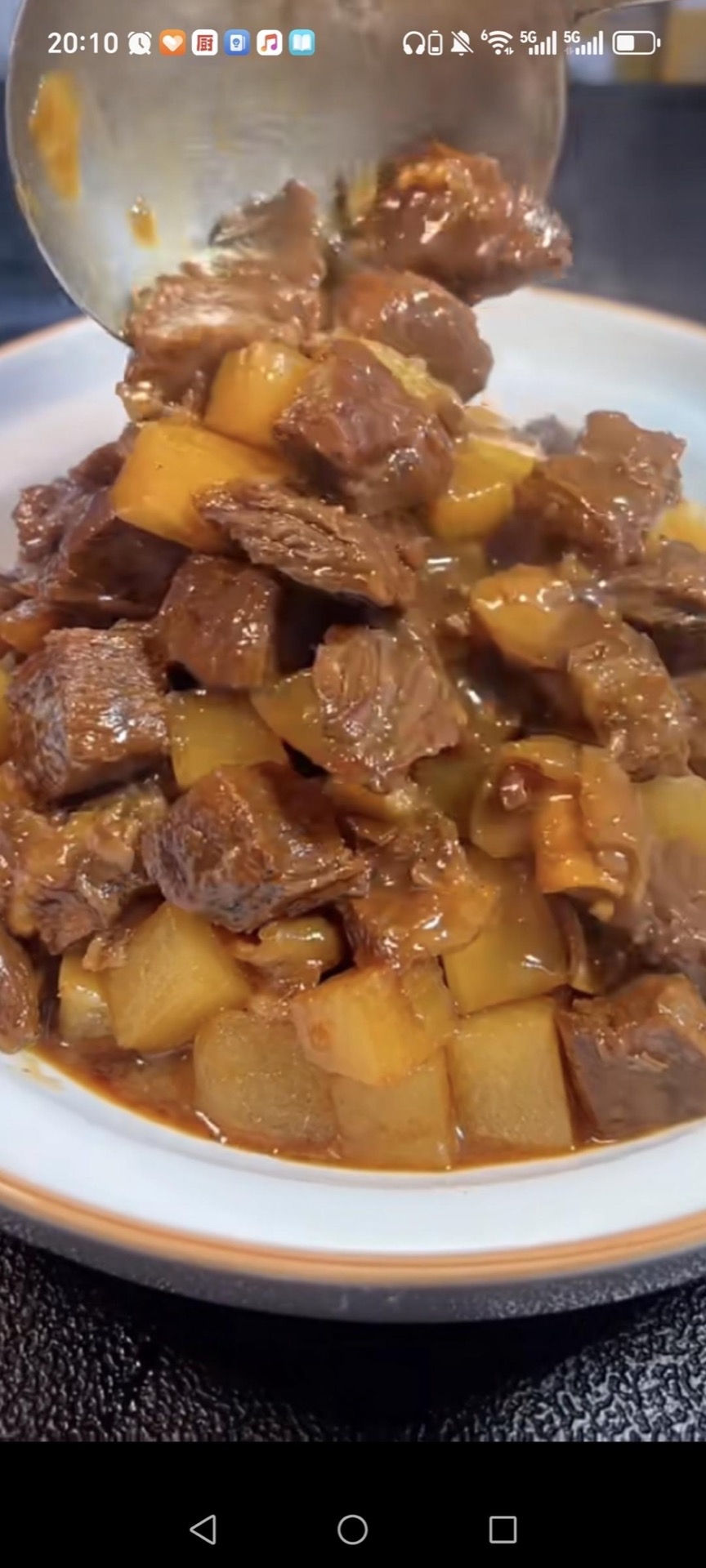
What makes this version worth cooking is how little it asks of you. There is no long marinade, no pressure cooker, no obscure ingredient run. You blanch the beef, brown it with aromatics, add water and let time do the work. The radish goes in for the last twenty minutes so it stays intact instead of dissolving. By the end you have a dark, glossy sauce and two ingredients that have traded flavors so thoroughly you can’t quite tell where the beef ends and the radish begins.
I learned to make this the way most home cooks in China do — by watching, tasting, and adjusting. The measurements below are a solid starting point, but the real skill is in the simmer: knowing when the meat is nearly there, and when the radish has gone from raw and sharp to sweet and yielding. Once you’ve made it twice, you’ll stop measuring the soy sauce entirely.
What Is Braised Beef with White Radish?
Braised beef with white radish is a Chinese home-style braise — a dun (炖) dish — in which beef, usually short rib or brisket, is simmered slowly with aromatics and a soy-based seasoning liquid until tender, then finished with chunks of daikon radish. The radish is added late so it keeps its shape, and it absorbs the savory braising liquid while releasing its own gentle sweetness back into the sauce.
The dish belongs to the broad family of Chinese red-braised and clear-braised beef dishes that stretch from Sichuan hotpot bases to Cantonese brisket pots. What distinguishes niurou dun luobo is its restraint: no chili, no fermented bean paste, no heavy spice blend. The flavor comes from beef, soy, star anise, ginger and scallion, with the radish acting as both vegetable and natural sweetener.
If you enjoy this style of slow-braised beef, our braised beef brisket with dried bamboo shoots takes the same technique in a deeper, earthier direction.
1Braised Beef Brisket with Dried Bamboo ShootsA rich, authentic Sichuan stew featuring tender beef brisket and savory dried bamboo shoots. Perfect served over rice or as a noodle topping.Check out this recipe

For a heartier, starchier take on the same braise, try our braised beef brisket with potatoes, where the potatoes thicken the sauce as they cook down.
2Braised Beef Brisket with Potatoes (Niu Nan Dun Tu Dou)This melt-in-your-mouth Braised Beef Brisket with Potatoes features tender beef and savory root vegetables in a rich, aromatic sauce. A classic Chinese comfort food that is perfect over steamed rice or noodles.Check out this recipe
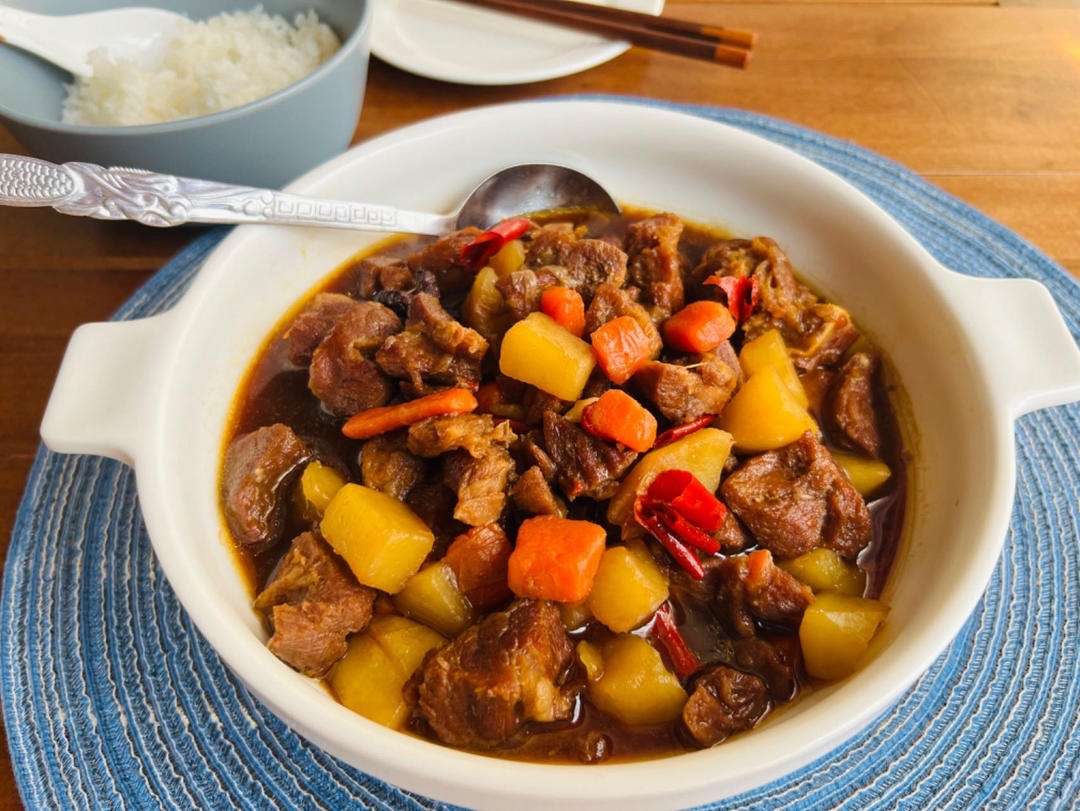
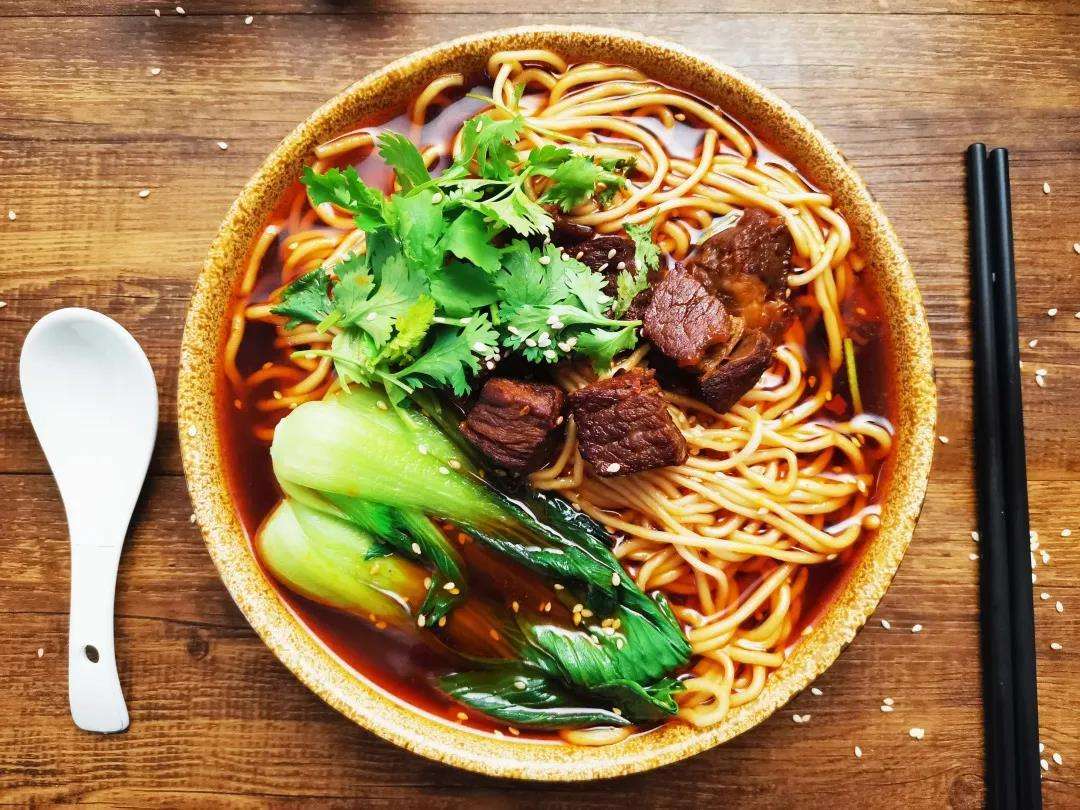
And if you want to turn the leftover braising liquid into a full meal, our braised beef noodle soup is the natural next step.
3Braised Beef Noodle Soup (红烧牛肉面)A deeply comforting, homestyle Braised Beef Noodle Soup (Hong Shao Niu Rou Mian). Tender braised beef in a rich, slightly spicy, and aromatic broth served over chewy noodles.Check out this recipe
Why This Recipe Works
The technique here is built on three small decisions that make a large difference.
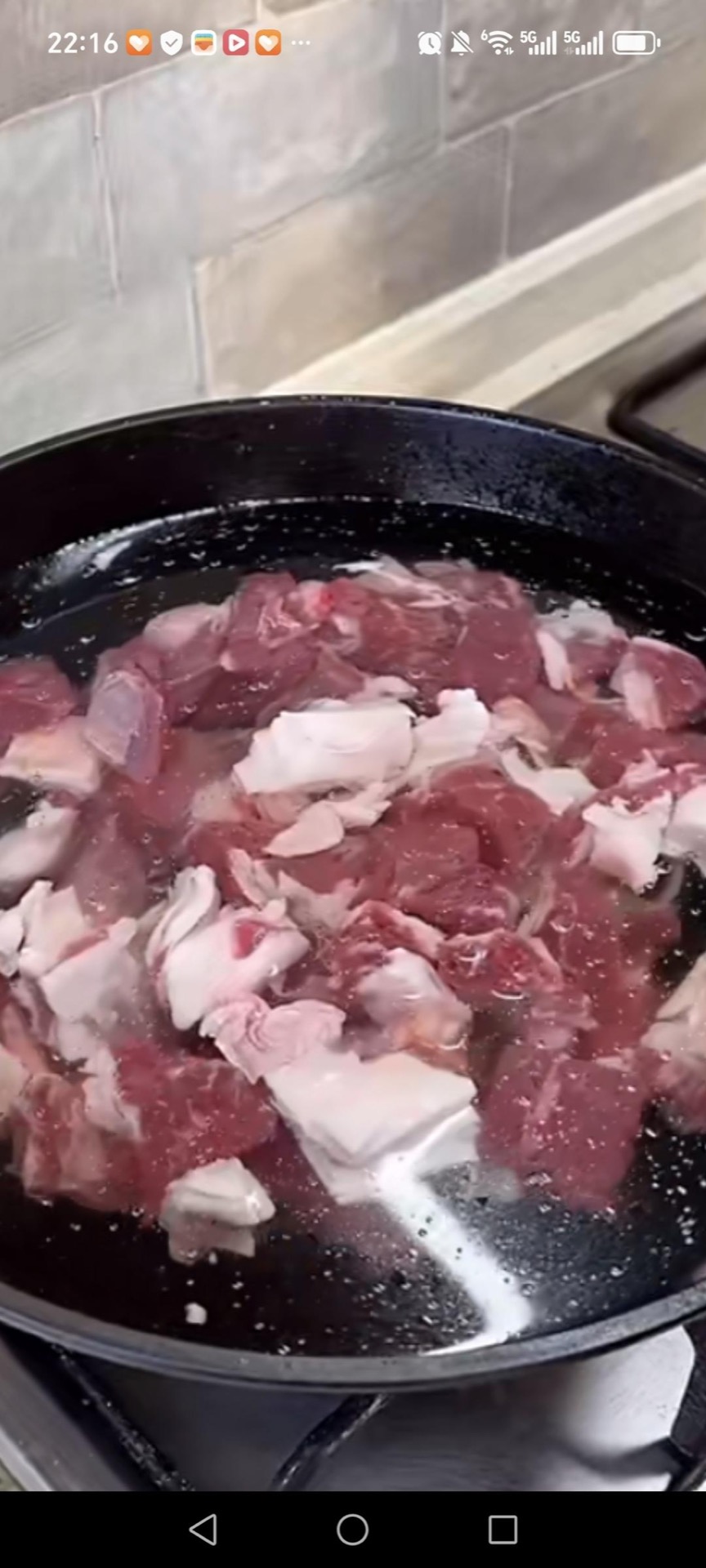
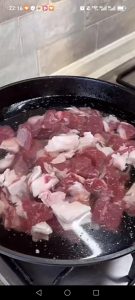
Blanching the beef first. Dropping the short ribs into cold water and bringing it to a boil pulls out the blood and impurities that would otherwise cloud the sauce and leave a metallic edge. Five to eight minutes is enough; the meat is not cooking through, just cleaning up.
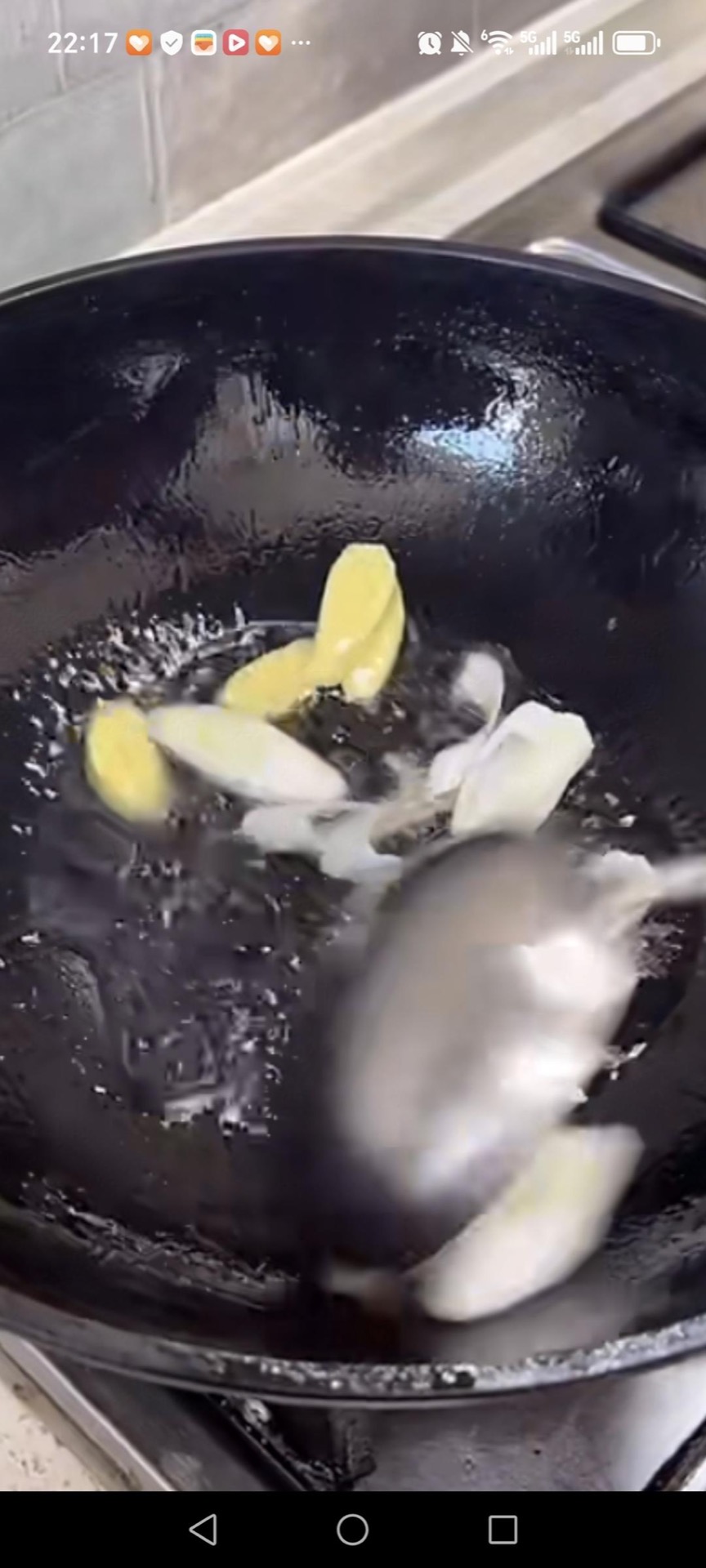
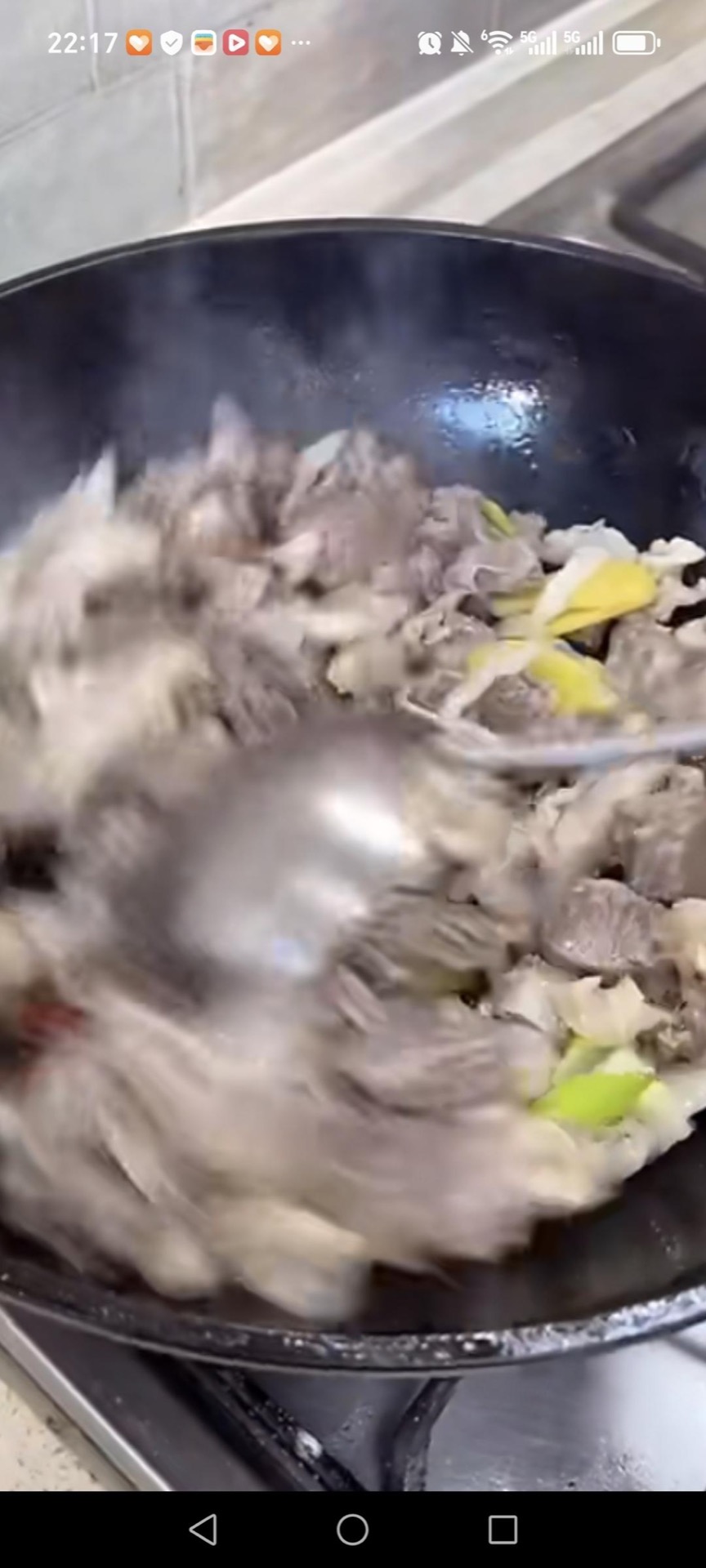
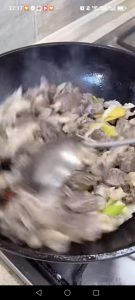
Browning before the liquid goes in. Once the beef is blanched and drained, it goes into a wok with ginger, scallion and star anise and gets stir-fried until the moisture cooks off and the edges begin to caramelize. This is where the deep, roasted flavor of the finished dish is built. Skipping it gives you a flat, boiled-tasting braise.
Adding the radish late, and blanching it separately. Daikon releases water and turns soft quickly. If it goes into the wok at the same time as the beef, it will be mush by the time the meat is tender. Blanching it for a minute first removes the raw, slightly bitter edge, and adding it for only the last twenty minutes keeps the chunks intact and sweet.
The final reduction — uncovered, over high heat — is what turns a thin braising liquid into a glossy sauce that coats the beef. It takes only a few minutes, but it’s the difference between a stew and a proper Chinese braise.
Why blanch the radish separately? Daikon contains sulfurous compounds that mellow with a brief parboil; a one-minute blanch also firms the exterior so the chunks hold their shape through the final simmer. The same principle is described in food-science references on how blanching changes vegetable texture.
Equipment Needed
You do not need much for this dish, and almost all of it is probably already in your kitchen.
- A wok or heavy Dutch oven. A wok is traditional and gives you more surface area for browning, but a heavy-bottomed Dutch oven works just as well and holds heat more evenly during the long simmer.
- A separate pot for blanching. You’ll need one pot for the beef and one for the radish. A medium saucepan is fine for the radish.
- A cutting board and a sharp knife. The beef needs to be cut into even 1-inch cubes so it cooks at the same rate.
- A slotted spoon or spider. For lifting the blanched beef and radish out of their pots without carrying over a lot of water.
- A lid that fits your wok or pot. Essential for the covered braise.
That’s it. No pressure cooker, no clay pot, no special tools.
Ingredients
Every ingredient here is a pantry staple in a Chinese kitchen, and most are available in any supermarket.
- Beef short ribs (牛肋条). About 2 pounds, cut into 1-inch cubes. Short rib has the ideal fat-to-meat ratio for braising — enough marbling to stay juicy, enough connective tissue to turn silky after an hour of simmering.
- Daikon radish (白萝卜). One pound, peeled and cut into 1.5-inch chunks. Look for a firm, heavy radish with smooth skin.
- Shaoxing wine (料酒). Two tablespoons, used both for blanching and for seasoning the beef. Dry sherry is a fine substitute.
- Light soy sauce (生抽). Two tablespoons. This is the primary seasoning — salty and savory without much color.
- Dark soy sauce (老抽). One teaspoon. Used only for color, giving the beef its deep mahogany tone.
- Oyster sauce (蚝油). One tablespoon. Adds a rounded, savory depth. Omit it if you’re cooking for someone with a shellfish allergy.
- Star anise (八角). Two whole pods. The signature aroma of the dish.
- Ginger and scallion. Three slices of ginger and two scallion stalks, cut into segments.
- Salt and chicken bouillon. Added late, to taste, after the radish goes in.
Ingredient Notes
On the cut of beef. Short rib (牛肋条) is what the original recipe calls for, and it’s the best choice. If you can’t find it, beef brisket or chuck works well too — both have the collagen that breaks down into gelatin during a long braise. Avoid lean cuts like sirloin or tenderloin; they will turn dry and stringy.
On the radish. Daikon (white radish) is not the same as a red radish or a turnip. Look for the long, thick, white root in the produce section, usually sold in segments. A good daikon feels heavy for its size and has no soft spots. If the skin is wrinkled, it’s old and will be fibrous.
On the soy sauces. Light soy sauce and dark soy sauce are not interchangeable. Light soy is the workhorse — it seasons. Dark soy is thick, slightly sweet and mostly for color. If you only have one, use light soy and accept a lighter-colored braise.
On the oyster sauce. This is optional but recommended. It adds a subtle brininess and body. If you’re avoiding shellfish, substitute a teaspoon of hoisin sauce or simply leave it out.
On the water. Always add boiling water, never cold. Cold water shocks the meat and can make it seize up, and it also drops the temperature of the braise too quickly. Keep a kettle going while you work.
If you want to explore a slightly different braising profile, our braised beef brisket with daikon radish uses a similar pairing with a different balance of aromatics.
Prep & Mise en Place
This dish moves quickly once the wok is hot, so do all your prep before you turn on the stove.
- Cut the beef. Trim any excessive fat from the short ribs and cut them into even 1-inch cubes. Uneven pieces will cook unevenly.
- Peel and cut the radish. Peel the daikon and cut it into 1.5-inch chunks. Set aside.
- Slice the aromatics. Cut the ginger into three thin slices. Cut the scallions into 2-inch segments, keeping the white parts separate if you like.
- Measure the sauces. Combine the light soy sauce, dark soy sauce and oyster sauce in a small bowl so you can pour them in one motion. Measure the Shaoxing wine separately.
- Boil water. Put a kettle on for the braising water and set a medium pot of water on the stove for the radish blanch.
Total prep time is about 15 minutes. Once you start cooking, everything happens in one wok.
Cooking Process
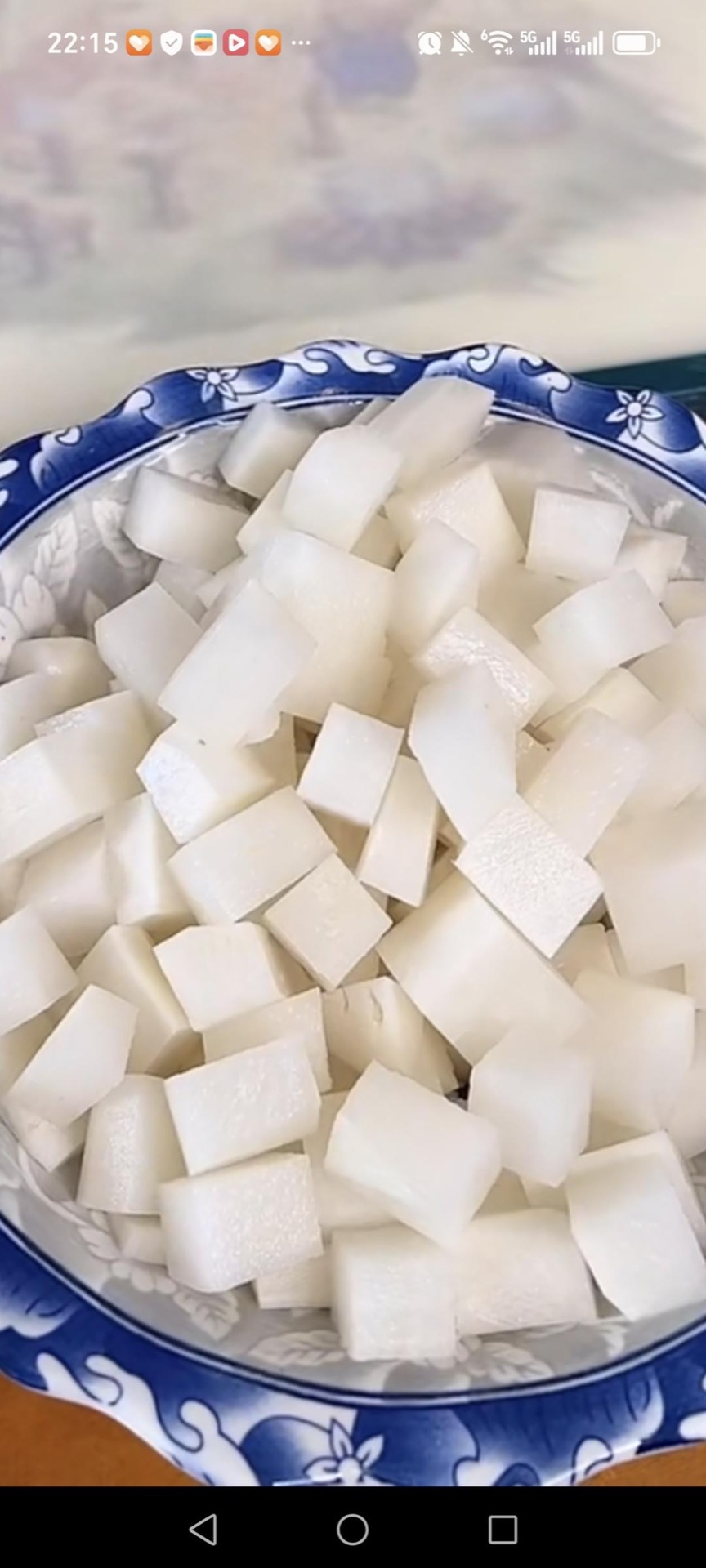
Step 1 — Cut the Radish
Peel the daikon radish and cut it into 1.5-inch chunks, then set the pieces aside while you prepare the beef.
Step 2 — Blanch the Beef
Place the beef short ribs in a pot, cover with cold water, add the Shaoxing wine, and bring to a boil; blanch for 5 to 8 minutes, then drain and rinse away the scum.
Step 3 — Aromatics in the Wok
Heat a wok over medium heat, add a little oil, and stir-fry the scallion segments, ginger slices, and star anise until fragrant.
Step 4 — Brown the Beef
Add the blanched beef to the wok and stir-fry until the pieces release their moisture and begin to brown at the edges.
Step 5 — Season the Beef
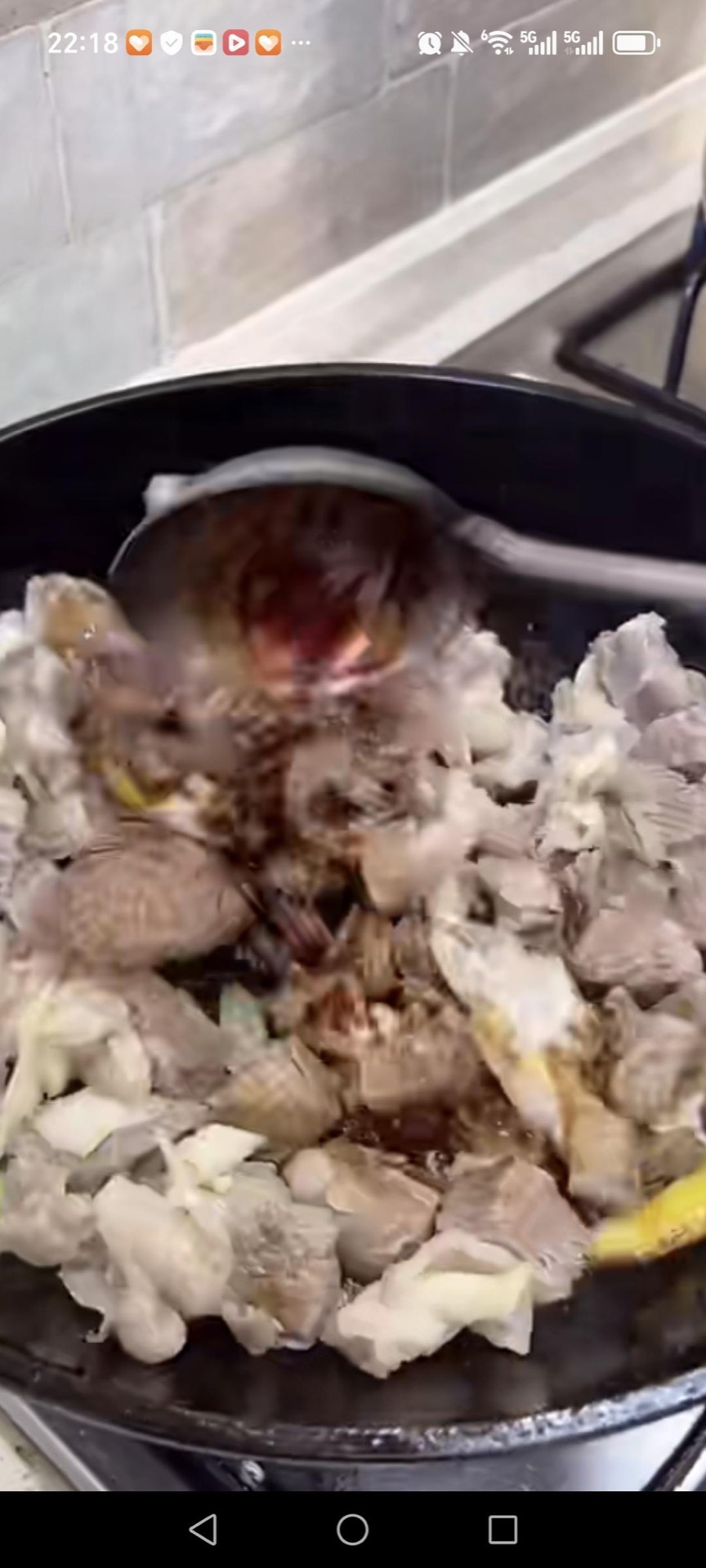
Splash in the Shaoxing wine, then add the light soy sauce, dark soy sauce, and oyster sauce, and stir-fry until every piece of beef is evenly coated.
Step 6 — Add the Water
Pour in boiling water to just cover the beef, then bring the liquid back to a gentle simmer.
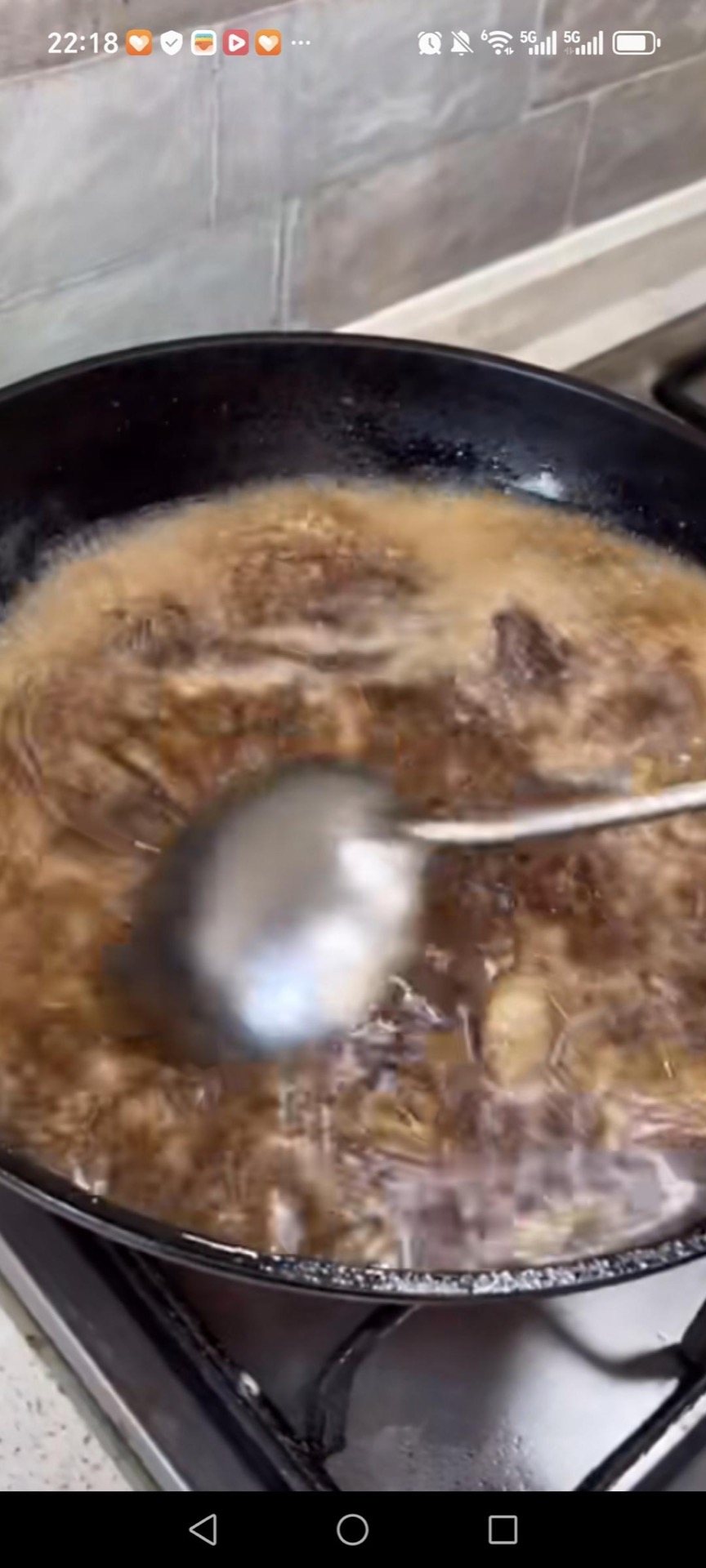
Step 7 — Braise the Beef
Cover the wok with a lid and simmer the beef gently for 1 hour, until the meat is starting to turn tender.
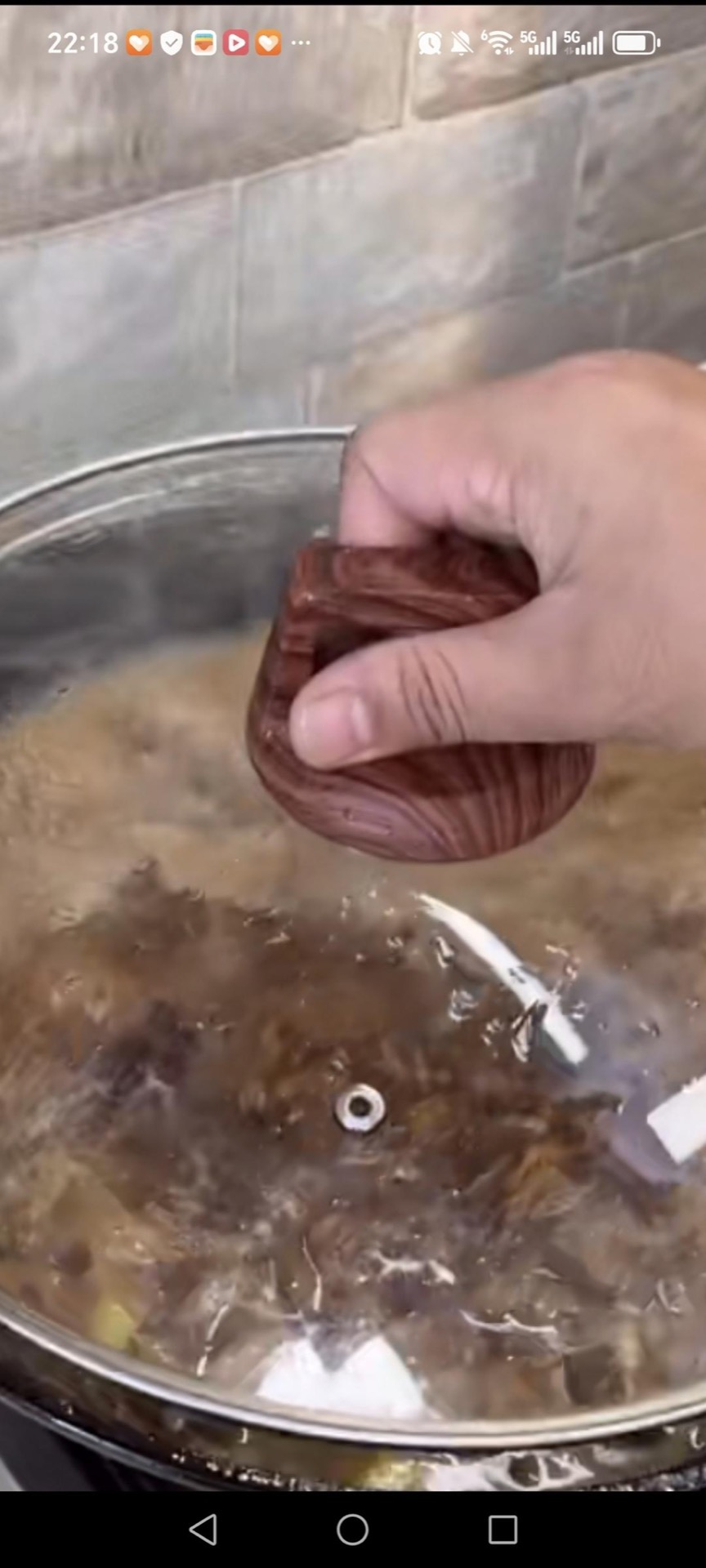
Step 8 — Blanch the Radish
Bring a separate pot of water to a boil, add a pinch of salt, blanch the daikon chunks for 1 minute, then drain well.
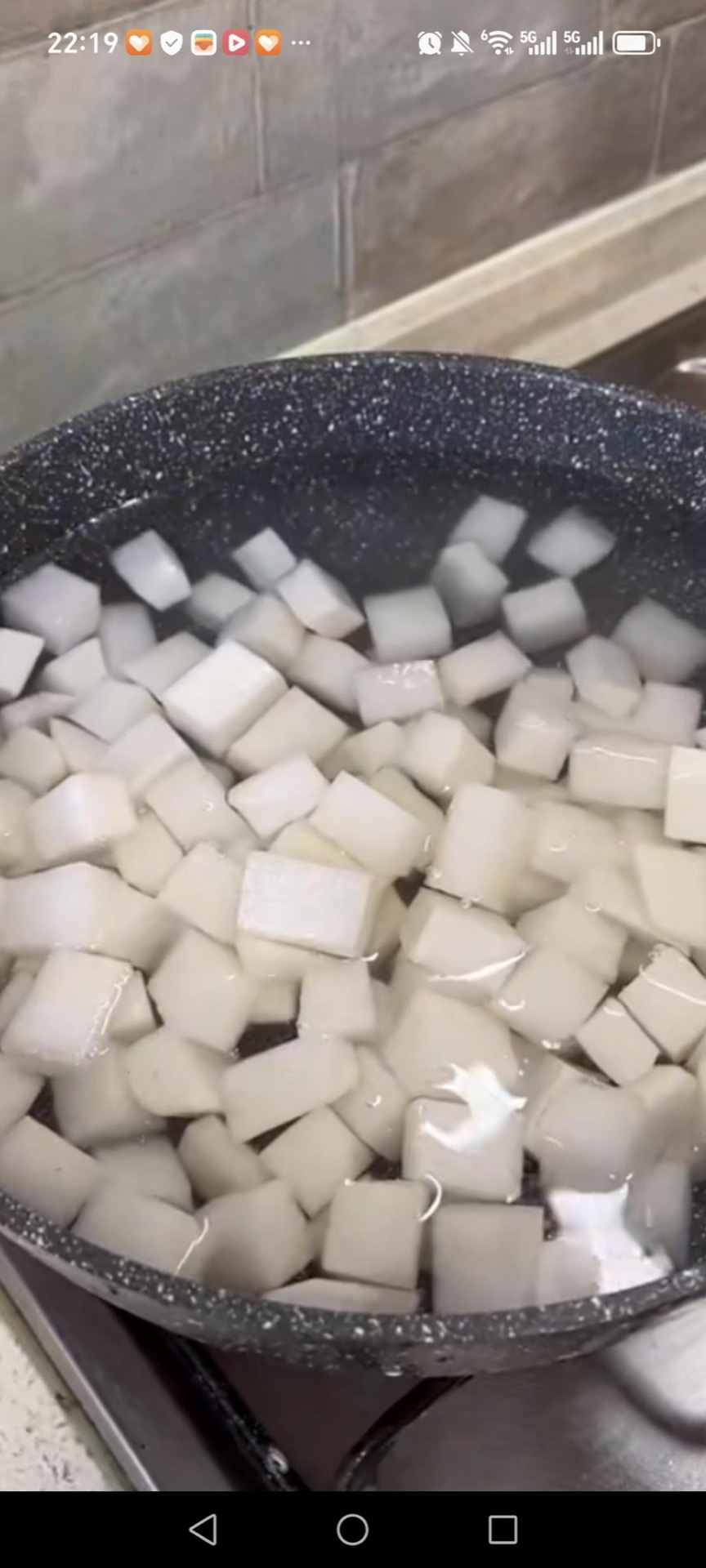
Step 9 — Add the Radish
Add the drained daikon to the wok, season with a little salt and the chicken bouillon, and stir gently to combine.
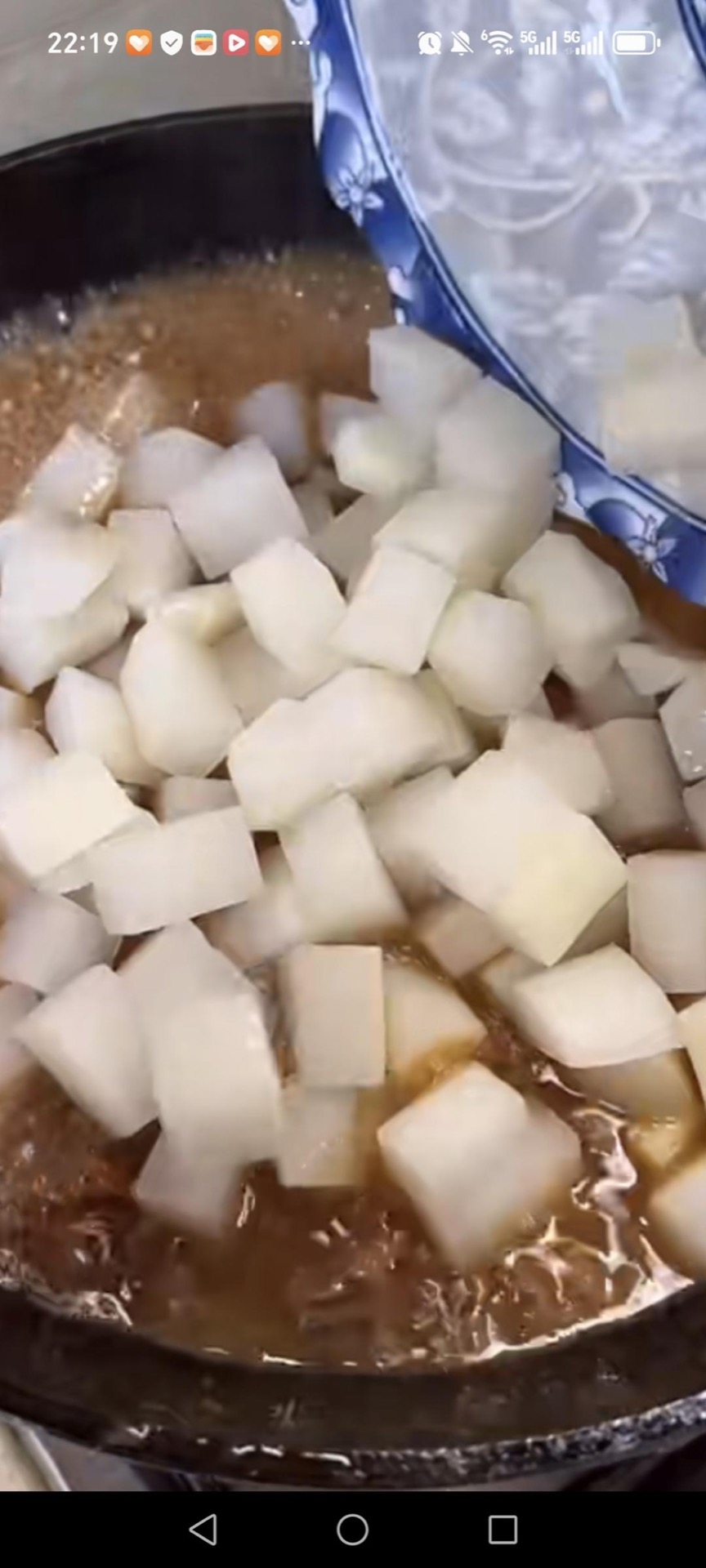
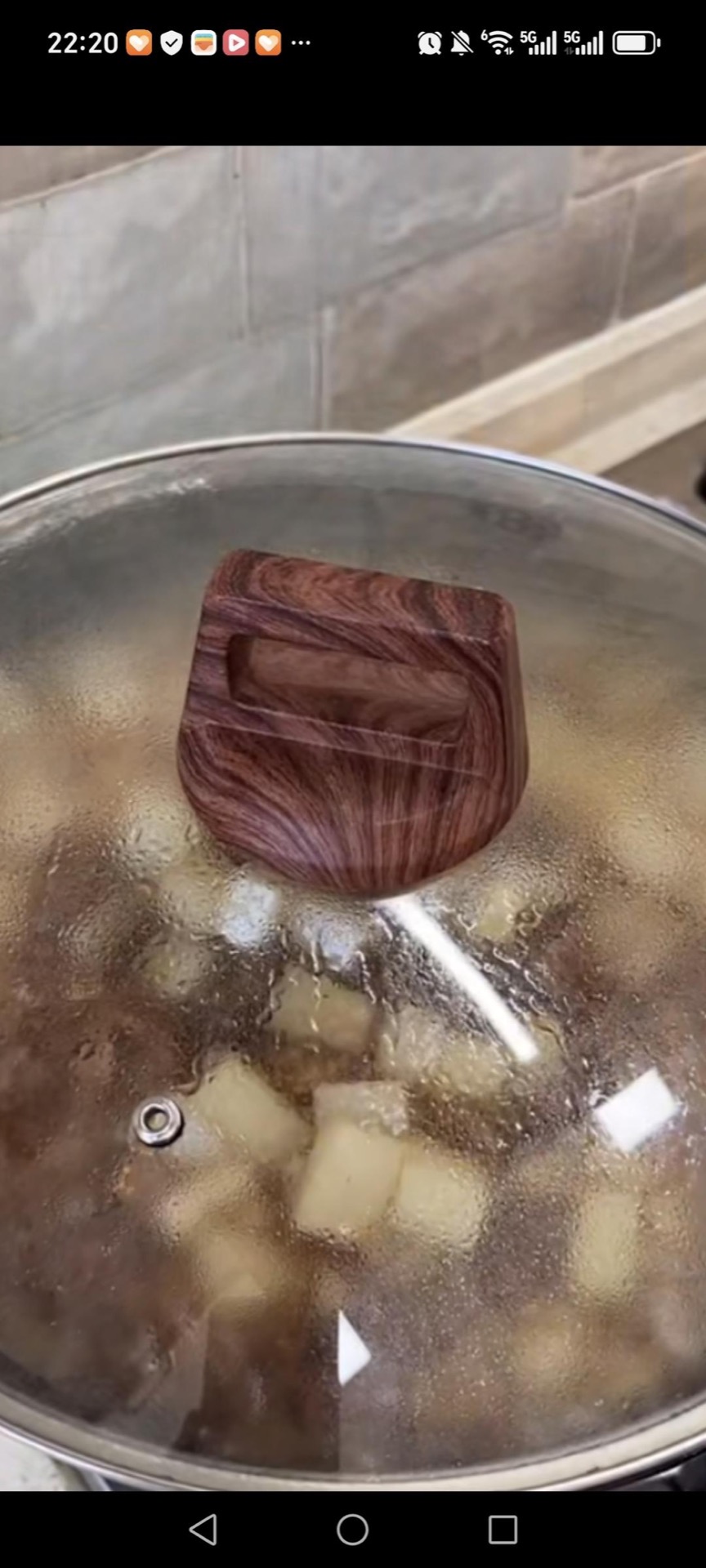
Step 10 — Finish Braising
Cover the wok again and simmer for 20 minutes, until the radish is translucent and the beef is fork-tender.
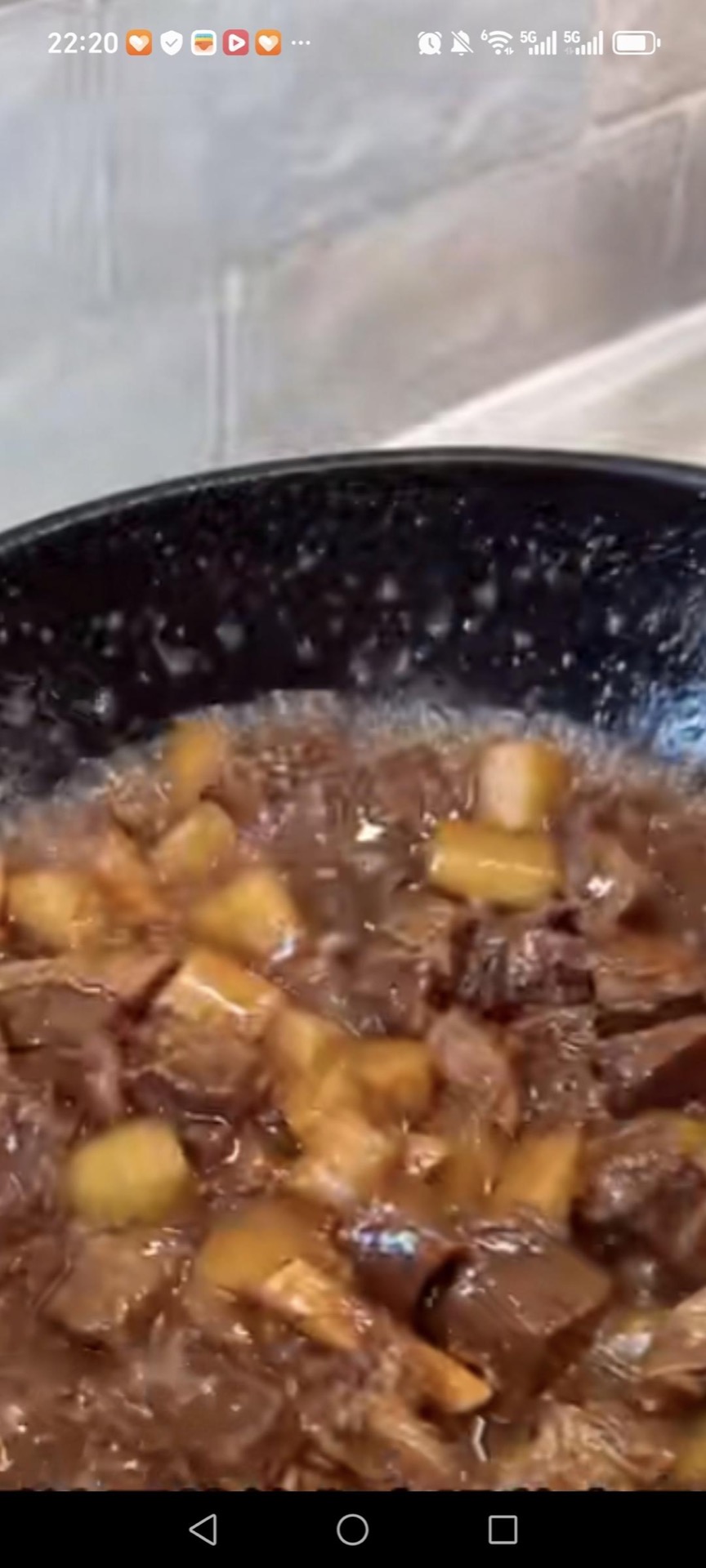
Step 11 — Reduce the Sauce
Uncover the wok, turn the heat to high, and reduce the braising liquid until it turns glossy and clings to the beef.
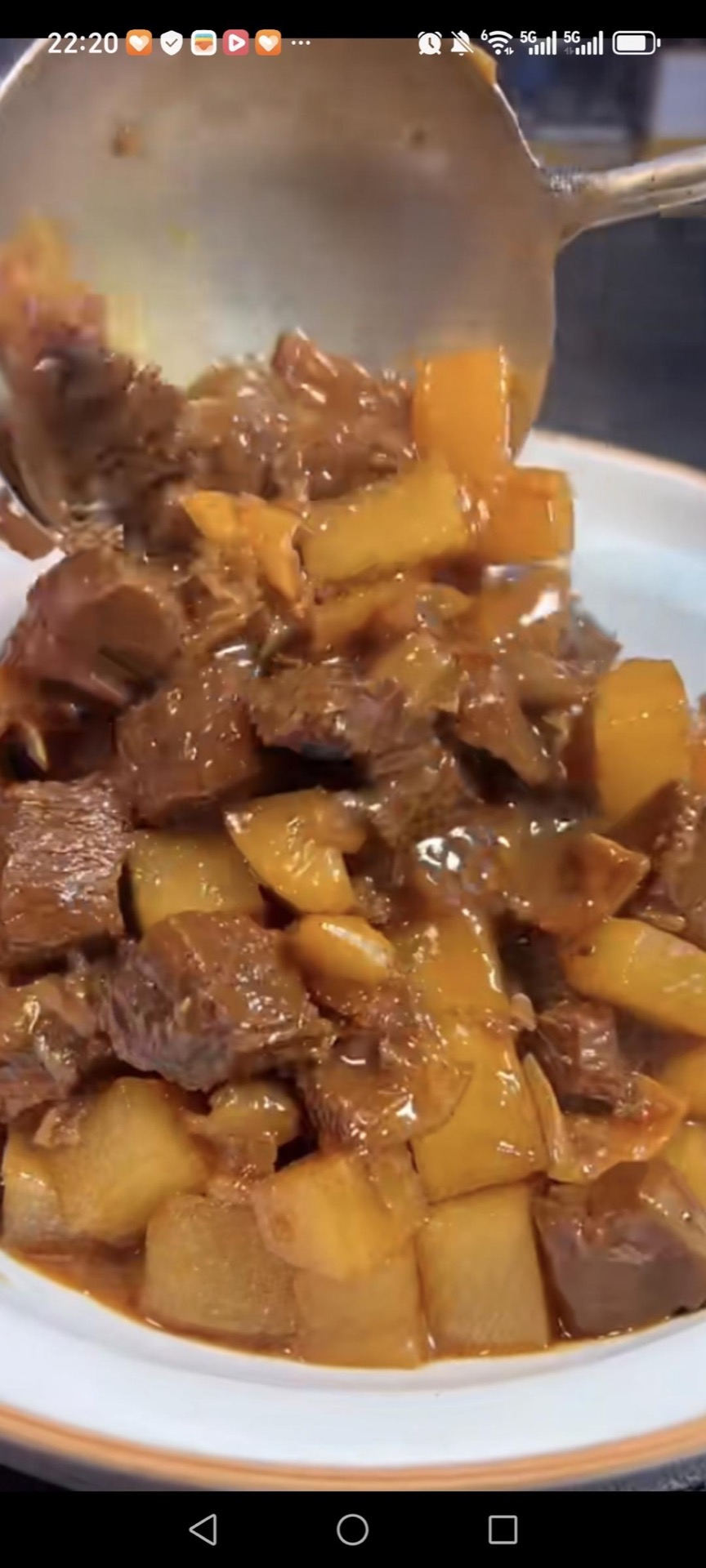
Step 12 — Serve
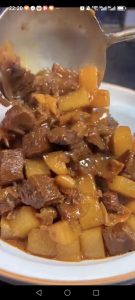
Transfer the braised beef with white radish to a serving bowl, spoon the sauce over the top, and serve hot with steamed rice.
Common Mistakes When Making Braised Beef with White Radish
1. Skipping the blanch. If you drop the beef straight into the wok, the sauce will be cloudy and slightly metallic. Cause: blood and impurities remain in the meat. Fix: always start with cold water, bring to a boil, and blanch for 5-8 minutes before draining and rinsing.
2. Not browning the beef. A pale braise tastes flat. Cause: the beef goes into the wok and immediately gets liquid poured over it. Fix: stir-fry the beef with the aromatics until the moisture has cooked off and the edges have taken on color — this takes 5-8 minutes and should not be rushed.
3. Adding the radish too early. The radish turns to mush and disappears into the sauce. Cause: it goes in with the beef at the start of the hour-long simmer. Fix: blanch it separately and add it only for the final 20 minutes.
4. Using cold water for the braise. The beef seizes and the cooking time stretches. Cause: cold water drops the temperature of the wok dramatically. Fix: always add boiling water, and add enough to just cover the beef.
5. Over-seasoning early. The sauce reduces significantly at the end, concentrating the salt. Cause: adding full salt at the start. Fix: hold back on the salt until the radish goes in, then taste and adjust after the final reduction.
6. Skipping the final reduction. The sauce stays thin and watery. Cause: turning off the heat as soon as the beef is tender. Fix: uncover, raise the heat, and reduce for 3-5 minutes until the sauce coats the back of a spoon.
7. Crowding the wok during browning. The beef steams instead of browning. Cause: too many pieces in the pan at once. Fix: brown the beef in two batches if your wok is small, removing the first batch before adding the second.
Variations
With tomatoes. Add two chopped ripe tomatoes with the aromatics for a tangy, brighter braise. This is closer to a northern Chinese home style and pairs beautifully with rice. Our tomato beef stew with fatty beef follows a similar logic.
With red wine. Replace half the water with dry red wine for a deeper, more European-inflected braise. The technique is identical, and the result is a hybrid that works surprisingly well over mashed potatoes. See our red wine braised beef for a full treatment.
With coconut curry. Add a tablespoon of curry powder with the aromatics and replace one cup of water with coconut milk at the end. This gives you a rich, aromatic braise that’s closer to Southeast Asia than northern China. Our creamy coconut curry beef brisket is the reference point.
With potatoes instead of radish. Swap the daikon for waxy potatoes cut into chunks, added at the same point. The potatoes will thicken the sauce as they cook. Our braised beef brisket with potatoes is a dedicated version of this idea.
With dried bamboo shoots. Soak dried bamboo shoots overnight, then add them with the beef for a deeper, earthier braise. Our braised beef brisket with dried bamboo shoots shows how this changes the character of the dish.
With short ribs, French-style. For a completely different register, our Provence braised beef short ribs applies the same slow-cook logic to a Mediterranean flavor palette.
Frequently Asked Questions
Can I make this in a pressure cooker? Yes. After browning the beef and adding the water, pressure-cook for 25 minutes at high pressure, then release naturally. Add the blanched radish and pressure-cook for another 5 minutes, or simmer uncovered on the stove for 15 minutes. The flavor is slightly less concentrated than a stovetop braise, so reduce the sauce a bit longer at the end.
What if I can’t find daikon radish? You can substitute a small white turnip or even a few small red radishes, though the flavor will be sharper and more peppery. Potatoes are a common substitute in northern China and work very well — see our braised beef brisket with radish for a related approach.
Why is my braise not dark enough? You likely need more dark soy sauce, or you didn’t brown the beef long enough. Dark soy is what gives the dish its mahogany color. Add another half teaspoon at the end if needed, but be careful — it’s salty.
Can I make this ahead of time? Absolutely. In fact, it tastes better the next day. Cool it completely, refrigerate overnight, and reheat gently on the stove. The fat will solidify on top and can be lifted off before reheating, which gives you a cleaner sauce.
How do I know when the beef is done? A fork or chopstick should slide into the meat with almost no resistance, and the meat should pull apart easily along the grain. If it’s still chewy, simmer for another 15 minutes and check again. Braising times vary with the cut and the size of the pieces.
How to Serve
Braised beef with white radish is almost always served with steamed white rice, and for good reason: the sauce is intensely savory and needs something neutral to soak into. A bowl of rice, a few spoonfuls of the braise, and a scattering of sliced scallion is a complete meal.
For a lighter, brothier presentation, serve it as a soup course with a side of braised beef noodle soup on the table alongside it. The two dishes share a flavor base and complement each other beautifully.
Storage & Reheat
This dish stores exceptionally well, which is one of the reasons it’s a weeknight favorite in Chinese households.
Refrigerator: Cool the braise completely, then transfer it to an airtight container. It will keep for up to 4 days. The fat will rise and solidify on the surface; you can lift it off with a spoon before reheating for a leaner sauce.
Freezer: Freeze in portion-sized containers for up to 3 months. The radish will soften slightly on thawing but the flavor holds well.
Reheating: The best method is on the stovetop in a covered pot over low heat, adding a splash of water if the sauce has thickened too much. Microwave works in a pinch — cover and heat in 1-minute intervals, stirring between. Reheat to an internal temperature of 165°F (74°C).
Note that the sauce thickens considerably when cold, so don’t panic if it looks solid in the fridge. It will loosen back up as it warms.
Allergen Notice
This recipe contains soy (light and dark soy sauce), wheat (soy sauce is brewed with wheat), and shellfish (oyster sauce). To make it shellfish-free, omit the oyster sauce or substitute hoisin. To make it gluten-free, use tamari in place of both soy sauces and check that your oyster sauce is certified gluten-free.
If you’re cooking for someone with a soy allergy, this dish is difficult to adapt faithfully — the soy sauce is central to the flavor. A coconut-amino substitute will work in a pinch but changes the character of the braise significantly.
Nutrition Disclaimer
Nutrition information is calculated using an ingredient database and should be considered an estimate. In cases where multiple ingredient alternatives are given, the first listed is calculated for nutrition. Garnishes and optional ingredients are not included.
About the Author & Recipe Development
Hi, I’m Lin — I grew up in a Chinese household where the wok was always on and the question “have you eaten?” was a form of affection. I started Woks of Love to write down the recipes I learned by watching, tasting and adjusting, so that home cooks anywhere could make them without a translator or a restaurant background.
This version of braised beef with white radish is based on the home-style northern Chinese preparation, adapted for a Western kitchen. The original calls for “适量” (appropriate amount) of nearly everything, which is how most Chinese home cooks actually work — by feel. I’ve given specific measurements as a starting point, but the real test is your own palate. Taste the braise before the final reduction and adjust the salt, soy and sweetness to your liking.
I test each recipe at least twice before publishing, and I note substitutions that actually work rather than ones that merely sound plausible. If you make this and it turns out well, I’d love to hear about it.
Authoritative References
For safe handling and cooking temperatures, see the USDA safe minimum internal temperature chart. For food storage and refrigeration guidance, the FDA refrigerator and food safety guidance is the standard reference. For background on Chinese braising technique, Harold McGee’s On Food and Cooking remains the most useful single volume on the science of collagen conversion in slow-cooked meat.
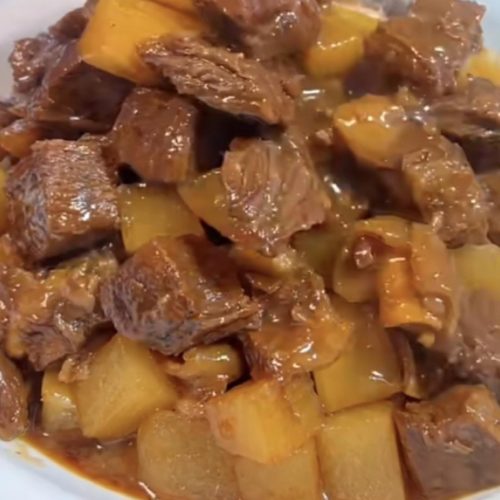
Braised Beef with White Radish (牛肉炖萝卜): Tender Beef, Sweet

Equipment
- Wok
- Cutting Board
- Slotted Spoon
Ingredients
For the Braise
- 2 lb beef short ribs cut into 1-inch cubes
- 2 tbsp Shaoxing wine or dry sherry
- 2 tbsp light soy sauce or tamari
- 1 tsp dark soy sauce for color
- 1 tbsp oyster sauce optional, for depth
- 4 cups water boiling
- 2 whole star anise
- 3 slices ginger
- 2 stalks scallion cut into 2-inch segments
- 1 tsp salt plus more to taste
- 1/2 tsp chicken bouillon or chicken stock powder
For the Radish
- 1 lb daikon radish peeled, cut into 1.5-inch chunks
- 1 tsp salt for blanching water
Instructions
- Peel the daikon radish and cut it into 1.5-inch chunks, then set the pieces aside while you prepare the beef.

- Place the beef short ribs in a pot, cover with cold water, add the Shaoxing wine, and bring to a boil; blanch for 5 to 8 minutes, then drain and rinse away the scum.
- Heat a wok over medium heat, add a little oil, and stir-fry the scallion segments, ginger slices, and star anise until fragrant.
- Add the blanched beef to the wok and stir-fry until the pieces release their moisture and begin to brown at the edges.
- Splash in the Shaoxing wine, then add the light soy sauce, dark soy sauce, and oyster sauce, and stir-fry until every piece of beef is evenly coated.
- Pour in boiling water to just cover the beef, then bring the liquid back to a gentle simmer.
- Cover the wok with a lid and simmer the beef gently for 1 hour, until the meat is starting to turn tender.
- Bring a separate pot of water to a boil, add a pinch of salt, blanch the daikon chunks for 1 minute, then drain well.
- Add the drained daikon to the wok, season with a little salt and the chicken bouillon, and stir gently to combine.
- Cover the wok again and simmer for 20 minutes, until the radish is translucent and the beef is fork-tender.
- Uncover the wok, turn the heat to high, and reduce the braising liquid until it turns glossy and clings to the beef.
- Transfer the braised beef with white radish to a serving bowl, spoon the sauce over the top, and serve hot with steamed rice.





















Leave a Reply