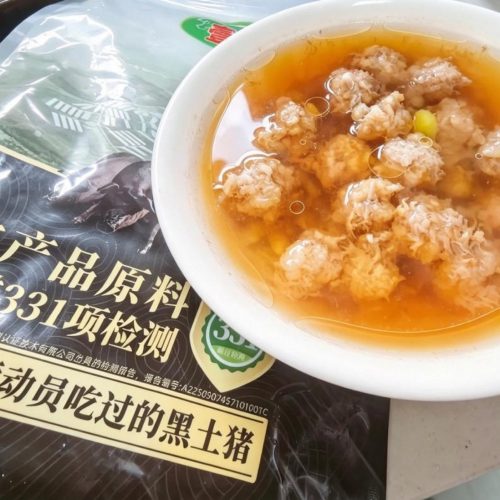
Some nights the best dinner is the one that never touches a frying pan. This steamed pork meatball soup with edamame is exactly that kind of bowl: you layer sweet green soybeans in a deep dish, drop seasoned pork meatballs on top, pour in water, and let the steamer do everything else. The meatballs poach gently in their own juices, the edamame soften underneath, and what comes out is a clear, faintly sweet broth you can drink to the last spoonful.
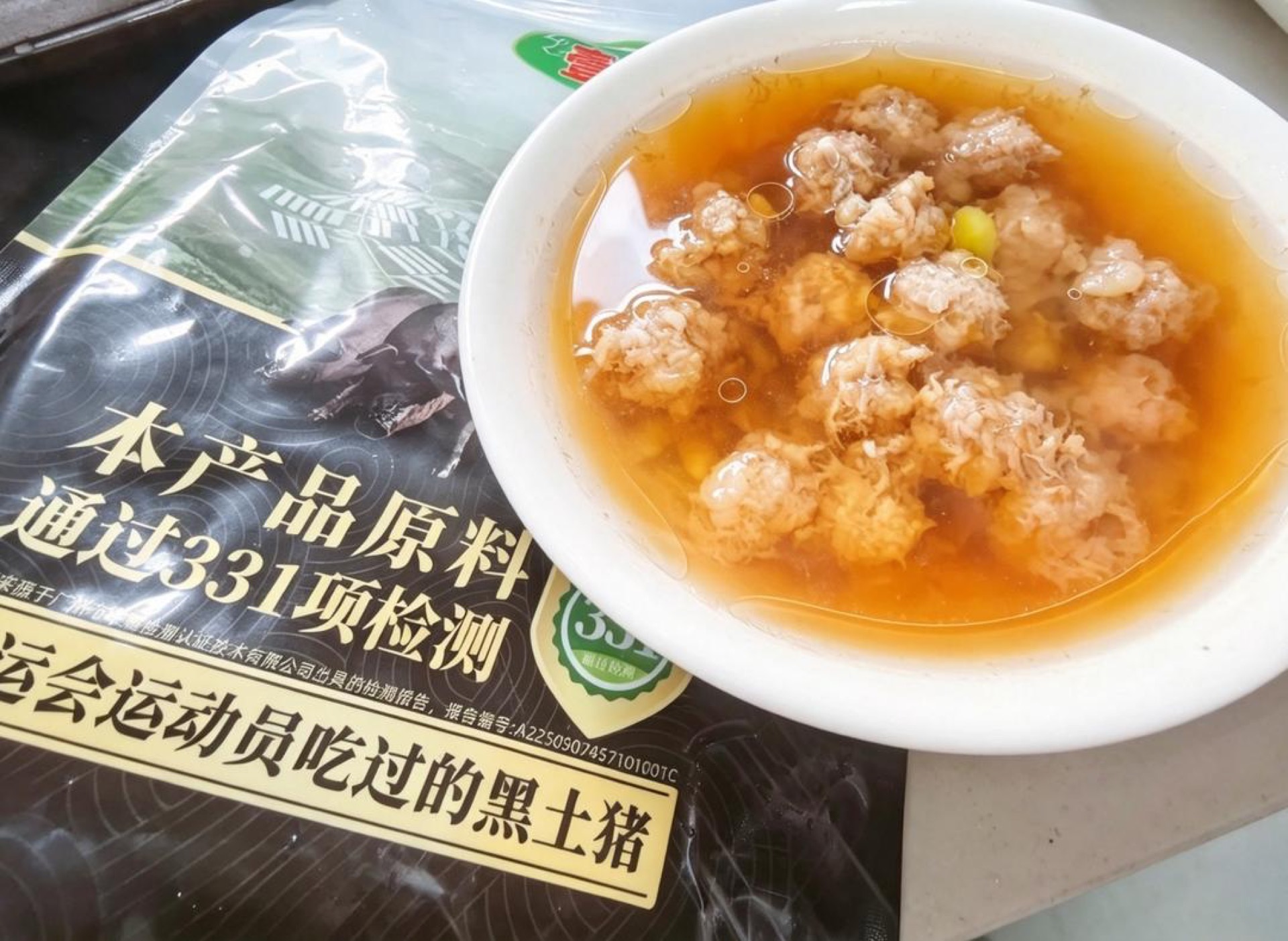
It is also one of the most forgiving recipes on this site. There is no searing, no stock to simmer, and no timing to babysit. If you can chop pork and roll a ball, you can make 毛豆肉丸汤 tonight.
What Is Steamed Pork Meatball Soup with Edamame?
毛豆肉丸汤 (máodòu ròuwán tāng) is a homestyle Chinese soup built on three things: shelled edamame, fresh pork meatballs, and water. Unlike a long-simmered bone broth soup, this one is steamed in a single deep bowl — the meatballs cook in place above the beans, and the liquid underneath turns into an instant clear broth. It belongs to the same gentle family of Jiangnan home cooking as steamed pork patty dishes, where the goal is a clean, sweet, almost delicate flavor rather than a heavy, reduced stock.
Because everything cooks together, the flavors stay layered instead of muddy. The edamame give up a nutty sweetness, the pork releases a savory drip, and the water picks up both. You season at the very end, when you can actually taste what you have.
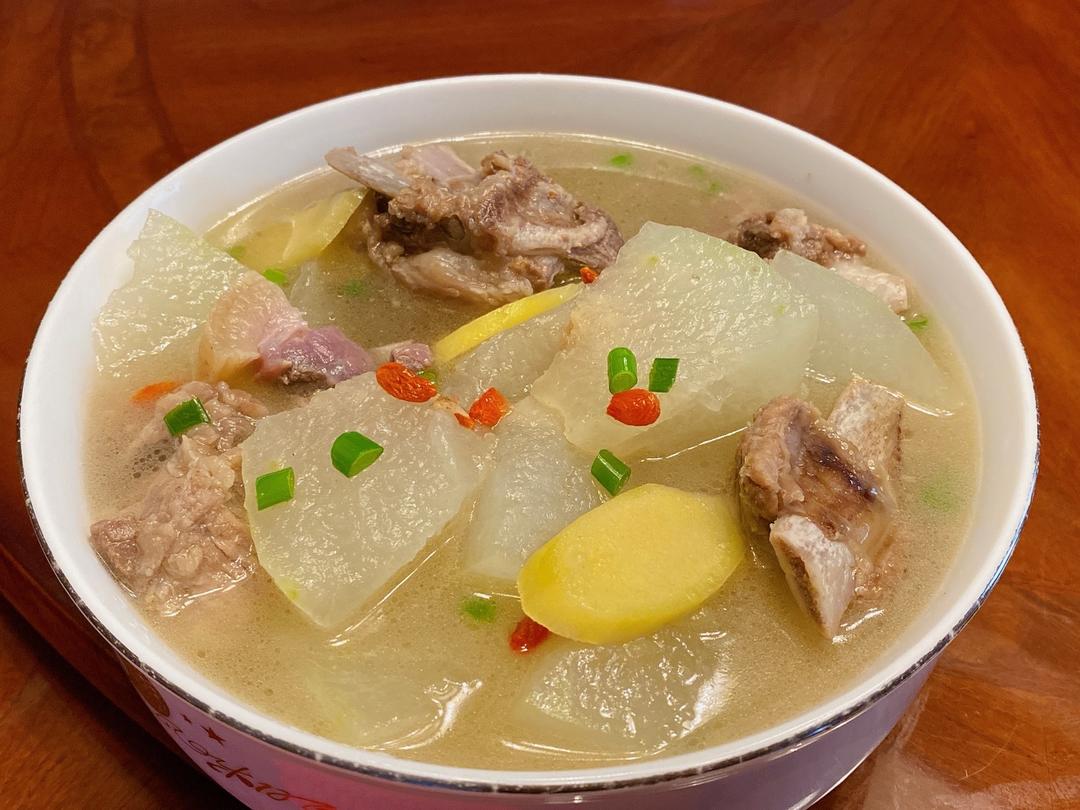
If you enjoy this style of soup, the site has a few more in the same family. winter melon pork rib soup is the slow-simmered cousin, all soft melon and porky depth.
1Authentic Winter Melon Pork Rib Soup (Dong Gua Pai Gu Tang)A comforting, hydrating summer soup featuring tender pork ribs, savory salted pork, and melt-in-your-mouth winter melon. Authentic, simple, and naturally healthy.Check out this recipe
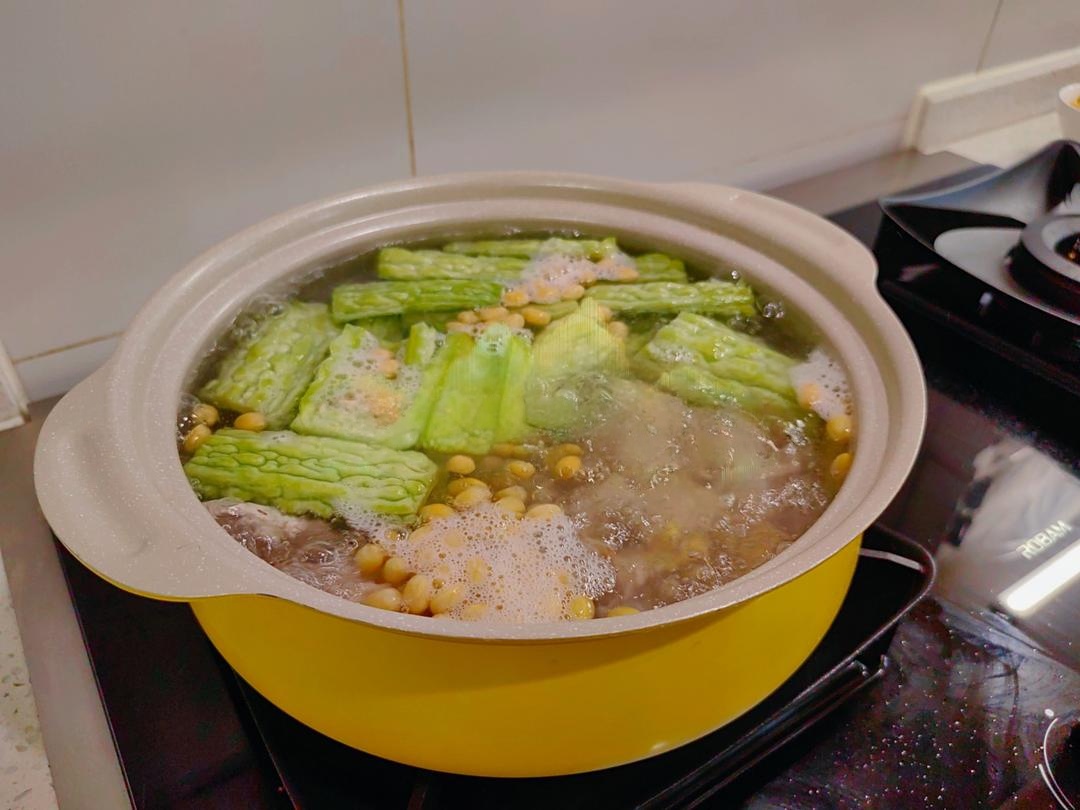
Another one worth trying is bitter melon pork rib soup, which leans into the gentle bitterness that Cantonese cooks love.
2Bitter Melon Pork Rib Soup (Ku Gua Pai Gu Tang)A classic, cooling Cantonese soup featuring tender pork ribs, savory soybeans, and bitter melon. This recipe uses traditional techniques to reduce bitterness for a refreshing summer tonic.Check out this recipe
For a bowl that leans sweet rather than savory, start with corn and pork rib soup, a soup that proves how much a single vegetable can do.
3Corn and Pork Rib Soup with YamA comforting, homestyle Chinese soup featuring pork ribs, sweet corn, carrots, and Chinese yam. Simple to make, nutritious, and full of natural sweetness.Check out this recipe

Ingredient Notes
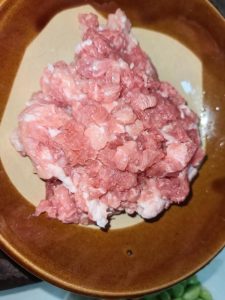
Ground pork. This is the single most important choice in the recipe. Look for at least 20% fat, and if you can find black pork (黑土猪肉) from a breed like 壹号土猪, use it — the meat is more deeply flavored and stays juicy even after steaming. If you only have lean ground pork, add a tablespoon of neutral oil or a little minced fatback to the mix.
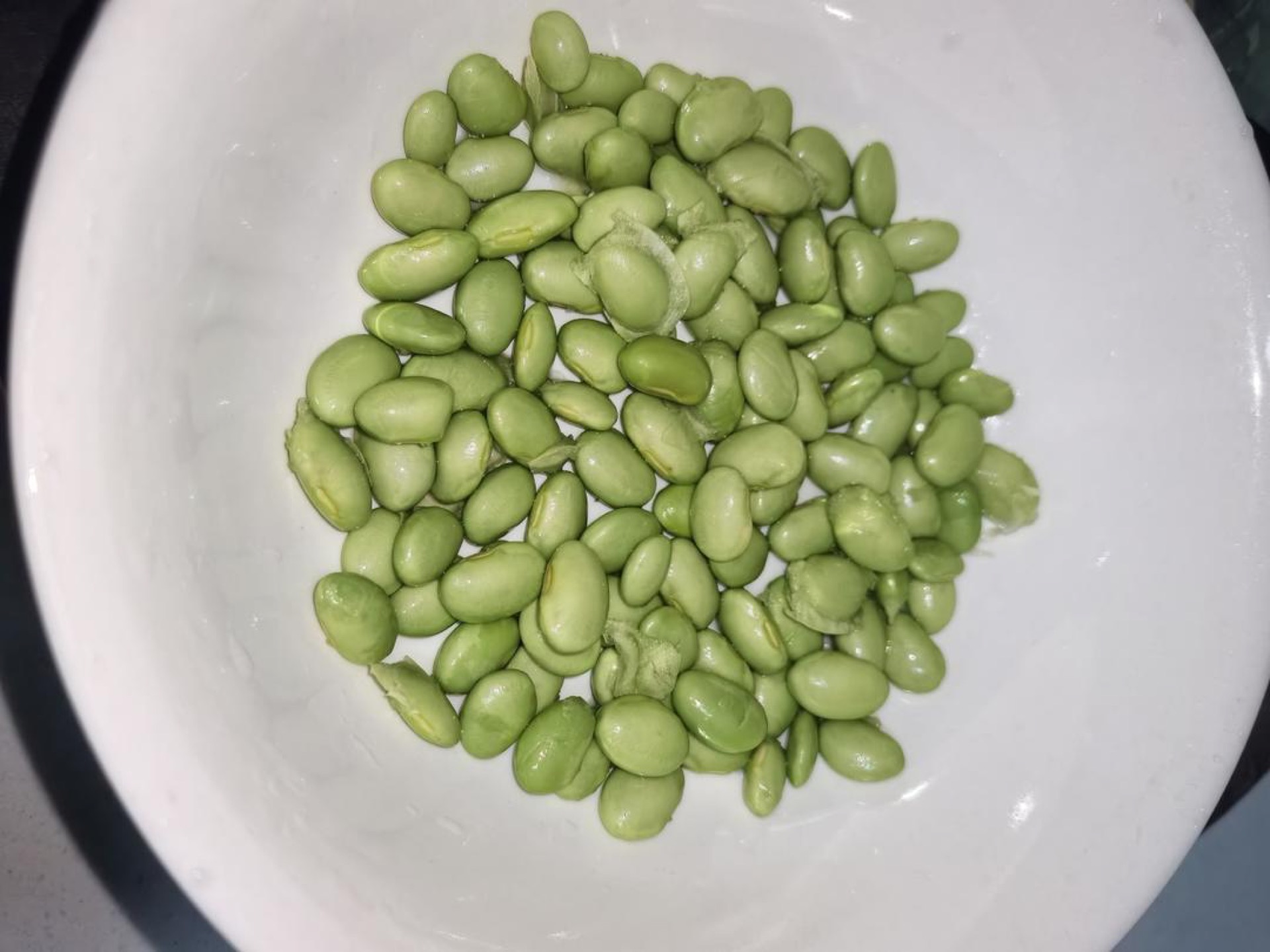
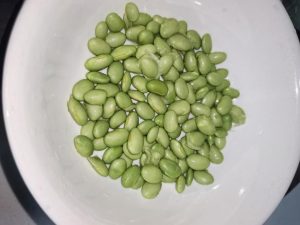
Edamame. Frozen shelled edamame works perfectly and needs no thawing. Fresh edamame in the pod is wonderful in late summer, but you will need to shell about 1½ pounds of pods to get 2 cups of beans. Do not substitute mature soybeans, which stay hard no matter how long you steam them.
Light soy sauce. Use a light (not dark) soy sauce so the broth stays pale and clean. Dark soy would tint the whole bowl brown and add a molasses note that fights the edamame. If you want to make your own blend, this homemade soy sauce guide is a good starting point.
Cornstarch. Just one tablespoon, but it matters. It holds water in the meat mixture, which is what keeps steamed meatballs tender rather than springy and dry. Potato starch works as a one-to-one swap.
White pepper. A small amount goes a long way and gives the meatballs their characteristic warm, faintly floral backnote. Black pepper is fine in a pinch, but it will read differently.
Water. Yes, plain water. The meatballs and edamame make their own broth, so there is no need for stock. If you want a richer bowl, swap in an equal amount of unsalted chicken stock and reduce the final seasoning slightly.
Ingredients
- 1 lb ground pork (20–30% fat, or hand-chopped black pork shoulder)
- 2 cups shelled edamame, fresh or frozen
- 1 tsp fine salt, plus more to taste
- 1 tbsp light soy sauce, plus 1 tsp for finishing
- 1/4 tsp white pepper
- 1 tbsp cornstarch
- 3 cups water
- 1 scallion, thinly sliced, for garnish
Metric equivalents: 450 g ground pork, 300 g shelled edamame, 5 g salt, 15 ml light soy sauce, 1 g white pepper, 8 g cornstarch, 720 ml water.
Equipment Needed
You need a steamer setup that can hold a deep bowl with a lid or cover. A wok with a metal rack and a domed lid is the classic Chinese home setup and works beautifully here — see our notes on whether you can use olive oil for stir fry if you are also cooking a side dish in the same wok. A bamboo steamer set over a pot works too, as long as it is tall enough to clear the bowl. A wide, shallow heatproof bowl (ceramic or Pyrex) is better than a narrow deep one, because more surface area means faster, more even cooking. Beyond that: a cutting board, a chef’s knife, a mixing bowl, and a slotted spoon for lifting the meatballs out if you want to serve them separately.
Why This Recipe Works
Three things make this bowl reliable. First, the meatball mixture is stirred in one direction until it turns sticky, which develops a light protein network so the balls hold together without being bouncy. Second, the edamame sit on the bottom and act as a natural trivet, keeping the meatballs out of direct contact with the bowl and letting steam circulate underneath them. Third, the water goes in cold and comes up to temperature with the meat, so the pork cooks gently from the outside in rather than seizing on contact with hot liquid.
The seasoning-at-the-end approach is the fourth quiet advantage. Because nothing is salted heavily up front, you taste the actual broth the ingredients made and adjust from there. That is why the recipe asks for a modest 1 teaspoon of salt in the meat and leaves the rest to your tongue.
Prep & Mise en Place
Get everything ready before the steamer goes on, because once the bowl is in, you are not opening the lid. Rinse and drain the edamame, then spread it in the bowl. Mince or chop the pork if you are starting from a whole piece — hand-chopping gives a coarser, more interesting texture than machine grinding, though either works. Measure the salt, soy sauce, white pepper, and cornstarch into small dishes so you can add them in one motion. Fill your steamer pot with enough water to steam for 25 minutes without running dry, and set the rack in place. Slice the scallion last and set it aside for garnish.
If you are serving rice or a second dish, this is the moment to start it. The soup needs almost no attention once it is steaming, so use that window. A quick side like chicken curry rice or a simple vegetable stir-fry rounds out the table nicely.
Cooking Process
Step 1 — Layer the Edamame
Rinse the edamame clean and spread it in an even layer across the bottom of a deep heatproof bowl.
Step 2 — Season the Pork
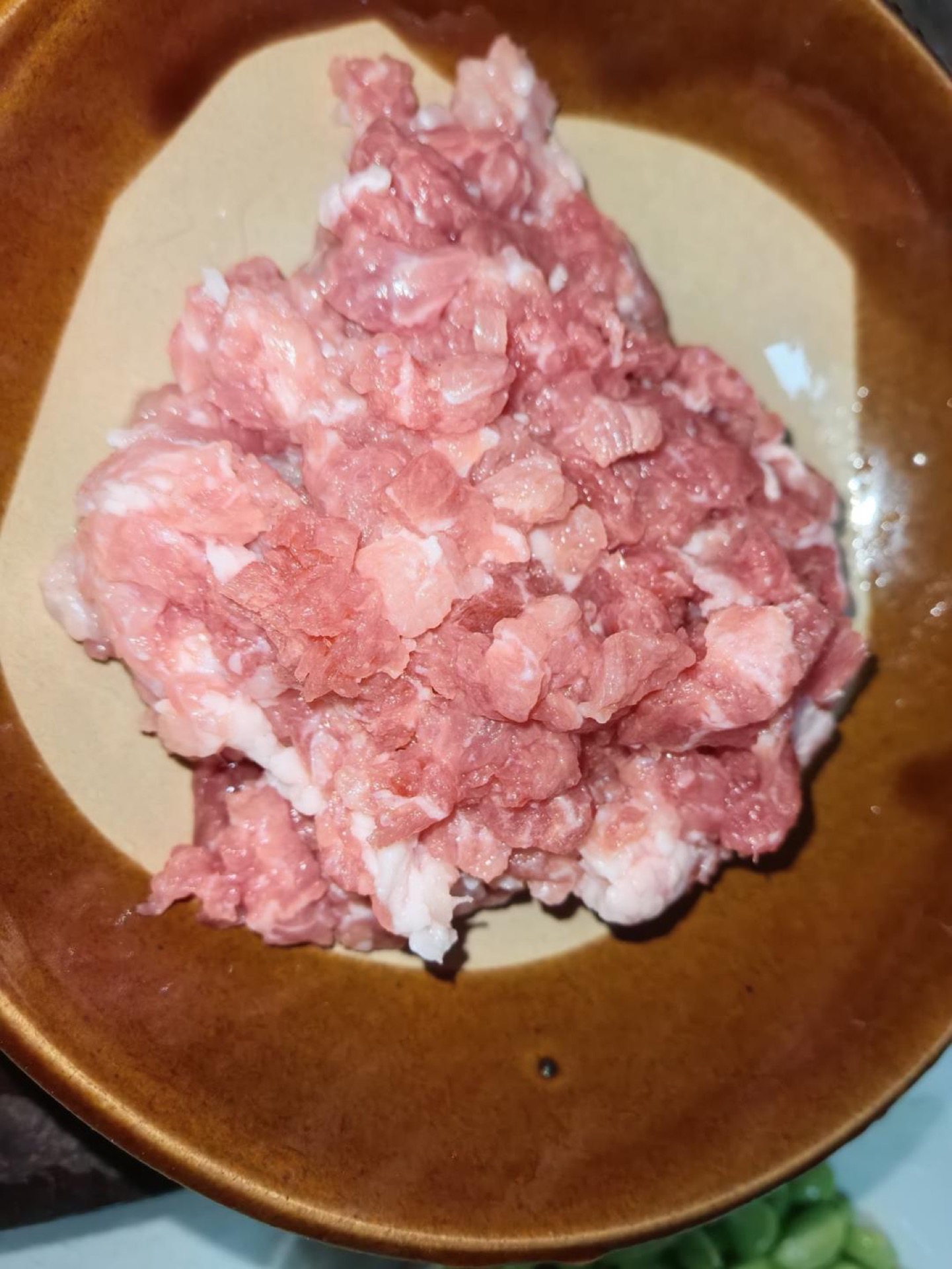
Chop the black pork into a fine mince, then add the salt, light soy sauce, white pepper, and cornstarch and stir in one direction until the mixture turns sticky, then let it marinate a few minutes.
Step 3 — Shape the Meatballs
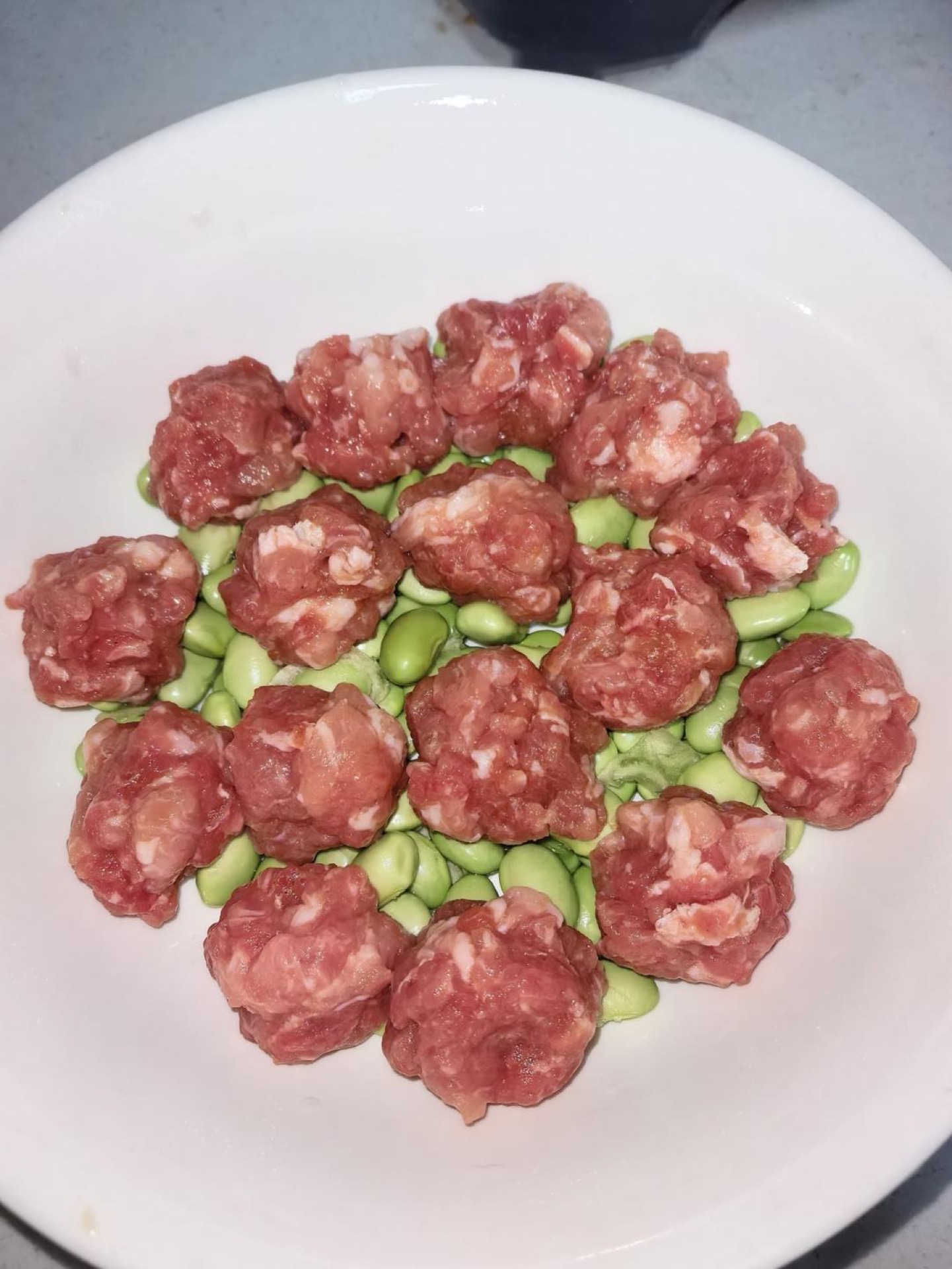
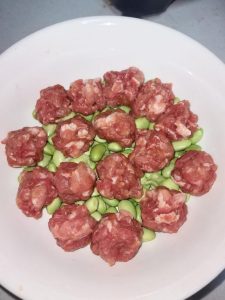
Roll the marinated pork into evenly sized meatballs, about 1 inch across, and lay them in a single layer on top of the edamame.
Step 4 — Steam Until Cooked Through
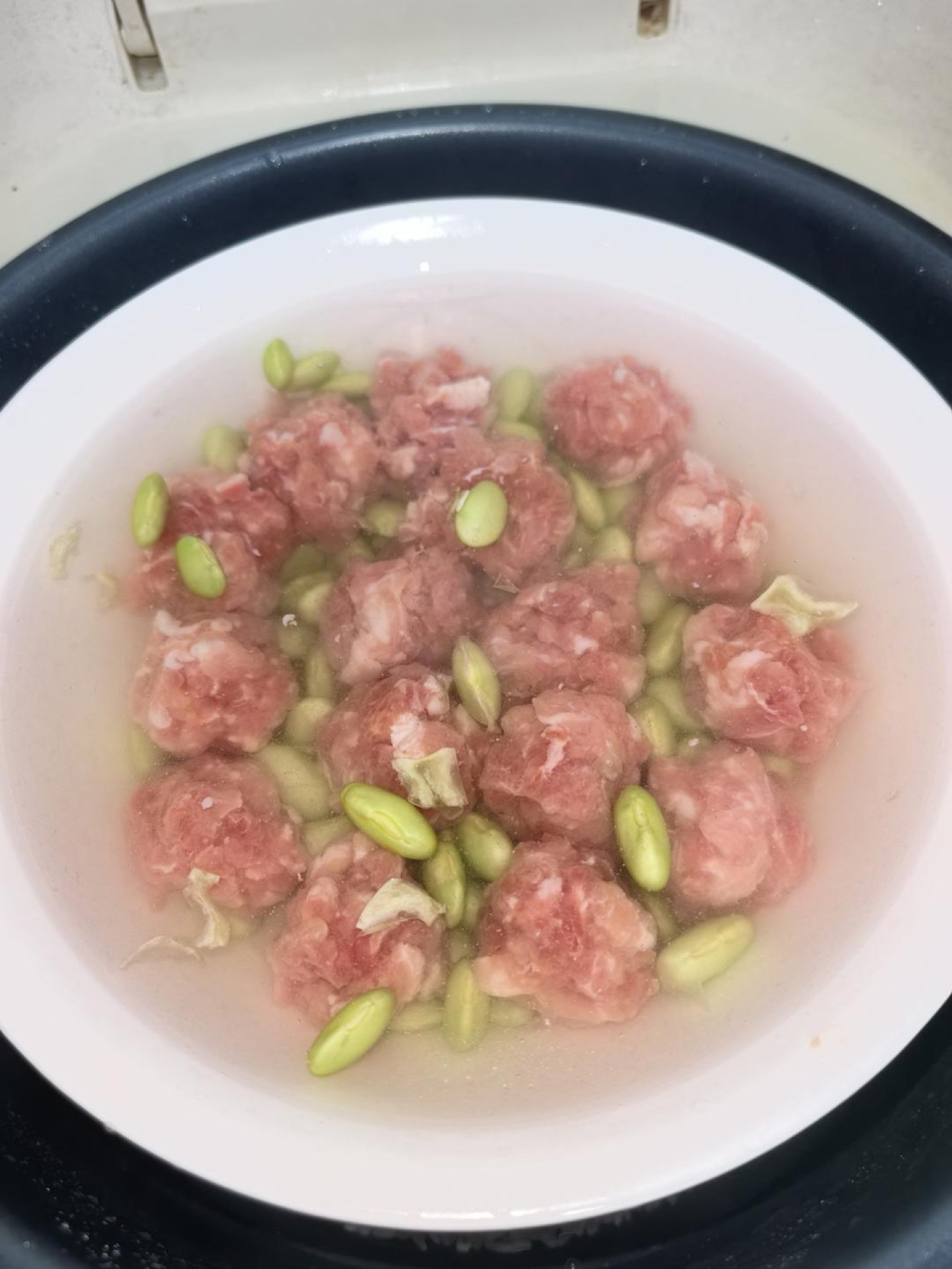
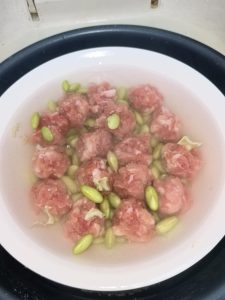
Pour the water gently down the side of the bowl, set it in the steamer, and steam until the meatballs are cooked through, about 15 to 20 minutes.
Step 5 — Season and Serve
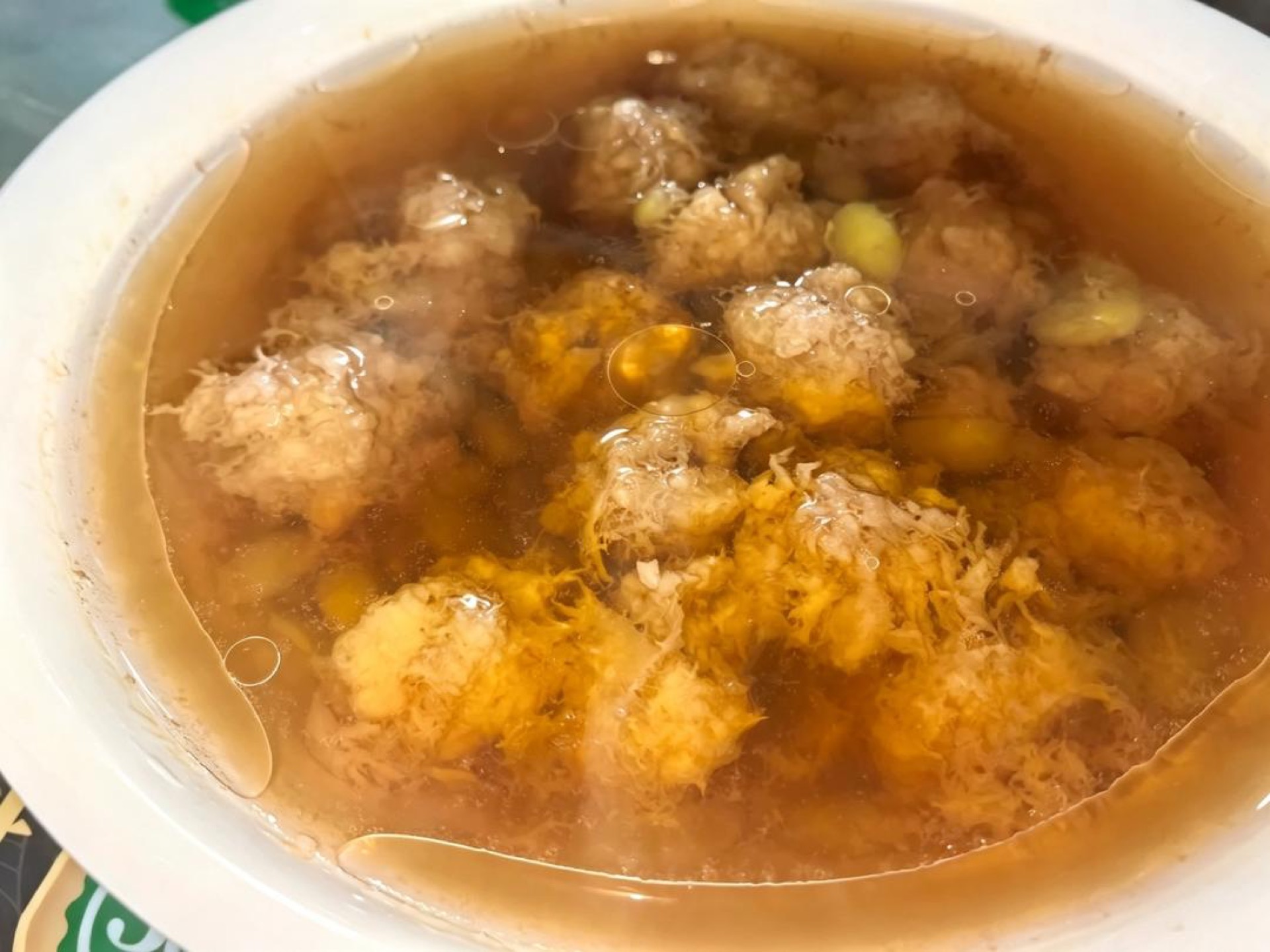
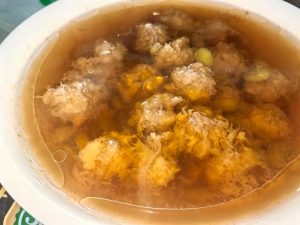
Taste the broth once it is out of the steamer, then add a little more salt and light soy sauce to taste and serve hot.
Common Mistakes When Making Steamed Pork Meatball Soup with Edamame
1. Using lean ground pork. The cause is supermarket pork labeled 90% lean or higher. Lean meat has little fat to render, so steaming — a moist-heat method with no browning — leaves it dry and mealy. The fix: buy 70/30 or 80/20, or work a tablespoon of neutral oil or minced fatback into lean meat before shaping.
2. Not stirring the meat until sticky. The cause is mixing just until the seasonings disappear. Without that extra minute of stirring, the meatballs crumble in the broth. The fix: stir in one direction for 60 to 90 seconds, until the mixture looks pasty and pulls away from the bowl.
3. Making the meatballs too big. The cause is eyeballing a generous scoop. Oversized balls brown on the outside while the center stays undercooked, and they take so long that the edamame turn to mush. The fix: keep them about 1 inch (2.5 cm) across, roughly the size of a walnut half, and make them all the same size.
4. Crowding the bowl. The cause is doubling the recipe in the same dish. When the meatballs touch each other, steam cannot circulate and they cook unevenly. The fix: use a wider bowl or steam in two batches, keeping the meatballs in a single layer with a little space between them.
5. Lifting the lid to check. The cause is impatience. Every time the lid comes off, the temperature inside drops and the cooking time resets, which dries out the pork. The fix: set a timer for 15 minutes, keep the lid on, and only then check the internal temperature of the largest meatball.
6. Adding too much water. The cause is filling the bowl to the rim. The meatballs and edamame release their own liquid, so an overfull bowl dilutes the broth into something thin and flavorless. The fix: use about 3 cups for a 1½-quart bowl, leaving at least an inch of headroom.
7. Seasoning before steaming. The cause is salting the water like pasta water. You cannot taste the broth until the meat has cooked, and pre-salting can push it past the point of no return. The fix: hold the finishing salt and soy sauce until the bowl is out of the steamer.
Variations
With dried scallop or shrimp. Soak two dried scallops in warm water for 20 minutes, then add them and their soaking liquid to the bowl before steaming. The broth gains a deep oceanic sweetness that pairs beautifully with edamame.
With silken tofu. Cube half a block of silken tofu and tuck the pieces around the meatballs. It steams in the same time and turns the soup into something closer to a full meal.
With tomato. A few wedges of ripe tomato laid under the edamame give the broth a gentle acidity and a lovely pink tint. This is a popular summer version in Shanghai homes.
With a curry note. A quarter teaspoon of curry powder stirred into the pork mixture adds warmth without overwhelming the edamame. Keep it light — this is a subtle soup.
With glass noodles. Soak a small bundle of mung bean vermicelli until pliable and coil it in the bottom of the bowl under the edamame. It soaks up the broth and makes the dish heartier.
With chicken instead of pork. Ground chicken thigh works, though it is leaner. Add an extra teaspoon of oil and reduce the steaming time by 2 to 3 minutes.
Frequently Asked Questions
Can I make this in advance? You can shape the meatballs up to 24 hours ahead and refrigerate them on a plate, covered. Steam them straight from cold, adding 2 to 3 minutes to the cooking time. The finished soup is best eaten the day it is made, though it reheats well.
Why are my meatballs tough? Almost always overworking or under-fatting. Stir just until sticky, stop, and make sure your pork has enough fat. Steaming is gentle, so if the meat is tough, the mixture was the problem, not the heat.
Can I use frozen edamame without thawing? Yes. Frozen shelled edamame goes straight into the bowl. Add one extra minute of steaming if your beans are large and icy.
Do I need a steamer? A steamer is ideal, but you can improvise with a large pot, a metal rack or a folded foil ring, and a lid. Just make sure the bowl sits level and the water does not touch it.
How do I know the meatballs are done? Insert an instant-read thermometer into the center of the largest meatball. It should read 160°F (71°C). Visually, the meatballs will firm up and turn opaque all the way through, and the broth around them will be clear.
How to Serve
Serve this soup as the centerpiece of a light dinner with steamed rice and a simple green vegetable, or as a soothing side alongside a bigger spread. Because the broth is delicate, keep the rest of the meal gentle — a cucumber salad, plain rice, and maybe a plate of sour soup dumplings if you want something heartier on the table.
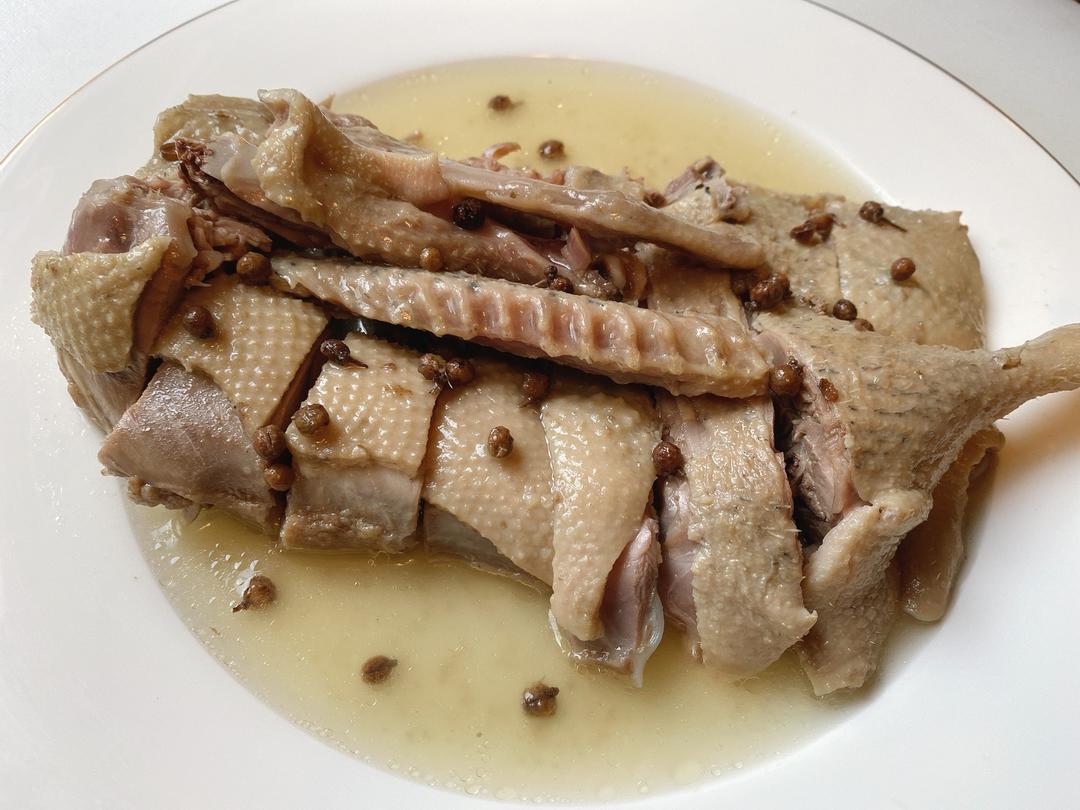
If you are cooking for a crowd and want a second soup in the same style, Mediterranean braised sea bass is a lovely contrast course, and a small plate of Sichuan peppercorn duck adds a tingle that makes the clean broth taste even sweeter. For dessert, a slice of milk cream cheese bread is a soft, faintly sweet finish.
Ladle the soup into individual bowls, making sure each person gets a share of edamame and two or three meatballs. Scatter the sliced scallion over the top at the last second so it stays bright green.


Storage & Reheat
Cool the soup within 2 hours of cooking, then transfer it to a sealed container and refrigerate for up to 3 days. The edamame will soften further as it sits, which many people actually prefer. To reheat, warm gently on the stovetop or in the microwave until the broth is steaming and the meatballs reach 165°F (74°C) in the center. Do not boil hard, or the meatballs will toughen.
Freezing is possible but not ideal. The meatballs freeze reasonably well, but the edamame turn mealy after thawing. If you want to freeze, freeze the meatballs in the broth without the edamame and add fresh beans when you reheat.
Allergen Notice
This recipe contains soy in two forms: light soy sauce and edamame (green soybeans). If you are cooking for someone with a soy allergy, the edamame is the fundamental ingredient and cannot be substituted without changing the dish entirely. For the soy sauce, use a certified soy-free substitute such as coconut aminos, and adjust the finishing salt to taste.
Nutrition Disclaimer
Nutrition information is calculated using an ingredient database and should be considered an estimate. In cases where multiple ingredient alternatives are given, the first listed is calculated for nutrition. Garnishes and optional ingredients are not included.
About the Author & Recipe Development
Lin grew up watching her mother steam pork in shallow bowls, a technique that turns a few humble ingredients into something that tastes far more considered than the effort involved. This version of 毛豆肉丸汤 was developed over several rounds of testing to pin down the fat ratio that keeps steamed meatballs juicy and the water volume that leaves the broth concentrated rather than diluted. Every recipe on woksoflove.com is tested in a home kitchen with ingredients you can find at an ordinary Asian grocery or supermarket.
Authoritative References
For safe cooking temperatures and food handling guidance, see the FDA Food Code guidance on food safety and the USDA safe minimum internal temperature chart. Both list 160°F (71°C) for ground pork and 165°F (74°C) for reheated leftovers.
Steamed Pork Meatball Soup with Edamame (毛豆肉丸汤): Juicy Pork

Equipment
- Steamer or wok with a rack
- Cutting Board
- Chef’s knife
- Mixing Bowl
- Slotted Spoon
- Deep heatproof bowl
Ingredients
For the Meatballs
- 1 lb ground pork ideally 20-30% fat, or hand-chopped black pork shoulder
- 1 tsp salt fine salt, plus more to taste
- 1 tbsp light soy sauce or tamari for gluten-free
- 1/4 tsp white pepper freshly ground
- 1 tbsp cornstarch helps bind and keeps the meatballs juicy
For the Bowl
- 2 cups edamame shelled fresh or frozen green soybeans
- 3 cups water plus more if the bowl is deep
- 1 stalk scallion thinly sliced, for garnish
- 1 tsp light soy sauce added at the end, to taste
Instructions
- Rinse the edamame clean and spread it in an even layer across the bottom of a deep heatproof bowl.

- Chop the black pork into a fine mince, then add the salt, light soy sauce, white pepper, and cornstarch and stir in one direction until the mixture turns sticky, then let it marinate a few minutes.

- Roll the marinated pork into evenly sized meatballs, about 1 inch across, and lay them in a single layer on top of the edamame.
- Pour the water gently down the side of the bowl, set it in the steamer, and steam until the meatballs are cooked through, about 15 to 20 minutes.
- Taste the broth once it is out of the steamer, then add a little more salt and light soy sauce to taste and serve hot.












Leave a Reply