There is something undeniably comforting about a thick, aromatic stew ladled over steaming white rice. In my kitchen, Chicken Curry Rice is the ultimate “emergency comfort food.” It’s hearty, warming, and strangely, it tastes even better the next day.
While I grew up in Sichuan where we lean heavily on mala (numbing and spicy) flavors, I learned to appreciate the milder, sweeter, and deeply savory profile of “curry rice” (often associated with Japanese Kare Raisu) during my culinary travels. It became a staple staff meal in restaurants I worked in because it provides massive energy and flavor with minimal cleanup.

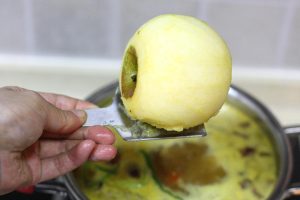
What makes this specific version special—and why I’m sharing it on Woks of Love—is a little secret I learned from a Japanese sous-chef years ago: grated apple. It might sound strange to add fruit to a savory meat stew, but the apple dissolves completely, providing a natural sweetness and acidity that cuts through the rich curry roux, elevating the dish from “good” to “restaurant quality.”
A Fusion Twist: Chicken Curry Pasta
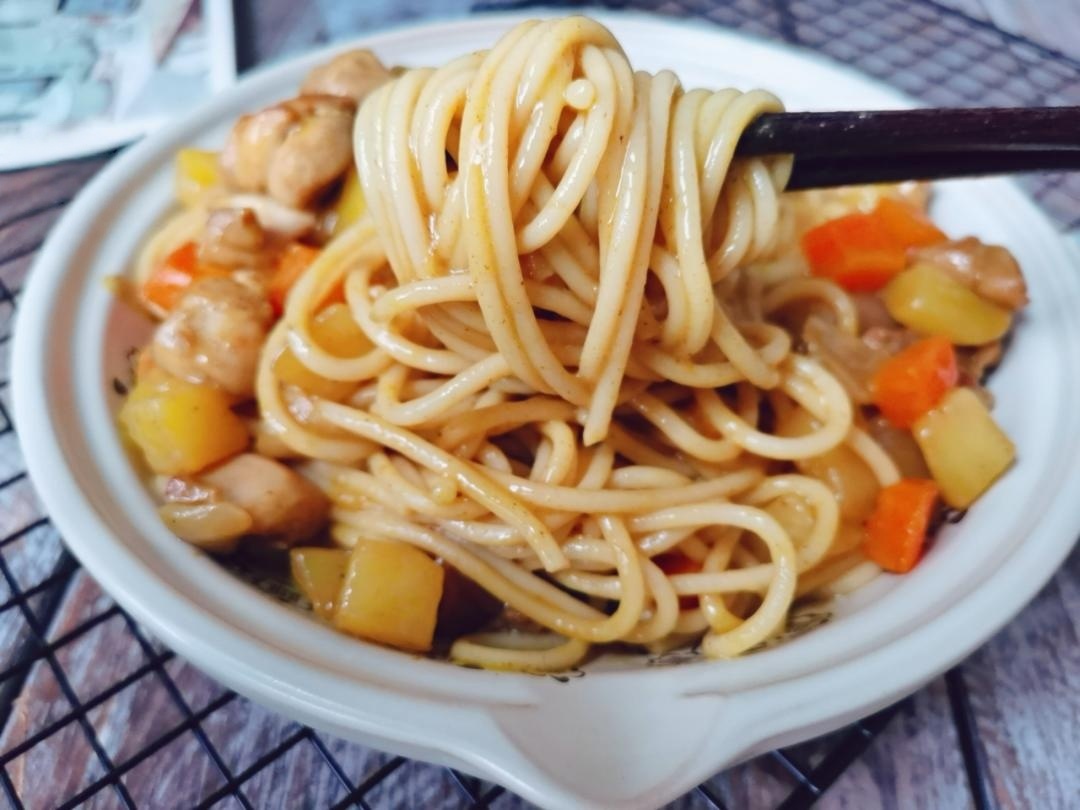
If you love the comforting, aromatic flavors of this dish but find yourself craving something other than grains, you absolutely must try our Chicken Curry Pasta. While the traditional version is a staple in many households , this fusion variation swaps the steamed rice for al dente noodles. The wheat in the pasta interacts beautifully with the savory-sweet roux, creating an even silkier, more indulgent sauce that clings to every strand. It is the perfect alternative for those “lazy nights” when you want the same nostalgic curry flavor with a different textural experience.
115-Minute Chicken Curry PastaA fast and comforting fusion dish using Japanese curry roux and tender marinated chicken thighs served over pasta.Check out this recipe
What Is Chicken Curry Rice?
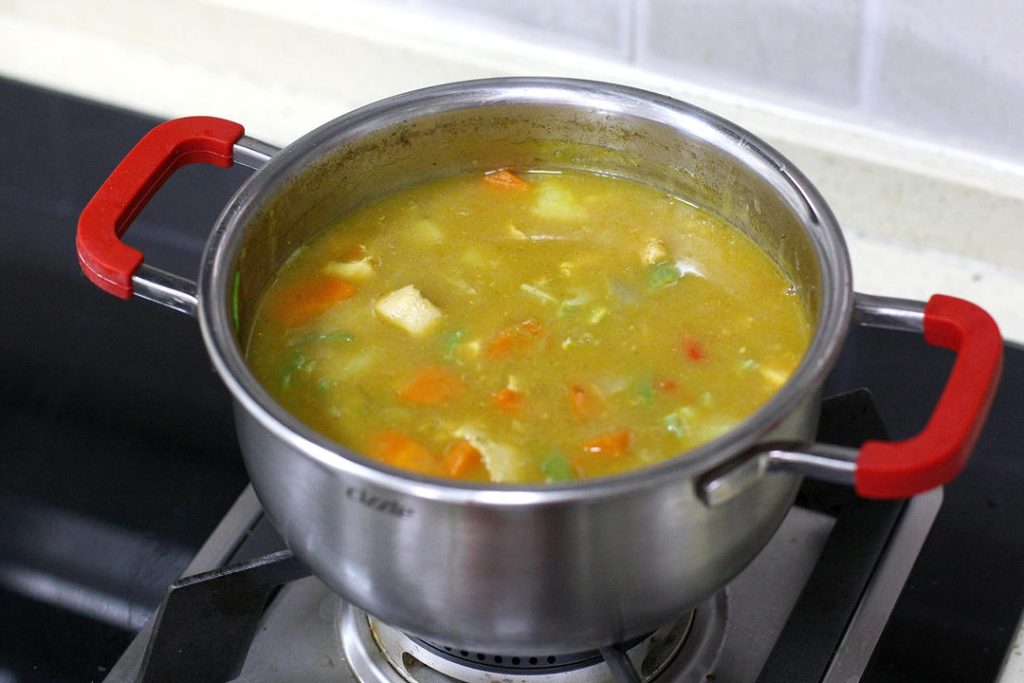
This dish is a localized home-cooking staple found across Asia, heavily influenced by Japanese curry culture but adapted for Chinese households. Unlike Thai curries which use coconut milk and liquid pastes, or Indian curries which use dry spice blends and tomato/onion bases, this style relies on curry roux blocks (solidified fat, flour, and spices).
In this recipe, we treat the curry like a Chinese stew (red-braising style) but finish it with the convenience of curry blocks. It is less about intense heat and more about a rich, velvety mouthfeel.
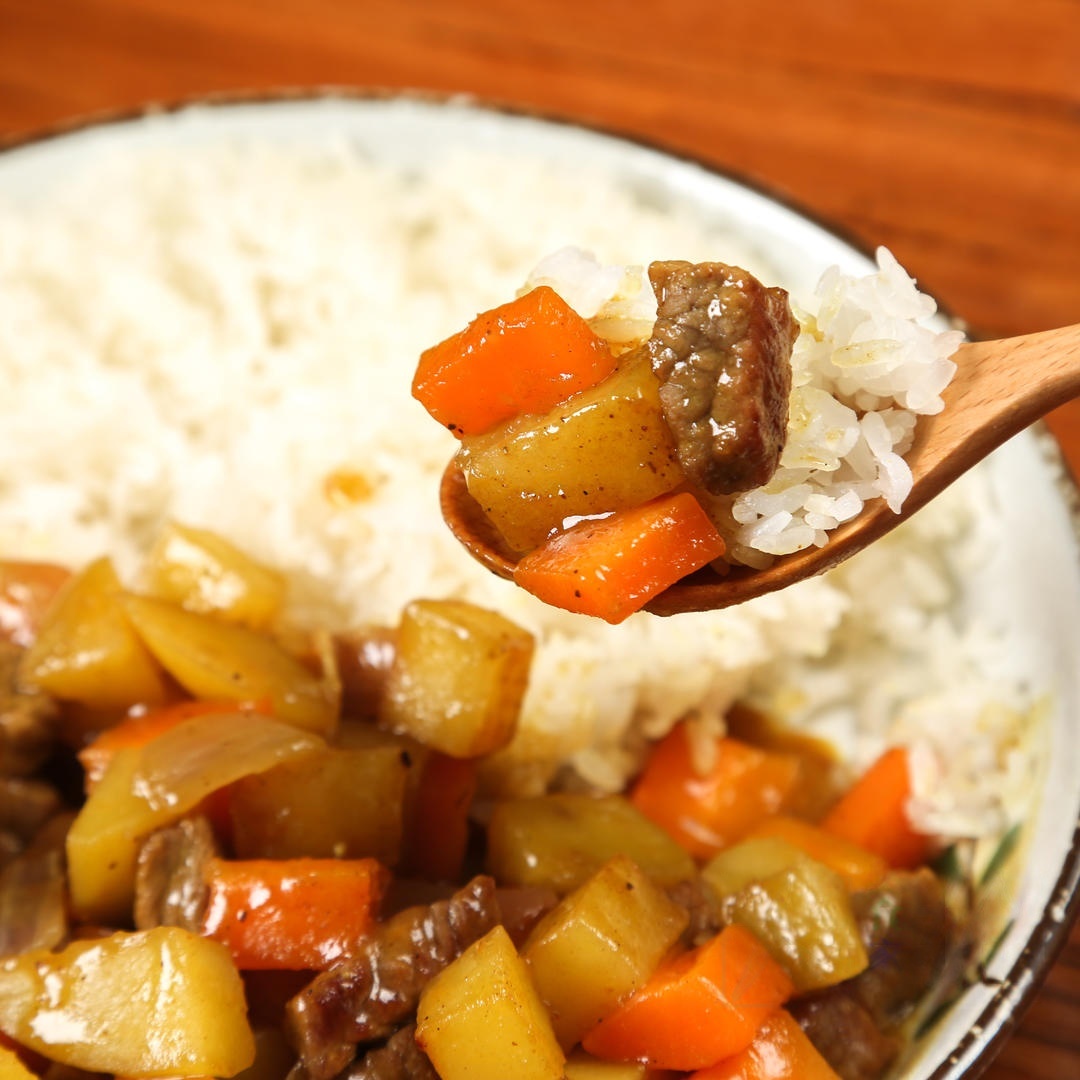
Related Recipe: If you are a fan of rich, sauce-heavy rice dishes, you must check out my Beef Curry Rice which uses beef brisket for a deeper flavor profile. For a different take on hearty poultry dishes, my Braised Chicken with Mushrooms offers a classic soy-sauce base alternative.
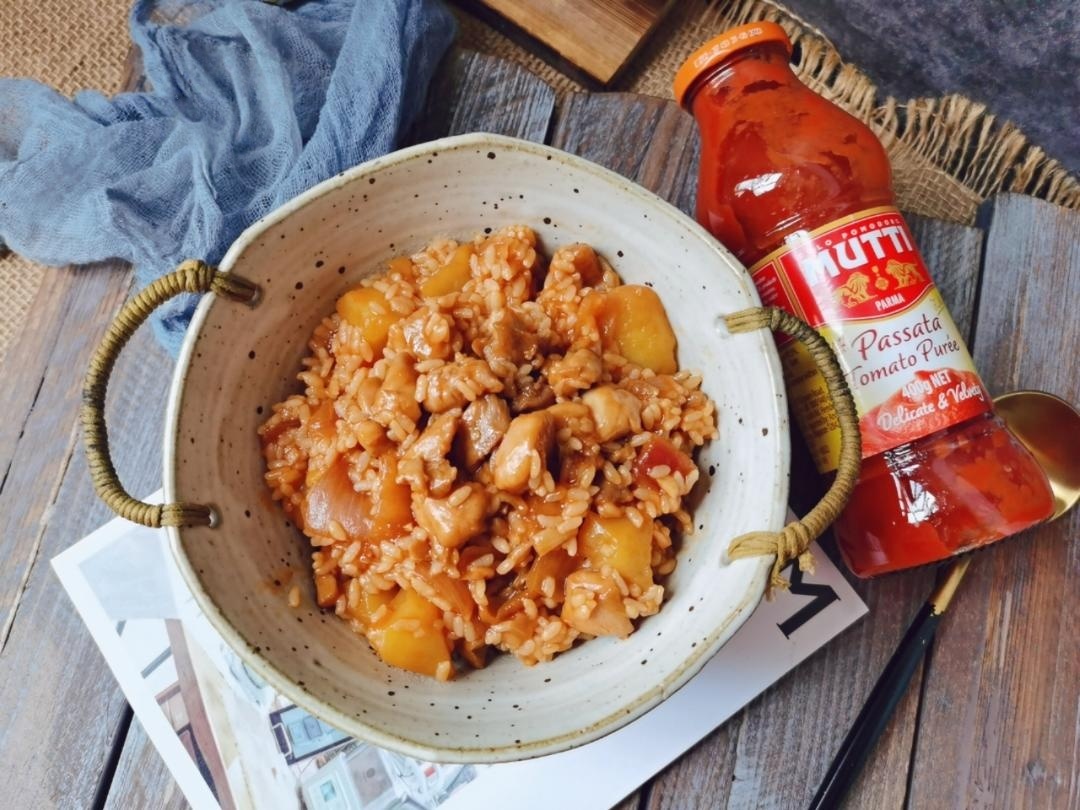
2Easy Beef Curry Rice (Ga Li Niu Rou Fan)A comforting, kid-friendly Chinese-style beef curry stew with potatoes and carrots. Using tender beef cuts and Japanese curry roux, this rich one-pot meal is ready in just 30 minutes.Check out this recipeLove a comforting rice bowl? If you enjoy how quickly this chicken curry comes together for a busy weeknight, you absolutely have to try my Savory Tomato Chicken Rice (Fan Qie Ji Rou Hui Fan)
. It uses a brilliant butter-searing trick and pantry-staple tomato paste to create a rich, tangy, and incredibly cozy one-pan rice dish in under 30 minutes. It’s another ultimate family favorite when you need something fast and satisfying!3Savory Tomato Chicken Rice (30-Minute Homestyle Comfort)Learn how to make this rich, comforting Tomato Chicken Rice in just 30 minutes. A perfect weeknight dinner that balances savory, sweet, and umami flavors using a chef’s butter-searing secret.Check out this recipe
About the Author & Recipe Development
I’m Lin, a chef born in Sichuan with over a decade of professional kitchen experience. I’ve tested this recipe three times in my home kitchen to ensure the timing works for standard stoves, which are often less powerful than the jet burners I’m used to in commercial kitchens.
In professional kitchens, we often add chocolate, honey, or coffee to curry to deepen the color and flavor. However, for this home-friendly version, I found that grated apple and a touch of fresh chili (for that Sichuan kick) offer the best balance of sweet and spicy without requiring a pantry full of obscure ingredients. I specifically tested this with chicken breast to ensure it remains tender, as home cooks often struggle with breast meat drying out in stews.
Why This Recipe Works
- The “Secret” Apple: The pectin in the apple helps thicken the sauce naturally, while the malic acid helps tenderize the meat and balances the saltiness of the curry blocks.
- Two-Stage Cooking: By searing the vegetables separately from the chicken, we ensure the potatoes develop a “skin” that prevents them from disintegrating completely during the simmer, while the carrots caramelize for extra sweetness.
- The “Overnight” Rule: As mentioned in the original recipe, resting the curry allows the flavors to meld. Scientifically, this allows the starches to undergo retrogradation and the spices to penetrate the meat fibers more deeply.
Key Ingredients & Substitutions
- Chicken: The recipe calls for Chicken Breast (450-500g).
- Chef’s Note: I personally prefer chicken thighs for stews because they contain more fat and connective tissue, staying juicy longer. However, breast works perfectly here if you don’t over-sear it in step one.
- Curry Blocks: These are essential. Brands like S&B Golden Curry or Vermont Curry are standard.
- Substitute: If you cannot find blocks, you can make a roux with butter, flour, and Curry Powder.
- Apple: Use a sweet-crisp variety like Fuji or Gala. Avoid Granny Smith as it may be too tart for this specific balance.
- Potatoes: Yukon Gold or Yellow potatoes are best as they hold their shape better than Russets.
- Aromatics: Onions (yellow), scallions (green onions), and fresh bird’s eye chilies (Thai chilies) for heat.
- Note: If you are sensitive to spice, omit the bird’s eye chilies. The curry blocks usually have mild heat already.
Ingredients
- 1 lb (450~500g) Chicken breast, cut into bite-sized cubes
- 1/2 Yellow onion, chopped
- 3 medium Potatoes, peeled and cubed
- 1 large Carrot, peeled and cubed (rolling cut preferred)
- 4 cubes Curry roux (approx. 3.5 oz / 100g)
- 1/2 Apple, grated into a puree (Fuji or Gala recommended)
- 1 Green bell pepper, diced
- 2 Bird’s eye chilies (Thai chilies), chopped (optional for heat)
- 3 sprigs Scallions (green onions), tied into a knot
- 2 tbsp Cooking oil (divided)
- 3-4 cups Water (enough to cover ingredients)
Recipe Notes Before You Start
- Uniformity is Key: Cut your potatoes, carrots, and chicken into roughly the same size (about 1 inch / 2.5cm) to ensure they cook at the same rate.
- Equipment: A heavy-bottomed pot or a deep sauté pan (Dutch oven works great) is ideal to prevent the thick curry sauce from scorching on the bottom.
- Apple Prep: Grate the apple right before you add it to prevent it from oxidizing (turning brown), although the color won’t matter much in the dark curry sauce.
How to Make Chicken Curry Rice
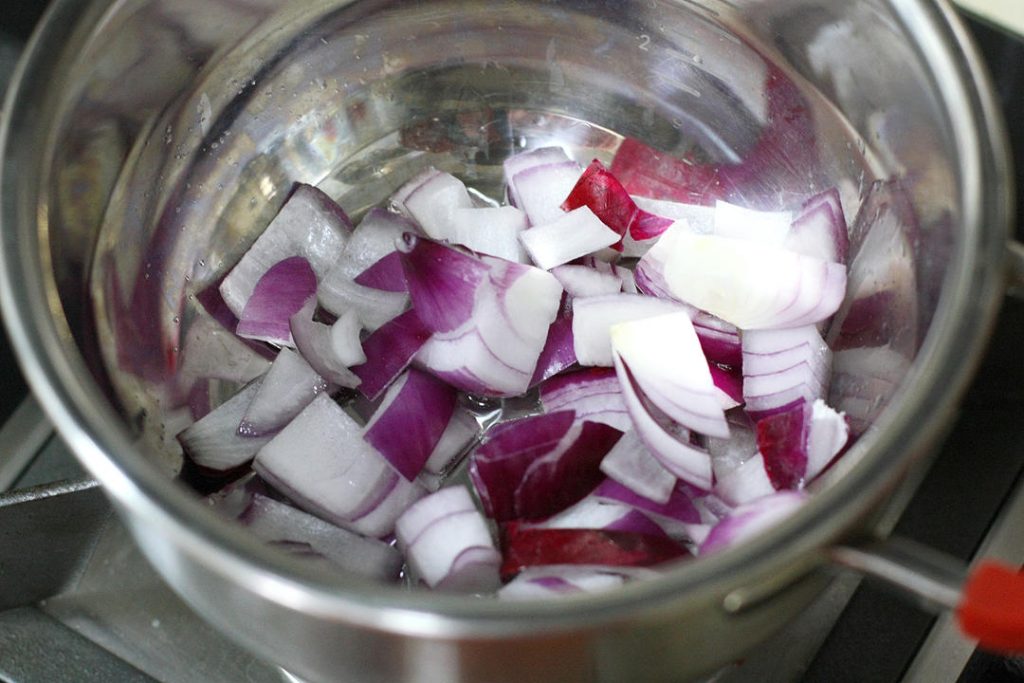
1. Sear the Aromatics Heat your pot or wok over medium-high heat. Add 1 tablespoon of oil. Once the oil shimmers, add the chopped onions. Stir-fry until they are translucent and fragrant, about 2-3 minutes.
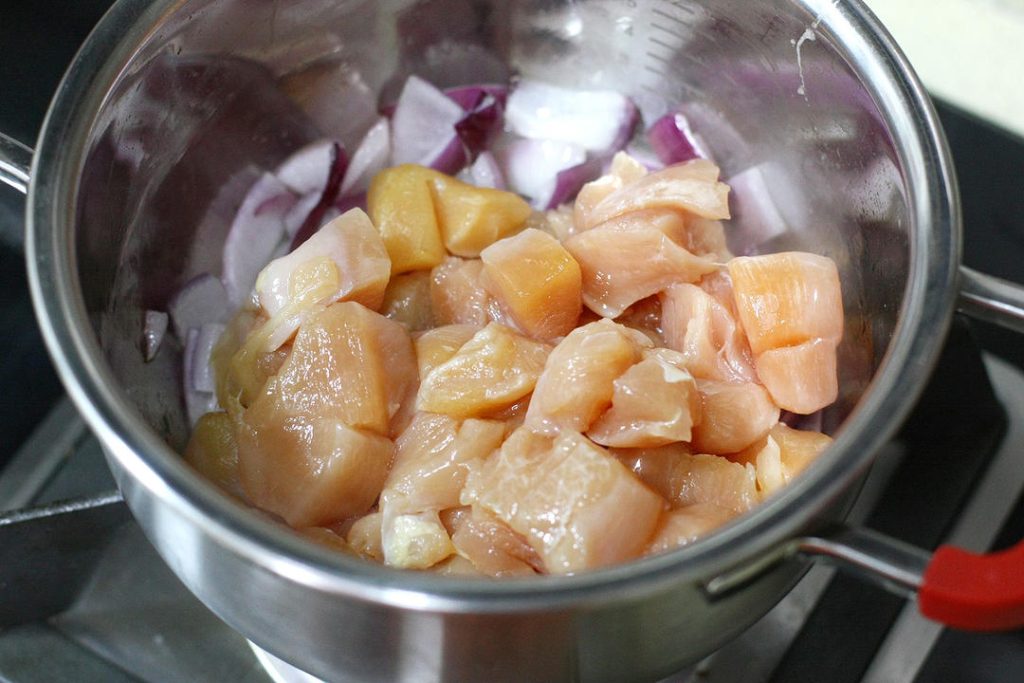
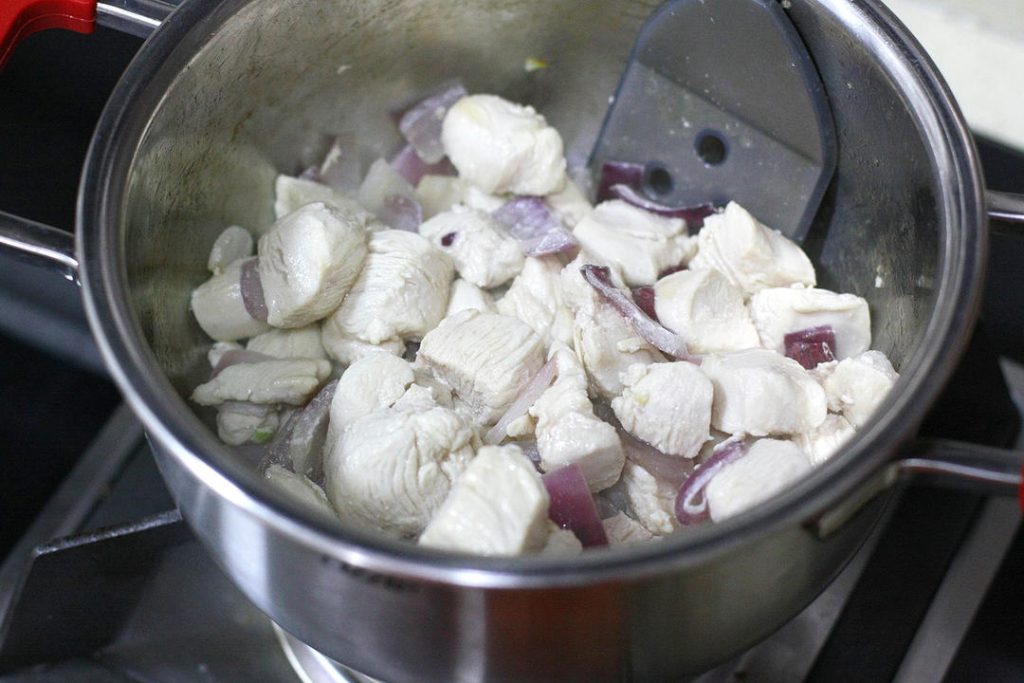
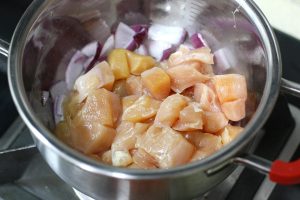
2. Sear the Chicken Add the cubed chicken breast to the onions. Stir-fry briskly.
- Chef Lin’s Tip: You only want to cook the chicken until the surface turns white (about 50% cooked). Do not cook it all the way through at this stage, or it will become tough later. Remove the chicken and onions from the pot and set aside.
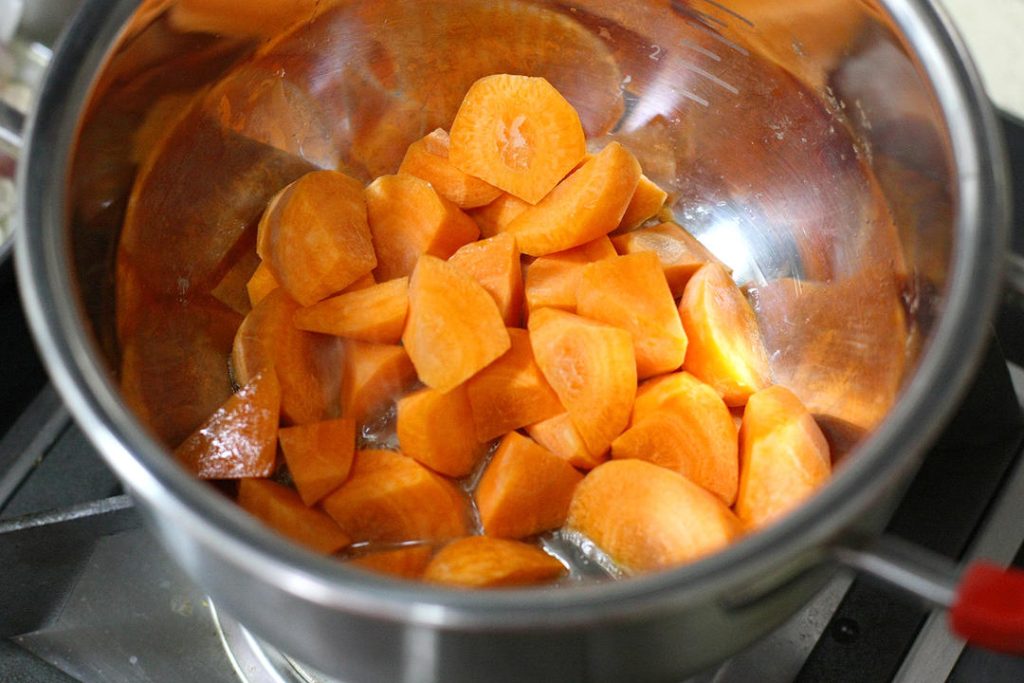
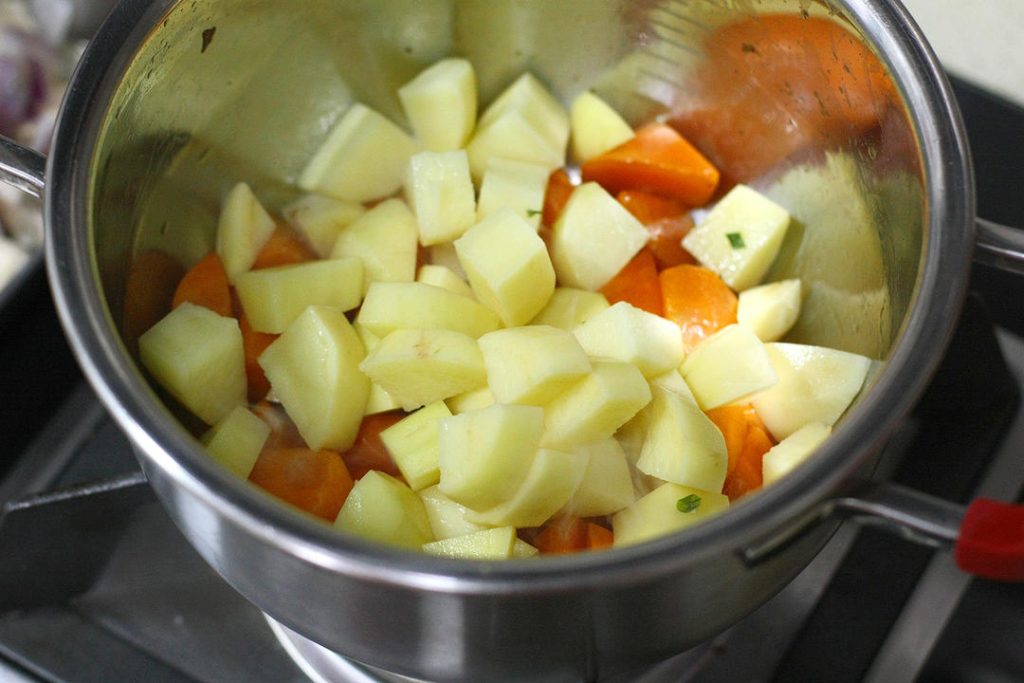
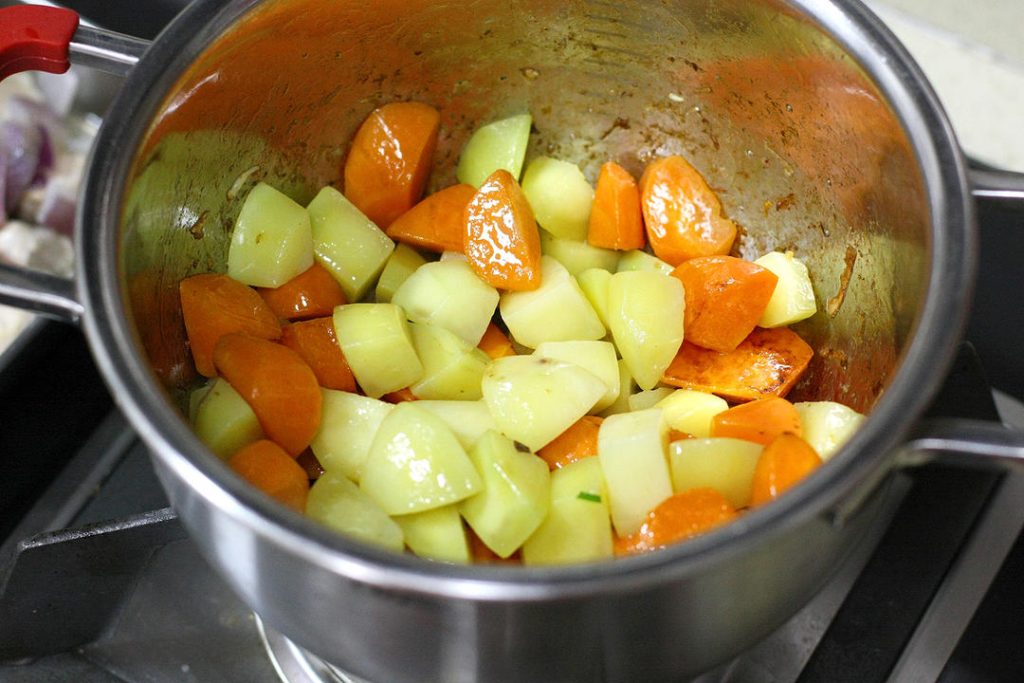
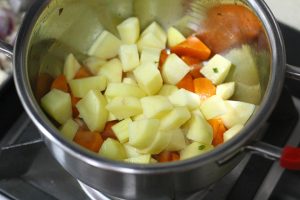
3. Sauté the Root Vegetables In the same pot, add the remaining 1 tablespoon of oil. Add the carrot chunks first and stir-fry for 1-2 minutes. Then, add the potato chunks. Continue to stir-fry until the edges of the potatoes turn slightly translucent (semi-transparent).
- Why do we do this? Frying the potatoes creates a starch seal that helps them hold their shape during the long simmer.
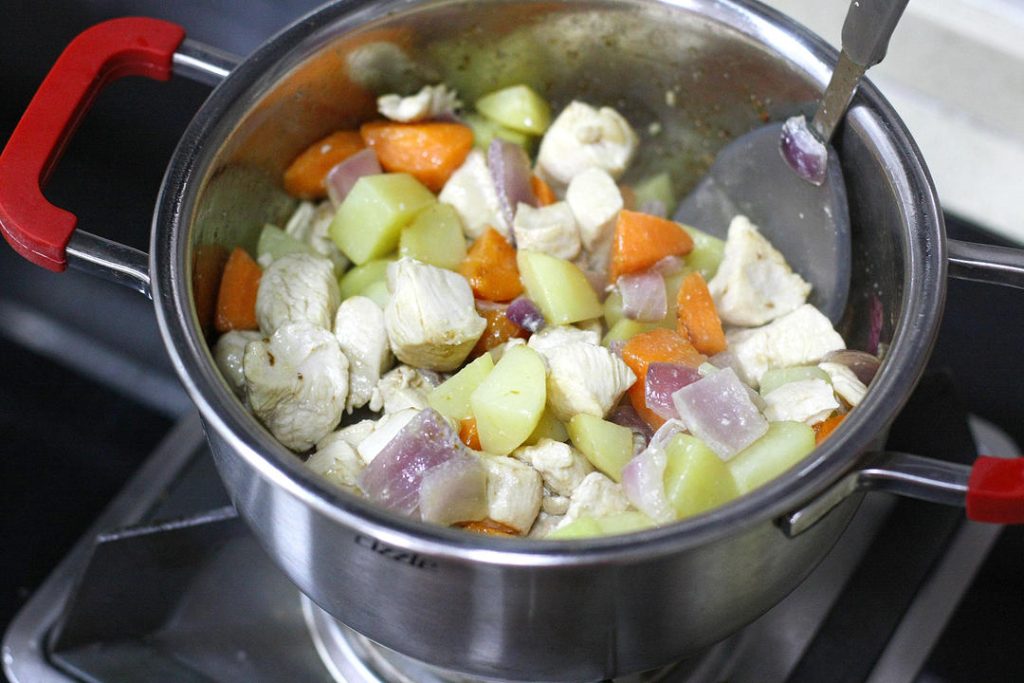
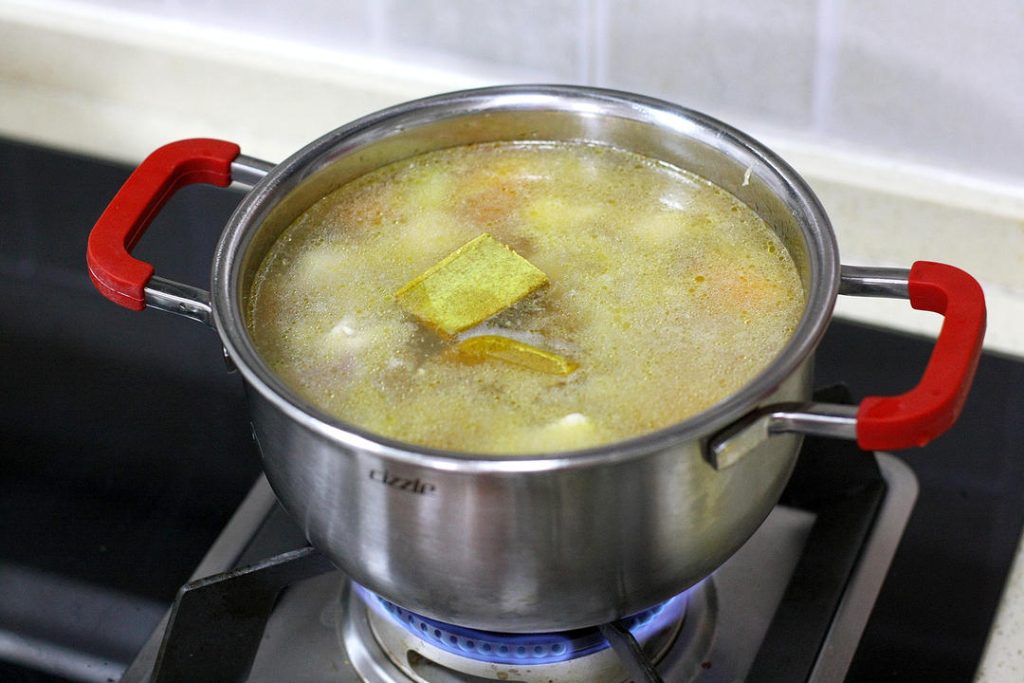
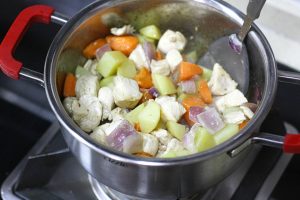
4. Combine and Simmer Return the semi-cooked chicken and onions to the pot. Stir to combine everything evenly. Pour in enough water to just cover the ingredients. Add the curry blocks, bird’s eye chilies, and the scallion knot.
5. Add the Secret Ingredient Grate half an apple directly into the pot (or add your pre-grated apple puree). This adds a fresh sweetness that balances the heavy spices.
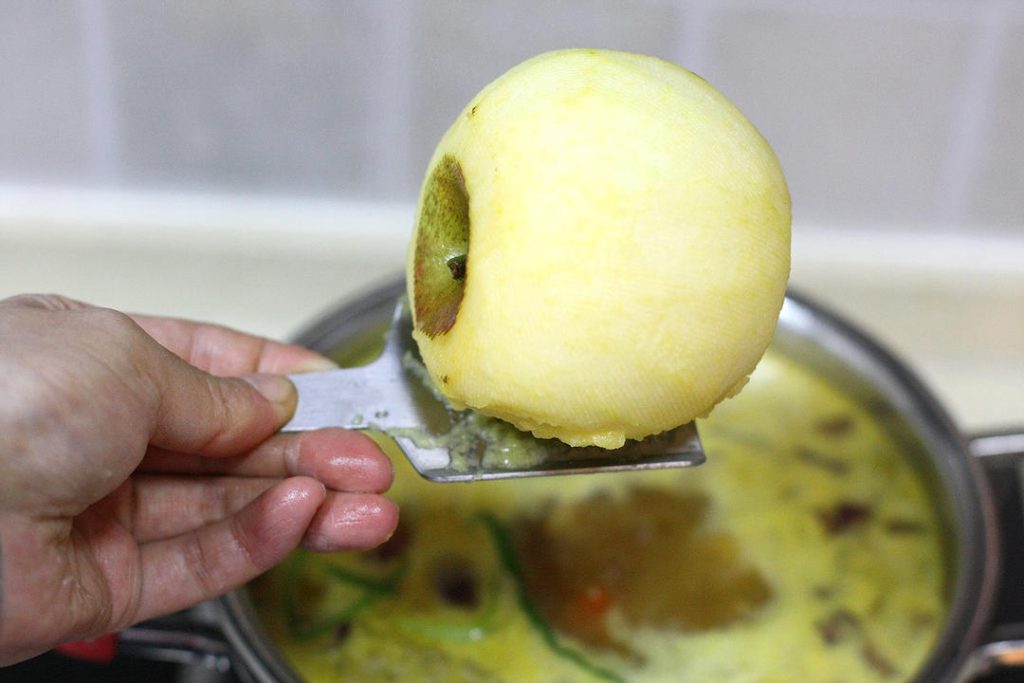
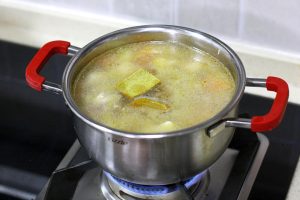
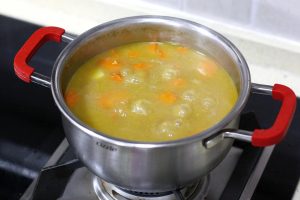
6. Slow Stew Bring the liquid to a boil over high heat. Once boiling, reduce the heat to low. Cover and simmer.
- Timing: The original recipe suggests stewing for 50-60 minutes until thick.
- Chef’s Note: Check the pot at the 30-minute mark. If you cut your chicken breast small, 60 minutes might make it dry. I recommend simmering until the sauce naturally thickens and the carrots are fork-tender.
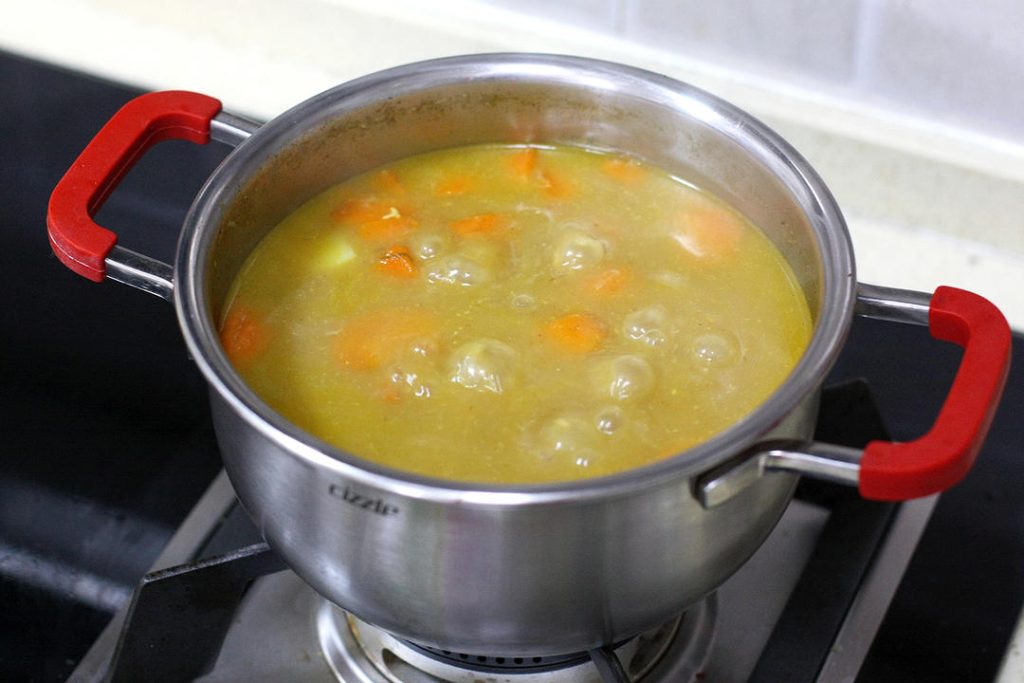
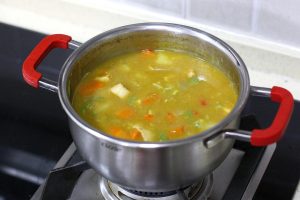
7. Finish and Serve Once the sauce has reached a rich, creamy consistency, turn off the heat. Remove the scallion knot. Stir in the diced green peppers (the residual heat will cook them perfectly while keeping them crunchy).
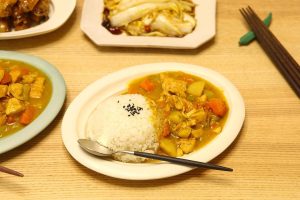
8. The “Next Day” Magic (Optional) For the best flavor, let the curry cool and refrigerate it overnight. Reheat it the next day to let the sauce tighten and the flavors deepen. Serve hot over steamed white rice.
Serving Idea: If you have leftovers, this curry sauce is fantastic served over noodles or even used as a dipping sauce for Scallion Pancakes.
Common Mistakes When Making Curry Rice
- Burning the Pot Bottom: Because curry roux contains flour and sugar (from the apple/onions), it burns easily. Once the sauce thickens, you must stir occasionally, scraping the bottom of the pot.
- Adding Curry Blocks too Early: While this recipe adds them with the water, some brands of curry blocks dissolve better if added after the ingredients are tender. If you find your potatoes are taking forever to cook, it’s because the salt/acid in the curry can slow down the softening of vegetables. You can boil the veg first, then turn off heat and dissolve blocks for a smoother finish.
- Watery Sauce: If your curry is too thin after 50 minutes, remove the lid and increase the heat slightly to evaporate excess water. The grated apple helps, but evaporation is key.
Food Safety and Preparation
- Chicken Temperature: Ensure your chicken reaches an internal temperature of 165°F (74°C). Using a meat thermometer is the most accurate way to ensure safety without overcooking. USDA Safe Minimum Internal Temperature Chart.
- Cooling: If you plan to eat this the next day (as recommended), do not leave the pot on the counter overnight. Cool it to room temperature within 2 hours and refrigerate. Leaving warm stews out is a prime environment for bacteria.
Serving Suggestions & Pairings
This dish is heavy and rich, so it pairs best with acidic or crunchy sides to cleanse the palate.
- Pickles: A side of Pickled Bamboo Shoots or Smashed Cucumber Salad is essential to cut through the richness.
- Rice: Short-grain sushi rice or Jasmine rice is standard. If you want a lower-carb option, try it over cauliflower rice.
- Fried Rice: Believe it or not, pouring curry over Yangzhou Fried Rice is a “chaotic delicious” combo I’ve seen in Hong Kong cafes!
Nutrition Information (Estimate)
- Calories: 580 kcal
- Carbohydrates: 65g
- Protein: 32g
- Fat: 22g
- Sodium: 980mg
- Fiber: 6g
- Sugar: 8g
(Disclaimer: Nutrition information is calculated using an ingredient database and should be considered an estimate. In cases where multiple ingredient alternatives are given, the first listed is calculated for nutrition. Garnishes and optional ingredients are not included.)
Authoritative References
- Japanese Curry Basics: For a deeper understanding of the history of curry rice in Asia, Just One Cookbook offers an excellent Guide to Japanese Curry.
- Food Science of Stewing: To understand why stew tastes better the next day, refer to Serious Eats‘ article on The Science of Stew.
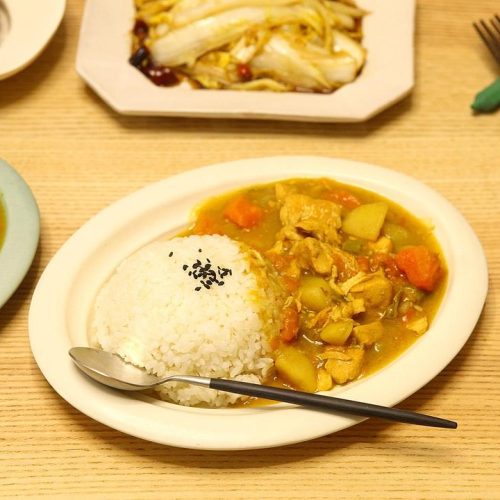
Easy Chicken Curry Rice (Creamy & Sweet-Savory)

Equipment
- Dutch Oven or Heavy Pot
- Box grater
Ingredients
Main Ingredients
- 1 lb chicken breast cut into bite-sized cubes
- 1/2 yellow onion chopped
- 3 medium potatoes peeled and cubed
- 1 large carrot peeled and cubed
Sauce & Aromatics
- 4 cubes curry roux blocks approx. 3.5 oz / 100g
- 1/2 apple grated into puree
- 1 green bell pepper diced
- 2 bird’s eye chilies chopped (optional)
- 3 stalks scallions tied in a knot
- 2 tbsp cooking oil divided
- 4 cups water approximate
Instructions
- Prep all ingredients by cutting chicken, potatoes, carrots, and onions into uniform bite-sized chunks. Grate the apple into a puree.
- Heat 1 tbsp of oil in a pot over medium-high heat. Add the onions and sauté until fragrant.

- Add the chicken breast and stir-fry until the surface turns white (about half cooked). Remove the chicken and onions from the pot and set aside.
- Add the remaining 1 tbsp of oil to the same pot. Stir-fry the carrots first, then add the potatoes. Cook until the potatoes look semi-transparent on the edges.
- Return the chicken and onions to the pot. Mix everything evenly.
- Pour in water to just cover the ingredients. Add the curry blocks, chilies, and the scallion knot.
- Stir in the grated apple puree.
- Bring to a boil, then reduce heat to low. Cover and simmer for 50-60 minutes until the sauce is thick and vegetables are tender. (Stir occasionally to prevent burning at the bottom).
- Turn off the heat. Stir in the green peppers (the residual heat will cook them).
- Serve hot over rice, or for best results, let cool and refrigerate overnight to let flavors deepen, then reheat the next day.
Notes
- Chicken Texture: While the original recipe calls for breast, I recommend chicken thighs if you prefer juicier meat, as breast can dry out during a long simmer.
- Apple Substitute: If you don’t have an apple, a tablespoon of honey or apricot jam can also provide that necessary sweetness and sheen.
- Storage: Curry thickens significantly when cooled. When reheating, add a splash of water to loosen the sauce.
Calories: 580 | Carbohydrates: 65g | Protein: 32g | Fat: 22g | Sodium: 980mg | Fiber: 6g | Sugar: 8g
Nutrition information is calculated using an ingredient database and should be considered an estimate. Garnishes and optional ingredients are not included.



Leave a Reply