In the vast treasury of Chinese seasonings, some ingredients tell a story of global trade and cultural fusion. While many associate curry powder with authentic Indian cooking, it is actually a historical bridge between East and West. Interestingly, you won’t find “curry powder” on a traditional restaurant menu in India. Instead, this aromatic blend is a British innovation that has become an indispensable secret weapon in Cantonese kitchens and Southeast Asian-inspired Chinese dishes.

What Is Curry Powder?
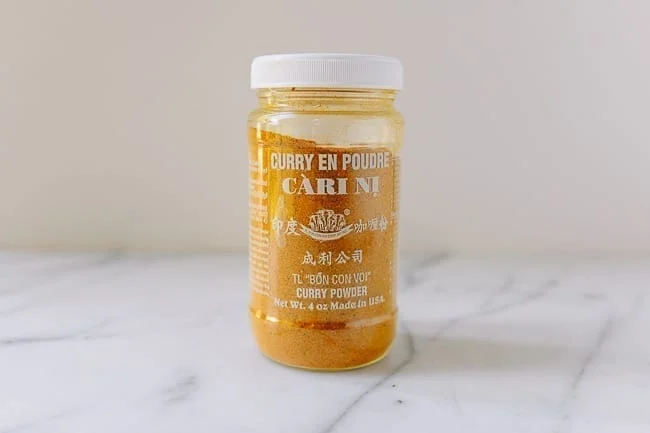
Curry powder (gālí fěn, 咖喱粉) is a generic term for a blend of ground spices intended to evoke the complex flavors of the Indian subcontinent. It is not a single-plant spice like Turmeric; rather, it is a composite seasoning.
Botanical Origins and Composition
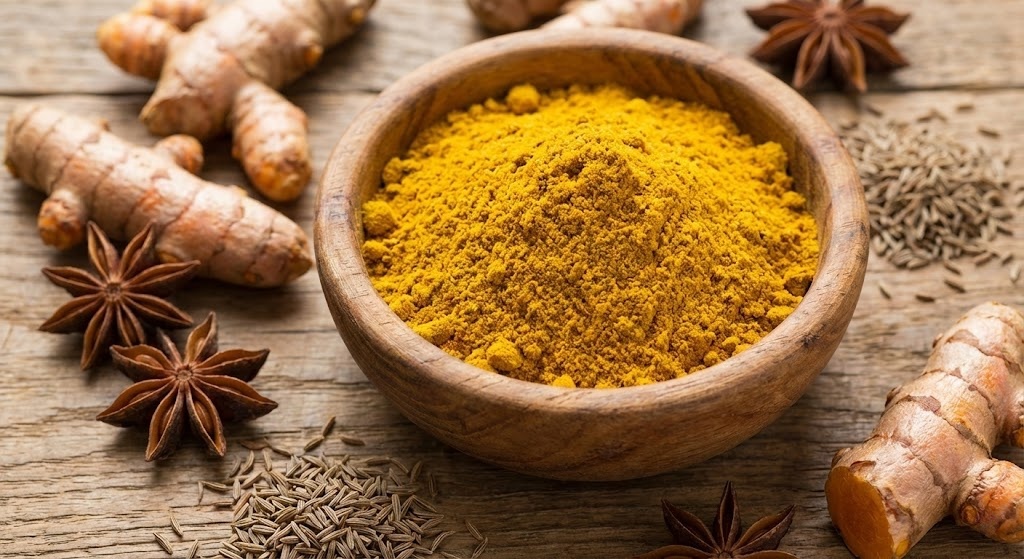
The blend typically consists of several core spices: Turmeric (which provides the signature golden hue), coriander seeds, cumin, fenugreek, and black pepper. Higher-quality blends may include ginger, cardamom, or cloves.
Historical Background
The term “curry” originates from the Tamil word kari, meaning “sauce.” During the British colonial period in India, British merchants sought to bring the vibrant flavors of the “Far East” back to Europe. By 1784, commercial blends like those from Crosse & Blackwell began appearing in London. This pre-mixed powder made it easy and affordable to replicate exotic flavors, eventually spreading through British trade routes to Hong Kong, Japan, and beyond. According to the Britannica Encyclopedia, this standardization was key to curry’s global popularity.
Flavor Profile
A high-quality curry powder is a multi-sensory experience. It is intensely fragrant, earthy, and warm, with a complex profile that hits multiple parts of the palate simultaneously.
- The Earthiness: Comes primarily from Turmeric and cumin.
- The Sweetness: Often derived from cinnamon or cardamom.
- The Heat: Varies by blend; Madras curry powder is notably hotter and darker due to the inclusion of dried chilies.
Unlike the sharp, numbing sensation of Sichuan peppercorns, curry powder provides a “slow bloom” of warmth. It acts as a bridge seasoning, rounding out the gaminess of meats while adding depth to mild vegetables.
Culinary Science & Health
From a nutritional perspective, the primary active compound in curry powder is curcumin, found in turmeric. Scientific studies hosted by the National Institutes of Health (NIH) suggest that curcumin possesses significant anti-inflammatory and antioxidant properties, though its bioavailability is greatly increased when consumed with black pepper—a standard ingredient in most curry blends.
Cooking Applications in Chinese Cuisine
In Chinese cooking, particularly in Hong Kong and Southern China, curry powder is used to create “Western-style” Chinese dishes. It is rarely used alone; instead, it is layered with traditional Chinese aromatics.
Professional Usage Tips:
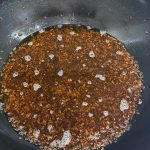
- Blooming the Spice: Never add curry powder directly to a cold liquid. To unlock its fat-soluble aromatic compounds, stir-fry the powder in hot oil with ginger and garlic for 10-20 seconds until fragrant.
- The “Golden Ratio” Pairing: For a balanced Chinese curry sauce, combine curry powder with a touch of Sugar to mellow the bitterness and a splash of Light Soy Sauce for umami depth.
Specific Application Scenarios:
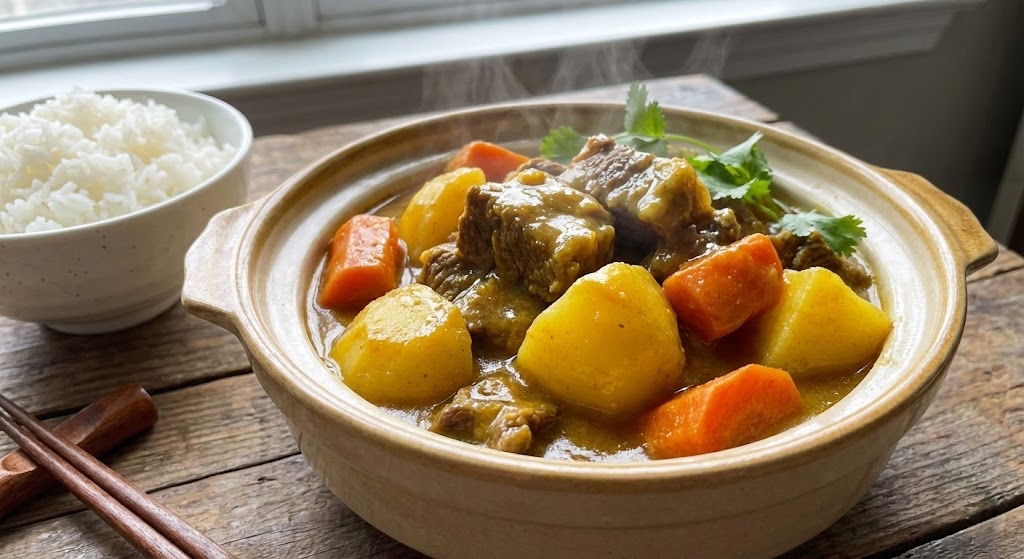
- Braised Meats: It is the soul of Curry Beef Brisket, where the spices penetrate the fat of the beef.
- Street Food: Used in the iconic Hong Kong Curry Fish Balls.
- Quick Meals: It forms the base for a fast Beef Curry Rice, providing restaurant-quality flavor in under 20 minutes.
Combining with Other Seasonings
To elevate your curry dishes, consider these combinations:
- With Coconut Milk: Creates a silky, Southeast Asian-inspired “creamy” curry.
- With Five Spice Powder: Adds a specifically Chinese herbal note (star anise and cassia) that works beautifully in meat fillings.
- With Shaoxing Wine: Use this to deglaze the pan after blooming the curry powder to add a refined fermented aroma.
Buying and Storing Guide
How to Choose
When shopping at an Asian grocery store, check the ingredient list. Avoid blends where Turmeric is the only major ingredient; these will be yellow but lack flavor. Look for “Madras” for heat or “Japanese” for a milder, sweeter profile.
Storage
Spices are light and heat-sensitive. Store your curry powder in an airtight glass jar in a cool, dark cupboard. While it technically lasts for years, it loses its “punch” after about 12 months. If your powder no longer smells fragrant when opened, it is time to replace it.
Authoritative References
- Britannica: History and Composition of Curry Powder
- National Center for Biotechnology Information (NCBI): Health Benefits of Turmeric and Curcumin
- International Organization for Standardization (ISO): ISO 2254:2004 – Curry Powder Specification
Related Recipes
- Curry Beef Brisket with Potatoes
- Easy Beef Curry Rice
- Satay Chicken Skewers (Often uses curry powder in the marinade)
- Beef Brisket Fried Rice (A great way to use leftover curry)
- Fried Sauce Noodles (Zha Jiang Mian) (A non-curry classic for contrast)
About WoksofLove
We are dedicated to demystifying traditional and modern Chinese home cooking. By combining historical context with practical kitchen science, we help home chefs master the nuances of Chinese seasonings and techniques.



Leave a Reply