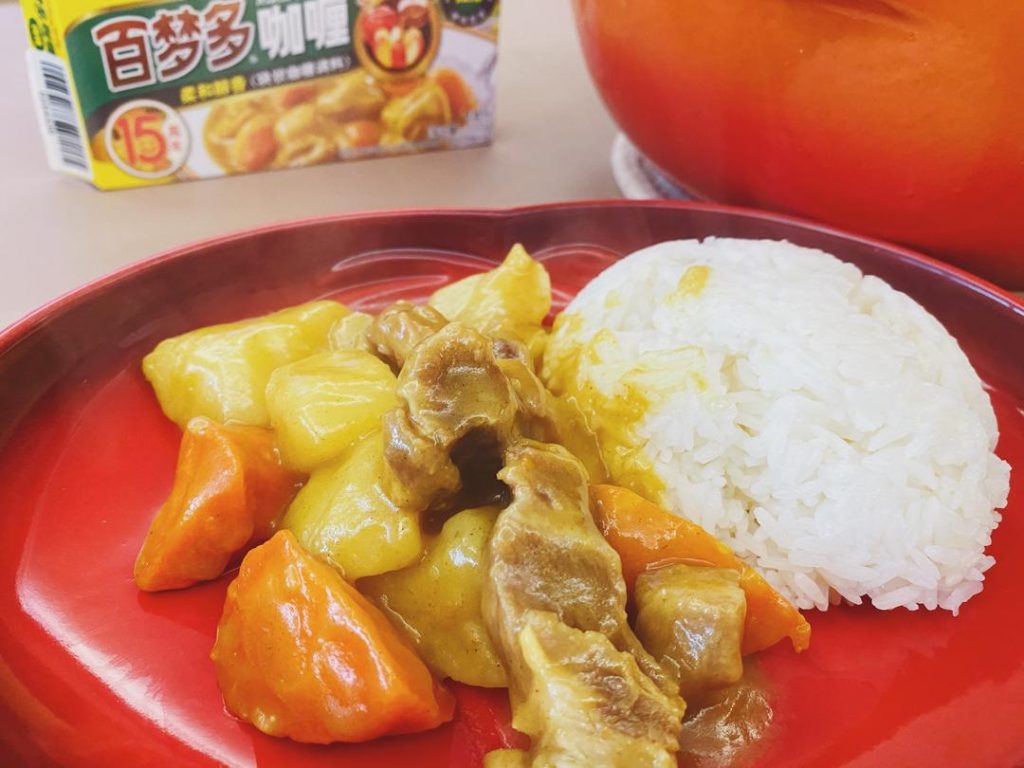
This Creamy Coconut Curry Beef Brisket (Gali Niunan) is what I like to call “The Worker’s Savior.” It is the ultimate batch-cooking recipe. You stew a big pot on the weekend, and when you come home exhausted after work during the week, a hot, comforting dinner is ready in minutes.
While this dish uses Japanese-style curry roux blocks, my family has a secret trick to elevate it from “good” to “restaurant-quality”: Coconut Milk. It adds a luxurious creaminess and aroma that water or stock alone simply cannot achieve.
Why This Recipe?
Growing up in Sichuan, my father—a professional chef with over 20 years of experience—taught me that even simple home-style stews require patience and technique. This recipe isn’t just about tossing things in a pot; it’s about preparation.
Cleaner Flavor: We use a traditional Chinese technique of soaking the brisket overnight. It might sound unusual to Western cooks, but it removes impurities and ensures the beef tastes pure and aromatic, not gamey.
The “Secret” Ingredient: Adding coconut milk bridges the gap between a sharp Japanese curry and a rich Southeast Asian curry, making the sauce incredibly velvety.
Perfect Texture: By stewing the beef first and adding the vegetables later, everything finishes at the perfect texture—melt-in-your-mouth beef and tender (not mushy) vegetables.
What is Curry Beef Brisket (Gali Niunan)?
In China, Gali Niunan (咖喱牛腩) is a beloved comfort dish. It typically borrows the mild, sweet, and thick curry profile from Japanese cuisine (using roux blocks) rather than the heavy spice powders of Indian curries. It is almost always served over steamed white rice, where the thick sauce can coat every grain.
If you enjoy hearty beef dishes like our Braised Beef Brisket with Potatoes, you will love this curry variation. It shares that same comforting, slow-cooked tenderness but with a completely different flavor profile.
Key Ingredients & Substitutions
Beef Brisket (Niunan): This cut has layers of connective tissue that break down into gelatin during long stewing.
Substitution: If you can’t find brisket, Beef Chuck Roast (boneless short ribs) is an excellent alternative. Cut it into large cubes.
Coconut Milk: The game-changer. Use full-fat canned coconut milk for the best texture.
Substitution: Heavy cream can work in a pinch, but you will lose the subtle tropical aroma that pairs so well with curry.
Japanese Curry Roux: I use the 3.5 oz (100g) box, which typically serves 4. Brands like Vermont Curry or Golden Curry are widely available in US supermarkets. Choose your preferred spice level (Mild, Medium Hot, or Hot).
Sichuan Peppercorns: A small handful adds a subtle citrusy/floral note and helps neutralize any gamey beef odor. This is a very “Sichuan chef” touch.
Shaoxing Wine: Used for blanching to remove odors.
Substitution: Dry Sherry or Japanese Sake.
Recipe Notes Before We Begin
The Importance of Soaking: You will notice the first step involves soaking the raw beef in cold water overnight. In professional Chinese kitchens, this is called “removing the blood water.” It significantly improves the final taste. If you are short on time, try to soak it for at least 2 hours, but overnight is best.
Pot Selection: I recommend using a Dutch Oven or a heavy-bottomed cast iron pot. These pots retain heat beautifully and cook the beef evenly.
Ingredients
The Meat & Marinade:
2.2 lbs (1000g) Beef Brisket, cut into 2-inch (5cm) chunks
1 tbsp Cooking wine (Shaoxing wine or Huadiao wine)
8 slices Ginger (divided usage)
20 Sichuan peppercorns (approximate)
2 stalks Scallion (green onion), white parts, cut into sections
The Vegetables & Curry:
1 cup (250g) Coconut Milk
4 medium Potatoes, peeled and cut into chunks
4 medium Carrots, peeled and cut into rolling wedges
½ Onion, chopped
3.5 oz (100g) Japanese Curry Roux (1 small box)
Hot water (as needed)
Oil for stir-frying
How to Make Creamy Coconut Curry Beef Brisket
Step 1: The Essential Soak
Cut the brisket into large chunks, about 2 inches (5cm). Don’t worry if they look big; beef shrinks significantly when cooked. Place the beef in a large bowl and cover with cold water.
Chef’s Tip: Soak this overnight. If it’s winter and your kitchen is cold, you can leave it out. If it’s warm (or summer), please place it in the refrigerator for food safety. This step pulls out the blood and ensures the meat smells fragrant, not gamey, when cooked.
Step 2: Blanch the Beef
Drain the soaked beef. Place it in a pot of fresh cold water. Add 4 slices of ginger and 1 tablespoon of Shaoxing wine (my family prefers Huadiao wine).
Bring to a boil over high heat. You will see gray foam rising to the top—this is the impurity we want to get rid of. Skim it off.
Remove the beef and rinse it thoroughly under warm water.
Step 3: Stew the Beef
Place the clean beef into your Dutch oven or heavy pot. Add the remaining 4 slices of ginger, the Sichuan peppercorns (about 20), and the scallion sections.
Pour in enough boiling water to completely cover the beef.
Why boiling water? Adding cold water to hot beef can seize the protein and make it tough.
Cover with the lid and simmer on low heat. Since we are using a stove-top pot, evaporation is higher than in an electric pressure cooker, so be generous with the water.
Step 4: Prep the Vegetables
While the beef is simmering, prepare your vegetables.
Onion Hack: Cut half an onion into chunks. Chef’s Tip: To avoid tears, soak the onion in water or rinse it right after peeling and halving it. No more crying!
Cut the carrots and potatoes into rolling wedges (Rangiri style). Try to keep them roughly the same size as the shrunken beef chunks for a balanced bite.
Step 5: Sauté the Aromatics
Check the beef. When you can poke a chopstick through the meat with little resistance (usually 1.5 to 2 hours), it’s time to cook the vegetables.
In a separate pan (or wok), heat a little oil. Add the onions and stir-fry until fragrant and slightly translucent.
Step 6: Stir-fry Root Vegetables
Add the carrots and potatoes to the onions. Continue stir-frying until they are “half-cooked.” You will see the outer edges of the potatoes turn slightly translucent while the center remains opaque.
Why stir-fry? This helps the vegetables hold their shape during the final simmer so they don’t disintegrate into mush.
Step 7: Combine
Pour the stir-fried vegetables into the pot with the stewing beef.
Step 8: The Secret Ingredient
Pour in the 250g of Coconut Milk.
This is the step you cannot skip! It enriches the texture and adds a layer of flavor that makes the curry incredible.
Step 9: Final Simmer
Check your liquid levels. If you added enough water in Step 3, you shouldn’t need more. However, if the water has evaporated significantly, add more boiling water now.
Note: If you like a lot of curry sauce (gravy) for your rice, ensure there is plenty of liquid. Once the curry blocks are added later, the sauce will thicken rapidly, and the liquid will seem to “disappear.”
Cover and simmer on medium-low heat until the vegetables are soft.
Step 10: Add the Curry
Once the beef is tender and the vegetables are soft, add the curry roux blocks.
Step 11: Thicken and Serve
Stir gently until the curry blocks are completely dissolved. Simmer on low heat for another 5 minutes to let all the flavors meld together intimately.
Serve hot over steamed rice. The flavor is absolutely unmatched!
FAQ & Troubleshooting
Q: Can I make this in an Instant Pot?A: Yes. For the stewing phase (Step 3), pressure cook the beef with the aromatics and water for about 30-35 minutes. Release pressure, set to “Sauté,” add the sautéed veggies and coconut milk, and simmer until veggies are soft. Add curry blocks at the very end (do not pressure cook with curry blocks, or it may burn/stick).
Q: Why is my beef tough?A: It likely wasn’t cooked long enough. Brisket is a tough muscle that needs time for the collagen to break down. Keep simmering until it yields easily to a fork. Also, ensure you used boiling water when starting the stew, not cold.
Q: My curry is too thick/too thin. What do I do?A: If it’s too thick, stir in a little more hot water or beef stock. If it’s too thin, simmer uncovered for a few more minutes to reduce, or mash one of the potatoes into the sauce to thicken it naturally.
Serving Suggestions
This dish is designed to be a “one-plate meal.” You really just need a large bowl of fluffy white rice.
Soaking Safety: As mentioned in Step 1, if soaking beef overnight, always do so in the refrigerator if the ambient temperature is above 40°F (4°C) to prevent bacterial growth.
Storage: This curry tastes even better the next day! Store in an airtight container in the fridge for up to 3-4 days.
Reheating: Reheat gently on the stove-top. You may need to add a splash of water as the curry will thicken significantly in the fridge. Ensure the beef reaches an internal temperature of 165°F (74°C).
Disclaimer: Nutrition information is calculated using an ingredient database and should be considered an estimate. Garnishes and optional ingredients are not included. Actual values may vary depending on specific brands of curry roux and coconut milk used.
Creamy Coconut Curry Beef Brisket (Gali Niunan)
Lin
This Creamy Coconut Curry Beef Brisket (Gali Niunan) is the ultimate comfort food. Tender beef, potatoes, and carrots are simmered in a rich curry sauce enhanced with a secret ingredient: coconut milk. A perfect make-ahead meal!
2.2lbsBeef Brisketcut into 2-inch chunks (approx. 1000g)
1tbspCooking WineShaoxing or Huadiao wine
8slicesGingerdivided usage
20Sichuan Peppercornsapproximate
2stalksScallion (Green Onion)white parts, cut into sections
The Vegetables & Curry
1cupCoconut Milkfull-fat (approx. 250g)
4mediumPotatoespeeled and cut into chunks
4mediumCarrotspeeled and cut into rolling wedges
0.5Onionchopped
3.5ozJapanese Curry Roux1 small box (100g)
Hot wateras needed
Oilfor stir-frying
Instructions
The Essential Soak: Cut the beef brisket into approximately 5cm (2-inch) chunks. Place in a large bowl and cover with cold water. Soak overnight (place in the refrigerator if the weather is warm) to remove blood and impurities.
Blanch the Beef: Drain the beef. Place it in a pot of fresh cold water with 4 slices of ginger and 1 tablespoon of cooking wine. Bring to a boil, skim off the gray foam, then remove beef and rinse thoroughly under warm water.
Stew the Beef: Place the clean beef into a Dutch oven or heavy pot. Add the remaining 4 slices of ginger, 20 Sichuan peppercorns, and scallion sections. Pour in enough BOILING water to completely cover the beef. Cover and simmer on low heat until the beef is tender (about 1.5 to 2 hours). It should be easily pierced with a chopstick.
Prep Vegetables: While beef simmers, cut the onion into chunks. Cut carrots and potatoes into rolling wedges.
Sauté Aromatics: In a separate pan, heat a little oil. Add the onions and stir-fry until fragrant.
Stir-fry Root Veg: Add carrots and potatoes to the onions. Stir-fry until they are half-cooked (outer edges turn translucent).
Combine: Pour the sautéed vegetables into the pot with the stewing beef.
The Secret Ingredient: Pour in the coconut milk (250g). Do not skip this step!
Final Simmer: Check liquid levels; add more boiling water if needed (ensure there is plenty of liquid for the sauce). Cover and simmer on medium-low heat until vegetables are soft.
Add Curry: Add the curry roux blocks. Stir gently until completely dissolved.
Serve: Simmer for another 5 minutes on low heat to allow flavors to meld. Serve hot over steamed rice.
Notes
Nutrition Disclaimer: Nutrition information is calculated using an ingredient database and should be considered an estimate. Garnishes and optional ingredients are not included. Actual values may vary depending on specific brands of curry roux and coconut milk used.Allergy Warning: Contains Soy, Wheat (in curry roux), and Coconut. Check curry roux packaging for specific allergens.Storage: Store in an airtight container in the fridge for up to 3-4 days. Reheat gently on the stove-top, adding a splash of water if the sauce has thickened too much.
Keyword Beef Brisket Stew, Chinese Beef Curry, Curry Beef Brisket, Gali Niunan, Japanese Curry with Coconut Milk, One Pot Beef Curry
I’m Lin, a professional chef with over a decade of experience, and I grew up in my family’s Sichuan restaurant. On my blog, Woks of Love, I share the authentic Chinese recipes I’ve spent my life learning, and I’m currently writing my debut cookbook.
I’m Lin, a professional chef with over a decade of experience, and I grew up in my family’s Sichuan restaurant. On my blog, Woks of Love, I share the authentic Chinese recipes I’ve spent my life learning, and I’m currently writing my debut cookbook.







Leave a Reply