If you make your own black soy milk at home, you already know the quiet guilt of tipping a bowl of dark, fragrant pulp into the bin. That pulp — black bean dregs, or 黑豆渣 — is not waste at all. It is a nutty, fiber-rich ingredient that Chinese home cooks have folded into bread and bun dough for generations. These black bean dregs steamed buns take that leftover pulp, knead it straight into a simple mantou dough, and steam it into something impossibly soft, faintly speckled, and gently sweet with bean aroma.
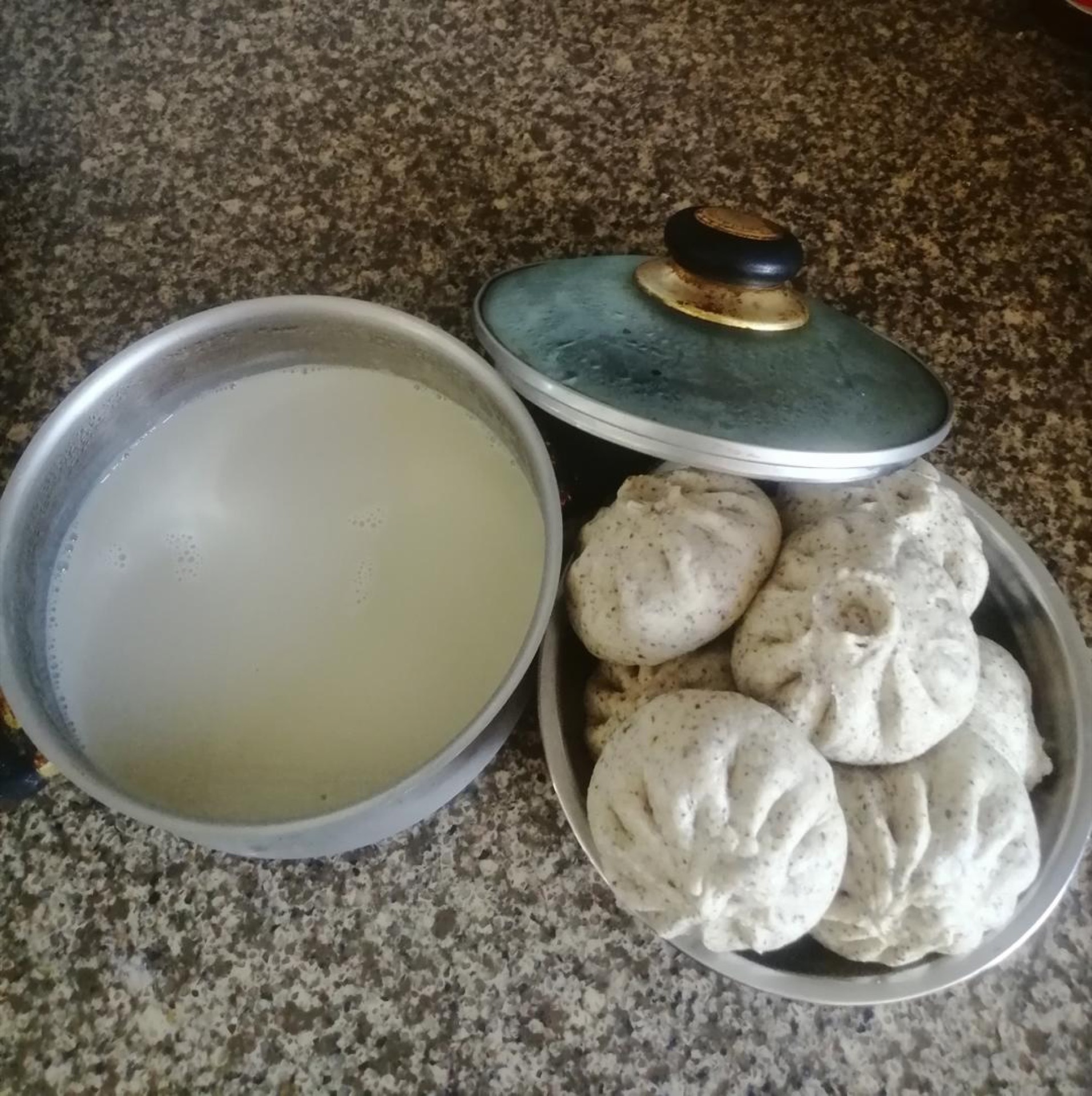
The first time you bite into one, the texture is what surprises you. The dregs do not make the bun heavy or gritty the way you might expect — instead they keep the crumb tender and give it a subtle, almost chestnut-like depth. Filled with a juicy pork mixture and eaten with a warm cup of black soy milk, they make a breakfast that feels both thrifty and genuinely special. And once the dough is mixed, the whole thing comes together in well under an hour of hands-on time.
What Is 黑豆渣包子?
黑豆渣包子 is a northern Chinese steamed bun in which the pulp left over from grinding black soy milk — the dregs, or 豆渣 — is kneaded directly into the wheat dough. Rather than being discarded, the pulp becomes part of the flour mixture, adding moisture, fiber, and a mild roasted-bean flavor to what would otherwise be a plain white mantou. The buns are then filled with a savory mixture, most commonly pork and scallion, and steamed until fluffy.
The technique sits at the intersection of two very old Chinese habits: making soy milk at home and stretching every scrap of food as far as it will go. Because the dregs already carry water and natural sugars, they change how the dough hydrates and browns, which is why the ratio below is a little different from a standard mantou recipe. Get that ratio right and the buns come out light, tender, and just barely sweet.
For a filled bun with a famously delicate, soup-filled center, our xiao long bao shows how far the pleating and steaming technique can be pushed.
1Authentic Beijing-Style Steamed Buns (Xiao Long Bao)These fluffy, savory buns feature a unique “half-cooked” pork filling technique that guarantees a juicy interior and rich flavor. A classic Northern Chinese breakfast recreated perfectly at home.Check out this recipe
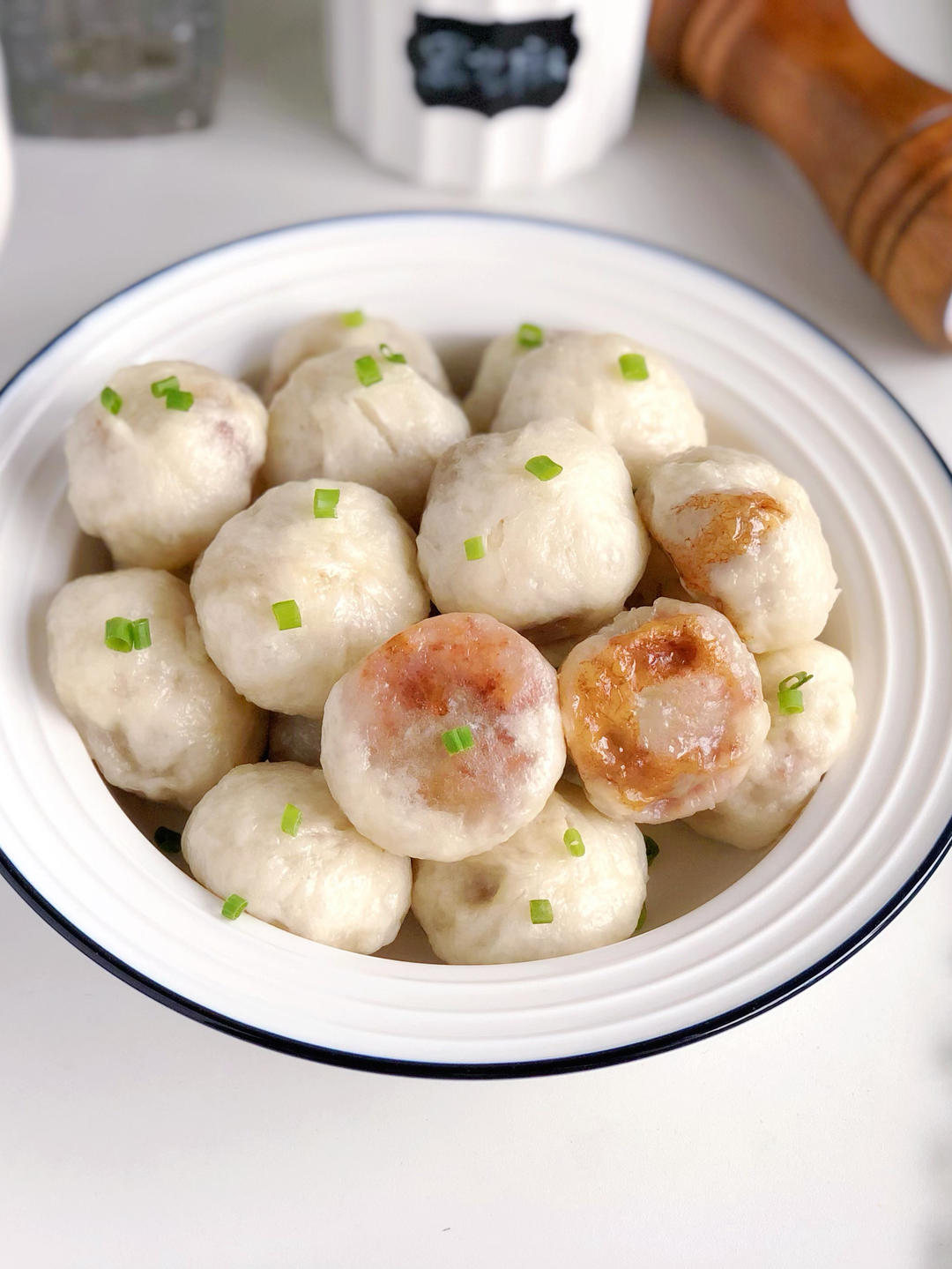
And if you want the plain, big-pillow classic that this dough is built on, our Shandong steamed buns are the reference point for every mantou in a Chinese kitchen.
2Authentic Shandong Steamed Buns (Da Mantou)Learn the secrets to authentic, dense, and chewy Shandong Da Mantou. This recipe uses the traditional double-knead method and precise hand-shaping techniques for flawlessly smooth, wrinkle-free steamed buns.Check out this recipe
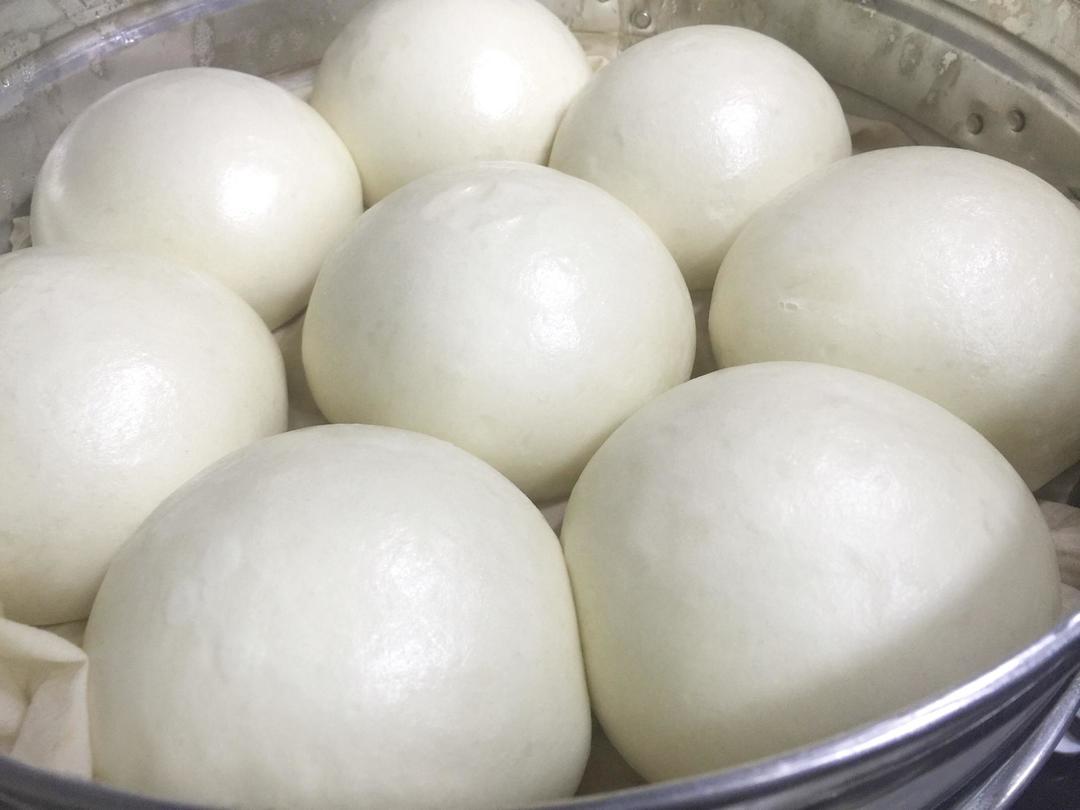
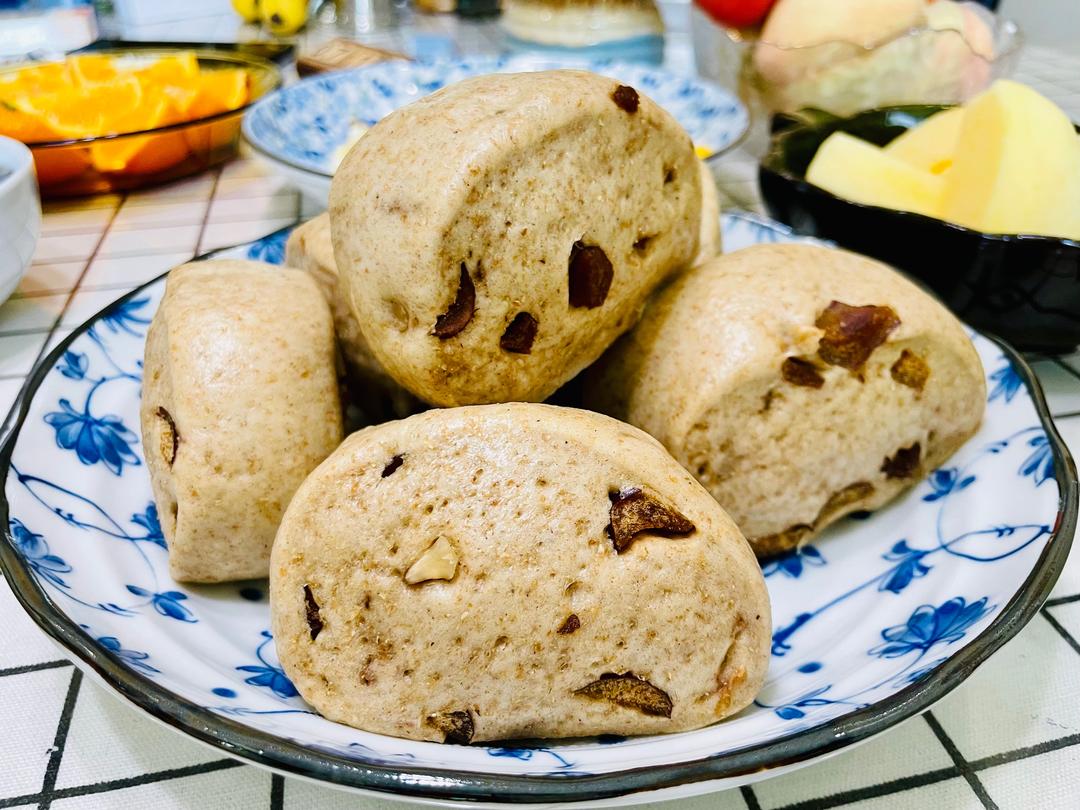
If you love the idea of steamed buns built on a slightly heartier dough, our whole wheat steamed buns use the same principle — whole grains folded into a soft, steamy crumb.
3Healthy Whole Wheat Steamed Buns (Mantou)Learn how to make healthy, fluffy Whole Wheat Steamed Buns (Mantou) with this easy 45-minute recipe. Expert tips for a smooth surface and no collapsing.Check out this recipe
Ingredient Notes
The ingredient list here is deliberately short, which means each item matters more than usual. Here is what to look for and how to handle each one.
Black bean dregs (黑豆渣). This is the pulp left after grinding black soybeans and straining the milk. It should be squeezed as dry as you can manage — press it in a clean kitchen towel or a fine sieve until it holds together like damp sand rather than dripping. Wet dregs carry hidden water that will make your dough slack, and you will end up chasing it with extra flour, which toughens the crumb. If you are starting from dried beans, soak them overnight first; freshly ground pulp from a blender works just as well as pulp from a soy milk machine.
All-purpose flour. Standard all-purpose flour gives the softest, most forgiving crumb. Bread flour will work but produces a chewier, more bread-like bun, and cake flour makes the dough too slack to pleat comfortably. If you weigh your flour, 350 g is roughly 2¾ cups scooped and leveled.
Instant yeast. Three grams is about one teaspoon. If you only have active dry yeast, use the same amount but proof it in the warm water with the sugar for ten minutes first, until it foams. The water should feel like a warm bath — around 105 to 110°F (40 to 43°C). Anything hotter will kill the yeast and your buns will not rise.
Sugar. Just a teaspoon. It is not there to make the buns sweet; it feeds the yeast and helps the crust color evenly during steaming. A little sugar also rounds out the slightly bitter edge that black bean pulp can have. If you want to read more about how a single aromatic ingredient can shift a whole dish, our guide to cloves is a good place to start thinking about flavor building.
The filling. The source recipe simply calls for a filling you like, and that is genuinely the right approach. A pork-and-scallion mixture is the most traditional, but shredded cabbage, mushroom, or a vegetarian tofu filling all work. Just make sure any filling you use is not watery — squeeze vegetables dry and drain meat mixtures before wrapping, or the buns will leak and go soggy at the base.
Ingredients
For the dough you will need 350 g all-purpose flour, 130 g black bean dregs squeezed very dry, 3 g instant yeast, 5 g granulated sugar, and 120 g warm water. For a classic pork filling, gather 300 g ground pork, 2 tbsp light soy sauce, 1 tbsp Shaoxing wine, 2 finely chopped scallions, 1 tsp grated fresh ginger, and 1 tsp toasted sesame oil. Have extra flour on hand for dusting your work surface and the wrappers.
Equipment Needed
You do not need much, but a few pieces make the process far smoother. A large mixing bowl and a sturdy cutting board or clean countertop for kneading are essential. A bamboo or metal steamer basket lined with parchment or cabbage leaves keeps the buns from sticking; if you only have a metal steamer, line it well. A slotted spoon is handy for lifting buns in and out of the basket without crushing them, and a wok with a steamer rack set inside works beautifully if you do not own a dedicated steamer. A kitchen scale, while optional, makes the dough far more consistent than cup measures.
Why This Recipe Works
The reason this dough stays soft instead of turning dense is that the dregs are already hydrated. When you knead them into flour, the pulp releases its moisture slowly, which means the dough takes on water gradually and develops gluten without becoming wet and slack all at once. That slow hydration is what gives the finished bun its tender, almost cake-like crumb.
The second reason is the ratio of pulp to flour. At roughly one part squeezed dregs to under three parts flour, the dough stays workable and the buns still rise tall. Push the pulp much higher and the dough becomes heavy and the buns dense; use too little and you lose the nutty character entirely. The small amount of sugar and the warm, sealed fermentation do the rest, giving the yeast enough fuel to lift the dough to double its size in about an hour.
Steaming is a gentler cooking method than baking — the moist heat sets the dough before the crust can form, which is why steamed buns stay soft for hours. The same principle explains why a wet dough behaves so differently from a dry one; if you have ever wondered how moisture changes cooking, our note on whether you can use olive oil for stir fry touches on how heat and fat interact at the wok.
Prep & Mise en Place
Before you start, squeeze your black bean dregs thoroughly and weigh them. Set out the flour, yeast, sugar, and warm water so everything is within reach. If you are making a pork filling, mix it first and let it sit while the dough rises — the flavors meld and the filling firms up slightly, which makes it easier to wrap. Line your steamer basket with parchment or blanched cabbage leaves and set it aside. Dust a clean work surface lightly with flour, but do not over-flour; too much dusting flour on the wrappers will keep the pleats from sealing. Finally, fill a wok or pot with enough water for steaming and have it ready, though you will not bring it to a boil until the buns are formed.
Cooking Process
Step 1 — Combine the Dough Ingredients
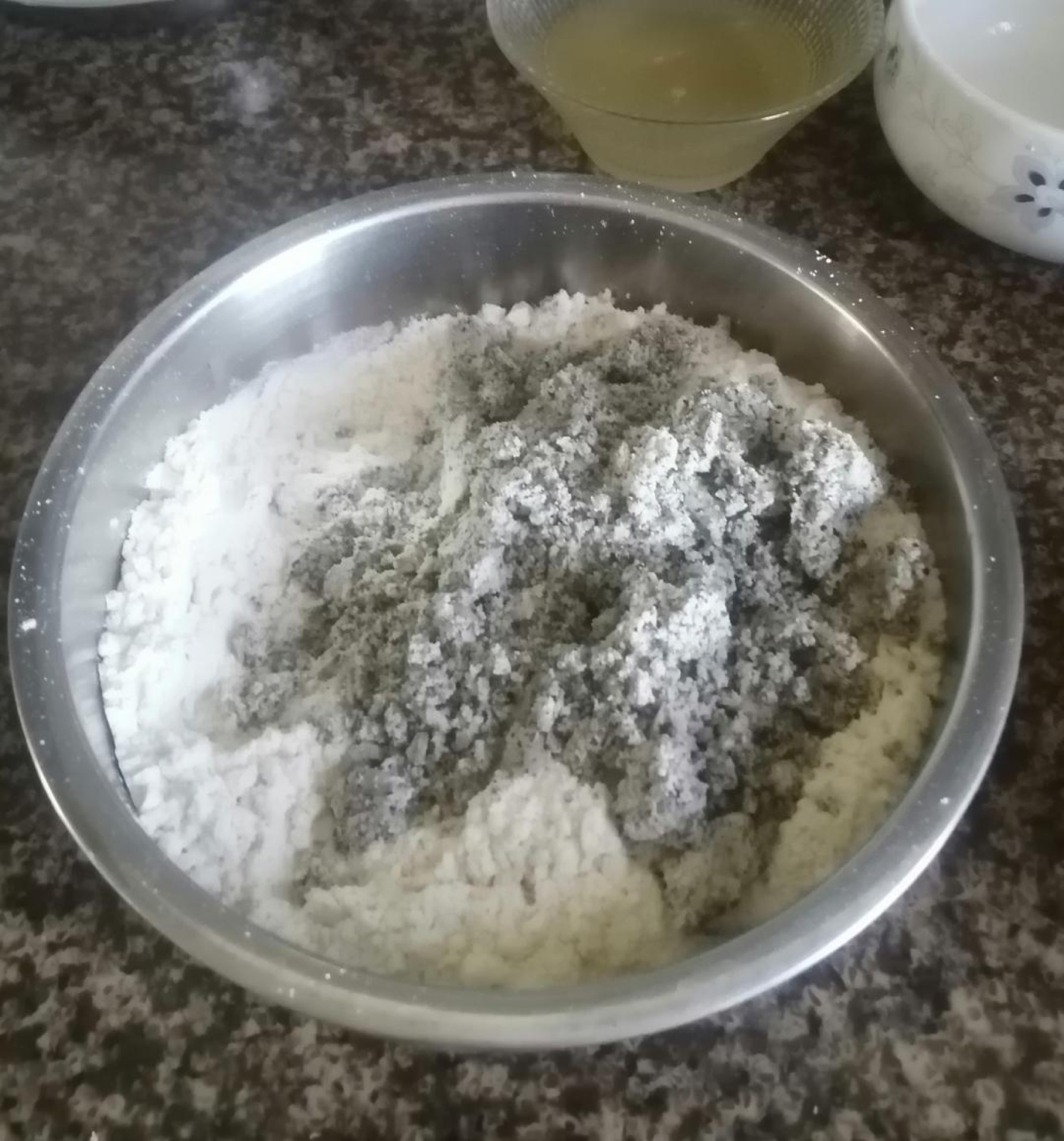
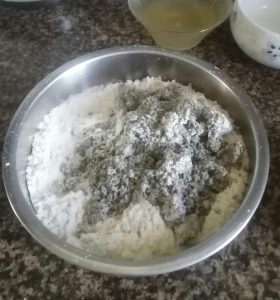
In a large bowl, combine the flour, squeezed-dry black bean dregs, yeast, sugar, and water, stirring until a shaggy dough forms.
Step 2 — Knead Until Smooth
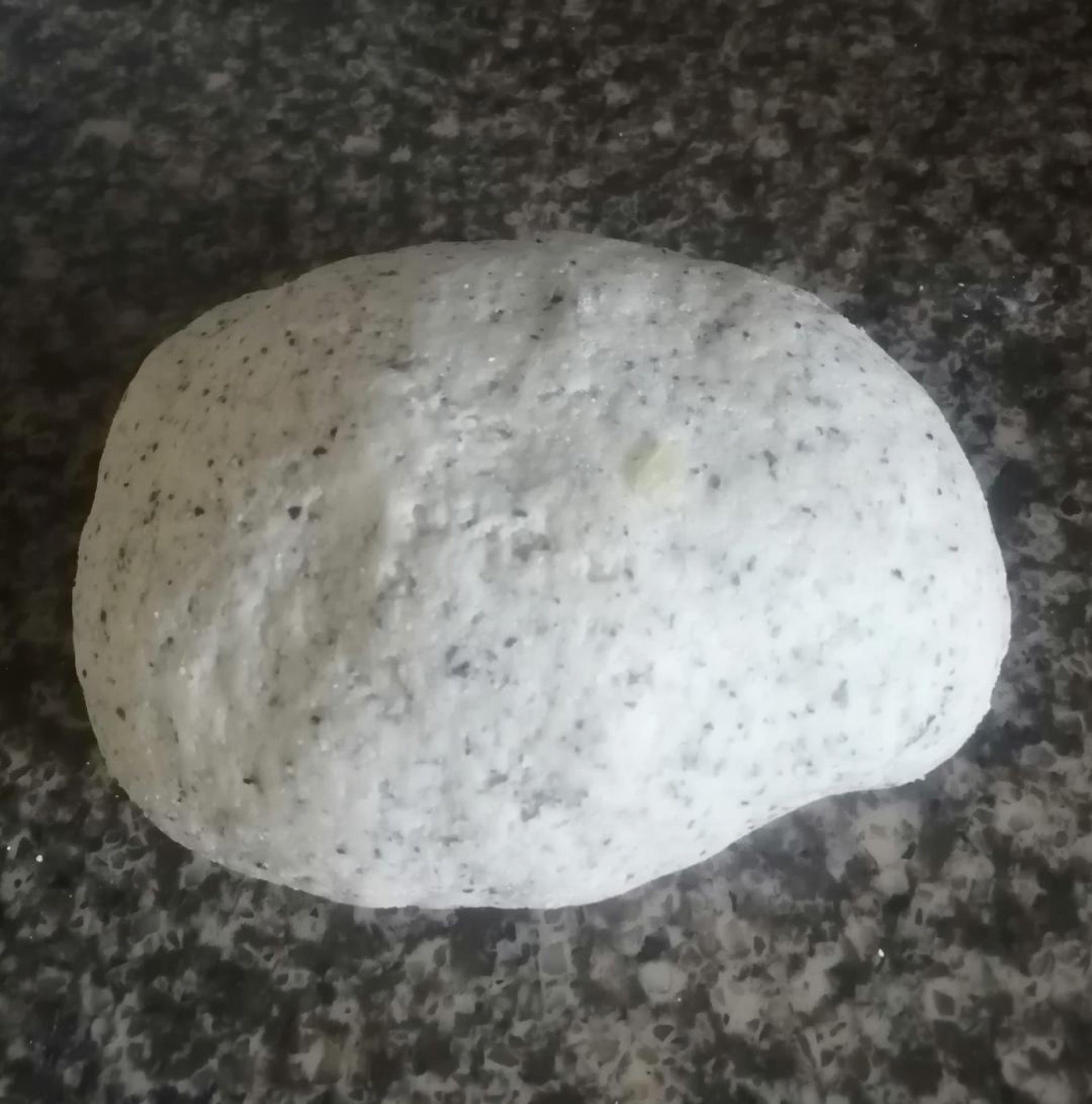
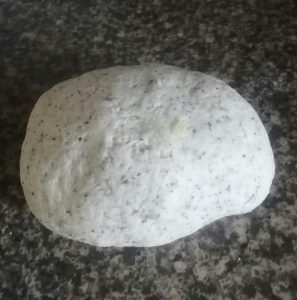
Turn the dough onto a lightly floured surface and knead for 8 to 10 minutes until it is smooth, elastic, and no longer sticky.
Step 3 — Let It Rise
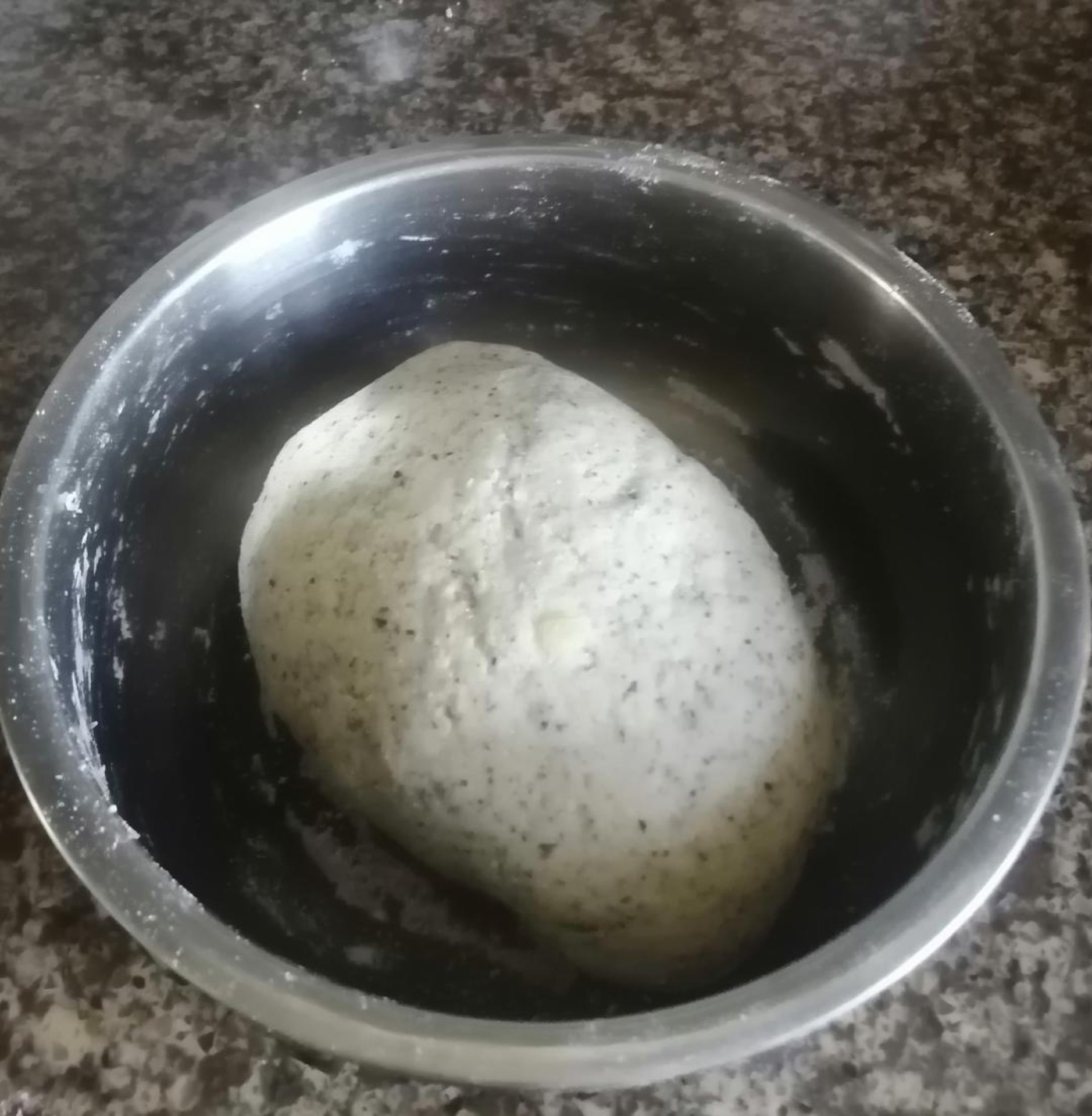
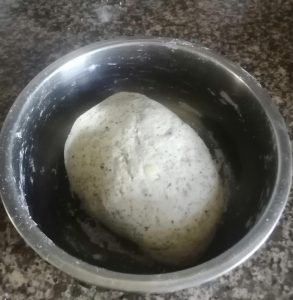
Place the dough in a lightly oiled bowl, cover it tightly, and set it in a warm spot to rise.
Step 4 — Rise Until Doubled
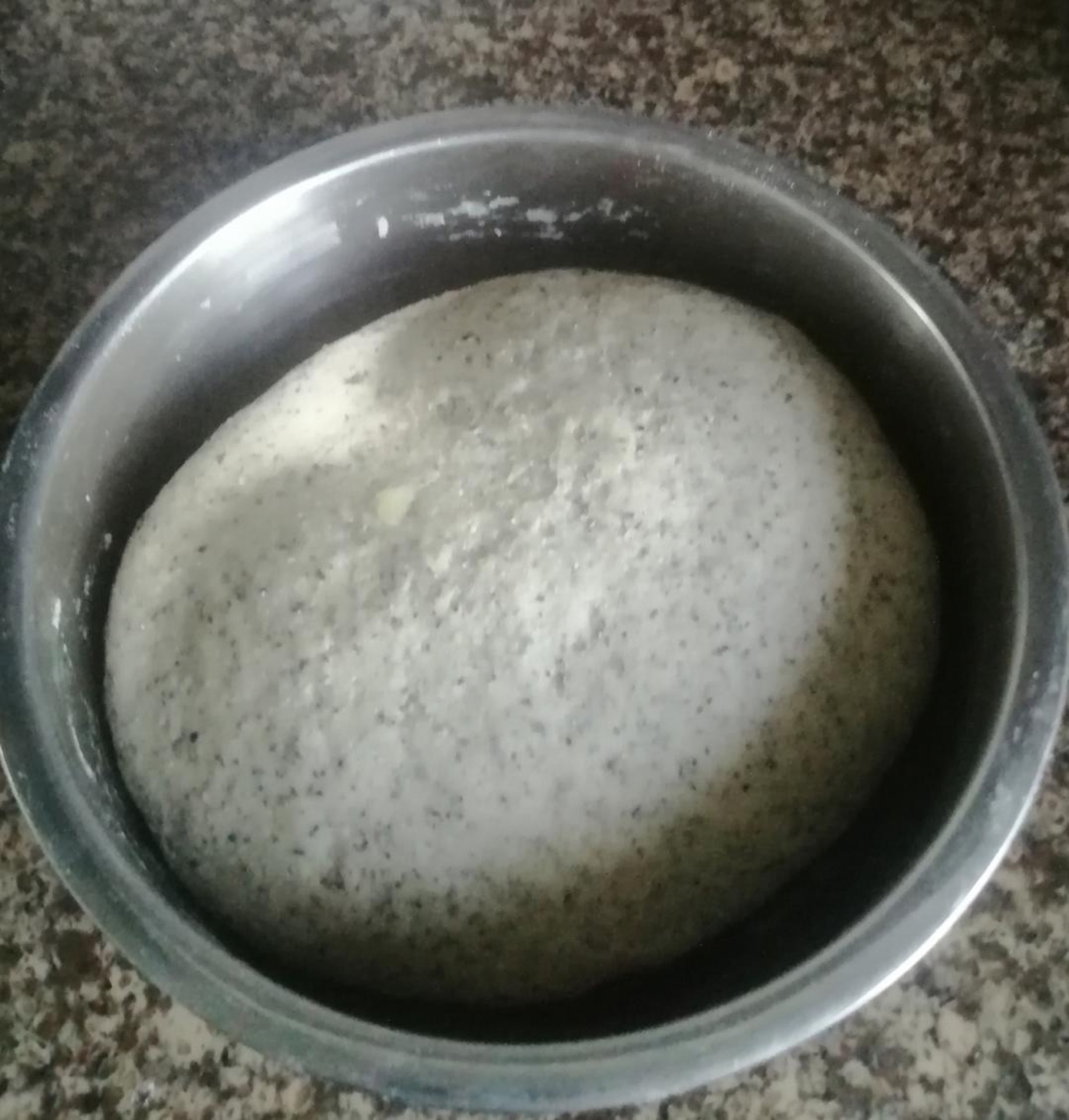
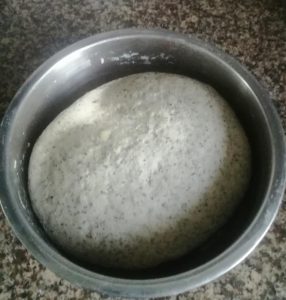
Let the dough ferment until it has roughly doubled in size, about 1 to 1.5 hours in a warm kitchen.
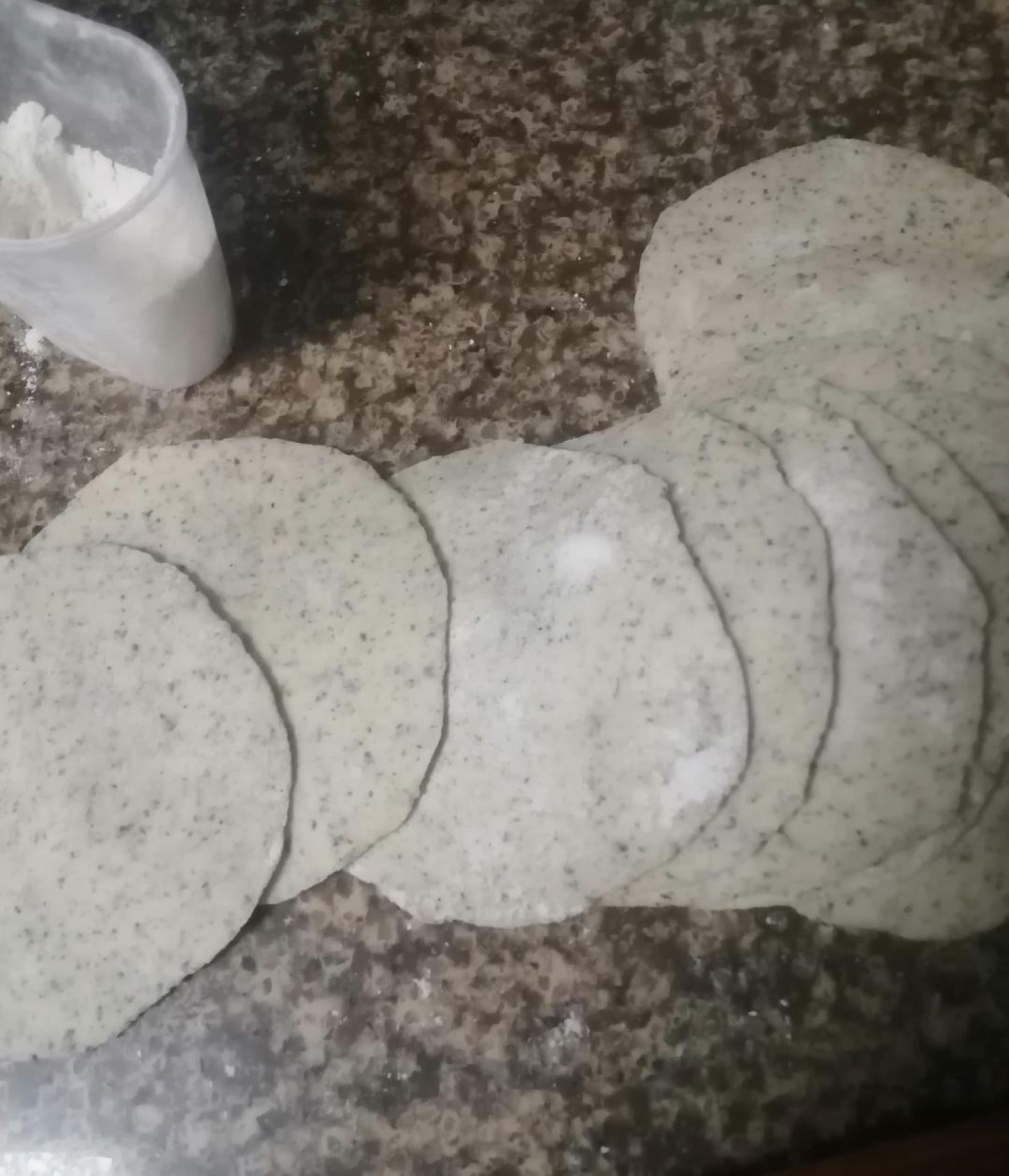
Step 5 — Roll the Wrappers
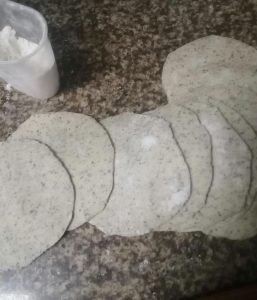
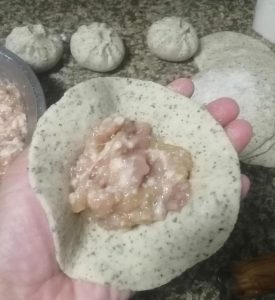
Punch the dough down, divide it into portions, and roll each portion into a round wrapper with a slightly thicker center.
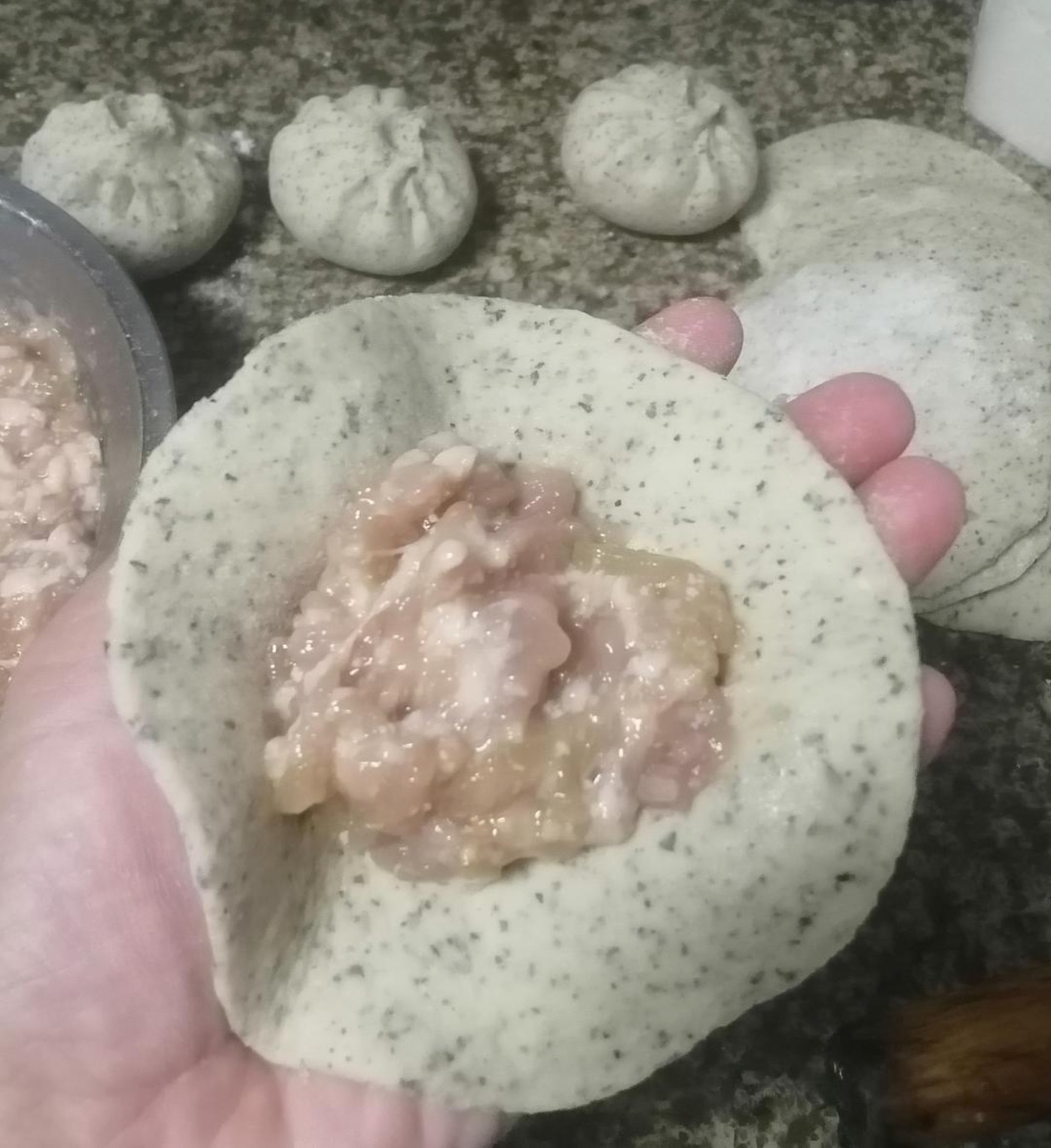
Step 6 — Fill and Pleat
Spoon the pork filling onto each wrapper and pleat the edges closed, pinching firmly to seal.
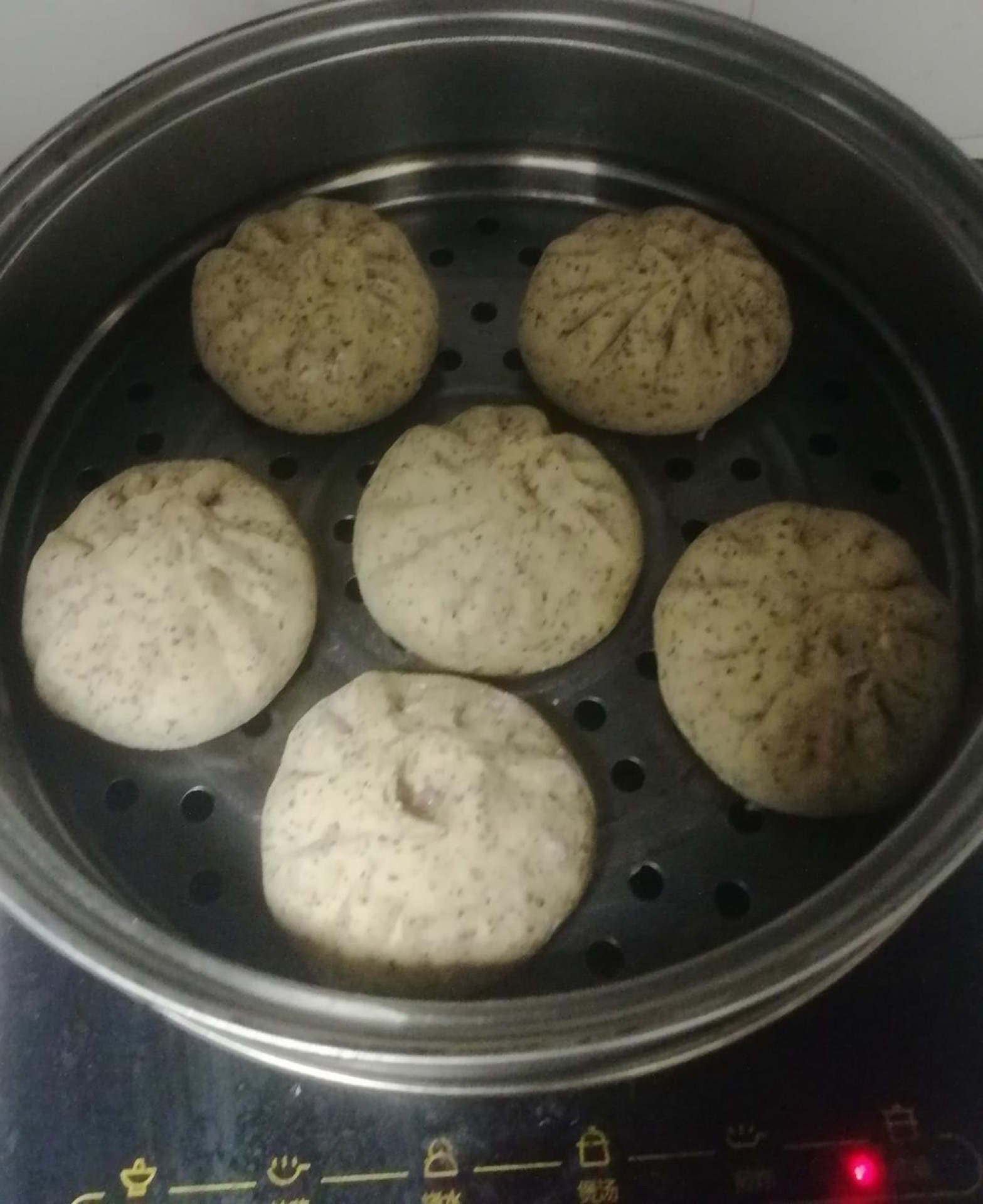
Step 7 — Steam the Buns
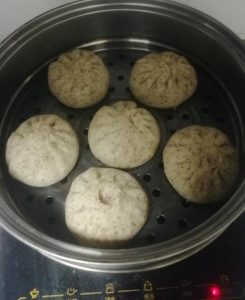
Arrange the buns in a steamer basket and steam over boiling water for 15 to 20 minutes, then rest 5 minutes before uncovering.
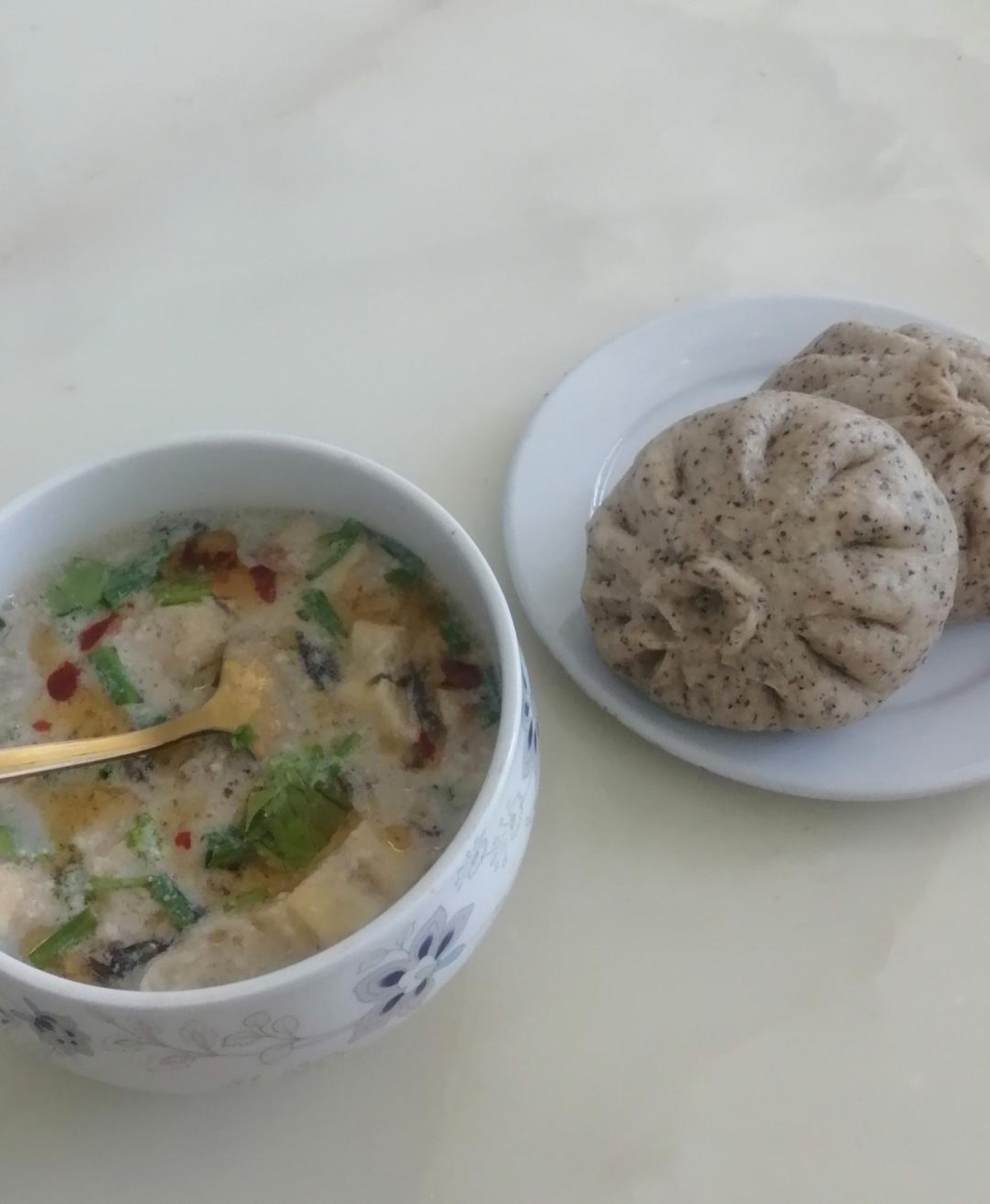
Step 8 — Serve with Black Soy Milk
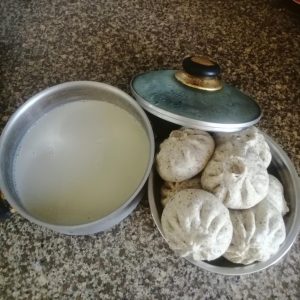
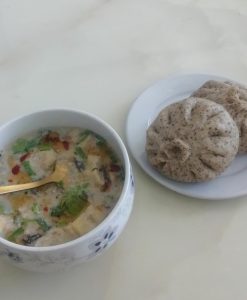
Serve the black bean dregs pork buns hot alongside a cup of savory black soy milk.
Common Mistakes When Making 黑豆渣包子
1. Using wet dregs. The most common failure by far. If your pulp still drips when you press it, the dough will be sticky and you will keep adding flour until the buns turn tough. Squeeze the dregs in a towel until they clump like damp sand, then weigh them.
2. Killing the yeast with hot water. Water above about 115°F (46°C) will damage or kill instant yeast, and the dough simply will not rise. Aim for 105 to 110°F — comfortably warm to the touch, never hot. If you are unsure, err on the cooler side and give the dough a little more rising time.
3. Under-kneading the dough. A dough that is not kneaded long enough will not develop enough gluten, and the buns will collapse or turn dense after steaming. Knead a full 8 to 10 minutes, until the surface is smooth and springs back when you press it lightly.
4. Skipping the rest after steaming. If you lift the lid the moment the timer goes off, the sudden change in temperature and pressure can deflate the buns. Turn off the heat and let them rest, covered, for 5 minutes before uncovering.
5. Overfilling the buns. A generous filling is tempting, but too much and the pleats will not seal, the bun will split open, and the filling will leak into the steamer. Use about a tablespoon per bun and pinch the seal firmly.
6. Crowding the steamer. Buns need room to expand. Leave at least an inch between them, and steam in batches if necessary. Crowded buns stick together and tear when you separate them.
Variations
Plain mantou version. Skip the filling entirely and shape the dough into smooth rounds or logs. Steam them the same way for a simple, nutty black bean dregs mantou that is perfect with soup or congee.
Vegetarian filling. Swap the pork for finely chopped shiitake mushrooms, shredded napa cabbage, and crumbled firm tofu, seasoned with soy sauce and sesame oil. Squeeze the cabbage dry before mixing so the filling does not water out.
Whole wheat blend. Replace up to a third of the all-purpose flour with whole wheat flour for a heartier bun. You may need an extra splash of water, since whole wheat absorbs more liquid. Our pumpkin steamed buns follow a similar logic of building a soft dough around a moist vegetable purée.
Sweeter version. Add another tablespoon of sugar to the dough and fill the buns with sweet red bean paste instead of pork for a dessert-style bun.
Frequently Asked Questions
Can I use white bean dregs instead of black? Yes. Soybean, mung bean, or even oat pulp all work in the same proportion. Black dregs simply give a deeper color and a slightly more pronounced roasted flavor.
My dough is too sticky to knead. What went wrong? Almost always the dregs were too wet, or the water was added all at once. Add flour one tablespoon at a time until the dough clears the bowl, and next time squeeze the pulp drier before weighing.
Can I make the dough ahead of time? Yes. After the first rise, punch the dough down, cover it, and refrigerate it for up to 24 hours. Bring it back to room temperature for about 30 minutes before shaping.
Why did my buns turn out dense instead of fluffy? Dense buns usually mean under-kneading, old yeast, or a too-cool rising spot. Check that your yeast is active, knead the full time, and let the dough rise somewhere genuinely warm.
Can I freeze these buns? Absolutely. Steam them fully, cool completely, then freeze in a single layer before bagging. Reheat straight from frozen in a steamer for about 10 minutes.
How to Serve
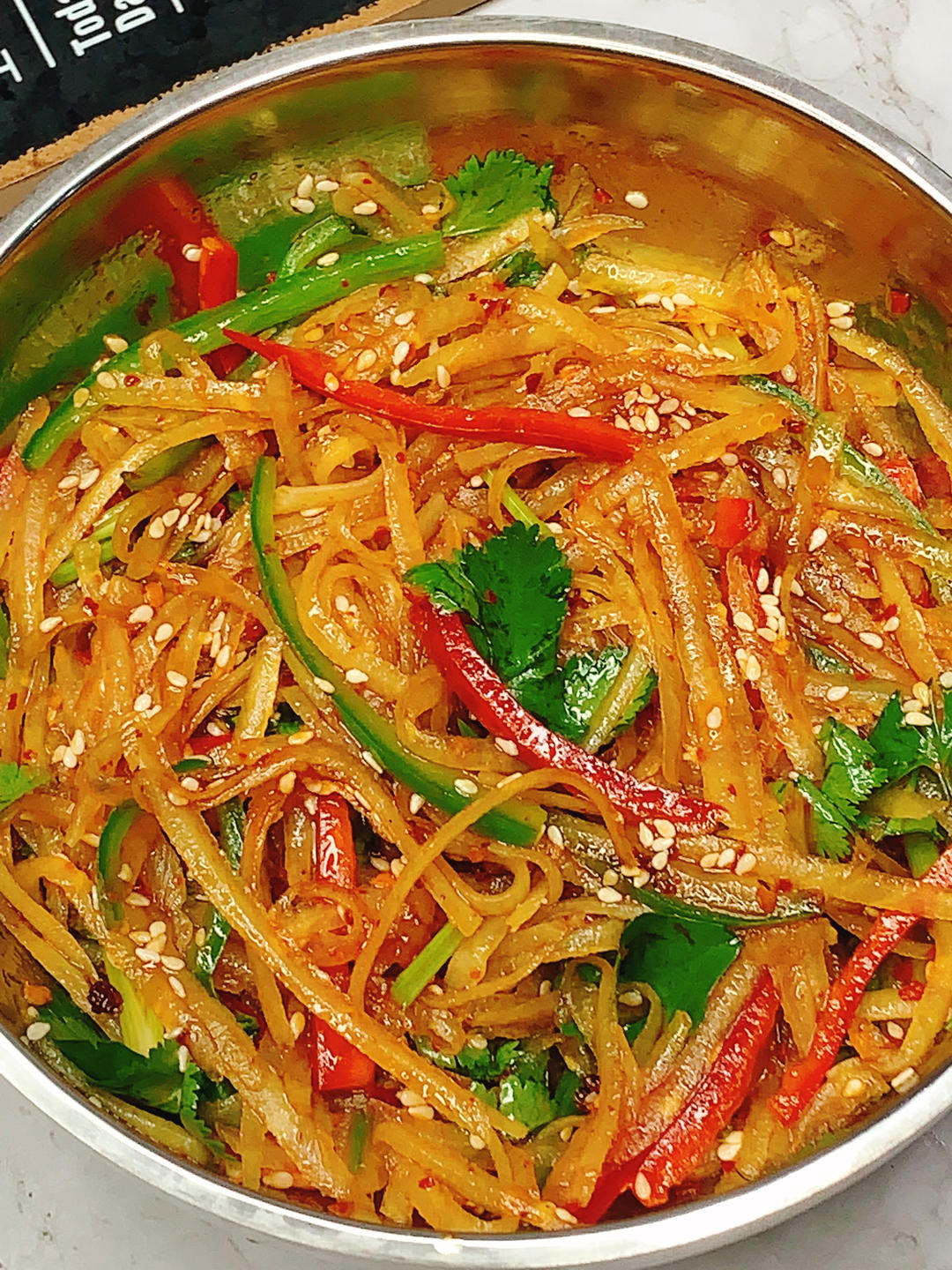
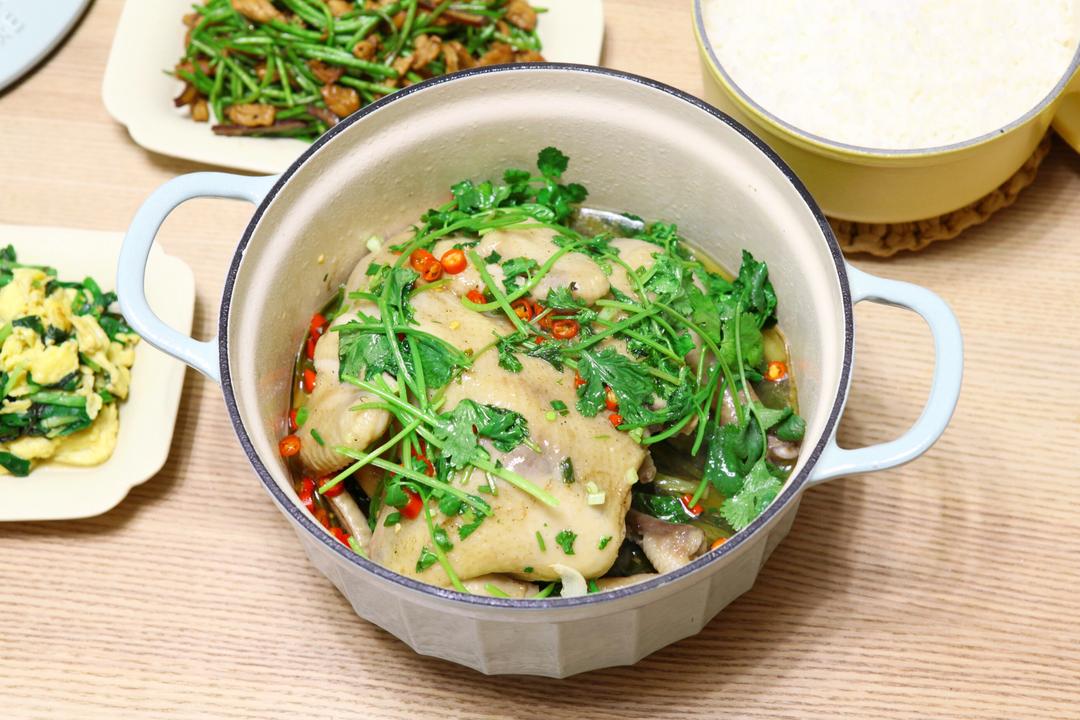
These buns are a complete breakfast on their own with a cup of hot black soy milk, but they also make a lovely accompaniment to a larger Chinese meal. For a light, crisp contrast to the soft, steamy bun, serve them alongside our sour and spicy shredded potato salad, which cuts through the richness of the pork filling beautifully. If you are building a bigger spread and want a protein-rich centerpiece, our scallion oil chicken is a natural partner — both are gentle, aromatic, and comforting in the same way.
Storage & Reheat
Cool any leftover buns completely within two hours of steaming, then store them in an airtight container in the refrigerator for up to 3 days. For longer storage, freeze them: arrange the cooled buns in a single layer on a tray, freeze until solid, then transfer to a freezer bag for up to 2 months. To reheat, steam refrigerated buns for 5 to 7 minutes and frozen buns for about 10 minutes, until heated through. A quick 20-second burst in the microwave works in a pinch, but the texture will be slightly less fluffy than re-steaming. If you ever find yourself with a sticky, clumped batch of rice from a different project, our guide on how to fix sticky fried rice covers the same principle of rescuing grains with the right moisture and heat.
Allergen Notice
This recipe contains wheat (gluten) and soy. The pork filling may also contain soy sauce and wheat-based seasonings. If you are cooking for someone with a soy allergy, note that the black bean dregs themselves are soy-based and cannot be substituted without changing the dish entirely. Always check the labels on your soy sauce, Shaoxing wine, and any prepared fillings for hidden allergens.
Nutrition Disclaimer
Nutrition information is calculated using an ingredient database and should be considered an estimate. In cases where multiple ingredient alternatives are given, the first listed is calculated for nutrition. Garnishes and optional ingredients are not included.
About the Author & Recipe Development
This recipe was developed and tested in the Woks of Love kitchen by Lin, who grew up watching her mother turn every byproduct of home soy milk making into something worth eating. The goal here was simple: a dough that respects the texture of the dregs rather than hiding them, and a bun that steams up reliably even for someone who has never pleated a baozi before. Each batch was tested with both freshly ground pulp and refrigerated pulp to make sure the measurements hold up either way. If you make these, we would love to hear how they turned out.
Authoritative References
For safe handling and cooking temperatures, see the FDA Food Code and the USDA safe minimum internal temperature chart, which recommend cooking ground pork to 160°F (71°C). General food storage guidance follows the FoodSafety.gov FoodKeeper guidelines for refrigerated and frozen leftovers.
Black Bean Dregs Steamed Buns (黑豆渣包子): Fluffy Buns with Nutty

Equipment
- Wok
- Cutting Board
- Slotted Spoon
Ingredients
For the Dough
- 350 g all-purpose flour plus more for dusting
- 130 g black bean dregs squeezed very dry
- 3 g instant yeast about 1 tsp
- 5 g granulated sugar about 1 tsp
- 120 g warm water 105-110°F, adjust as needed
For the Filling
- 300 g ground pork or your favorite filling
- 2 tbsp soy sauce light soy
- 1 tbsp Shaoxing wine optional
- 2 stalks scallions finely chopped
- 1 tsp grated ginger fresh
- 1 tsp sesame oil toasted
Instructions
- In a large bowl, combine the flour, squeezed-dry black bean dregs, yeast, sugar, and water, stirring until a shaggy dough forms.

- Turn the dough onto a lightly floured surface and knead for 8 to 10 minutes until it is smooth, elastic, and no longer sticky.

- Place the dough in a lightly oiled bowl, cover it tightly, and set it in a warm spot to rise.

- Let the dough ferment until it has roughly doubled in size, about 1 to 1.5 hours in a warm kitchen.

- Punch the dough down, divide it into portions, and roll each portion into a round wrapper with a slightly thicker center.

- Spoon the pork filling onto each wrapper and pleat the edges closed, pinching firmly to seal.

- Arrange the buns in a steamer basket and steam over boiling water for 15 to 20 minutes, then rest 5 minutes before uncovering.

- Serve the black bean dregs pork buns hot alongside a cup of savory black soy milk.













Leave a Reply