If you have ever bitten into a crispy Peking Duck wrap or slurped down a bowl of savory Zha Jiang Mian, you have tasted the magic of Sweet Bean Sauce.

Known in Chinese as Tian Mian Jiang (甜面酱), this thick, dark, and glossy condiment is to Northern Chinese cuisine what Soy Sauce is to the South. It provides a rich, fermented depth that balances savory, salty, and sweet notes in a way that sugar and salt simply cannot.
However, for many of my readers outside of China, this sauce is often misunderstood. It is frequently confused with Hoisin sauce, or simply labeled as “Sweet Flour Paste.”
Today, let’s clear up the confusion. Drawing from my family’s culinary background, I’ll share everything you need to know about buying, storing, and cooking with this “liquid gold.”
What is Sweet Bean Sauce (Tian Mian Jiang)?
Despite its English name, traditional Tian Mian Jiang is surprisingly not made primarily from beans.
The name breaks down as:
- Tian (甜): Sweet
- Mian (面): Flour (Wheat)
- Jiang (酱): Sauce/Paste
Authentic Northern-style Tian Mian Jiang is a fermented paste made chiefly from wheat flour and salt. During the fermentation process, the starches in the flour break down into natural sugars (maltose and glucose), creating a unique, earthy sweetness that is far more complex than added sugar.
- Flavor Profile: Salty first, followed by a mellow sweetness and a deep, fermented umami kick.
- Texture: Thick, smooth, and opaque. It flows like molasses.
- Color: Dark reddish-brown to nearly black.
Note: Some modern versions and Southern-style brands (like Lee Kum Kee) do include soybean paste in the ingredients, making them a hybrid, but the traditional flavor profile remains focused on that fermented wheat sweetness.
Sweet Bean Sauce vs. Hoisin Sauce: Are They the Same?
This is the #1 question I get asked. The answer is No.
While they look similar, they are distinct ingredients with different purposes.
| Feature | Sweet Bean Sauce (Tian Mian Jiang) | Hoisin Sauce (Hai Xian Jiang) |
| Main Ingredients | Fermented Wheat Flour, Salt, Water. | Sugar, Fermented Soybean Paste, Garlic, Vinegar, Spices (Fennel, Chili). |
| Flavor | Savory, earthy, pure fermented taste. Mildly sweet. | Very sweet, spiced, tangy, and garlicky. |
| Cooking Use | Often fried in oil to release aroma (stir-fries, noodle sauces). | Used as a dipping sauce, glaze, or marinade directly. |
| Complexity | A base ingredient for building flavor. | A finished compound sauce. |
The Verdict: If a recipe calls for Tian Mian Jiang (like Twice-Cooked Pork), using Hoisin sauce will make the dish taste like “American-Chinese takeout”—too sweet and overpowered by five-spice flavors.
How to Select the Best Brand
Walking down the aisle of an Asian grocery store can be overwhelming. Here are the brands I trust in my kitchen:
1. The Gold Standard: Liu Bi Ju (六必居)
If you can find this, buy it. Liu Bi Ju is a time-honored brand from Beijing dating back to the Qing Dynasty (1530 AD). Their Tian Mian Jiang is strictly wheat-based and has the most authentic, nostalgic flavor perfect for Beijing Fried Sauce.
- Tip: It comes in a jar or a plastic pouch.
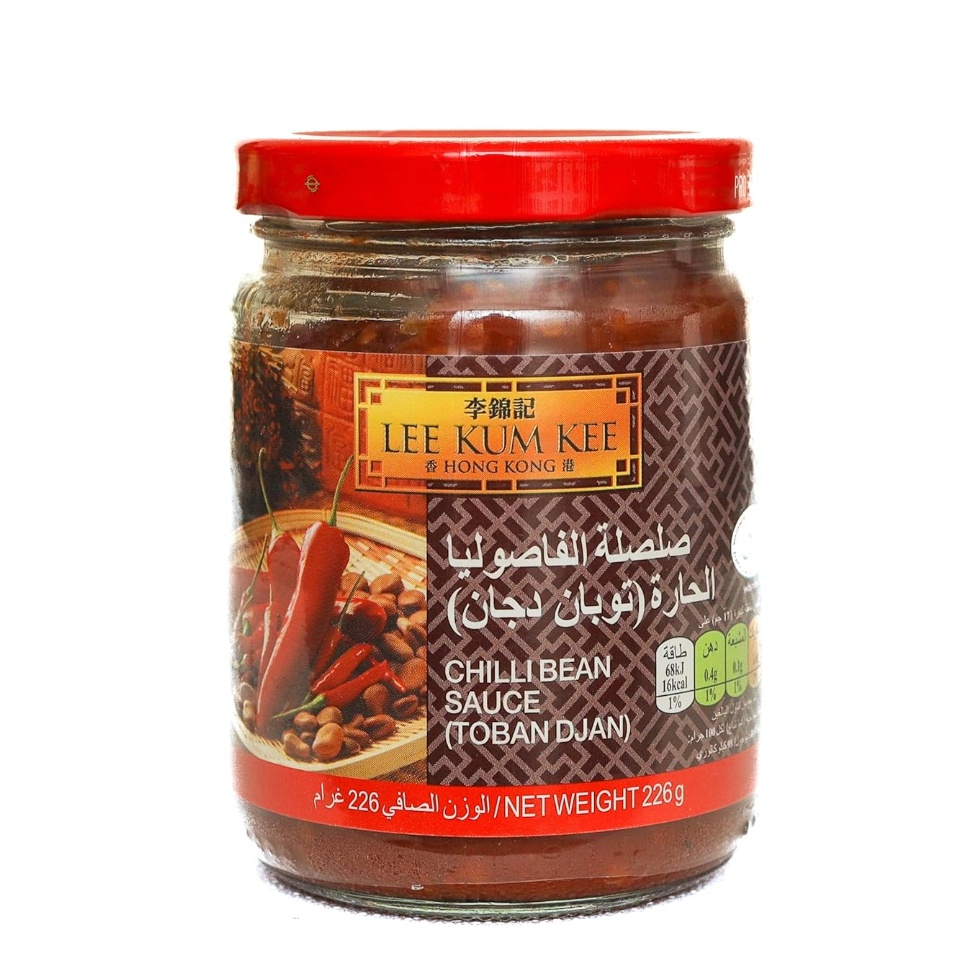
2. The Accessible Choice: Lee Kum Kee (李锦记)
Widely available in the US and Europe. Their version typically includes fermented soybean paste. It is slightly sweeter and less “funky” than the traditional Northern style, but it works perfectly fine for most home cooking.
3. The Artisan Choice: Juan Cheng (Sichuan)
Famous for their Doubanjiang, this brand also makes a “Sweet Wheat Paste.” It is incredibly high quality, free from additives, and delivers a pure umami bomb.
How to Use Sweet Bean Sauce in Cooking
Unlike ketchup or Sriracha, Tian Mian Jiang is rarely just drizzled on top of food (with the exception of Peking Duck wraps). To unlock its full potential, we usually use a technique called Chao Jiang (Fried Sauce).
The “Frying the Sauce” Technique
In dishes like Zha Jiang Mian, you don’t just boil the sauce. You must fry the paste in oil over low heat first.
- Heat oil in a wok.
- Add the Sweet Bean Sauce (often mixed with Yellow Soybean Paste).
- Stir constantly for a few minutes until the oil turns red and the sauce smells nutty and caramelized.This process removes the raw fermentation odor and enhances the rich aroma.
Essential Pairings
Tian Mian Jiang loves company. It is almost always paired with:
- Shaoxing Wine: To deglaze and add aroma.
- Dark Soy Sauce: For color depth.
- Sesame Oil: Added at the end for shine and fragrance.
Substitutions
If you cannot find Sweet Bean Sauce, don’t panic. You can create a decent substitute:
- Best Substitute: Mix Yellow Soybean Paste (or Japanese Miso) with a teaspoon of sugar and a drop of Dark Soy Sauce. This mimics the savory-sweet balance best.
- In a Pinch: Use Hoisin Sauce, but mix it with a little Soy Sauce to cut the sweetness and dilute the spice flavor.
Storage Tips
- Unopened: Store in a cool, dark pantry.
- Opened: Always keep it in the refrigerator. Because it has a high salt content, it lasts a very long time—often up to a year. If it dries out, you can revive it with a splash of water or rice wine before using.
Classic Recipes Featuring Sweet Bean Sauce
Ready to put your jar to use? Here are the classic dishes where Tian Mian Jiang is the star:
- Zha Jiang Mian (Fried Sauce Noodles): The ultimate Beijing comfort food. The “sauce” in the name refers specifically to a mix of Sweet Bean Sauce and Yellow Soybean Paste.
- Twice-Cooked Pork (Hui Guo Rou): In Sichuan, we add a spoonful of sweet bean sauce to balance the spicy Doubanjiang.
- Universal Chinese Street Food Sauce: This secret sauce used on Jianbing (crepes) relies heavily on the sweetness of this paste.
- Beijing Fried Sauce: The foundational meat sauce recipe that every Northern family keeps in their fridge.
- Homemade Sweet Bean Sauce: Feeling adventurous? You can actually make a home version if you can’t find it in stores!












Leave a Reply