Some nights you want a bowl that feels generous and still leaves you light on your feet. This wagyu beef over multigrain rice is exactly that: thin slices of Australian wagyu seared fast, then folded through a glossy soy glaze until every piece shines, spooned over chewy barley-and-black-rice grains with crisp broccoli, quick-pickled radish, and an egg with a soft, jammy center.
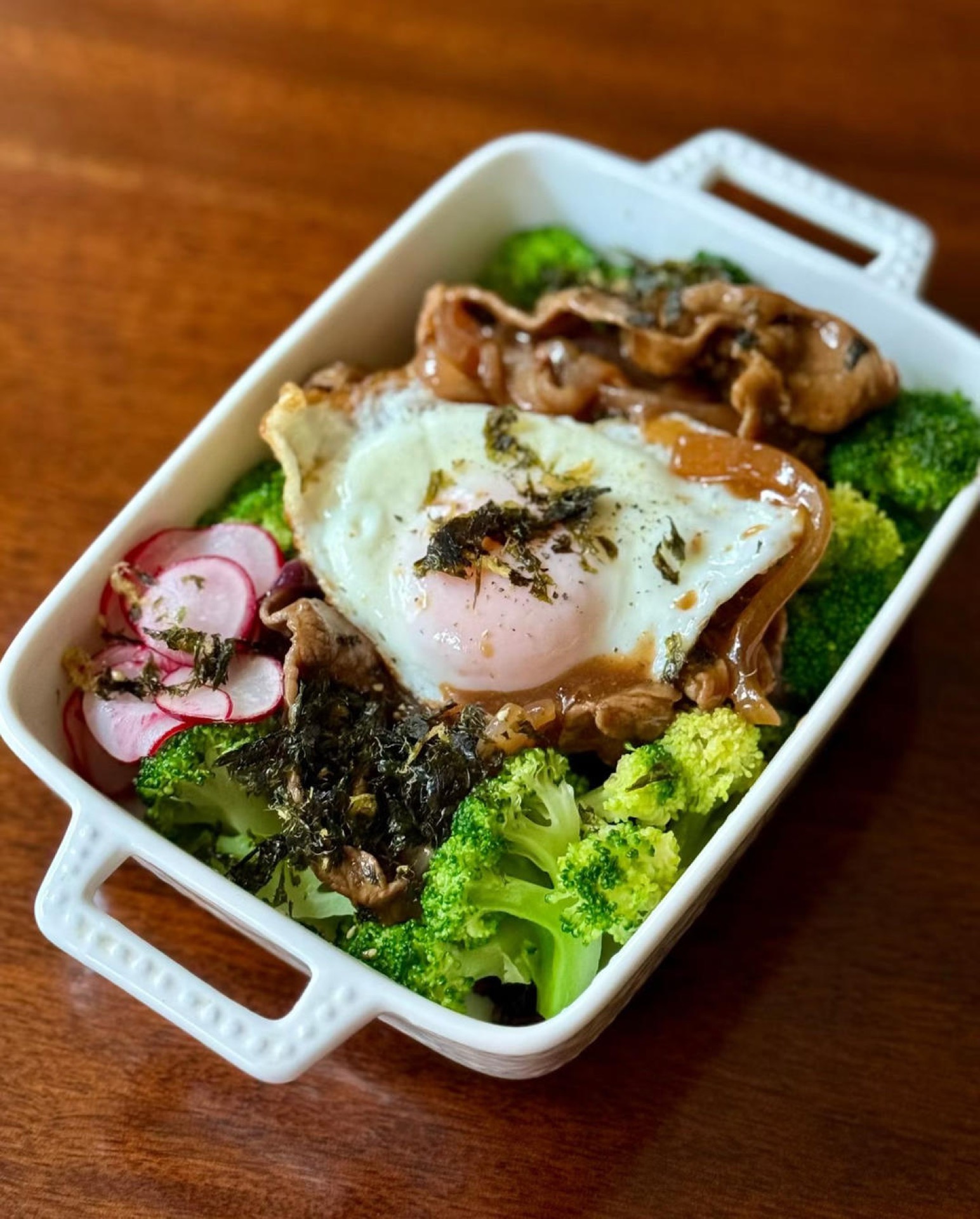
It comes together in about half an hour once the rice is cooked, and it is the sort of dinner that makes you wonder why you ever ordered takeout. The beef is rich, the grains are nutty, the pickle is sharp — three textures in one spoonful, and a sauce that pulls it all together.
What Is Wagyu Beef Over Multigrain Rice?
Wagyu beef over multigrain rice is a rice-bowl dish — a donburi-style arrangement in the Chinese home-kitchen idiom — built on a base of mixed whole grains rather than plain white rice. The grains (hulless barley, oat, black rice, purple rice, millet, buckwheat, or any blend you like) are steamed until chewy, then topped with thinly sliced beef that has been stir-fried with onion and finished in a soy, wine, and cornstarch glaze. Around it go blanched broccoli, a quick-salted radish pickle, and a fried egg.
The name in Chinese is 和牛杂粮饭 — literally “wagyu mixed-grain rice.” It sits in the same family as Japanese gyudon and Korean beef rice bowls, but the multigrain base changes the whole experience: more chew, more aroma, more fiber, and a flavor that stands up to the beef’s fat instead of disappearing under it.
Why multigrain instead of white rice? Whole grains such as barley, black rice, and oats keep their bran and germ, so they cook up firmer and more aromatic, and they hold their shape under a wet, glossy sauce. That firmness is what keeps the bowl from turning to mush once the glaze soaks in.
If you already love a beef vegetable rice bowl, this is the same idea with a chewier, more textured base and a slightly sweeter, stickier glaze.
1Easy Beef Vegetable Rice Bowl (Fatty Beef Rice)A quick, nutritious, and savory beef bowl featuring thinly sliced fatty beef, onions, carrots, and celery in a cumin-soy sauce. Better than takeout and ready in 20 minutes.Check out this recipe

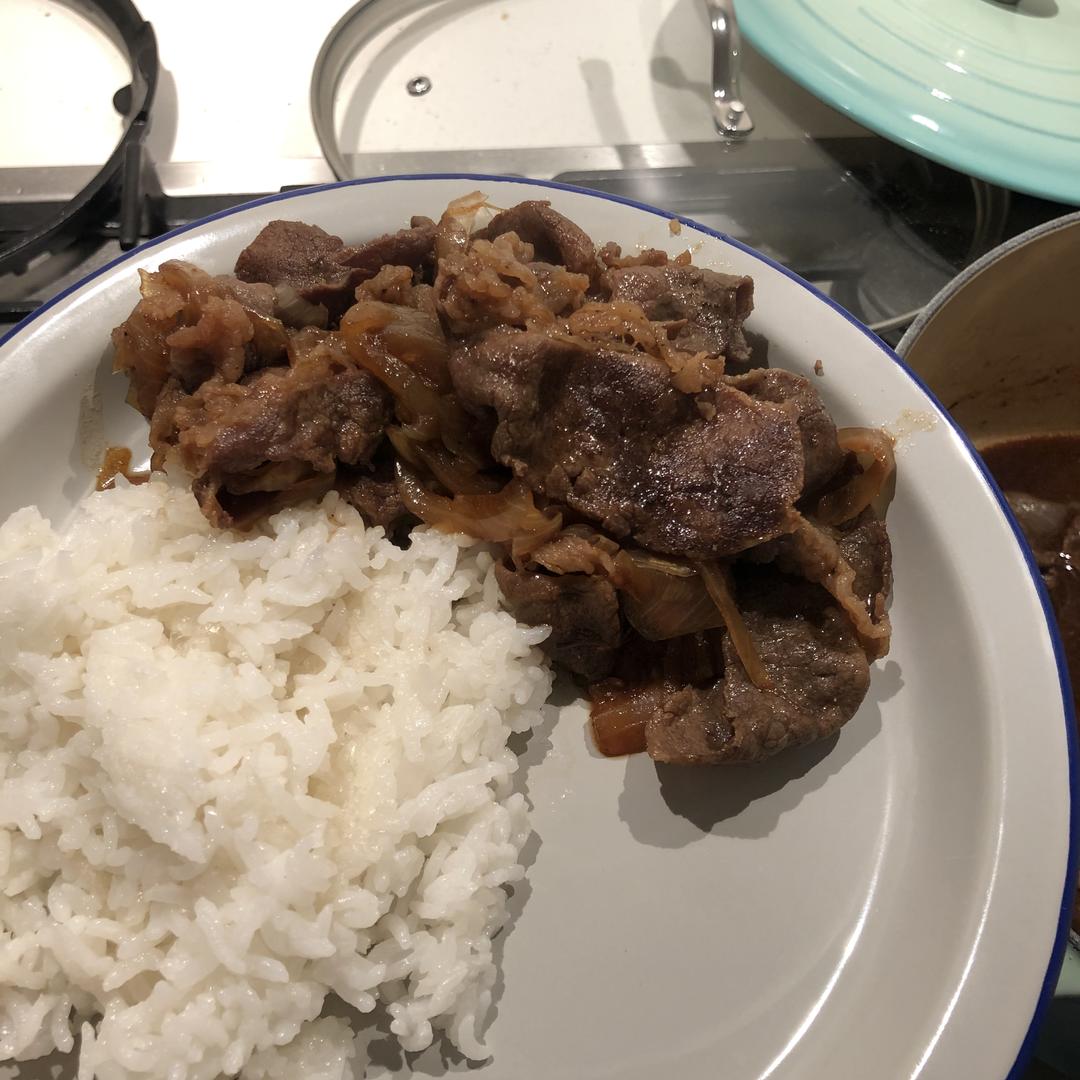
For a version built on short-grain rice with a gentler, simmered sauce, our simmered japanese style beef rice bowl is the closest cousin — same beef-and-onion logic, softer finish.
2Simmered Japanese-Style Beef Rice Bowl (Ri Shi Fei Niu Fan)Thinly sliced hot-pot beef simmered with onion in a sweet-savory mirin, sake and soy broth until glossy, then spooned over steamed rice. A comforting 35-minute Japanese-style beef bowl.Check out this recipe
And if you like the idea of beef and rice but want it fried and deeply savory instead of glazed, try our black truffle beef fried rice for a completely different take on the same pairing.
3Black Truffle Beef Fried RiceThis Black Truffle Beef Fried Rice is a quick luxury meal that uses the natural fat from beef patties to flavor the rice, combined with the earthy aroma of truffle sauce and savory mushrooms. Ready in under 20 minutes!Check out this recipe

Ingredient Notes
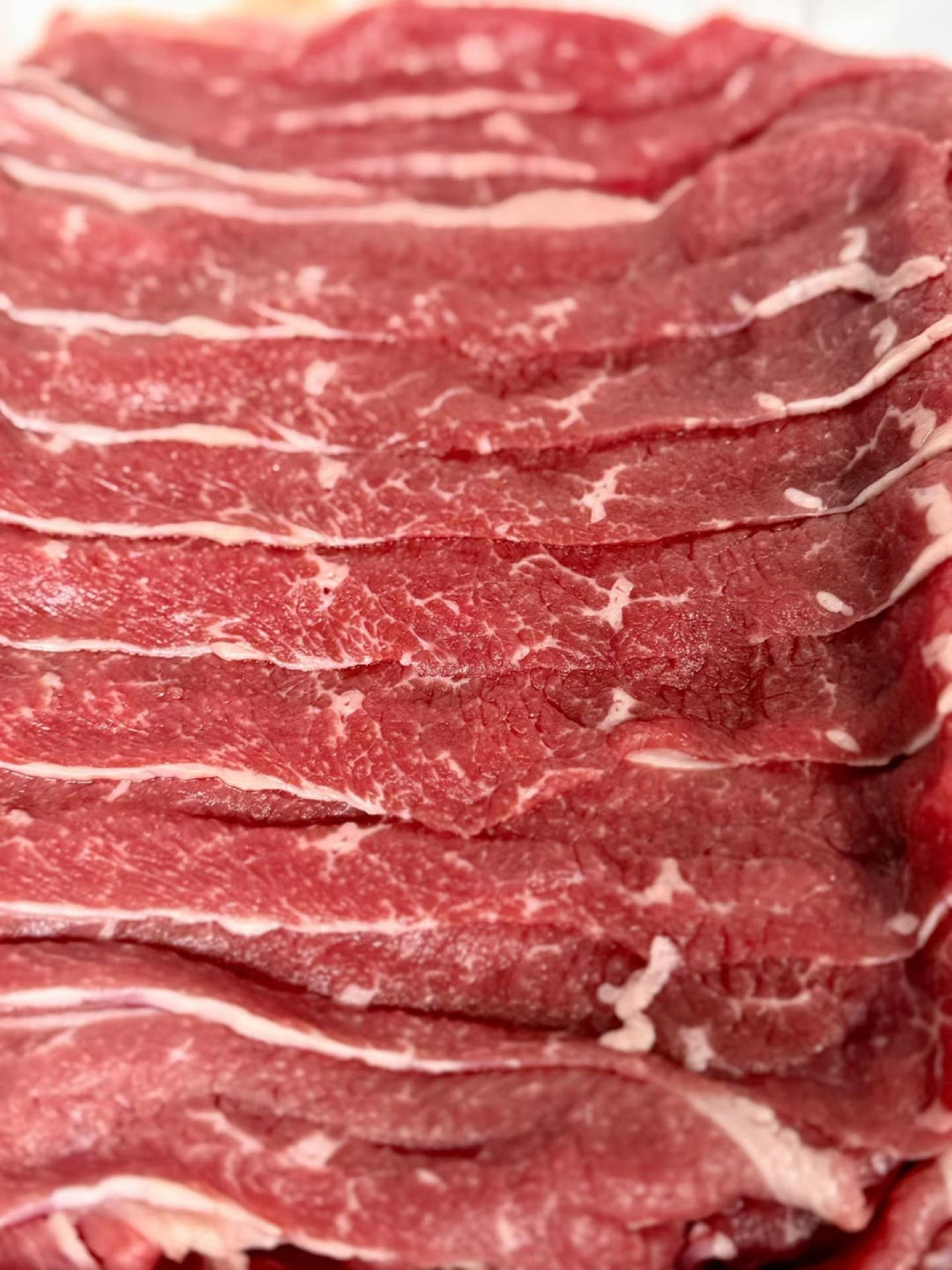
Australian wagyu beef. You want the thin-sliced rolls sold for hot pot, or a well-marbled chuck or short rib you slice yourself. Wagyu’s heavy marbling means it stays juicy even at a hard sear, but it also means it overcooks fast — pull it the moment the red goes pale. If you cannot find wagyu, regular fatty beef (肥牛) or thinly sliced ribeye works beautifully.
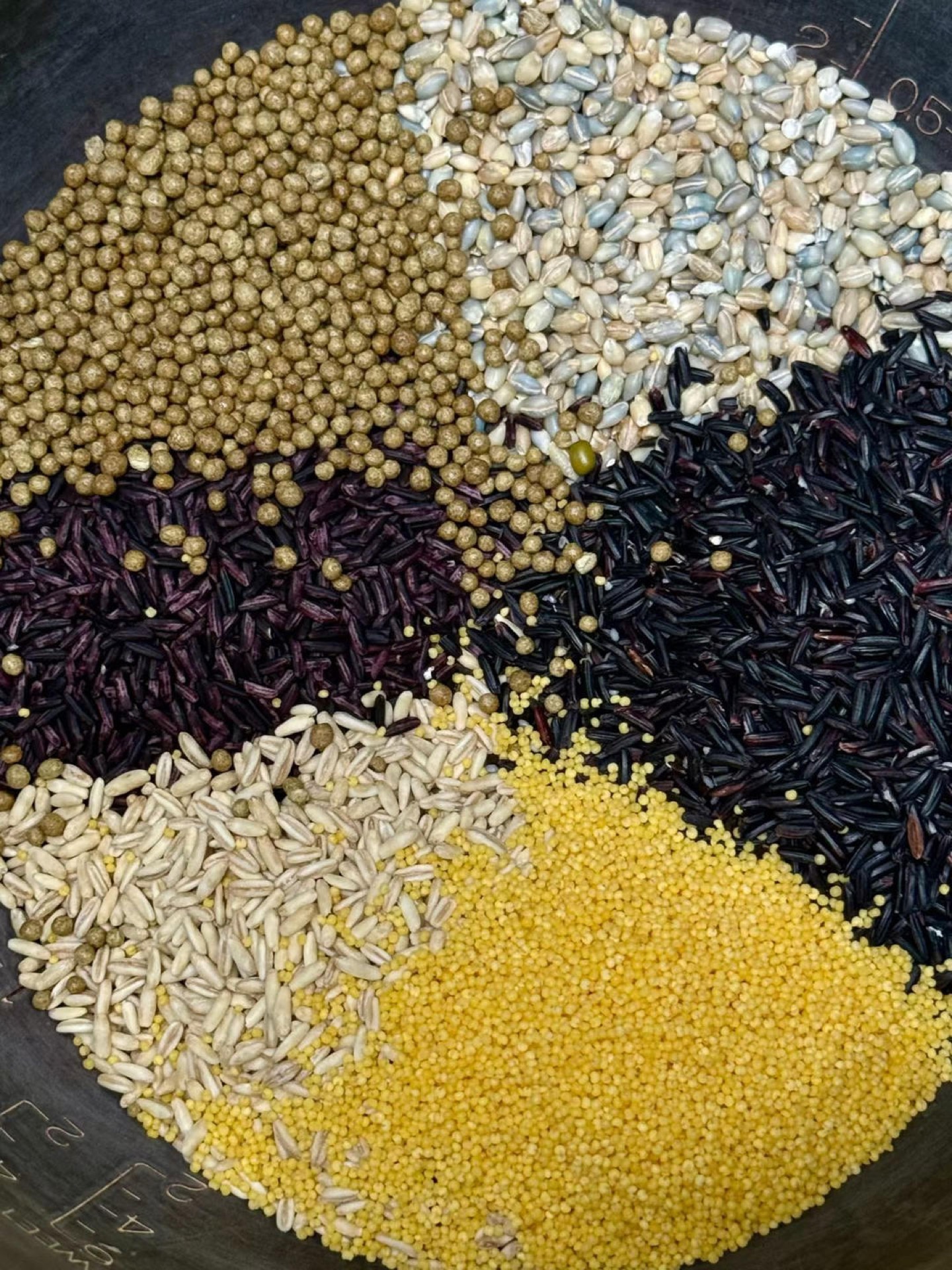
Multigrain rice. Any blend of hulless barley (青稞米), oat rice, black rice, purple rice, millet, and buckwheat works. Two practical notes: black and purple rice need a longer soak, and millet cooks faster than barley, so a blend with a lot of millet will be softer. Soak the grains for at least 4 hours (overnight is better) and use a little more water than you would for white rice — about 1¼ cups water per cup of grains.
Light soy sauce and dark soy sauce. Light soy brings the salt and the fresh soy aroma; dark soy brings color and a mild, almost molasses depth. You need both here — the glaze looks flat without the dark soy.
Shaoxing wine. A splash of Shaoxing wine rounds out the beefy flavor and cuts the sweetness of the sugar. Dry sherry is a fine substitute; skip it entirely rather than using a sweet cooking wine.
Cornstarch. This is what turns a thin sauce into a glaze that clings to the beef. A heaping tablespoon whisked into cool water before it hits the pan is the difference between a bowl and a soup.
Cherry radishes. These small, bright pink radishes pickle in minutes and give the bowl its crunch. Regular radishes or even thin-sliced cucumber will do in a pinch.
Broccoli. Blanch it briefly and drain it well — wet broccoli will water down the glaze at the bottom of the bowl.
Ingredients
Everything you need, in the order you will use it. Full amounts are in the recipe card at the bottom of this post.
- For the sauce: light soy sauce, dark soy sauce, Shaoxing wine, a pinch of sugar, cornstarch, and water
- For the bowl: thinly sliced Australian wagyu beef, a multigrain rice blend, broccoli, cherry radishes, eggs, onion, olive oil
- For the radish pickle: salt, sugar, white vinegar, and a pinch of umami seasoning
- To finish: toasted black sesame or seasoned seaweed flakes
Equipment Needed
You do not need much, and none of it is specialty gear.
- A rice cooker (or a heavy pot with a tight lid) for the grains
- A large nonstick pan or wok — nonstick matters here because the glaze is sticky
- A small bowl and whisk for the sauce
- A pot for blanching the broccoli
- A cutting board and a sharp knife
- A slotted spoon or spider for lifting the broccoli out of the water
- Four wide bowls for serving
Why This Recipe Works
The glaze is built to cling. Cornstarch slurry plus high heat equals a sauce that thickens in under a minute and coats every slice of beef instead of pooling at the bottom of the bowl. That is the whole trick behind the glossy look.
The beef goes in last and comes out fast. Onion first, beef second, sauce third — and the beef spends maybe two minutes in the pan total. Wagyu has enough intramuscular fat that a long cook only dries it out.
The pickle does the balancing. Beef with a sweet-soy glaze is rich. Salt-and-vinegar radish slices reset your palate between bites, which is why the bowl never feels heavy even with wagyu in it.
The grains carry the sauce. Firm, separate grains soak up glaze without collapsing, so you get a bowl where the rice tastes as good as the topping. If you are newer to cooking with a wok or a hot pan, our guide to beginner friendly chinese stir fry covers the heat-control basics that make this kind of quick sear reliable.
Prep & Mise en Place
This dish moves fast at the end, so do the slow parts first.
- Soak and cook the grains. Rinse the multigrain blend, soak it 4 hours or overnight, then cook it in the rice cooker with about 1¼ cups water per cup of grains. Start this before anything else.
- Thaw the beef. Submerge the sealed package in cool water, or move it to the refrigerator the night before.
- Mix the sauce. Whisk the light soy, dark soy, Shaoxing wine, sugar, cornstarch, and water in a small bowl until completely smooth. Let it sit while you cook — a slurry that has sat for a few minutes thickens more evenly.
- Pickle the radishes. Slice them paper-thin, toss with salt, sugar, white vinegar, and umami seasoning, and leave them alone. Ten minutes is enough; thirty is better.
- Blanch and dress the broccoli. Boil until just tender-crisp, drain thoroughly, then toss with salt, umami seasoning, and a drizzle of olive oil.
- Slice the onion. Thin half-moons, so they soften quickly and disappear into the sauce.
Once those six things are done, the actual cooking takes about eight minutes.
Cooking Process
Step 1 — Cook the Multigrain Rice
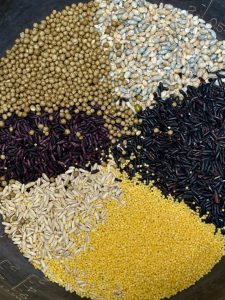
Rinse the hulless barley, oat, black rice, purple rice, millet, and buckwheat, then cook them with the water in a rice cooker until tender and chewy — mix your own blend freely, or use plain white rice if you prefer.
Step 2 — Defrost the Wagyu
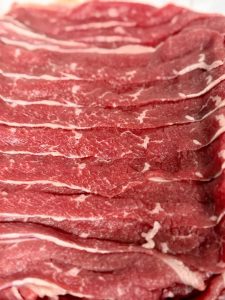
Thaw the sliced Australian wagyu ahead of time; the fastest way is to submerge the sealed package in a bowl of cool water for about 20 minutes.
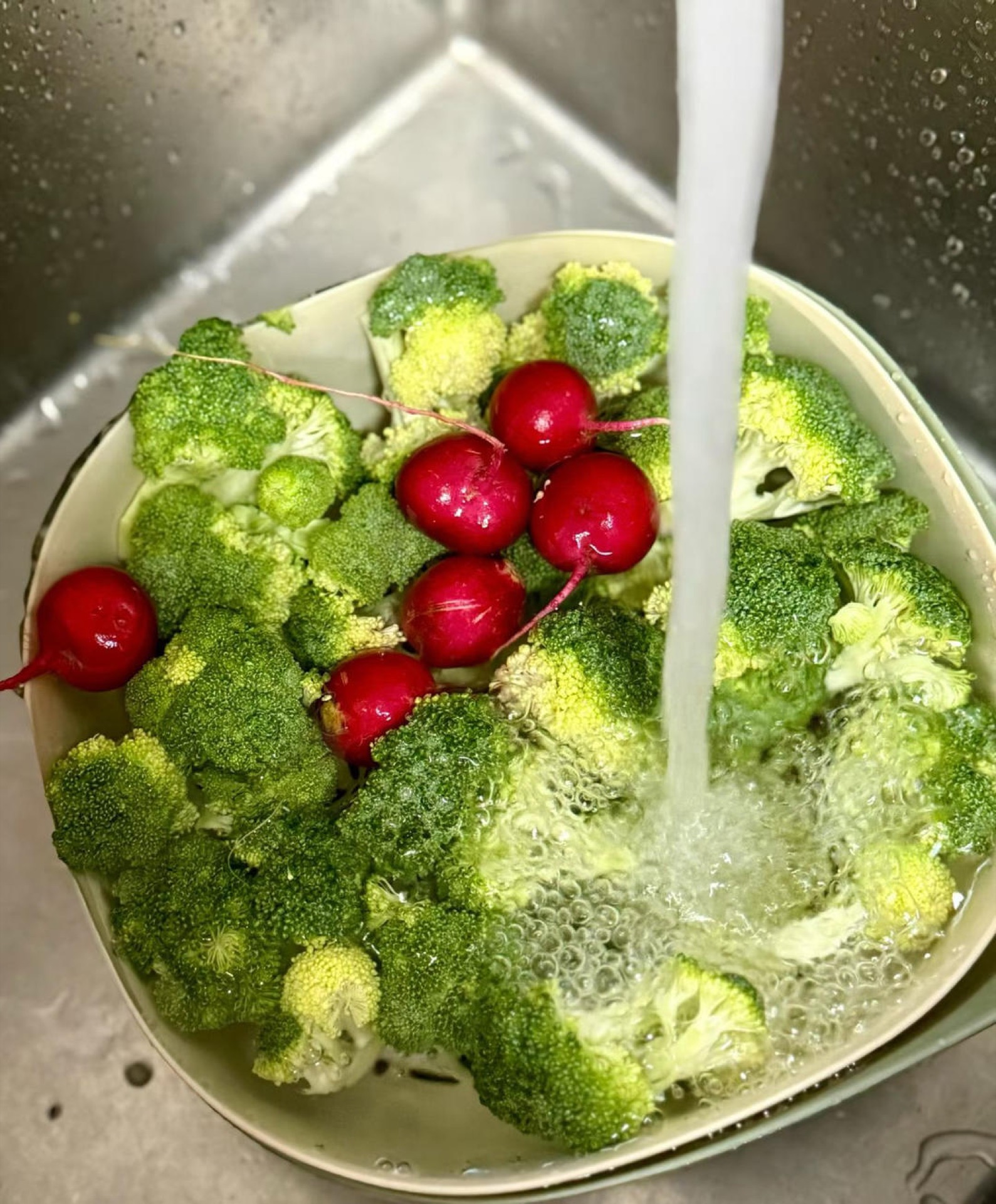
Step 3 — Prep the Vegetables
Wash the broccoli and cherry radishes; slice the radishes paper-thin and toss with salt, sugar, white vinegar, and a pinch of umami seasoning, then let them pickle while you cook. Blanch the broccoli, drain well, and dress with salt, umami seasoning, and a little olive oil if you like.
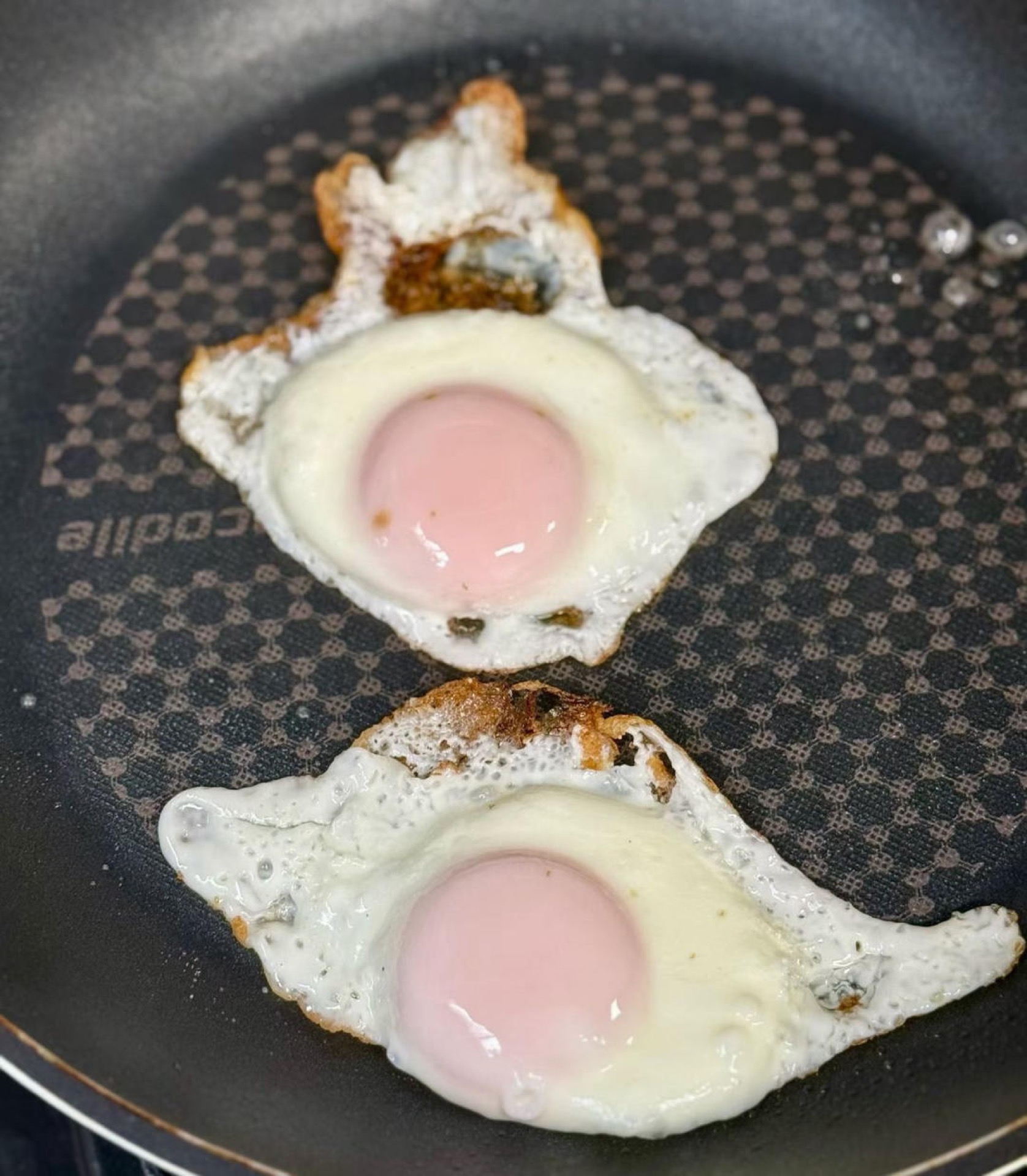
Step 4 — Fry the Eggs
Spray a nonstick pan with a little olive oil and fry the eggs on one side until the yolks are nearly set — adding a splash of water and covering the pan after the eggs go in steams the tops so the whites set while the yolks stay soft.
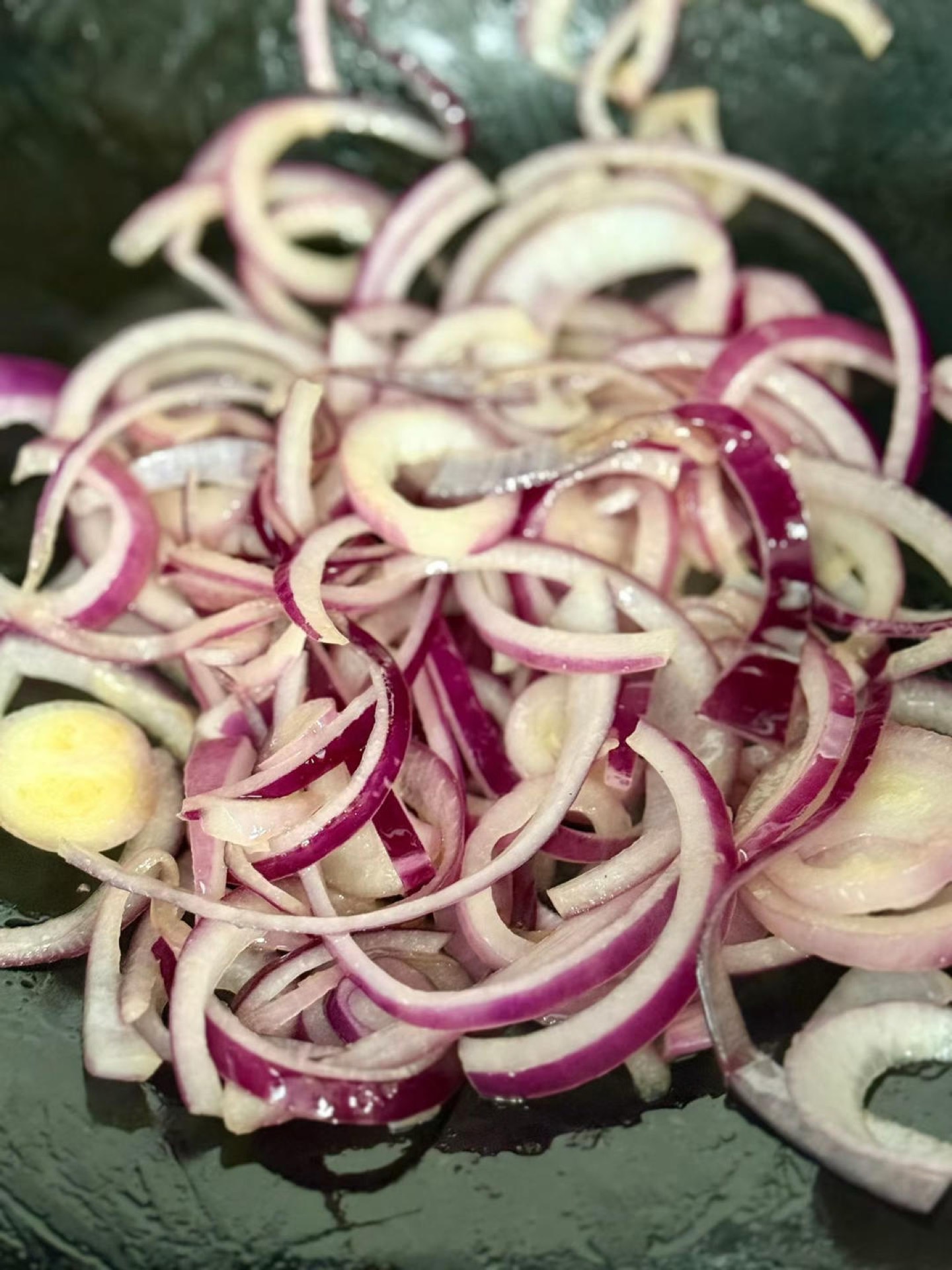
Step 5 — Soften the Onion
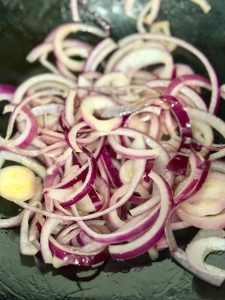
Add a little more olive oil to the pan and stir-fry the sliced onion until fragrant and soft.
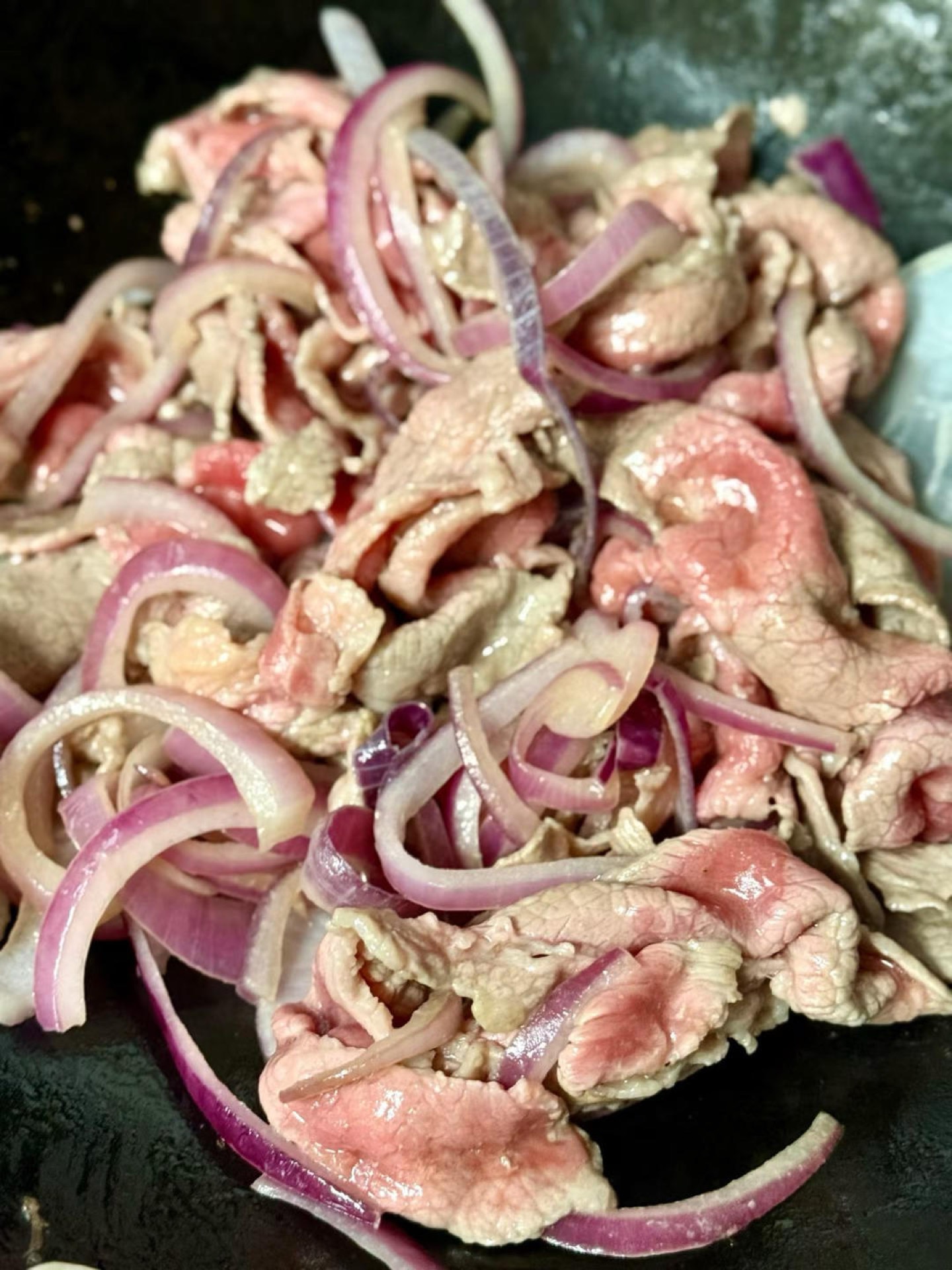
Step 6 — Sear the Beef
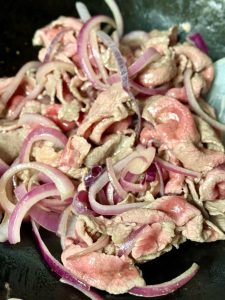
Add the Australian beef and stir-fry just until the color turns from red to pale brown.
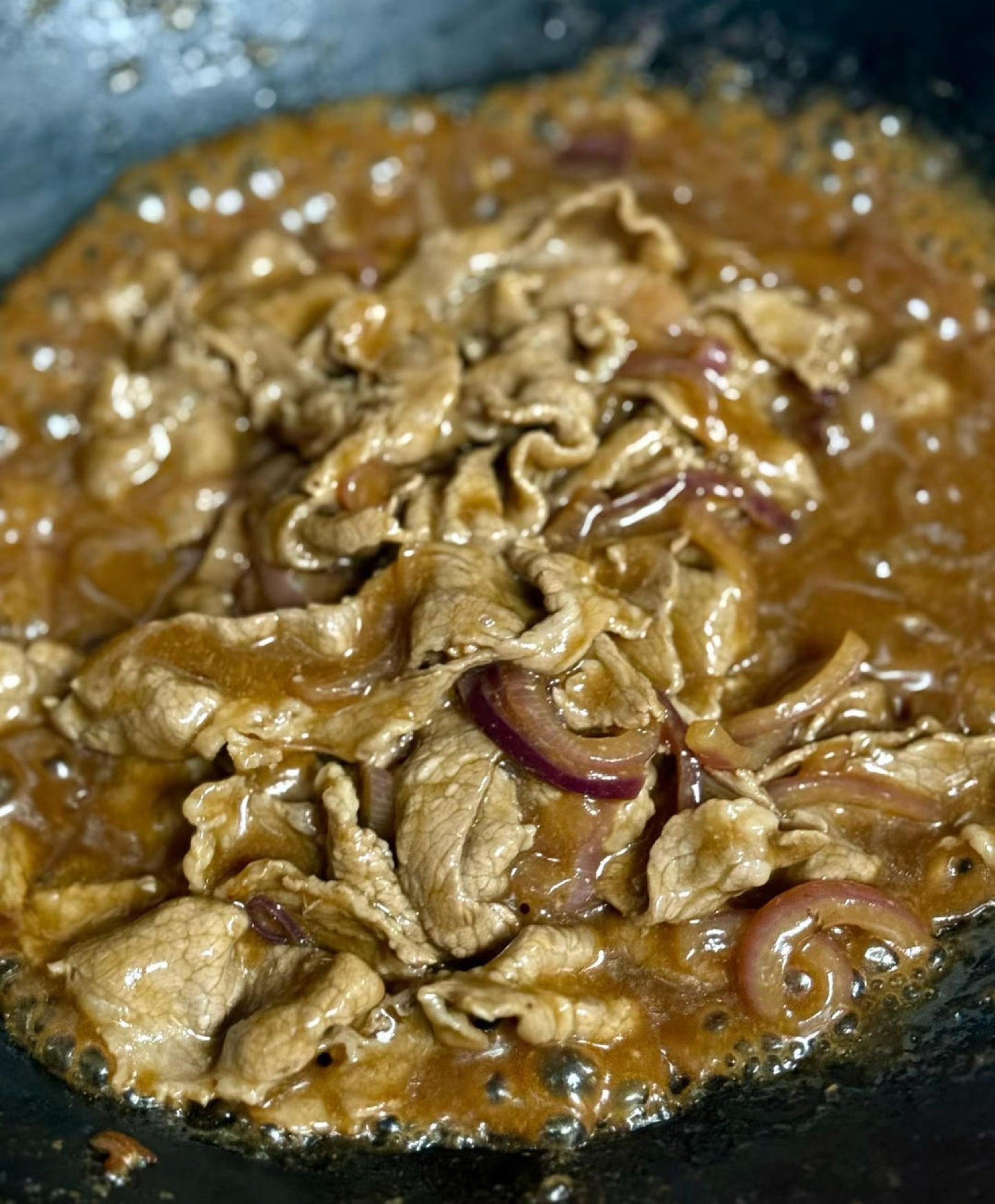
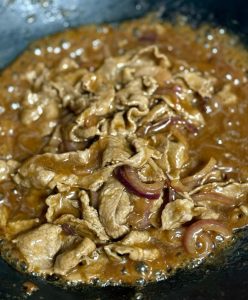
Step 7 — Glaze the Beef
Pour in the sauce you mixed ahead — 2 tablespoons light soy sauce, ½ tablespoon dark soy sauce, 1 tablespoon Shaoxing wine, a pinch of sugar, 1 heaping tablespoon cornstarch, and about three-quarters of a cup of water, stirred smooth — then reduce over high heat until thick and clingy, and taste to check the salt.
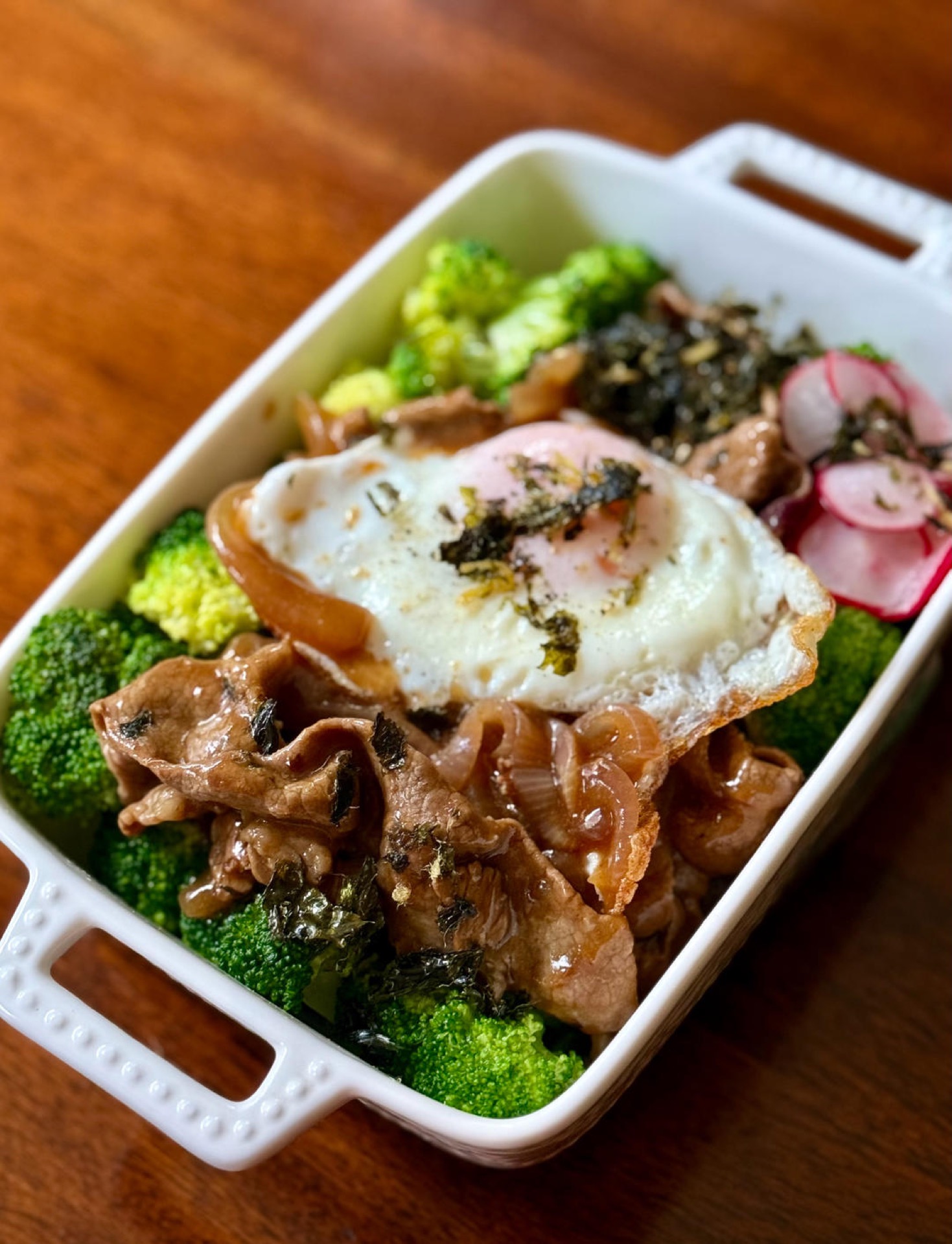
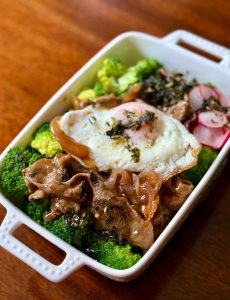
Step 8 — Assemble the Bowl
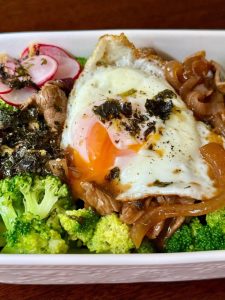
Mound the multigrain rice in a large bowl, arrange the broccoli, pickled radish, glazed beef, and fried egg on top, and finish with seasoned seaweed flakes, black pepper sea salt, or toasted black sesame.
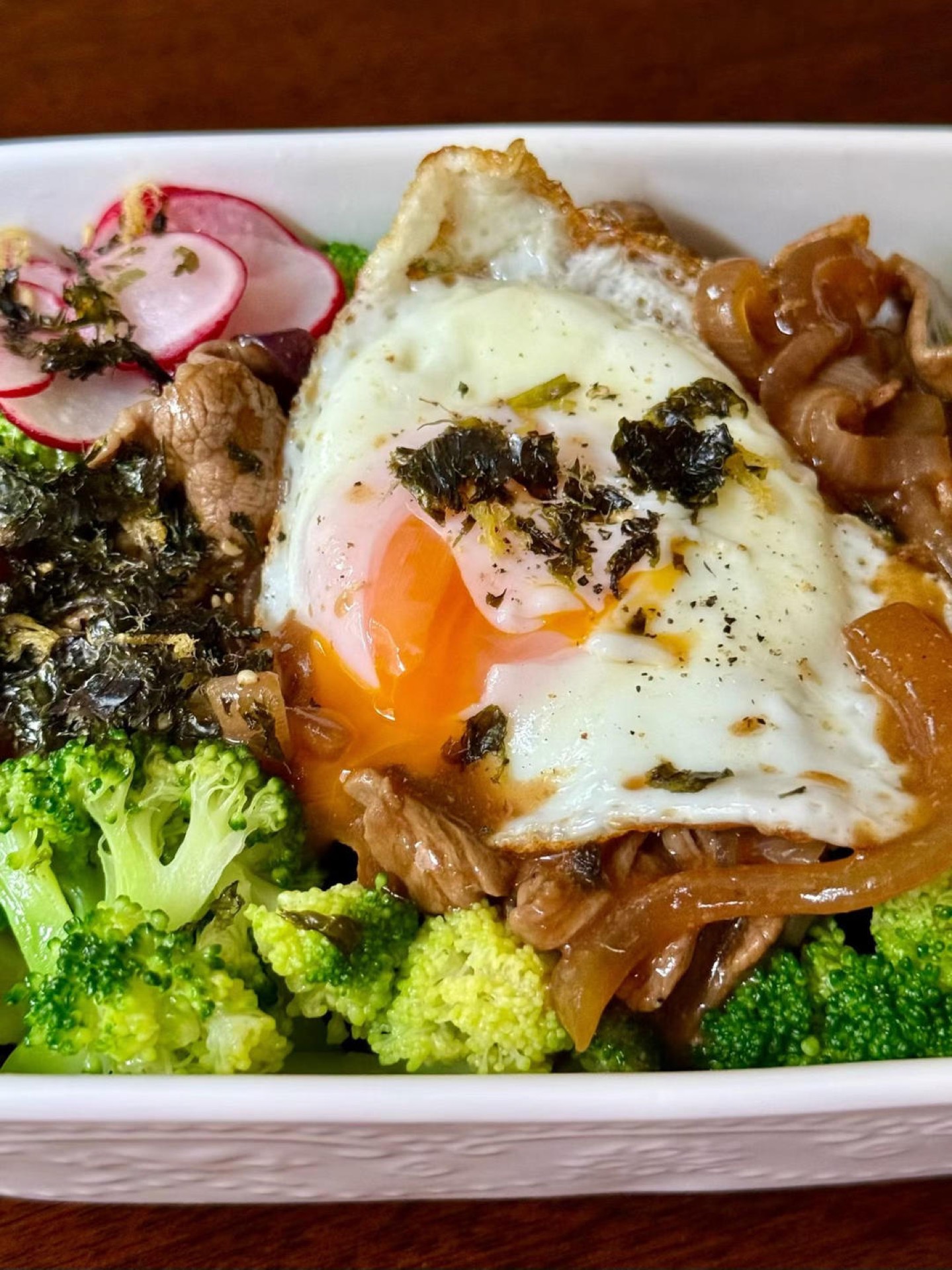
Step 9 — Serve
Dig in — this wagyu beef over multigrain rice is an outstanding light meal, and it tastes wonderful.
Common Mistakes When Making Wagyu Beef Over Multigrain Rice
1. Overcooking the wagyu. The mistake is leaving the beef in the pan until it looks “done.” The cause is that wagyu browns unevenly because of its fat, so it is easy to keep cooking and waiting for color. The fix: pull it as soon as the red turns pale, then let the sauce finish the job — the residual heat in the glaze cooks it through.
2. Adding the slurry to a cold pan. The mistake is pouring the sauce in before the pan is properly hot. The cause is impatience, or a pan that cooled down when the beef went in. The fix: let the pan come back up to temperature for 20 to 30 seconds after the beef is seared, then pour the sauce down the side of the pan, not onto the meat.
3. Making the sauce too salty. The mistake is tasting only at the very end. The cause is that soy sauce brands vary enormously in sodium, and the glaze reduces and concentrates as it thickens. The fix: use light soy as your base, add the dark soy for color, and taste after the sauce thickens — if it is too strong, loosen it with a splash of water rather than adding sugar, which will only make it sweeter.
4. Wet broccoli. The mistake is moving the broccoli straight from the blanching pot to the bowl. The cause is skipping the drain. The fix: drain it in a colander and give it a shake, or pat it dry — water on the vegetables thins the glaze and leaves a puddle under the rice.
5. Undercooked or mushy grains. The mistake is treating multigrain rice like white rice. The cause is that barley and black rice need both a soak and more water, while millet and buckwheat need less time. The fix: soak the blend for at least 4 hours, use about 1¼ cups water per cup of grains, and if your blend is millet-heavy, reduce the water slightly and check at the 25-minute mark.
6. Crowding the pan. The mistake is dumping a pound of beef into a small skillet. The cause is wanting to get dinner on the table. The fix: sear in two batches, or use a wide pan — crowded beef steams in its own juices and turns gray instead of getting those caramelized edges.
7. Burning the aromatics. The mistake is walking away while the onion browns. The cause is a pan that is hotter than you think. The fix: keep the onion moving, and if it starts to catch, drop the heat — our guide on how to cook garlic without burning applies to onions and scallions too.
Variations
White rice version. The original note says it plainly: plain white rice is fine. Use short-grain rice and reduce the water to your usual ratio — the bowl will be softer and sweeter, closer to a classic gyudon.
Spicier glaze. Add a teaspoon of chili garlic sauce to the slurry, or serve it on the side so each person can heat their own bowl.
Extra vegetables. Shredded carrot, spinach, or blanched snow peas all work. Add them raw or barely cooked so they keep their snap.
No egg. Skip the fried egg and finish with extra sesame and a drizzle of toasted sesame oil instead. The bowl is still complete.
Pork or chicken swap. Thin-sliced pork belly or chicken thigh works in the same glaze — if you go the pork route, our pan grilled pork belly technique gives you crisp edges that hold up well here.
Frequently Asked Questions
Can I use regular beef instead of wagyu? Yes. Look for thinly sliced fatty beef, ribeye, or chuck rolled and sliced thin. Sear it the same way, but expect a slightly less buttery texture — and be a little more careful about overcooking, since leaner cuts dry out faster.
Do I have to soak the multigrain rice? For barley, black rice, and purple rice, yes — a 4-hour soak (or overnight) is what makes them cook evenly and stay chewy. If your blend is mostly millet and buckwheat, a 30-minute soak is enough.
How thin should the beef be sliced? About ⅛ inch, or the thickness of the hot-pot rolls you buy frozen. If you are slicing it yourself, freeze the meat for 20 minutes first — firm beef slices far more evenly than soft beef.
Can I make this ahead for lunches? Yes, and it holds up well. Keep the pickle separate so it stays crisp, pack the beef and rice together so the glaze soaks in, and add the egg the day you eat it. Reheat to 165°F (74°C).
Is this actually a lighter meal? Compared with a white-rice version, the multigrain base adds fiber and makes the bowl more filling per bite, which is why it is often described as a light meal (减脂餐). The wagyu is still rich, so portion it sensibly.
How to Serve
This bowl is a complete meal on its own — protein, grains, and vegetables in one dish — but it also plays well next to a few other things on the table. On a cold night, a small bowl of creamy red bean and black rice porridge alongside it makes the whole spread feel warming and homestyle.
If you are feeding a crowd and want something to pass around, Shanghai sheng jian bao are a natural companion — crisp-bottomed, juicy, and easy to share. And for a sweet finish that takes ten minutes, crispy butter sugar toast is exactly the kind of dessert that follows a savory rice bowl well.



Storage & Reheat
Store the components separately when you can. The beef and rice go into one airtight container in the refrigerator for up to 3 days; the pickled radish and the broccoli keep better in their own small containers, also up to 3 days. The fried egg is best eaten fresh, but a cooked egg will hold in the refrigerator for up to 2 days.
To reheat, transfer the beef and rice to a bowl, cover loosely, and microwave in 30-second bursts until steaming — about 90 seconds total. Reheat to an internal temperature of 165°F (74°C). If the glaze has tightened in the refrigerator, add a teaspoon of water before reheating and stir it through. Do not reheat the pickle; serve it cold, straight from the refrigerator.
This dish does not freeze well. The grains become crumbly and the glaze separates, so it is best made and eaten within a few days.
Allergen Notice
This recipe contains soy (light and dark soy sauce), wheat (standard soy sauce and Shaoxing wine — use tamari and a gluten-free rice wine to make it wheat-free), and egg. Check your multigrain blend and any seaweed furikake for added wheat, sesame, or fish-based seasoning. If you are cooking for someone with a soy allergy, this dish is difficult to adapt — the soy sauce is the backbone of the glaze.
Nutrition Disclaimer
Nutrition information is calculated using an ingredient database and should be considered an estimate. In cases where multiple ingredient alternatives are given, the first listed is calculated for nutrition. Garnishes and optional ingredients are not included.
About the Author & Recipe Development
Hi, I’m Lin — I run Woks of Love, where I write about Chinese home cooking the way it is actually made in a home kitchen: fast, seasonal, and forgiving. This wagyu beef over multigrain rice grew out of a weeknight habit of keeping a cooked pot of mixed grains in the refrigerator and building bowls on top of it. The beef glaze is adapted from the classic soy-wine-starch formula used across Chinese stir-fries, and the pickle is the same quick radish preparation I make for pork feet and other rich braises, where something sharp on the plate matters. I test each recipe at least twice, once for technique and once for timing, before it goes up.
Authoritative References
For safe cooking temperatures and food handling, I follow the FDA Food Code and the USDA safe minimum internal temperature chart. For general food-safety guidance on leftovers and reheating, see the FDA cold food storage guidance.
Wagyu Beef Over Multigrain Rice (和牛杂粮饭): Juicy Wagyu Over Nutty

Equipment
- Nonstick pan
- Rice Cooker
- Mixing bowls
- Slotted Spoon
- Small Saucepan
Ingredients
For the Sauce
- 2 tbsp light soy sauce or tamari for gluten-free
- 0.5 tbsp dark soy sauce for color
- 1 tbsp Shaoxing wine or dry sherry
- 0.5 tsp sugar a small pinch
- 1 tbsp cornstarch heaping
- 0.75 cup water about half a large rice bowl
For the Bowl
- 1 lb Australian wagyu beef thinly sliced, frozen roll or hand-cut
- 2 cups multigrain rice hulless barley, oat, black, purple, millet, buckwheat
- 2.5 cups water for cooking the grains
- 1 head broccoli cut into small florets
- 8 cherry radishes thinly sliced
- 1 tsp salt for the radish pickle
- 1 tsp sugar for the radish pickle
- 1 tbsp white vinegar for the radish pickle
- 4 eggs fried soft-set
- 1 onion thinly sliced
- 1 tbsp olive oil plus spray for the pan
- 1 tsp toasted black sesame optional, to finish
- 1 tbsp seasoned seaweed flakes optional, to finish
Instructions
- Rinse the hulless barley, oat, black rice, purple rice, millet, and buckwheat, then cook them with the water in a rice cooker until tender and chewy — mix your own blend freely, or use plain white rice if you prefer.

- Thaw the sliced Australian wagyu ahead of time; the fastest way is to submerge the sealed package in a bowl of cool water for about 20 minutes.
- Wash the broccoli and cherry radishes; slice the radishes paper-thin and toss with salt, sugar, white vinegar, and a pinch of umami seasoning, then let them pickle while you cook. Blanch the broccoli, drain well, and dress with salt, umami seasoning, and a little olive oil if you like.

- Spray a nonstick pan with a little olive oil and fry the eggs on one side until the yolks are nearly set — adding a splash of water and covering the pan after the eggs go in steams the tops so the whites set while the yolks stay soft.

- Add a little more olive oil to the pan and stir-fry the sliced onion until fragrant and soft.
- Add the Australian beef and stir-fry just until the color turns from red to pale brown.
- Pour in the sauce you mixed ahead — 2 tablespoons light soy sauce, ½ tablespoon dark soy sauce, 1 tablespoon Shaoxing wine, a pinch of sugar, 1 heaping tablespoon cornstarch, and about three-quarters of a cup of water, stirred smooth — then reduce over high heat until thick and clingy, and taste to check the salt.
- Mound the multigrain rice in a large bowl, arrange the broccoli, pickled radish, glazed beef, and fried egg on top, and finish with seasoned seaweed flakes, black pepper sea salt, or toasted black sesame.

- Dig in — this wagyu beef over multigrain rice is an outstanding light meal, and it tastes wonderful.














Leave a Reply