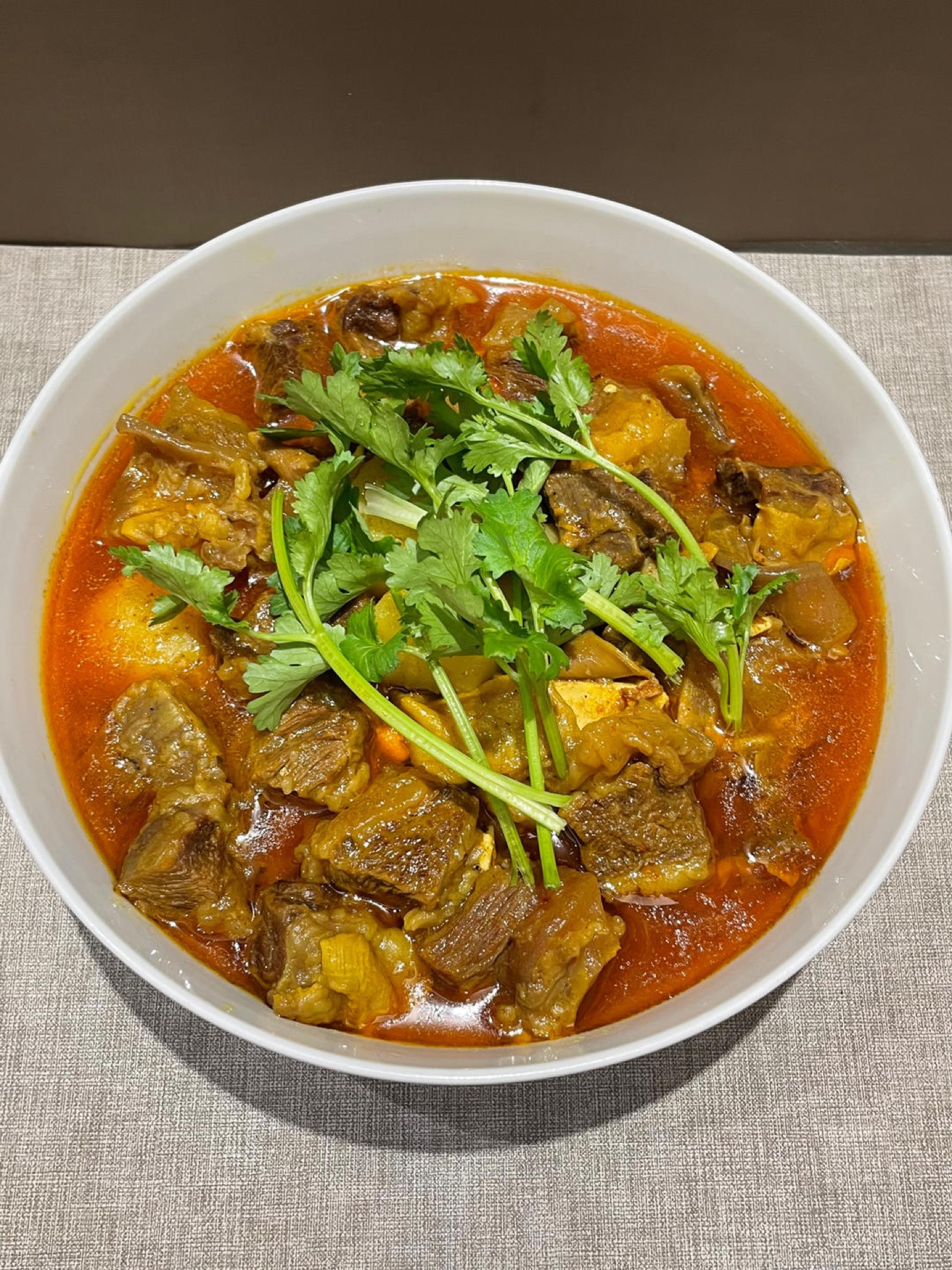
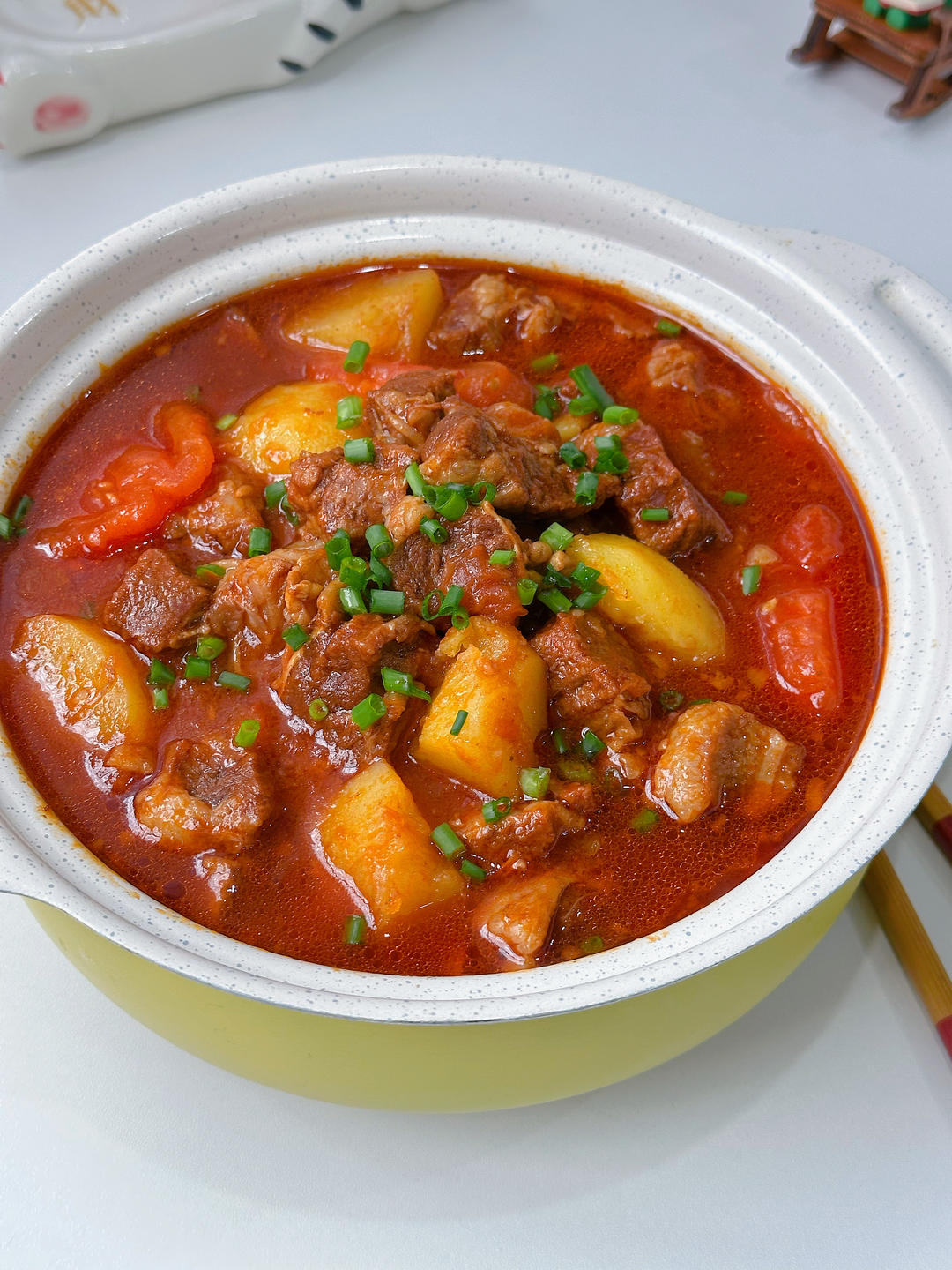
Some nights you want a dinner that cooks itself while you do everything else, and this curry beef brisket with tofu and potato is exactly that. Cubes of brisket go into the pot with ginger and scallion, get blanketed in a satay-curry sauce, and come out so tender a spoon cuts them. The tofu drinks up the gravy and turns custardy, the potato slumps into soft, creamy edges, and the whole thing smells like a Hong Kong kitchen on a cool evening.
What Is Curry Beef Brisket with Tofu and Potato?
Curry beef brisket with tofu and potato is a Cantonese home-style braise that marries two very different seasoning traditions. Beef brisket — the tough, deeply beefy cut that Chinese cooks have braised for centuries — is simmered with satay sauce and curry paste until it collapses into tenderness. Then tofu and potato go in for the last stretch of cooking, where they soak up the spiced gravy and turn the dish into something between a stew and a curry.
The satay-curry pairing is not a fusion accident. Hong Kong cooks have long kept both jars on the shelf, and the nutty, gently sweet satay rounds out the sharp edges of a curry powder blend. The result is milder and more aromatic than a Thai or Indian curry, with the soy-and-sesame undertone you only get in a Cantonese kitchen.
It is also a forgiving dish. The pressure cooker does the long work in under twenty minutes, and the tofu and potato are added late so they keep their shape instead of dissolving into the sauce. If you have ever made a creamy coconut curry beef brisket, you already know how well brisket takes to curry — this version trades coconut for satay and adds the tofu-potato duo.
Braised tofu dishes like this one share a single principle: the protein is only as good as the liquid it sits in. A well-seasoned braise will flavor tofu all the way through, which is why firm tofu pressed and added late beats soft tofu added early.
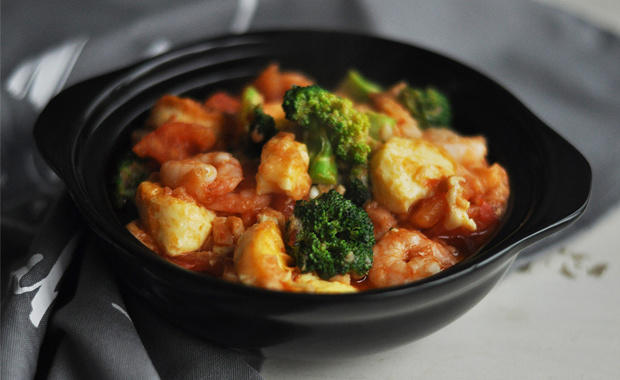
For a related braise that swaps beef for seafood, our braised egg tofu with shrimp and tomato shows how gently tofu behaves when it is simmered rather than stirred hard.
1Braised Egg Tofu with Shrimp and TomatoThis easy 20-minute clay pot style dish combines silky Japanese egg tofu, juicy shrimp, and crunchy broccoli in a savory and tangy tomato sauce. It is a perfect weeknight dinner that pairs beautifully with steamed rice.Check out this recipe
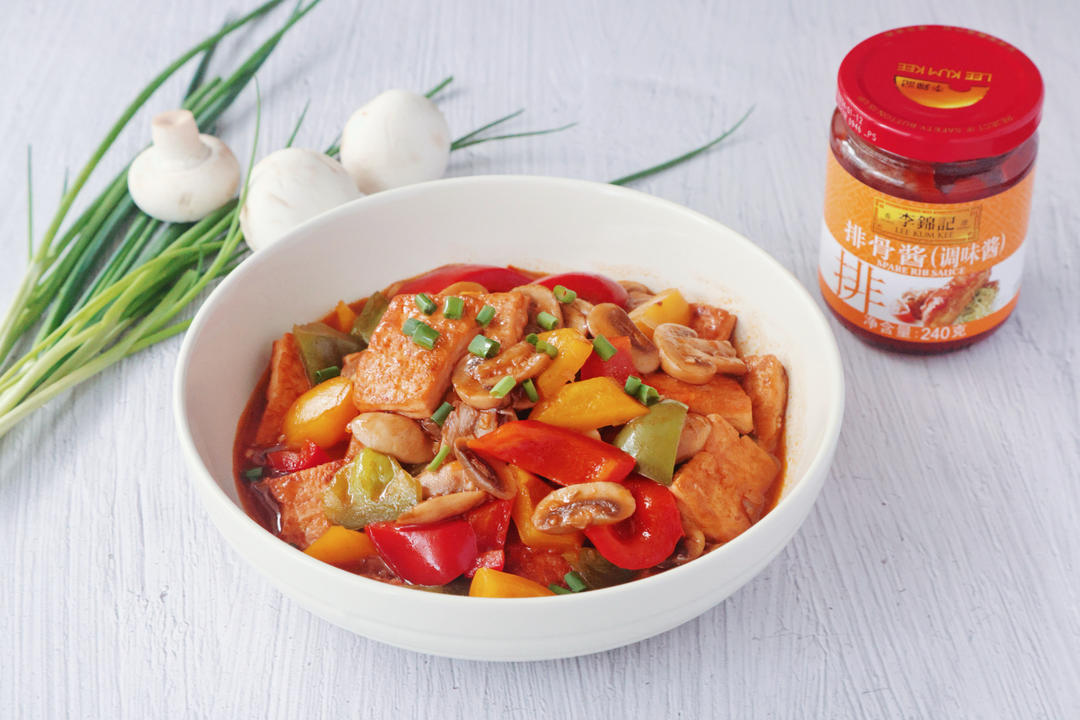
If you like the deep, savory character of a soy-based braise, braised tofu and mushrooms is the mushroom-forward cousin of this dish — same technique, different pantry.
2Braised Tofu and MushroomsA rich, savory vegetarian dish featuring pan-fried tofu and mushrooms braised in a chef-secret Spare Rib sauce. Tastes better than meat!Check out this recipe
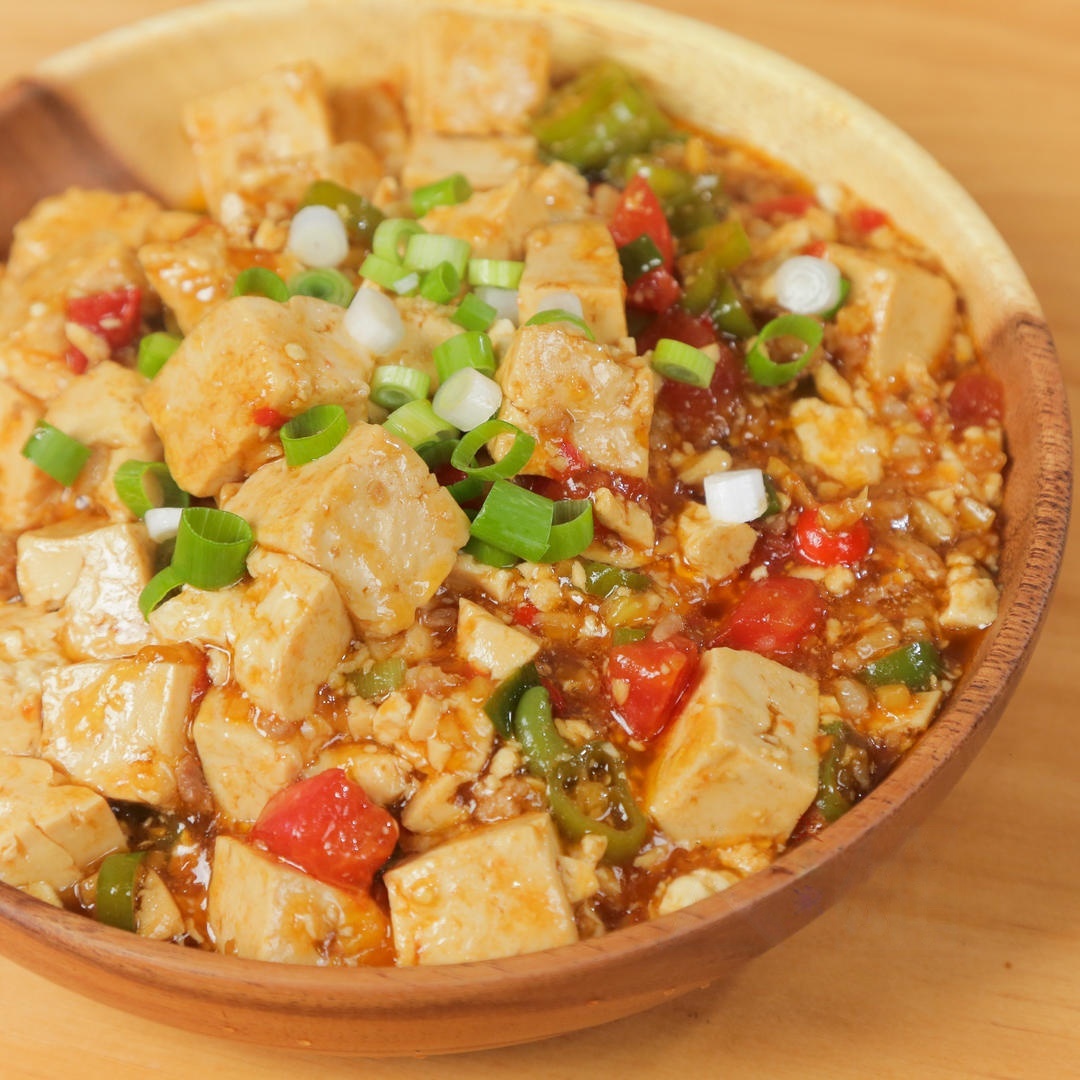
And when you want heat with your tofu, braised tofu with fresh chilis and minced pork brings the chili-and-pork version of the same braising method.
3Fresh Chili Tofu with Minced Pork (鲜椒肉末豆腐)A fast, 15-minute Sichuan homestyle favorite. Silky tofu and savory minced pork braised with fresh chilis and tomatoes for a bright, ‘rice-killing’ flavor profile.Check out this recipe
Why This Recipe Works
Three things make this dish reliable. First, the brisket is parboiled before it hits the wok, which rinses away the impurities that would otherwise cloud the sauce and leaves the meat ready to absorb flavor. Second, the aromatics — ginger and scallion — are fried in oil first, so their fragrance is carried into the fat and then into the liquid. Third, the tofu and potato go in only after the beef is tender, which is the single most important timing decision in the whole recipe.
Pressure cooking is the shortcut that makes this a weeknight dish. Eighteen minutes under pressure does what two hours of stovetop simmering would do, breaking down the connective tissue in the brisket into gelatin that thickens the sauce as it cools. The potato then releases its own starch into the gravy, giving it a body you would otherwise need cornstarch to achieve.
Finally, the satay-curry combination is balanced on purpose: soy sauce for salt and umami, a pinch of sugar to round the spice, and enough hot water to keep the braise loose while it cooks. The sauce reduces a little at the end and coats the back of a spoon, which is exactly where you want it before serving over rice.
Equipment Needed
A wok or wide skillet handles the initial searing and the sauce build, and its sloped sides make tossing the beef easy. You will also need a pressure cooker or Instant Pot for the braise — a heavy Dutch oven works too, but plan on 1.5 to 2 hours of simmering instead of 18 minutes. A cutting board and a sharp knife matter more than usual here, because brisket cubes need to be even so they cook at the same rate.
Have a slotted spoon ready for lifting the parboiled beef out of its water, and a large pot for the parboiling step. If you plan to serve this with rice, start the rice cooker before you begin so everything lands on the table at once. A ladle helps you portion the gravy without dragging all the solids with it.
Ingredients
Beef brisket is the star. Look for a piece with good marbling and a visible layer of connective tissue; that collagen is what turns into gelatin and gives the sauce its glossy body. One and a half pounds feeds four generously once the tofu and potato are in the pot. If brisket is unavailable, chuck roast or short rib meat will braise similarly.
Satay sauce and curry paste are the flavor engine. Satay sauce brings peanut, sesame and a gentle sweetness; curry paste brings turmeric, cumin, coriander and chili. Together they make a sauce that is aromatic rather than fiery. Firm tofu holds its cube shape through the simmer, and a single large potato — a waxy or all-purpose variety — gives the gravy its creamy finish.
Ginger and scallion are the aromatic base, and light soy sauce plus a teaspoon of sugar finish the seasoning. Hot water, not cold, goes into the wok so the braise does not stall when the liquid hits the seared meat.
Ingredient Notes
Beef brisket: Ask your butcher for the point end if you can — it has more fat and marbling than the flat, which means more forgiving braising. Cut against the grain into 1-inch cubes so each piece has some surface area to brown and some interior to turn gelatinous. If you are working with a whole packer brisket, separate the flat and point and use the point here.
Satay sauce: Chinese satay sauce (沙茶酱) is thicker and more savory than Southeast Asian peanut satay, with dried shrimp and sometimes chili oil in the mix. If yours is very salty, cut the soy sauce to two teaspoons and taste before adjusting.
Curry paste: A Cantonese or Malaysian curry paste works best. Thai red curry paste is a fine substitute but is sharper and less sweet, so add an extra half teaspoon of sugar. If you only have curry powder, bloom two tablespoons in the oil with the aromatics before adding water.
Tofu: Firm or extra-firm only. Press it for 15 minutes between paper towels and a weighted plate so it does not weep water into the sauce. Soft or silken tofu will break apart during the ten-minute simmer.
Potato: Yukon Gold or a similar all-purpose potato gives creamy edges without turning to mush. Russets work but tend to dissolve, which thickens the gravy faster — reduce the simmer to 8 minutes if you use them.
Light soy sauce: Light soy is saltier and thinner than dark soy. Do not substitute dark soy one-for-one or the sauce will turn muddy and too sweet. Tamari is a good gluten-free swap.
Prep & Mise en Place
Parboil the brisket first: cover the cubes with cold water, bring to a boil, and simmer for 5 minutes. Drain and rinse away the grey foam. This step is not optional — it is what keeps the final sauce clean-tasting instead of muddy.
While the beef parboils, smash the ginger with the flat of your knife and cut the scallions into 2-inch lengths. Peel the potato and cut it into 1-inch chunks, then hold it in cold water so it does not brown. Press and cube the tofu. Measure the satay sauce, curry paste, soy sauce and sugar into a small bowl so they go into the wok in one motion.
Boil about three cups of water and keep it hot. When everything is within arm’s reach, you are ready to cook — the whole process moves quickly once the wok is hot, and there is no time to hunt for a jar mid-sizzle.
Cooking Process
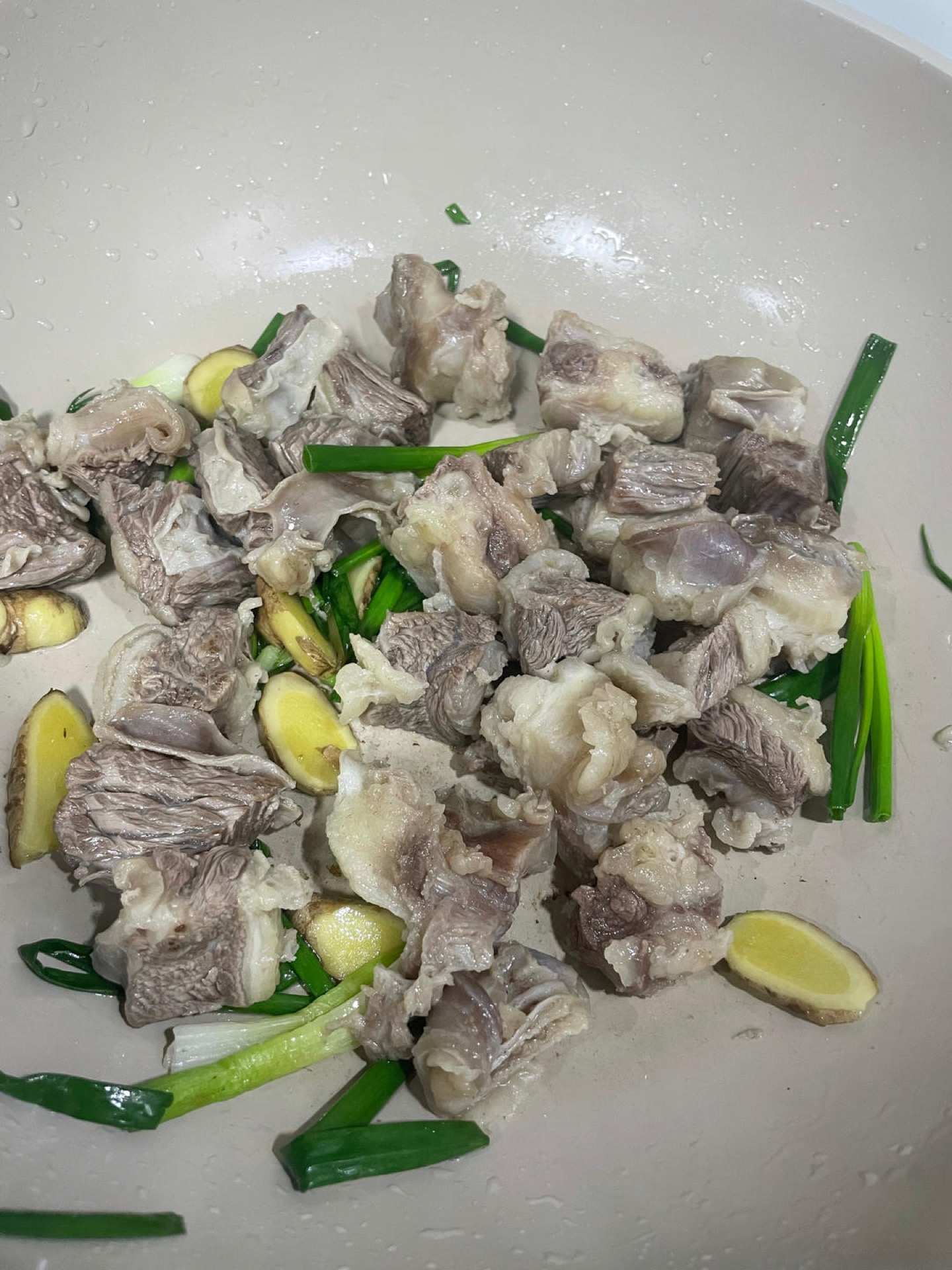
Step 1 — Aromatics and Beef
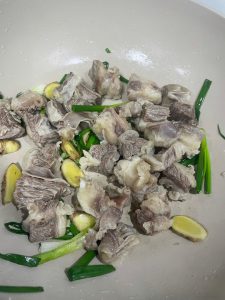
Heat a little oil in a wok, add the ginger and scallion and stir until fragrant, then add the parboiled beef brisket and toss for a few minutes.
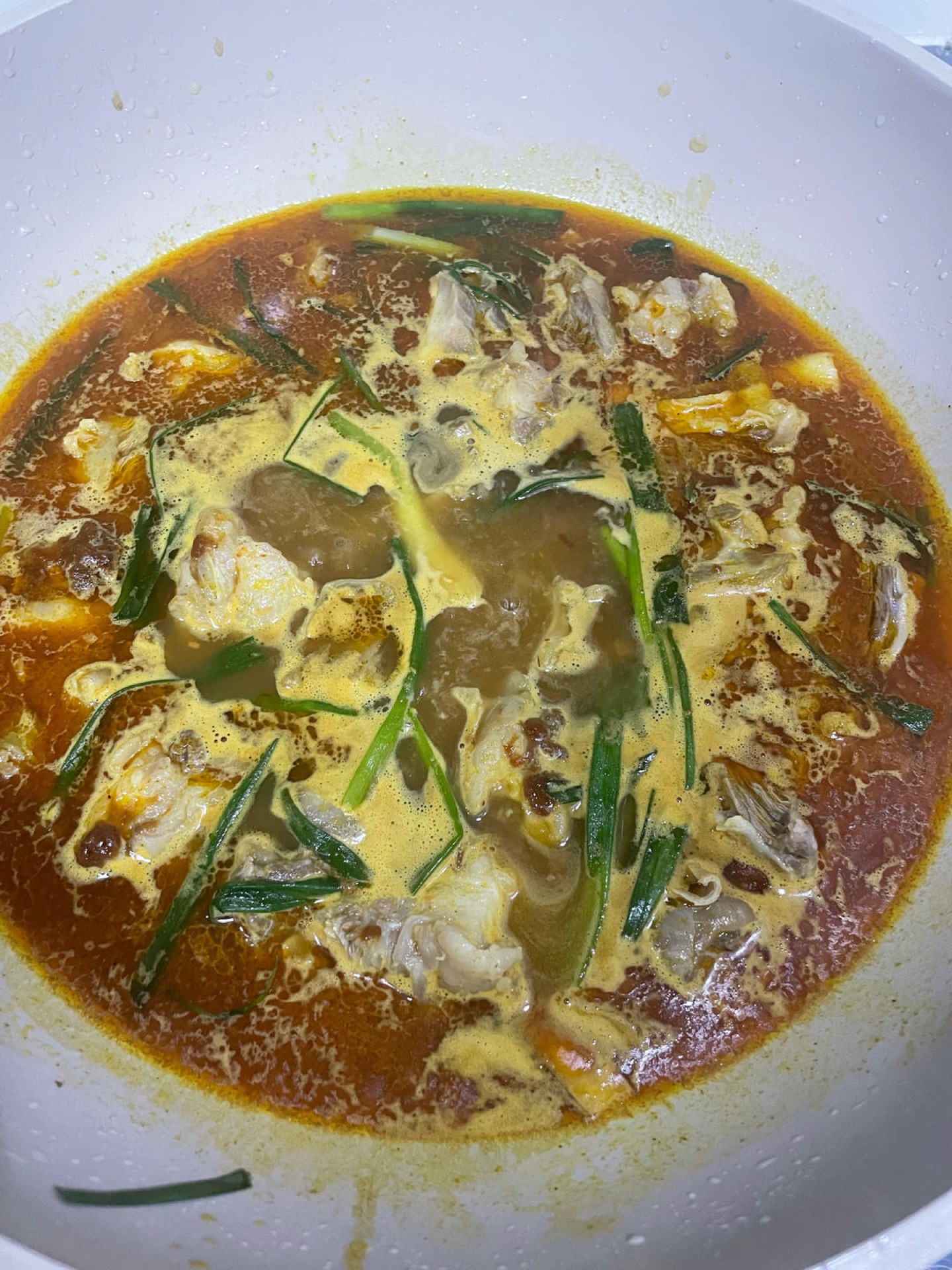
Step 2 — Build the Sauce
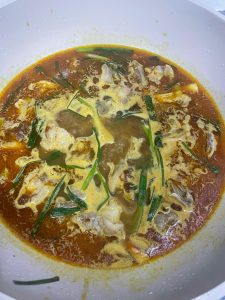
Pour in a generous amount of hot water, stir in the satay sauce and curry paste, and bring everything to a boil.
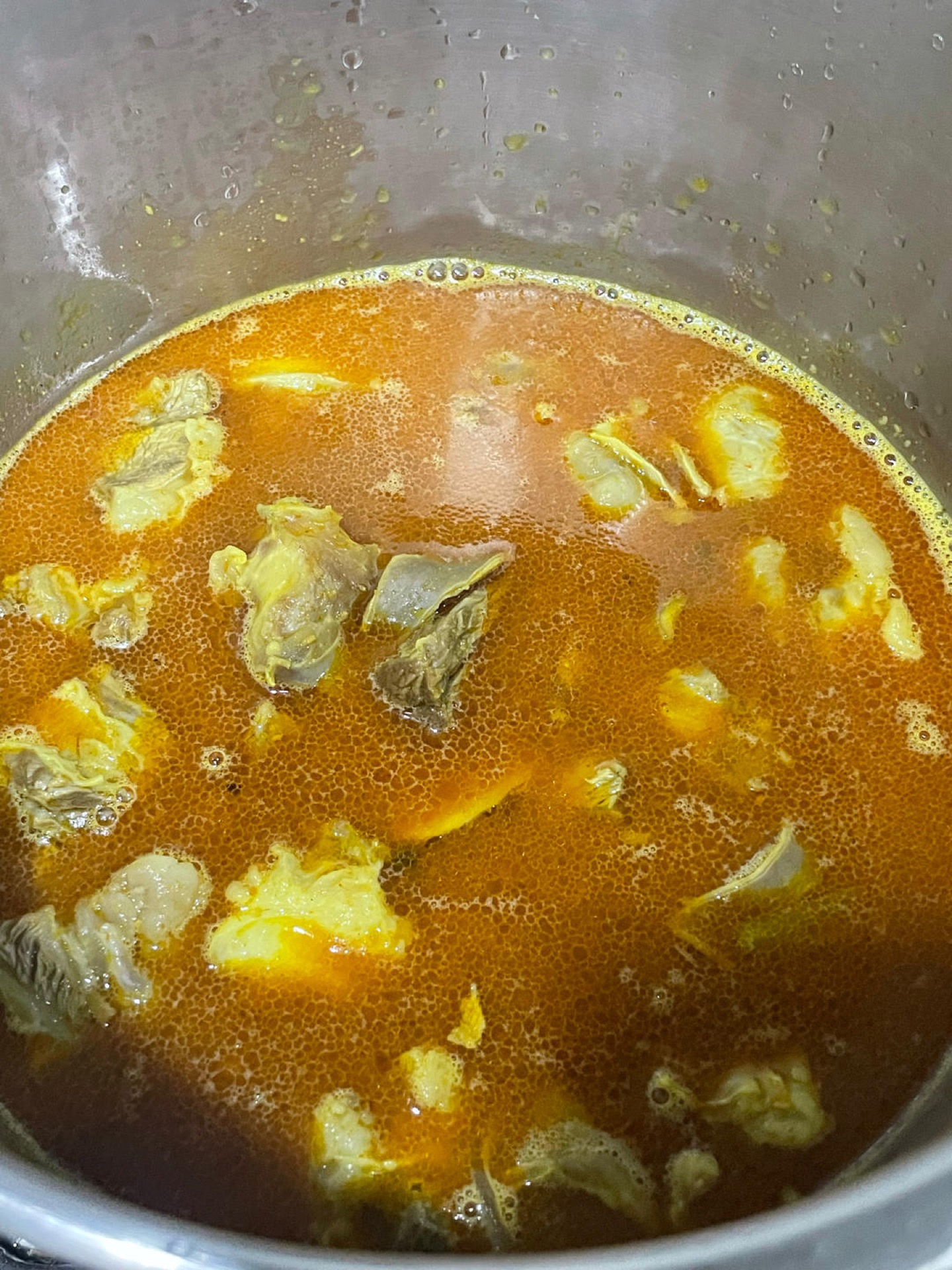
Step 3 — Pressure Cook
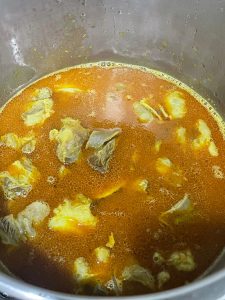
Transfer the mixture to a pressure cooker and cook over low heat for 18 minutes once it comes up to pressure.
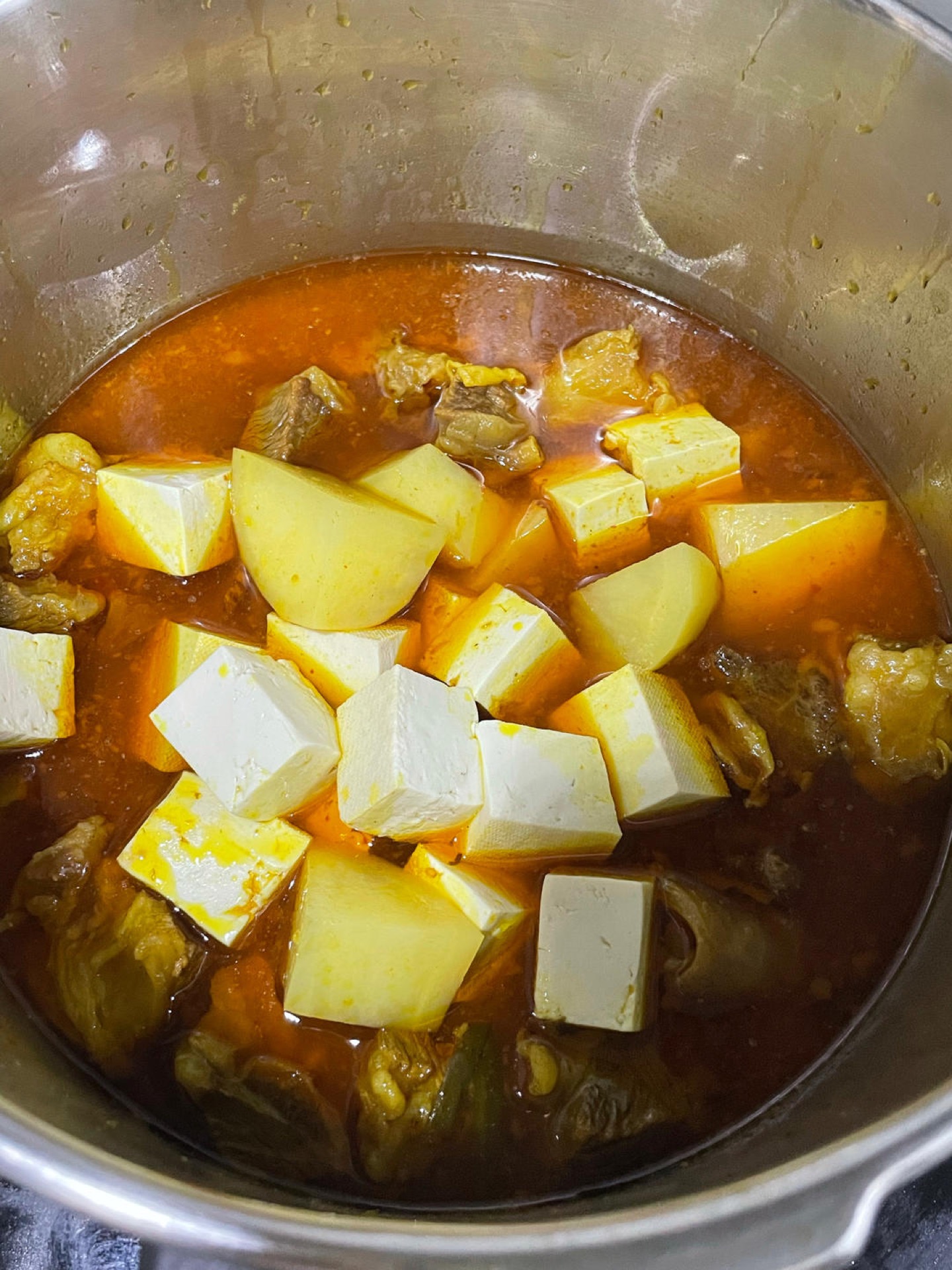
Step 4 — Add Tofu and Potato
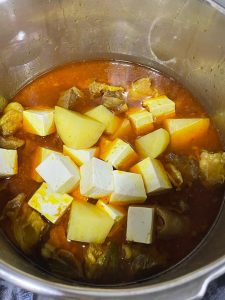
Open the lid and add the tofu and potato.
Step 5 — Simmer Gently
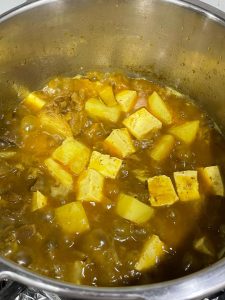
Simmer over low heat for 10 minutes until the potato is tender.
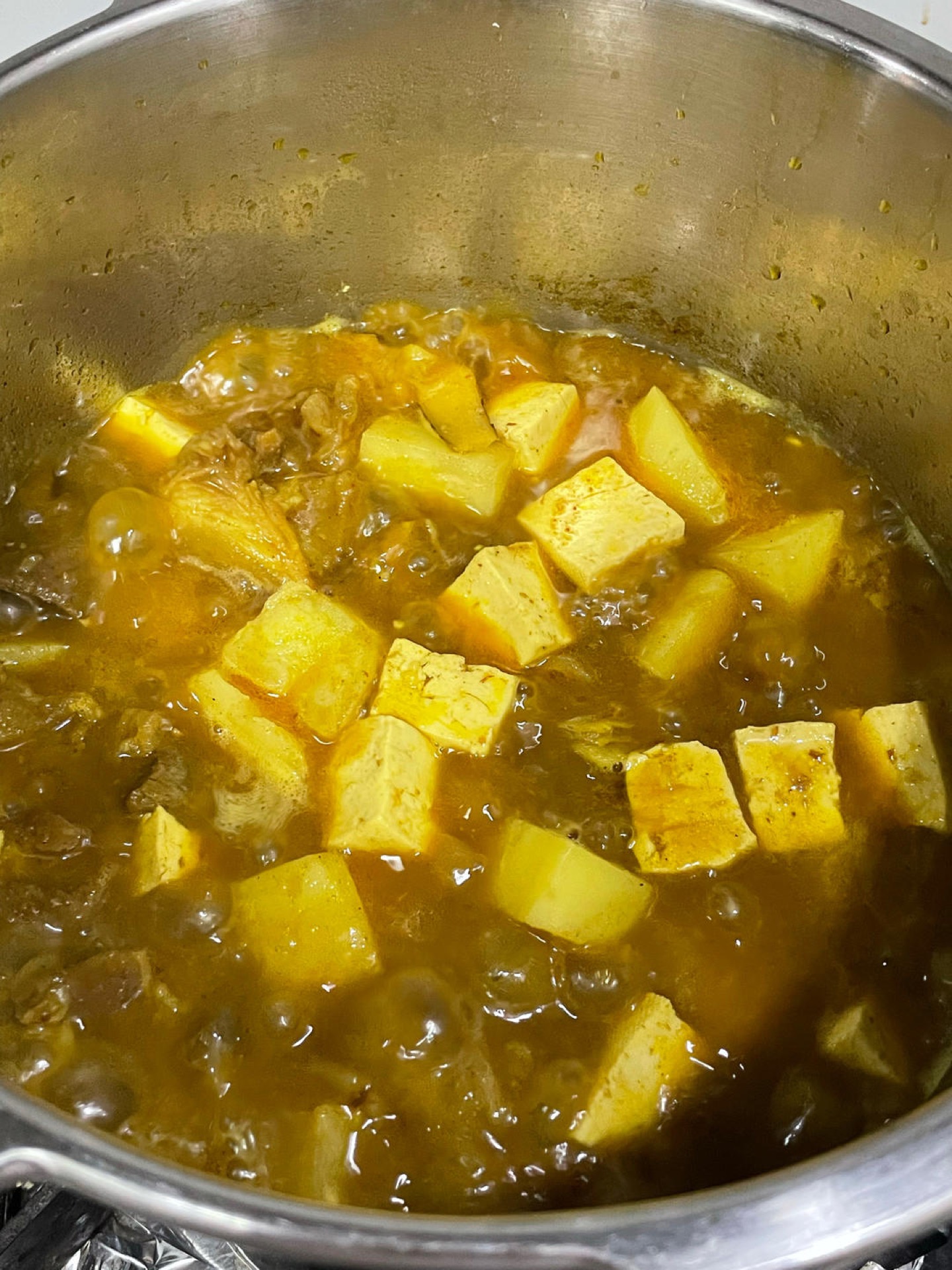
Step 6 — Tender and Flavorful
The beef is now soft and deeply seasoned.
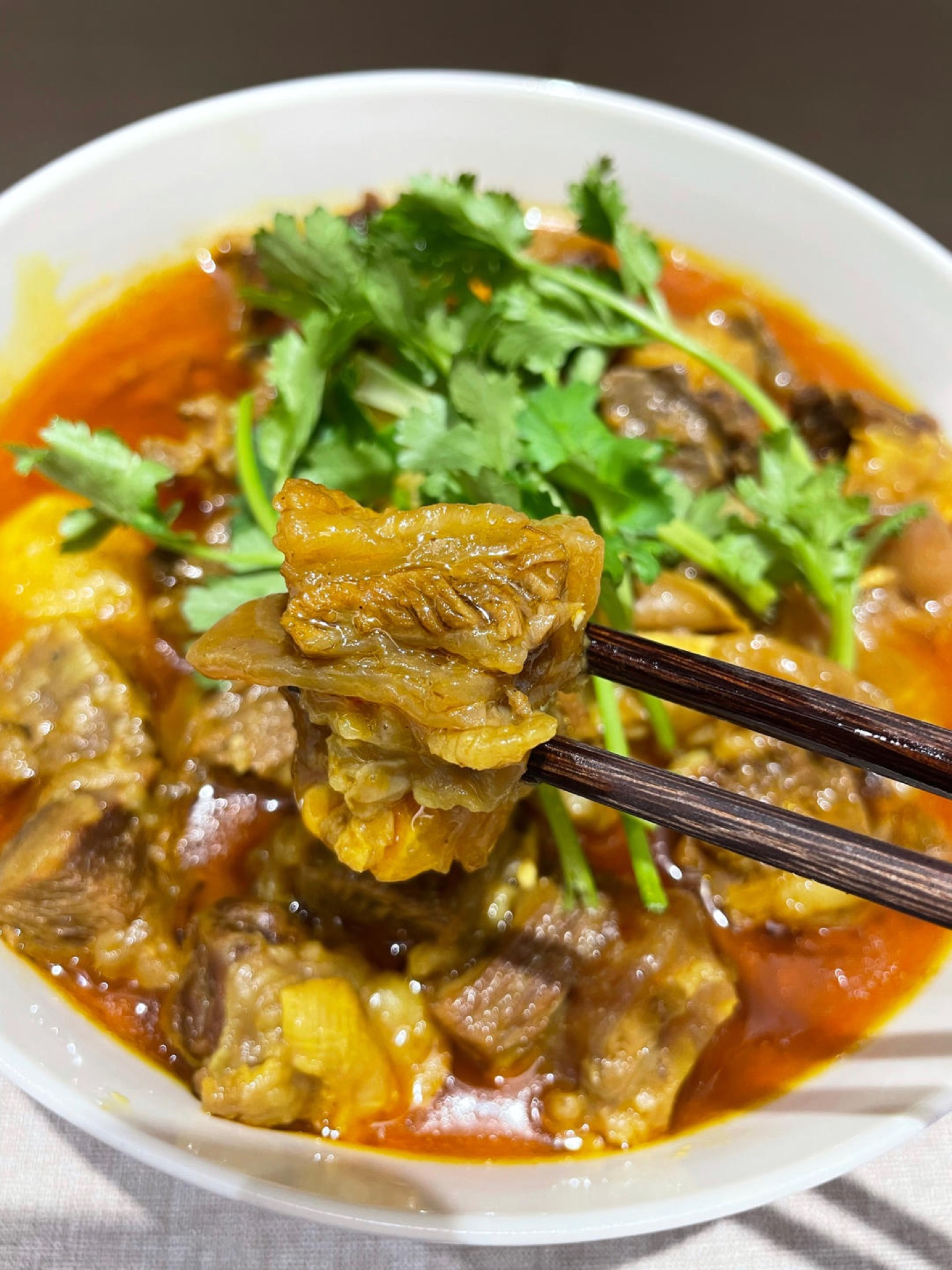
Step 7 — Sauce for Rice
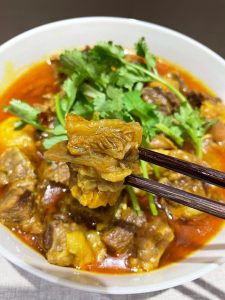
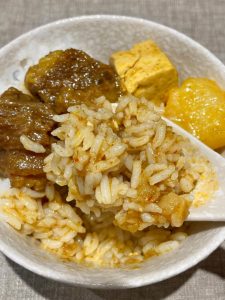
The gravy is excellent spooned over rice.
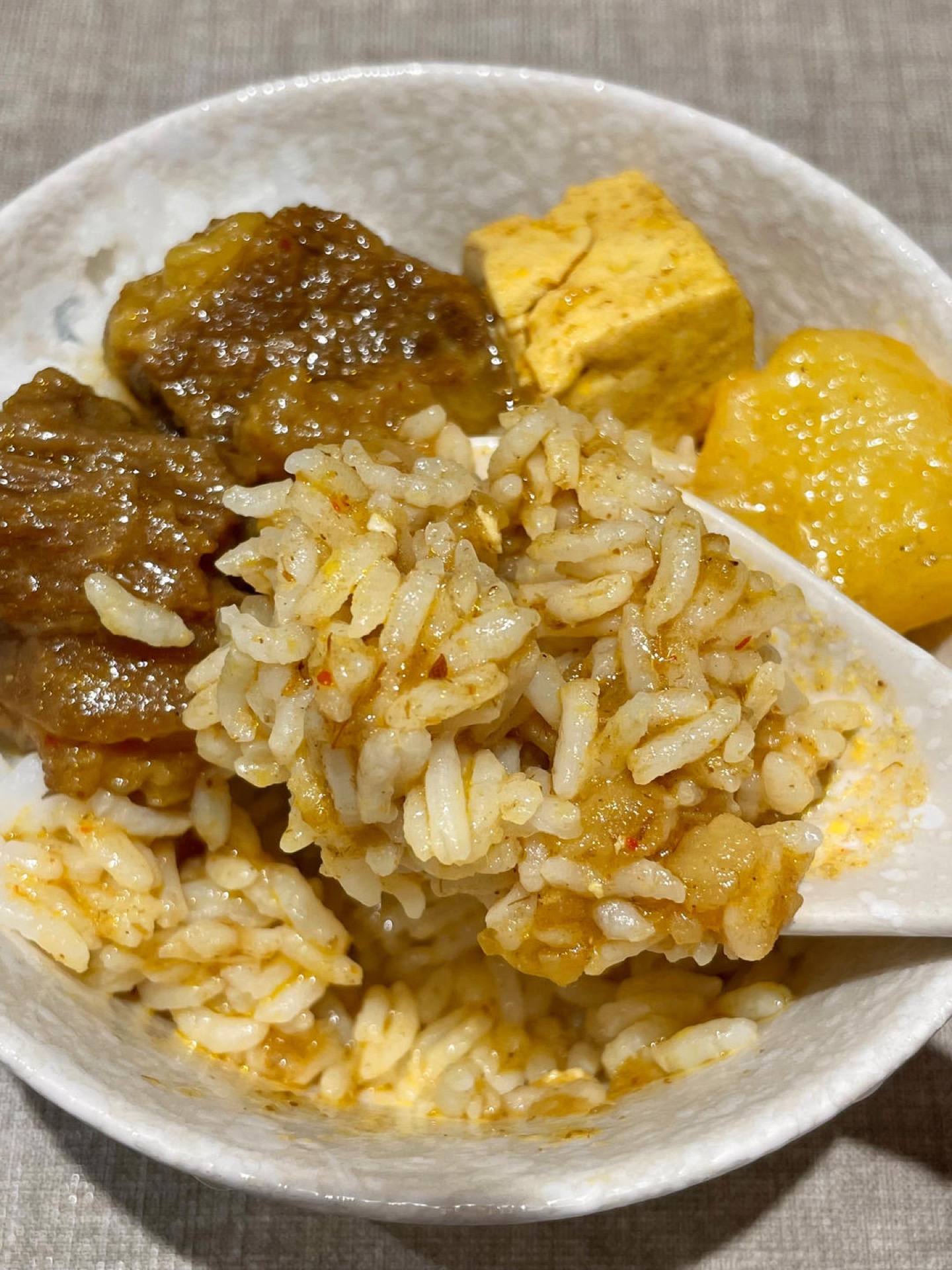
Common Mistakes When Making Curry Beef Brisket with Tofu and Potato
1. Adding the tofu and potato too early. If they go in with the beef, the pressure cooker pulverizes them. Cause: treating all the ingredients as one braise. Fix: add them only after the beef is tender, and simmer them gently for the final 10 minutes.
2. Skipping the parboil. Unparboiled brisket releases scum and a gamey edge into the sauce. Cause: wanting to save five minutes. Fix: boil the cubes for 5 minutes, drain, and rinse before searing.
3. Not searing the beef. Pale, steamed beef has less flavor than browned beef. Cause: crowding the wok. Fix: sear in a single layer in batches, and do not stir until each side has color.
4. Using cold water for the braise. Cold liquid shocks the seared meat and slows the simmer. Cause: grabbing the kettle too late. Fix: keep hot water ready and pour it in while the wok is still hot.
5. Under-seasoning the sauce. A braise that tastes flat at the start will taste flat at the end, because the tofu and potato dilute it. Cause: timid seasoning. Fix: season the liquid so it tastes slightly strong before the vegetables go in.
6. Over-reducing the gravy. The potato continues to thicken the sauce as it sits. Cause: boiling hard at the end. Fix: keep the final simmer low and loose; it will tighten on the plate.
Variations
Coconut curry version: Replace one cup of the hot water with coconut milk for a richer, creamier gravy. Add it with the tofu and potato so it does not split under pressure. Our creamy coconut curry beef brisket takes this idea all the way.
Daikon instead of potato: Swap the potato for an equal weight of daikon radish cut into chunks. It turns translucent and absorbs the curry beautifully, much like in a braised beef brisket with daikon radish.
Dried bamboo shoots: Soak 2 ounces of dried bamboo shoots overnight, then add them with the water. They bring a chewy, earthy note that pairs well with satay, similar to a braised beef brisket with dried bamboo shoots.
Extra heat: Add a tablespoon of chili bean paste with the curry paste, or float two dried chilies in the braise. Taste before serving and adjust.
Noodle version: Thin the gravy with extra hot water and spoon it over cooked noodles for a curry beef noodle bowl, in the spirit of a braised beef noodle soup.
Frequently Asked Questions
Can I make this without a pressure cooker? Yes. Simmer the beef in a covered Dutch oven over low heat for 1.5 to 2 hours, until a fork slides in with almost no resistance, then add the tofu and potato and simmer 10 minutes more.
Why did my tofu fall apart? Almost always because it was soft or silken tofu, or because it was stirred rather than nudged. Use firm or extra-firm tofu, press it, and shake the pot instead of stirring once the tofu is in.
Can I use curry powder instead of paste? Yes. Bloom two tablespoons of curry powder in the hot oil with the ginger and scallion for 30 seconds, then proceed. The sauce will be a little thinner, so reduce the water by half a cup.
How spicy is this dish? Mild to medium, depending on your paste. Satay sauce softens the heat considerably. For a truly mild version, use a Japanese-style curry roux instead of paste.
Can I freeze it? Yes, but freeze before adding the potato, which turns grainy when thawed. Cool the braise completely, freeze for up to 3 months, and add fresh potato when you reheat.
How to Serve
Steamed jasmine rice is the classic partner — the gravy is designed to be spooned over it until the rice turns gold at the edges. A bowl of tomato beef stew with fatty beef on the side makes a nice contrast if you are feeding a crowd with different spice tolerances. For a lighter, brothier companion, a hearty tomato beef stew balances the richness of the curry. And if you want to lean into the beef-and-wine direction, a red wine braised beef served alongside makes a memorable two-braise table.
Blanched greens — bok choy, gai lan, or a simple garlicky spinach — cut through the fat and add color. A spoonful of chili oil on top is welcome if you like heat. Leftovers are arguably better the next day, when the tofu has fully absorbed the sauce.

Storage & Reheat
Cool the curry to room temperature within two hours, then refrigerate in an airtight container for up to 4 days. The sauce will gel in the fridge because of the gelatin from the brisket; that is a good sign, not a problem. Reheat gently on the stovetop or in the microwave, adding a splash of water if the gravy has tightened too much.
For longer storage, freeze the beef and sauce without the potato for up to 3 months. Thaw overnight in the refrigerator, then reheat and simmer a fresh cubed potato in the sauce for 10 minutes before serving. Do not refreeze thawed curry.
Reheat leftovers to an internal temperature of 165°F (74°C). Discard anything left at room temperature for more than two hours.
Allergen Notice
This dish contains soy and wheat from the soy sauce, and many satay sauces and curry pastes contain shellfish (dried shrimp) and peanuts. Check your labels carefully if you are cooking for someone with a shellfish or peanut allergy. Use tamari for a gluten-free version and confirm your curry paste is wheat-free.
Nutrition Disclaimer
Nutrition information is calculated using an ingredient database and should be considered an estimate. In cases where multiple ingredient alternatives are given, the first listed is calculated for nutrition. Garnishes and optional ingredients are not included.
About the Author & Recipe Development
Lin grew up watching her grandmother braise beef on a coal stove in Guangzhou and now develops weeknight-friendly versions of those long-cooked dishes for Woks of Love. This recipe was tested four times to pin down the pressure-cooker timing and the point at which the tofu should go in — the version here is the one that consistently gave tender beef and intact tofu.
The development notes: parboiling was non-negotiable for a clean sauce; 18 minutes under pressure was the sweet spot for 1-inch brisket cubes; and a 10-minute uncovered simmer after adding the vegetables gave the gravy just enough body without turning the potato to paste. If you make it, tell us how it went in the comments.
Authoritative References
For safe handling and reheating temperatures, see the FDA guidance on refrigerator thermometers and food safety. For meat doneness temperatures, the USDA safe minimum internal temperature chart is the reference we use. For the science of collagen conversion during braising, see this explainer on braising and collagen.
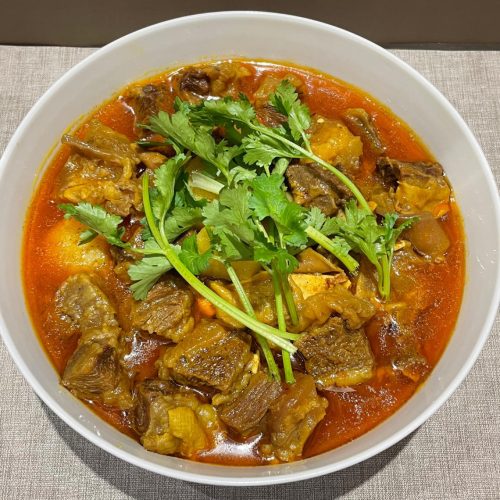
Curry Beef Brisket with Tofu and Potato (咖喱牛腩): Tender Beef in

Equipment
- Wok
- Cutting Board
- Slotted Spoon
- Pressure cooker
- Large Pot
Ingredients
For the Beef
- 1.5 lb beef brisket cut into 1-inch cubes, parboiled and drained
- 1 tbsp neutral oil for searing
- 3 slices ginger smashed
- 2 stalks scallion cut into 2-inch lengths
For the Sauce
- 2 tbsp satay sauce or shacha sauce
- 2 tbsp curry paste mild or medium
- 3 cups hot water plus more as needed
- 1 tbsp light soy sauce or tamari
- 1 tsp sugar to balance the spice
For the Vegetables
- 1 block firm tofu about 14 oz, cut into 1-inch cubes
- 1 large potato peeled and cut into 1-inch chunks
Instructions
- Heat a little oil in a wok, add the ginger and scallion and stir until fragrant, then add the parboiled beef brisket and toss for a few minutes.

- Pour in a generous amount of hot water, stir in the satay sauce and curry paste, and bring everything to a boil.
- Transfer the mixture to a pressure cooker and cook over low heat for 18 minutes once it comes up to pressure.
- Open the lid and add the tofu and potato.
- Simmer over low heat for 10 minutes until the potato is tender.
- The beef is now soft and deeply seasoned.
- The gravy is excellent spooned over rice.












Leave a Reply