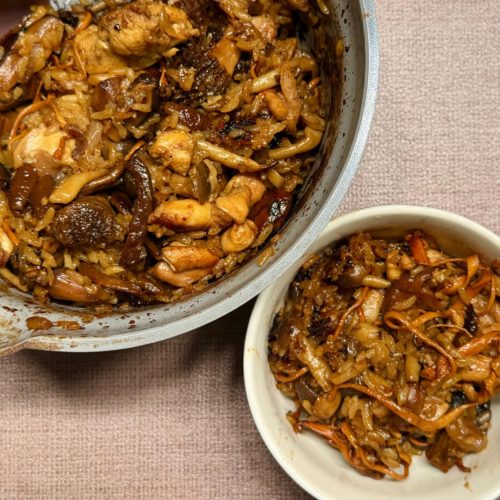
Some nights the best dinner is the one that never leaves a single pot. Mushroom chicken claypot rice — 菌菇鸡肉焖饭 — is exactly that kind of meal: chicken thighs marinated in wine and soy, a pile of mushrooms cooked down until they squeak and brown, and raw rice folded in to soak up every bit of that savory liquid. You start it on the stove, cover it, and let the rice do the rest. The result is a fragrant, glossy pot of rice where each grain carries the taste of the chicken and the mushrooms, and the chicken itself stays tender because it never has to travel far.
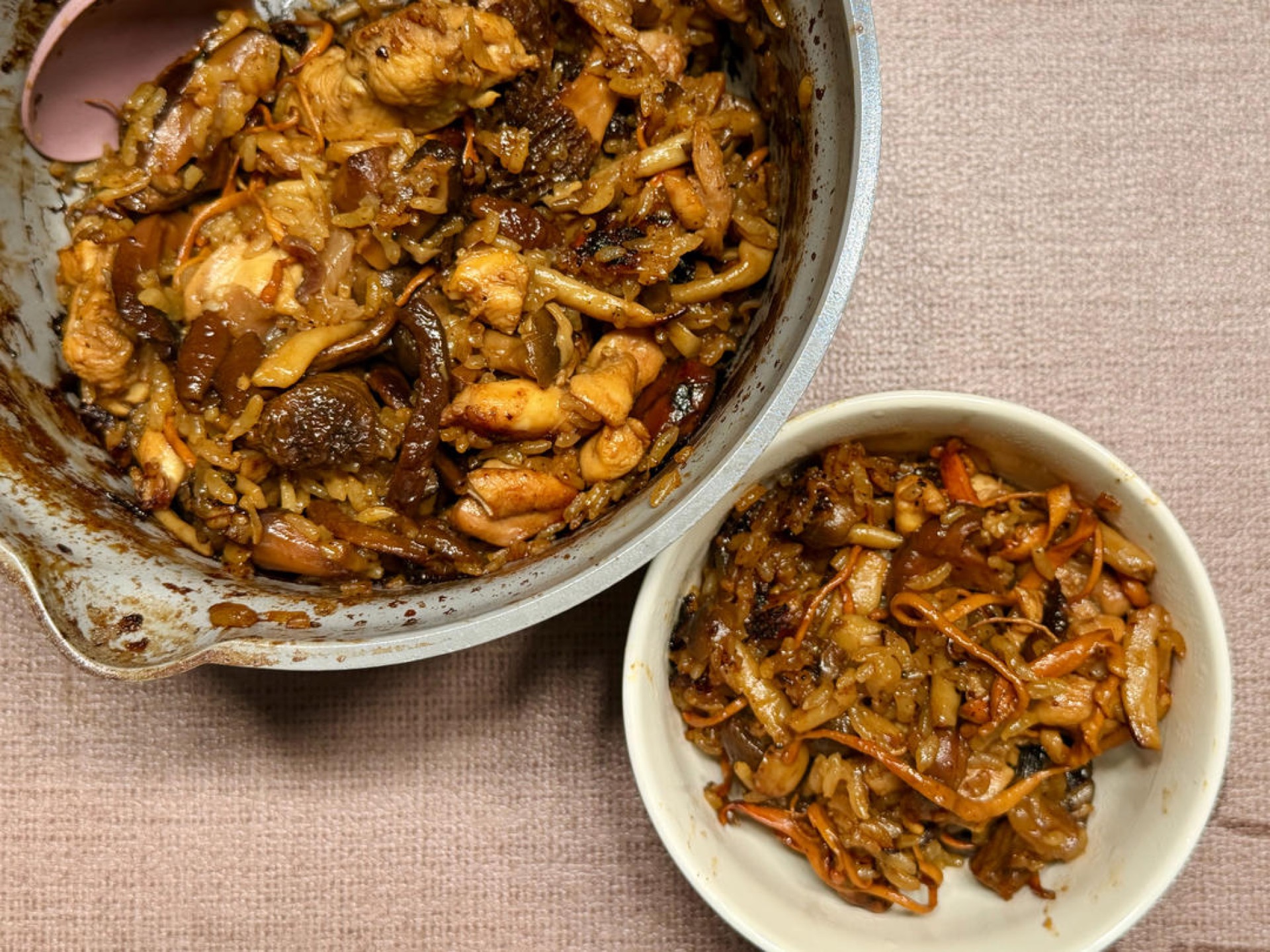
This is home cooking in the truest sense. There is no claypot required, no long list of sauces, and no precise timing you have to babysit. What it does ask for is a little patience at the start — soaking the rice, letting the mushrooms cook until their water cooks off — and then trust at the end, when the lid goes on and you leave it alone. If you have ever ordered a claypot rice at a Cantonese restaurant and wondered how the rice underneath gets so flavorful, this is the home version, and it comes together in about half an hour of actual cooking.
What Is Mushroom Chicken Claypot Rice?
Mushroom chicken claypot rice is a one-pot rice dish from the southern Chinese 焖饭 (men fan) tradition — literally “braised rice.” Instead of cooking rice and topping it with a stir-fry, you build the flavor in the pan first: sear the chicken, cook down the mushrooms, then add raw soaked rice and just enough liquid to steam everything together. The rice absorbs the seasoned broth as it cooks, so the seasoning is built into every grain rather than poured over the top.
It is a close cousin to the Cantonese 煲仔饭 (bao zai fan) made in a claypot, and to the many one-pot rice dishes found across China’s rice-growing south. The version here is the weeknight one: a wok or a heavy pot with a lid, chicken thighs, and whatever mushrooms look good at the market. It is savory, faintly sweet from the onion, deeply mushroomy, and filling in a way that a bowl of plain rice never is.
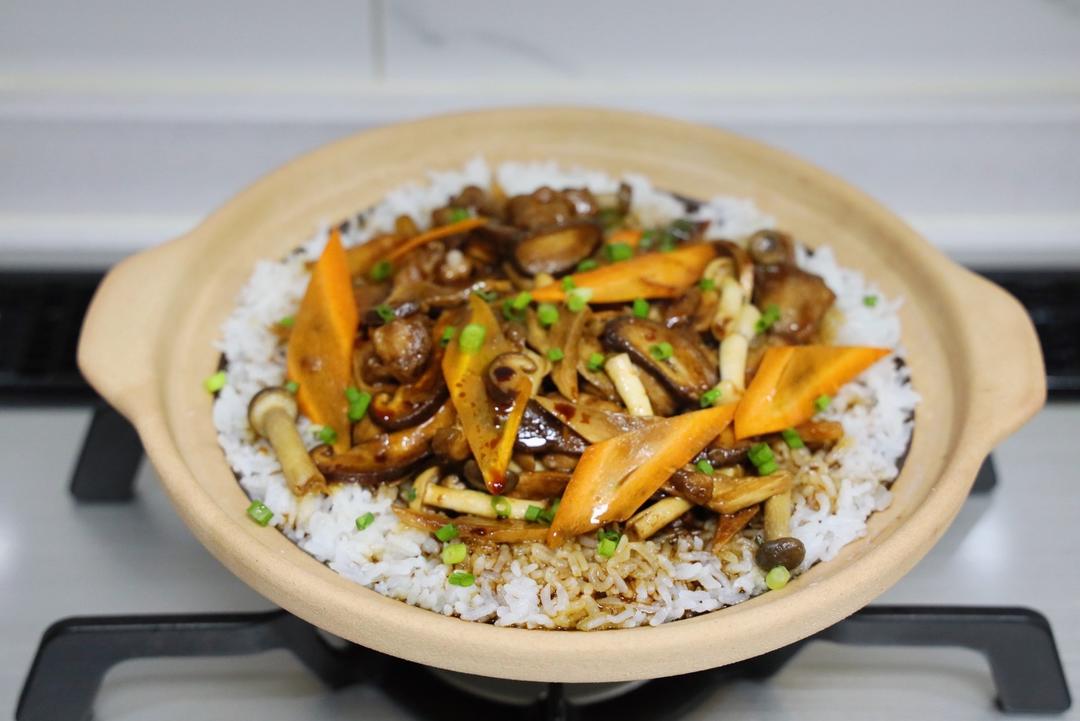
If you enjoy the deep, savory flavor of rice cooked together with meat and aromatics, our mushroom chicken clay pot rice is the classic claypot version of this same idea, with a crisp rice crust at the bottom.
1Mushroom Chicken Clay Pot Rice (Bao Zai Fan)A classic Cantonese one-pot meal featuring tender marinated chicken and earthy mushrooms steamed over fluffy jasmine rice. The highlight is the golden, crispy rice crust formed at the bottom of the pot. A complete, healthy dinner ready in 45 minutes.Check out this recipe
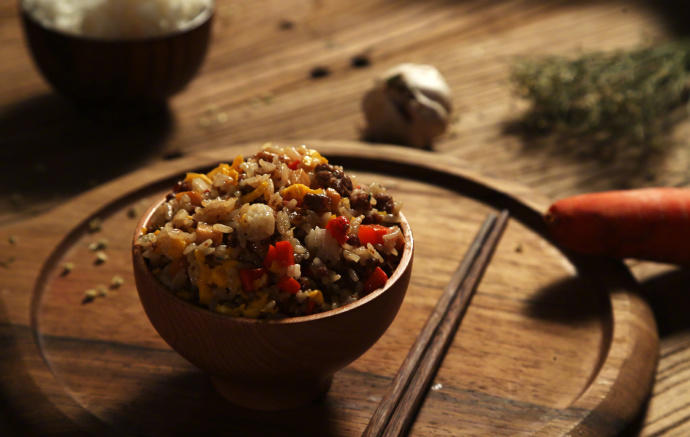
For another one-pot rice that leans on mushrooms for its savoriness, try this beef and king oyster mushroom fried rice, which gets its depth from seared king oyster mushrooms and beef.
2Beef and King Oyster Mushroom Fried RiceA savory, homestyle fried rice featuring the meaty texture of King Oyster mushrooms, sweet carrots, and ground beef. A balanced one-bowl meal ready in 25 minutes.Check out this recipe
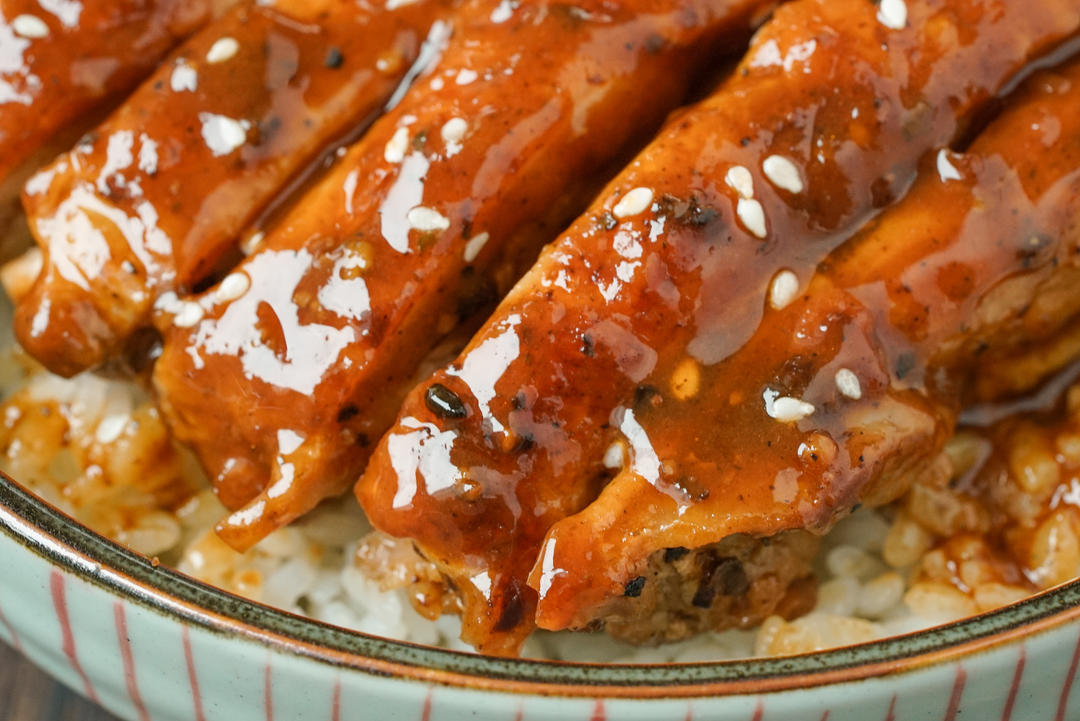
And if you like your rice bowls with a punchy sauce, these black pepper chicken rice bowls are a fast, saucy alternative built on the same chicken-and-rice pairing.
3Black Pepper Chicken Rice Bowls (Hei Jiao Ji Tui Fan)Juicy pan-seared chicken thighs glazed in a rich, savory black pepper sauce served over steamed rice. A quick, comforting 30-minute meal inspired by Asian rice bowls.Check out this recipe
Ingredient Notes
The short ingredient list is the whole point of this dish, so each item earns its place. Here is what to look for and what you can swap.
Chicken thighs. Use boneless, skinless thighs. They stay juicy through the simmer in a way that breast meat does not, and their fat seasons the rice as it renders. If you only have breast meat, cut it into slightly larger pieces and shorten the final simmer by a couple of minutes.
Mushrooms. A mix is best. Shiitake give the deepest flavor, oyster mushrooms give a silky texture, and king oyster mushrooms hold their bite. If you use dried shiitake, soak them in warm water for about 30 minutes first — and keep that soaking liquid, because it is essentially free mushroom stock. Fresh button or cremini mushrooms work fine too, though they release more water, so give them a few extra minutes in the wok.
Rice. Jasmine rice is the standard choice for 焖饭 because it is fragrant and absorbs liquid readily. Rinse it until the water runs mostly clear, then soak it for about 30 minutes. Soaking is not optional here: it shortens the cooking time so the rice finishes at the same moment the chicken does, instead of turning mushy while you wait for the grains to soften.
Onion. A thin-sliced yellow or white onion melts into the rice and gives a background sweetness that balances the soy. Do not skip it, and do not rush it — softening it properly at the start is what keeps the finished pot from tasting flat.
Shaoxing wine. This is the marinade’s backbone, adding a faintly nutty, fermented note. Dry sherry is the closest easy substitute. If you avoid alcohol entirely, use a splash of chicken stock with a few drops of rice vinegar instead.
Light soy sauce vs. dark soy sauce. They do different jobs and you want both. Light soy sauce is the salty, everyday one used in the marinade, while dark soy sauce is thicker, less salty, and mostly there for color — that deep mahogany tint in the finished rice comes from it. If you only have one, use light soy sauce in the marinade and add a teaspoon of dark soy sauce only if you have it; the dish will taste right either way.
Oyster sauce. A spoonful in the marinade adds sweetness and a rounded, briny depth. Vegetarian oyster sauce made from mushrooms is a good swap and keeps the dish closer to its mushroom-forward character.
White pepper. Just a pinch. It is warmer and more floral than black pepper and is the standard seasoning for Chinese chicken marinades. Black pepper will work, but it will taste like a different dish.
Ingredients
Everything below makes four generous servings. The only piece of advance planning is the rice soak and, if you are using dried mushrooms, the mushroom soak — both can happen at the same time.
- 1 lb boneless, skinless chicken thighs, cut into 1-inch pieces
- 1 tbsp Shaoxing wine (or dry sherry)
- 1 tbsp light soy sauce, plus 1 tsp for the rice
- 1 tbsp oyster sauce
- 1/4 tsp ground white pepper
- 2 cups jasmine rice, rinsed and soaked 30 minutes
- 8 oz mixed mushrooms (shiitake, oyster, king oyster), sliced
- 1 cup warm water, for soaking dried mushrooms if using
- 1 medium onion, thinly sliced
- 2 tbsp neutral oil
- 1 tbsp dark soy sauce
- 1/2 tsp sugar
- 1 cup mushroom soaking liquid or water, plus more as needed
- 2 scallions, thinly sliced, for garnish
Equipment Needed
You do not need a claypot for this recipe, despite the name. A wok with a lid is ideal because its wide surface lets the mushrooms and chicken sear rather than steam, but any heavy-bottomed pot or deep skillet with a tight-fitting lid will work. A pot with a thin base is the one thing to avoid, since rice scorches quickly over a thin layer of metal.
Beyond the cooking vessel, you want a cutting board and a sharp knife for the chicken and mushrooms, a slotted spoon or spider for lifting the chicken out without dragging the marinade along, a fine-mesh strainer for rinsing the rice, and a measuring cup for the liquid. A lid that actually seals matters more than the pan itself — if steam escapes, the rice will not cook evenly and you will end up adding water and stirring, which is exactly how you get gluey rice.
Why This Recipe Works
Three things make this dish reliable. The first is the marinade. Chicken thighs sit in soy sauce, wine, oyster sauce, and white pepper while you prep everything else, so the seasoning penetrates the meat before it ever hits the pan. Because the chicken is seared and then removed, it does not overcook while the mushrooms cook down — it goes back in only once the mushrooms are ready and the rice is about to be added.
The second is the order of operations. Onion first, then chicken, then mushrooms, then rice. Each layer leaves behind flavor in the pan that the next layer picks up. If you dumped everything in at once, the mushrooms would steam in their own water, the chicken would poach instead of brown, and the rice would never get that toasted, savory base.
The third is the liquid ratio. Soaked rice needs less water than dry rice, and the mushrooms and chicken release their own moisture during the covered simmer. Using just enough liquid to cover the ingredients — rather than the usual rice-cooker ratio — is what keeps the grains separate and seasoned instead of soupy. The mushroom soaking liquid, if you have it, does the heavy lifting on flavor, which is why the recipe calls for it first and water only as a backup.
Rice absorbs seasoned liquid as it hydrates, which is why a one-pot rice dish tastes different from plain rice with a stir-fry spooned over it. The starch granules gelatinize in the presence of the soy-and-mushroom broth, trapping those dissolved flavors inside each grain rather than leaving them on the surface.
Prep & Mise en Place
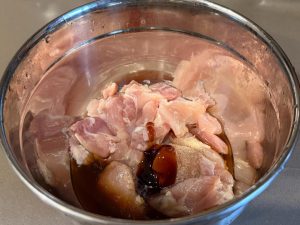
This dish moves quickly once the wok is hot, so set everything up before you turn on the burner. Start by cutting the chicken into 1-inch pieces and tossing it with the Shaoxing wine, light soy sauce, oyster sauce, and white pepper. Leave it on the counter to marinate while you do the rest — even ten minutes makes a difference.
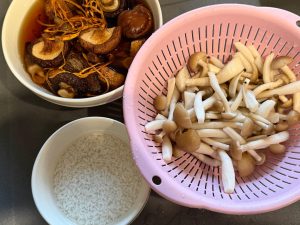
Rinse the rice in a fine-mesh strainer under cold running water until the water runs mostly clear, then transfer it to a bowl, cover it with cold water, and let it soak for about 30 minutes. If you are using dried mushrooms, put them in a bowl of warm water at the same time so both are ready together. When the mushrooms are soft, squeeze them gently over the bowl to release excess liquid, slice them, and strain the soaking liquid through a fine-mesh strainer to catch any grit. Reserve one cup of that liquid.
Slice the fresh mushrooms evenly so they cook at the same rate, thinly slice the onion, and slice the scallions for the garnish. Measure out the dark soy sauce, the remaining light soy sauce, and the sugar into a small bowl so you can add them in one motion. Drain the soaked rice well right before it goes into the wok. With the chicken marinated, the rice drained, the mushrooms sliced, and the sauces measured, you are ready to cook — and the whole thing will take about fifteen minutes from here. If you like to plan a full week of one-pot dinners, this same mise-en-place approach works for a one pot rice cooker pork ribs and rice, which you can also make ahead and reheat.
Cooking Process
Step 1 — Marinate the Chicken
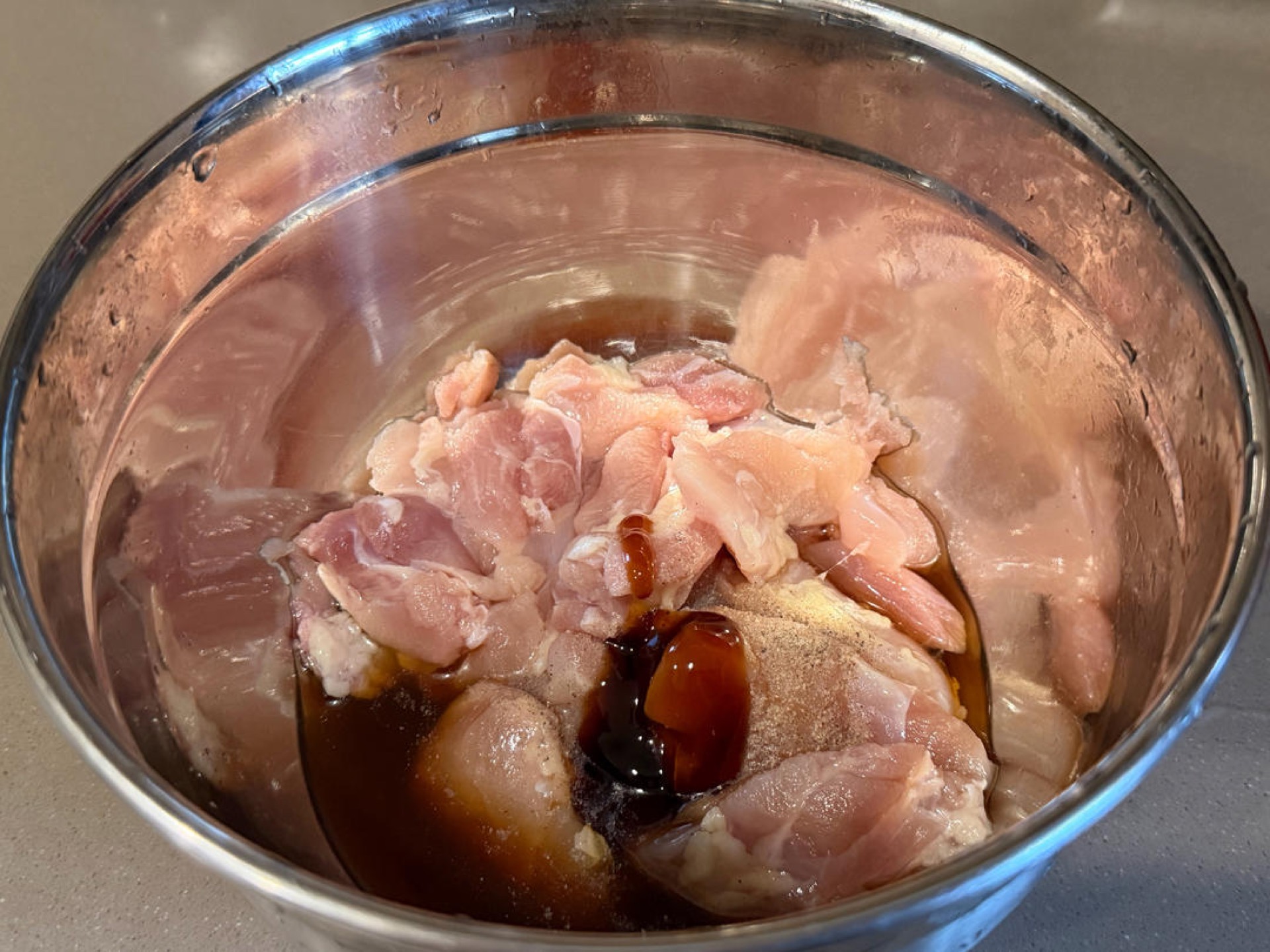
Cut the chicken thighs into 1-inch pieces and toss them with Shaoxing wine, light soy sauce, oyster sauce, and white pepper, then set aside to marinate.
Step 2 — Prep the Mushrooms and Rice
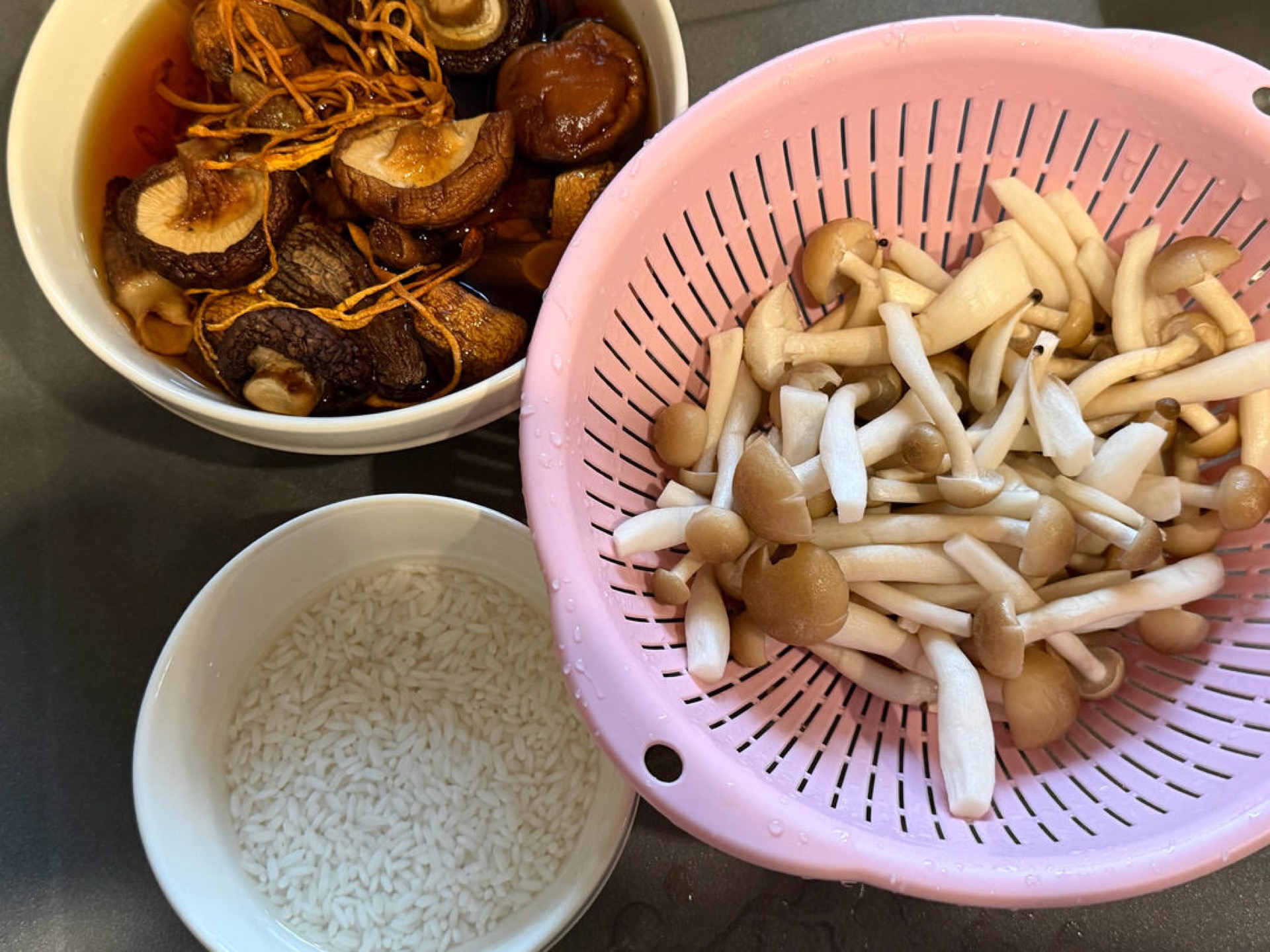
Prepare the mushrooms you like best, slicing them evenly, and rinse the rice and leave it soaking in cold water.
Step 3 — Sauté the Onion
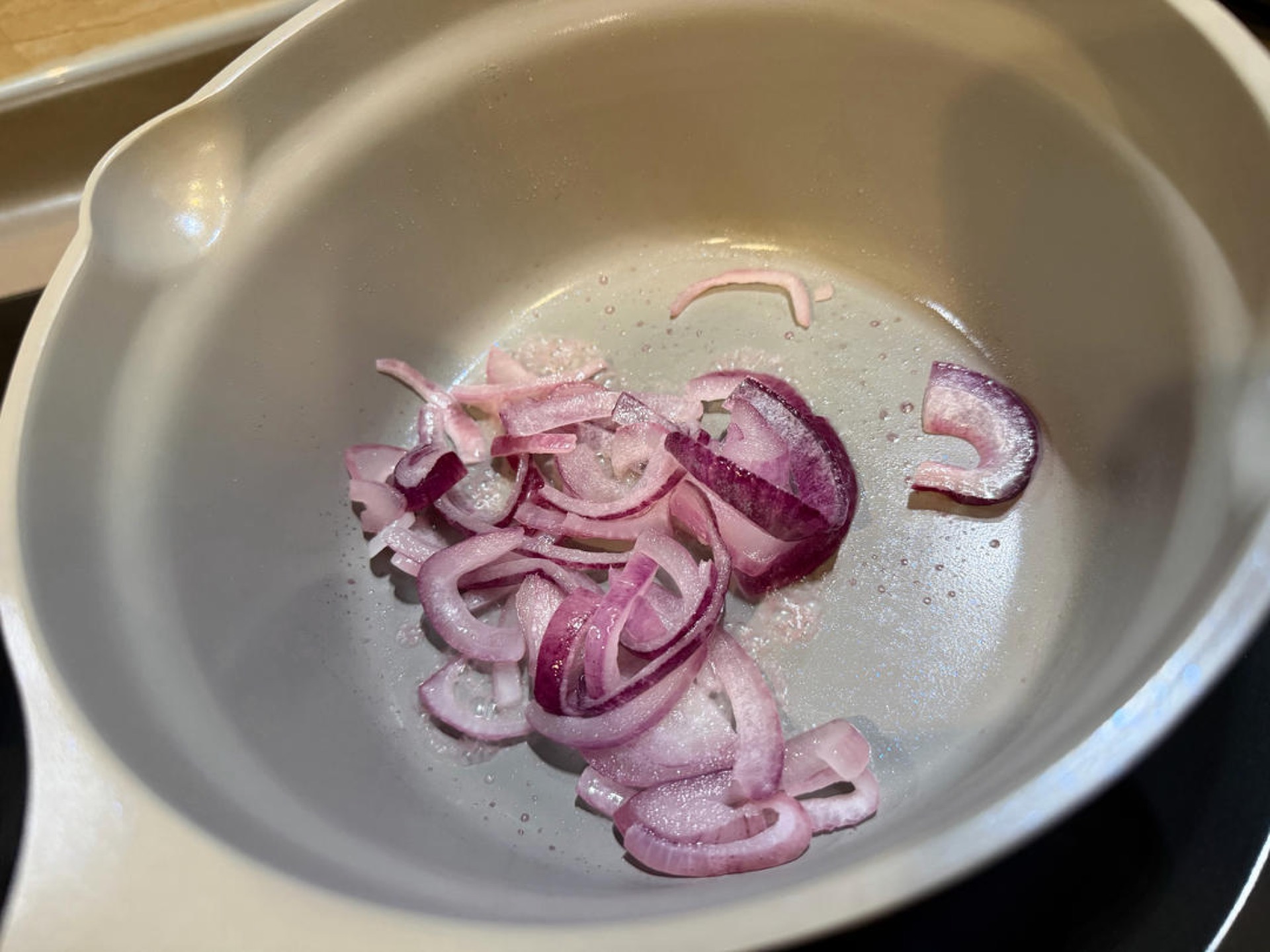
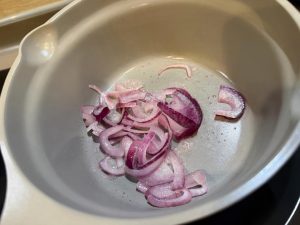
Heat the wok over medium heat, spray or add a little oil, and stir-fry the sliced onion until it softens and turns translucent.
Step 4 — Sear the Chicken
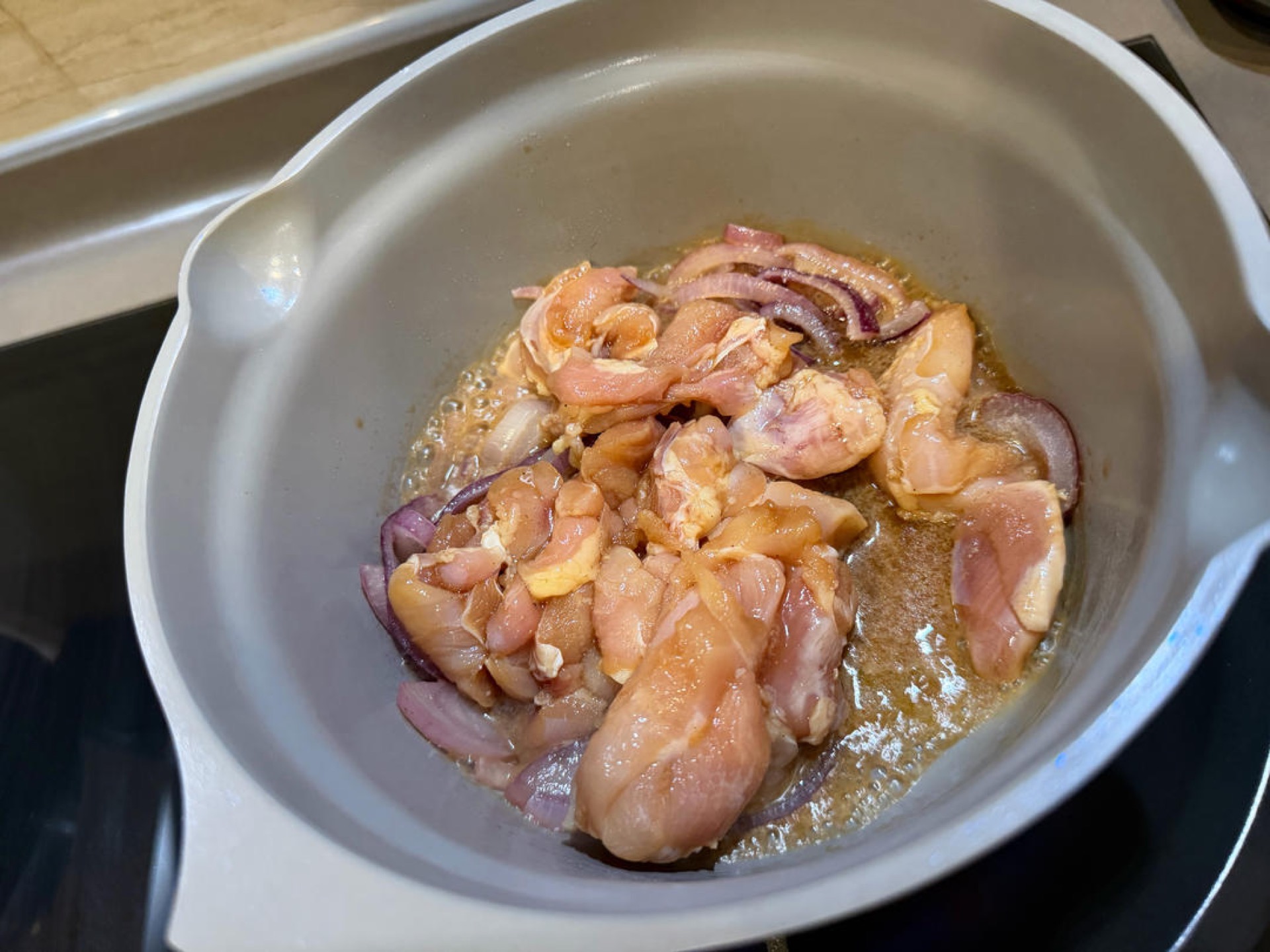
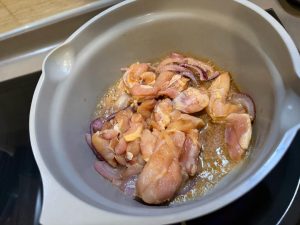
Add the marinated chicken to the wok and pan-fry it on both sides until cooked through, then scoop it out and set it aside.
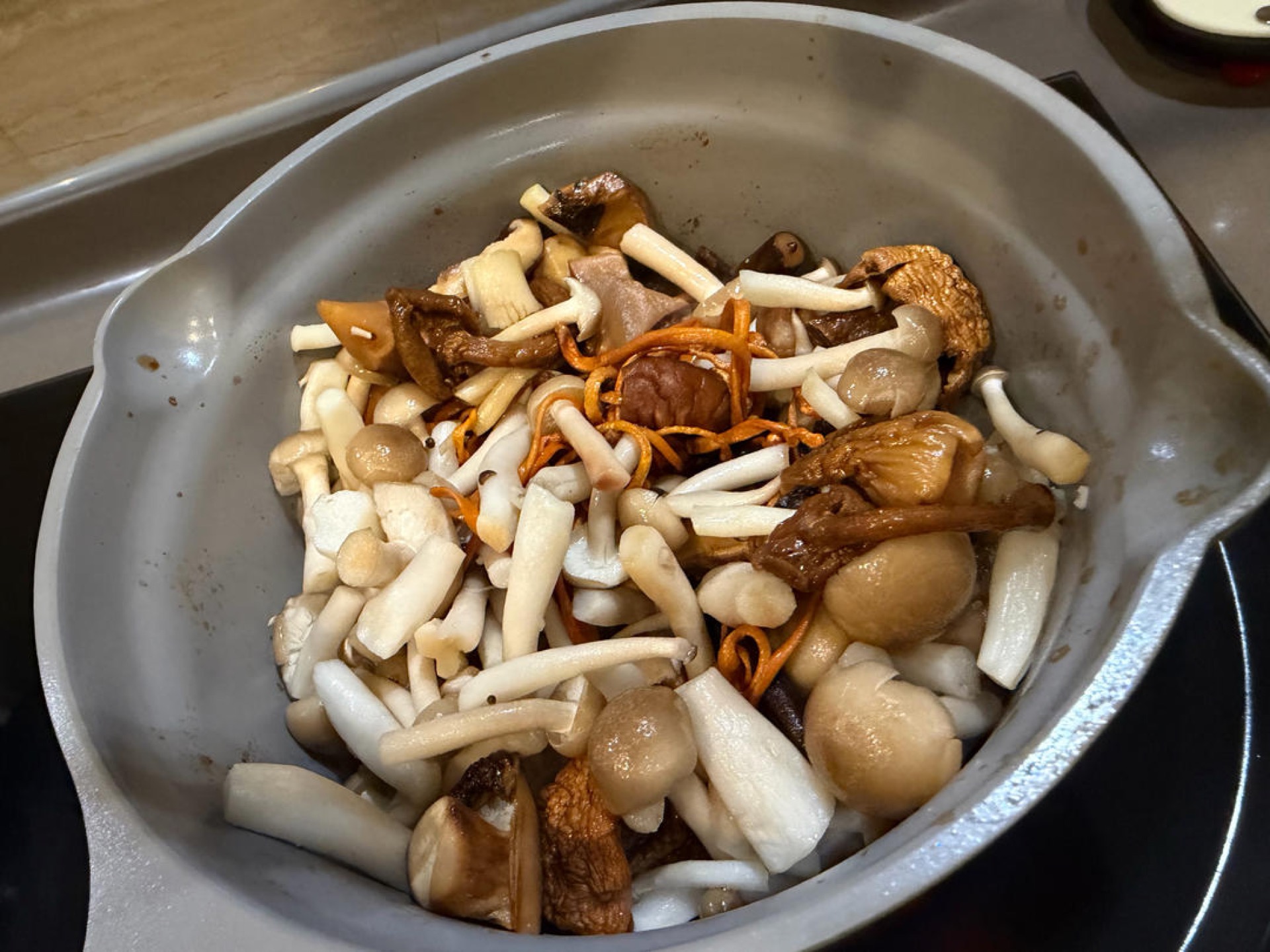
Step 5 — Cook the Mushrooms
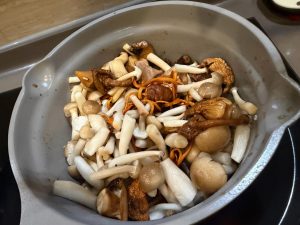
Add a little more oil to the wok and stir-fry the mushrooms until they release their moisture and start to brown.
Step 6 — Return the Chicken
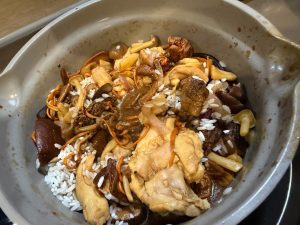
Once the mushrooms have cooked down and released their water, add the seared chicken back into the wok.
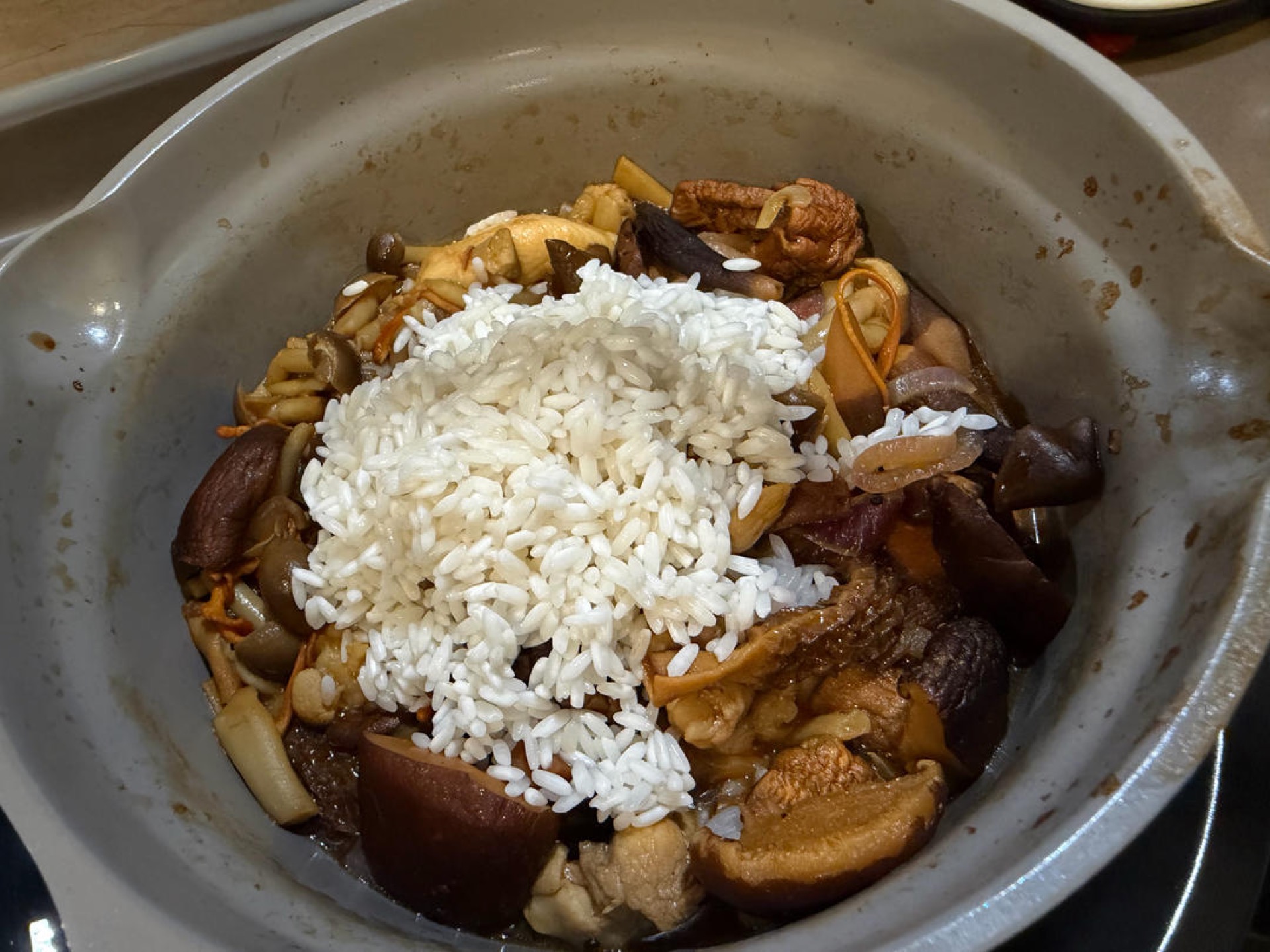
Step 7 — Add the Rice
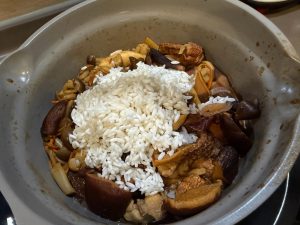
Add the drained, soaked rice to the wok with the chicken and mushrooms.
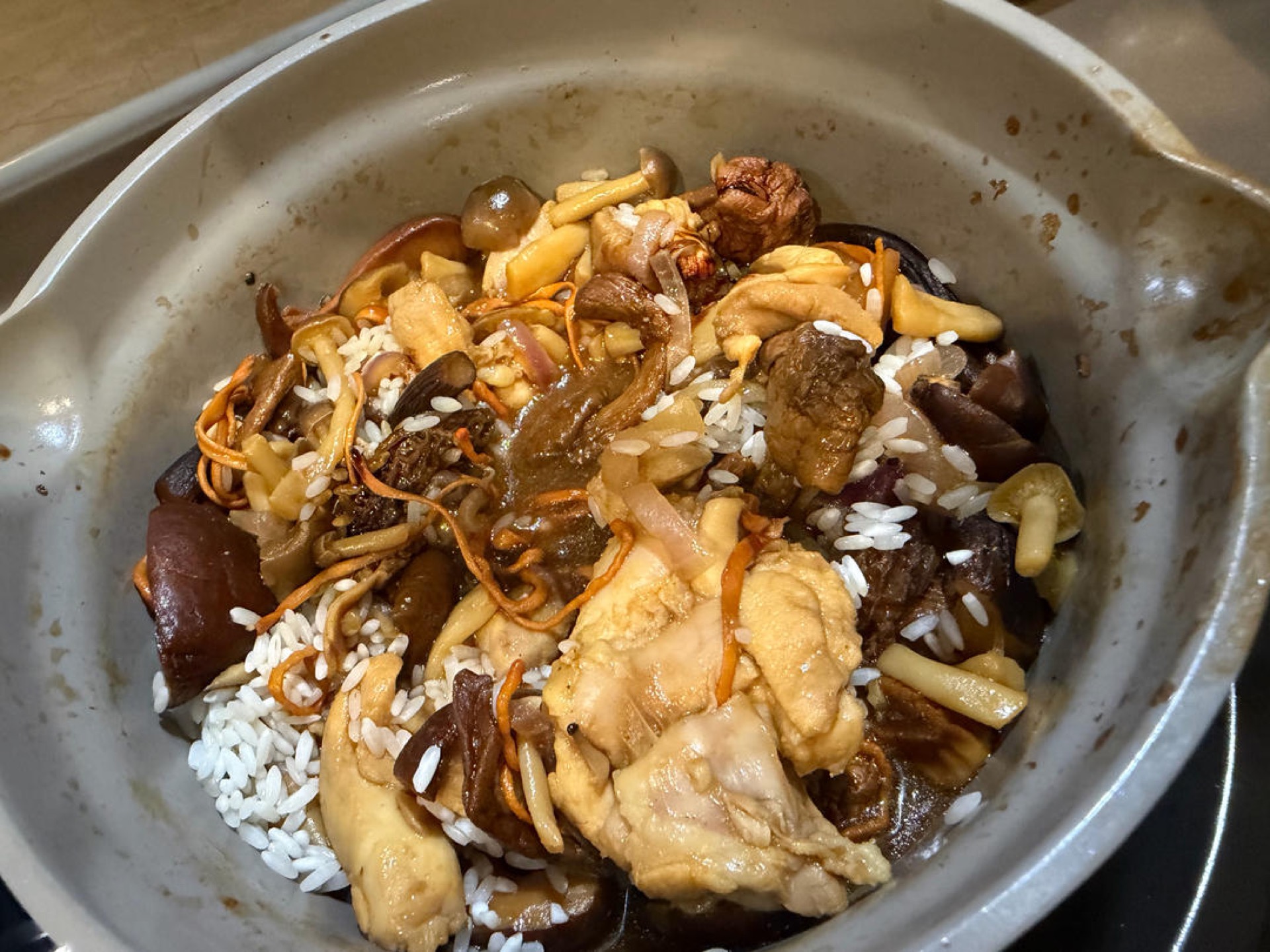
Step 8 — Season with Dark Soy
Add the dark soy sauce and toss everything together until the rice and meat are evenly coated.
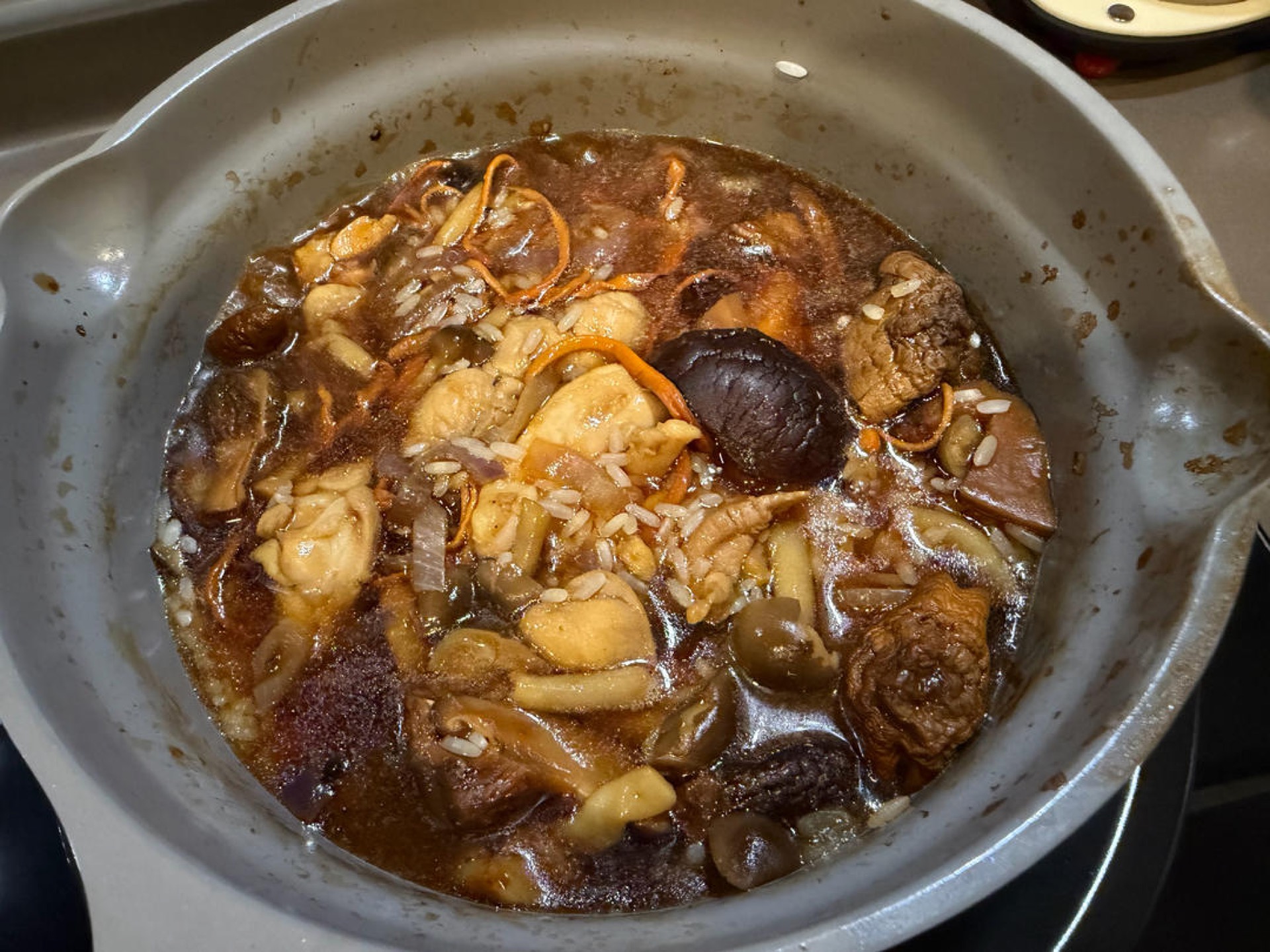
Step 9 — Add the Water
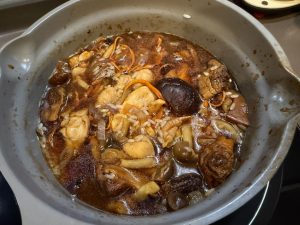
Pour in the water, using the mushroom soaking liquid if you have it, just until it covers the ingredients.
Step 10 — Simmer Covered
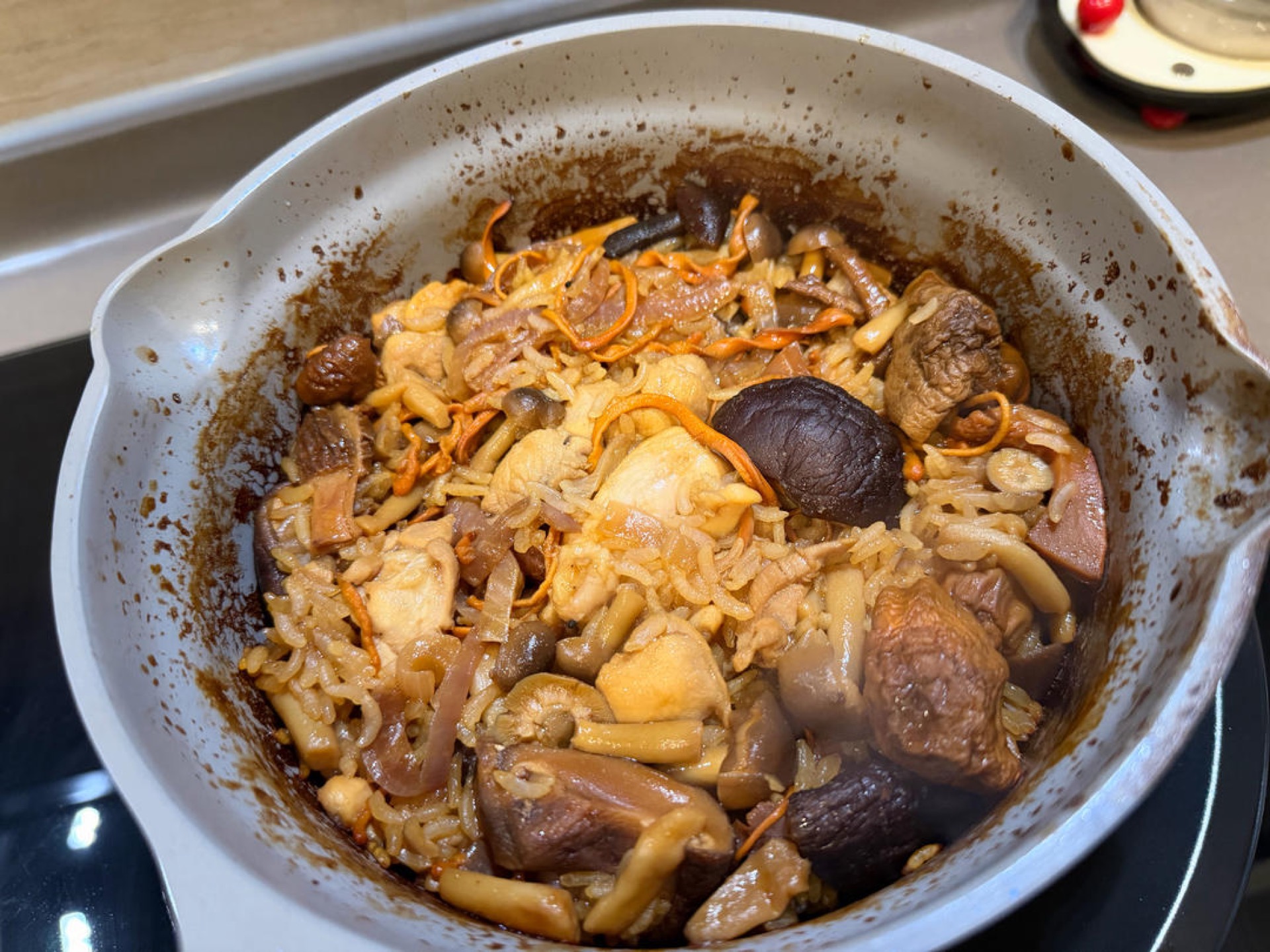
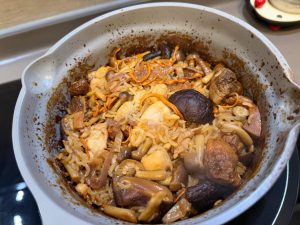
Cover the wok with a lid and simmer over medium-low heat for 15 minutes until the rice is tender and the liquid is absorbed.
Step 11 — Garnish and Serve
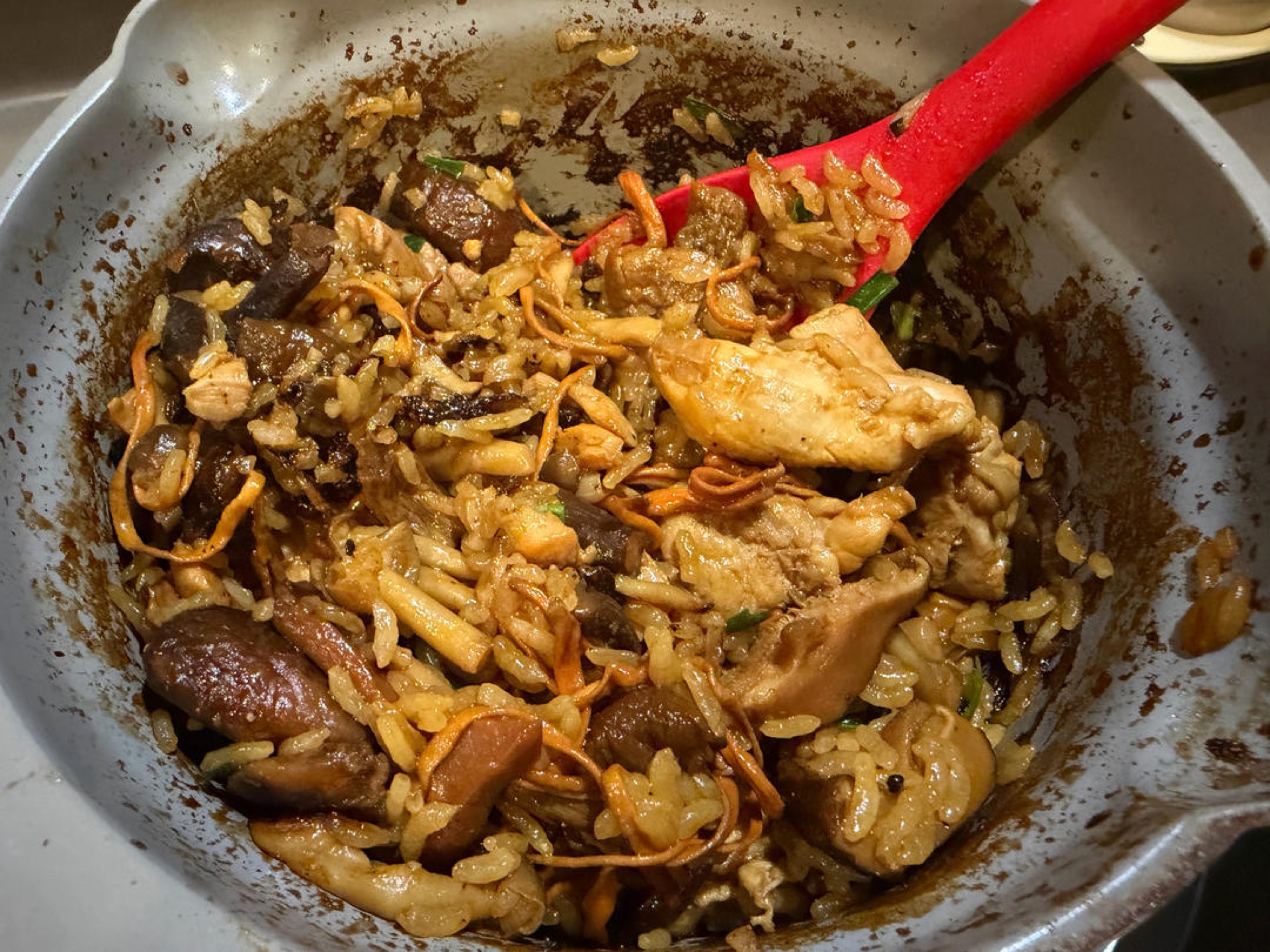
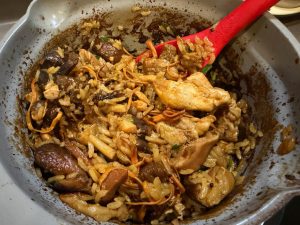
Scatter the sliced scallions over the top, stir everything together, and serve.
Common Mistakes When Making Mushroom Chicken Claypot Rice
1. Skipping the rice soak. Dry rice needs far more liquid and far more time than soaked rice, so if you skip the soak and use this recipe’s liquid amount, you will end up with crunchy grains in the middle. The cause is simply timing: unsoaked rice hydrates more slowly than the chicken cooks. Fix it by soaking the rice for a full 30 minutes, or if you are in a hurry, add an extra 1/4 cup of water and expect a slightly softer texture.
2. Crowding the wok. If the chicken and mushrooms are piled too deep, they steam instead of sear, and the finished dish tastes flat and watery. The cause is pan size relative to the amount of food. Fix it by cooking in batches if your wok is small, or by using your widest pan — the goal is a single layer with room to spare.
3. Not cooking the mushrooms long enough. Mushrooms release a surprising amount of water, and if you add the rice before that water cooks off, the rice will stew rather than steam. The cause is impatience at the exact moment the pan looks wet. Fix it by waiting until the mushrooms squeak against the pan and the liquid has visibly reduced, then add the chicken back and continue.
4. Adding too much water. The most common way to ruin 焖饭 is to drown it. The cause is measuring water the way you would for plain rice, forgetting that the mushrooms, chicken, and marinade all contribute liquid. Fix it by adding just enough to cover the ingredients — no more — and by remembering that soaked rice needs less than dry rice.
5. Lifting the lid during the simmer. Every time you peek, steam escapes and the temperature drops, which stretches the cooking time and makes the rice uneven. The cause is habit. Fix it by setting a timer for 15 minutes and leaving the lid alone until it goes off. If the rice is still firm at the end, add a splash of hot water, replace the lid, and give it five more minutes.
6. Cooking over high heat. A hard boil scorches the bottom layer of rice before the top is tender, and burnt rice flavors the whole pot. The cause is treating this like a stir-fry. Fix it by lowering the heat to medium-low as soon as the lid goes on and letting the rice steam gently.
Variations
Dried shiitake only. If fresh mushrooms are not available, use 1 cup of dried shiitake, soaked for 30 minutes and sliced. Their flavor is more concentrated than fresh, so you can reduce the dark soy sauce slightly. The soaking liquid becomes the cooking liquid, and it is the best version of this dish.
Add Chinese sausage. A couple of sliced lap cheong added with the onion gives a sweet, cured-pork richness that is classic in Cantonese claypot rice. Reduce the sugar to a pinch, since the sausage is already sweet.
Vegetarian. Swap the chicken for firm tofu or extra mushrooms and use vegetarian oyster sauce plus a splash of soy sauce in place of the marinade. Add a teaspoon of mushroom powder to the cooking liquid to replace the savory depth the chicken would have given.
Rice cooker method. If you would rather not watch a wok, sear the chicken, onion, and mushrooms on the stove, then transfer everything with the drained rice and measured liquid to a rice cooker and run the normal cycle. The texture is slightly softer, but the flavor is the same.
Spicier version. Add a teaspoon of doubanjiang or a few dried chilies with the onion for a Sichuan-leaning pot. It changes the character of the dish, but it is very good on a cold night.
Frequently Asked Questions
Can I make this without a claypot? Yes — a wok or any heavy pot with a tight lid works. The claypot gives you a crisp rice crust at the bottom, but the flavor of the rice comes from the liquid and the searing, not the vessel.
Can I use chicken breast instead of thighs? You can, but cut it into larger pieces and reduce the final simmer by a few minutes, since breast meat dries out faster. Thighs are genuinely better here because their fat seasons the rice.
Why is my rice mushy? Almost always too much liquid or unsoaked rice. Drain the soaked rice thoroughly, add only enough liquid to cover the ingredients, and keep the heat at medium-low so the rice steams rather than boils.
Can I make this ahead of time? Yes. It reheats well, and in fact the flavors deepen overnight. Cool it quickly, refrigerate within two hours, and reheat in a covered pan with a splash of water, or in the microwave until steaming.
What if I do not have Shaoxing wine? Dry sherry is the closest substitute. You can also leave it out and add an extra teaspoon of soy sauce, though the marinade will lose some of its fermented depth.
How to Serve
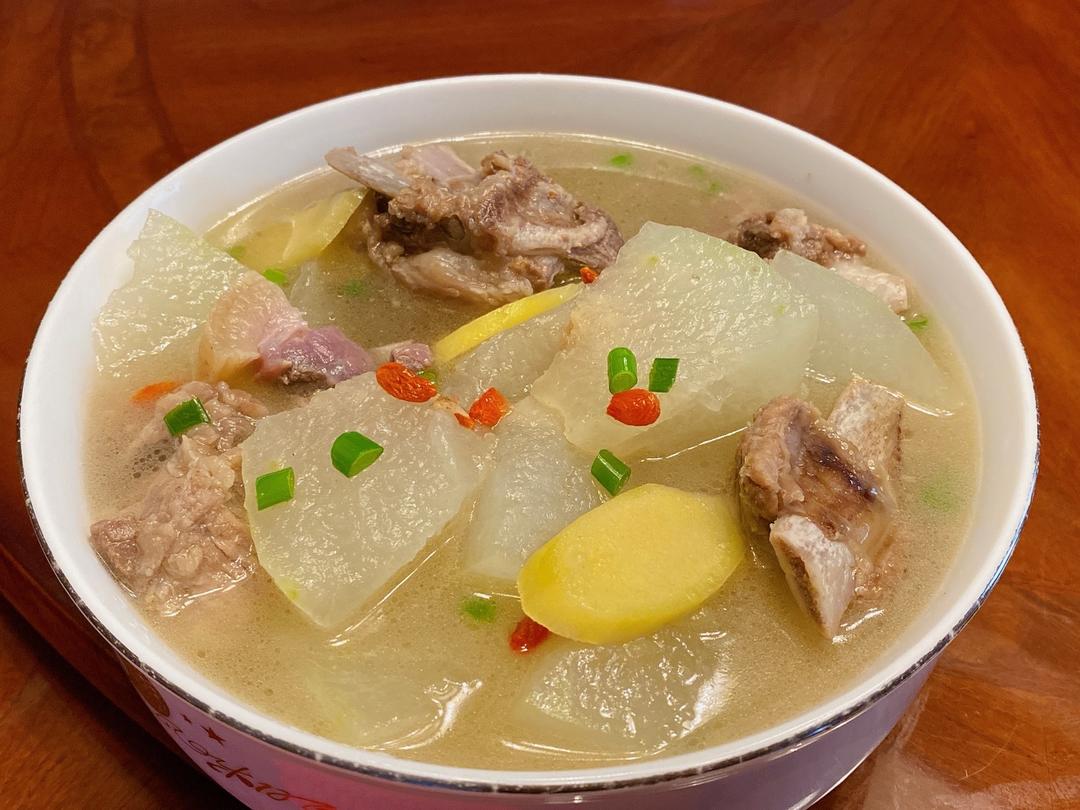
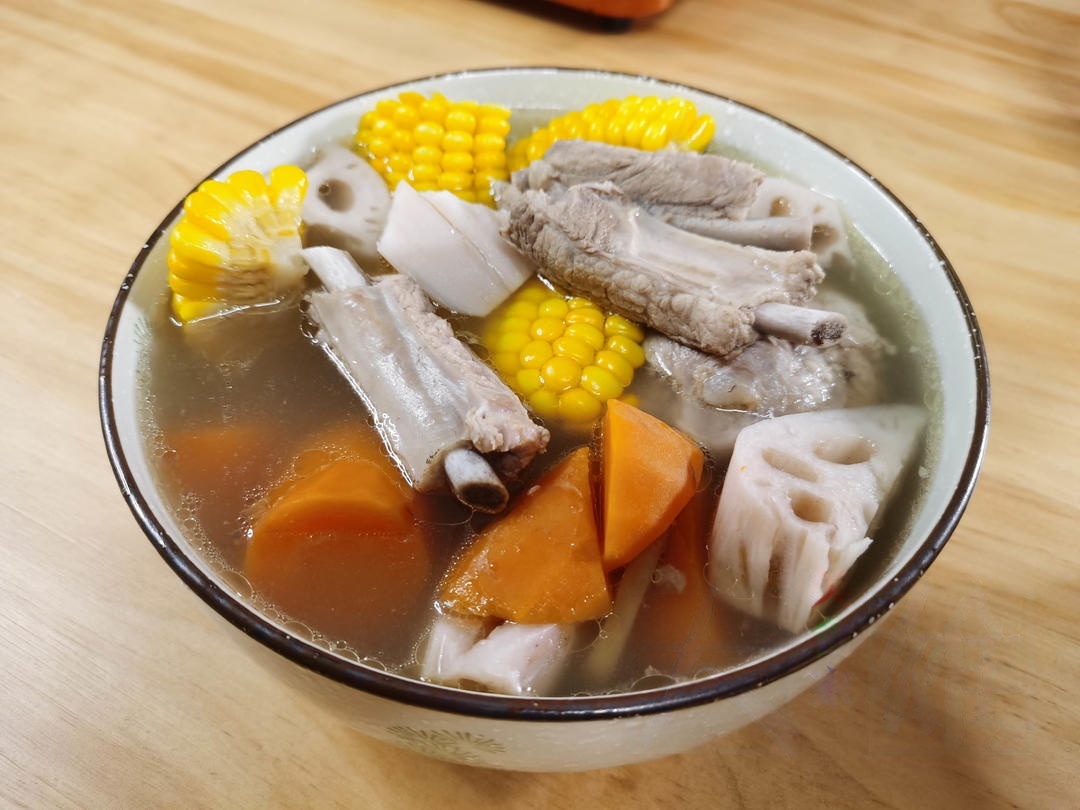
This dish is a complete meal on its own, but it pairs beautifully with a light, cold vegetable to cut the richness. A crisp smashed cucumber salad with garlic and vinegar is the fastest way to balance the plate, and it comes together while the rice steams. If you want a soup alongside, a clear winter melon pork rib soup is the traditional Cantonese pairing and keeps the meal light. For a heartier table, a bowl of lotus root and pork rib soup adds a starchy, comforting contrast that works especially well on cold nights.

Storage & Reheat
Let the rice cool to room temperature within two hours, then transfer it to a shallow airtight container and refrigerate. It keeps for up to 3 days. Because the rice has already absorbed its liquid, it will firm up in the fridge — that is normal, and it loosens again when reheated.
The best way to reheat is in a covered pan over low heat with a tablespoon or two of water, which steams the rice back to life without drying the chicken. The microwave works too: cover the bowl, add a splash of water, and heat in one-minute bursts until steaming hot throughout. Avoid reheating more than once, and do not leave the pot sitting out on the counter overnight — cooked rice is one of the foods most commonly linked to foodborne illness when left at room temperature.
If you want to make a larger batch for the week, this dish doubles easily in a bigger pot, though you may need to sear the chicken in two batches. It also freezes reasonably well for up to 2 months; thaw overnight in the refrigerator before reheating.
Allergen Notice
This recipe contains soy, from both the light and dark soy sauces, and typically contains shellfish-derived oyster sauce. If you are avoiding shellfish, look for a mushroom-based vegetarian oyster sauce, which is widely available and tastes very close in this dish. Shaoxing wine is made from rice and wheat, so anyone avoiding gluten should check the label or substitute dry sherry. Always read the labels of your specific brands, since sodium levels and additives vary considerably between manufacturers.
Nutrition Disclaimer
Nutrition information is calculated using an ingredient database and should be considered an estimate. In cases where multiple ingredient alternatives are given, the first listed is calculated for nutrition. Garnishes and optional ingredients are not included.
About the Author & Recipe Development
Lin is the cook and writer behind Woks of Love, where she develops Chinese home recipes with an emphasis on the techniques that actually matter — the order things go into the pan, the heat level, and the small timing decisions that separate a good pot of rice from a great one. This recipe grew out of a weeknight habit: a bag of mixed mushrooms, a pack of chicken thighs, and a pot of rice that needed to feed four people without a trip to the store.
It was tested repeatedly to nail down the liquid ratio, because one-pot rice dishes are unforgiving on that point. The version here uses soaked jasmine rice and just enough liquid to cover the ingredients, with the mushroom soaking liquid standing in for part of the water whenever dried mushrooms are on hand. If you make it, the one thing worth getting right on your first attempt is the mushroom step — cook them until the pan is dry and they begin to squeak, and the rest of the dish will follow.
Authoritative References
For safe handling and cooking temperatures for poultry, see the USDA safe minimum internal temperature chart, which lists 165°F (74°C) for chicken. General guidance on cooling and storing cooked rice can be found in the FDA’s food safety guidance on refrigeration. For background on the 焖饭 tradition and Chinese one-pot rice cooking, see Britannica’s overview of Chinese cuisine.
Mushroom Chicken Claypot Rice (菌菇鸡肉焖饭): Savory Mushroom Chicken

Equipment
- Wok
- Cutting Board
- Slotted Spoon
Ingredients
For the Chicken Marinade
- 1 lb chicken thighs boneless, skinless, cut into 1-inch pieces
- 1 tbsp Shaoxing wine or dry sherry
- 1 tbsp light soy sauce or tamari
- 1 tbsp oyster sauce
- 1/4 tsp white pepper ground
For the Rice and Mushrooms
- 2 cups jasmine rice rinsed and soaked 30 minutes
- 8 oz mixed mushrooms shiitake, oyster, and king oyster, sliced
- 1 cup warm water for soaking dried mushrooms, if using
- 1 medium onion thinly sliced
- 2 tbsp neutral oil for the wok
- 1 tbsp dark soy sauce for color
- 1 tsp light soy sauce
- 1/2 tsp sugar
- 1 cup mushroom soaking liquid or water, plus more as needed
- 2 whole scallions thinly sliced, for garnish
Instructions
- Cut the chicken thighs into 1-inch pieces and toss them with Shaoxing wine, light soy sauce, oyster sauce, and white pepper, then set aside to marinate.

- Prepare the mushrooms you like best, slicing them evenly, and rinse the rice and leave it soaking in cold water.
- Heat the wok over medium heat, spray or add a little oil, and stir-fry the sliced onion until it softens and turns translucent.
- Add the marinated chicken to the wok and pan-fry it on both sides until cooked through, then scoop it out and set it aside.
- Add a little more oil to the wok and stir-fry the mushrooms until they release their moisture and start to brown.
- Once the mushrooms have cooked down and released their water, add the seared chicken back into the wok.
- Add the drained, soaked rice to the wok with the chicken and mushrooms.
- Add the dark soy sauce and toss everything together until the rice and meat are evenly coated.
- Pour in the water, using the mushroom soaking liquid if you have it, just until it covers the ingredients.
- Cover the wok with a lid and simmer over medium-low heat for 15 minutes until the rice is tender and the liquid is absorbed.
- Scatter the sliced scallions over the top, stir everything together, and serve.












Leave a Reply