You’ve been there: the pan is hot, you’ve meticulously prepped your ingredients, and the moment the minced garlic hits the oil, it turns from fragrant white to a charred, acrid black in less than five seconds. This is the single most common frustration for home cooks attempting Chinese stir-fry or Western sautés. That tiny, burnt speck of garlic doesn’t just look bad; it infuses the entire dish with a lingering bitterness that no amount of soy sauce or sugar can hide.
Quick Answer: The 10-Second Golden Rule
To prevent garlic from burning, never add it to a dry, smoking-hot pan. Instead, start with “Cold Oil, Hot Pan,” add your aromatics when the oil is shimmering but not smoking, and move them constantly for no more than 10–15 seconds before adding your main ingredients. This provides enough heat to release the essential oils without reaching the scorching point where the garlic’s high sugar content carbonizes.
Why It Works: The Science of the Allium Burn
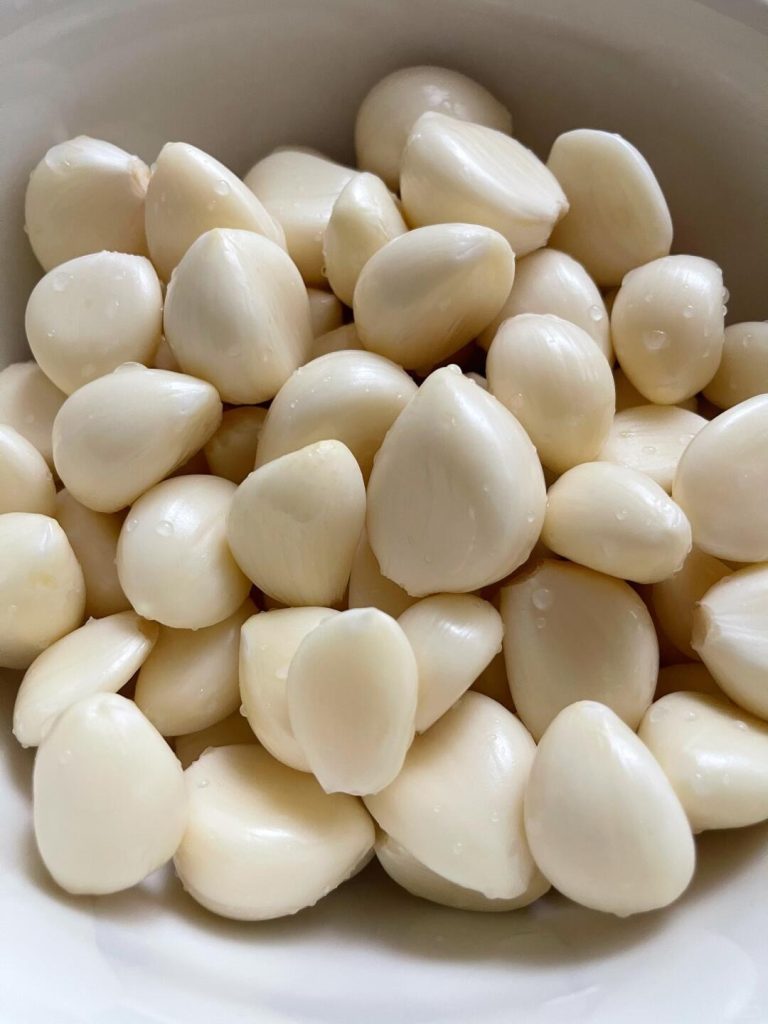
Garlic is unique among aromatics because of its physical composition. Unlike onions, which have a high water content that acts as a thermal buffer, garlic is dense in natural sugars and sulfur compounds but very low in moisture.
- Sugar Concentration: Garlic contains about 33% carbohydrates, much of which are fructans. These sugars begin to caramelize rapidly at temperatures above 310°F (154°C).
- Surface Area: When you mince garlic, you increase its surface area exponentially. Small bits have no “core” to stay cool, meaning the heat penetrates the center almost instantly.
- Oil as a Conductor: Oil is an efficient heat conductor. In a wok or skillet, the oil temperature can jump from 300°F to 450°F in seconds on a high-heat burner. Without a moisture-rich vegetable or meat to “quench” the pan, the garlic is at the mercy of that rising heat.
The Real Kitchen Insight: Lessons from the Line
In my 10 years in restaurant kitchens, I’ve seen beginners ruin hundreds of dollars of protein just by mistiming the garlic. What most home cooks don’t realize is that “wok hei” (the breath of the wok) isn’t achieved by burning the aromatics; it’s achieved by the rapid evaporation of moisture from the main ingredients.
In a professional setting, we often use what I call the “aromatic sandwich.” We don’t just throw garlic into the center of a roaring wok. We push the searing meat to the sides, drop the garlic into the small pool of oil in the center for exactly six seconds, and then immediately toss everything together. The moisture from the meat effectively “puts out the fire” on the garlic, stopping the cooking process at the perfect golden stage. If you’re struggling with this, understanding how to stir fry properly is your first step toward mastery.
Essential Tools and Ingredients
To master garlic, you don’t need a high-BTU burner, but you do need the right setup.
- Fresh Garlic: Pre-minced garlic in jars is submerged in phosphoric acid. It doesn’t brown; it just turns gray and tastes metallic. Always use fresh cloves.
- High-Smoke Point Oil: Use oils like grapeseed, peanut, or refined canola. Avoid extra virgin olive oil or butter for high-heat Chinese cooking, as their solids will burn even faster than the garlic itself. Choosing the best oil for stir fry is critical for heat management.
- The Right Vessel: A well-seasoned carbon steel wok or a heavy stainless steel skillet. If you are using a wok, ensure you know how to season a wok properly to create a non-stick surface that prevents garlic bits from sticking and scorching.
Prep Strategy: The Secret is in the Cut
How you cut your garlic dictates how it reacts to heat.
- Smashed Cloves: Best for slow-braised dishes or infusing oil. They are hard to burn because of their mass.
- Slices: Ideal for quick stir-fries. They offer a great balance of flavor release and heat resistance.
- Minced: The most flavor, but the highest risk. If mincing, keep the pieces uniform.
- Paste: Only use this when adding to a liquid-based sauce, never for initial sautéing in hot oil.
Chef’s Note: Always have your “Mise en Place” ready. Never start the heat until your next ingredient (the one that will save the garlic) is within arm’s reach.
Step-by-Step: The Professional Aromatic Sauté
This method is designed for a standard Western home stove (typically 10,000–18,000 BTU).
- The Cold Oil Start (For Beginners): Place your oil and garlic in a cold pan. Turn the heat to medium. As the oil warms, the garlic gently infuses. When you hear a gentle “fizzing” and smell the aroma, increase the heat and add your next ingredient.
- The Flash Sauté (For Intermediate): Heat your pan until a drop of water flicked onto it dances and evaporates (approx. 375°F–400°F).
- Add Oil: Swirl in 1–2 tablespoons of oil. It should shimmer immediately.
- The Drop: Add the garlic. You should hear a bright, high-pitched sizzling sound.
- The Agitation: Use a spatula to keep the garlic moving. Do not let it sit in one spot for more than a second.
- The Visual Cue: Look for the “pale gold” stage. Garlic goes from white to golden in 10 seconds, and from golden to burnt in 3 seconds.
- The Quench: As soon as the garlic is fragrant and pale gold, add your vegetables or meat (like in this 15-minute minced pork with baby bok choy). This drops the temperature of the oil instantly.
6 Common Mistakes & Professional Fixes
| Mistake | Why It Happens | The Professional Fix |
|---|---|---|
| Adding garlic to smoking oil | The oil is above 450°F, far past garlic’s burn point. | Remove pan from heat for 10 seconds before adding garlic. |
| Walking away from the pan | Garlic requires constant agitation to distribute heat. | Never leave the stove once aromatics hit the oil. |
| Mincing too finely | Small particles have zero thermal mass. | Use a coarse mince or thin slices for high-heat cooking. |
| Crowding the pan with aromatics | Too much garlic releases moisture, then steams, then sticks. | Use just enough oil to coat every piece of garlic. |
| Using a wet garlic press | The juice burns faster than the solids. | Knife-mince to keep the juices inside the garlic bits. |
| Waiting for “Brown” garlic | By the time it looks brown in the pan, it’s already burnt. | Stop at “Light Straw” color; carry-over heat does the rest. |
Pro Tips for Heat Mastery
- The Buffer Method: If you’re worried about burning, mix your minced garlic with your ginger and the white parts of scallions. The moisture in the scallions and ginger provides a slight “heat shield” for the garlic.
- Wok vs. Skillet: In a wok, the heat is concentrated at the bottom. In a flat skillet, the heat is uniform. If using a skillet, you must be even more aggressive with your stirring.
- The “Sauce Integration” Hack: If you are making a dish with a heavy sauce, like a Chinese garlic sauce, you can actually mix half the raw garlic into the cold sauce and sauté the other half. This gives you both the toasted depth and the sharp, fresh garlic punch.
Variation: The Garlic Oil Infusion
If you want the flavor of garlic without the risk of burnt bits in your final dish, make a garlic-infused oil.
- Heat 1/2 cup of oil with 4 smashed cloves on low heat for 5 minutes.
- Remove the cloves once they are golden brown.
- Use this oil for your high-heat stir-fry. You get 100% of the aroma with 0% of the burn risk.
Mini Recipe: 5-Minute Golden Garlic Greens
This simple dish is the perfect “final exam” for your garlic skills.
- Ingredients: 1 lb (450g) Baby Bok Choy or Spinach, 4 cloves garlic (sliced thin), 1 tbsp oil, 1/4 tsp salt.
- Method:
- Heat your skillet on high until a wispy trail of smoke appears.
- Add oil and immediately drop the garlic slices.
- Stir for exactly 8 seconds until the edges are just starting to turn blonde.
- Toss in the greens. The “whoosh” of steam is the sound of the garlic being saved.
- Season with salt, toss for 1 minute, and serve.
Restaurant vs. Home Comparison
Understanding the equipment gap is essential for managing expectations.
| Variable | Restaurant Wok Station | Western Home Stove |
|---|---|---|
| Burner Output | 80,000–120,000 BTU | 10,000–18,000 BTU |
| Oil Temp Recovery | < 5 seconds | 30–60 seconds |
| Garlic Strategy | Added last or in “Aromatic Sandwich” | Added early with “Cold Oil Start” |
| Heat Control | Controlled by lifting the wok | Controlled by turning the dial |
About the Author & Recipe Development
I’m Lin, and I spent over a decade behind the line in busy Chinese restaurants before transitioning to teaching home cooks. This guide wasn’t written from a textbook; it was developed through thousands of stir-fries and the inevitable mistakes that come with them. This “quench” technique was tested on both high-end Wolf ranges and standard electric apartment stoves to ensure that regardless of your equipment, you can achieve restaurant-quality results. Every timing recommendation is based on controlled tests using a digital infrared thermometer to map the exact point of carbonization.
Sources & Standards Referenced
- Harvard T.H. Chan School of Public Health – Cooking Oils and Smoke Points
- USDA Food Safety and Inspection Service – Safe Internal Temperatures for Meat and Poultry
- Journal of Food Science – Thermal Degradation of Sulfur Compounds in Allium Species (General Principle Reference).
Frequently Asked Questions
1. Can I use a garlic press for stir-fry?
It’s not recommended for high heat. A press crushes the cells, releasing all the oils and juices at once. This “garlic juice” burns almost instantly. Knife-mincing is much safer for heat stability.
2. Is it safe to eat burnt garlic?
While not toxic in small amounts, burnt garlic contains acrylamide, a chemical that forms in starchy foods when cooked at high temperatures. More importantly, it tastes terrible and will ruin your dish.
3. Why does my garlic turn blue or green sometimes?
This is a natural reaction between the sulfur in the garlic and trace amounts of copper in your water or the acid in your pan (like vinegar). It is safe to eat, though it looks strange!
4. How do I know if my pan is hot enough before adding garlic?
Use the water drop test. If the water beads and “skates” across the surface (the Leidenfrost effect), your pan is approximately 320°F–380°F, which is the perfect window to add oil and then garlic. If you are unsure, read our guide on why is my pan not hot enough.
5. Can I save a dish if the garlic is already burnt?
Honestly? No. If the garlic is black, the bitter compounds have already dissolved into the oil. The best move is to wipe the pan clean and start over. It takes 2 minutes to restart but a lifetime to forget a bitter meal.
Nutrition Disclaimer: Nutrition information is an estimate and provided for informational purposes only. The caloric impact of sautéed garlic is minimal (approx. 4 calories per clove), but the type of oil used will significantly affect the overall nutritional profile of the dish.
Safety Notice: When cooking with high heat and oil, always ensure proper ventilation. Never throw water on an oil fire; keep a lid or baking soda nearby to smother flames if necessary.












Leave a Reply