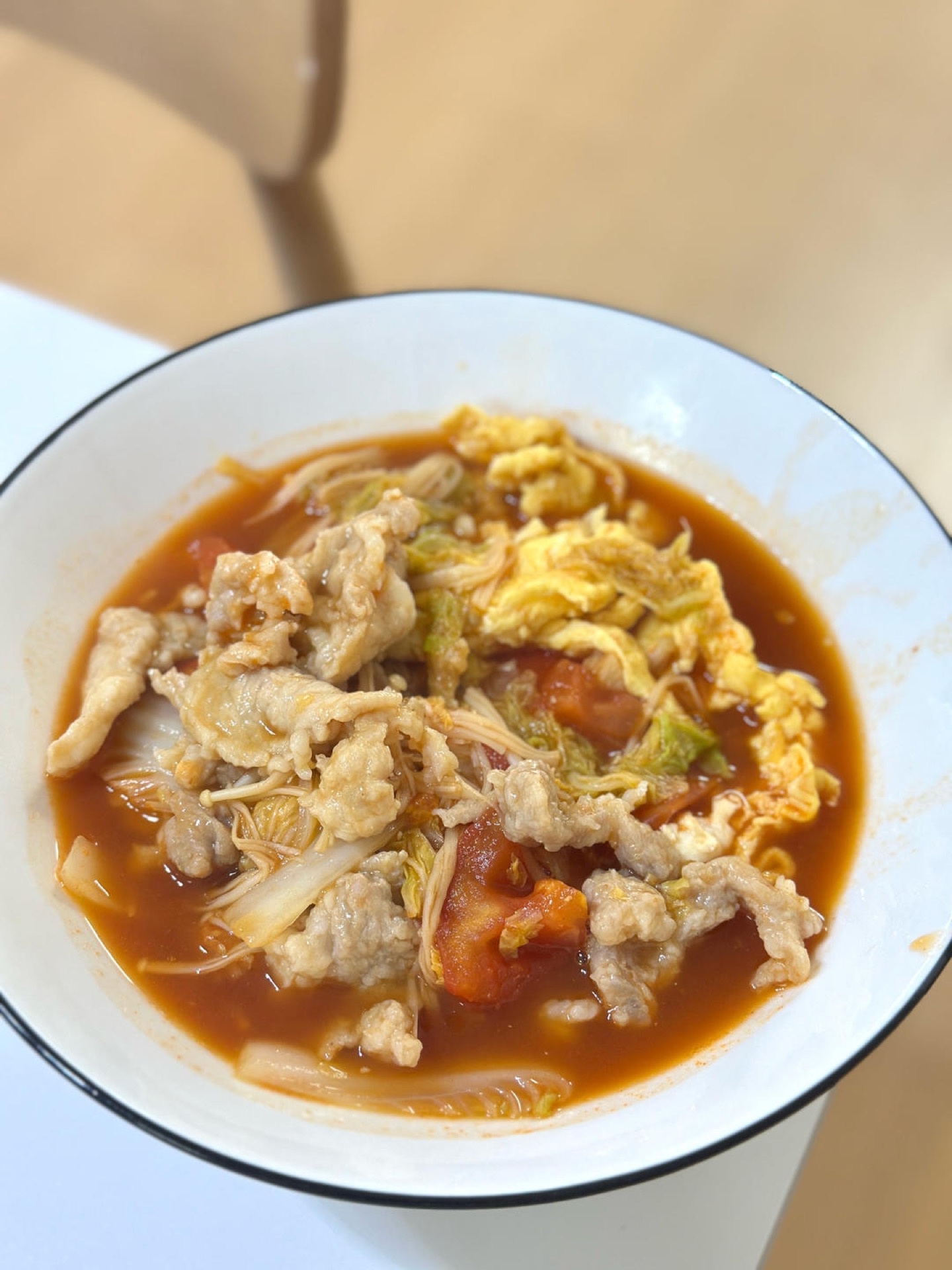
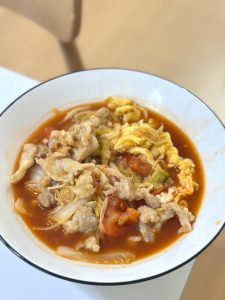
There is a particular kind of comfort that only a Chinese home kitchen can produce: a shallow bowl of something glossy and red-orange, steam curling off it, where the sauce is just thick enough to cling to a spoon. This dish — tomato pork slices with enoki — is exactly that. The pork is velveted until it slips apart under a chopstick, the tomatoes collapse into a sweet-tart gravy, and the enoki mushrooms add a springy little bite that keeps every spoonful interesting.
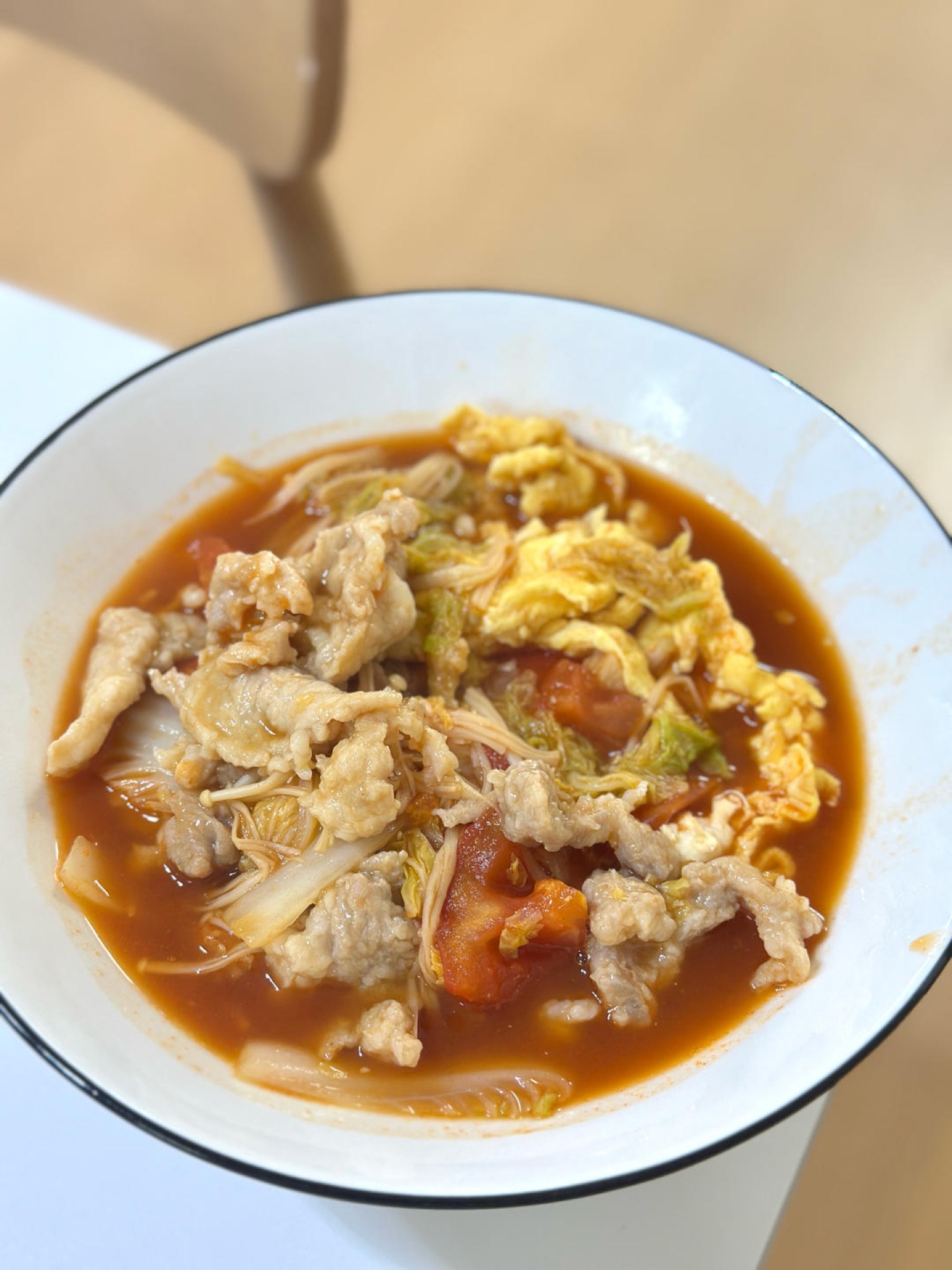
It is also one of the fastest things you can put on the table. From a cold wok to a finished bowl takes about thirty-five minutes, and most of that is chopping. If you keep a package of enoki in the fridge and a couple of tomatoes on the counter, this is a weeknight dinner you can make without thinking too hard — and it tastes like you thought about it all day.
What Is Tomato Pork Slices with Enoki?
番茄花肉 — literally “tomato flower pork” — is a Cantonese-leaning home braise in which thin slices of pork are poached in a tomato-based broth alongside whatever vegetables the cook has on hand. The “flower” in the name refers to the way the pork slices open and curl as they poach, blooming in the liquid like petals. It is a humble dish, the sort of thing that shows up on a Tuesday night, not at a banquet.
What makes it distinct from a tomato soup or a tomato stir-fry is the technique: the pork is marinated with egg white and potato starch (a process called velveting), then poached in barely-simmering water before it ever meets the sauce. That step is what gives the slices their silky, almost slippery texture. The tomato, meanwhile, is cooked down just enough to release its juices and sweetness, but not so long that it turns into paste. The result sits somewhere between a soup and a braise — loose enough to spoon over rice, thick enough to eat with chopsticks.
The dish belongs to a broader family of Chinese tomato-and-egg comfort food, where the natural glutamates in tomato do much of the seasoning work. If you enjoy that sweet-savory balance, our baby cabbage in savory broth takes a similar gentle approach with a different vegetable.
1Quick Baby Cabbage in Savory Broth (Shang Tang Wawa Cai)A restaurant-quality Chinese vegetable dish ready in 15 minutes. Tender baby cabbage is braised in a rich, creamy, golden broth made from salted duck eggs, century eggs, and cured ham. No dairy required!Check out this recipe

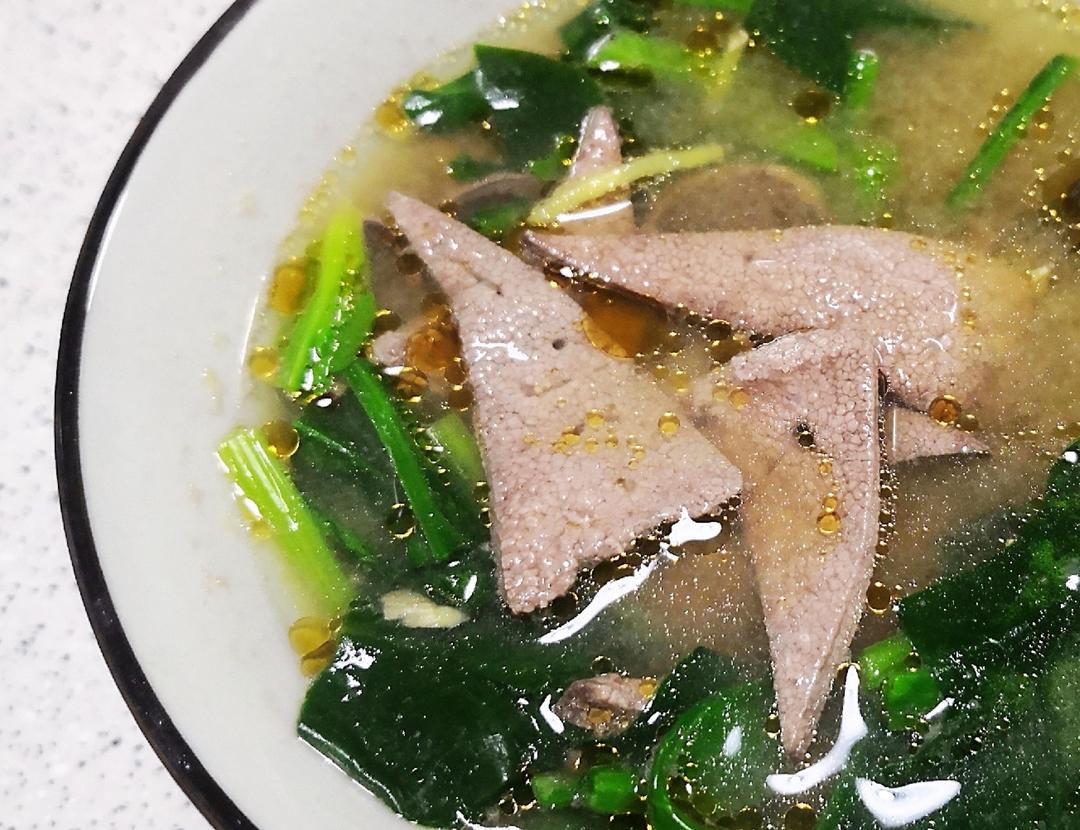
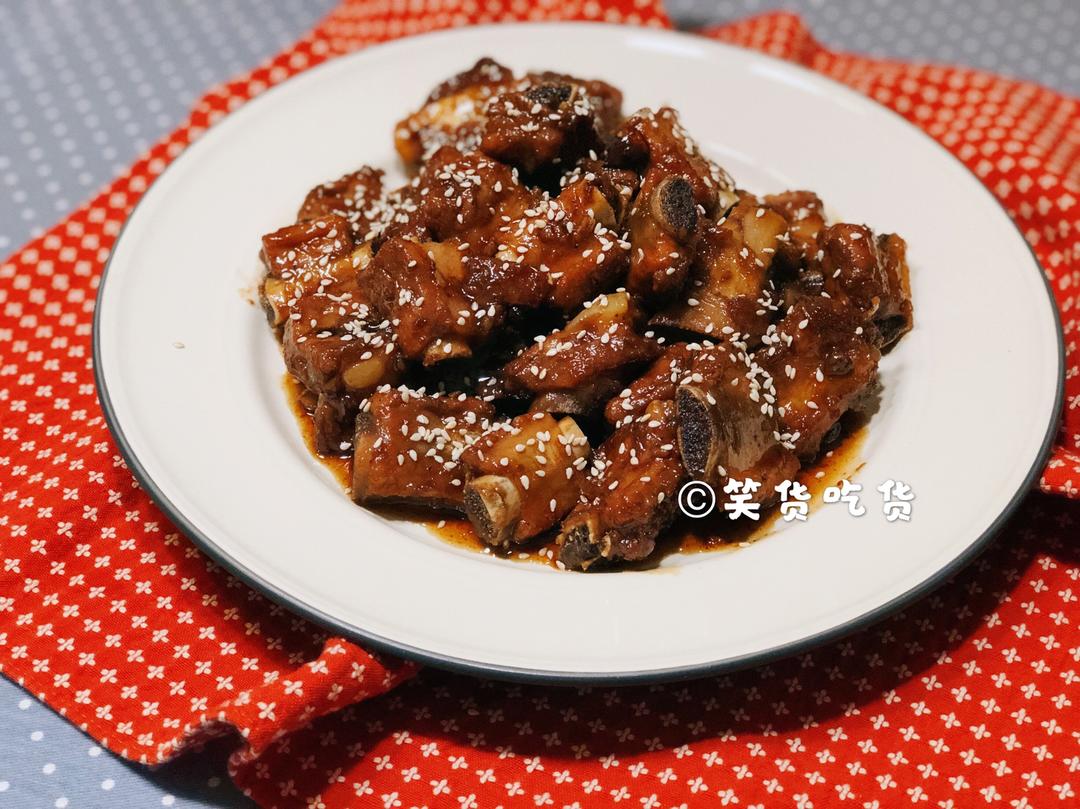
If you like the idea of pork and vegetables sharing one glossy sauce, our tender pork liver soup is another light, restorative bowl in the same spirit. And for a sweeter, stickier take on pork, our sweet and sour pork ribs is the crowd-pleaser version of the same acid-and-sugar idea.
2Tender Pork Liver Soup with Spinach (Zhu Gan Tang)A comforting Chinese home soup of paper-thin, velveted pork liver and fresh spinach in a clean gingery broth. Thin slicing, a cold-water soak, and blanching are the three keys that make the liver silky instead of rubbery.Check out this recipe
For the next cook from the same playbook, sweet and sour pork ribs is the recipe I point people to.
3Authentic Sweet and Sour Pork Ribs (Tang Cu Pai Gu)A foolproof, no-fry Sweet and Sour Pork Ribs recipe using the classic 1-2-3-4 golden ratio for the perfect balance of sweet and tangy flavors. Sticky, glossy, and incredibly tender!Check out this recipe
Why This Recipe Works
Three things do the heavy lifting here, and none of them are complicated.
First, the velveting. Coating the pork in egg white and potato starch creates a protective barrier that traps moisture inside the meat. When the slices hit the water, the starch gelatinizes into a thin, slick sheath. That is why the pork stays tender even though it is cooked twice — once in water, once in the sauce.
Second, the poaching water is off the heat. This is the single most important detail in the whole recipe. If you drop starch-coated pork into furiously boiling water, the coating sloughs off and you end up with cloudy water and naked, tough meat. Turning the heat off and letting the residual temperature cook the slices gently keeps the coating intact.
Third, the sauce is built in stages. The tomato goes in early to break down, the liquid and seasonings go in next, the vegetables simmer in the flavored broth, and the pork returns at the very end for just one minute. Each ingredient spends exactly as long in the pan as it needs to.
According to the FDA Food Code, pork should be cooked to a minimum internal temperature of 145°F (63°C) followed by a three-minute rest. Because the slices here are thin and poached, they reach that temperature almost immediately — which is another reason to pull them out the moment they change color.
If you enjoy this style of cooking — building a sauce in layers rather than dumping everything in at once — our pork and enoki mushroom stir fry uses the same mushroom but a completely different, drier technique. It is worth making both to see how the same ingredient behaves in two very different contexts.
Ingredients
Everything here is supermarket-accessible. The only thing you might need to seek out is potato starch, which is sold in the Asian aisle of most large grocery stores and online. Cornstarch will work in a pinch, but potato starch gives a slightly clearer, glossier finish.
For the pork, you want a lean cut sliced thin — pork loin or pork tenderloin are both ideal. Ask your butcher to slice it, or freeze it for twenty minutes before slicing so it holds its shape under the knife. You want pieces about the thickness of a coin.
The tomatoes should be genuinely ripe. This is not a dish where pale, winter tomatoes will do you any favors, because the tomato is doing the work of both the acid and the sweetness. If your tomatoes are lackluster, add an extra teaspoon of sugar and a small squeeze of tomato paste.
Enoki mushrooms need only their woody base trimmed off; the rest separates into delicate strands with your fingers. Napa cabbage — the baby variety called 娃娃菜 — is sweeter and more tender than full-grown napa, but regular napa or even bok choy will substitute fine.
Cooking Process
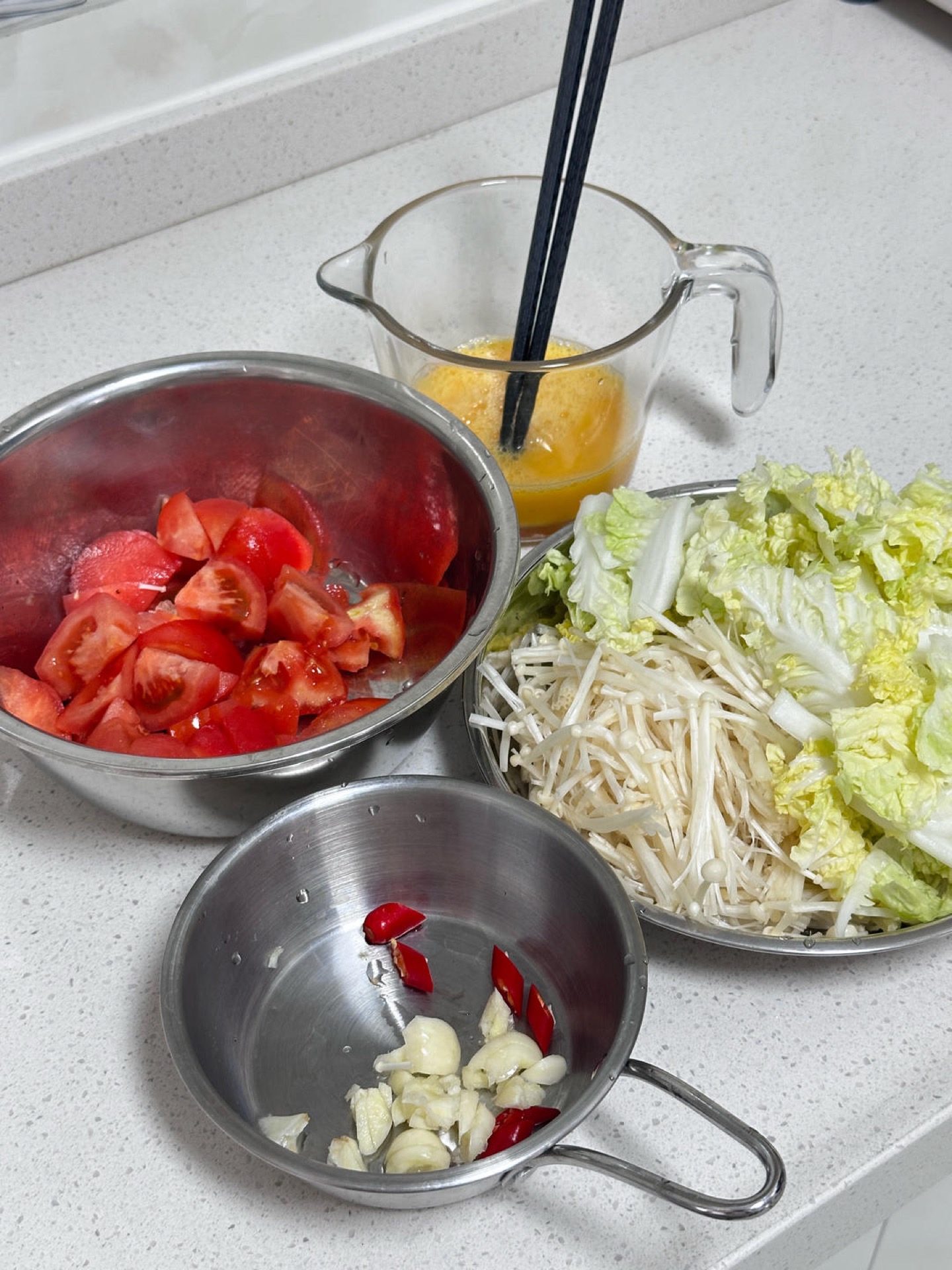
Step 1 — Gather the Ingredients
Prepare all the ingredients and set them out so everything is ready before you start cooking.
Step 2 — Marinate the Pork
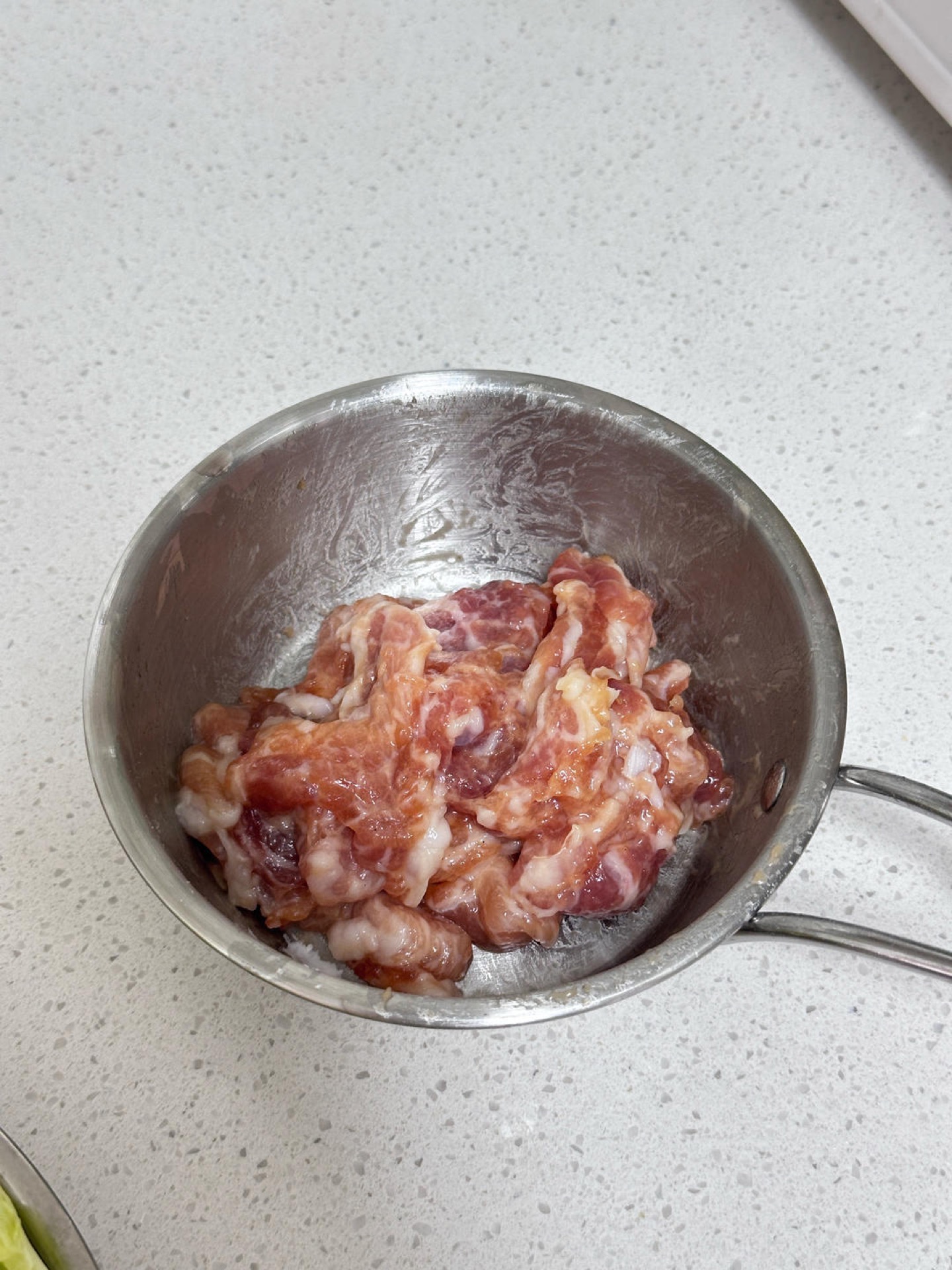
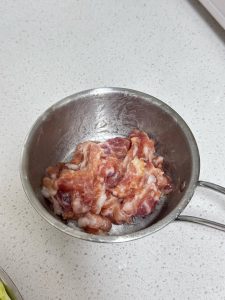
Mix the pork with 1 g salt and 5 g light soy sauce, then add half an egg white and stir until fully absorbed. Finally, add 10 g potato starch and mix until evenly coated.
Step 3 — Poach the Pork
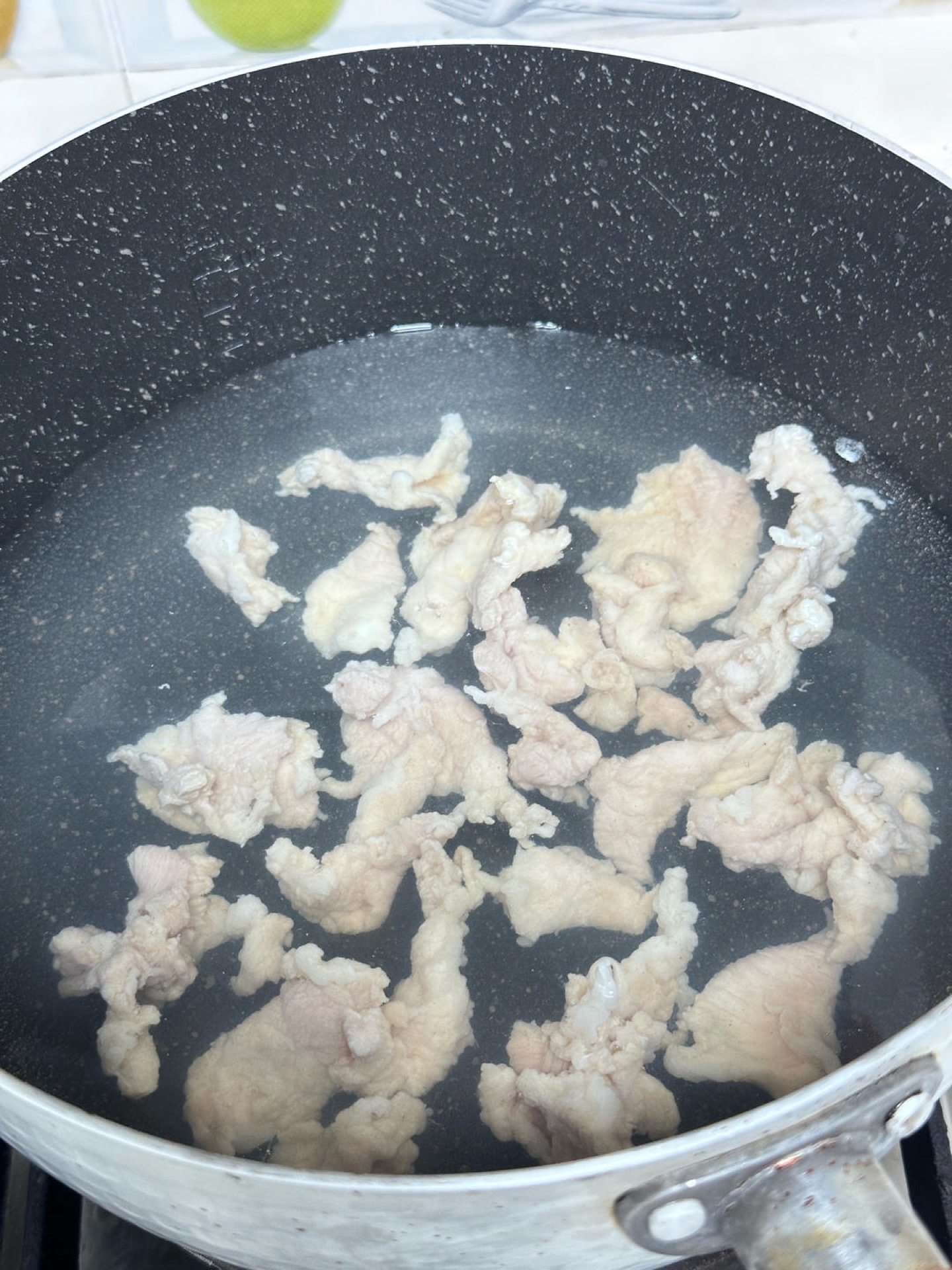
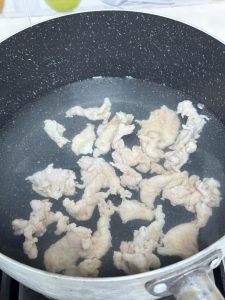
Bring water to a boil, then turn off the heat and slide in the pork slices one at a time.
Step 4 — Remove the Pork
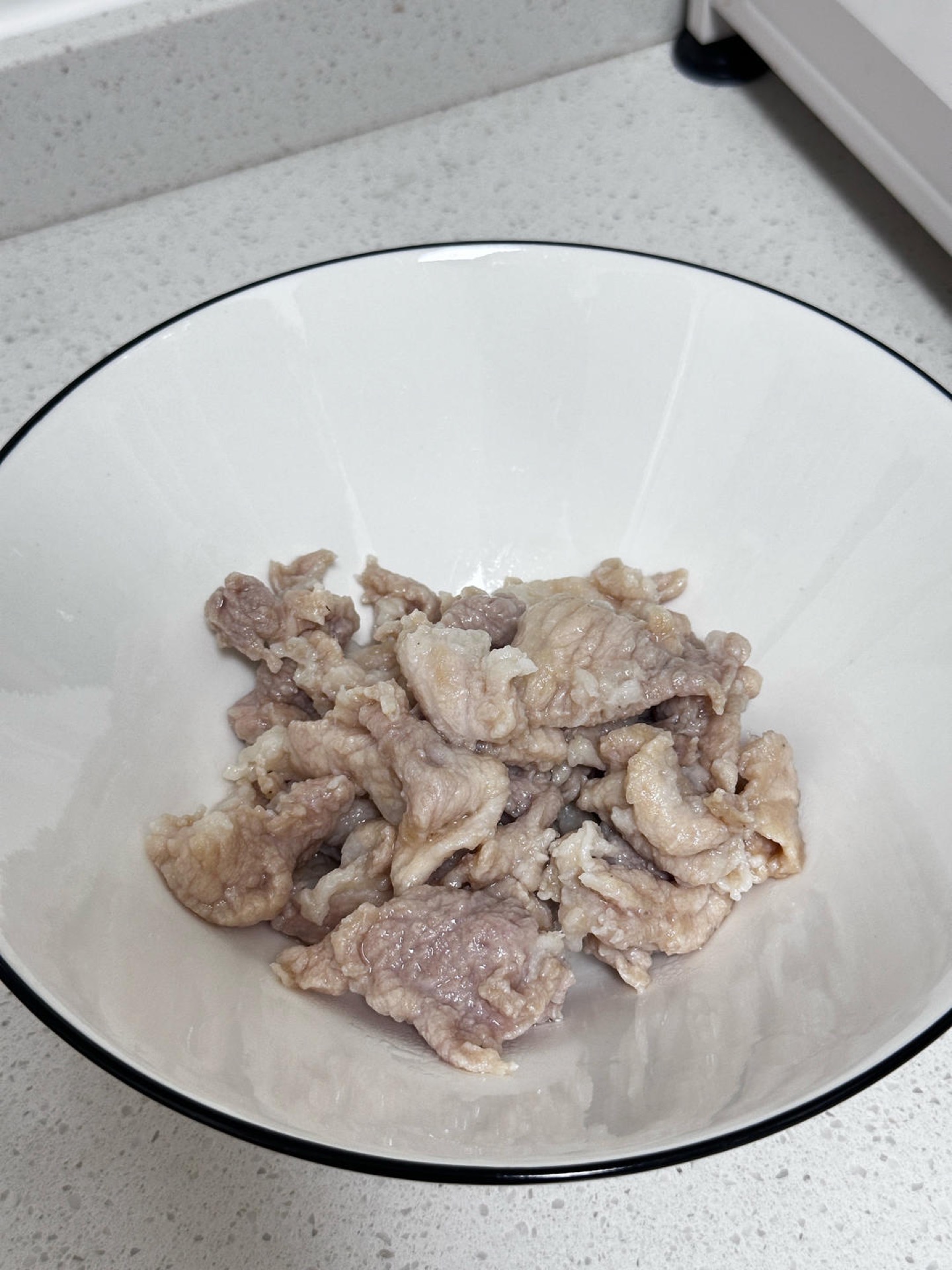
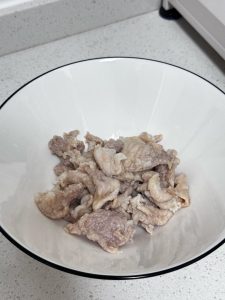
Cook just until the slices change color, then scoop them out immediately.
Step 5 — Scramble the Eggs
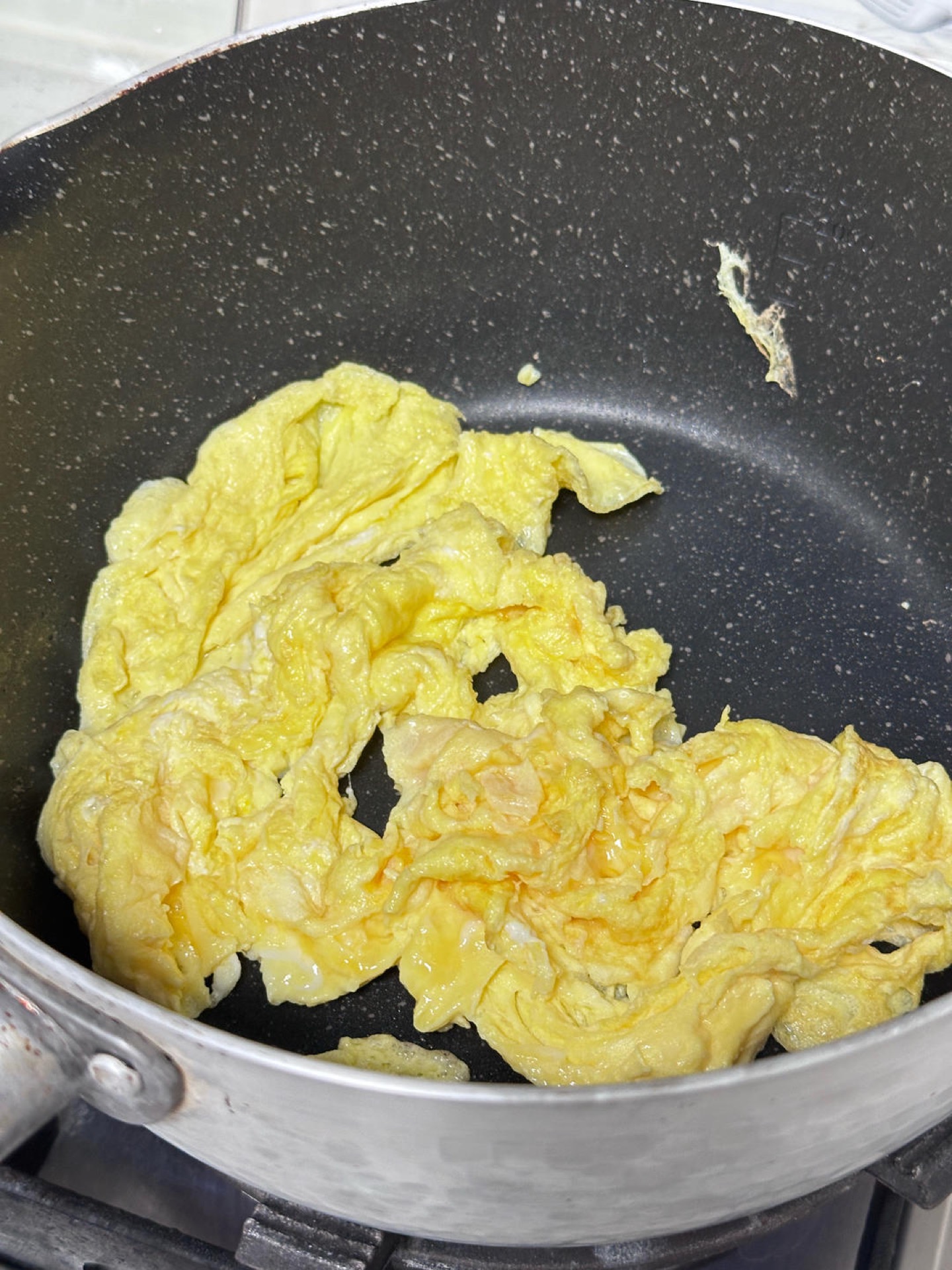
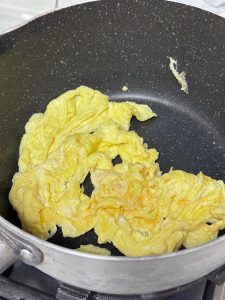
Scramble the eggs in the wok and set them aside.
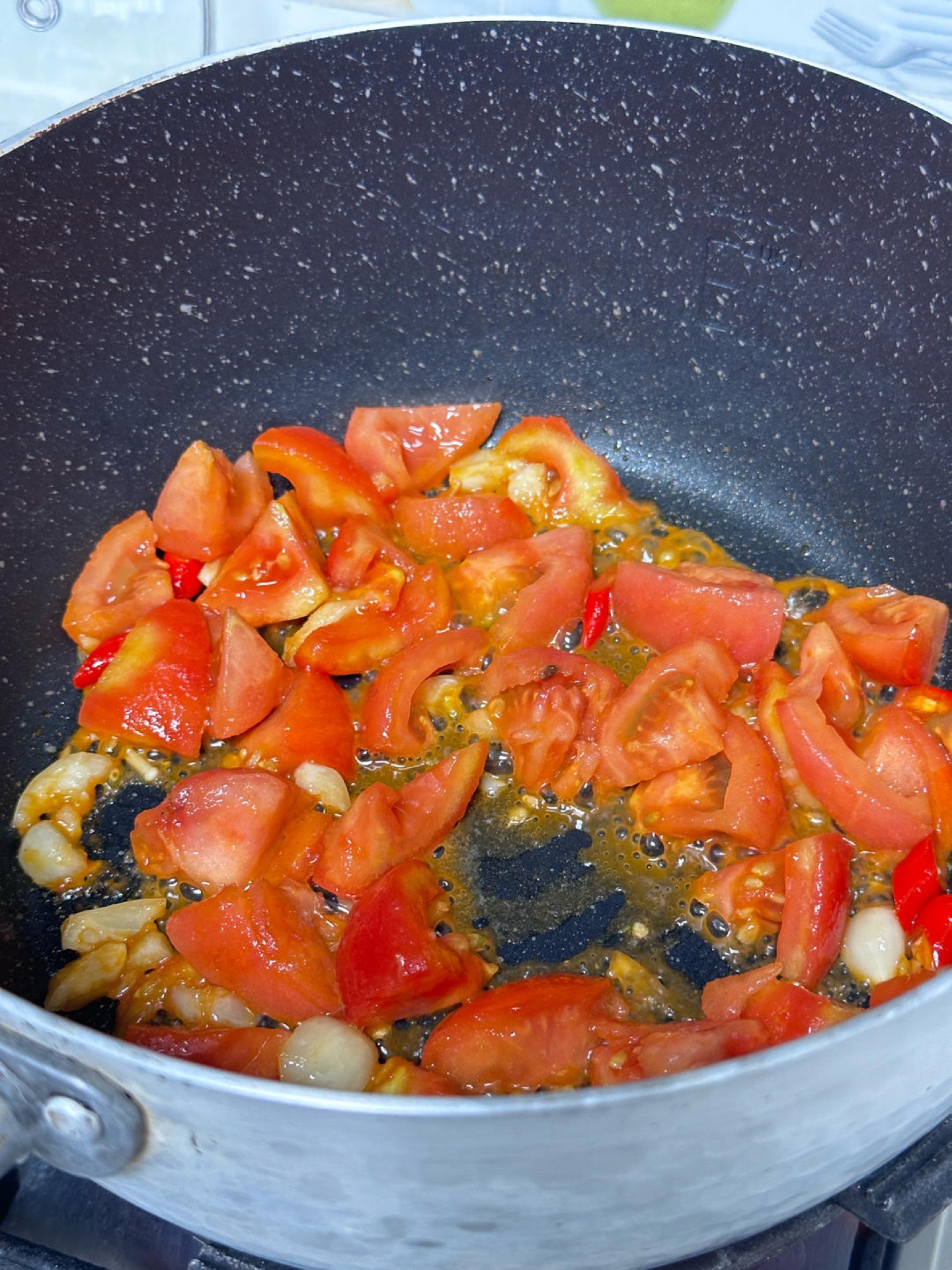
Step 6 — Sauté the Aromatics and Tomato
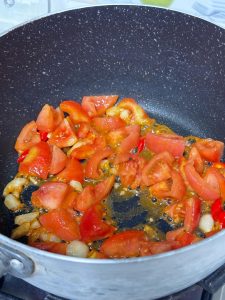
Stir-fry the aromatics, then add the tomatoes and cook for about one minute.
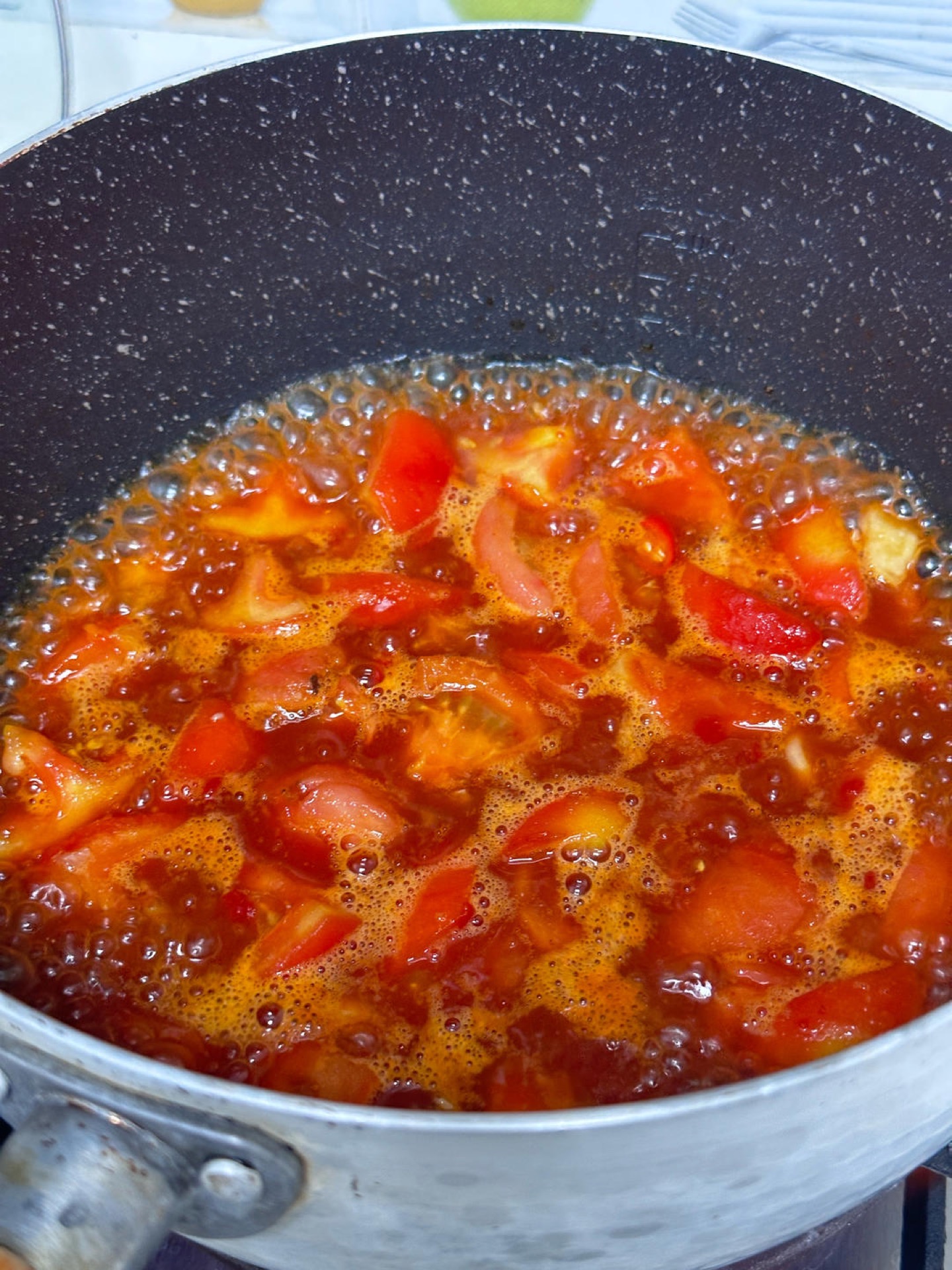
Step 7 — Build the Sauce
Add 300 g water and bring to a boil, then stir in 10 g sugar, 15 g soy sauce, and 10 g oyster sauce.
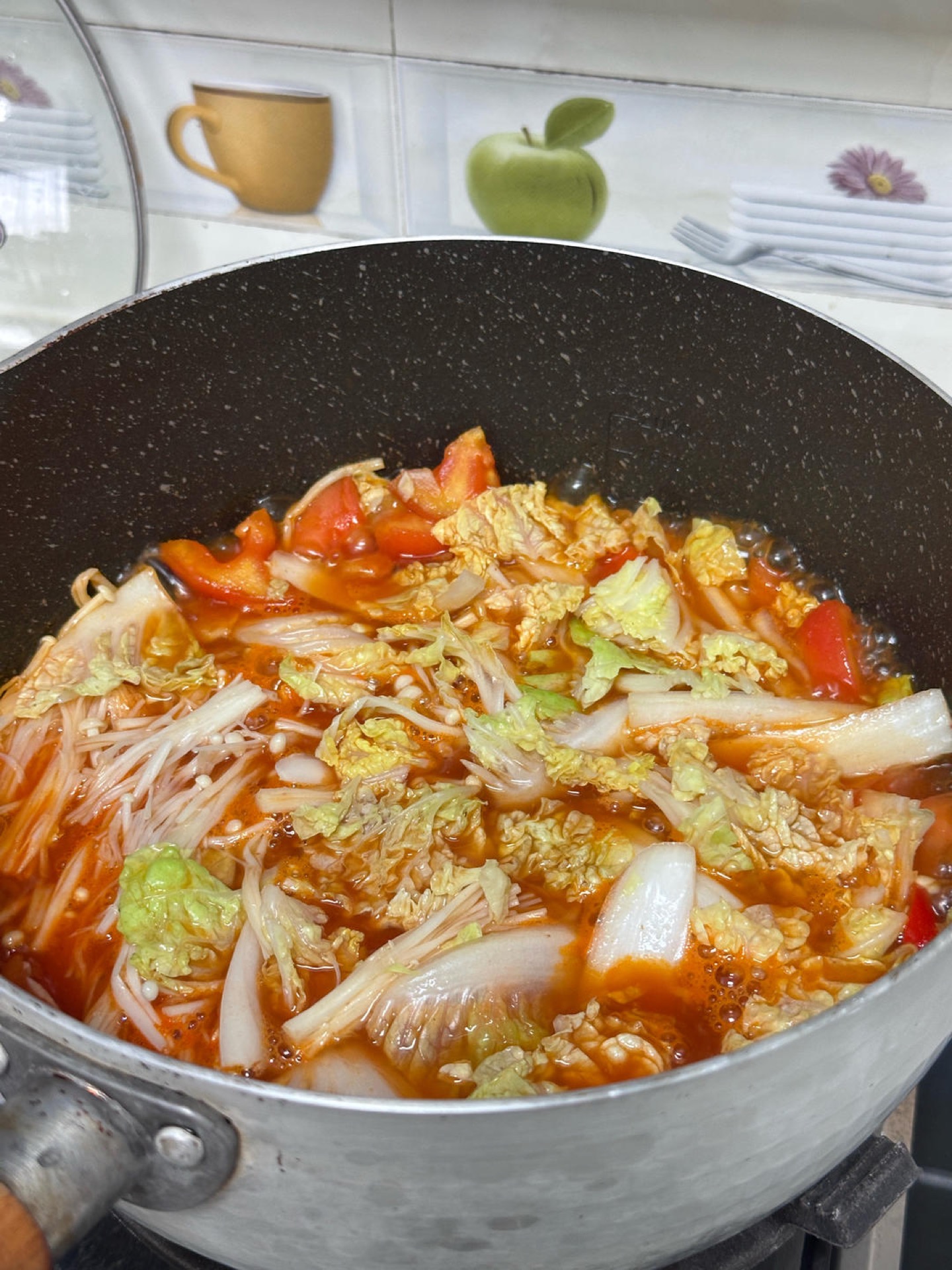
Step 8 — Simmer the Vegetables
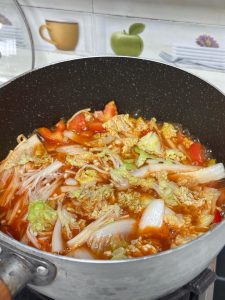
Add the enoki mushrooms and napa cabbage and simmer for 3 minutes.
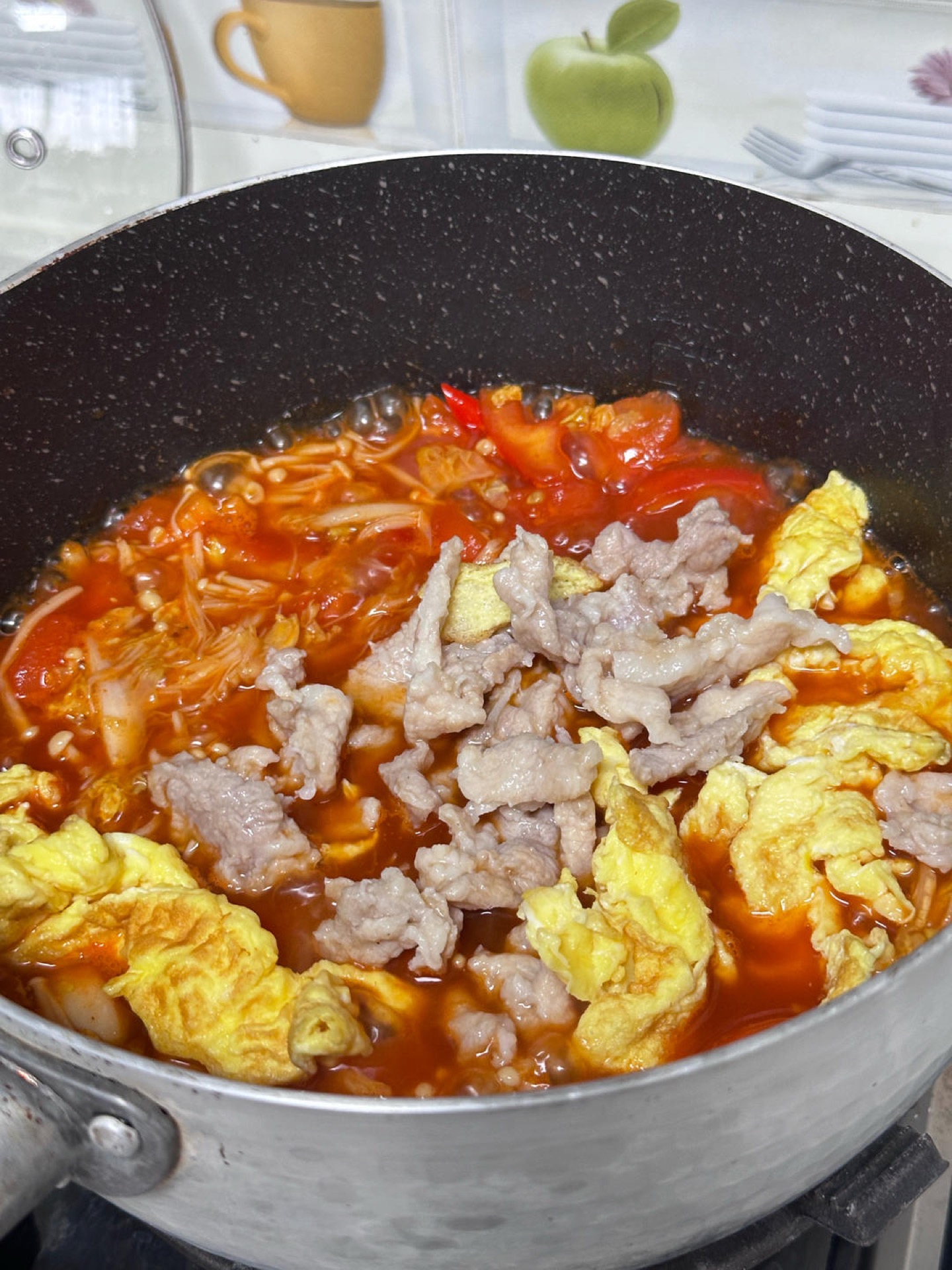
Step 9 — Finish with the Pork
Finally, add the pork slices back in and simmer for 1 minute.
Step 10 — A Note on Chili
PS: Do not add chili — chili and the sweet-sour tomato flavor clash badly.
Common Mistakes When Making Tomato Pork Slices with Enoki
1. Boiling the pork instead of poaching it. The most common failure. If the water is bubbling hard when the pork goes in, the starch coating breaks apart and clouds the liquid, and the meat tightens up. The fix: bring the water to a boil, then turn the heat off completely before adding the slices. Let the residual heat do the work.
2. Skipping the egg white and starch. Some cooks try to save time by marinating the pork in soy sauce alone. The result is edible but ordinary — the meat has no protective coating, so it turns dry and slightly fibrous in the sauce. The fix: take the extra five minutes. Velvet the pork properly and the difference is dramatic.
3. Adding the pork back too early. The pork is already cooked from poaching. If it simmers in the sauce for five minutes instead of one, it overcooks and loses its tenderness. The fix: add it at the very end, stir it through, and serve immediately.
4. Undercooking the tomato. If the tomatoes go in and come out within thirty seconds, they stay firm and acidic rather than softening into a sauce. The fix: give them a full minute of stir-frying until they start to collapse and release their juices.
5. Adding chili. This is the one the recipe’s own author flags at the end, and it is worth repeating. Chili and the sweet-sour tomato base genuinely do not get along — the heat flattens the fruitiness and the acidity sharpens the burn. The fix: leave the chili out. If you want heat, add a few drops of sesame oil or a pinch of white pepper instead.
6. Overcrowding the wok. If you double the recipe, the vegetables will steam rather than simmer and the sauce will turn watery. The fix: cook in two batches, or use a wider pan so the ingredients stay in a single layer.
How to Serve
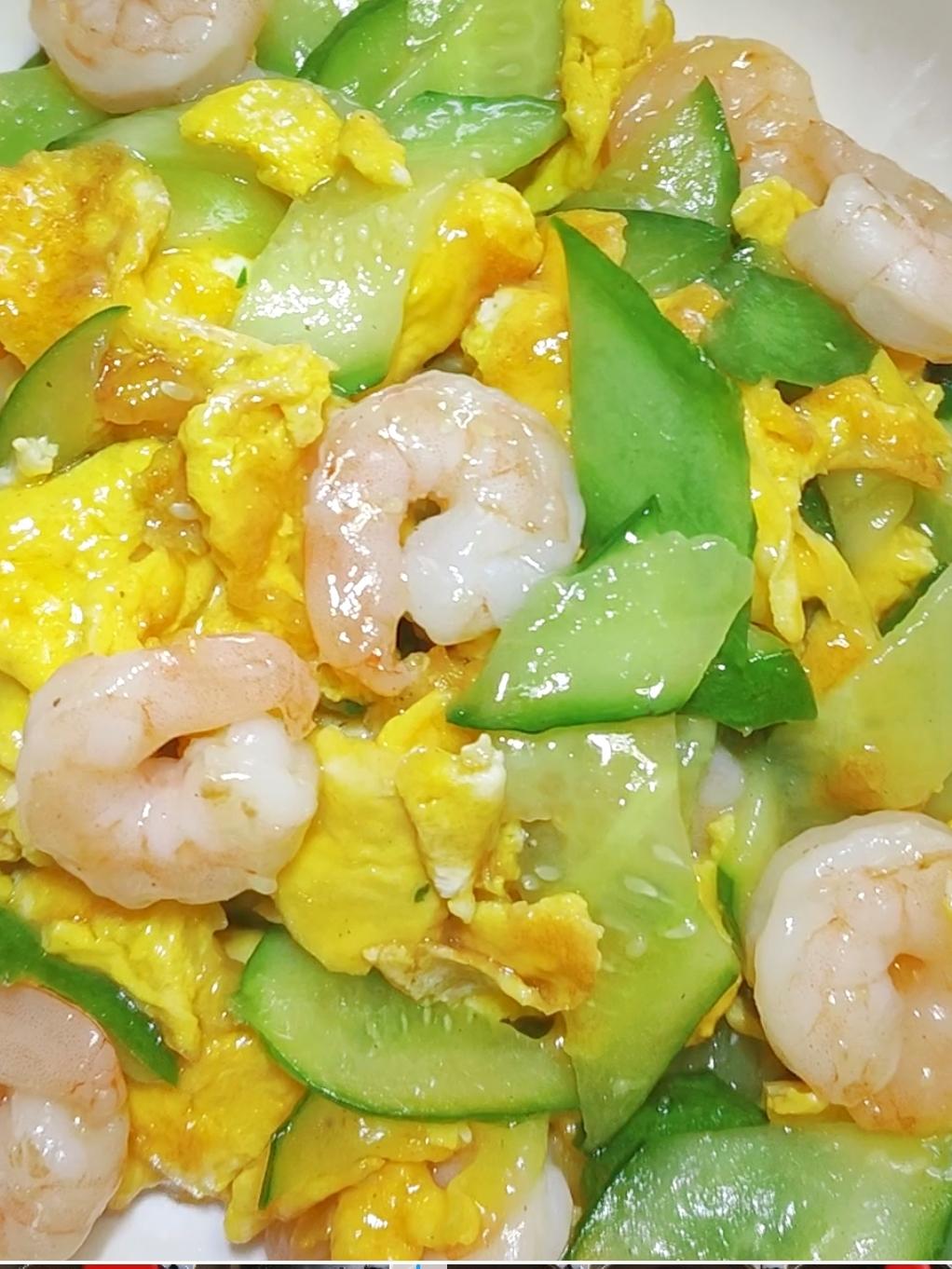
This dish is at its best ladled over a bowl of freshly steamed jasmine rice, with the sauce pooling around the grains. A small dish of pickled cucumber or a handful of blanched greens on the side keeps the meal balanced. If you want to build out the table further, our pork and green bean stir fry and our shrimp cucumber and egg stir fry both pair well — one dry and savory, one light and fresh — and together they make a weeknight spread that feels almost like a restaurant meal.
Storage & Reheat
Store leftovers in an airtight container in the refrigerator for up to three days. The pork will continue to absorb sauce as it sits, so the dish may look thicker the next day; a splash of water or stock loosens it right back up.
Reheat gently on the stovetop over medium-low heat, or in the microwave in thirty-second bursts, until piping hot — 165°F (74°C) throughout. Avoid boiling, which will toughen the pork. This dish does not freeze well, because the starch coating on the pork breaks down when thawed and turns grainy.
Allergen Notice
This recipe contains soy (from the soy sauce and oyster sauce), egg (from the egg white and the scrambled eggs), and wheat (if you use a standard soy sauce, which is brewed with wheat). Oyster sauce typically contains wheat as well. To make it soy-free, use tamari and a soy-free oyster sauce substitute; to make it gluten-free, use tamari and a gluten-free oyster sauce. Always check the labels on your specific brands.
Nutrition Disclaimer
Nutrition information is calculated using an ingredient database and should be considered an estimate. In cases where multiple ingredient alternatives are given, the first listed is calculated for nutrition. Garnishes and optional ingredients are not included.
Tomato Pork Slices with Enoki (番茄花肉): Tender Pork in Tangy Tomato

Equipment
- Wok
- Cutting Board
- Slotted Spoon
Ingredients
For the Pork Marinade
- 120 g pork loin thinly sliced
- 1 g salt about 1/4 tsp
- 5 g light soy sauce about 1 tsp
- 1/2 egg white from one large egg
- 10 g potato starch about 1 tbsp
For the Sauce
- 300 g water for simmering
- 10 g sugar about 2 tsp
- 15 g light soy sauce about 1 tbsp
- 10 g oyster sauce about 2 tsp
For the Dish
- 100 g napa cabbage baby variety, roughly chopped
- 100 g enoki mushrooms trimmed and separated
- 200 g tomatoes ripe, cut into wedges
- 1 head garlic minced
- 3 eggs beaten
Instructions
- Prepare all the ingredients and set them out so everything is ready before you start cooking.

- Mix the pork with 1 g salt and 5 g light soy sauce, then add half an egg white and stir until fully absorbed. Finally, add 10 g potato starch and mix until evenly coated.
- Bring water to a boil, then turn off the heat and slide in the pork slices one at a time.
- Cook just until the slices change color, then scoop them out immediately.
- Scramble the eggs in the wok and set them aside.
- Stir-fry the aromatics, then add the tomatoes and cook for about one minute.
- Add 300 g water and bring to a boil, then stir in 10 g sugar, 15 g soy sauce, and 10 g oyster sauce.
- Add the enoki mushrooms and napa cabbage and simmer for 3 minutes.
- Finally, add the pork slices back in and simmer for 1 minute.
- PS: Do not add chili — chili and the sweet-sour tomato flavor clash badly.



Notes
About the Author & Recipe Development
Lin has been cooking and writing about Chinese home food at Woks of Love since 2015, with a focus on the dishes that actually get made on a weeknight — the ones that do not require a trip to a specialty market or three hours of prep. This recipe was developed from a family version of 番茄花肉, tested repeatedly to nail down the poaching temperature and the exact balance of sugar to soy to oyster sauce. The goal was a bowl that tastes like it came from a home kitchen in Guangzhou, made in a home kitchen anywhere.
For another dish in the same spirit, pork and green bean stir fry is worth cooking next.
For another dish in the same spirit, potato and green bean stir fry is worth cooking next.
Authoritative References
For safe cooking temperatures and food handling guidance, see the FDA Food Code and the USDA safe minimum internal temperature chart. For background on starch gelatinization and its role in velveting, see The Food Lab’s coverage of Chinese cooking techniques.












Leave a Reply