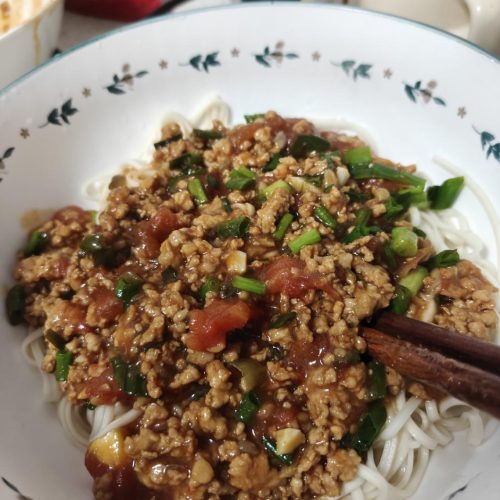
Some dinners earn their place in the rotation because they are clever. This one earns it because it is honest: a ripe tomato, a handful of ground pork, a few spoonfuls of pantry sauces, and a bowl of noodles. That is the whole thing. And yet the result tastes like something you’d wait in line for — jammy tomato, deeply savory pork, a sauce that turns glossy the second the starch hits it and clings to every strand instead of pooling at the bottom of the bowl.
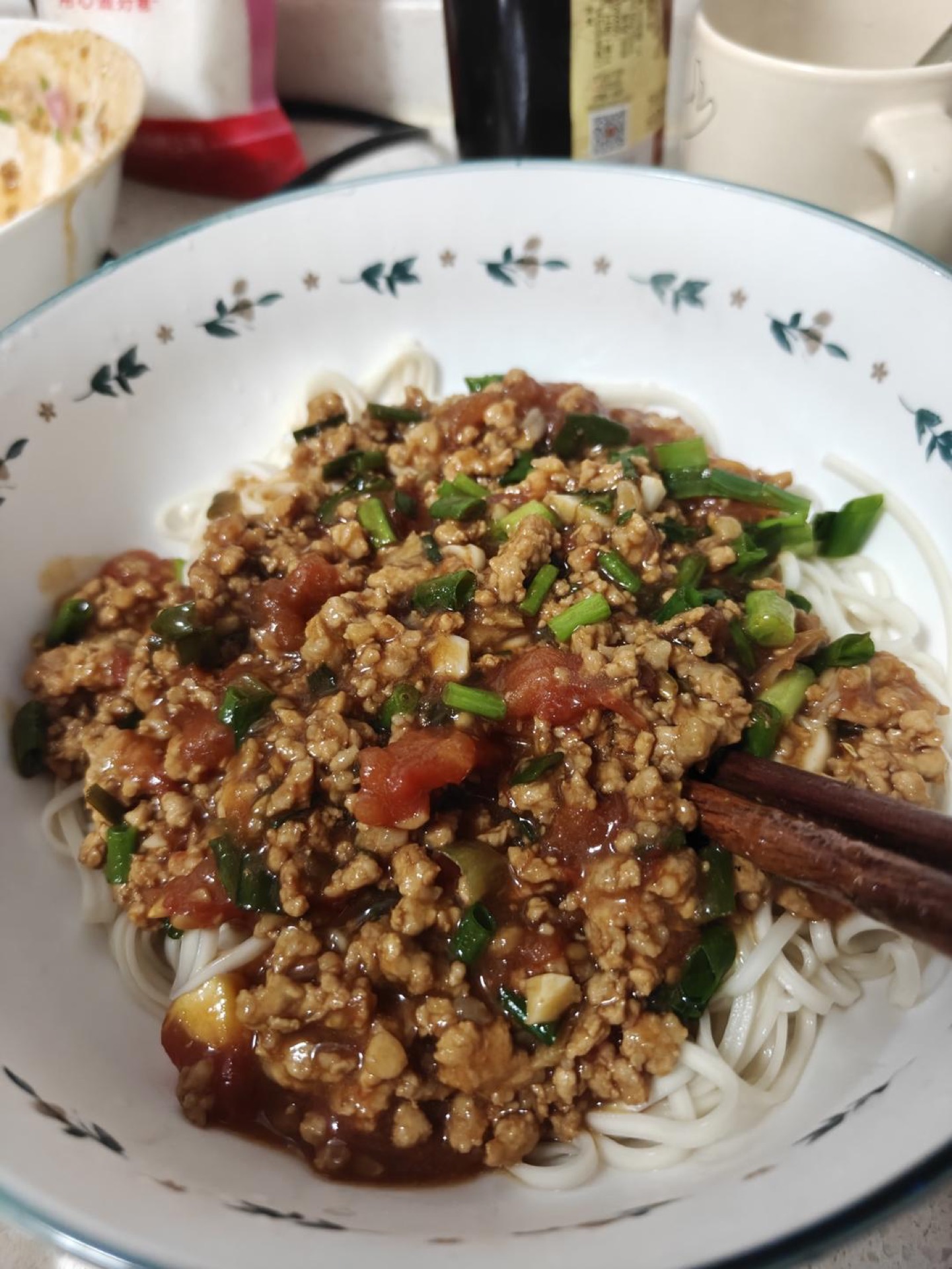
番茄肉酱面 — fanqie roujiang mian — is one of those dishes that lives in the space between “I have nothing in the fridge” and “this is exactly what I wanted.” It is not a restaurant dish in the way that mapo tofu or a proper zhajiangmian is. It is a home dish, the kind a student makes in a dorm kitchen and a grandmother makes on a Tuesday, and both versions are correct. The tomato does the heavy lifting: cooked down until it loses its raw edge and turns sweet-tart and jammy, it becomes both sauce and seasoning at once. The pork gives it backbone. The soy sauces give it the salty-savory depth that makes you go back for a second bowl without quite knowing why.
If you have ever made a tomato sauce that tasted thin or a meat sauce that tasted flat, this recipe is a good place to fix both habits at once. The technique is simple, but the order matters, and so does the patience to let the tomatoes actually cook. Let’s walk through it.
What Is Tomato Meat Sauce Noodles?
Tomato meat sauce noodles is a homestyle Chinese noodle dish in which diced tomatoes and ground pork are stir-fried and simmered into a thick, glossy sauce, then spooned over boiled noodles. It belongs to the broader 肉酱面 (roujiang mian, “meat sauce noodles”) family — the same category as zhajiangmian and its many regional cousins — but it swaps the fermented bean paste for fresh tomatoes, which makes it brighter, tangier, and considerably more approachable for cooks who did not grow up with a jar of tianmianjiang in the cupboard.
The dish sits somewhere between a Chinese stir-fry and an Italian ragù in spirit. There is no long simmer, no wine, no herbs. What there is instead: high heat, a starch slurry to bind, and a finishing handful of scallion greens. The sauce is meant to be thick enough to coat a chopstick, not runny enough to pool. If you have eaten a good bowl of it, you know the tell — the noodles come out of the bowl clean.
If you like the idea of a savory sauce clinging to springy noodles, our mushroom pork fried sauce noodles take the same 肉酱面 idea in a deeper, earthier direction with dried shiitake.
1Mushroom Pork Fried Sauce Noodles (Zhajiangmian)A comforting homestyle noodle dish featuring diced pork, earthy shiitake mushrooms, and fluffy eggs in a savory soybean sauce. A family favorite that’s ready in 30 minutes.Check out this recipe
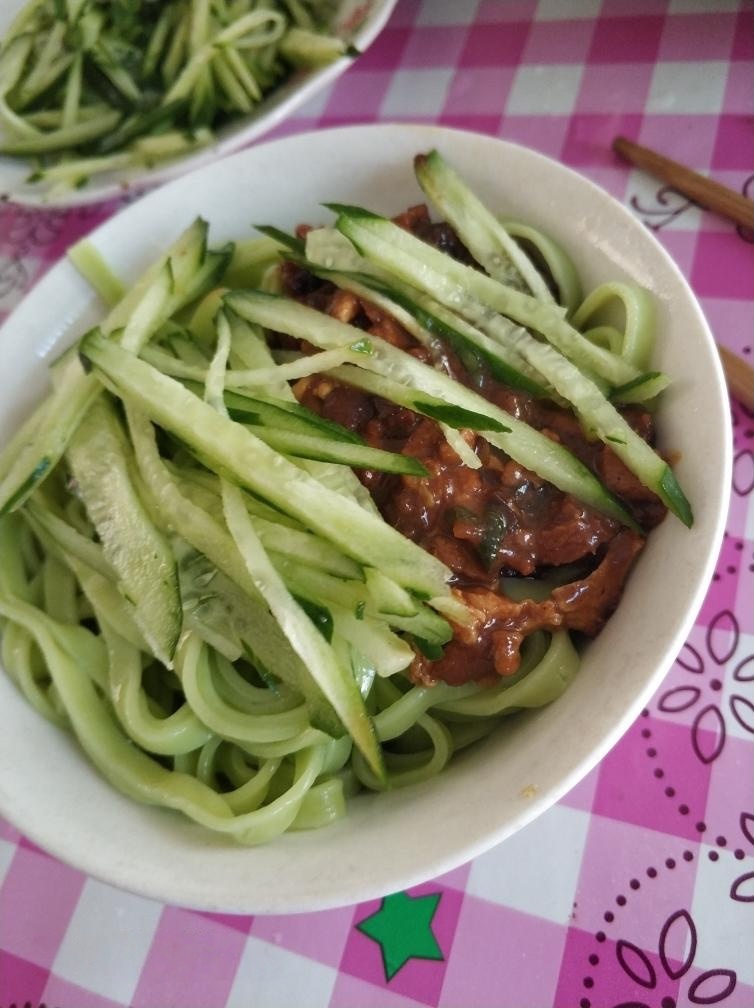
For a version built on the same tomato-and-pork pairing but served over pasta, our savory tomato meat sauce pasta is the closest cousin to this bowl.
2Savory Tomato Meat Sauce Pasta (Fan Qie Rou Jiang Mian)A 30-minute Chinese-style comfort meal featuring a savory-sweet tomato and meat gravy over tender pasta.Check out this recipe

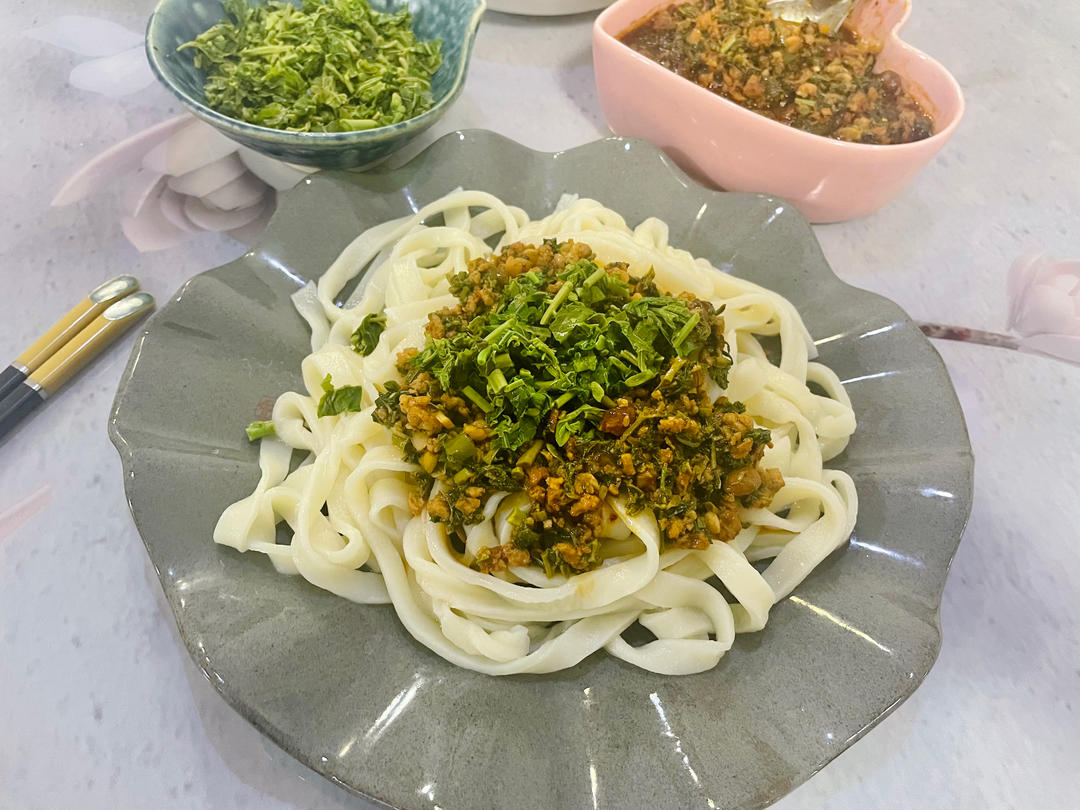
And if you want to see how far the meat-sauce-noodle family stretches, our chinese toon noodles with meat sauce uses a seasonal herb to give the same sauce a completely different aroma.
3Authentic Chinese Toon Noodles with Meat SauceDiscover the ultimate taste of spring with these savory Chinese Toon Noodles with Meat Sauce. A quick 15-minute recipe featuring fresh fragrant toon leaves, minced pork, and chewy noodles.Check out this recipe
Why This Recipe Works
Three things do the work here, and none of them are complicated.
The tomatoes are cooked, not just warmed. Raw tomato is watery and sharp. Cooked tomato — covered, over medium-high heat, until it collapses — releases pectin and turns sweet and jammy. That is what gives the sauce body before the starch even arrives.
The pork is browned first, then the aromatics go in. Browning ground pork in a hot wok builds the savory base; adding garlic and scallion whites afterward means they sweat in the fat instead of burning. Reverse that order and you get bitter garlic and gray meat.
The cornstarch slurry finishes the sauce. A slurry of cornstarch and water, added at the end, is what turns a loose tomato-pork mixture into a glossy sauce that clings. This is standard Chinese cooking logic — the same move that thickens mapo tofu and sweet-and-sour dishes. Without it, you have soup. With it, you have sauce.
Cornstarch thickens by gelatinizing: when its starch granules are heated in liquid, they absorb water, swell, and burst, forming a network that traps the surrounding liquid and gives the sauce a glossy, clinging body. That is why the slurry must be stirred again right before it goes in — the granules settle fast — and why the sauce should come just to a simmer, not a rolling boil, after it is added.
If your finished sauce still tastes dull after all that, the problem is usually seasoning balance rather than technique, and it is worth reading up on why a sauce tastes flat before you blame the recipe.
Equipment Needed
A wok is the ideal vessel here — its wide, sloped sides let the tomatoes reduce quickly and give you room to toss without splashing. A large skillet or sauté pan works perfectly well if that is what you have; just use the widest one you own.
You will also want a cutting board and a sharp knife for dicing the tomatoes and mincing the aromatics, a slotted spoon for lifting the noodles out of their cooking water, and a small bowl for whisking the sauce and the cornstarch slurry together before they hit the pan. A separate pot for boiling the noodles keeps the wok free for the sauce.
One more thing worth having: a small bowl to hold the finished sauce while the noodles cook. The sauce needs to come off the heat the moment it is glossy, and having somewhere to put it prevents it from overcooking while you wait on the pasta pot.
Ingredients
Everything here is a supermarket ingredient, which is part of the point. The full measured list is in the recipe card at the bottom of this post.
Ground pork — about 450g / 1 lb for four servings. Something in the 20% fat range gives the best result: the fat renders out, carries the tomato flavor, and keeps the meat from tasting dry. Lean ground pork works but will be a little less generous.
Tomatoes — three medium, about 450g / 1 lb total. Ripe, in-season tomatoes are obviously better, but this dish is forgiving of out-of-season ones because cooking concentrates whatever sweetness they have.
Light soy sauce, dark soy sauce, oyster sauce — the seasoning trio. Light soy brings salt and umami, dark soy brings color and a molasses-like depth, and oyster sauce brings a rounded savory sweetness.
Sugar — one tablespoon. This is not there to make the sauce sweet. It is there to round off the tomato’s acidity so the sauce tastes ripe rather than sharp.
Cornstarch — one tablespoon, mixed with water. The thickener.
Garlic and scallions — four cloves and two stalks. The garlic goes in early, the scallion whites with it, and the green tops go in at the very end for freshness.
Noodles — fresh wheat noodles are lovely, but dried noodles are what most home cooks use and they are completely fine. If you are choosing between options at the store, our guide to the types of Chinese noodles is a useful map.
Neutral oil — two tablespoons. Anything with a high smoke point and no strong flavor.
Ingredient Notes
On the tomatoes. Dice them to a uniform half-inch so they cook at the same rate. If your tomatoes are particularly watery, you can salt them lightly and let them sit for ten minutes, then drain the excess liquid before they go in the wok — this shortens the reducing time considerably and gives you a thicker sauce.
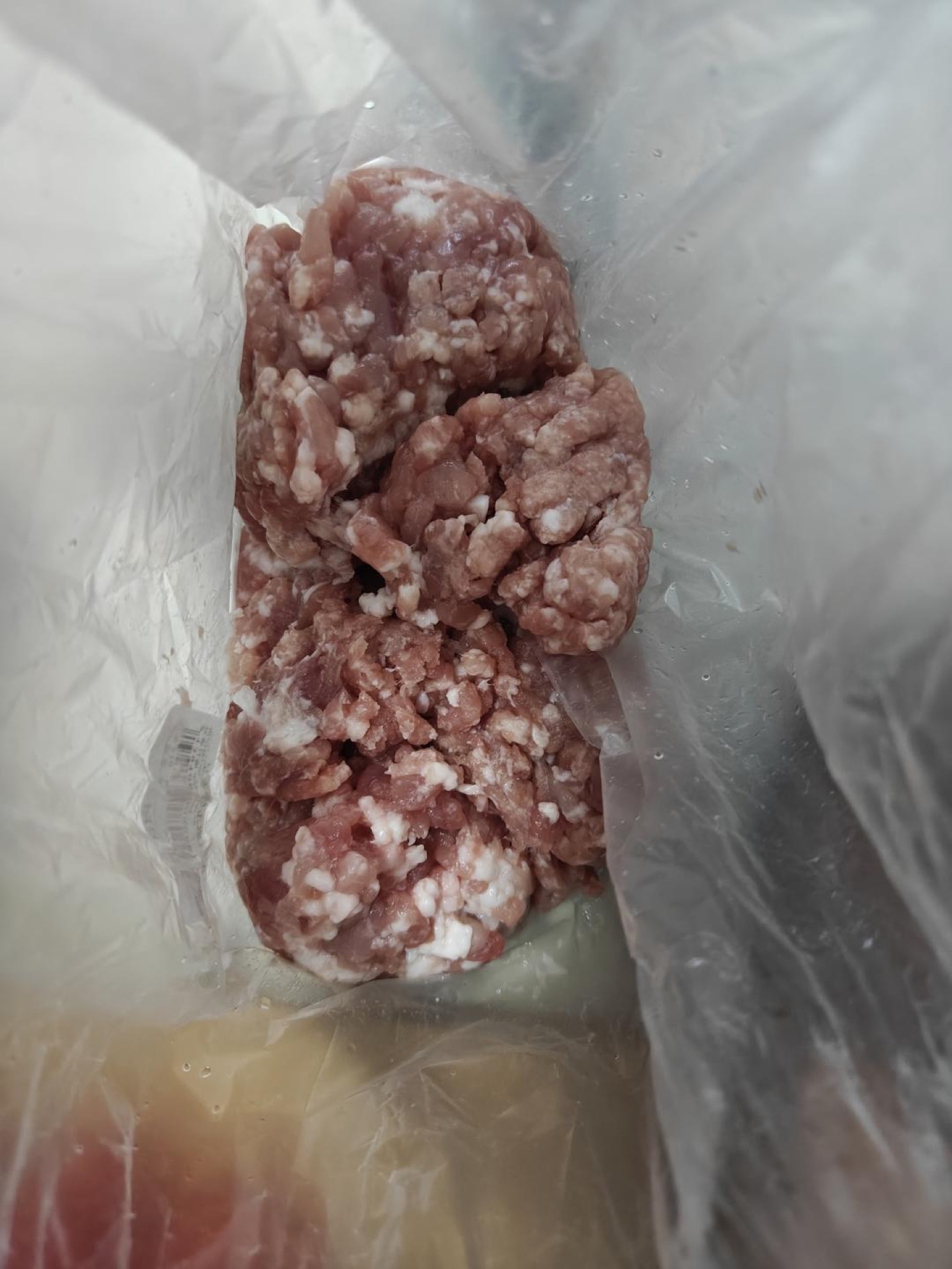
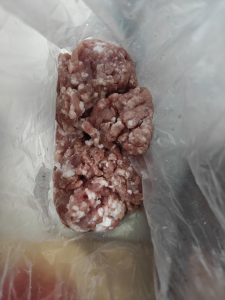
On the pork. Ground pork that has been sitting in the fridge will clump. Break it up with a spoon before it goes into the wok, and press it flat against the hot surface for the first thirty seconds or so before you start stirring. That contact is what produces browning rather than steaming.
On the soy sauces. Light and dark soy are not interchangeable. Light soy is the salty, thin one; dark soy is the thick, mildly sweet one used mostly for color. If you only have one, use light soy and accept a paler sauce — do not substitute dark soy one-for-one, or the sauce will taste muddy.
On the oyster sauce. It is optional, and it is also a shellfish product. If you are cooking for someone with a shellfish allergy, leave it out and add an extra half teaspoon of light soy plus a pinch of sugar instead.
On the starch slurry. Mix the cornstarch with cold water, never hot. Hot water will seize it into lumps before it ever reaches the pan. And stir it once more with your finger right before pouring — the granules settle within a minute.
On the noodles. Cook them in well-salted water and drain them thoroughly. A little cooking water clinging to the noodles actually helps the sauce coat them, but a puddle at the bottom of the bowl will thin everything out.
Prep & Mise en Place
This dish moves fast once the wok is hot, so do all the knife work first. Dice the tomatoes, mince the garlic, and separate the scallions into whites and greens. Measure the soy sauces, oyster sauce, and sugar into one small bowl, and whisk the cornstarch with three tablespoons of cold water in another. Set the ground pork out and break it up.
Put a large pot of water on to boil for the noodles before you start the sauce. Ideally, the noodles go into the water at roughly the same moment the sauce comes off the heat, so that both are ready at the same time and nothing waits.
Lay everything out within arm’s reach of the wok. From the moment the pork hits the oil to the moment the sauce is done is about twelve minutes, and you will not want to be hunting for the oyster sauce in the middle of it. This is the same discipline that makes any restaurant-style stir fry feel effortless at home.
Cooking Process
Step 1 — Prep the Aromatics and Tomatoes
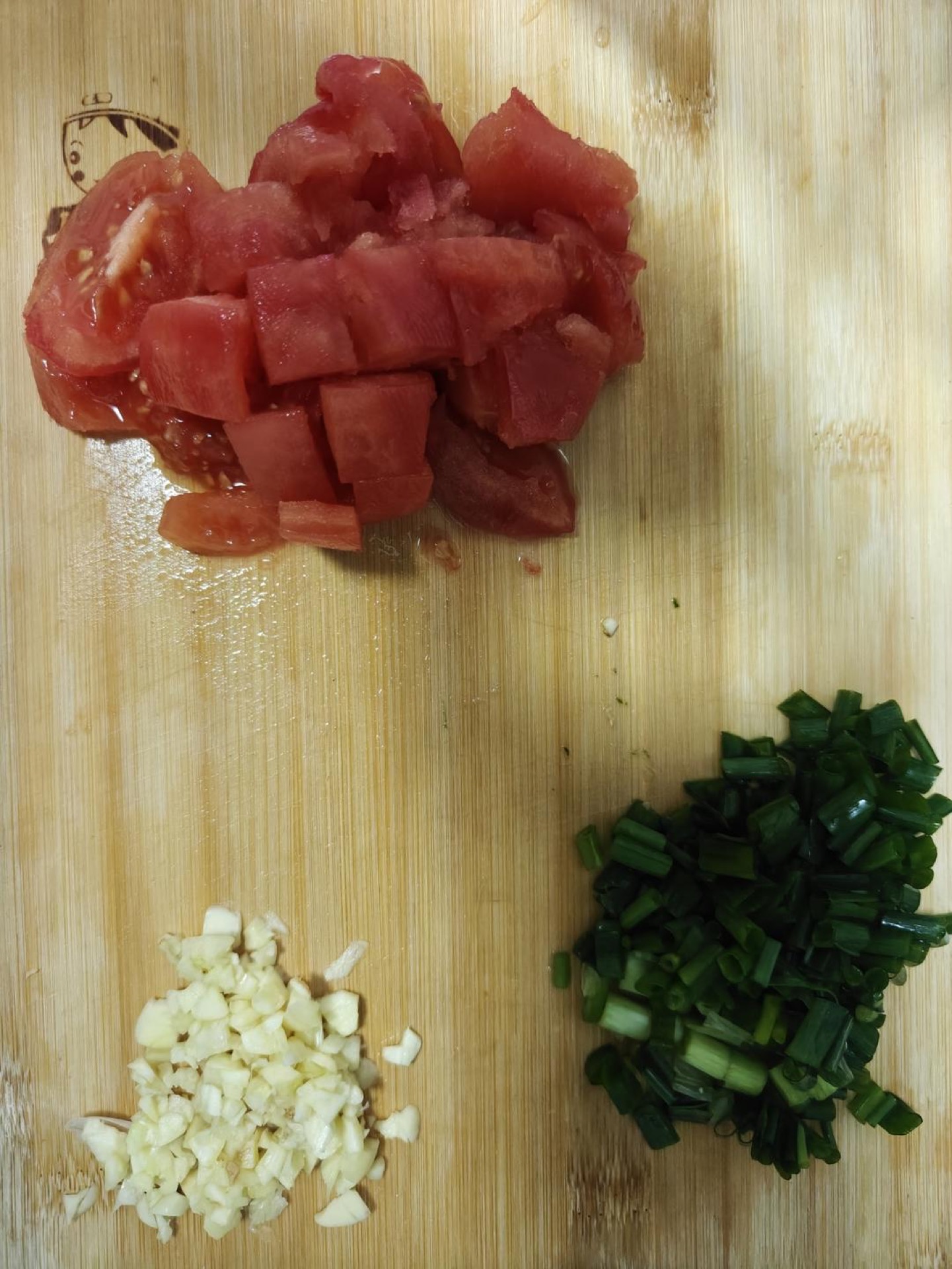
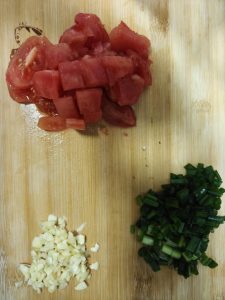
Dice the tomatoes into 1/2-inch cubes, mince the garlic, and finely chop the white parts of the scallions while slicing the green parts on the bias.
Step 2 — Portion the Ground Pork
Use about 125g (1/4 lb) of ground pork for one serving, or 450g (1 lb) for four servings, and break it up lightly with a spoon before it hits the wok.
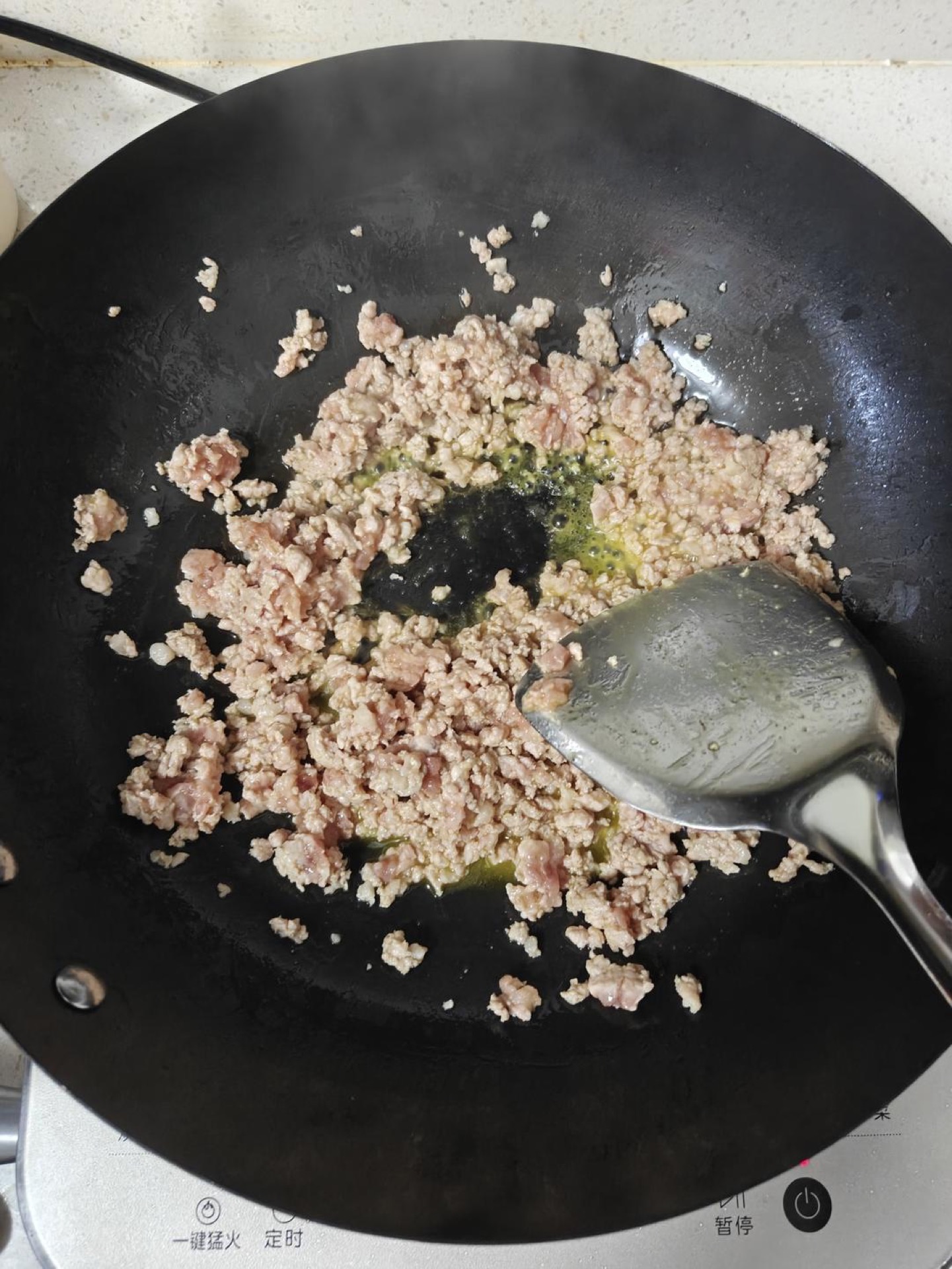
Step 3 — Brown the Pork
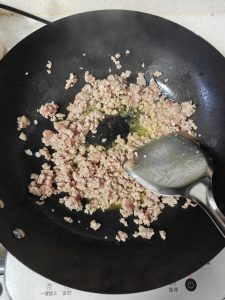
Heat the wok over medium-high heat, add the cold oil, and stir-fry the ground pork until it is fragrant and no longer pink, about 3 minutes.
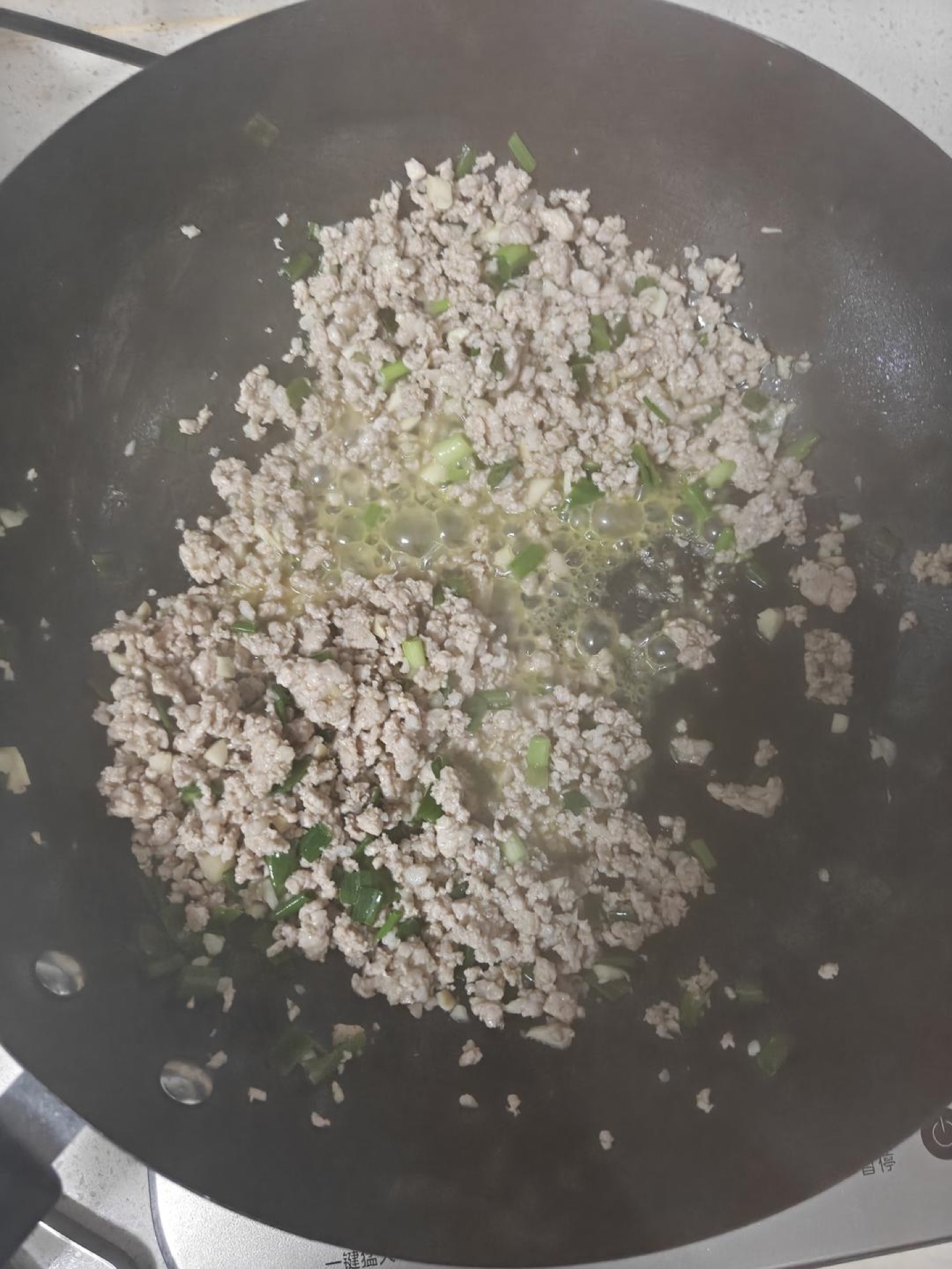
Step 4 — Add the Aromatics
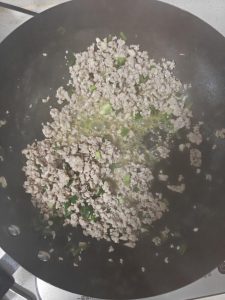
Add the minced garlic and scallion whites and stir-fry for about 30 seconds, until they smell sweet and fragrant.
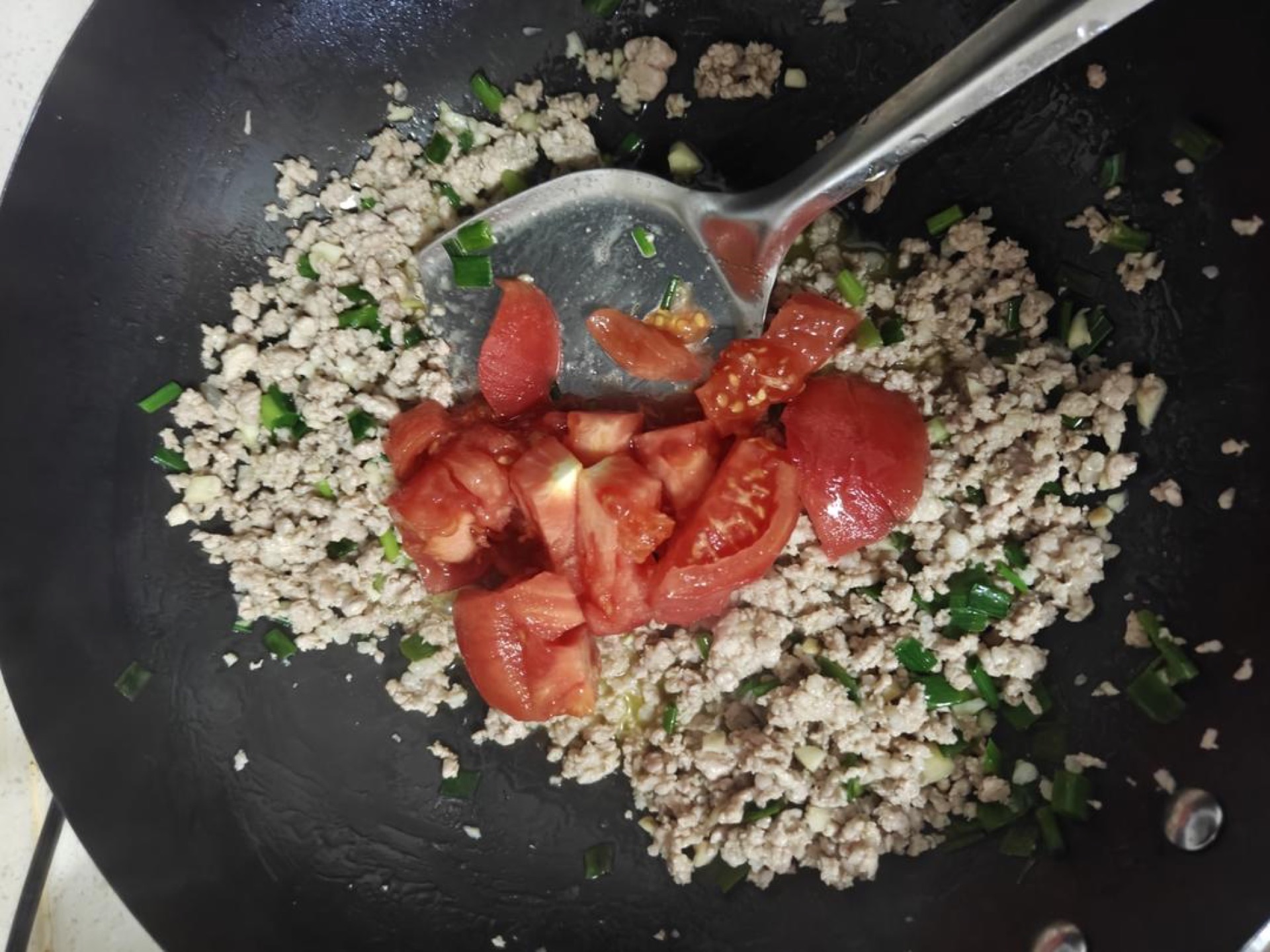
Step 5 — Add the Tomatoes
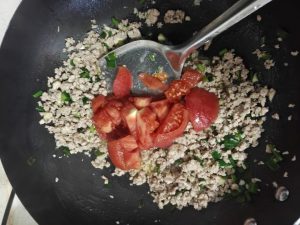
Tip in the diced tomatoes and stir to combine with the pork.
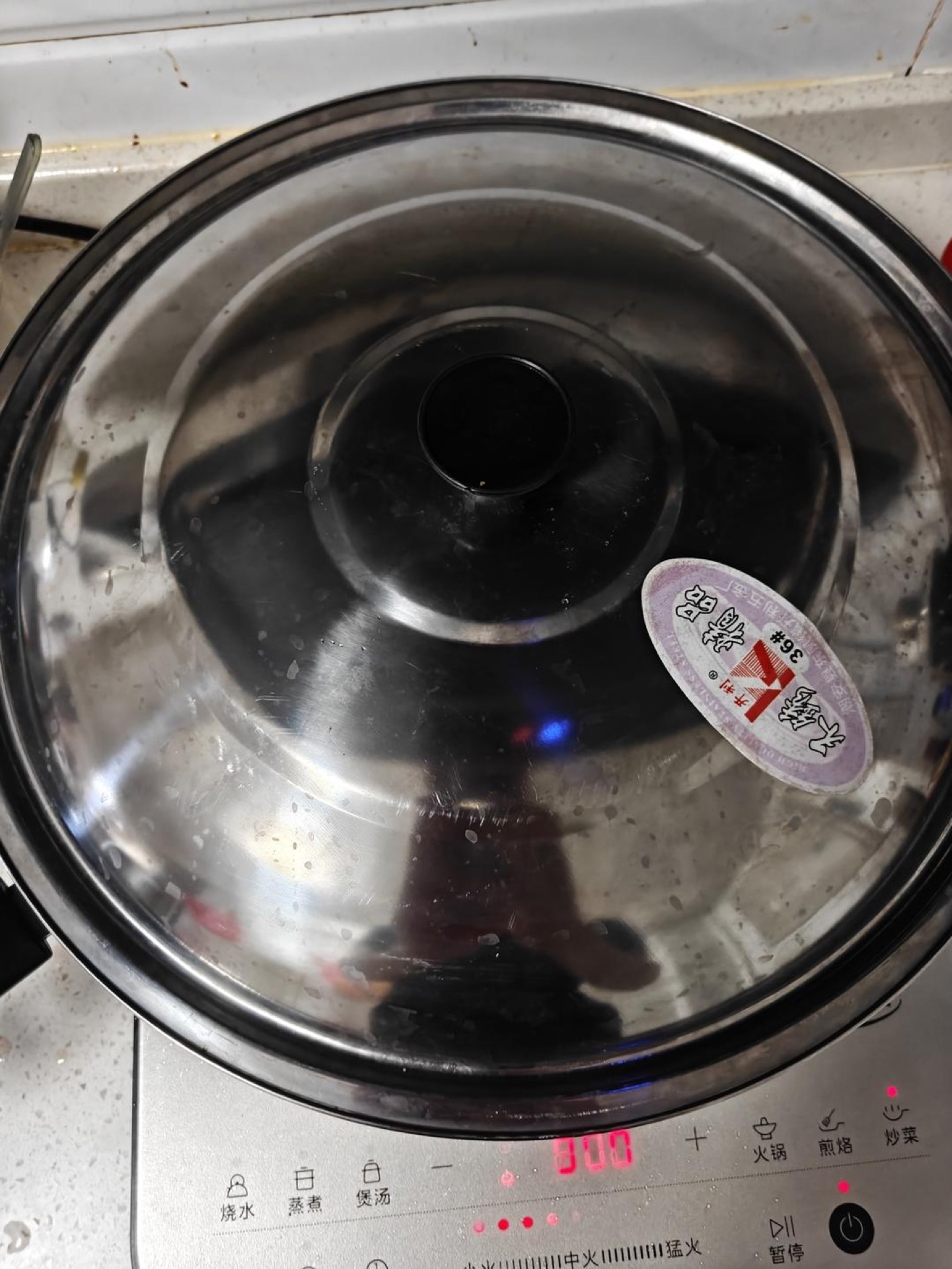
Step 6 — Simmer the Sauce Base
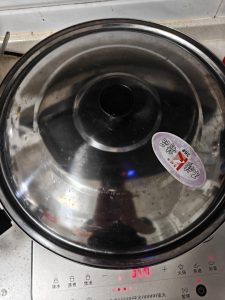
Cover the wok and let the tomatoes steam and soften for 5 to 6 minutes, until they collapse into a loose sauce.
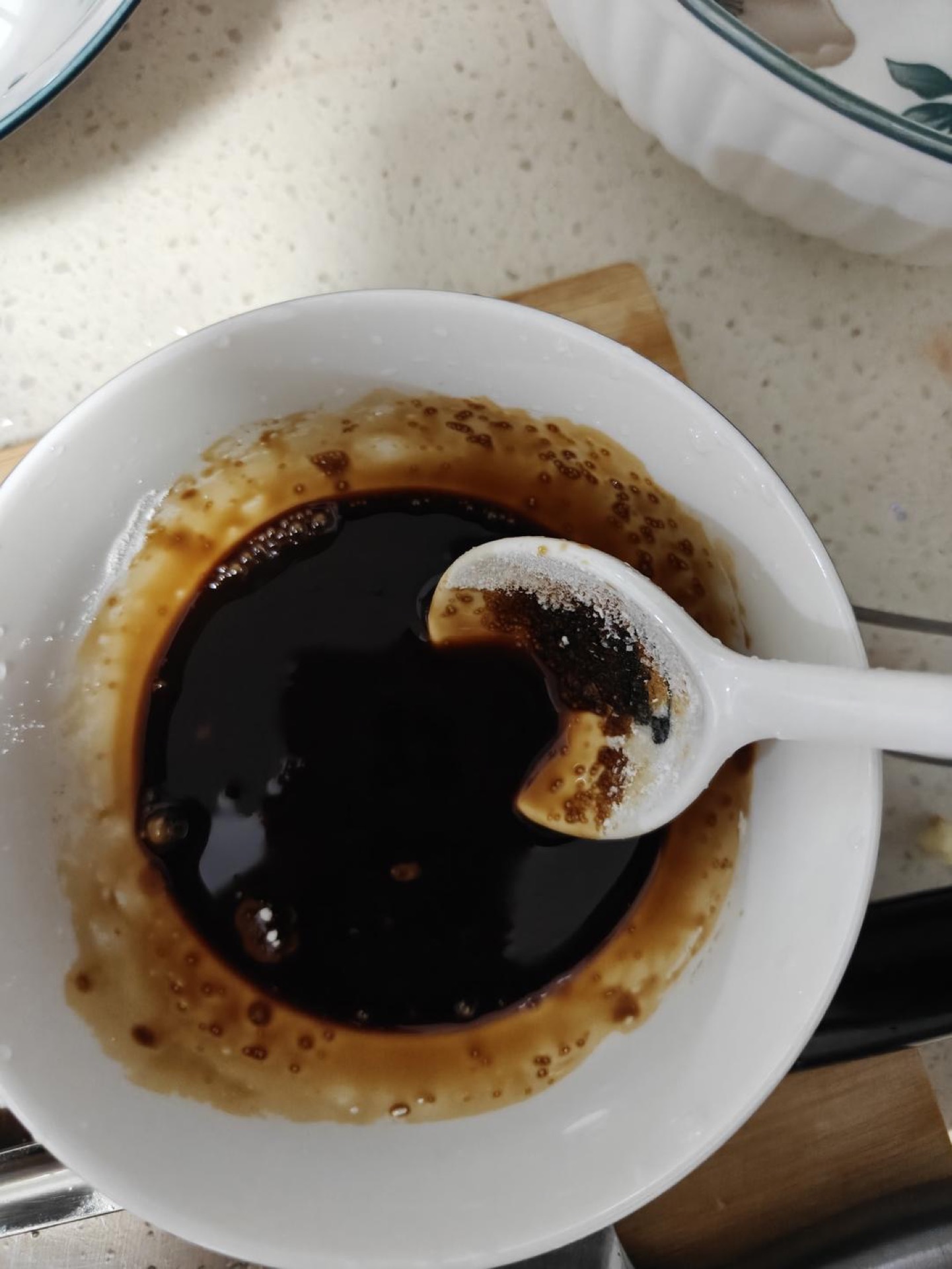
Step 7 — Add the Sauce and Thicken
Pour in 2 tbsp light soy sauce, 1/2 tbsp dark soy sauce, 1/2 tbsp oyster sauce, 1 tbsp sugar, and the cornstarch slurry, simmer until glossy and thickened, stir in a handful of scallion greens, then transfer the sauce to a bowl.
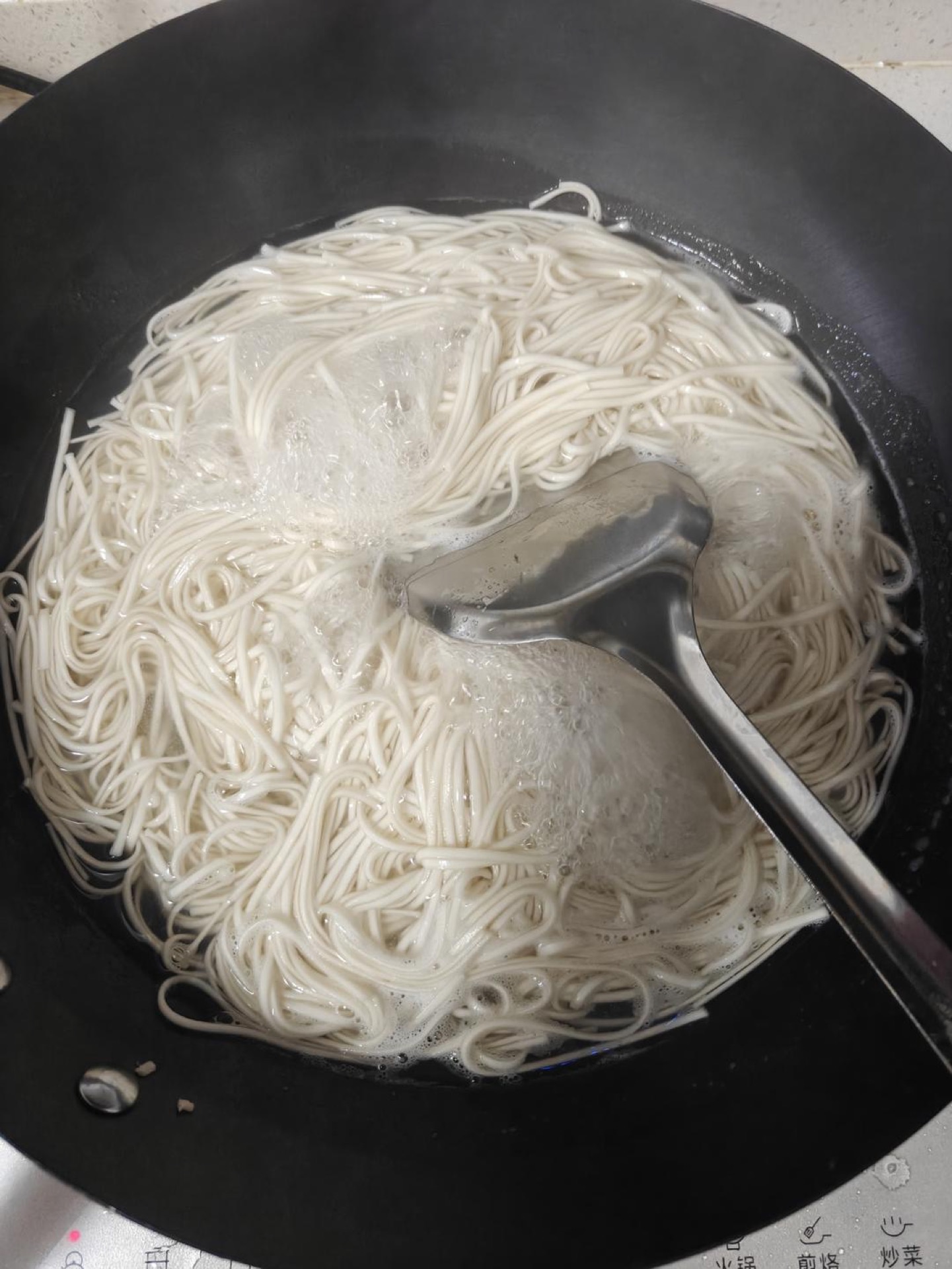
Step 8 — Cook the Noodles
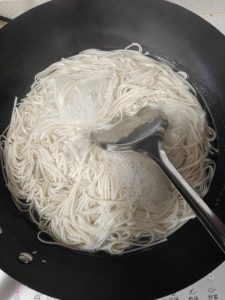
Bring a pot of water to a rolling boil, add the noodles, and cook until just tender, then drain them well.
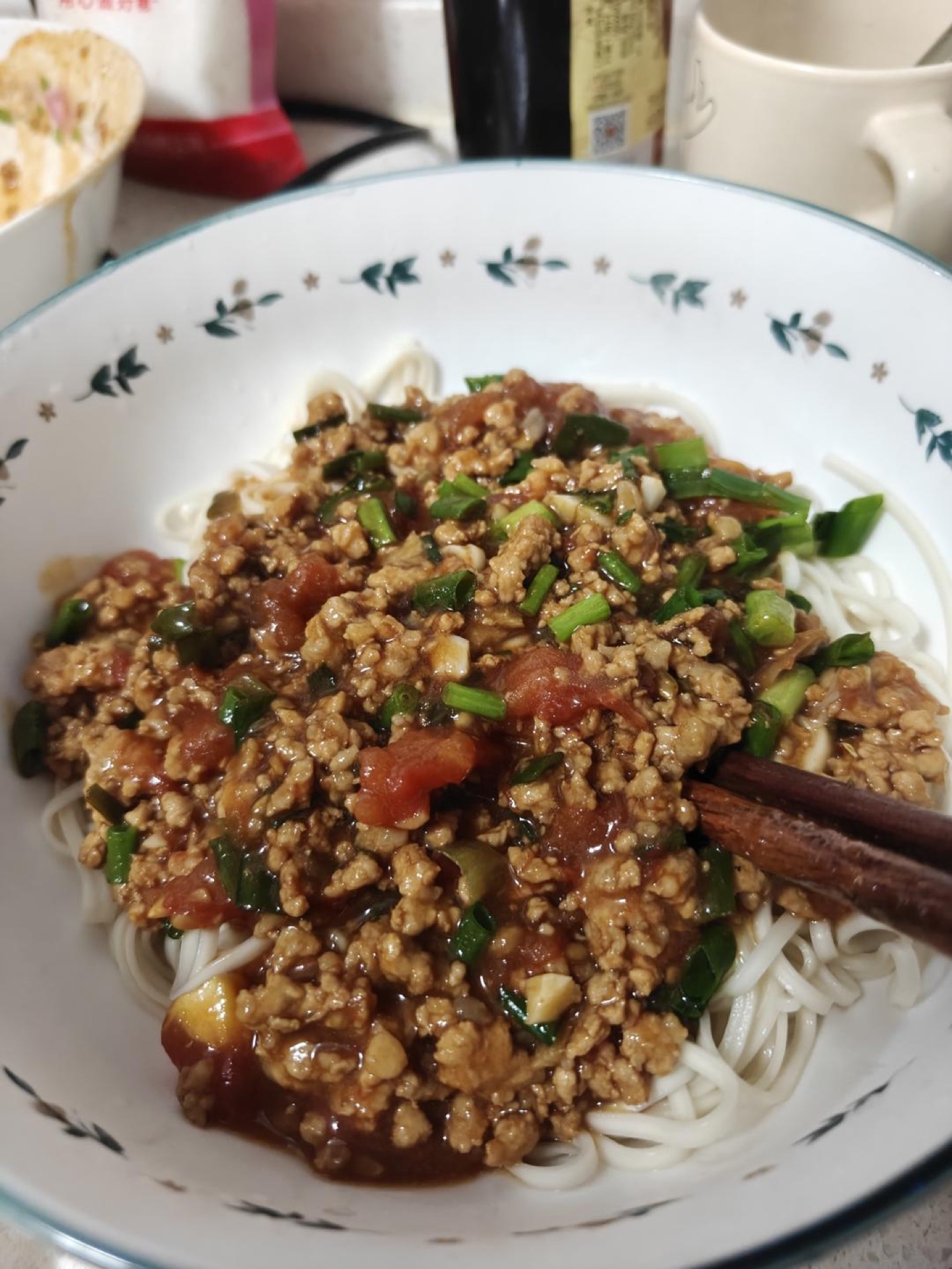
Step 9 — Assemble and Serve
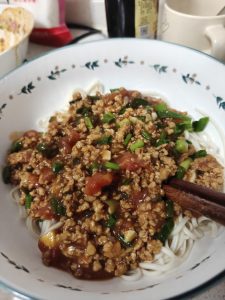
Spoon the warm meat sauce over the drained noodles and toss gently so every strand is coated, then serve immediately.
Common Mistakes When Making Tomato Meat Sauce Noodles
1. Adding the garlic before the pork. Garlic and scallion whites added to cold oil burn before the meat browns, leaving a bitter edge. Fix: brown the pork first, then add the aromatics to the hot rendered fat for thirty seconds.
2. Not cooking the tomatoes long enough. Tomatoes that are only stirred for a minute stay watery and raw-tasting, and the sauce never thickens properly. Fix: cover the wok and let them steam for five to six minutes, until they visibly collapse.
3. Adding the slurry to a boiling sauce. A hard boil can break a cornstarch-thickened sauce and turn it grainy or thin. Fix: pull the wok to a gentle simmer before the slurry goes in, stir constantly, and stop as soon as it turns glossy.
4. Skipping the sugar. Without it, the sauce tastes sharp and one-dimensional even if everything else is right. Fix: add the full tablespoon; it will not make the sauce sweet, it will make it taste ripe.
5. Overcooking the noodles. Noodles left in hot water while the sauce finishes turn soft and gluey, and they stop holding sauce. Fix: drain them the moment they are just tender and toss them with the sauce immediately.
6. Using lean pork and wondering why it tastes dry. Very lean ground pork has nothing to render, so the sauce lacks richness and the meat turns pebbly. Fix: choose pork with some fat, or add an extra teaspoon of oil when browning.
Variations
With beef instead of pork. Ground beef works beautifully and gives the sauce a beefier, slightly more robust flavor. Use the same weight and the same method; just be aware that beef releases more liquid, so you may need an extra minute or two of reducing.
With egg. A soft-scrambled egg stirred in at the very end turns this into a heartier, protein-heavy bowl and softens the tang of the tomato.
Spicier. A teaspoon of doubanjiang (fermented chili bean paste) added with the aromatics gives the sauce a Sichuan-leaning heat. Add a chopped fresh chili at the same time if you want it brighter rather than deeper.
With mushrooms. Finely diced fresh shiitake or cremini mushrooms added with the pork deepen the sauce and stretch the meat further. Dried shiitake, soaked and minced, is even better — and it is the backbone of the mushroom pork fried sauce noodles mentioned above.
With rice instead of noodles. The sauce is excellent over steamed rice, and it also makes a fine topping for a bowl of plain congee.
Vegetarian. Swap the pork for finely chopped mushrooms and crumbled firm tofu, and replace the oyster sauce with a spoonful of mushroom seasoning. Brown the mushrooms hard before adding the aromatics so you get the same savory base.
Frequently Asked Questions
Can I make the sauce ahead of time? Yes, and it is arguably better that way. The sauce keeps in the refrigerator for up to three days and the flavors deepen overnight. Reheat it gently in a pan with a splash of water to loosen it, then toss with freshly cooked noodles.
Why is my sauce watery? Almost always one of two things: the tomatoes were not cooked down enough, or the cornstarch slurry was not stirred before it went in and half of it stayed in the bowl. Cook the tomatoes until they collapse, and whisk the slurry again right before pouring.
Can I use canned tomatoes? Yes. A 14-ounce can of diced or whole peeled tomatoes, drained and crushed by hand, works well out of season. Reduce the covered simmering time to about four minutes, since canned tomatoes are already soft.
What is the best noodle for this dish? Fresh or dried wheat noodles, either thin or medium thickness, are the classic choice. Thicker noodles hold more sauce; thinner ones feel lighter. Avoid rice noodles here — they are too slippery for a thick meat sauce.
How do I keep the noodles from sticking together? Drain them well, do not rinse them, and toss them with the sauce immediately. If they must wait, toss them with a few drops of sesame oil.
How to Serve
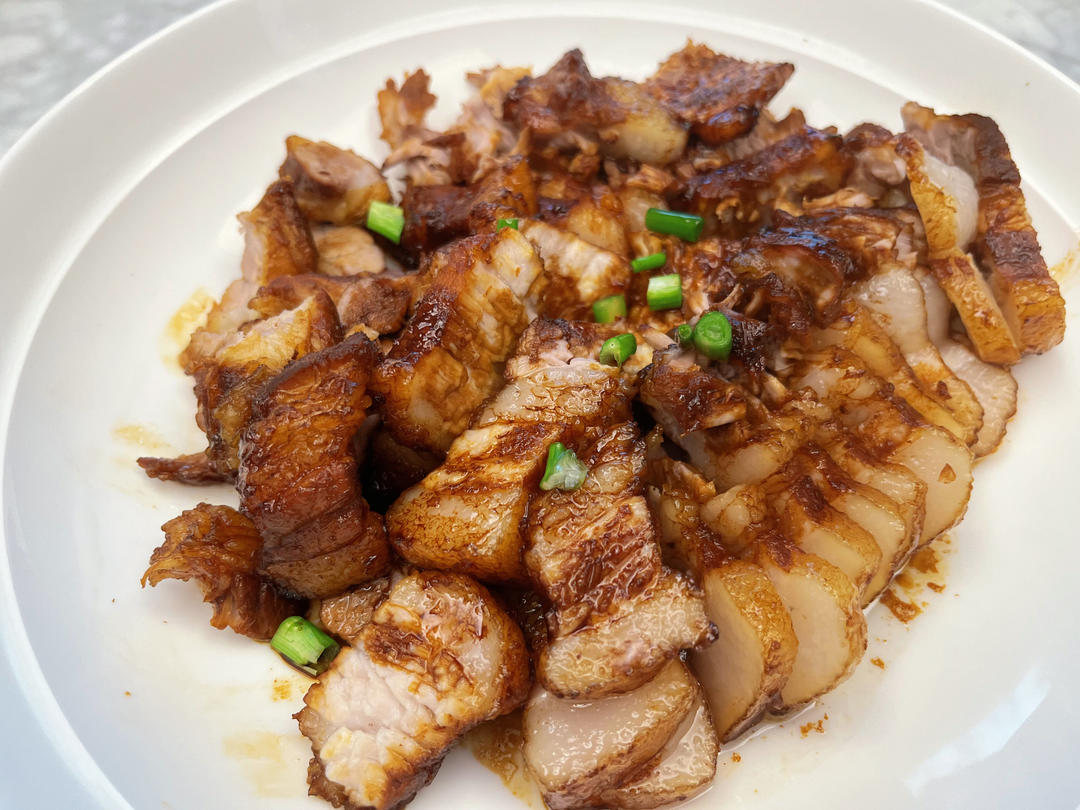
Tomato meat sauce noodles are a complete meal on their own, but they sit beautifully next to a cold dish or a simple vegetable. A plate of cucumber salad or smashed cucumbers cuts the richness perfectly. If you want something a little more substantial alongside, a plate of Wenzhou braised pork belly turns the table into a proper spread, and the leftovers reheat well the next day.
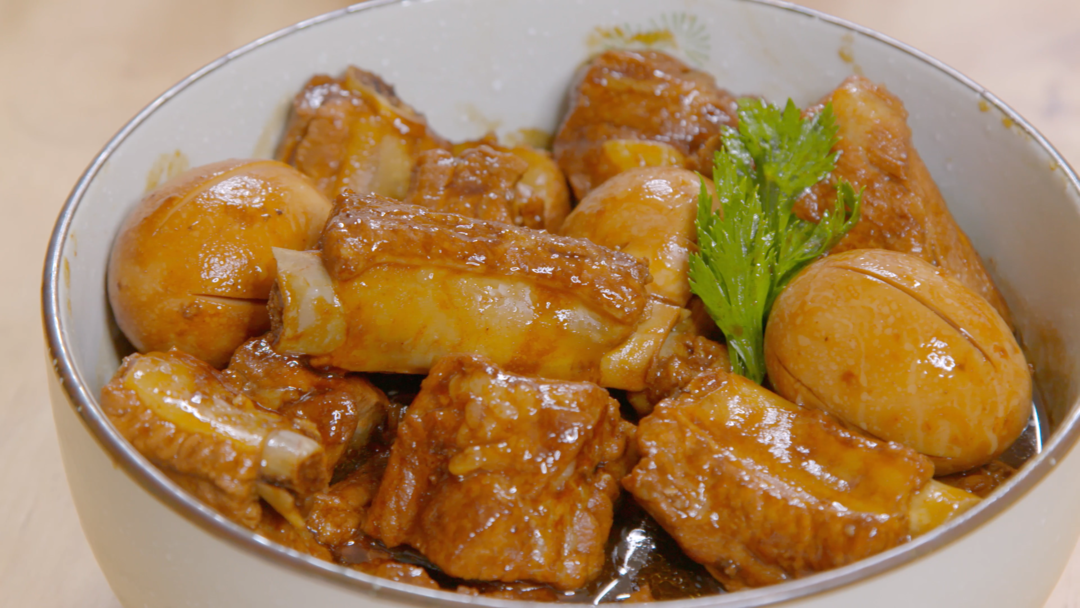
For a lighter pairing, steamed meat rice powder adds a soft, savory counterpoint without competing with the tomato. And if you are feeding a crowd, braised pork ribs with eggs makes a generous centerpiece that shares the table nicely with a bowl of noodles.
Storage & Reheat
Store the sauce and the noodles separately. The sauce keeps in an airtight container in the refrigerator for up to 3 days, or in the freezer for up to 2 months. Cooked noodles are best eaten the day they are made; if you have leftovers, keep them in the refrigerator for up to 2 days and reheat them briefly in boiling water rather than the microwave, which turns them rubbery.
To reheat the sauce, warm it in a small pan over medium-low heat with a tablespoon or two of water, stirring until it loosens and simmers. Bring it just to a simmer — do not boil it hard, or the cornstarch network can break and the sauce will turn thin. Reheat until steaming hot throughout before serving.
Allergen Notice
This recipe contains soy (light soy sauce, dark soy sauce) and wheat (soy sauce and standard wheat noodles). Oyster sauce is a shellfish-derived condiment, so anyone with a shellfish allergy should omit it and substitute an extra half teaspoon of light soy sauce with a pinch of sugar. Check your noodle packaging, since some fresh wheat noodles contain egg. If you are cooking gluten-free, use tamari in place of both soy sauces and choose a certified gluten-free noodle.
Nutrition Disclaimer
Nutrition information is calculated using an ingredient database and should be considered an estimate. In cases where multiple ingredient alternatives are given, the first listed is calculated for nutrition. Garnishes and optional ingredients are not included.
About the Author & Recipe Development
Hi, I’m Lin — I grew up cooking Chinese food at home and now I write about it here on Woks of Love, where I test and retest every recipe until it works reliably in a normal home kitchen. This tomato meat sauce noodle recipe was developed from a simple home version that uses supermarket ground pork and pantry sauces, then adjusted for the two things that most often go wrong: watery tomatoes and a sauce that will not cling. The version here simmers the tomatoes until they collapse and finishes with a cornstarch slurry, which is what gives you a sauce that coats rather than pools.
If you make it, I would love to hear how it turned out — and if you tweak it, tell me what you changed.
Authoritative References
For safe handling and cooking temperatures for ground pork, see the USDA safe minimum internal temperature chart. For general food safety guidance on storing and reheating cooked meat dishes, see the FDA food safety guidance for buying, storing, and serving food.
Tomato Meat Sauce Noodles (番茄肉酱面): Tangy Tomato, Savory Meat

Equipment
- Wok
- Cutting Board
- Slotted Spoon
Ingredients
For the Sauce
- 2 tbsp light soy sauce or tamari
- 1/2 tbsp dark soy sauce for color
- 1/2 tbsp oyster sauce optional, skip for shellfish allergy
- 1 tbsp granulated sugar balances the tomato acidity
- 1 tbsp cornstarch mixed with 3 tbsp water into a slurry
For the Dish
- 1 lb ground pork about 450g, 20% fat is ideal
- 4 cloves garlic minced
- 2 stalks scallions white parts minced, green parts sliced
- 3 medium tomatoes about 1 lb / 450g, cut into 1/2-inch dice
- 2 tbsp neutral oil for stir-frying
- 1 lb fresh wheat noodles or 12 oz / 340g dried noodles
Instructions
- Dice the tomatoes into 1/2-inch cubes, mince the garlic, and finely chop the white parts of the scallions while slicing the green parts on the bias.

- Use about 125g (1/4 lb) of ground pork for one serving, or 450g (1 lb) for four servings, and break it up lightly with a spoon before it hits the wok.
- Heat the wok over medium-high heat, add the cold oil, and stir-fry the ground pork until it is fragrant and no longer pink, about 3 minutes.
- Add the minced garlic and scallion whites and stir-fry for about 30 seconds, until they smell sweet and fragrant.
- Tip in the diced tomatoes and stir to combine with the pork.

- Cover the wok and let the tomatoes steam and soften for 5 to 6 minutes, until they collapse into a loose sauce.
- Pour in 2 tbsp light soy sauce, 1/2 tbsp dark soy sauce, 1/2 tbsp oyster sauce, 1 tbsp sugar, and the cornstarch slurry, simmer until glossy and thickened, stir in a handful of scallion greens, then transfer the sauce to a bowl.
- Bring a pot of water to a rolling boil, add the noodles, and cook until just tender, then drain them well.
- Spoon the warm meat sauce over the drained noodles and toss gently so every strand is coated, then serve immediately.













Leave a Reply