You’ve spent twenty minutes chopping ginger, garlic, and scallions. You’ve followed the recipe to the letter. But when you finally sit down to eat, that “authentic” stir fry tastes like nothing more than salty water with a hint of soy. It’s frustrating, right? You expected a punch of umami, but instead, you got a dish that feels “one-note” and uninspired.
The Quick Answer
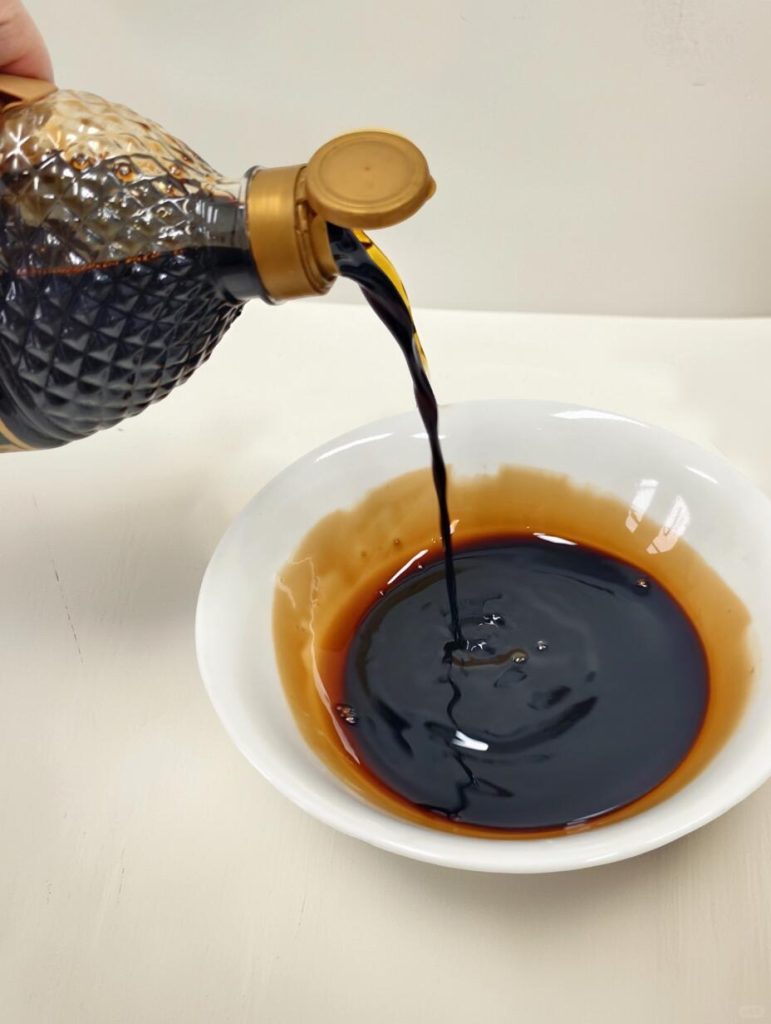
A flat sauce usually results from a lack of flavor layering and acid balance. If you only use salt and soy sauce, you’re missing the aromatic “bloom” from spices and the brightening effect of a finish like vinegar. To fix it, you must ensure your aromatics are properly toasted and your sauce includes a balance of umami, sweetness, and a touch of acidity.
Why Depth of Flavor Actually Happens
In a professional kitchen, we aren’t just “wetting” the food with liquid; we are creating a chemical reaction. When amino acids in light soy sauce meet a hot pan, they undergo the Maillard reaction, creating complex, savory notes. If your pan is too cold, the sauce just boils. Furthermore, flavor isn’t just about what you add; it’s about concentration. If there is too much moisture in your vegetables, the sauce dilutes, leading to that “watery” flatness that plagues many home cooks.
The Real Kitchen Insight
What most beginners don’t realize is that “restaurant taste” often comes from searing the sauce. In my experience, home cooks tend to pour their sauce over the top of the vegetables. In a restaurant, we push the ingredients to the side and pour the sauce directly onto the screaming-hot surface of the wok or skillet for two seconds. You should hear a loud hiss and smell a sudden change—a toasted, nutty aroma. This “caramelizes” the sugars in the sauce before it even coats the food.
Essential Ingredients for Depth
If your pantry is limited, you can still build a powerhouse of flavor with these staples:
- Aromatics: Fresh ginger, garlic, and scallions are non-negotiable. If you don’t have fresh, even a tiny pinch of garlic powder is better than nothing.
- The Umami Bomb: Oyster sauce adds a thick, savory body that soy sauce alone cannot provide.
- The “Secret” Bridge: A tiny pinch of MSG (Monosodium Glutamate) can bridge the gap between “good” and “addictive” by enhancing the natural flavors of your ingredients.
- Acid: Chinese black vinegar (Chinkiang vinegar) acts like a “highlighter” for the other flavors. If you don’t have it, a splash of balsamic or apple cider vinegar works in a pinch.
Your Prep Strategy
Flat flavor often starts with poor preparation. To avoid a bland result, follow this logic:
- Dry Your Veggies: Any water clinging to your greens will turn your sauce into a soup.
- Mince Fine, Not Chunky: The more surface area your aromatics have, the more flavor they release into the oil.
- Pre-mix Your Base: Don’t add ingredients one by one to the pan. Follow a reliable stir fry sauce ratio formula and whisk it in a bowl first to ensure every bite is consistent.
How to Build the Perfect Sauce (Step-by-Step)
- Bloom the Aromatics: Heat 1 tablespoon of oil until it shimmers. Add ginger and garlic. You should hear a gentle sizzle immediately—if it’s silent, your oil is too cold.
- Sear the Protein: Brown your meat or tofu until you see golden edges. This “fond” on the bottom of the pan is pure flavor.
- The Wall Pour: Push everything to the edges. Pour your pre-mixed sauce into the center.
- Watch for Bubbles: Wait 3–5 seconds until the sauce starts to bubble vigorously and thicken slightly.
- The Final Toss: Quickly toss everything together so the sauce glazes the ingredients rather than soaking into them.
Common Sauce Mistakes + Fixes
| The Mistake | Why it Happens | The Professional Fix |
|---|---|---|
| Bland / One-Note | Missing the Essential Chinese Saucesvariety. | Add 1/2 tsp of sugar and 1/2 tsp of vinegar to brighten it. |
| Salty but Flat | Too much salt, not enough umami or aromatics. | Increase the amount of minced ginger or add a dash of sesame oil at the end. |
| Watery Sauce | Vegetables leaked juice or heat was too low. | Use a cornstarch slurry (1 tsp starch + 1 tsp water) to bind the sauce. |
| Burnt Garlic Smell | Garlic was added too early or heat was too high. | Add garlic after the ginger, and only fry for 15-20 seconds. |
| Sauce Won’t Stick | Too much oil in the pan. | Drain excess oil before adding the sauce so it can emulsify. |
Advanced Flavor Layering Tips
If you’ve mastered the basics and still wonder why does my stir fry taste bland, try these “Heat Hacks”:
- The Toasted Finish: Add a teaspoon of toasted sesame oil after you turn off the heat. Heating sesame oil too long destroys its delicate aroma.
- Dry Spices First: If using white pepper or five-spice powder, toast them in the dry pan for 10 seconds before adding oil.
- Deglaze with Wine: A splash of Shaoxing wine (or dry sherry) around the rim of the pan releases all the stuck-on flavor bits from your meat.
Simple Variations
- Spicy Kick: Add a teaspoon of chili oil or dried red pepper flakes to the oil during the “blooming” stage.
- Vegetarian Depth: Swap oyster sauce for a mushroom-based vegetarian stir-fry sauce to keep that deep umami profile.
- Garlic-Heavy: Double the garlic and add half at the beginning and the other half right before the sauce for a two-dimensional garlic punch.
The “Fix-It” Garlic Brown Sauce (Mini Recipe)
This is a foolproof “emergency” sauce that works for any vegetable or protein.
- Ingredients: 2 tbsp light soy sauce, 1 tbsp oyster sauce, 1/2 tsp sugar, 1/4 tsp white pepper, 1 tsp cornstarch, and 3 tbsp water.
- Method: Whisk all ingredients in a small bowl. Sizzle 3 cloves of minced garlic in oil, add your pre-cooked food, then pour this mixture in. Stir until it turns into a shiny, translucent glaze (about 30 seconds).
FAQ: Troubleshooting Flat Sauces
1. Can I use soy sauce as a 1:1 replacement for oyster sauce? No. Soy sauce is thin and salty, while oyster sauce is thick, sweet, and savory. If you only have soy, you must add a little extra sugar and a cornstarch slurry to mimic the texture.
2. Why does my sauce taste better at the restaurant? It’s usually a combination of “Wok Hei” (the breath of the wok) and a higher ratio of fats and aromatics than most home cooks are comfortable using.
3. My sauce is too thick and gummy. How do I fix it? You used too much cornstarch or let it sit on the heat too long. Stir in a tablespoon of water or broth immediately to loosen it up.
4. Is MSG necessary to stop a sauce from being flat? It’s not “necessary,” but it is the fastest way to add depth. If you prefer to avoid it, use mushroom powder or a highly concentrated chicken bouillon.
5. Why does my garlic always taste bitter? You are likely burning it. Garlic only needs about 15 seconds in hot oil to release its aroma. If it turns dark brown, it will taste bitter and ruin the sauce.







Leave a Reply