This guide explores the technical foundations of Restaurant-Style Stir Fry Secrets, focusing on the precise mechanics that separate a home-cooked meal from professional Chinese cuisine. To master this, we will focus on Technique Mastery, addressing the thermal dynamics and ingredient preparation required for authentic results.
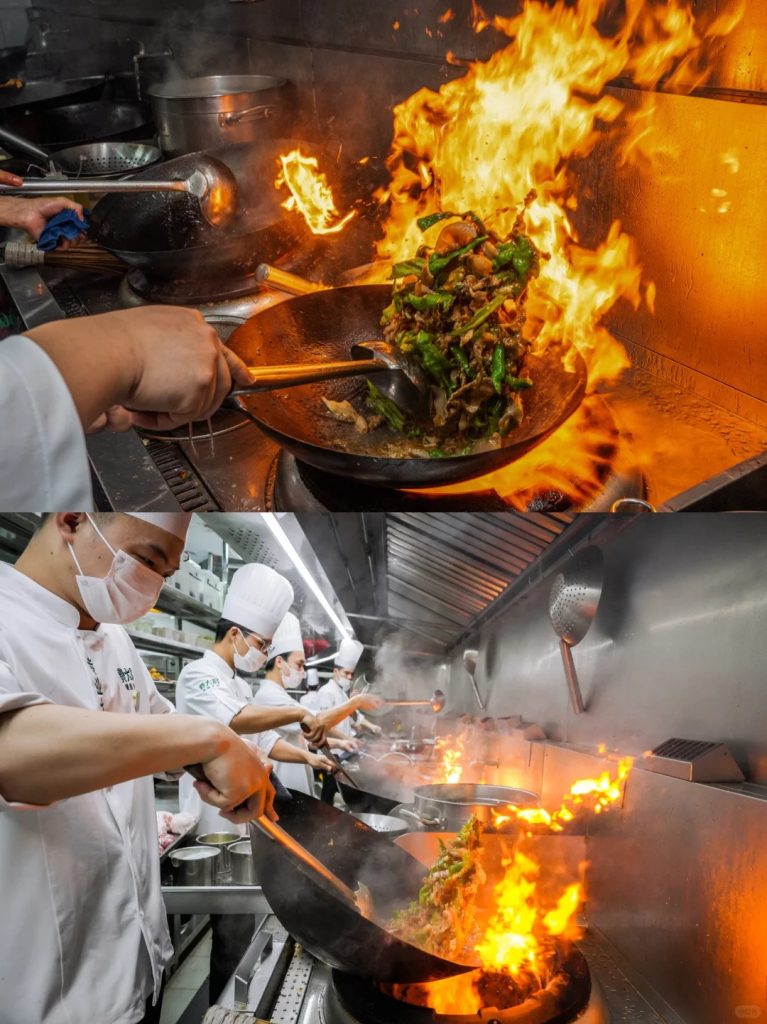
The Professional Standard of Stir Fry
A successful restaurant stir fry is defined by two factors: Wok Hei (the “breath of the wok”) and textural contrast. In a professional kitchen, high-pressure burners produce upwards of 100,000 BTUs, allowing for rapid moisture evaporation and the Maillard reaction to occur in seconds. At home, where most ranges produce only 7,000 to 15,000 BTUs, achieving these results requires specific compensatory techniques.
Why Stir Fry Technique Works: The Science of Heat
The primary goal of stir frying is to cook food at a temperature high enough to sear the exterior while maintaining a crisp, succulent interior.
- Evaporative Cooling: If the pan temperature drops below 100°C (212°F), the juices from the meat and vegetables will pool, causing the food to steam rather than sear. This is often the primary reason why your stir-fry turns watery.
- The Leidenfrost Effect: At high temperatures, a thin layer of vapor forms between the food and the wok, preventing immediate sticking and allowing for the characteristic “sliding” motion of professional tossing.
- Maillard Reaction vs. Caramelization: Professional stir fry relies on the Maillard reaction (protein browning) occurring at 140°C–165°C (285°F–330°F). If the heat is too low, you lose the complex savory notes that define professional dishes.
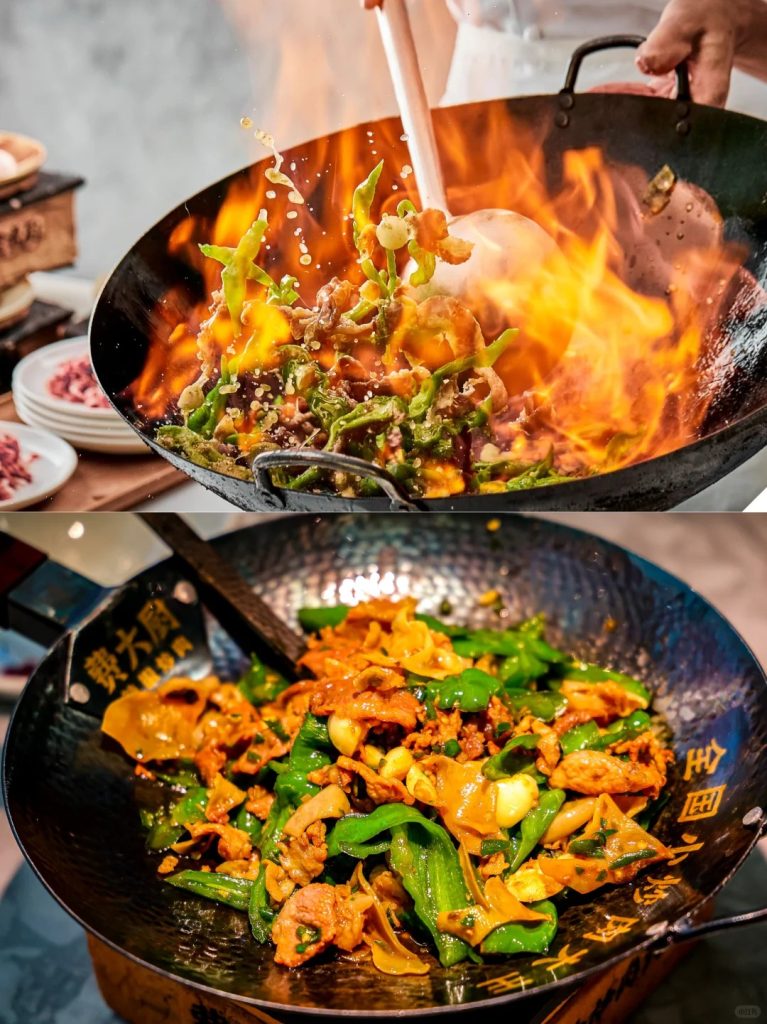
Step-by-Step Methodology: Ratios and Boundaries
1. Preparation (The 90/10 Rule)
Stir frying is 90% preparation and 10% cooking; once the wok is hot, there is no time to chop.
- Slicing: Meat must be sliced thin—approximately 3mm (1/8 inch)—to ensure it cooks in under 60 seconds. To achieve the correct texture, it is vital to learn how to slice meat for stir fry across the grain to break up tough muscle fibers.
- Velveting: This is the essential restaurant secret for “silken” meat. Coating your protein in a mixture of egg white, cornstarch, and Shaoxing wine prevents moisture loss. For best results, velvet chicken or beef for at least 20 minutes before cooking.
2. The Cooking Sequence
Following a strict order prevents overcooking delicate items while ensuring aromatics don’t burn.
| Stage | Action | Temperature/Time |
| Sear | Sear protein in batches; remove when 80% done. | 180°C (350°F) |
| Aromatics | Add ginger, garlic, and scallions. | 10–15 seconds |
| Vegetables | Add “hard” vegetables first, then “soft” ones. | 1–3 minutes |
| Recombine | Return protein to the wok; add sauce. | 30 seconds |
| Finish | Add Sesame Oil or fresh herbs off-heat. | Immediate |
3. Sauce Application
Never pour sauce directly onto the food; pour it down the sides of the wok. This flash-heats the sauce, reducing it instantly into a glaze. A standard stir fry sauce ratio formula generally involves 3 parts savory (soy sauce), 1 part acid (vinegar), and 1 part sweetener (sugar).
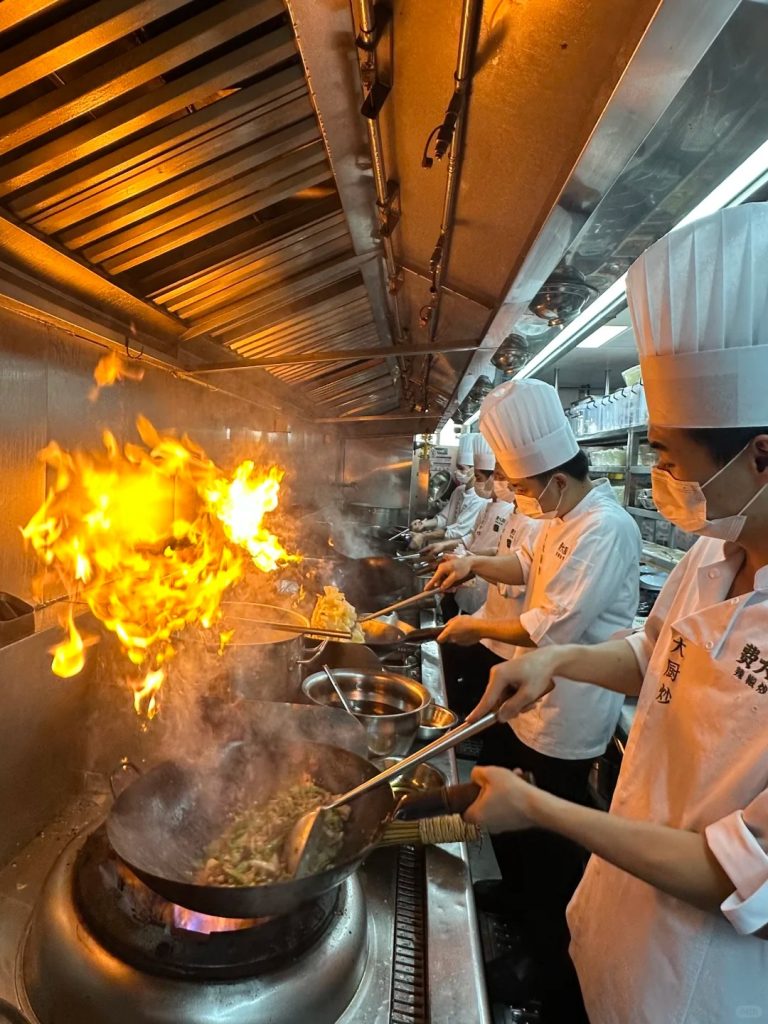
Professional Tips for Home Kitchens
- Batch Cooking: Do not exceed 300g–400g of total ingredients in a standard home wok at one time. Overcrowding drops the temperature instantly.
- Oil Selection: Use oils with a smoke point above 200°C (400°F). High-stability options like peanut or grapeseed oil are the best oils for stir frying.
- Heat Management: Achieving professional results requires understanding how to control wok hei at home by maximizing your burner’s contact with the metal.
When This Method Does NOT Work
- Low-Smoke Point Fats: Do not use butter or extra virgin olive oil; they will burn and become bitter before the wok reaches the necessary temperature.
- Electric Coil Cooktops: If using a flat-bottomed wok on an electric coil, the heat transfer is inefficient. In this scenario, it is better to use a heavy cast iron skillet which retains heat better than thin carbon steel.
Troubleshooting Common Errors
- Soggy Vegetables: Often caused by adding too many wet vegetables at once. Fix: Blanch “hard” vegetables (carrots, broccoli) in boiling water for 60 seconds and dry them thoroughly before stir frying.
- Burnt Aromatics: Caused by adding garlic and ginger at the very beginning of the process. Fix: Add them after the protein is seared and removed to ensure they release fragrance without carbonizing.
- Sticking Protein: The wok was not properly “seasoned” with heat before adding oil. Fix: Heat the wok until wisps of smoke appear, add cold oil, swirl to coat, and then add the food.
FAQ
Can I use a non-stick pan? It is not recommended. Non-stick coatings can release toxic fumes when heated to the temperatures required for a proper stir fry (above 260°C/500°F).
What is the best way to cut vegetables? Consistency is key. Cut all vegetables into uniform sizes to ensure they cook at the same rate, increasing surface area for better sauce adhesion.
How do I get the “smoky” flavor without a professional burner? While difficult to fully replicate, you can mimic the effect by using a handheld kitchen torch to lightly char the food as you toss it in the wok.





Leave a Reply