Growing up in my family’s restaurant in Sichuan, “Hong Shao” (Red Braising) was a technique that commanded respect. It usually involved the intimidating process of chao tang se (frying sugar) to get that glistening, mahogany color. One second too long, and the dish turned bitter.

However, I know that for many home cooks, balancing hot oil and molten sugar is stressful. That is why I developed this specific version of Braised Pork Ribs with Eggs (红烧排骨炖卤蛋). It skips the sugar frying entirely but sacrifices none of the flavor or color.
By using a specific “soul sauce” ratio and a secret ingredient—Red Fermented Bean Curd—you can achieve that authentic, sticky, savory-sweet restaurant taste in a simple one-pot stew. I have tested this method multiple times in my home kitchen to ensure the ribs come out tender and the eggs absorb that rich gravy perfectly.
What is Hong Shao Pai Gu?
Hong Shao Pai Gu (Red Braised Pork Ribs) is a beloved comfort food across China. “Hong Shao” refers to the cooking method where meat is braised with soy sauce, sugar, and wine until it takes on a deep red-brown hue.
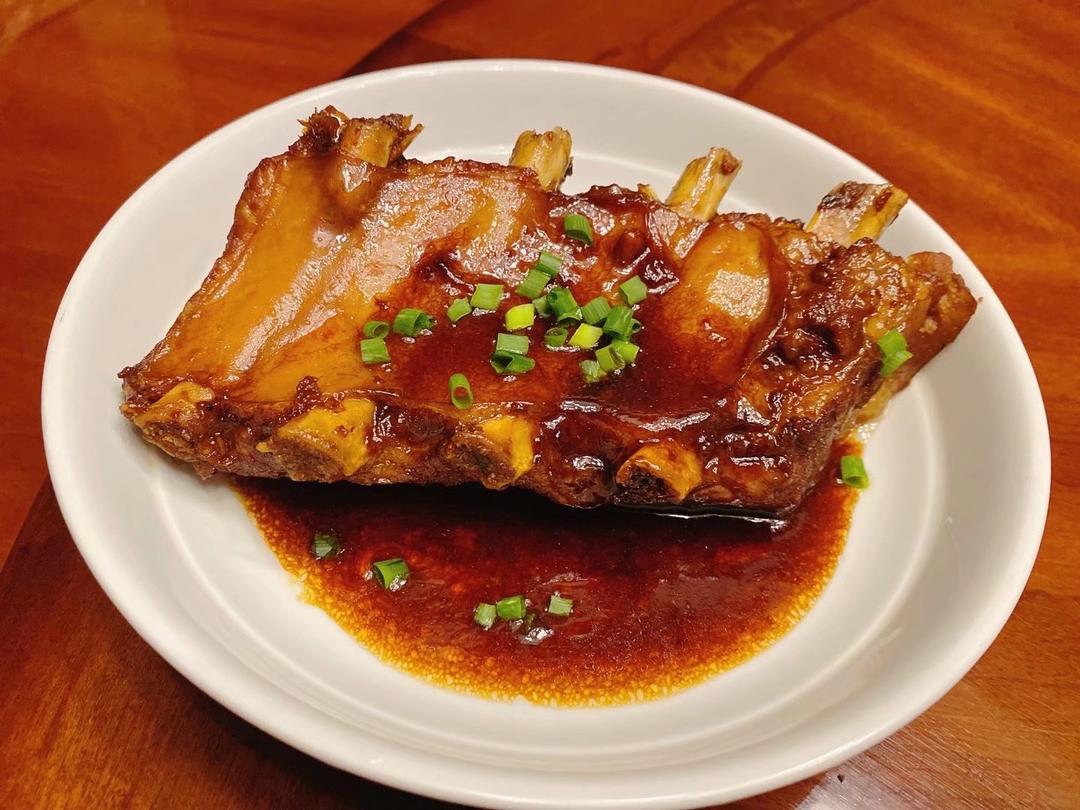
Looking for a dramatic, pull-apart presentation? If you love the classic, bite-sized convenience of this recipe but want a true showstopper for your next family dinner, you have to try the rustic Zhuji-style method! Instead of chopping the meat, you braise massive, intact slabs of pork slowly over a bed of scallions until they literally melt off the bone. It offers an incredibly satisfying, shreddable texture that is perfect for sharing. Check out my Authentic Braised Pork Ribs (Hong Shao Pai Gu): Fall-Off-The-Bone recipe for this impressive, hands-off variation!
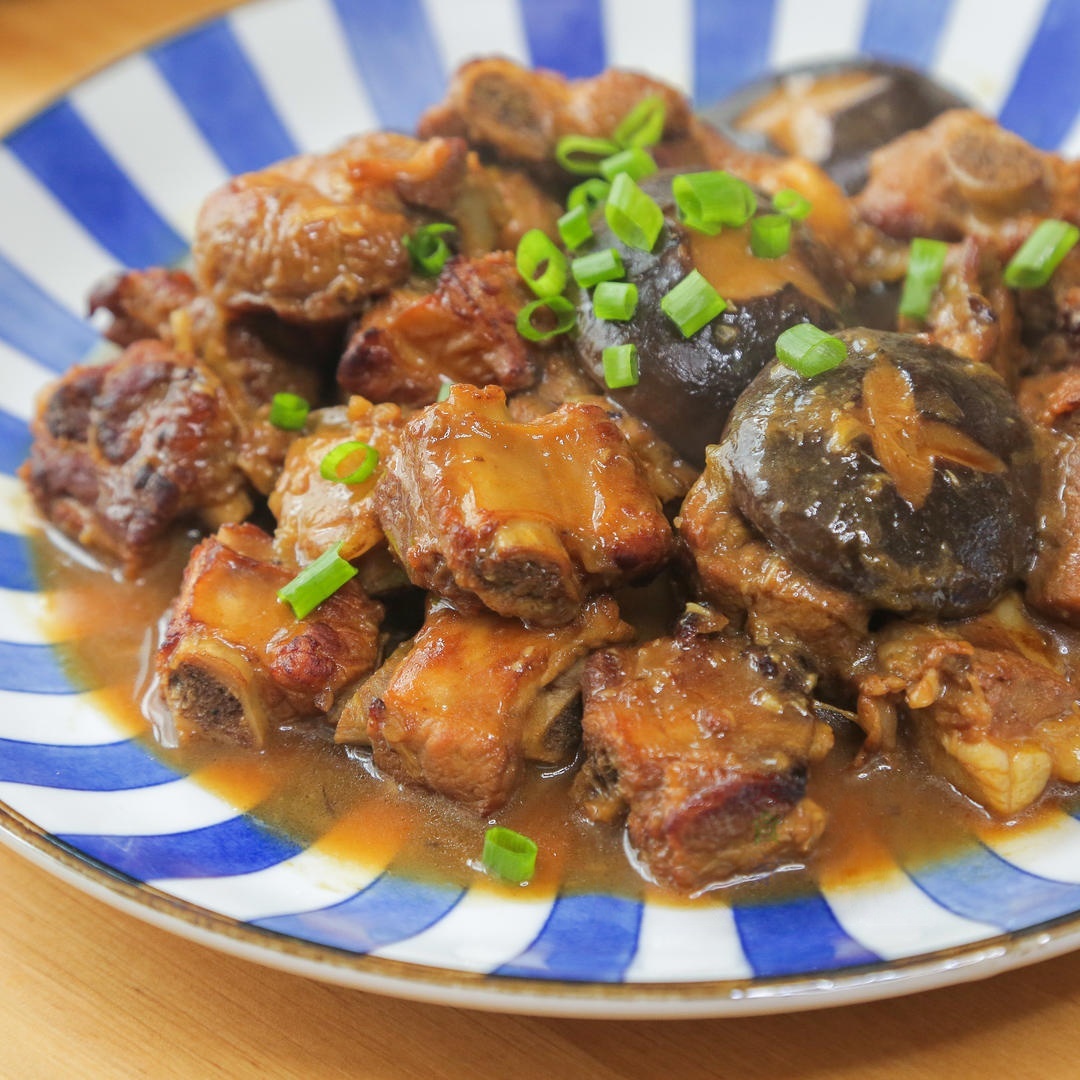
1Authentic Braised Pork Ribs (Hong Shao Pai Gu): Fall-Off-The-BoneA rustic, Zhuji-style approach to Chinese Red Braised Pork Ribs. Cooked in large, intact slabs over a bed of scallions, these ribs simmer low and slow until you can pull the rich, savory-sweet meat apart with chopsticks.Check out this recipe2Braised Pork Ribs (Hong Shao Pai Gu)This authentic Braised Pork Ribs (Hong Shao Pai Gu) recipe features tender ribs and shiitake mushrooms in a rich, glossy savory glaze. A classic Chinese comfort dish.Check out this recipe
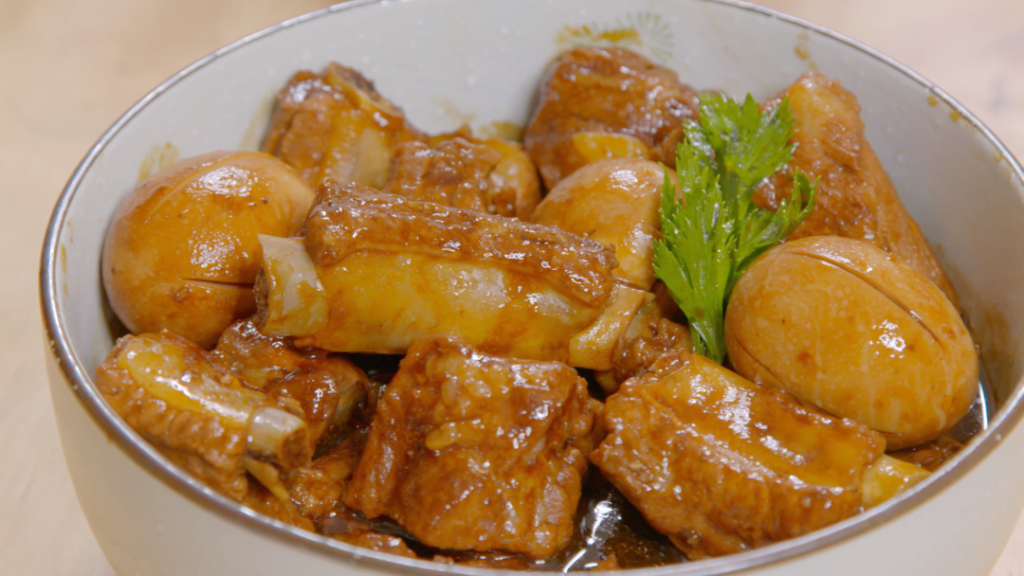
In this version, we add hard-boiled eggs. This is a classic home-style addition because the eggs act like flavor sponges. The whites become firm and chewy, soaking up the savory braising liquid, making them arguably as delicious as the meat itself. It reminds me of the hearty, no-fuss meals my mother would throw together on busy nights—simple, filling, and deeply flavorful.
Why This Recipe Works
- No Sugar Frying Required: We achieve the signature red color through and red fermented bean curd rather than caramelizing sugar, eliminating the risk of burning the dish.
- The “Soul Sauce” Ratio: The 3:3:3:1 ratio of liquids ensures a perfect balance of salty, sweet, and savory umami without guesswork.
- One-Pot Ease: Everything goes into the pot together. There is no complicated layering or multi-stage frying.
Key Ingredients & Substitutions
- Pork Ribs: I recommend using pork spare ribs or St. Louis-cut ribs. You will need 2.2 lbs (1 kg) of ribs. Ask your butcher to cut them across the bone into 1.5-inch strips so you can easily slice them into bite-sized nuggets.
- Red Fermented Bean Curd (Red Furu/Nanru): This is the secret weapon. It is distinct from the white variety and often labeled as “Red Bean Curd” or “Rose Bean Curd” (brands like Wang Zhihe are reliable). Use 1 cube (approx. 20g) plus a teaspoon of the brine. Note: If you absolutely cannot find it, substitute with 1 tablespoon of (spicy bean paste), though the flavor profile will shift from sweet-savory to spicy-savory.
- : Provides the savory base. Use a standard soy sauce (like Pearl River Bridge); avoid “low sodium” versions for this specific ratio unless you adjust salt later.
- : Essential for that glossy, dark amber color. It is thicker and less salty than light soy sauce.
- : The original recipe calls for Huangjiu, but high-quality Shaoxing wine is the best accessible alternative for removing gaminess.
Recipe Notes Before You Begin
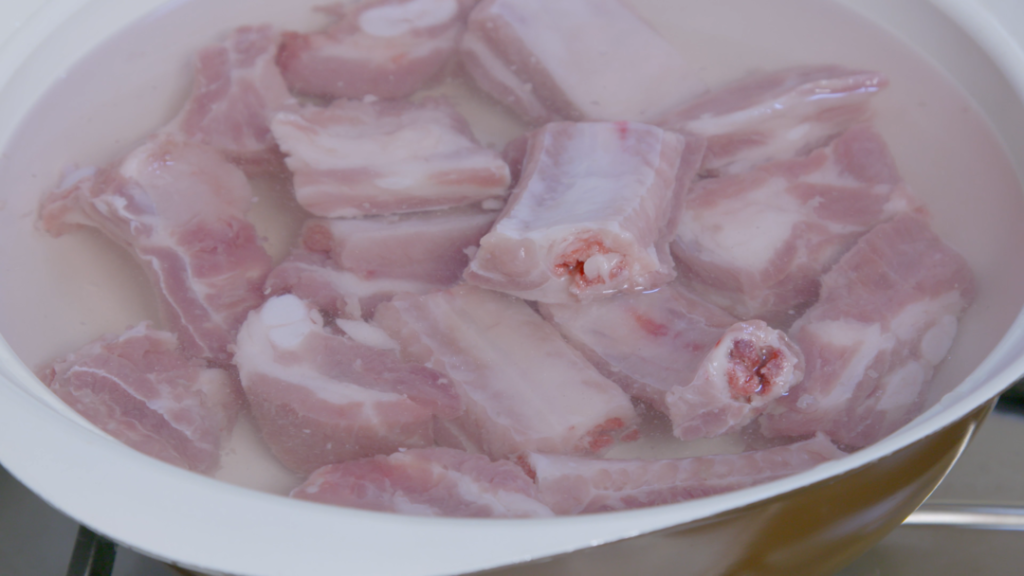
Blanching is Crucial: Never skip blanching the ribs. In professional Chinese kitchens, we always blanch bone-in meats to remove impurities and blood foam. This ensures your final sauce is clear, aromatic, and free of any “funky” pork smell.
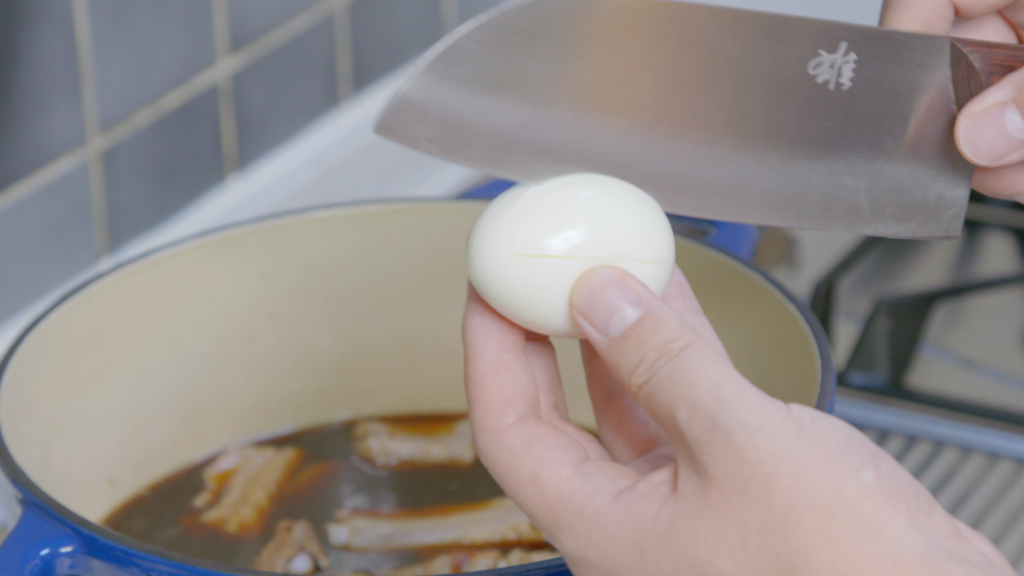
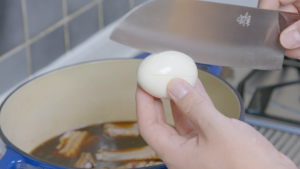
Scoring the Eggs: To help the hard-boiled eggs absorb flavor, I recommend making light vertical cuts (scoring) around the egg whites before adding them to the pot. This creates beautiful patterns and lets the sauce penetrate deeper.
Choosing the Pot: A heavy-bottomed Dutch oven or a deep cast iron pot is ideal for this. It distributes heat evenly and keeps the steam locked in for tender ribs.
About the Author & Recipe Development
I am Lin, born in Sichuan and raised in a restaurant kitchen. This recipe was developed to bridge the gap between professional restaurant standards and home kitchen realities. I tested this recipe using both gas and electric stoves.
During testing, I found that using only soy sauce resulted in a color that was too black. Adding the Red Fermented Bean Curd was the breakthrough—it mimics the reddish hue of caramelized sugar while adding a complex, fermented umami kick that pairs beautifully with pork. This method replicates the taste I remember from local diners in China, where efficiency and flavor had to go hand-in-hand.
How to Make Braised Pork Ribs with Eggs
1. Blanch the Ribs
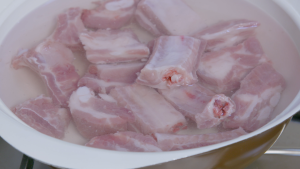
Place the ribs in a pot and cover with cold water. Bring to a boil over high heat. Let it boil for 1-2 minutes until the gray foam floats to the top. Drain the ribs and rinse them thoroughly under warm water to clean them. Drain well.
2. Prepare the Aromatics and Sauce
While the water boils, peel the hard-boiled eggs and score them lightly with a knife (about 4-5 vertical shallow cuts). Slice the ginger into thick coins.
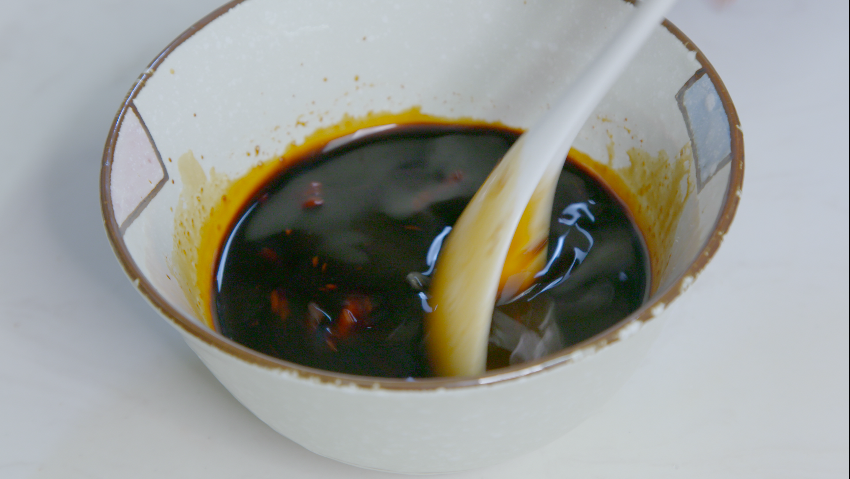
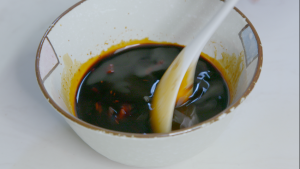
In a small bowl, mix the “Soul Sauce” (Note: 1 tbsp = 15ml standard measuring spoon):
- 3 tbsp (45ml) **** (or Huangjiu)
- 3 tbsp (45ml) **** (for color)
- 3 tbsp (45ml) **** (for flavor)
- 1 tbsp (15g) Sugar (White granulated or rock sugar)
- 1 cube Red Fermented Bean Curd (Important: Mash the cube thoroughly into the liquid with a fork until smooth to ensure even coating)
3. Combine and Braise
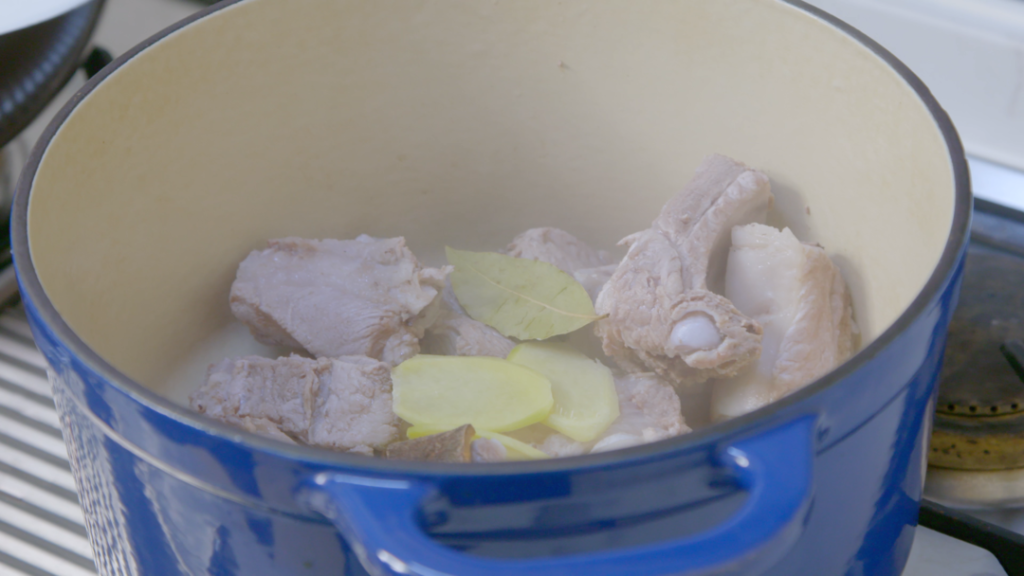
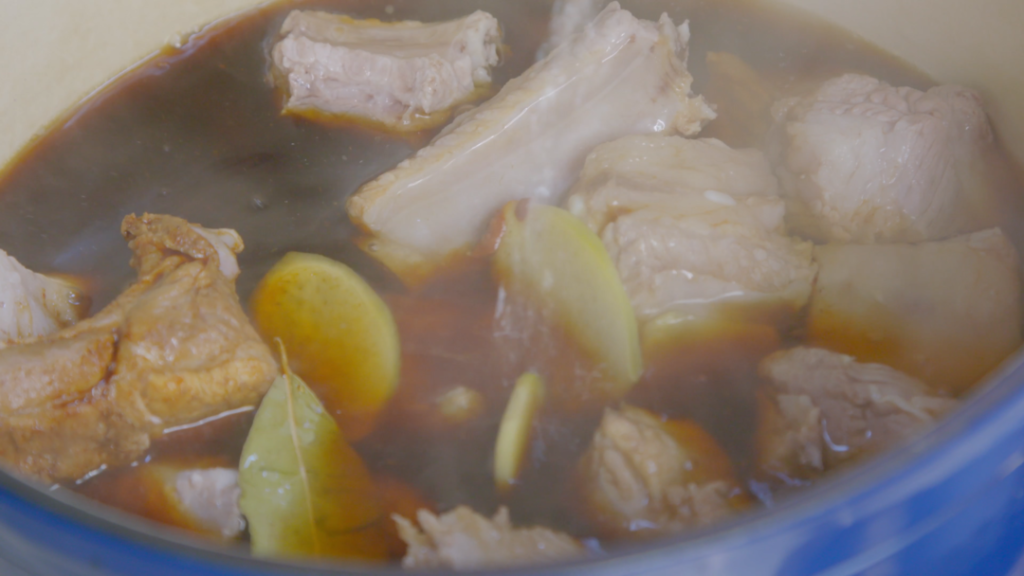
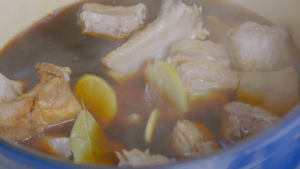
Place the clean ribs, ginger, star anise, cinnamon, and bay leaf into your pot. Pour the mixed sauce over the ribs.
Add enough hot water to just cover the ribs. (Note: Using hot water prevents the meat proteins from seizing up, keeping the ribs tender). Add the prepared eggs.
4. Simmer
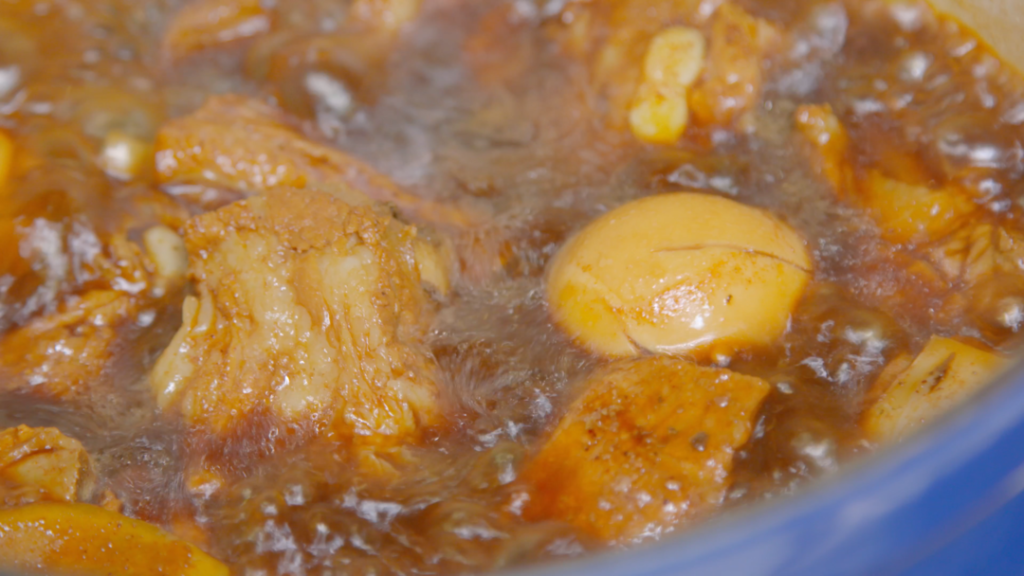
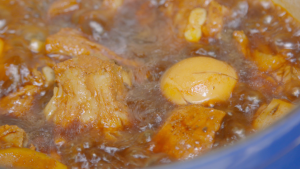
Bring to a boil, then reduce heat to low. Cover and simmer for 40 minutes. Tip: Check halfway through. If the water level has dropped too low, add a splash more hot water.
5. Thicken and Serve
After 40 minutes, check the ribs for tenderness. Taste the sauce; if you prefer it saltier, add a pinch of salt (though the soy sauce usually provides enough).
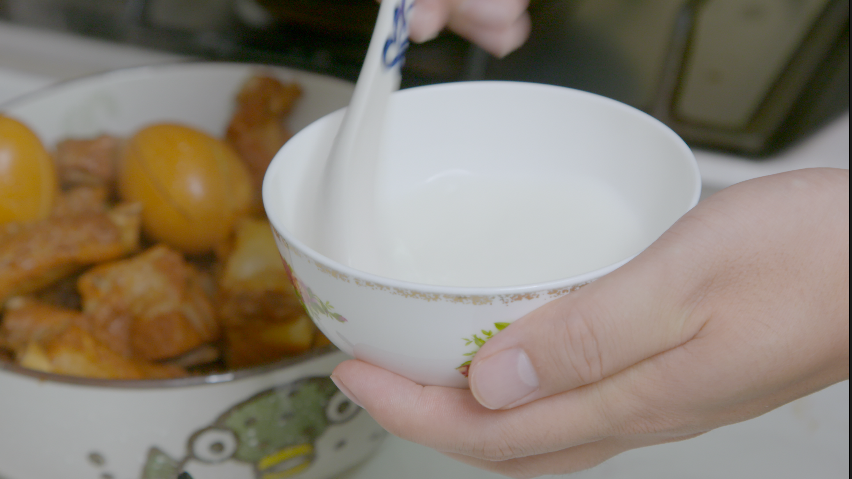
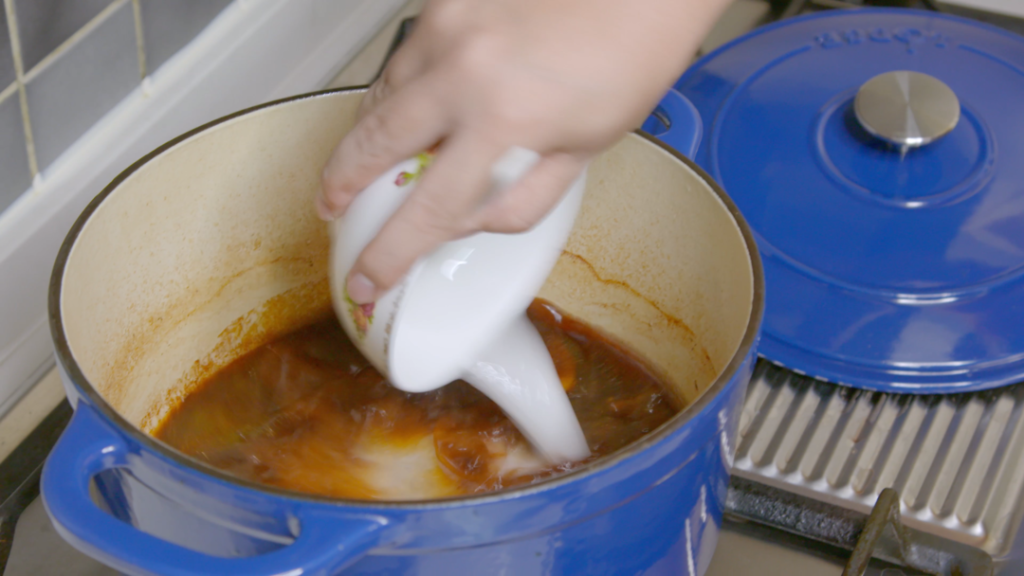
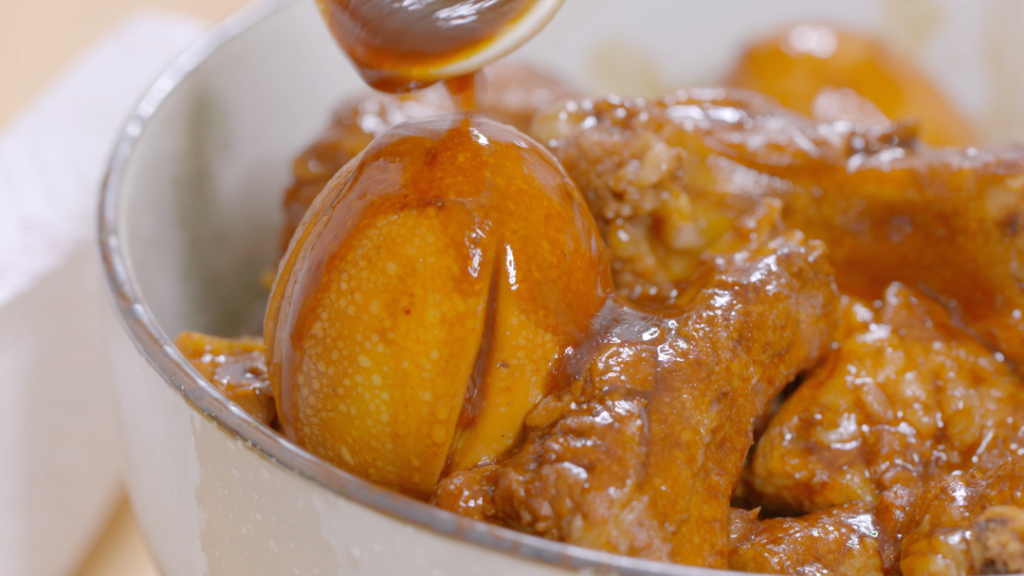
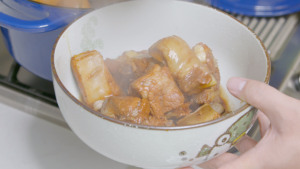
Turn the heat up to high to reduce the liquid. In a small bowl, mix 2 tablespoons of cornstarch with a little water to make a slurry. Pour this into the bubbling sauce and stir gently until the sauce thickens and clings to the ribs (about 2-3 minutes).
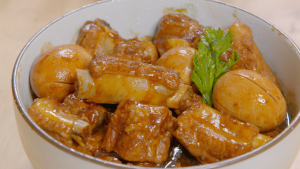
Serve immediately, garnished with chopped scallions or cilantro.
Pairing Suggestions
This dish is rich and savory, so it needs a neutral base to balance it out.
- Rice: It is absolutely essential to serve this with plenty of steamed white rice or **** to wash it down.
- Vegetables: A simple green veggie is perfect. Try my **** (omitting the pork if you like) or a refreshing **** to cut through the richness.
- Soup: For a complete meal, pair this with a light ****.
Troubleshooting & FAQ
My ribs are tough. Why? This usually happens if you didn’t simmer them long enough or if you boiled them too aggressively. Keep the heat on low for a gentle simmer. Also, ensure you added hot water, not cold, to the pot in step 3.
Can I make this ahead of time? Yes! Braised dishes like this often taste better the next day as the flavors meld. Store it in the fridge for up to 3 days. Reheat gently on the stove.
The sauce is too salty. The saltiness depends on your brand of soy sauce. If it’s too salty, add a splash of water and a teaspoon of or sugar to balance it out.
Food Safety & Preparation
- Pork Safety: According to the USDA Food Safety and Inspection Service, pork should be cooked to an internal temperature of at least 145°F (63°C) with a 3-minute rest time. However, for collagen-rich cuts like ribs, we braise them to a much higher temperature (usually 190°F-205°F) to break down connective tissue and achieve the desired “fork-tender” texture.
- Storage: Leftovers should be cooled and refrigerated in an airtight container within 2 hours of cooking to prevent bacterial growth. Consuming within 3-4 days is recommended.
- Allergen Note: This recipe contains Soy and Wheat (found in most soy sauces and fermented bean curd). For a gluten-free version, use Tamari and gluten-free bean curd.
Authoritative References
For specific techniques and safety standards referenced in this recipe, please consult the following professional resources:
- USDA Food Safety and Inspection Service – Fresh Pork from Farm to Table (For temperature and handling guidelines).
- The Woks of Life – Pantry Essentials: Soy Sauce (For identifying different types of soy sauce).
- China Sichuan Food – Guide to Sichuan Spices (For understanding traditional aromatics).
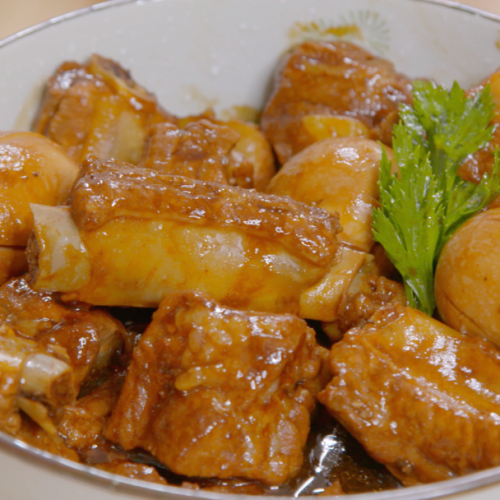
Braised Pork Ribs with Eggs (Hong Shao Pai Gu)

Equipment
- Dutch Oven or Heavy Pot
- Wok (for blanching)
Ingredients
Main Ingredients
- 2.2 lbs pork ribs (approx. 1kg) cut into 1.5-inch pieces
- 3 hard-boiled eggs peeled and scored
- 4 slices ginger
- 1 star anise
- 1 piece cinnamon stick small piece
- 1 leaf bay leaf
The Soul Sauce
- 3 tbsp Dark Soy Sauce (Hong Shao Soy Sauce)
- 3 tbsp Shaoxing Wine (or Huangjiu)
- 3 tbsp Light Soy Sauce
- 1 tbsp sugar
- 1 cube Red Fermented Bean Curd (optional but recommended)
Thickener
- 2 tbsp cornstarch mixed with 3 tbsp water
Instructions
- Place the ribs in a pot with cold water. Bring to a boil to blanch. Rinse ribs with warm water and drain.

- In a bowl, mix the sauce ingredients: 3 tbsp Shaoxing wine, 3 tbsp dark soy sauce, 3 tbsp light soy sauce, 1 tbsp sugar, and the red fermented bean curd (mashed).
- Place ribs, ginger, star anise, cinnamon, and bay leaf into a clean pot. Pour the sauce mixture over them.
- Add enough HOT water to just cover the ribs. Add the boiled, scored eggs.
- Bring to a boil, then cover and simmer on low heat for 40 minutes.
- Uncover. Remove spices if desired. Turn heat to high.
- Stir in the cornstarch slurry and cook for 2-3 minutes until the sauce thickens and glazes the ribs. Serve.
Notes
Calories: 450 kcal
Protein: 28g
Carbohydrates: 8g
Fat: 32g







Leave a Reply