There is a whole category of Chinese home cooking that exists purely to make rice disappear faster, and this tomato beef and egg rice bowl is one of its brightest stars. Ripe tomatoes cook down into a tangy, jammy sauce, sliced beef goes in silky and tender, and soft-set fried eggs soak up everything around them. It is the kind of weeknight dinner that feels like a treat, and it comes together in roughly the time it takes to steam a pot of rice.
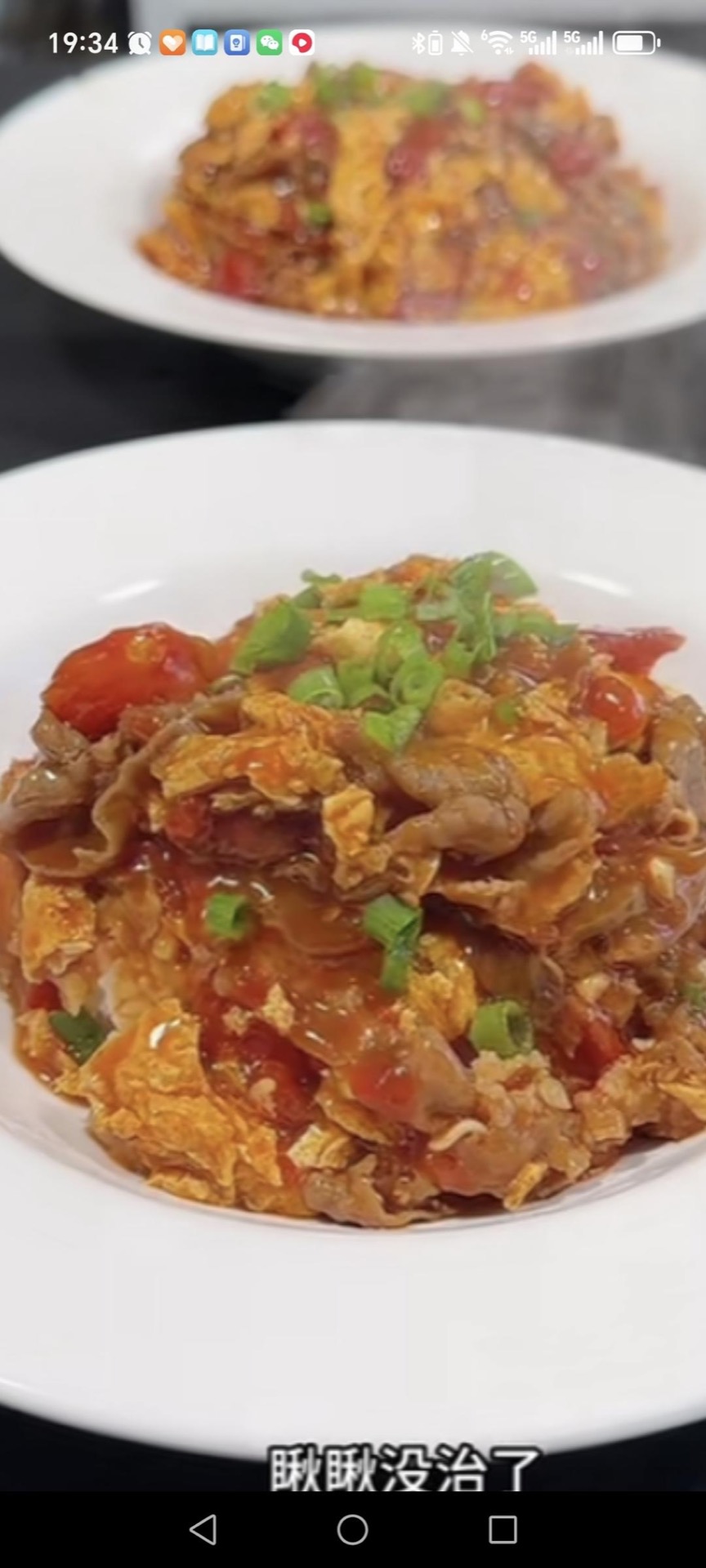
What makes it work is the balance of three simple things: the sweet-sour depth of cooked tomatoes, the richness of fatty beef, and the mellow, custardy texture of eggs that have been fried first and then folded back into the sauce. None of them shouts over the others. Instead they melt into one glossy, spoonable topping that clings to every grain of rice.
If you have ever ordered a rice bowl at a Chinese restaurant and wondered why the sauce tasted so much more layered than the sum of the ingredients, this is your answer. It is not a complicated technique. It is just the right order of operations — and a wok hot enough to do the work quickly.
What Is Tomato Beef and Egg Rice Bowl?
Tomato beef and egg rice bowl — fanqie feiniu jidan banfan (番茄肥牛鸡蛋拌饭) — is a modern Chinese rice bowl that layers three components over steamed rice: tomatoes cooked down until they collapse into a sauce, thinly sliced beef blanched until just tender, and eggs fried soft and then simmered in the tomato sauce. The word banfan means “mixed rice,” and that is exactly what you do at the table, stirring everything together so each spoonful carries sauce, egg, beef and rice at once.
It belongs to the same family as the classic tomato-and-egg stir-fry that every Chinese home cook learns first, but it trades the light, quick scramble for something richer and more substantial. The beef is usually the thin, marbled kind sold for hot pot — sometimes labeled fatty beef rolls — which cooks in seconds and stays tender. The tomatoes are cooked longer than you might expect, until they lose their shape and turn into a glossy pulp.
The key difference between a good version and a great one is patience with the tomatoes. Undercooked tomatoes give you a watery, sharp sauce; fully broken-down tomatoes give you a sweet, tangy, clinging glaze that makes the rice bowl memorable.
Because it is assembled in one wok and served over rice, it sits somewhere between a stir-fry and a braise. It is fast, forgiving, and endlessly adaptable — which is exactly why it has become a staple of home kitchens and rice-bowl shops alike.
If you enjoy this style of layered rice bowl, our beef vegetable rice bowl takes the same fatty beef in a lighter, more vegetable-forward direction.
1Easy Beef Vegetable Rice Bowl (Fatty Beef Rice)A quick, nutritious, and savory beef bowl featuring thinly sliced fatty beef, onions, carrots, and celery in a cumin-soy sauce. Better than takeout and ready in 20 minutes.Check out this recipe

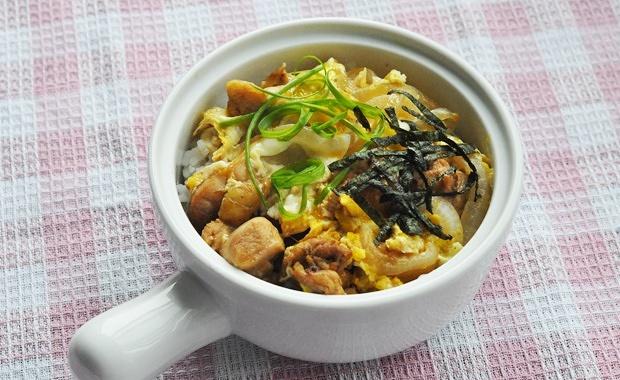
For a Japanese take on the egg-and-rice formula, our oyakodon japanese chicken and egg rice bowl simmers chicken and barely set egg in a sweet-savory dashi broth.
2Oyakodon (Japanese Chicken and Egg Rice Bowl)A classic Japanese comfort food featuring tender pan-seared chicken and onions simmered in a savory-sweet sauce, bound together by silky semi-cooked eggs and served over rice.Check out this recipe
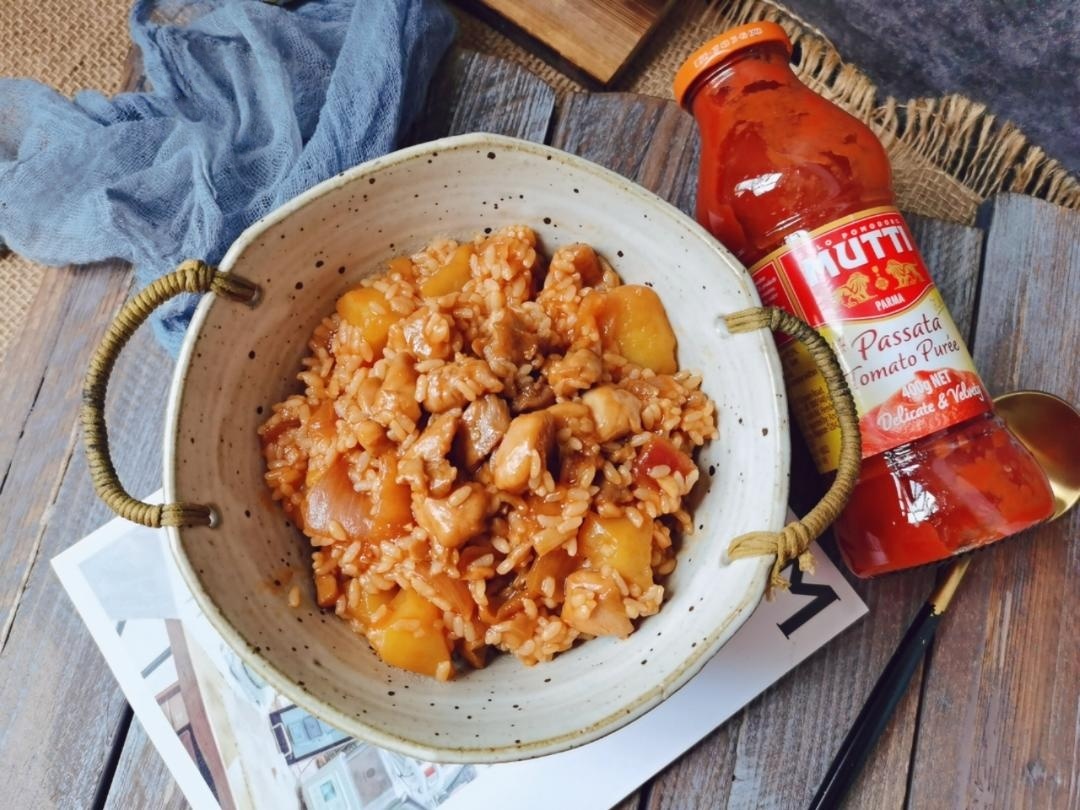
And if the tomato-and-rice combination is what drew you in, our savory tomato chicken rice builds a similarly tangy one-pot rice dish with chicken instead of beef.
3Savory Tomato Chicken Rice (30-Minute Homestyle Comfort)Learn how to make this rich, comforting Tomato Chicken Rice in just 30 minutes. A perfect weeknight dinner that balances savory, sweet, and umami flavors using a chef’s butter-searing secret.Check out this recipe
Why This Recipe Works
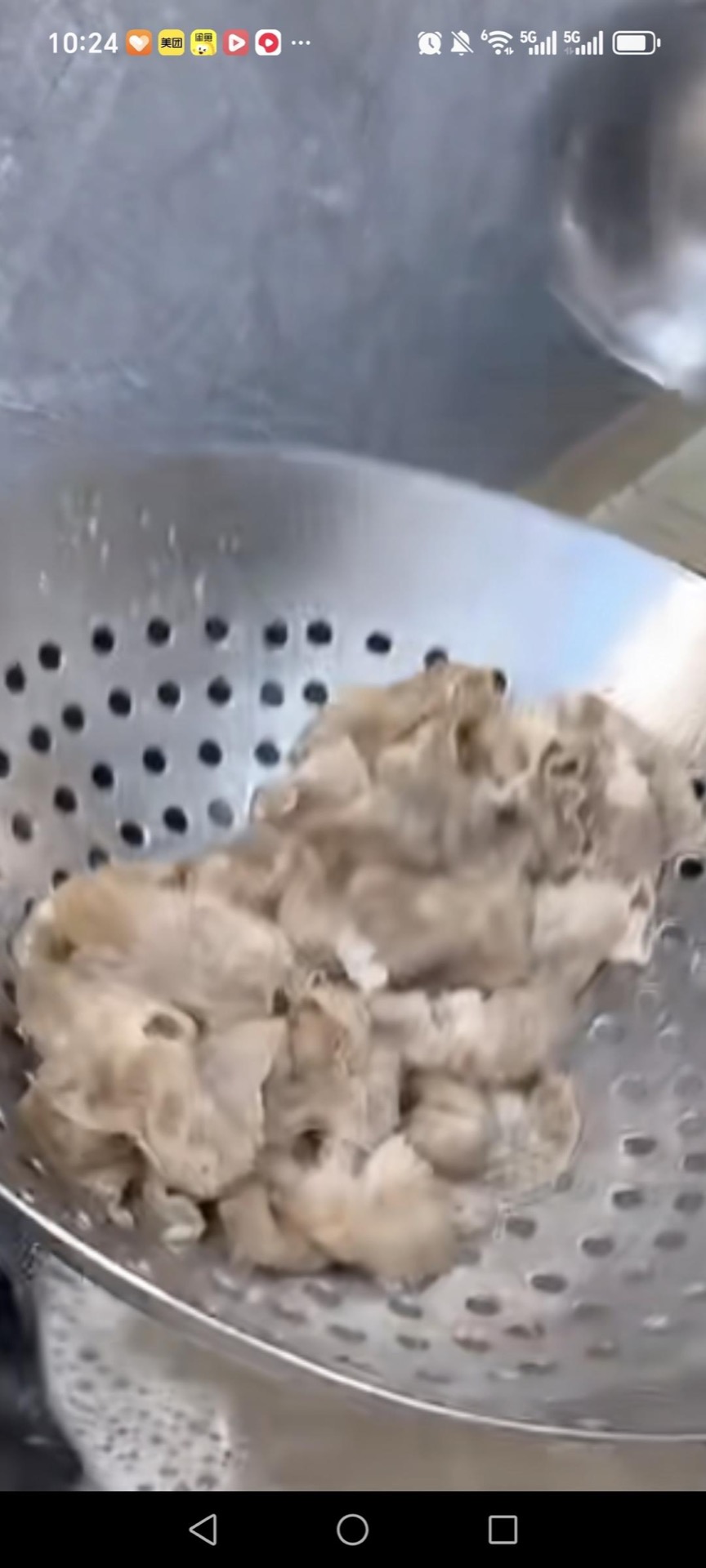
The first reason is blanching the beef. Sliced beef for hot pot is thin enough to cook through in under a minute, but if you drop it straight into the tomato sauce it releases a lot of cloudy protein foam and turns the sauce murky. A quick dip in boiling water with a splash of Shaoxing wine sets the surface, removes that foam, and lets you rinse the slices clean before they ever meet the tomatoes. The result is a sauce that stays bright red instead of turning brown.
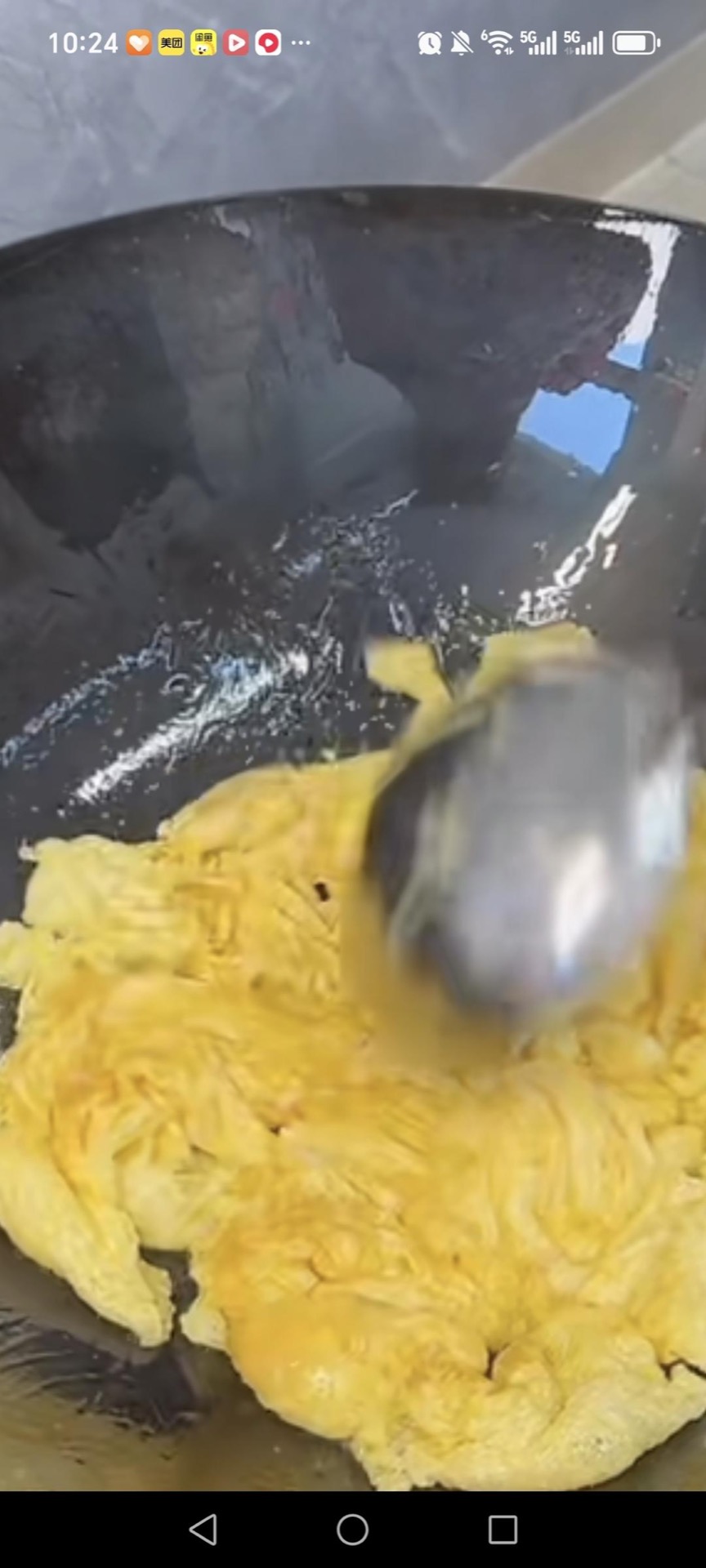
The second reason is frying the eggs separately. Eggs cooked directly in the tomato sauce turn into a loose, grainy scramble. By frying them first into a soft, puffy omelet and then sliding them back in, you get distinct pieces with a custardy interior that soak up sauce without dissolving into it. It is the same logic behind the eggs in a proper tomato-and-egg stir-fry.
The third reason is the cornstarch slurry. Tomatoes release a lot of water, and without something to bind it you end up with a thin, soupy topping that slides off the rice. A small slurry of cornstarch and water, added at the very end and simmered for a minute, turns that liquid into a glossy, spoonable sauce that coats every grain. This is the single step that separates a rice bowl from a bowl of tomato soup with rice in it.
Finally, the seasoning is deliberately restrained. Light soy sauce for savoriness, a pinch of sugar to round off the tomato acidity, white pepper for warmth, and a little chicken bouillon for depth. That is it. The tomatoes do most of the flavor work, and the seasoning is there to sharpen them rather than bury them.
Equipment Needed
You do not need much for this one, and most of it is already in a Chinese home kitchen.
- Wok or large skillet. A wok gives you the surface area to break down a pound and a half of tomatoes quickly, but a wide, deep skillet works fine. Avoid a small saucepan — the tomatoes need room to reduce.
- Slotted spoon. Essential for lifting the blanched beef out of the boiling water without carrying a cup of foam along with it.
- Cutting board and chef’s knife. For the tomato wedges and the garlic.
- Small bowl. For beating the eggs, and a second one for mixing the cornstarch slurry.
- Plate. To hold the fried eggs while you build the sauce.
One note on the wok: if you are using a carbon steel wok, make sure it is well seasoned before you start. The eggs in particular will stick to a bare pan. A nonstick wok or skillet is a perfectly good substitute here, and honestly a little more forgiving if you are new to this kind of cooking.
Ingredients
Here is what goes into the bowl. Full amounts are in the recipe card at the bottom of this post.
- Thinly sliced fatty beef — the kind sold for hot pot, sometimes labeled beef rolls. Marbling is your friend; lean slices turn tough.
- Eggs — three large ones, beaten with a pinch of salt.
- Ripe tomatoes — about a pound and a half. The softer and more fragrant, the better the sauce.
- Garlic — four cloves, minced. This is the aromatic backbone.
- Light soy sauce — one tablespoon, for savory depth without darkening the sauce.
- Sugar — a teaspoon, to balance the acidity of the tomatoes.
- White pepper — a quarter teaspoon, for gentle heat.
- Salt and chicken bouillon — to taste.
- Cornstarch and water — for the slurry that thickens the sauce.
- Scallions — green parts only, sliced, for freshness at the end.
- Hot cooked rice — four cups, or however much your household eats.
- Shaoxing wine — a splash for the blanching water.
Ingredient Notes
Which beef to buy. Look for the thin-sliced beef sold for hot pot or shabu-shabu, often rolled into coils and labeled “fatty beef.” If you cannot find it, ask a butcher to slice chuck or ribeye paper-thin on a slicer, or freeze a block of beef for thirty minutes and slice it yourself as thinly as you can manage. Thickness matters more than cut here — anything thicker than about an eighth of an inch will be chewy.
Which tomatoes to buy. Ripe, in-season tomatoes are ideal, but this is a recipe that genuinely works with supermarket tomatoes because you cook them down hard. If your tomatoes are pale and firm, add an extra half teaspoon of sugar and cook them a few minutes longer. Canned whole peeled tomatoes, drained and crushed by hand, are a legitimate substitute in winter — use about a 28-ounce can.
Light soy sauce vs. dark. Use light soy sauce here. Dark soy sauce is for color and would tint the tomato sauce a muddy brown. If you are avoiding soy, tamari or coconut aminos both work, though tamari is saltier so taste before adjusting the salt. If you are curious about how different Chinese vinegars and sauces behave in cooking, our guide on whether you can use balsamic vinegar in chinese cooking is a useful companion read.
Chicken bouillon. Optional but recommended. A half teaspoon of bouillon powder or a small piece of bouillon cube adds a savory backbone that plain salt cannot. If you are keeping the dish vegetarian-adjacent, leave it out and add a few drops of mushroom seasoning instead.
Cornstarch slurry. Mix the cornstarch with cold water, not hot, and stir it again right before you add it — cornstarch settles to the bottom of the bowl within a minute or two. Two teaspoons of cornstarch to one tablespoon of water is the ratio here; if your tomatoes were especially juicy, you can make a second slurry and add half of it.
Prep & Mise en Place
This dish moves fast once the wok is hot, so set everything out before you turn on the burner.
Step one: cut the tomatoes. Core them and cut them into wedges, roughly six to eight pieces per tomato depending on size. Do not bother peeling them — the skins soften completely during cooking and help the sauce body up. If you really dislike tomato skin, blanch the whole tomatoes in the boiling water for thirty seconds before you cook the beef, then slip the skins off.
Step two: mince the garlic. Four cloves, minced fine. Set them in a small pile near the wok.
Step three: beat the eggs. Crack three eggs into a bowl with a pinch of salt and beat them until the whites and yolks are fully combined and slightly frothy. Set the bowl beside the stove.
Step four: mix the slurry. Stir two teaspoons of cornstarch into one tablespoon of cold water in a small bowl and keep it within arm’s reach of the wok.
Step five: measure the seasonings. Combine the light soy sauce, sugar, white pepper, salt and bouillon in a small bowl so you can add them in one motion. Slice the scallion greens and set them aside for the finish.
Step six: start the rice. If you have not already, get your rice going. Everything below takes about twenty minutes, and you want hot rice waiting at the end. If you are serving this with a homemade bun or bread on the side, our bread machine whole wheat buns are a nice make-ahead option.
Cooking Process
Step 1 — Blanch the Beef
Bring about 4 cups of water to a boil in a wok, add the beef slices and a splash of Shaoxing wine, and lift the beef out with a slotted spoon as soon as the slices change color.

Step 2 — Rinse and Drain
Rinse the blanched beef in warm water, drain it well, and set it aside so it does not muddy the sauce.
Step 3 — Fry the Eggs
Heat a little oil in the wok and fry the 3 beaten eggs until just set, then slide them onto a plate and set them aside.
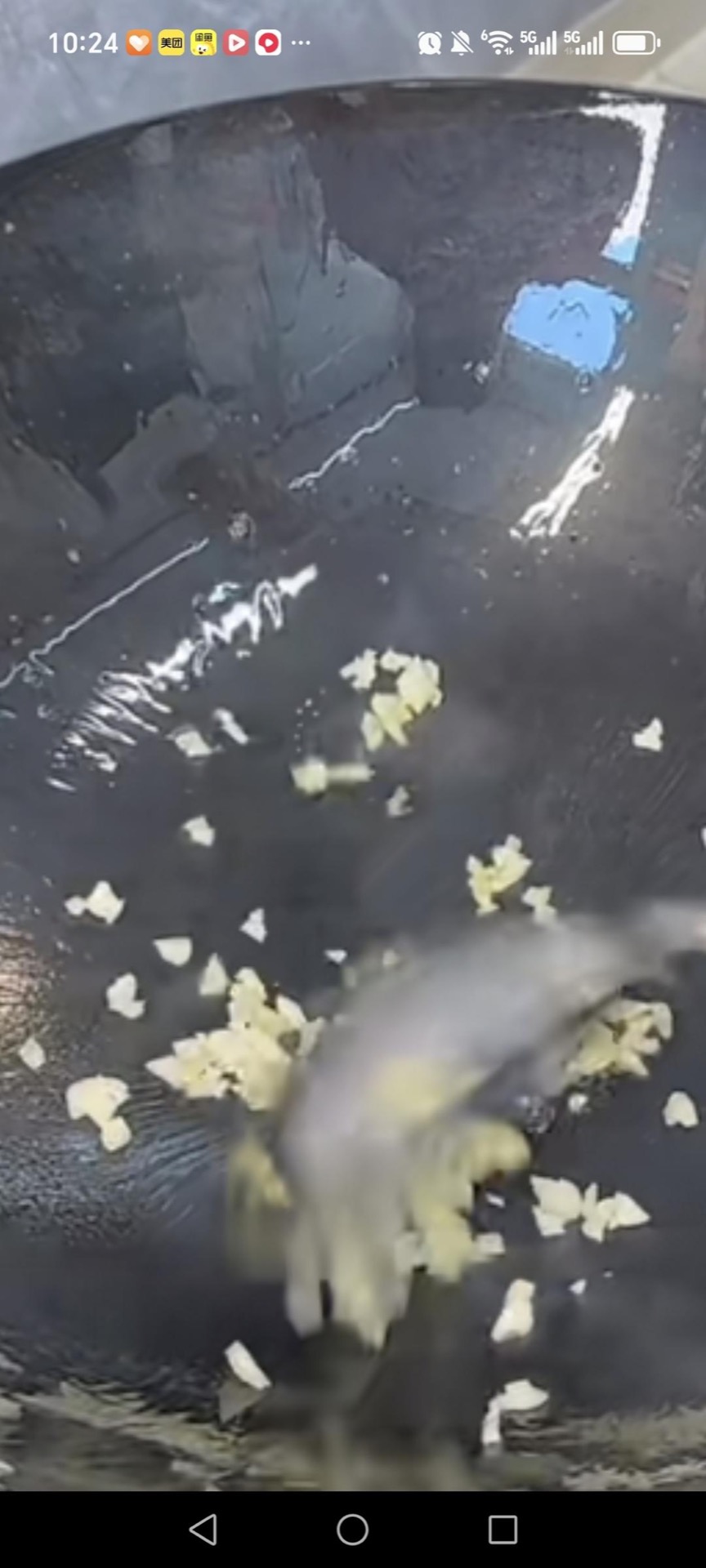
Step 4 — Aromatize the Garlic
Add a little more oil to the wok, lower the heat, and stir-fry the minced garlic until it smells sweet and fragrant.
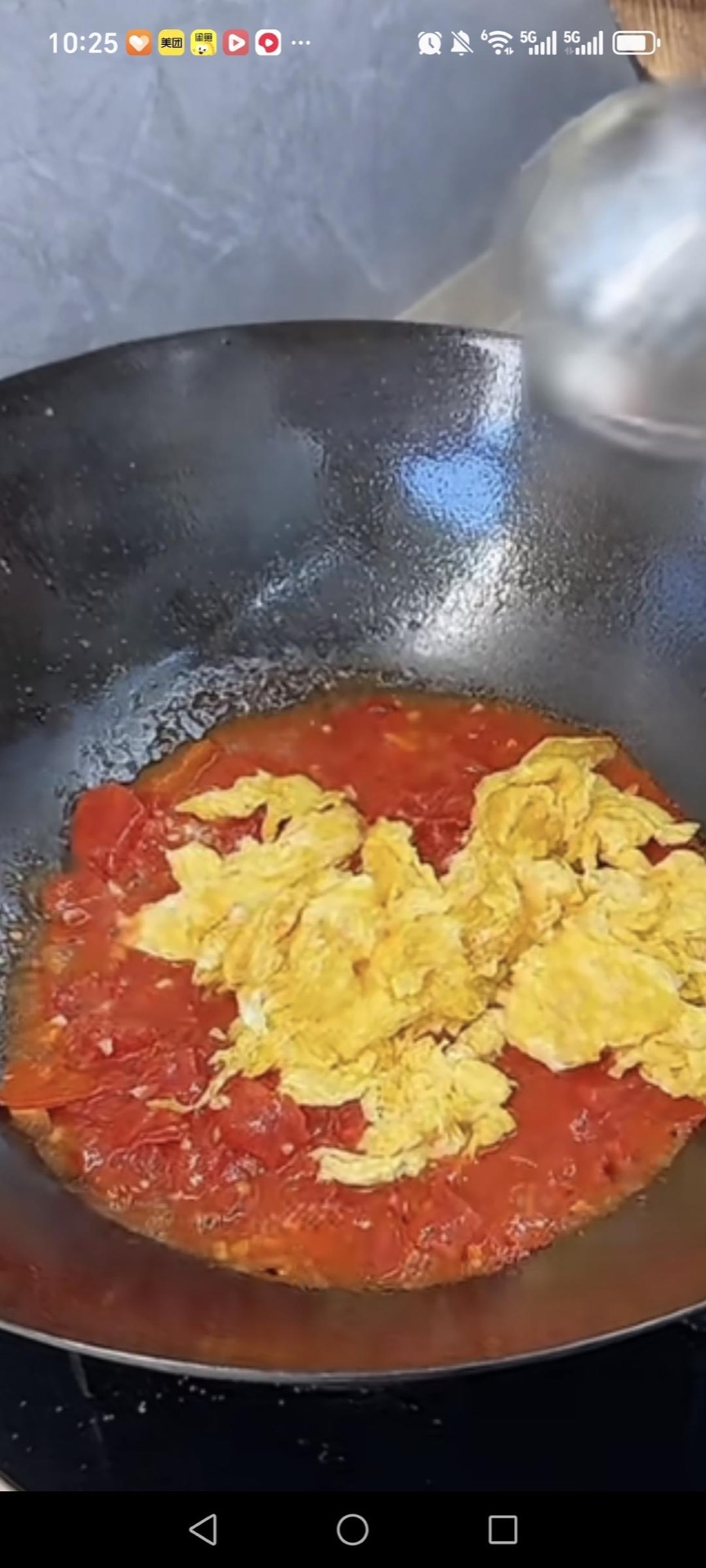
Step 5 — Cook the Tomatoes
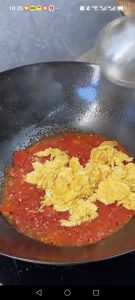
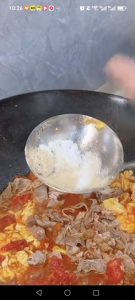
Add the tomato wedges, press them down with your spatula until they break apart into a jammy pulp, stir in the light soy sauce, then return the fried eggs to the wok.
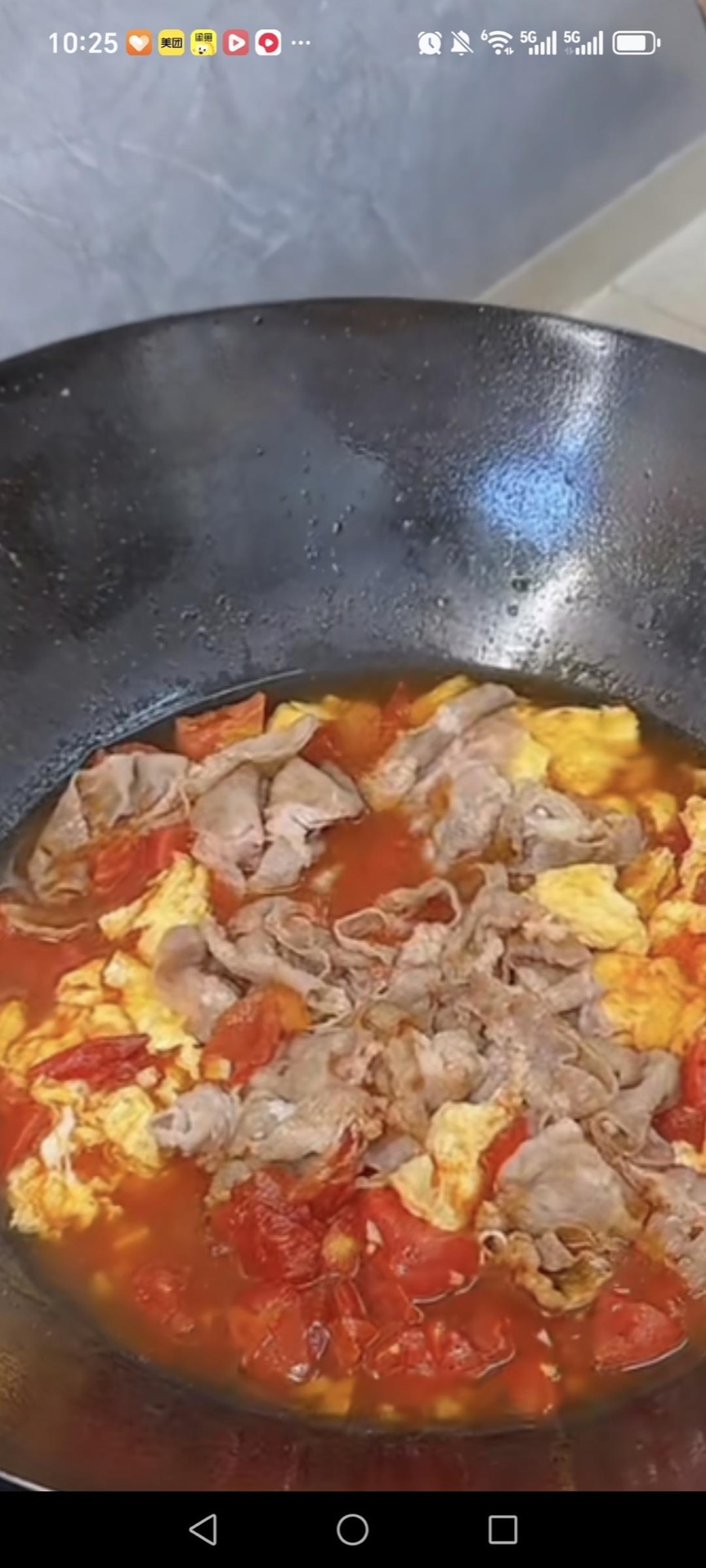
Step 6 — Add the Beef and Water
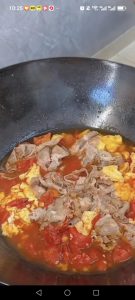
Slide the blanched beef into the wok and pour in the hot water so everything is just barely covered.
Step 7 — Season the Sauce
Stir in the salt, chicken bouillon, sugar and white pepper, tasting as you go.
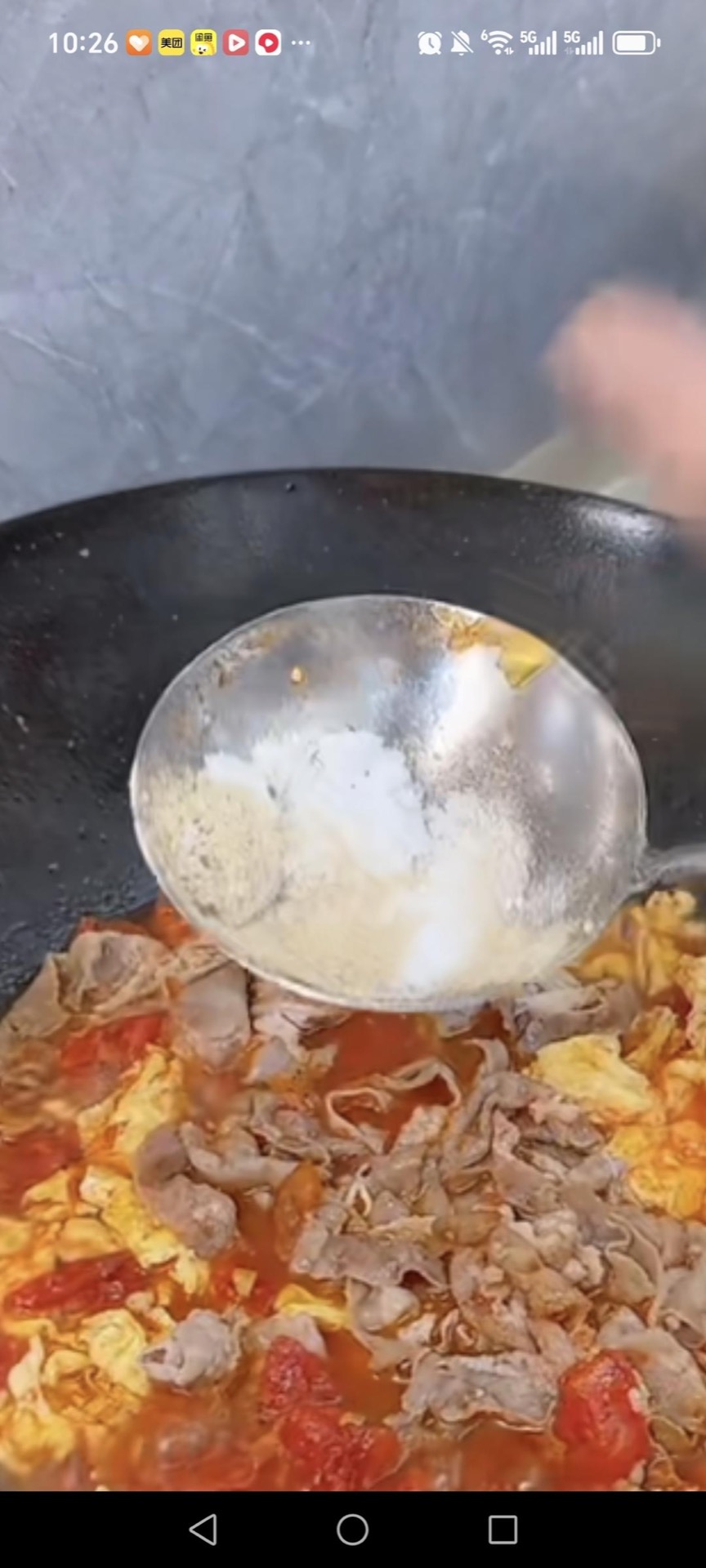
Step 8 — Thicken and Finish
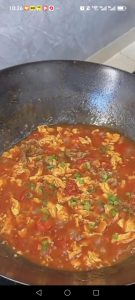
Toss everything together, stir in the cornstarch slurry and simmer until the sauce turns glossy and thick, then scatter over the scallion greens.
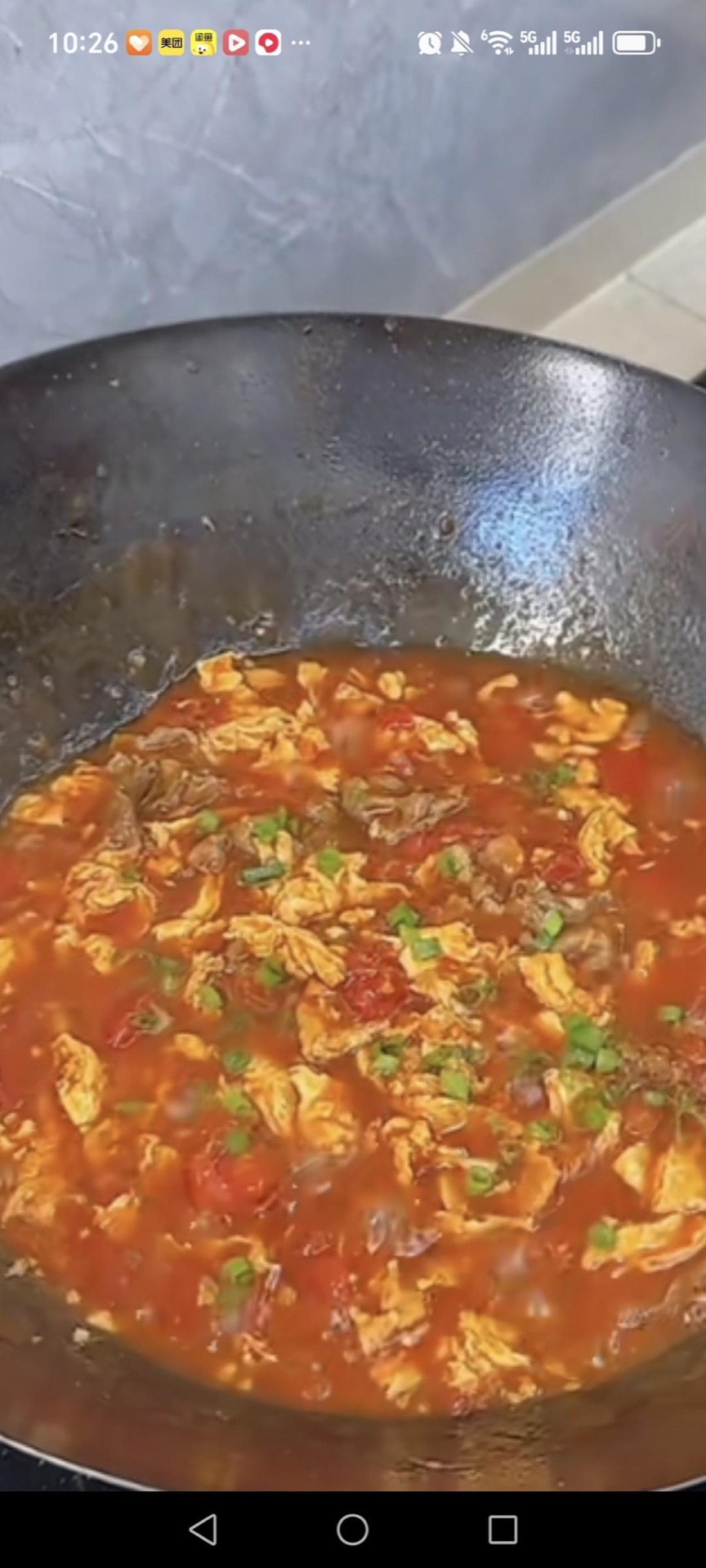
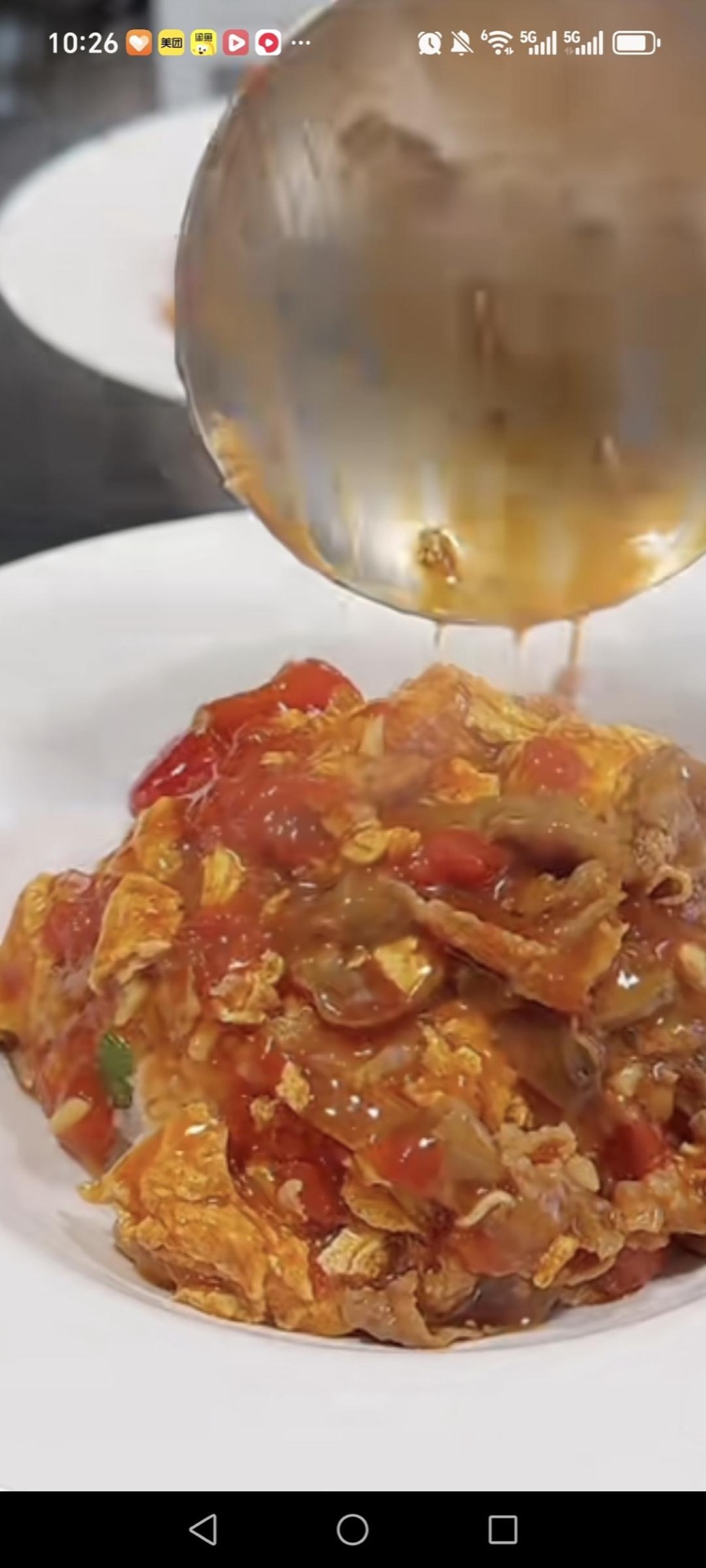
Step 9 — Assemble the Bowl
Spoon hot rice into bowls, ladle the tomato beef and egg over the top, and serve right away.
Common Mistakes When Making Tomato Beef and Egg Rice Bowl
1. Boiling the beef too long. The beef only needs to lose its raw pink color — thirty to forty-five seconds in boiling water is usually enough. Leave it in for two minutes and you have cooked it twice: once in the water and once in the sauce. The result is dry, tight slices. Fix: stand over the wok with your slotted spoon ready and pull the slices the moment they turn opaque.
2. Skipping the rinse. After blanching, the beef carries a film of protein foam and scum. If you toss it straight into the sauce, that foam disperses and dulls the color. Fix: rinse the slices in warm water and drain them well before they go back into the wok.
3. Undercooking the tomatoes. This is the most common mistake. Tomatoes need to be pressed and cooked until they collapse into a thick, jammy pulp, which takes five to eight minutes over medium heat. If you add the water too early, you are essentially making tomato soup. Fix: resist adding liquid until the tomatoes have fully broken down and the mixture looks thick and glossy.
4. Adding too much water. The tomatoes already contain a lot of liquid. A cup of hot water is enough to create the braising liquid; more than that and the sauce will never thicken properly. Fix: add the water gradually and stop when the beef and eggs are just barely covered.
5. Forgetting the slurry, or adding it too early. Cornstarch needs the sauce to be at a simmer to thicken, and it needs a minute of gentle bubbling to lose its raw, chalky taste. Stirring it into a lukewarm sauce does nothing. Fix: add the slurry at the end, bring the sauce back to a simmer, and cook for a full minute until it visibly glosses.
6. Over-seasoning. Soy sauce, bouillon and salt all stack up quickly, and the tomatoes bring their own sweetness. If you season before tasting, you will overshoot. Fix: add the soy sauce and bouillon, then taste, then adjust salt and sugar.
7. Serving over cold rice. This sounds trivial but it is not. Hot rice warms the sauce from below and helps everything meld; cold rice cools the sauce and makes the whole bowl taste flat. Fix: time your rice so it finishes right as the wok comes off the heat.
Variations
Spicier version. Add a teaspoon of doubanjiang along with the garlic and let it fry for thirty seconds before the tomatoes go in. The fermented bean paste adds a deep, earthy heat that plays beautifully against the tomato. A sliced fresh chili or a drizzle of chili oil at the end works too if you want heat without the fermented funk.
Ground pork instead of beef. Brown half a pound of ground pork in the wok after the garlic, breaking it up as it cooks, then proceed with the tomatoes. The technique is nearly identical to our stir fried minced pork with chili peppers, and the result is a heartier, more rustic bowl.
Chicken version. Thinly sliced chicken thigh works well here — skip the blanching and instead sear the slices in the wok for two minutes before the tomatoes go in. Chicken with snow peas is another quick stir-fry in the same spirit, and our stir fried chicken with snow peas is worth a look if you like this style of fast cooking.
No-beef version. Leave the beef out entirely and double the eggs. The tomatoes, garlic and eggs alone make a lovely, lighter bowl, and it is a good way to use up a glut of summer tomatoes.
Noodle version. Swap the rice for fresh or dried wheat noodles and loosen the sauce with an extra half cup of water. The combination of tomato and noodles has a long history in northern China — our Beijing eggplant noodle soup is a good example of how that tradition handles tomatoes and noodles together.
Extra vegetables. A handful of frozen peas or corn added with the water, or a few slices of onion cooked with the garlic, both work. Keep the additions small so the sauce does not get crowded.
Frequently Asked Questions
Can I use regular sliced beef instead of hot pot beef? Yes, but slice it as thin as you possibly can — freeze it for thirty minutes first to firm it up, then slice against the grain. Thick slices will be chewy no matter how gently you cook them.
My sauce turned out watery. What went wrong? Almost always one of two things: the tomatoes were not cooked down far enough before the water went in, or too much water was added. You can rescue a watery sauce by simmering it uncovered for a few extra minutes, then adding a second small cornstarch slurry.
Can I make this ahead of time? The sauce can be made up to two days ahead and refrigerated, but the eggs will lose their soft texture and the beef will firm up. If you are planning ahead, cook the sauce without the eggs and beef, refrigerate it, then reheat it and add freshly fried eggs and freshly blanched beef right before serving.
Is this dish very spicy? Not at all as written. White pepper gives a mild warmth but no real heat. If you want spice, add doubanjiang or fresh chilies as described in the variations.
What if my tomatoes are not very ripe? Add an extra half teaspoon of sugar and cook them a few minutes longer, and consider adding a tablespoon of tomato paste along with the soy sauce for extra depth and color.
How to Serve
This is a complete meal in a bowl, so the simplest way to serve it is exactly as written: hot rice, a generous ladle of tomato beef and egg, and a scatter of scallion greens. A drizzle of chili oil or a few drops of toasted sesame oil at the table is a nice touch.
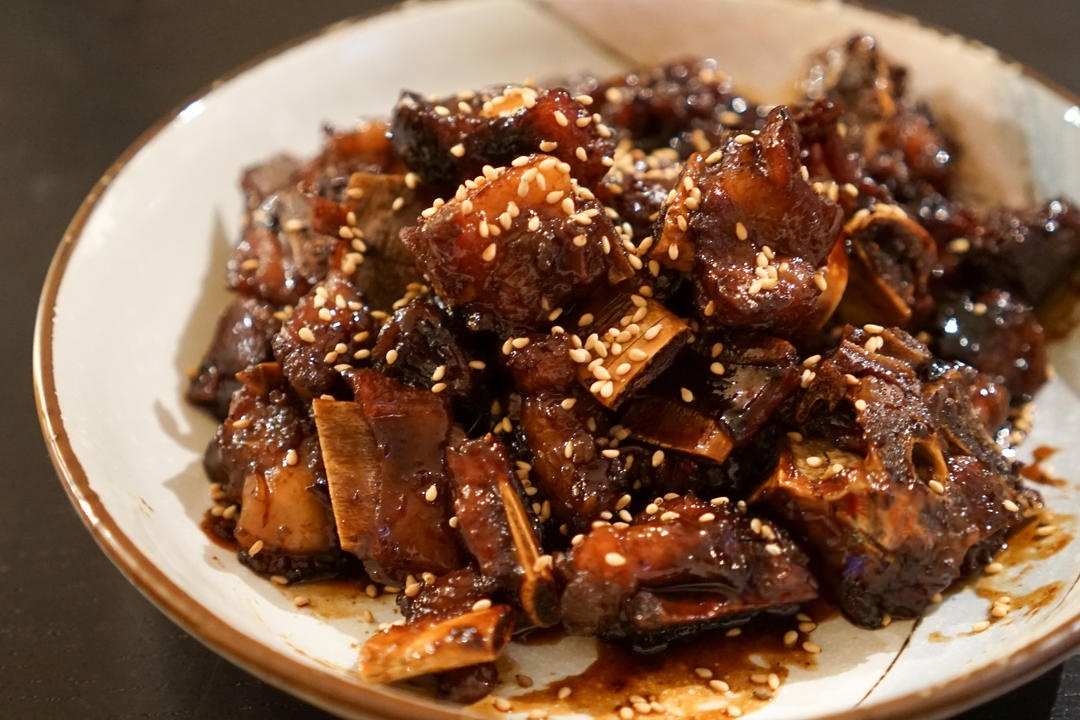
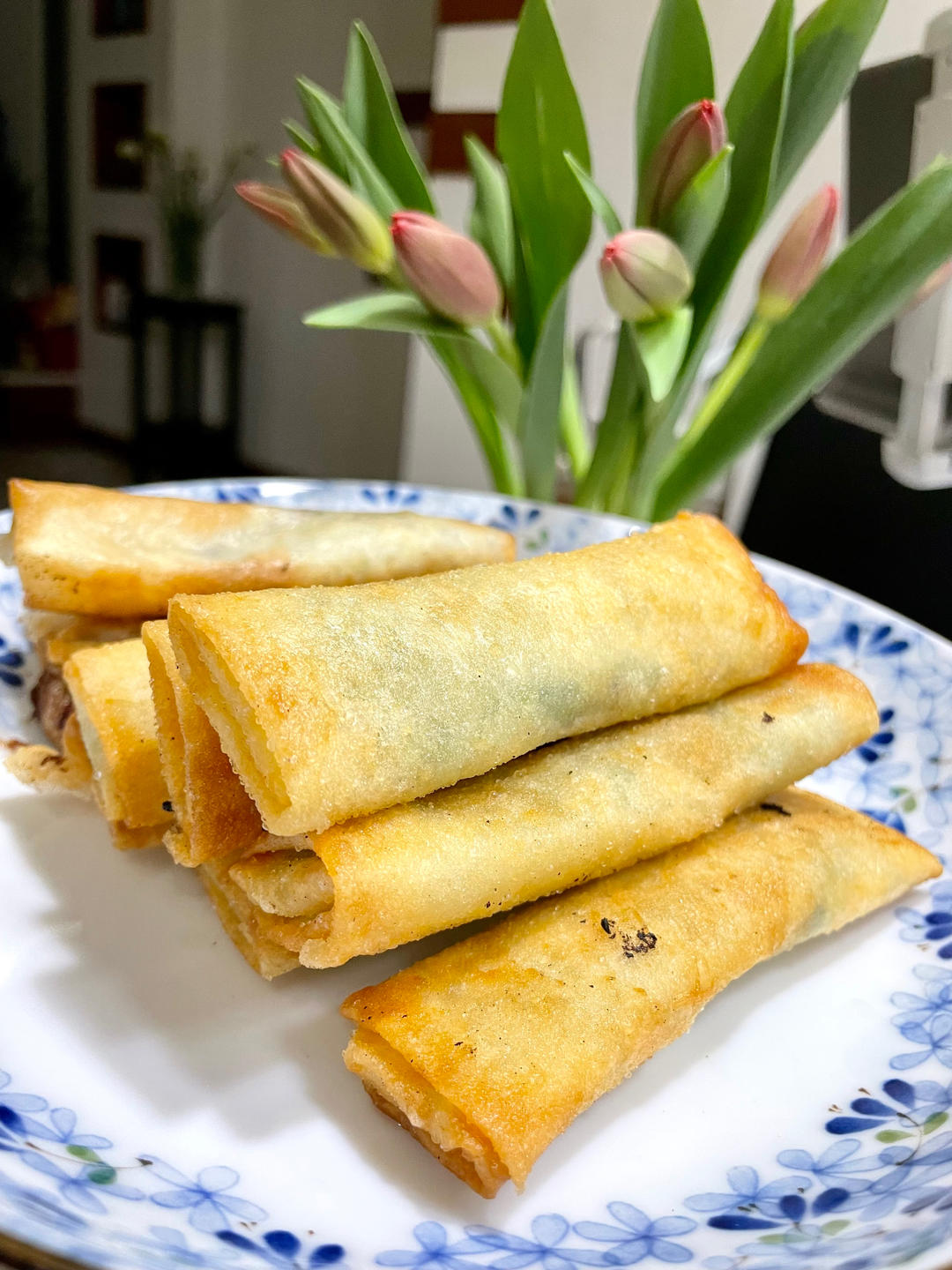
If you want something green alongside, a quick cucumber salad or a plate of blanched greens with garlic and oyster sauce balances the richness well. On the side, our coca cola sweet and sour pork ribs make a festive companion if you are building a larger table, and crispy shepherds purse spring rolls add a welcome crunch if you are feeding a crowd.
For a lighter meal, serve the tomato beef and egg over a smaller portion of rice and add a bowl of clear broth or a simple egg drop soup on the side. The sauce is rich enough that a little goes a long way.
Storage & Reheat
Store leftovers in a sealed container in the refrigerator for up to three days. Keep the sauce and the rice separate if you can — rice stored under a wet sauce turns mushy quickly, and it is much easier to reheat them properly when they are apart.
To reheat, warm the sauce gently in a skillet or wok over medium-low heat with a splash of water to loosen it. Do not microwave it on high, which will toughen the beef and rubberize the eggs. Reheat rice separately, covered, with a splash of water, until steaming. Reheated sauce should reach 165°F (74°C).
This dish does not freeze well. The eggs become spongy and the beef turns grainy after thawing, so it is best enjoyed fresh or within a few days of cooking.
Allergen Notice
This recipe contains soy, from the light soy sauce. Depending on the brands you use, chicken bouillon and oyster sauce (if you add it) may contain wheat, fish, shellfish or celery — check the labels carefully if you are cooking for someone with allergies. Shaoxing wine is a rice wine and is generally gluten-free, but some brands add wheat; verify before using. If you are avoiding soy, tamari or coconut aminos can replace the light soy sauce, though you will need to adjust the salt.
Nutrition Disclaimer
Nutrition information is calculated using an ingredient database and should be considered an estimate. In cases where multiple ingredient alternatives are given, the first listed is calculated for nutrition. Garnishes and optional ingredients are not included.
About the Author & Recipe Development
This recipe was developed and tested in the Woks of Love kitchen by Lin, who grew up cooking Chinese home food and has spent years adapting the dishes she grew up with for home cooks working in Western kitchens. The goal here was to keep the technique authentic — the blanching, the separately fried eggs, the cornstarch finish — while making the ingredients easy to find at any supermarket.
Fanqie feiniu is a dish that varies enormously from kitchen to kitchen. Some cooks add tomato paste, some add a spoonful of ketchup, some finish with a swirl of sesame oil. The version here is deliberately stripped back so the tomatoes and beef do the talking. If you make it and adjust it to your own taste, that is exactly what the dish is for.
Authoritative References
For safe internal temperatures and storage guidance used in this recipe, see the FDA refrigerator and food safety guidance. For the science of how cornstarch thickens a sauce, the Serious Eats guide to cornstarch is a clear, practical explainer. For general food safety information on eggs and meat, the WHO food safety fact sheet is a useful reference.
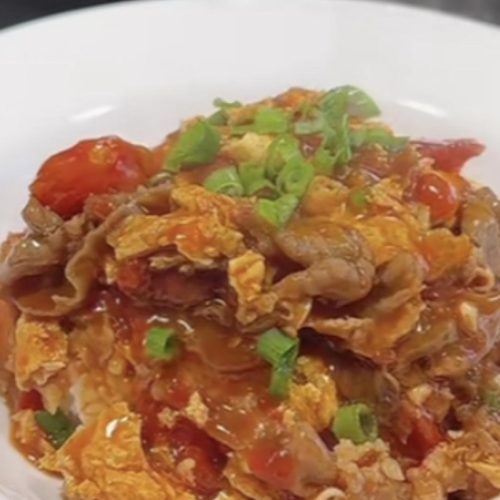
Tomato Beef and Egg Rice Bowl (番茄肥牛鸡蛋拌饭): Tangy Tomato, Tender

Equipment
- Wok
- Cutting Board
- Slotted Spoon
- Small Bowl
- Chef’s knife
Ingredients
For the Beef
- 1 lb beef thinly sliced fatty beef, or hot pot beef rolls
- 1 tbsp Shaoxing wine for blanching
- 4 cups water for blanching
For the Eggs
- 3 large eggs beaten with a pinch of salt
- 2 tbsp neutral oil for frying the eggs
For the Sauce
- 1 tbsp light soy sauce or tamari
- 1 tsp granulated sugar balances the tomato acidity
- 1/4 tsp ground white pepper or to taste
- 1/2 tsp salt or to taste
- 1/2 tsp chicken bouillon optional
- 1 tbsp water for the slurry
- 2 tsp cornstarch mixed with the water
For the Dish
- 2 tbsp neutral oil for stir-frying
- 4 cloves garlic minced
- 1.5 lbs tomatoes ripe, cut into wedges
- 1 cup hot water for the braise
- 2 stalks scallions green parts only, sliced
- 4 cups cooked white rice hot, for serving
Instructions
- Bring about 4 cups of water to a boil in a wok, add the beef slices and a splash of Shaoxing wine, and lift the beef out with a slotted spoon as soon as the slices change color.

- Rinse the blanched beef in warm water, drain it well, and set it aside so it does not muddy the sauce.
- Heat a little oil in the wok and fry the 3 beaten eggs until just set, then slide them onto a plate and set them aside.
- Add a little more oil to the wok, lower the heat, and stir-fry the minced garlic until it smells sweet and fragrant.
- Add the tomato wedges, press them down with your spatula until they break apart into a jammy pulp, stir in the light soy sauce, then return the fried eggs to the wok.
- Slide the blanched beef into the wok and pour in the hot water so everything is just barely covered.
- Stir in the salt, chicken bouillon, sugar and white pepper, tasting as you go.
- Toss everything together, stir in the cornstarch slurry and simmer until the sauce turns glossy and thick, then scatter over the scallion greens.
- Spoon hot rice into bowls, ladle the tomato beef and egg over the top, and serve right away.

















Leave a Reply