Growing up, the Lunar New Year meant following a strict, delicious schedule of traditional foods. As the old Northern Chinese saying goes, “Dumplings on the first and fifth, noodles on the second and seventh”. Today, I am sharing a treasured family heirloom for day two: Authentic Beijing Eggplant Noodle Soup, or Qie Ding Da Lu Mian. This specific preparation comes directly from my grandmother, who would have been 115 years old this year.
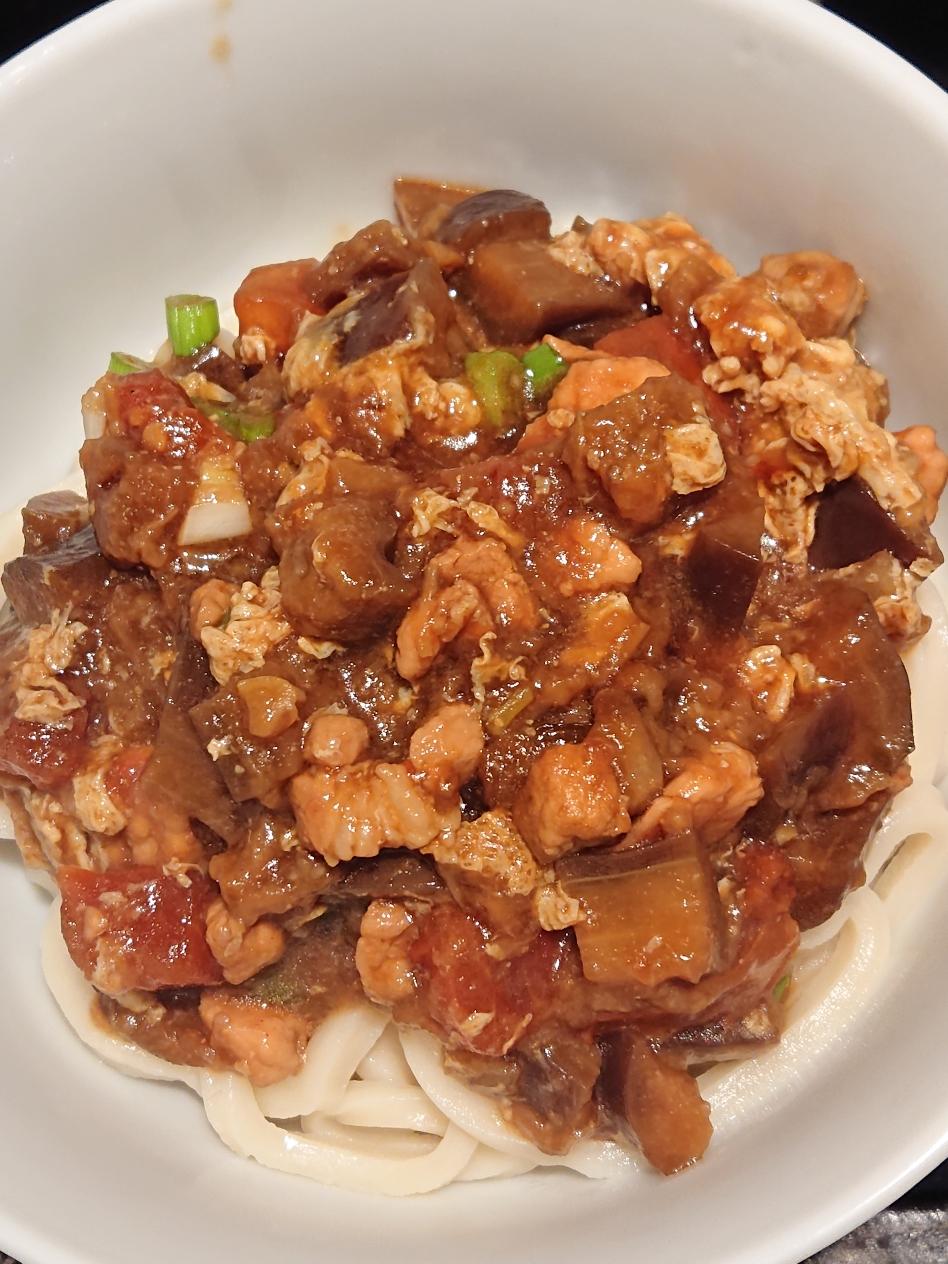
The secret to this incredible dish is infusing the cooking oil with star anise before frying the ingredients. This crucial step removes any gamey flavors from the meat and builds a deeply fragrant base. In our house, my husband is always in charge of the hand-pulled noodles, while I handle this savory eggplant gravy, passing the exact flavors my grandmother taught my aunt down to my own daughter.
What Is Da Lu Mian?
In Northern Chinese cuisine, Da Lu Mian (打卤面) refers to noodles served with a thick, robust gravy. According to old Beijing traditions, this gravy should never be overly salty. Why? Because true Beijingers love to taste a spoonful of the pure gravy on its own before mixing it thoroughly into their noodles! If the sauce is too salty, you lose the joy of eating the sauce plain and end up needing to drink bowls of noodle water just to wash it down.
If you are looking for a meatless variation of this dish that shares similar flavor profiles, I highly recommend checking out our vegetarian Savory Eggplant and Tomato Noodle Soup recipe.
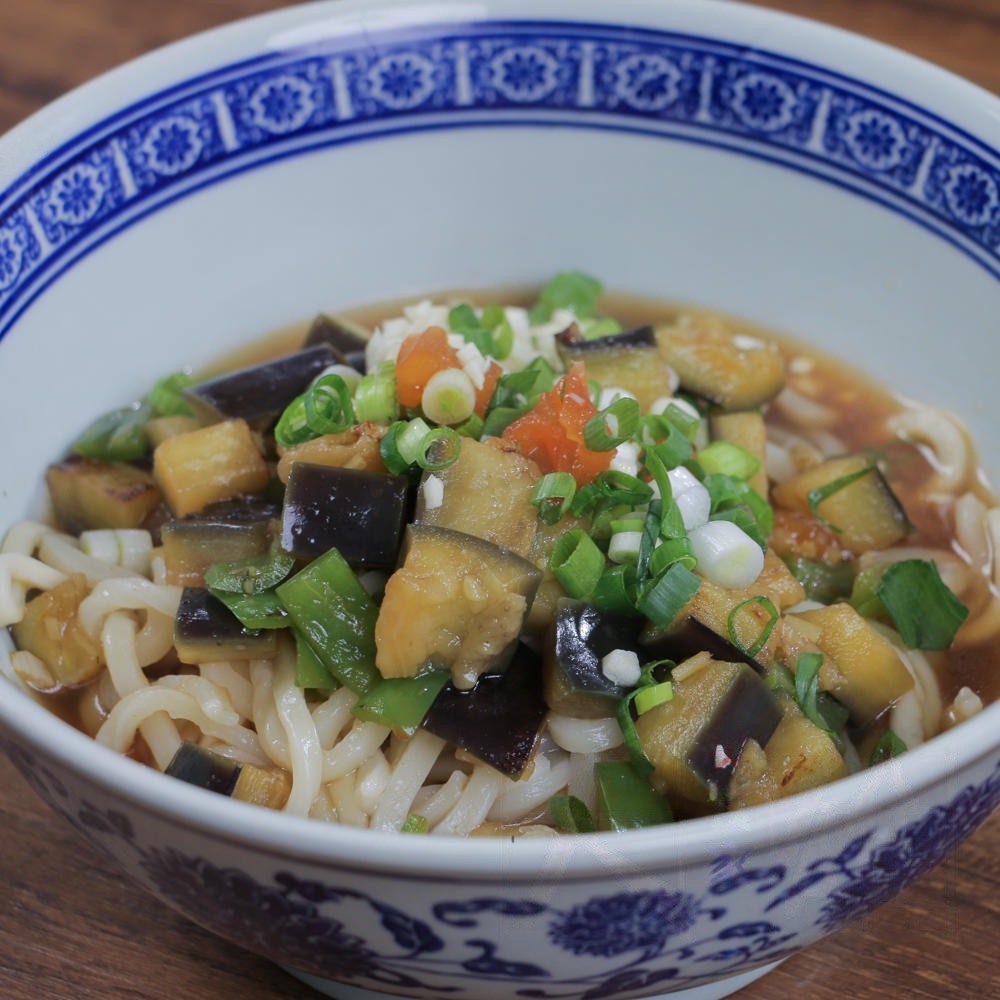
1Eggplant and Tomato Noodle Soup (Su Qie Ding Mian)This homestyle Eggplant and Tomato Noodle Soup is a savory, vegetarian comfort dish popular in Chinese households. Tender cubes of eggplant and fresh tomatoes are simmered into a rich broth and served over chewy fresh noodles. Ready in 20 minutes!Check out this recipe
Ingredients
- Chinese Eggplants: 2 to 3 medium eggplants, diced. Chinese or Japanese eggplants are preferred for their tender skin and creamy texture.
- Tomato: 1 large tomato, diced.
- Pork: 150g (about 1/3 lb) pork tenderloin or pork belly, diced into uniform cubes.
- Star Anise: 3 to 4 whole pieces.
- Egg: 1 large egg, beaten.
- Aromatics: 2 tablespoons minced garlic, 2 tablespoons chopped scallions, and 2 tablespoons chopped Beijing leeks (or scallion whites).
- Seasonings:
- 1 tablespoon Light Soy Sauce
- 1 teaspoon Dark Soy Sauce
- 1 tablespoon Oyster Sauce
- 1 tablespoon Shaoxing Wine (cooking wine)
- 1 teaspoon sugar (optional)
- Cornstarch Slurry: 2 tablespoons cornstarch mixed with 3 tablespoons water.
- Water: About 2 cups, hot or cold.
Equipment Needed
- A well-seasoned carbon steel wok or a large, deep skillet.
- A wooden spatula for gentle folding.
- An instant-read meat thermometer to ensure food safety.
Prep & Mise en Place
Proper preparation is essential for stir-frying. Dice the eggplant, tomato, and pork into uniform half-inch pieces so they cook evenly. Mince your garlic and chop the scallions, keeping the white leek parts separate for browning. Beat the egg in a small bowl, and mix your cornstarch and water to create your thickening slurry.
Cooking Process
- Infuse the Oil (3-4 minutes, Medium Heat): Heat 3 tablespoons of cooking oil in your wok over medium heat. Add the 3 to 4 whole star anise. Fry them slowly until their color deepens into a dark brown. Once fragrant and darkened, carefully remove and discard the star anise. Both the pork and eggplant will absorb this oil, so using a slightly generous amount here is perfectly fine.

- Brown the Pork (3-5 minutes, Medium-High Heat): Add the chopped leeks (scallion whites) and diced pork into the hot, infused oil. Stir-fry over medium heat until the pork turns completely white on the outside. Pour in the Shaoxing wine to deglaze the pan and eliminate any raw meat odors.
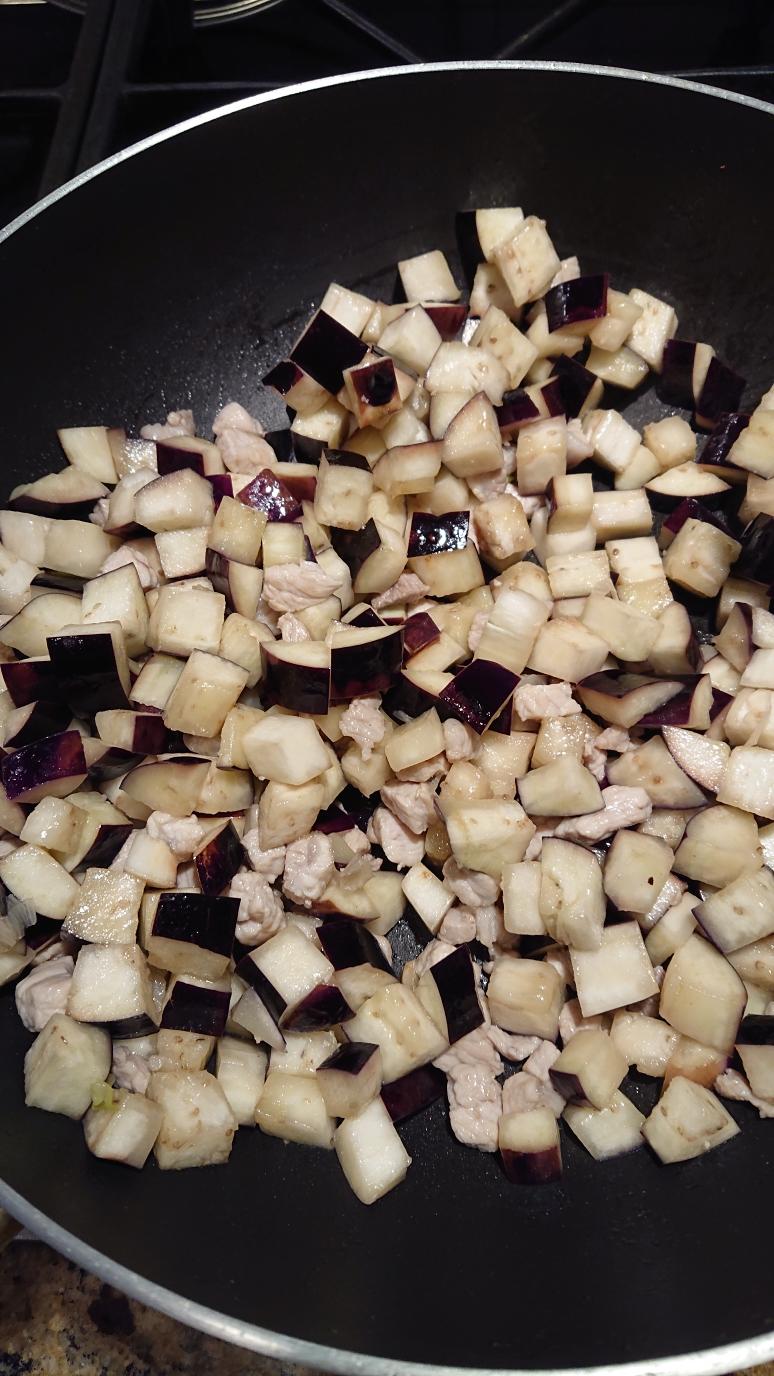
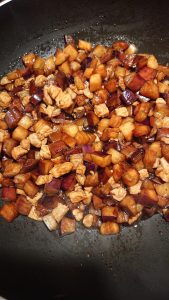
- Soften the Eggplant (4-5 minutes, Medium Heat): Add the diced eggplant to the wok. Continue stirring over medium heat until the eggplant slightly softens and begins to collapse.
- Season the Base (1 minute): Stir in the oyster sauce, dark soy sauce, light soy sauce, and sugar to taste. Toss until all the ingredients are evenly coated. Note: The soy sauces and oyster sauce provide plenty of seasoning, so there is no need to add extra salt! The sugar acts as a flavor enhancer and balances the tartness of the tomatoes we will add shortly.
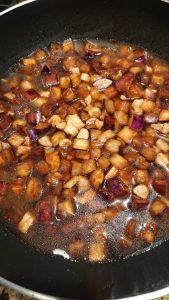
- The First Simmer (10 minutes, Medium Heat): Pour in enough water (hot or cold) to just submerge the pork and eggplant. Cover the wok with a lid and let the mixture simmer gently for about 10 minutes. If your lid does not seal tightly, or if you prefer a much softer eggplant texture, you can add a little extra water.
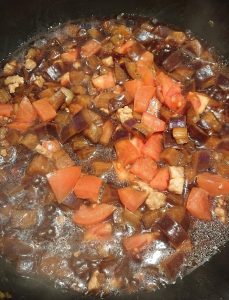
- Add the Tomatoes (10-15 minutes, Medium Heat): After 10 minutes, uncover the wok and add the diced tomatoes. Place the lid back on and continue to simmer for another 10 to 15 minutes. The exact time depends on your texture preference and how much liquid remains in the pan.

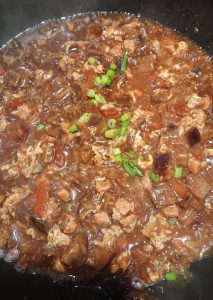
- Thickening the Gravy (2-3 minutes, Low Heat): When the sauce has reduced but is still plentiful, drizzle in the beaten egg and add the minced garlic. Give it a gentle stir. Next, review How to Thicken Sauce Properly and slowly stir in your cornstarch slurry until the gravy turns thick, glossy, and coats the back of a spoon. Turn off the heat and garnish with the remaining chopped scallions.

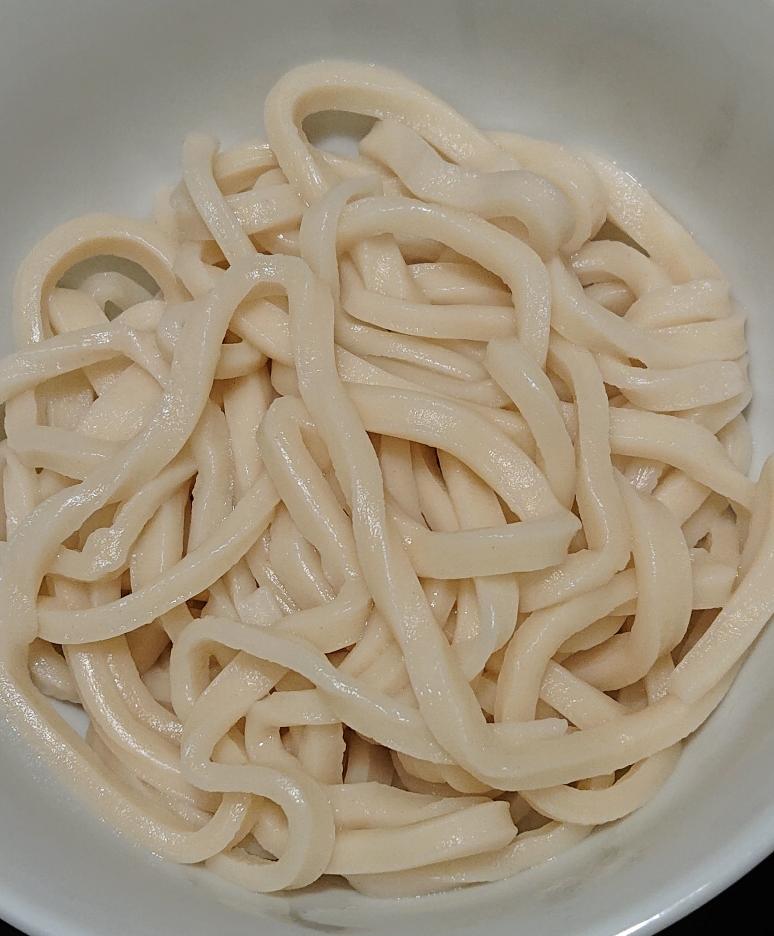
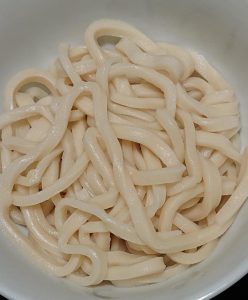
- Boil the Noodles: While the gravy is simmering on one burner, you can use a second burner to boil your water and cook the noodles so both finish at the same time. Whether making noodles or dumplings, remember that giving your dough enough time to rest is the absolute key to a delicious, chewy texture! If you aren’t making them from scratch, check our guide on the Types of Chinese Noodles Explained to pick the best store-bought option.


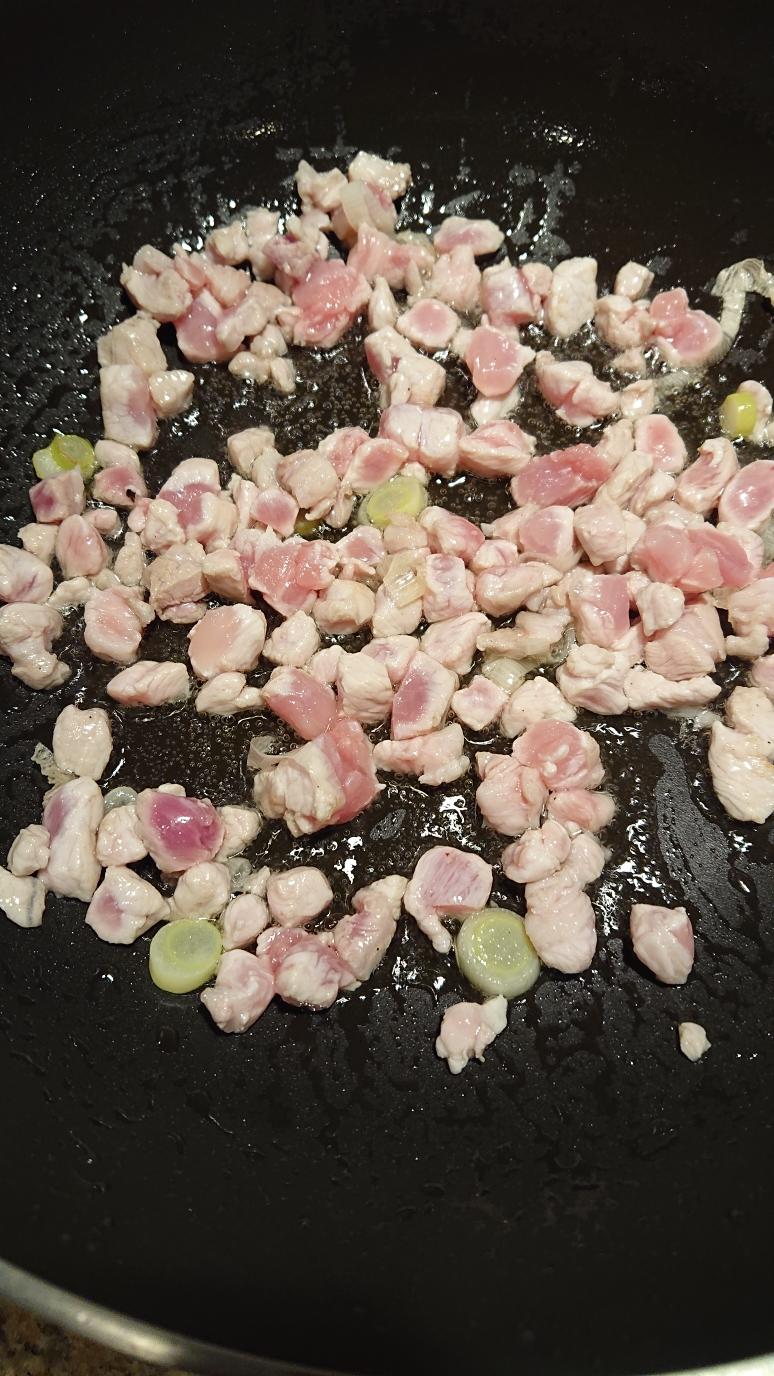
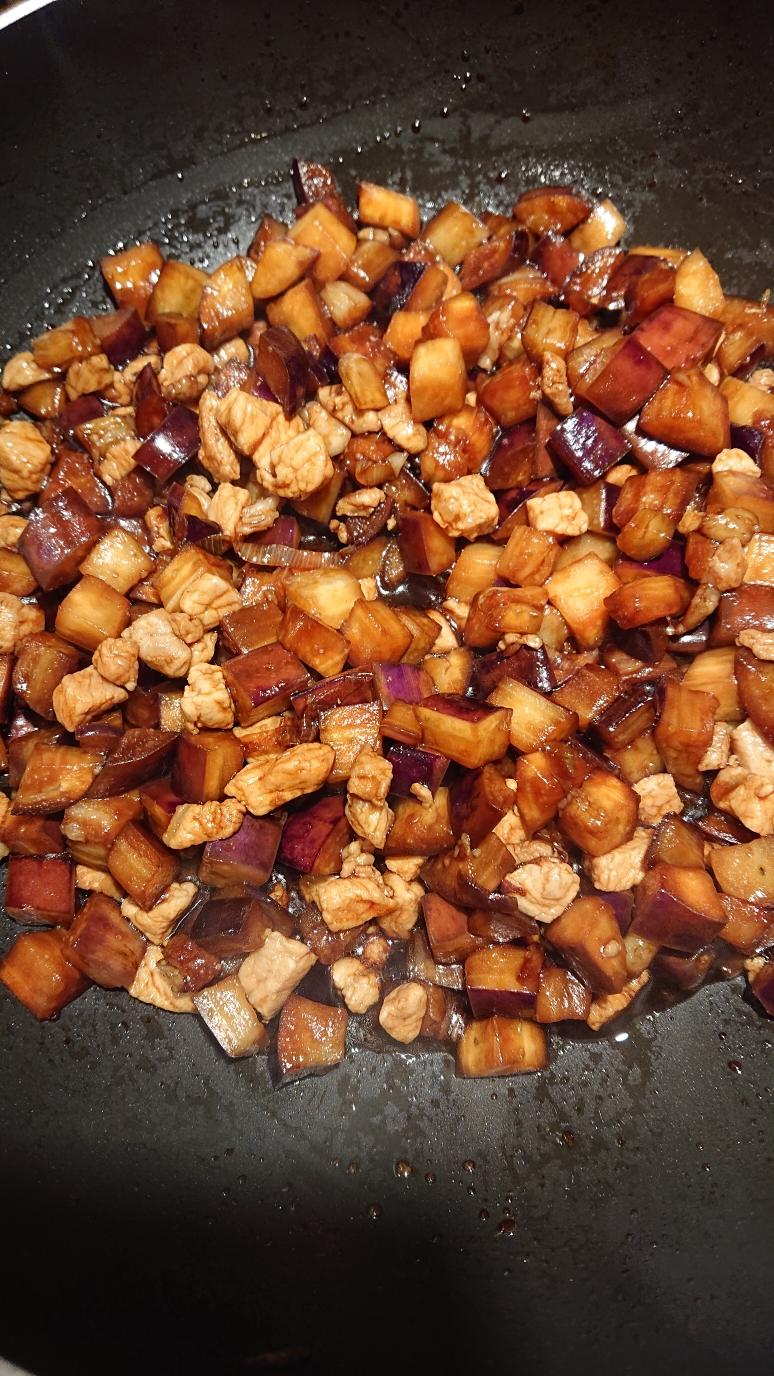
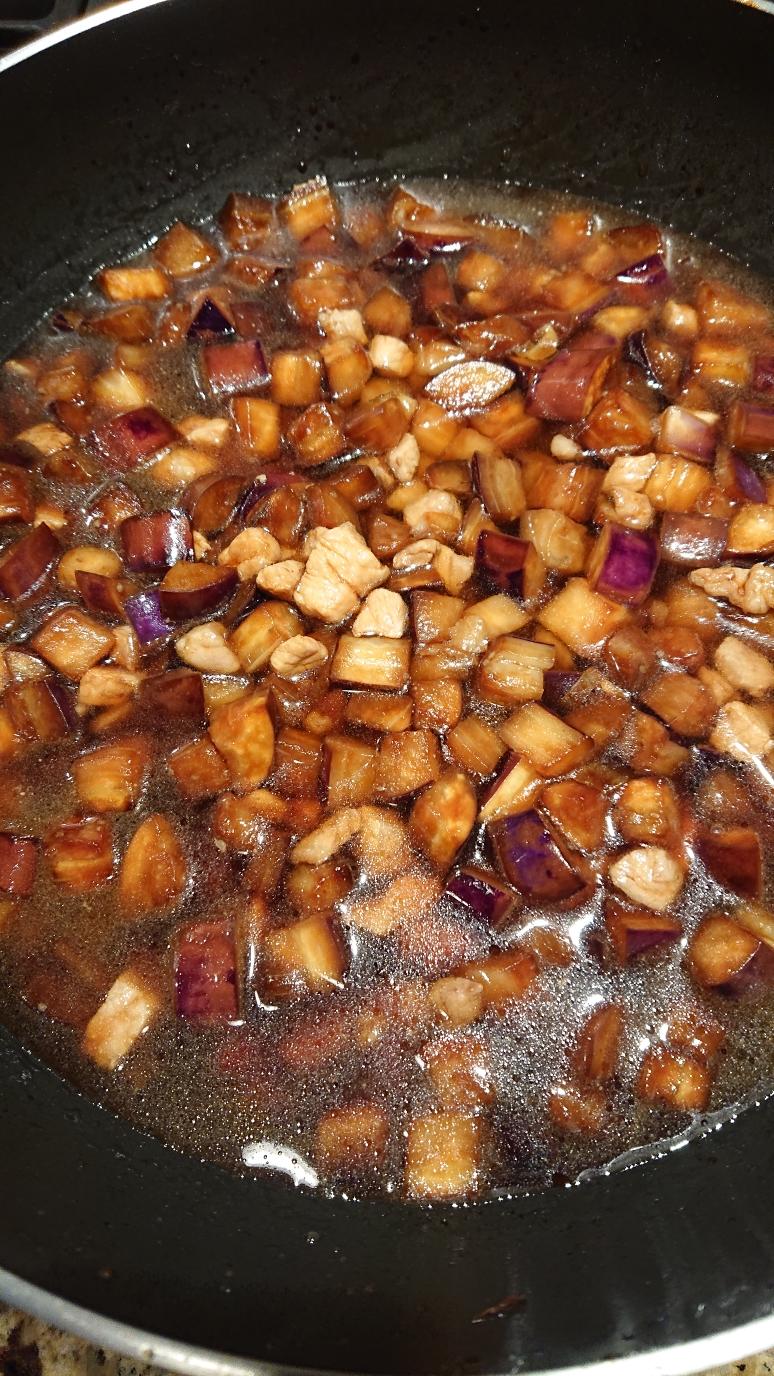
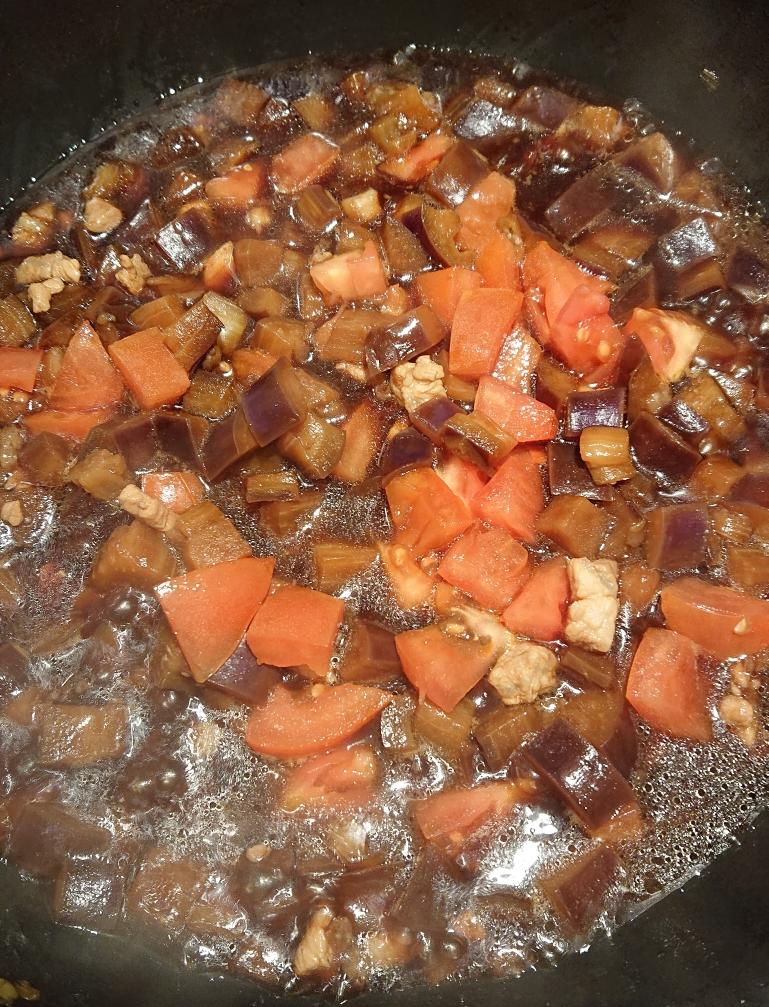
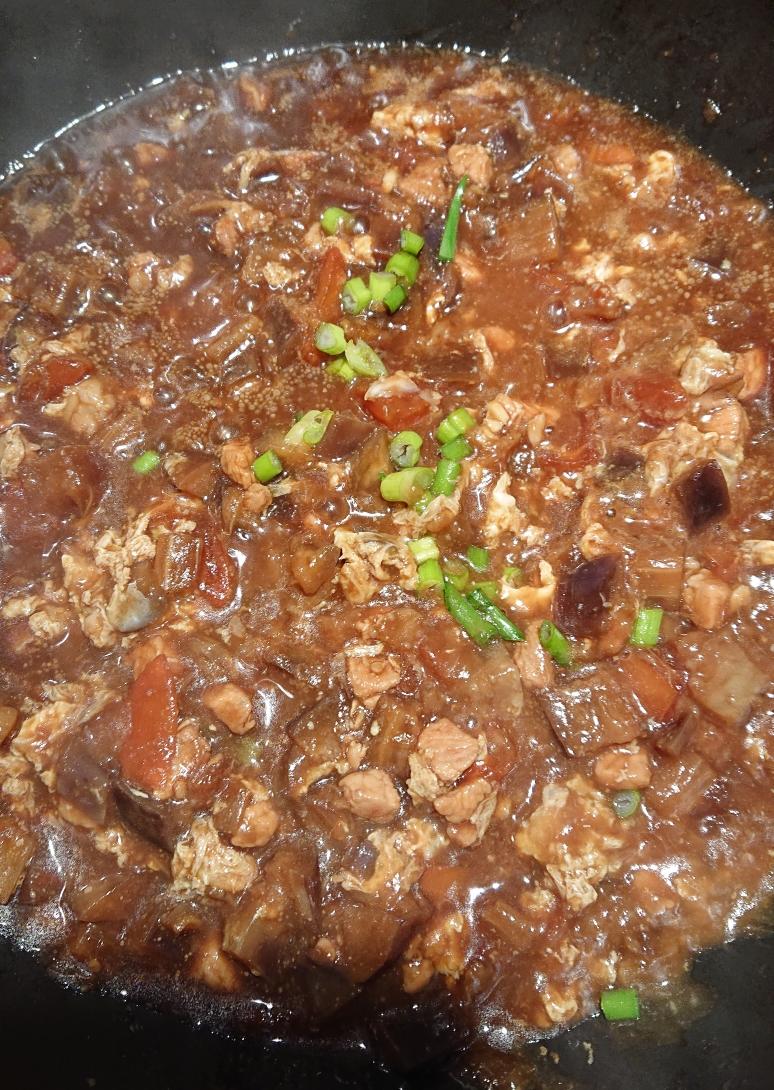
Browning the pork triggers the Maillard reaction—a chemical interaction between amino acids and reducing sugars that gives browned food its distinctive, savory flavor.
Why This Recipe Works
- Aromatic Foundation: Slowly frying the star anise extracts its fat-soluble flavor compounds into the oil, masking any unwanted pork odors and giving the entire dish a deep, nostalgic fragrance.
- Salt Balance: By relying entirely on soy sauce and oyster sauce without adding pure salt, the gravy achieves a rich umami profile that is mild enough to be enjoyed on its own—the traditional Beijing way.
- Layered Simmering: Adding the tomatoes halfway through the simmering process ensures they break down enough to flavor the broth without completely disintegrating into mush.
Common Mistakes When Making Da Lu Mian
- Mistake: Burning the Star Anise.
- Cause: Frying the spices over high heat.
- Solution: Keep the heat at medium or medium-low when infusing the oil. Remove the star anise as soon as it turns dark brown; if it turns black, the oil will become bitter.
- Mistake: Salting the Gravy.
- Cause: Treating this like a standard stir-fry and aggressively seasoning it.
- Solution: Remember that Beijing-style Da Lu Mian gravy is meant to be eaten on its own before mixing. Trust the sodium from the soy sauces and oyster sauce.
Frequently Asked Questions
- Can I substitute the pork? Yes, you can use ground pork, diced chicken thigh, or omit it entirely and substitute with rehydrated shiitake mushrooms for a vegan version.
- Why is my sauce too thin? Eggplant and tomatoes release varying amounts of water. If your sauce is too thin, simply add a bit more cornstarch slurry and simmer for an extra minute until it thickens.
- Can I make this ahead of time? The gravy stores beautifully in the fridge for up to 3 days, though you may want to wait to add the beaten egg until you reheat it.
How to Serve
Ladle the hot, thick gravy generously over a bowl of freshly boiled, chewy wheat noodles. During the Lunar New Year, my family loves to serve this alongside a platter of homemade pork jelly to add contrasting textures to the festive meal.
Storage & Reheat
- Refrigeration: Store leftover gravy in an airtight container in the refrigerator for up to 3 days. Store noodles separately to prevent them from becoming soggy.
- Reheating: Warm the gravy in a saucepan over medium-low heat until it simmers. If it has become too thick in the fridge, add a splash of water to loosen it.
- Safety Tip: Ensure any leftover pork is heated to an internal temperature of at least 165°F (74°C) before consuming.
Allergen Notice
This recipe contains:
- Soy (Soy Sauce)
- Wheat/Gluten (Soy Sauce, Noodles)
- Eggs (Thickening ribbon)
Nutrition & Food Safety Disclaimer
Nutrition information is an estimate and provided for informational purposes only.
Food Safety: When cooking pork, always ensure it reaches a safe minimum internal temperature of 145°F (63°C) as recommended by food safety authorities.
About the Author & Recipe Development
I am Lin, the primary recipe developer and voice behind Woks of Love. This particular recipe holds a special place in my heart, as it was meticulously documented and tested to honor my grandmother’s 115-year-old traditional technique. Over several weeks of testing alongside my husband’s handmade dough, I calibrated the modern measurements to replicate the exact “Grandma’s taste” I remember from my childhood. My commitment to documenting authentic regional Chinese recipes has been featured across multiple culinary networks, focusing on preserving heritage methodology over modern shortcuts.
Authoritative References
- To understand the science behind browning the pork, read about the Maillard Reaction.
- For guidelines on safely handling and cooking pork, refer to the USDA Safe Minimum Internal Temperature Chart.
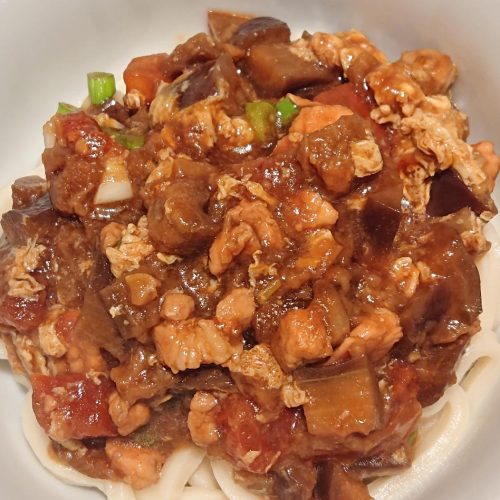
Authentic Beijing Eggplant Noodle Soup (Qie Ding Da Lu Mian)
Equipment
- Carbon Steel Wok
Ingredients
Vegetables & Aromatics
- 2 medium Chinese eggplants diced
- 1 large tomato diced
- 2 tbsp minced garlic
- 2 tbsp chopped scallions plus extra for garnish
- 2 tbsp Beijing leeks or scallion whites chopped
Meat & Base
- 1/3 lb pork tenderloin or pork belly diced
- 3 whole star anise
- 1 large egg beaten
Sauce & Seasoning
- 1 tbsp light soy sauce
- 1 tsp dark soy sauce
- 1 tbsp oyster sauce
- 1 tbsp Shaoxing wine
- 1 tsp sugar optional
- 2 cups water
- 2 tbsp cornstarch mixed with 3 tbsp water for slurry
Instructions
- Heat 3 tablespoons of cooking oil in a wok over medium heat. Add the star anise and fry slowly for 3-4 minutes until dark brown. Remove and discard the star anise.

- Add the chopped leeks (scallion whites) and diced pork into the oil. Stir-fry over medium heat until the pork turns white. Pour in the Shaoxing wine to deglaze.
- Add the diced eggplant and continue stirring over medium heat until it softens slightly.
- Stir in the oyster sauce, dark soy sauce, light soy sauce, and sugar. Toss to coat evenly. Do not add salt.
- Pour in enough water to just submerge the ingredients. Cover with a lid and simmer over medium heat for 10 minutes.
- Uncover, add the diced tomatoes, replace the lid, and simmer for another 10 to 15 minutes depending on desired texture.

- Drizzle in the beaten egg, add the minced garlic, and stir gently. Slowly stir in the cornstarch slurry until the gravy is thick and glossy.

- Turn off the heat, garnish with chopped scallions, and ladle over fresh boiled noodles.


Notes
Food Safety Warning: Ensure pork reaches a safe minimum internal temperature of 145°F (63°C) before consuming.




Leave a Reply