Some dishes announce themselves with chili heat or a glossy lacquered glaze. This one doesn’t. Stir-fried pork slices with white radish — 萝卜炒肉片, luobochaoroupian — wins you over quietly, with radish that has gone soft and translucent and pork that stays impossibly tender, all of it slicked in a light, savory-sweet sauce that begs for rice. It is the kind of plate a Cantonese grandmother puts down without ceremony, and the kind you finish before you realize you’ve eaten half of it.

What makes it special is the order of operations. The radish is braised in water first, on its own, until it loses its raw bite and turns sweet and glassy. Only then does it meet the pork. That single sequencing choice is the difference between a watery stir-fry and one where every chunk of radish tastes like it was born in the pork’s juices.
If you’ve ever had a stir-fry turn into a puddle at the bottom of the wok, you already know why this matters. Radish is roughly 95 percent water, and if you throw it in raw with the meat, it releases all of that liquid into the pan and steams everything instead of searing it. We wrote a whole guide on why your stir fry turns watery and how to fix it, and this recipe is essentially that lesson applied: cook the water out of the vegetable first, then build the dish.
What Is Stir-Fried Pork Slices with White Radish?
Stir-fried pork slices with white radish is a home-style Cantonese dish built on two humble ingredients: pork shoulder or loin, sliced thin and marinated in soy, sugar, and cornstarch, and white radish (daikon), cut into chunks and simmered until tender before being folded back into the wok. The finished dish is pale-gold rather than deeply browned, lightly saucy rather than gravy-thick, and seasoned with nothing more exotic than ginger, garlic, and scallion.
It belongs to a whole family of Cantonese “meat plus vegetable” stir-fries where the vegetable is treated as a co-star rather than a garnish. The radish doesn’t stay crunchy — and it isn’t supposed to. It softens into something silky and faintly sweet, soaking up the pork’s fat and the soy’s salinity until the two become hard to tell apart.
If you like this style of cooking — a quick marinade, a hot wok, and a vegetable that gets treated with real respect — our stir fried diced pork is the same philosophy in a different shape: diced pork, crunchy vegetables, and a glossy sauce that comes together in half an hour.
1Authentic Jiang Bao San Ding (Stir-Fried Diced Pork)A quick, comforting Chinese homestyle meal featuring diced pork, tofu, radish, and soybeans in a deeply savory yellow soybean paste sauce.Check out this recipe

Another plate that lives in the same weeknight neighborhood is our stir fried pork with peppers, where thin pork slices and blistered peppers do a very similar dance — same marinade logic, same fast, high-heat finish.
2Stir-Fried Pork with Peppers (辣椒炒肉)This fast, homestyle Chinese stir-fry (Lajiao Chao Rou) is the ultimate “rice thief.” Tender, seared pork and smoky, blistered green peppers are tossed in a simple, savory sauce. Ready in 20 minutes!Check out this recipe
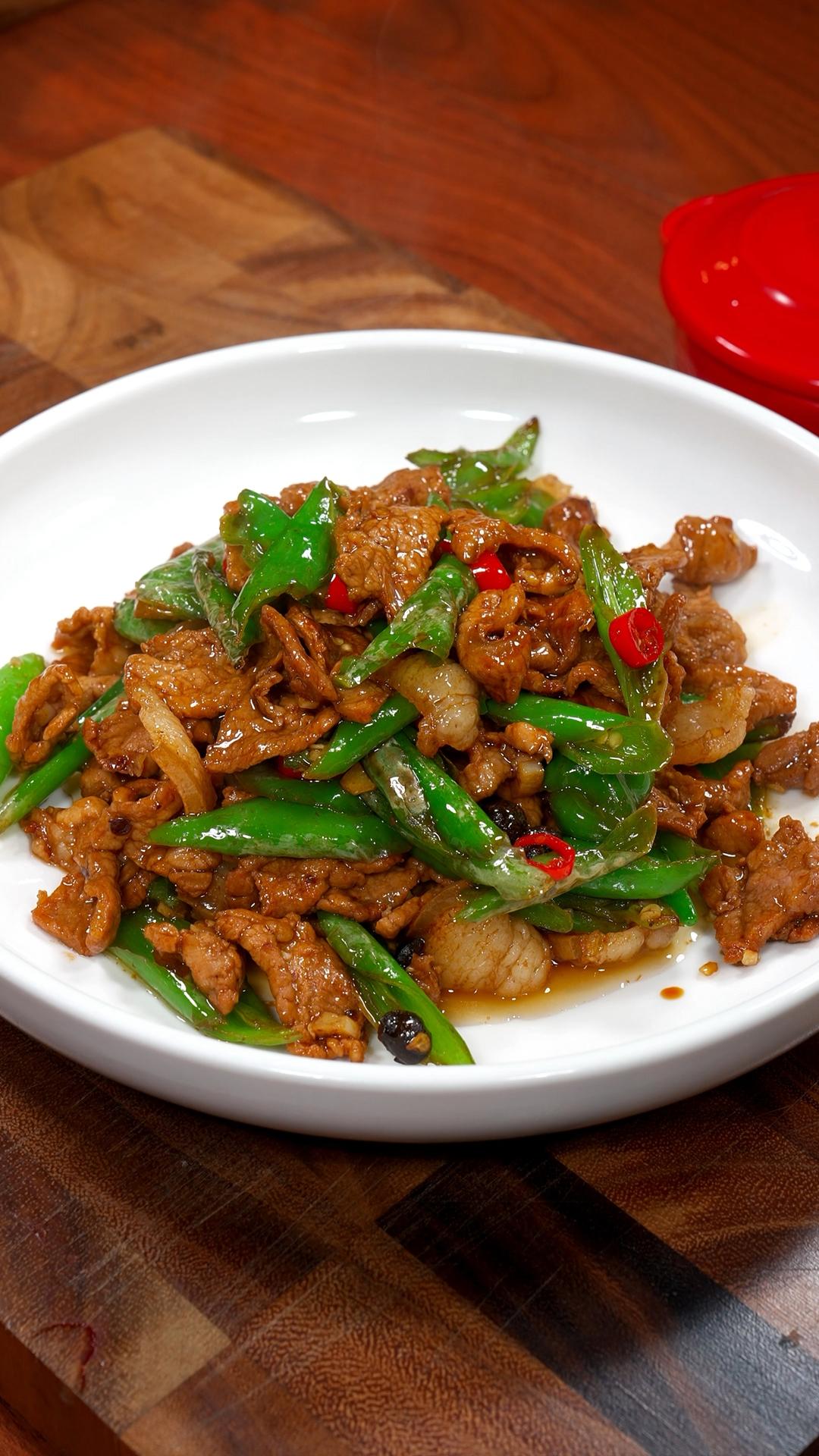
And if what you really love here is the contrast between soft pork and something with a little crispness, our stir fried baby napa cabbage with crispy potato pushes that idea further, with golden potato slices standing in for the radish.
3Stir-Fried Baby Napa Cabbage with Crispy Potato Slices and PorkAn authentic Sichuan canteen-style stir-fry featuring sweet baby Napa cabbage, crispy-edged potatoes, and tender pork belly seasoned with spicy bean paste.Check out this recipe

Ingredient Notes
Five ingredients carry this entire dish. Get them right and there is nothing left to hide behind.
Pork shoulder (or loin). Shoulder is our first choice because its intramuscular fat keeps the slices juicy even after a fast sear. Loin works too and is leaner, but slice it a touch thicker so it doesn’t dry out. If you want a deeper dive into the cut, we have a full breakdown of pork shoulder and how it behaves in Chinese cooking. Freeze the meat for 20 minutes before slicing — firm pork cuts into paper-thin, even pieces, and even pieces cook evenly.
White radish (daikon). Look for one that feels heavy for its size with smooth, unblemished skin. Smaller radishes tend to be sweeter and less fibrous than giant ones. Peel it generously — the outer layer can be tough and slightly bitter.
Light soy sauce. This is your salt and your base savoriness. Dark soy sauce is a separate ingredient and does a different job — it’s there for color, not for salt. Using only dark soy will give you a murky, almost black dish with an odd, flat saltiness.
Cornstarch. This is the velveting agent. A tablespoon tossed through the sliced pork forms a thin protective sheath that traps moisture, so the pork steams gently from the inside while it sears. Skip it and the pork will taste noticeably drier.
Ginger and garlic. Ginger goes in first, with the radish, because it needs time to mellow. Garlic goes in late, with the pork, because it burns in seconds and turns acrid.
Ingredients
Here’s everything you’ll need. The full measured list with amounts is in the recipe card at the bottom of this post.
- Pork shoulder or loin, sliced thin
- Vegetable oil, salt, granulated sugar
- Light soy sauce and dark soy sauce
- Cornstarch
- White radish (daikon)
- Fresh ginger, sliced
- Garlic, minced
- Scallions, chopped
- Water
Equipment Needed
A wok is ideal — its sloping sides let you push the radish up and away while the pork sears in the hot center. A large skillet or saute pan works perfectly well too; just don’t crowd it. You’ll also want a sharp chef’s knife and a stable cutting board for the radish, which is dense and can roll. A slotted spoon is genuinely useful for lifting the braised radish out of its cooking liquid without dragging a cup of water into the wok. A lid that fits your pan is essential for the 10-minute radish braise.
Why This Recipe Works
Three decisions do the heavy lifting here, and each one solves a specific problem.
Soaking the radish. Daikon carries a sharp, mustard-like pungency that can dominate a delicate dish. Soaking it in cold water for several hours leaches out those compounds and leaves behind a cleaner, sweeter vegetable. It also firms up the flesh slightly, so the chunks hold their shape through braising instead of collapsing into mush.
Braising the radish before it meets the pork. This is the recipe’s real trick. Radish releases a startling amount of water when heated — roughly 95 percent of its weight is moisture. If it goes into the wok raw alongside the pork, that water floods the pan, drops the temperature, and you end up boiling your meat instead of searing it. By simmering the radish separately in a measured amount of water, you drive off the excess and let it absorb seasoning on its own terms. When it finally joins the pork, it has nothing left to give but flavor.
Velveting the pork. The cornstarch-and-soy marinade is a classic Cantonese technique. The starch gelatinizes on the surface of each slice the moment it hits hot oil, sealing in moisture. That’s why the pork in this dish stays tender even though the total cook time is only a couple of minutes. It’s the same principle behind our chinese foil packet marinades, where a starch-and-soy coating protects the meat from drying out over direct heat.
Why does cornstarch keep pork tender? When a starch-coated slice of pork hits hot oil, the surface starch gelatinizes almost instantly and forms a thin, semi-permeable barrier. Moisture inside the meat can no longer escape freely, so the pork effectively steams in its own juices while the outside browns. It’s the same principle used in velveting for restaurant stir-fries, and it’s why a 90-second sear can produce meat that tastes like it was cooked low and slow.
Prep & Mise en Place
This dish moves fast once the wok is hot, so do all your cutting before you turn on the burner.
Start with the radish. Peel it, cut it into roughly 1-inch chunks, and put them in a bowl of cold water. Cover and refrigerate for at least 8 hours, or overnight. Drain thoroughly and pat dry before cooking — wet radish will spit and steam.
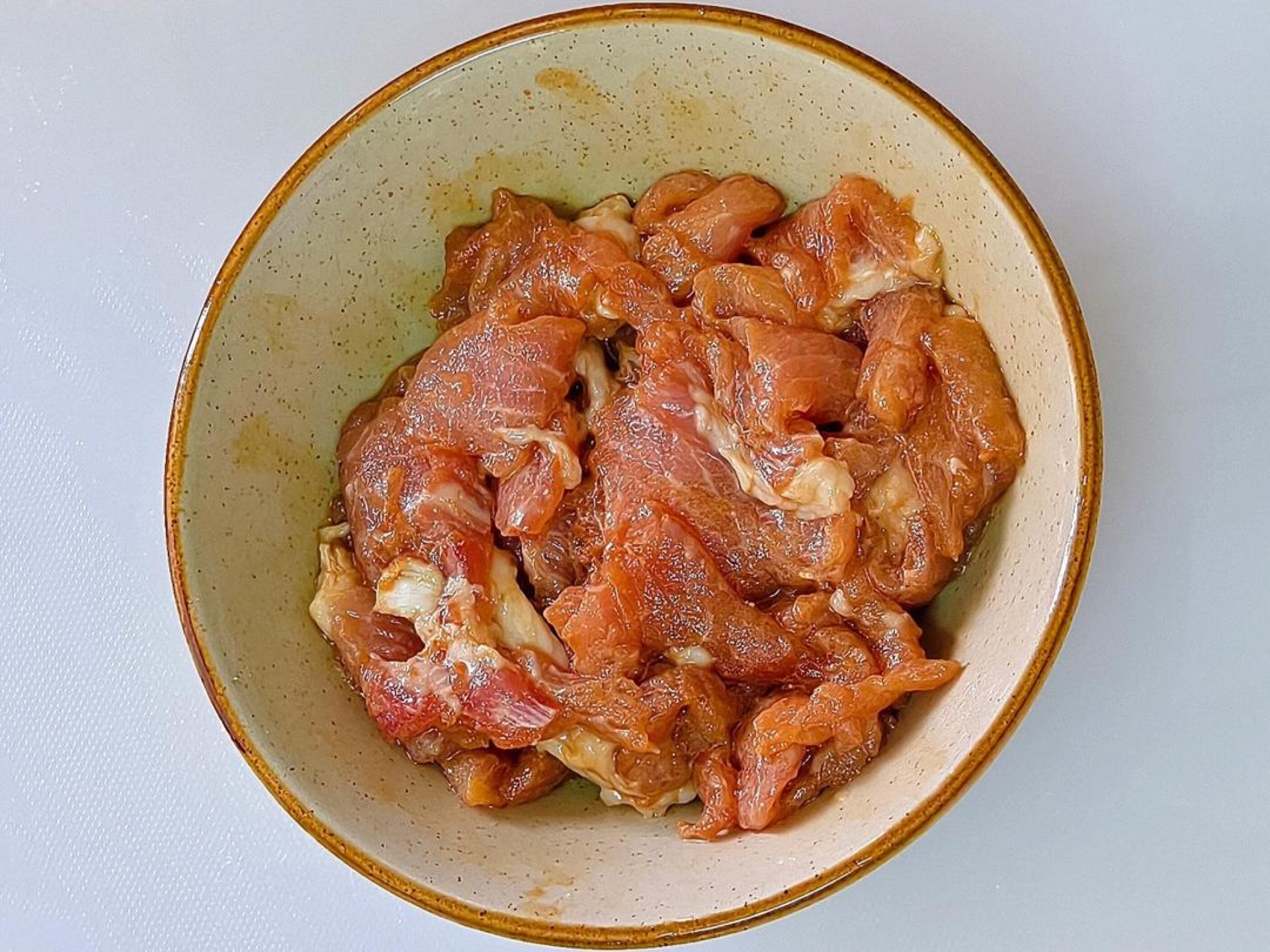
Next, the pork. Freeze it for 20 minutes, then slice it against the grain as thinly as you can manage, about 1/8 inch. In a bowl, combine the pork with the oil, salt, sugar, both soy sauces, and cornstarch. Mix with your hands until every slice is evenly coated, then set aside while you finish prepping. Even 10 minutes of marinating makes a difference.
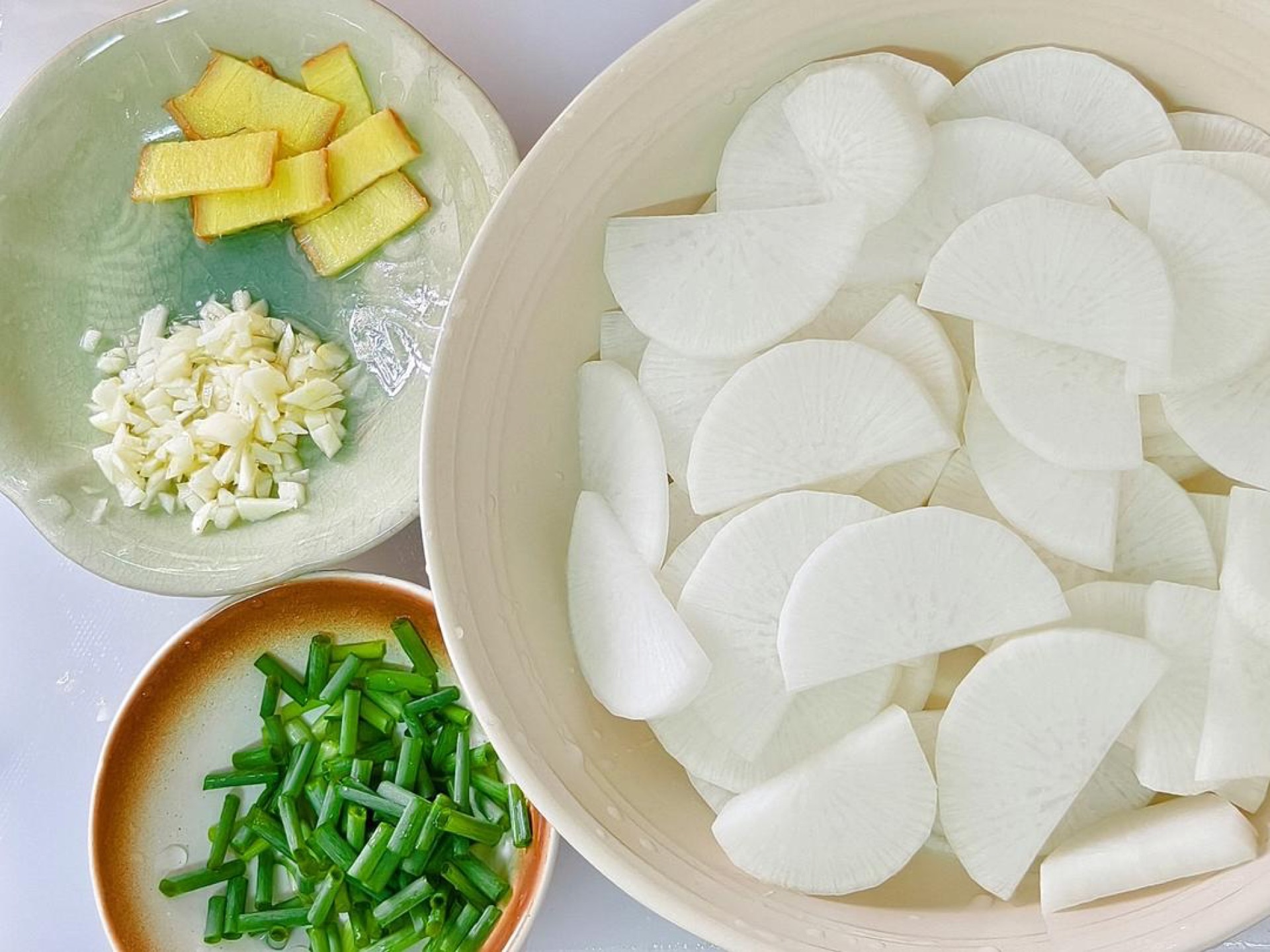
Finally, the aromatics. Slice the ginger into thin coins, mince the garlic, and chop the scallions, keeping the whites and greens separate if you like. Measure out your water and salt for the radish braise. Everything should be within arm’s reach of the stove.
Cooking Process
Step 1 — Marinate the Pork
Place the sliced pork in a bowl with a little oil, salt, sugar, light soy sauce, dark soy sauce, and cornstarch, then mix well and let it marinate.
Step 2 — Prep the Aromatics
Prepare a little scallion, minced garlic, and ginger slices, and cut the radish into chunks.
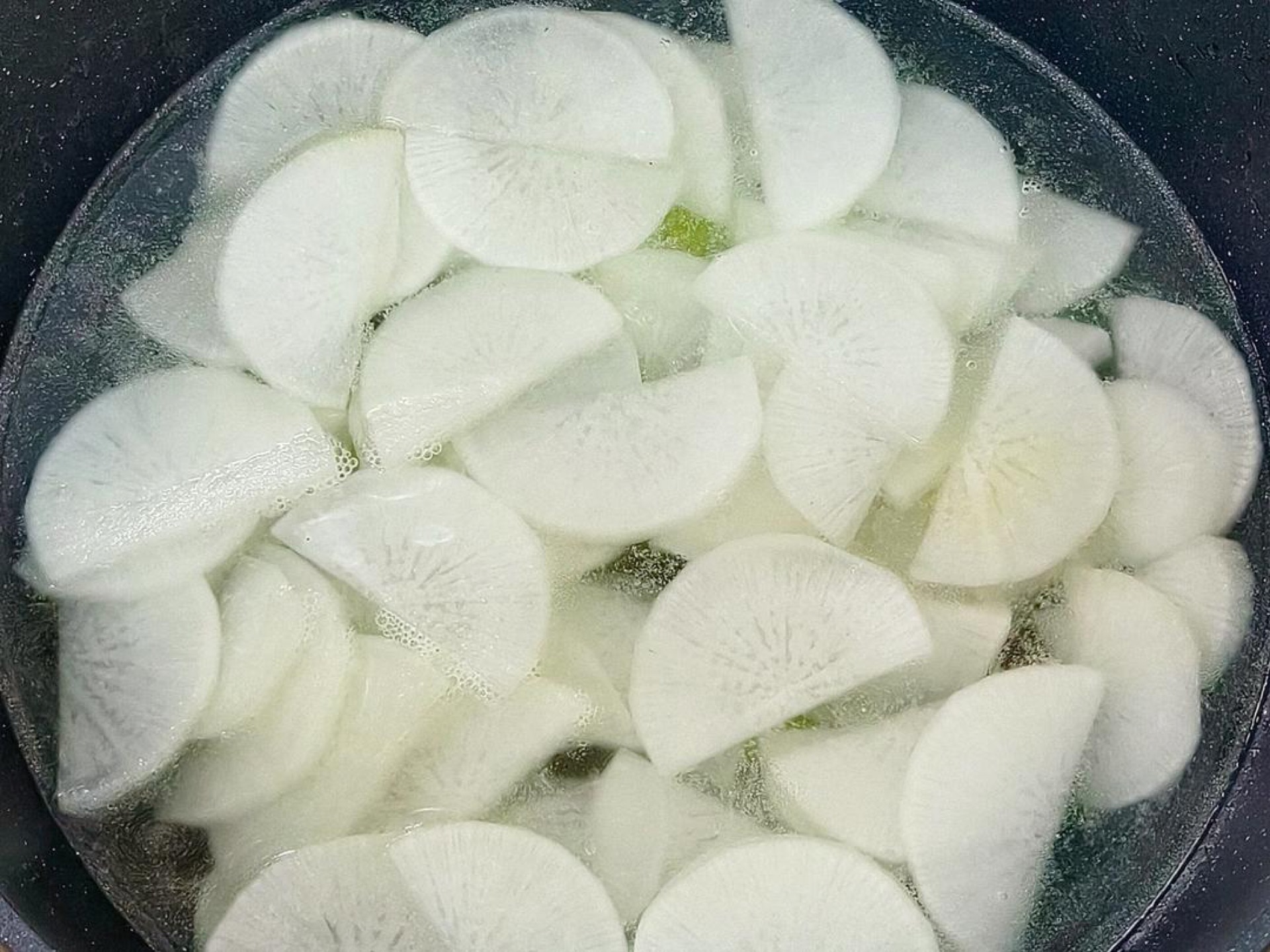
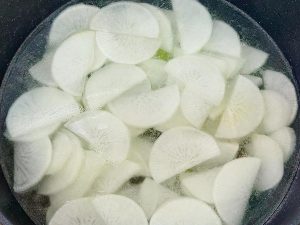
Step 3 — Braise the Radish
Heat oil and bloom the ginger slices, pour in the radish and stir-fry briefly. Add an appropriate amount of water, cover and simmer for 10 minutes once it boils, season with a little salt, then remove and set aside.
Step 4 — Stir-Fry the Pork
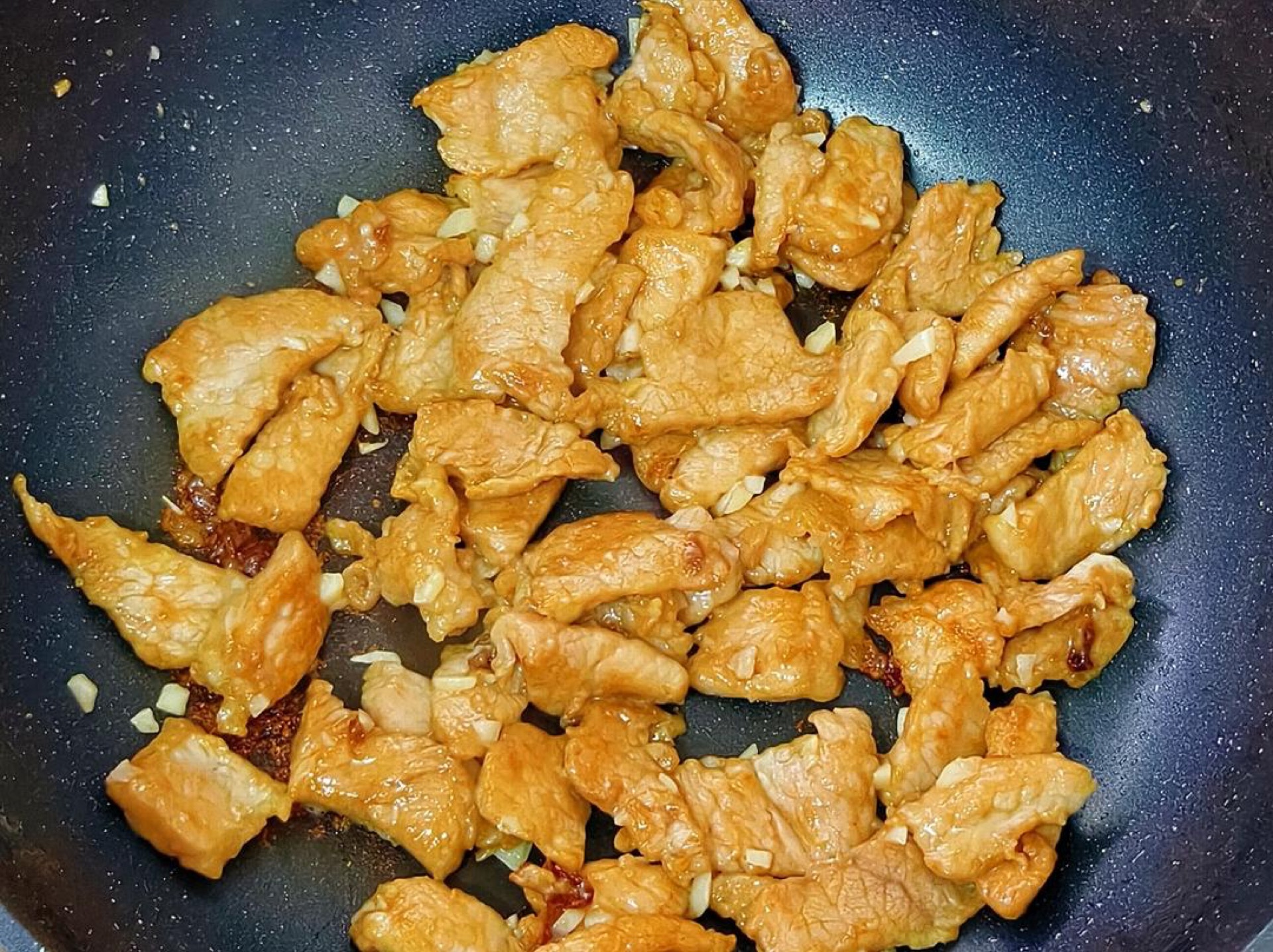
Heat oil, add the pork slices and stir-fry until they change color, then add the minced garlic and stir until fragrant.
Step 5 — Combine and Finish
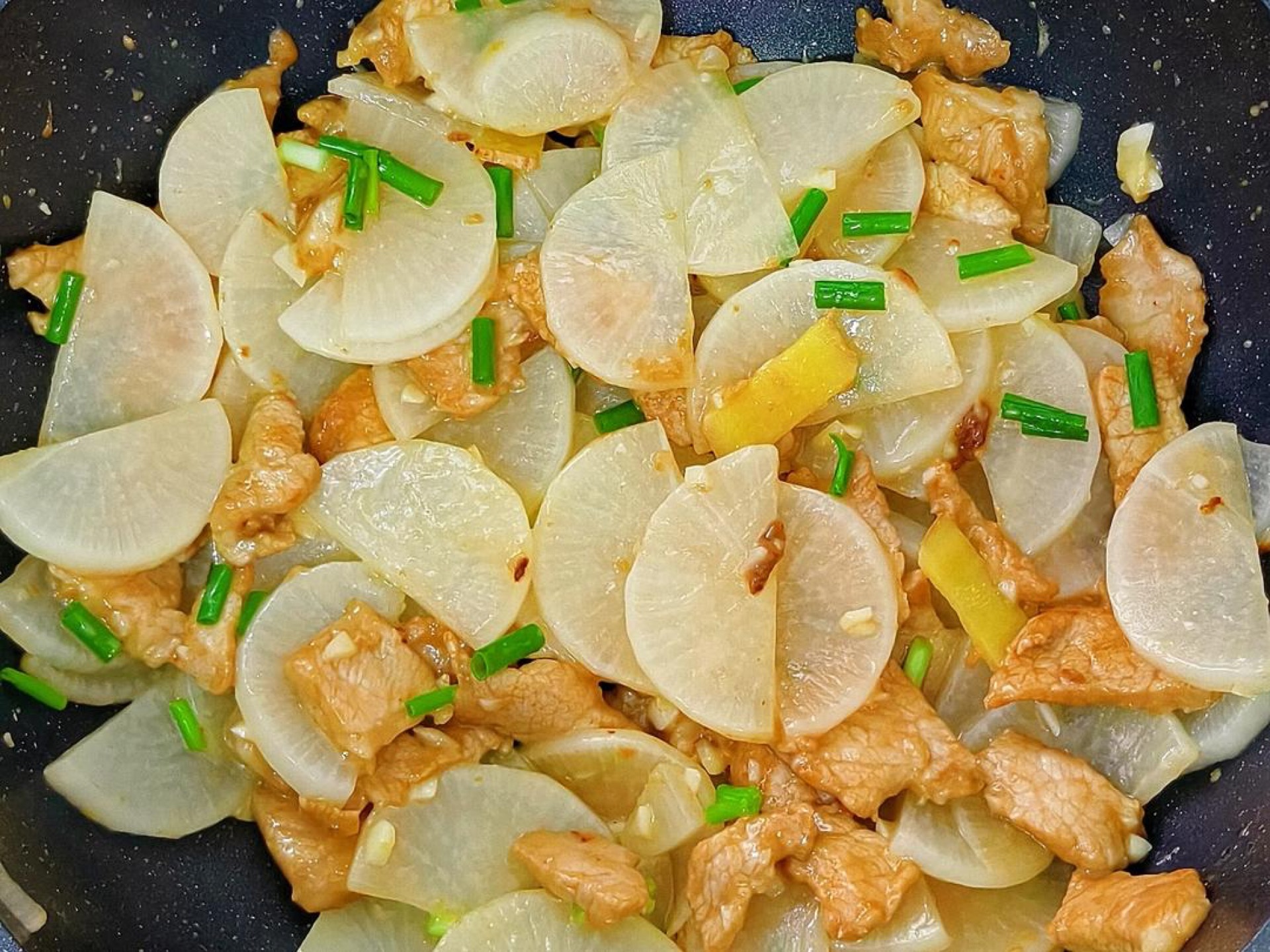
Add the radish back in and stir-fry everything evenly, then scatter over the chopped scallions and serve.
Step 6 — Serve and Enjoy
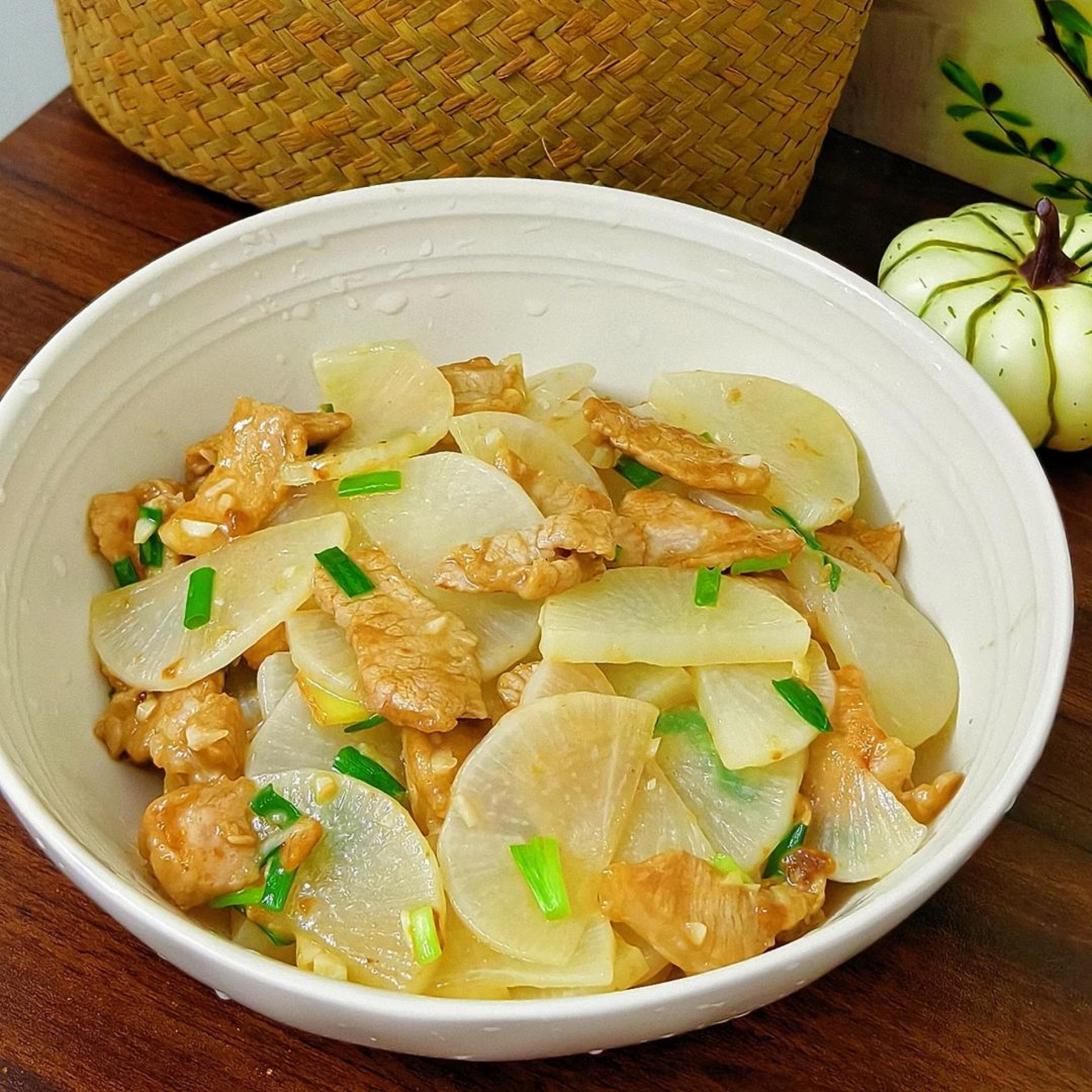
The texture is stunning — so delicious!
Common Mistakes When Making Stir-Fried Pork Slices with White Radish
1. Skipping the radish soak. Raw daikon has a sharp, peppery heat that can overpower the pork. Cause: rushing the prep. Fix: soak the chunks in cold water for at least 8 hours, or overnight, and drain well before cooking.
2. Adding raw radish straight to the wok with the pork. This is the single most common way this dish goes wrong. Cause: treating radish like a quick-cooking vegetable. Fix: braise it separately in water first, for a full 10 minutes, then set it aside. It needs that head start.
3. Slicing the pork too thick. Thick slices stay tough no matter how good your marinade is. Cause: slicing warm, soft pork that squishes under the knife. Fix: freeze the pork for 20 minutes first, then slice against the grain at about 1/8 inch.
4. Burning the garlic. Garlic goes from fragrant to bitter in about 15 seconds. Cause: adding it at the start with the ginger. Fix: add the garlic only after the pork has changed color, and stir it for no more than 20 to 30 seconds.
5. Crowding the wok. Too much meat at once drops the pan temperature and the pork steams instead of searing. Cause: doubling the recipe in a small pan. Fix: cook the pork in two batches if needed, or use a larger wok — the slices should sit in a single layer.
6. Over-salting the radish braise. The radish absorbs salt quickly, and the pork marinade is already seasoned. Cause: seasoning each component as if it were the whole dish. Fix: use just 1/2 teaspoon of salt in the braise, then taste and adjust only at the very end.
Variations
With dried shrimp. A small handful of soaked dried shrimp added with the ginger gives the dish a deeper, more oceanic savoriness — a very traditional Cantonese upgrade.
Spicier version. Add a teaspoon of doubanjiang (fermented chili bean paste) along with the garlic, or finish with a drizzle of chili oil. The radish takes heat beautifully.
Pork belly instead. Swap the shoulder for thinly sliced pork belly and render it slowly first, then use the rendered fat to cook the radish. Richer, but genuinely excellent. We use the same cut in our char siu, where fat carries the glaze.
Vegetarian. Replace the pork with thick slices of king oyster mushroom and use mushroom soy sauce. Braise the radish in vegetable stock instead of water.
With leftover braised meat. Shredded apple braised pork steaks folded in at the end turn this into a completely different but very satisfying plate.
Frequently Asked Questions
Can I skip the 8-hour radish soak? You can, but the dish will taste sharper and slightly more bitter. If you’re short on time, soak in cold water for at least 2 hours, changing the water once. It won’t be identical, but it’s a reasonable compromise.
Can I use other radishes? Yes — Korean mu, Japanese daikon, and green-top radishes all work. Avoid small red breakfast radishes; they’re too peppery and don’t soften the same way.
Why is my dish watery? Almost always because the radish wasn’t drained properly after soaking, or because it wasn’t braised long enough to release its water before joining the pork. Drain it well and give it the full 10 minutes.
Can I make this ahead? Yes. Cook the radish through step 3 and refrigerate it separately for up to 2 days. The pork should be marinated and cooked fresh, since the cornstarch coating loses its texture after a day.
What if I don’t have dark soy sauce? Simply omit it. The dish will be paler, but the flavor is nearly the same. Don’t substitute regular soy sauce for it — you’ll double the salt.
How to Serve
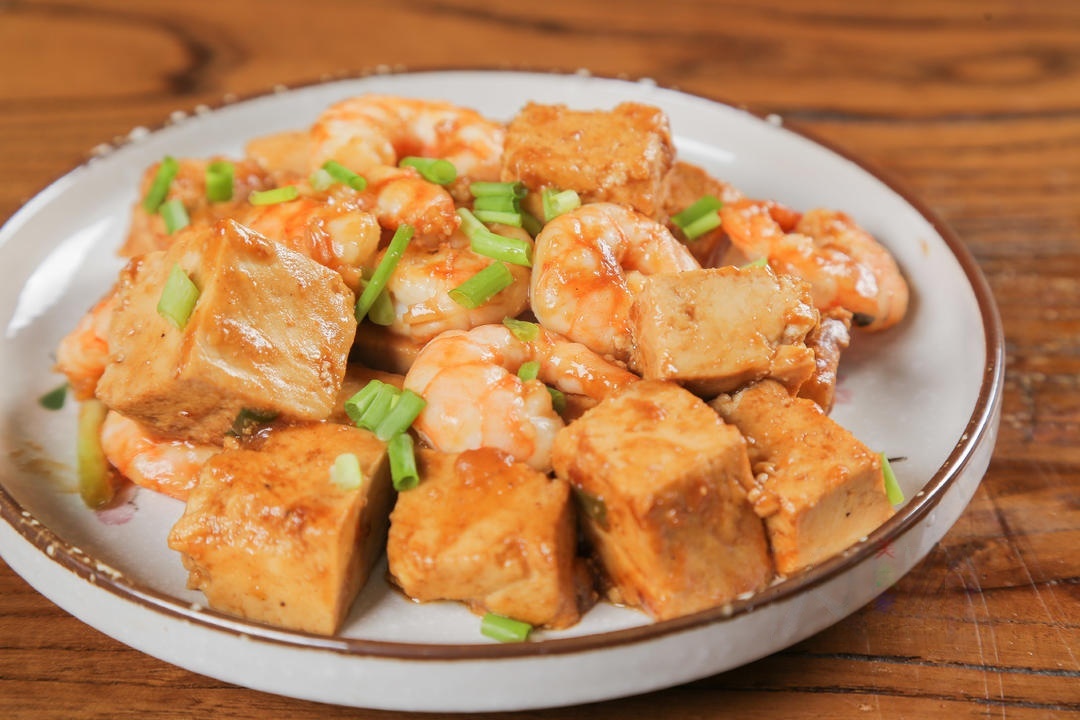
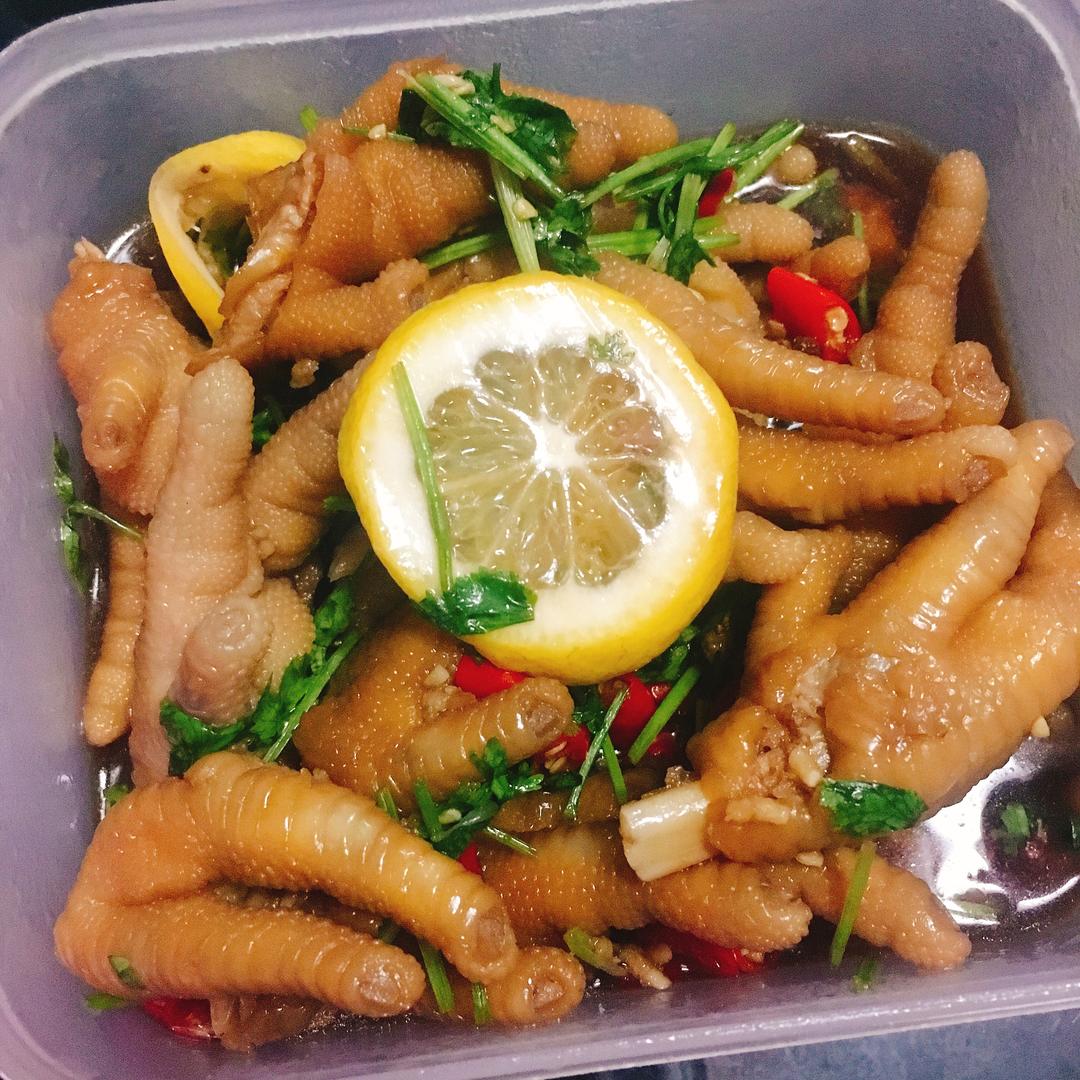
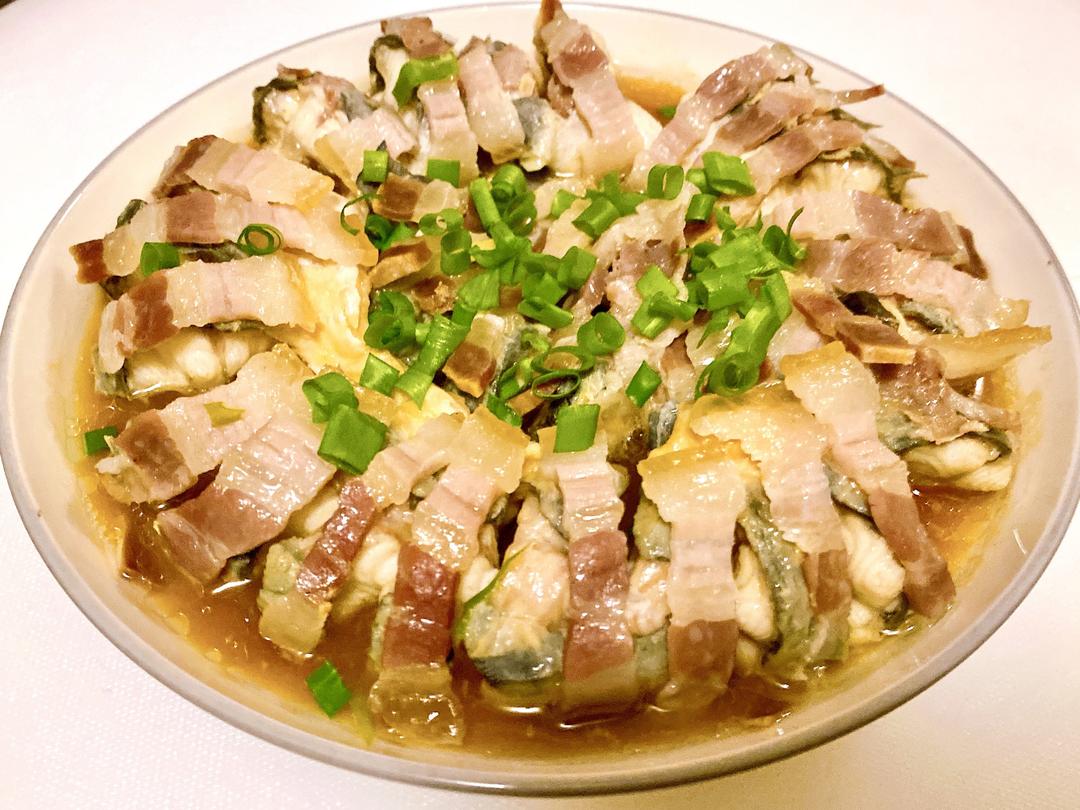
Steamed jasmine rice is the obvious and correct answer — the light sauce soaks in and nothing is wasted. For a fuller table, pair it with our shrimp and tofu stir fry for a lighter second dish, or with a plate of hot and sour chicken feet if you’re building something more festive. A simply steamed fish, like our steamed eel with pork, also sits beautifully alongside it.
Storage & Reheat
Cool leftovers within 2 hours and refrigerate in an airtight container for up to 3 days. The radish will continue to soften and absorb sauce, which many people actually prefer. Reheat gently in a covered pan over medium-low heat with a splash of water, or in the microwave at 30-second intervals, until steaming hot throughout (165°F / 74°C).
Freezing is possible but not ideal — the radish turns spongy and releases water on thawing. If you do freeze it, freeze for up to 2 months, thaw overnight in the refrigerator, and reheat in a hot wok to drive off the excess liquid. This dish is at its best the day it’s made, though day-two leftovers are still very good.
Allergen Notice
This recipe contains soy, from both the light and dark soy sauce. Depending on the brand of soy sauce used, it may also contain wheat/gluten. If you’re cooking gluten-free, use a tamari or a certified gluten-free soy sauce. No other major allergens are present in this recipe as written, though you should always check the labels of your specific ingredients.
Nutrition Disclaimer
Nutrition information is calculated using an ingredient database and should be considered an estimate. In cases where multiple ingredient alternatives are given, the first listed is calculated for nutrition. Garnishes and optional ingredients are not included.
About the Author & Recipe Development
Lin is the cook, writer, and photographer behind Woks of Love, where she has been documenting authentic Chinese home cooking for years — the marinades, the wok techniques, and the family recipes that rarely make it into restaurants. This version of 萝卜炒肉片 was developed from a Cantonese home-kitchen method and tested repeatedly to nail the radish-to-pork ratio and the timing of the braise. Every recipe on the site is cooked, photographed, and written in her own kitchen.
Authoritative References
For safe handling and cooking temperatures for pork, we follow the USDA safe minimum cooking temperatures chart, which lists 145°F (63°C) with a 3-minute rest for fresh pork. For refrigeration and leftover storage guidance, see the FDA guidance on refrigerator thermometers and cold food safety. For general food safety principles on cooling and reheating leftovers, the WHO food safety fact sheet is a useful reference.

Stir-Fried Pork Slices with White Radish (萝卜炒肉片): Tender Pork,

Equipment
- Wok
- Cutting Board
- Slotted Spoon
Ingredients
For the Pork Marinade
- 12 oz pork shoulder thinly sliced, or pork loin
- 1 tsp vegetable oil
- 1/4 tsp salt
- 1/2 tsp granulated sugar
- 1 tbsp light soy sauce
- 1/2 tsp dark soy sauce
- 1 tbsp cornstarch
For the Dish
- 1 lb white radish daikon, peeled and cut into 1-inch chunks
- 3 tbsp vegetable oil divided
- 4 slices ginger
- 3 cloves garlic minced
- 1 cup water plus more as needed
- 1/2 tsp salt for the radish
- 2 scallions chopped, for garnish
Instructions
- Place the sliced pork in a bowl with a little oil, salt, sugar, light soy sauce, dark soy sauce, and cornstarch, then mix well and let it marinate.

- Prepare a little scallion, minced garlic, and ginger slices, and cut the radish into chunks.
- Heat oil and bloom the ginger slices, pour in the radish and stir-fry briefly. Add an appropriate amount of water, cover and simmer for 10 minutes once it boils, season with a little salt, then remove and set aside.
- Heat oil, add the pork slices and stir-fry until they change color, then add the minced garlic and stir until fragrant.

- Add the radish back in and stir-fry everything evenly, then scatter over the chopped scallions and serve.
- The texture is stunning — so delicious!
















Leave a Reply