Hey everyone! Welcome back to my kitchen.
Let’s be real for a second—walking into the meat aisle of a Western supermarket can be confusing when you’re trying to replicate that specific texture you had in a Chinese restaurant. You see tenderloin (too lean), belly (too fatty for some), and then this massive, affordable hunk of meat labeled “Boston Butt” or “Pork Shoulder.”
If you were to ask me which cut of meat was the absolute workhorse in my parents’ restaurant kitchen in Chengdu, it wasn’t the expensive tenderloin. It was the shoulder.
Today, I’m going to break down why Pork Shoulder (often sold as Boston Butt) is actually the secret weapon for authentic Chinese cooking. Whether you are making BBQ pork, juicy dumplings, or a quick stir-fry, this is the cut you need to master.

Why This Cut Works: The Science of Fat & Collagen
In culinary school, we spent weeks studying meat structure. But honestly, I learned the most just watching my dad break down huge sides of pork.
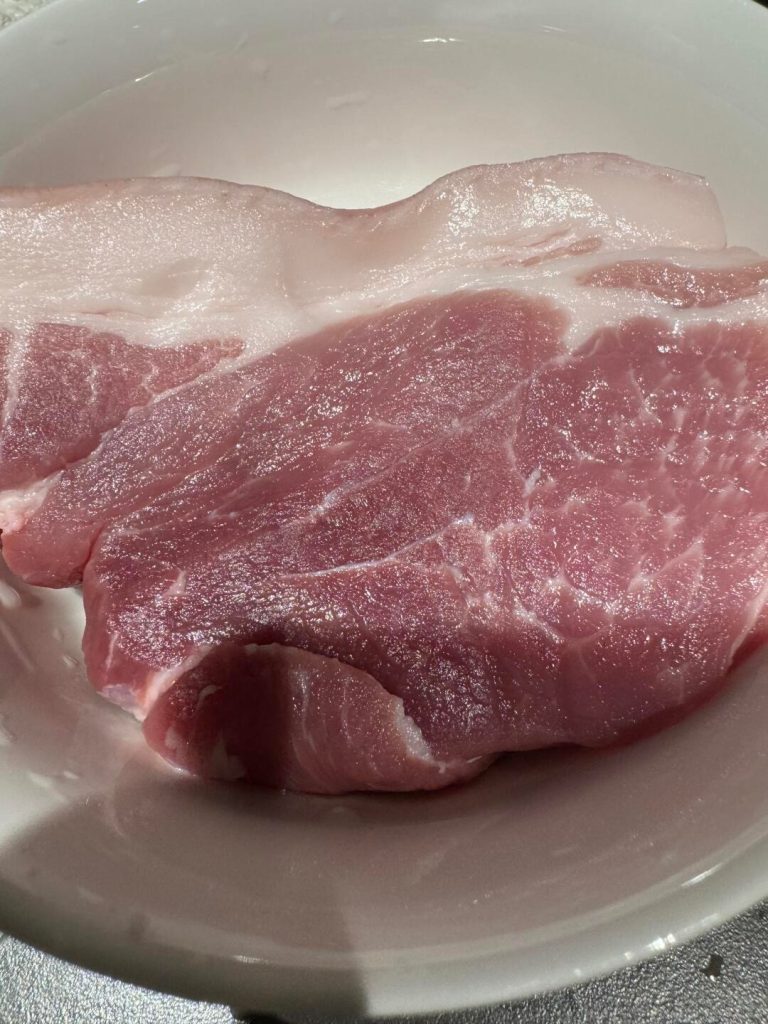
Pork shoulder comes from the upper part of the front leg. It is a working muscle, which means it has a lot of connective tissue and a good amount of intramuscular fat (marbling).
- For Braising/Roasting: That connective tissue breaks down into gelatin, keeping the meat moist even after long cooking times.
- For Stir-Fries: It has a bolder “pork” flavor than loin. If you slice it right (more on that later), it has a wonderful, slightly chewy “bounciness” that we love in Chinese cuisine.
- For Ground Meat: It has the perfect 70/30 or 80/20 lean-to-fat ratio, which is crucial for juicy fillings.
Best Uses for Pork Shoulder in Chinese Cooking
Because this cut is so versatile, we use it across almost every category of Chinese food. Here are the best ways to utilize that Boston Butt sitting in your fridge.
1. Char Siu (Chinese BBQ Pork)
If you’ve ever wondered why restaurant BBQ pork is tender but still has a satisfying bite, it’s because they aren’t using lean loin—they are likely using shoulder (or sometimes pork neck/collar).
Pork shoulder has enough fat to withstand the high heat of roasting without drying out. The fat renders and mixes with the Shaoxing Wine and spices to create that sticky, glossy glaze.
If you want to try this at home, my Char Siu (Chinese BBQ Pork) recipe is designed specifically for this cut. It guarantees that restaurant-quality char right in your oven.

2. The Secret to Juicy Dumplings
Have you ever made dumplings that turned out like hard little meatballs inside the wrapper? That usually happens because the meat was too lean.
When I make Pork Dumpling Filling, I always grind my own pork shoulder or ask the butcher to do it. You need that fat to melt as the dumpling steams, creating soup inside the wrapper. If you use store-bought “lean ground pork,” you’ll need to add extra oil to compensate.
3. Stir-Fries (The “Slicing” Technique)
Many people think you need tenderloin for stir-fries. While tenderloin is soft, it lacks flavor. You can use shoulder for stir-fries, and it’s delicious, but you have to treat it with respect.
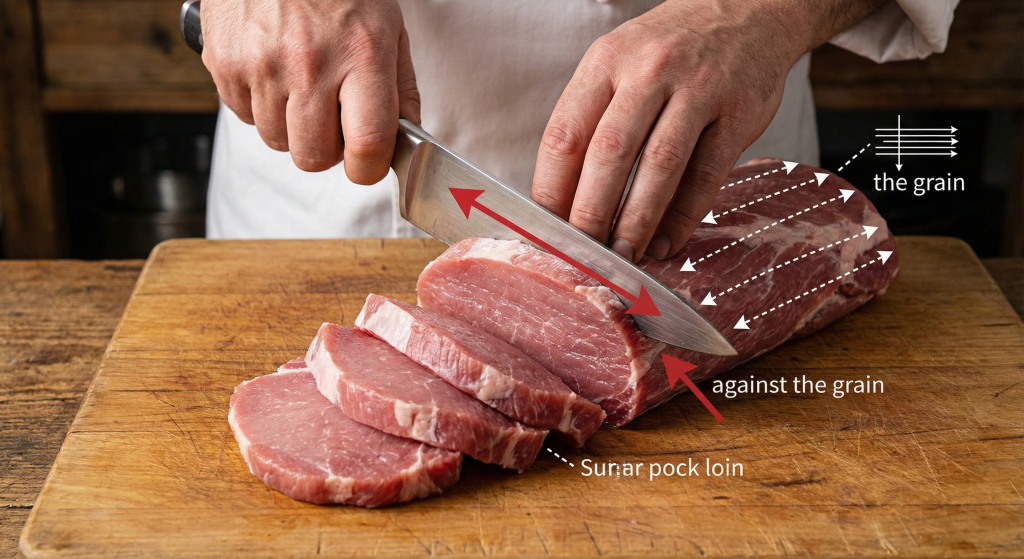
Because shoulder is a muscle that gets a lot of exercise, you must slice it against the grain. This shortens the muscle fibers so the meat is tender, not stringy.
I love using sliced shoulder in my Pork Stir-fry with Green Peppers. The meat holds up beautifully against the crunch of the peppers and the savory sauce.
4. Deep-Fried Dishes
When we make dishes like Sweet and Sour Pork, we need a cut that won’t turn into cardboard when deep-fried. Pork shoulder stays juicy inside the crispy batter. The marbling ensures that even after frying, the meat retains a soft, bouncy texture.
5. Pan-Seared Steaks
Yes, we eat pork steaks in China too! Specifically, the “collar” section of the shoulder (often called Meihua Rou or Plum Flower Meat because of the snowflake-like marbling) is incredible when pan-seared.
I use this specific part for my Salt and Scallion Pork Steaks. It’s savory, tender, and honestly gives beef steak a run for its money.
Lin’s “No Secrets” Preparation Tips
To get the most out of your pork shoulder, here are a few tricks from my professional kitchen days:
- The “Velveting” Technique: If you are stir-frying pork shoulder, you cannot skip the marinade. Always marinate with a little Light Soy Sauce, Sesame Oil, and—most importantly—cornstarch. The cornstarch protects the meat from the direct heat, keeping it silky smooth.
- Don’t Waste the Fat Cap: A whole Boston Butt usually comes with a thick layer of white fat on one side. Don’t just throw it away! I trim this off and use it to Render Lard. Homemade lard is the secret to the best flaky pastries and stir-fries.
- Freeze to Slice: Pork shoulder can be wiggly and hard to slice thinly. Put the meat in the freezer for about 30 minutes before you start cutting. It firms up just enough to let you get those paper-thin slices for hot pot or stir-fry.
Quick Reference: What to Make Tonight?
If you have a block of Pork Shoulder sitting on your counter right now, here is my quick guide on what to make based on your mood:
- Craving Comfort Food? Make Chinese Meat Pies (Xian Bing). The fatty pork shoulder makes the filling incredibly juicy.
- Want a Quick Dinner? Slice it thin and make a Pork and Garlic Scape Stir-fry.
- Weekend Project? Roast a big batch of Char Siu and use the leftovers for fried rice all week.
Trust me, once you get comfortable breaking down a pork shoulder, you’ll realize it’s the most valuable player in your kitchen. It’s affordable, flavorful, and forgiving—exactly what we need for good home cooking.
Happy cooking, and let me know in the comments how you used your pork shoulder!





Leave a Reply