Foil packet BBQ, or Xi Zhi Shao Kao (锡纸烧烤), is the ultimate crowd-pleaser on Chinese night markets and camping grounds alike. Just before the end of summer, I planned a quiet, disconnected camping trip with my family and our dog. Turning off my phone and completely unloading electronic anxiety into nature was a luxury.
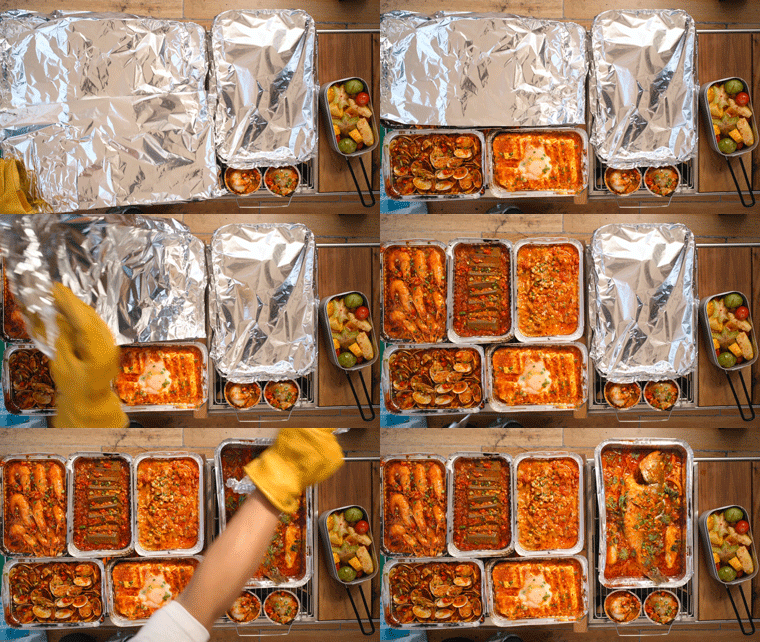
When it comes to outdoor cooking, I refuse to carry an entire pantry or spend hours scrubbing greasy pots at a cold campsite. That is why this foil packet cooking method is such a slam dunk: you can cook a multi-course Michelin-level woodland feast using just a single soul-satisfying master sauce, and when dinner is done, there are absolutely zero dishes to wash.
I prepared all the fresh ingredients, packed them into our cooler bag, and lit up our camp stove. Within minutes, a table of sizzling, intensely savory foil trays was bubbling away over the flame. This method is incredibly adaptable and transitions perfectly to a regular home kitchen oven.
Why This Recipe Works
- The Maillard and Evaporation Balance: By tightly capping the foil boxes, you create an environment where moisture from the mushrooms and seafood evaporates, strikes the foil ceiling, and rains back down. This process keeps delicate proteins like shrimp and baby octopus incredibly succulent without overcooking.
- Starch Gelatinization: The lower layer of dry bean thread vermicelli slowly drinks up the savory juices released by the seafood. The thermal energy cooks the starch until it undergoes gelatinization, completely transforming translucent noodles into intensely flavorful strands.
- Oil-to-Aromatic Infusion: Drizzling screaming-hot oil directly over raw minced garlic, ginger, and chili flakes flashes off their sulfurous rawness. This dissolves their essential fat-soluble compounds directly into the oil matrix, setting a deeply fragrant foundation.
What Is Xi Zhi Shao Kao?
In mainland China, Xi Zhi Shao Kao (锡纸烧烤) is a famous branch of modern street food culture. While traditional open-flame skewers focus on dry spice rubs (such as cumin and chili powder), foil packet cooking uses thick metallic paper to braise ingredients in high-potency aromatic oils.
If you have ever ordered street-style clams or garlic glass noodles in a late-night Chinatown spot, you have tasted this culinary genre. This home-friendly version mirrors the intense umami profile of popular Woks of Love Mapo Tofu while relying on a more forgiving, dry-steaming technique that anyone can execute without specialized wok-handling skills.
Our Systematic Test Kitchen Notes
Our team evaluated multiple batches to optimize the textures across standard home appliances:
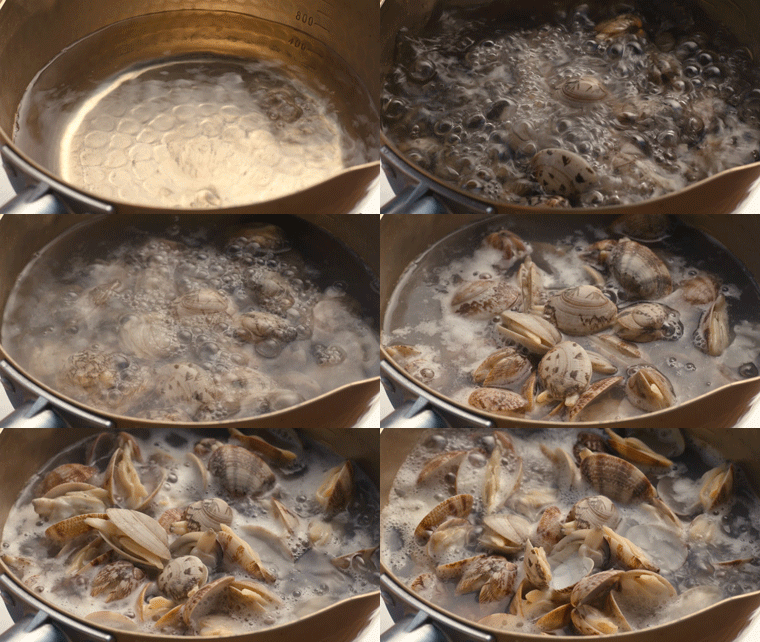
- The Blanching Variable: For sand-free shellfish, pre-boiling clams just until they pop open ensures that any residual grit settles in the blanching pot rather than your foil packet. Skipping this step leads to a muddy, unappealing sauce.
- Cookware Dynamics: If cooking at home, a heavy cast-iron skillet or baking sheet provides superior heat storage capacity compared to thin aluminum pans, preventing temperature drops that steam food rather than sear it.
Demystifying Key Ingredients
Korean Chili Paste (Gochujang) vs. Doubanjiang
Traditional street vendors rely heavily on fermented broad bean paste (Pixian Doubanjiang) for savory depth. However, in our test kitchen, we introduced Korean chili paste (Gochujang) as an explicit flavor enhancer. Gochujang contains glutamic acids from fermented rice and soybeans, providing a thick viscosity and a subtle sweet undertone that counterbalances the piercing heat of fresh raw chilis.
Longkou Vermicelli (粉丝)
These are thin, translucent noodles crafted from mung bean starch. Unlike wheat-based noodles, pure mung bean vermicelli maintains an al dente, bouncy snap under high heat and won’t disintegrate into a gummy mass. You can find them at any local Asian grocery store (like H Mart or 99 Ranch Market) or online via SayWeee.
Master Ingredients List
The Soul-Satisfying Master Sauce
- 2 tbsp Fresh chili rings (cayenne or Fresno chilis)
- 4 tbsp Fresh garlic, finely minced
- 2 tbsp Fresh ginger, finely minced
- 2 tbsp Fine Chinese chili powder
- 2 tbsp Coarse chili flakes
- 4 tbsp Light soy sauce (such as Pearl River Bridge or Kikkoman)
- 1 tbsp Oyster sauce
- 3 tbsp Korean chili paste (Gochujang)
- 1 tbsp Cumin powder
- 1 tbsp White granulated sugar
- 1 tsp Coarse kosher salt
- 200 ml (approx. 0.85 cup) Neutral high-smoke-point oil (canola, corn, or peanut oil)
- 4 tbsp Clean water (to loosen the paste)
The Base and Produce Layers
- 200 g (7 oz) Longkou bean thread vermicelli
- 500 g (1.1 lbs) Enoki mushrooms, tough roots trimmed off
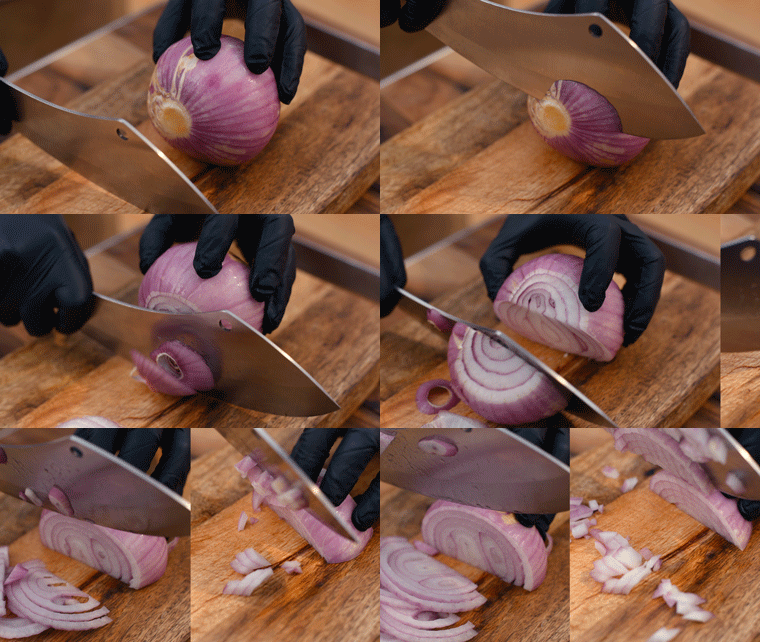
- 1 medium Yellow onion, split (half thinly sliced, half finely diced)
- 100 g (3.5 oz) Fresh scallions, finely chopped crosswise
- 1 small bunch Fresh cilantro, coarsely chopped (for final garnish)
Protein Components
- 500 g (1.1 lbs) Live fresh clams (preferably Manila clams)
- 12-16 pieces Large shrimp, peeled and de-veined
- 300 g (10.5 oz) Fresh duck blood curd, sliced into slabs
- 1 block Medium-firm silken tofu
- 6 pieces Fresh shucked oysters
- 6 small Baby octopuses, cleaned
- 300 g (10.5 oz) Fresh duck intestines, thoroughly washed and cleaned
- 1 whole (approx. 500g / 1 lb) Sea bass or European laker carp, scaled and gutted
- 1 tbsp Shaoxing rice wine (for fish marinade)
- 1 large Egg
Prep & Mise en Place
1. Hydrating the Vermicelli Noodles
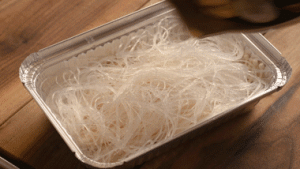
Place your dry starch vermicelli strands into a spacious basin and cover entirely with tepid water. Allow them to soak undisturbed for exactly 15 minutes. Once pliable but still slightly firm (al dente), drain thoroughly through a colander and use kitchen shears to cut the long strands into manageable 4-inch sections.
2. Purging Sand from Shellfish
💡 NOTE: Clams naturally filter sand within their shells. Skipping this purging process will result in a gritty, ruined dish. Combine 1 tablespoon of coarse salt with 500 ml of ice-cold water to perfectly mimic seawater salinity. Submerge the live clams completely and leave them in a dark corner for 1 hour to spit out sand. Rinse thoroughly under running water.
Cooking Process
Step 1: Execute the Master Sauce
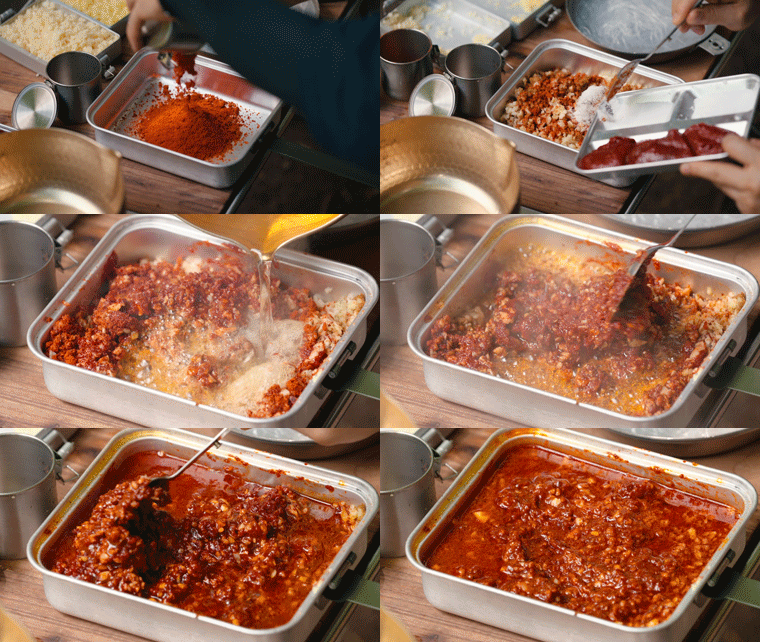
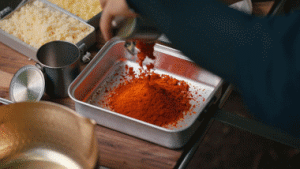
In a heatproof ceramic bowl, assemble your chili rings, minced garlic, minced ginger, fine chili powder, coarse chili flakes, light soy sauce, oyster sauce, Gochujang, cumin powder, sugar, and salt. Stir vigorously until a thick paste forms.
In a small saucepan over high heat, bring your 200 ml of neutral oil to a shimmering point until it registers roughly 375°F (190°C) on a digital thermometer. Carefully drizzle the hot oil directly onto your aromatic spice mixture in three slow streams. The mixture will sputter violently, releasing a rich aroma. Whisk in 4 tablespoons of clean water to emulsify the sauce into a smooth, pourable glaze.
Step 2: Assemble and Cook the Foil Packets
Option A: Campfire Grill Method (High Indirect Heat)
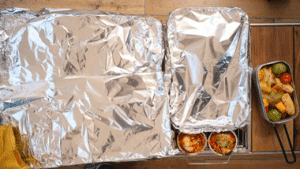
For all standard seafood and tofu boxes, construct heavy-duty aluminum foil pockets or utilize disposable rectangular foil trays with a tight foil lid sheet rolled over the rims to lock in steam. Place the boxes directly on the grill grates over a steady bed of hot coals.
Option B: Home Kitchen Oven Method
Preheat your standard home convection oven to 400°F (204°C) with the rack positioned in the center. Arrange your filled, tightly crimped foil packets onto a sturdy baking sheet to catch any bubbling overflow.
The 8 Foil Packet Blueprint Formulas
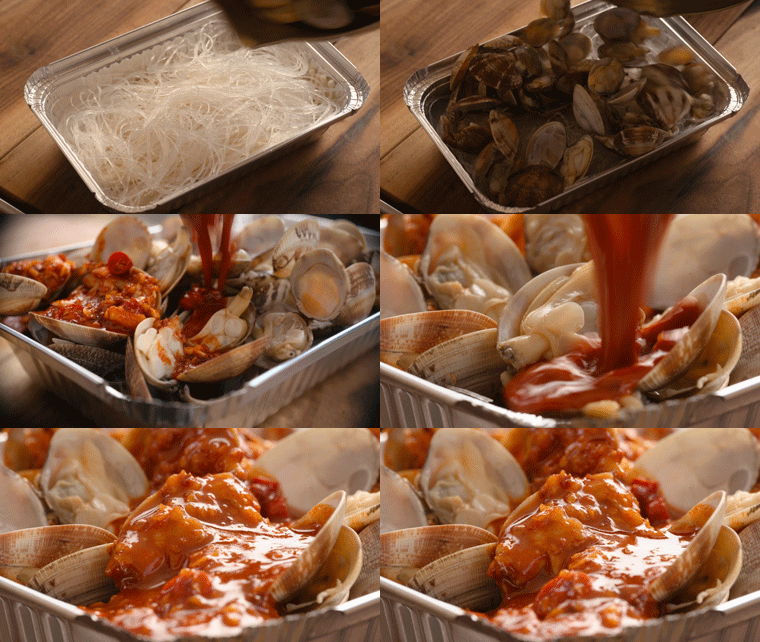
1. Garlic Shellfish Clams
- Layer Sequence: 60g Enoki Mushrooms -> Half bowl Vermicelli → Purged Clams.
- Sauce Vol: 4 tablespoons Master Sauce + 1 tablespoon scallion whites.
- Grill Timing: 15 minutes.
- Oven Timing: 25 minutes at 400°F (204°C).
- Visual Cue: Cook until all shell lids snap wide open, releasing clean marine juices into the starch layer.
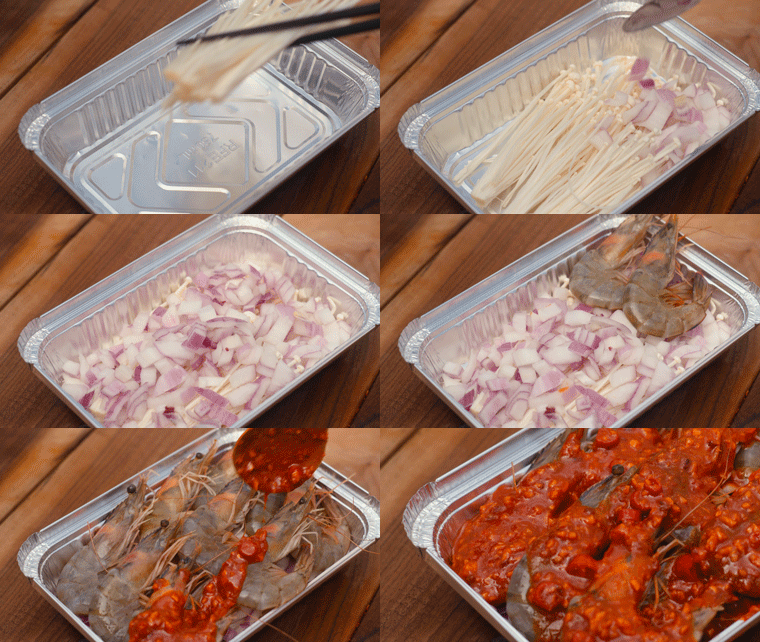
2. Succulent Garlic Shrimp
- Layer Sequence: 60g Enoki Mushrooms → 60g Diced Yellow Onion → Prepared Whole Shrimp.
- Sauce Vol: 4 tablespoons Master Sauce + 1 tablespoon chopped scallions.
- Grill Timing: 15 minutes.
- Oven Timing: 25 minutes at 400°F (204°C).
- Visual Cue: Shrimp flesh transitions from translucent grey to completely opaque, curved pink rings.
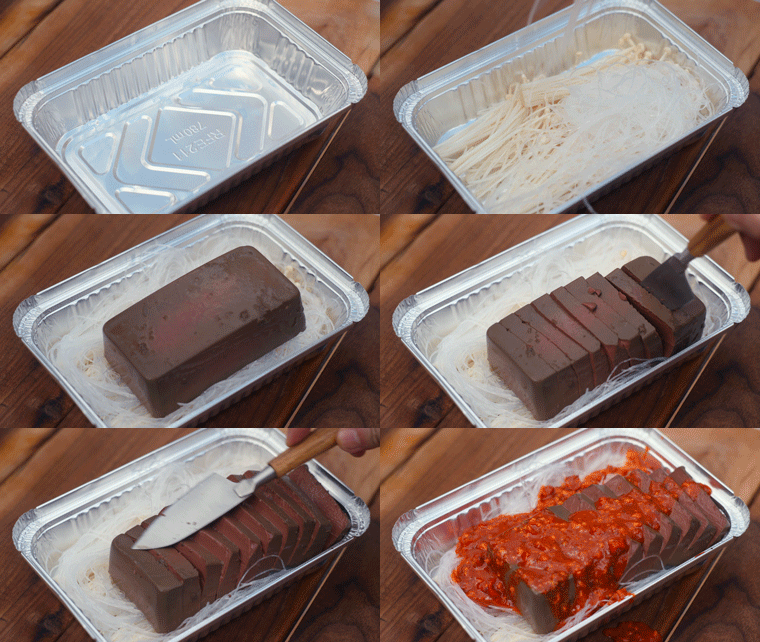
3. Savory Duck Blood Curd
- Layer Sequence: 60g Enoki Mushrooms → Half bowl Vermicelli → 300g Duck Blood (sliced into 1/2-inch thick slabs).
- Sauce Vol: 4 tablespoons Master Sauce + 1 tablespoon scallions.
- Grill Timing: 15 minutes.
- Oven Timing: 25 minutes at 400°F (204°C).
- Visual Cue: The blood slices firm up slightly and change from deep crimson to a matte chocolate-maroon tone.
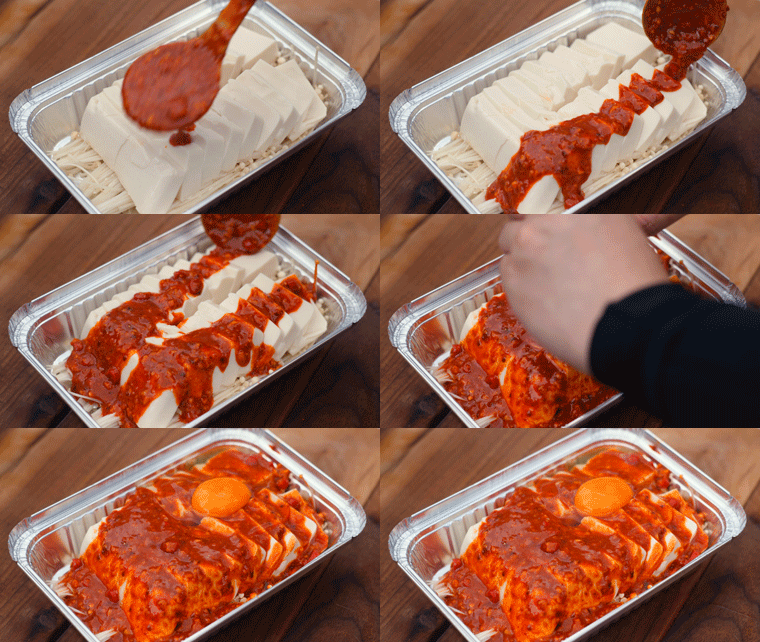
4. Golden Egg and Silk Tofu
- Layer Sequence: 60g Enoki Mushrooms → Sliced Silken Tofu slabs.
- Sauce Vol: 4 tablespoons Master Sauce. Crack 1 fresh large egg directly over the center of the tofu, then top with scallions.
- Grill Timing: 10 minutes.
- Oven Timing: 20 minutes at 400°F (204°C).
- Visual Cue: Tofu is piping hot, and the egg white is completely set while the yolk remains jammy and rich.
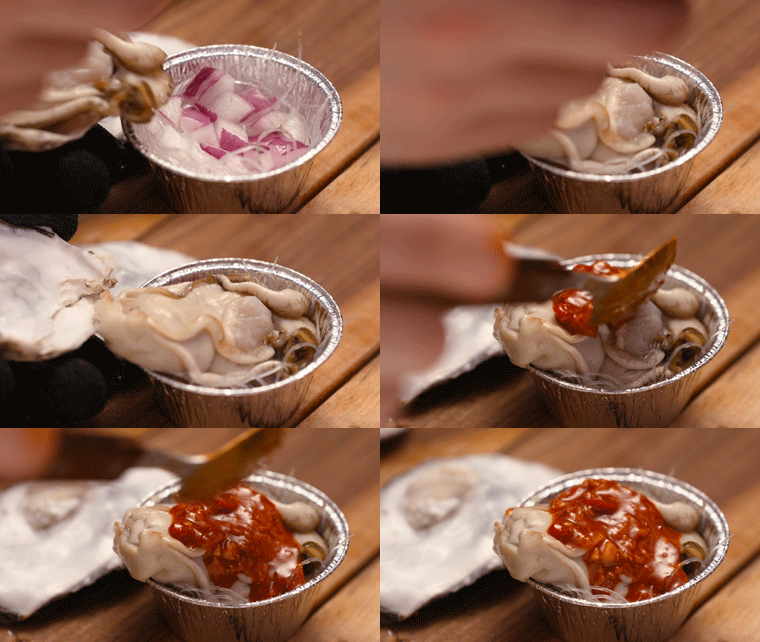
5. Single-Serve Night Market Oysters
- Layer Sequence: Use small circular individual foil cups. Place 30g Vermicelli → 30g Diced Onion → One plump raw shucked oyster.
- Sauce Vol: 1 tablespoon Master Sauce per cup + a pinch of scallions.
- Grill Timing: 10 minutes.
- Oven Timing: 15 minutes at 400°F (204°C).
- Visual Cue: The edges of the oyster mantle ruffle and curl upward, and the center plumps up beautifully.
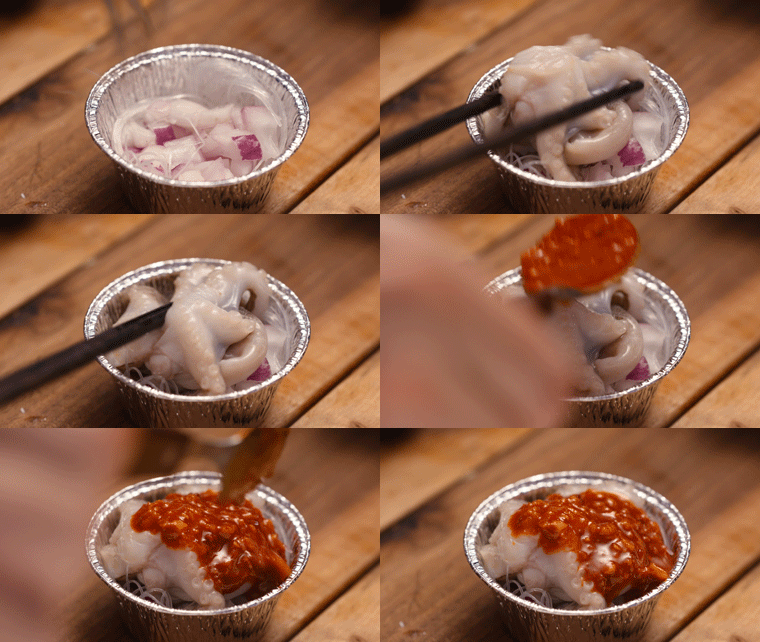
6. Spicy Baby Octopus
- Layer Sequence: 30g Vermicelli → 30g Diced Onion → 1 Baby Octopus per individual cup.
- Sauce Vol: 1 tablespoon Master Sauce + a pinch of scallions.
- Grill Timing: 10 minutes.
- Oven Timing: 15 minutes at 400°F (204°C).
- Visual Cue: The octopus tentacles curl into tight, firm spheres with a snappy bite.
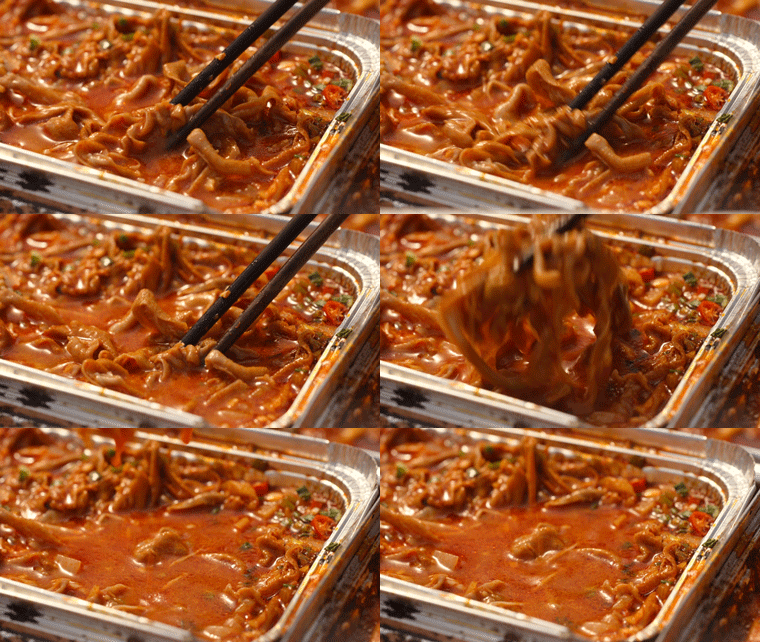
7. Crisp Sizzling Duck Intestines
- Layer Sequence: 60g Enoki Mushrooms → 60g Diced Yellow Onion → 300g Cleaned Duck Intestines.
- Sauce Vol: 4 tablespoons Master Sauce + 1 tablespoon chopped scallions.
- Grill Timing: 15 minutes.
- Oven Timing: 25 minutes at 400°F (204°C).
- Visual Cue: The strands shrink and shrivel into curly ribbons with a distinct crunchy texture.
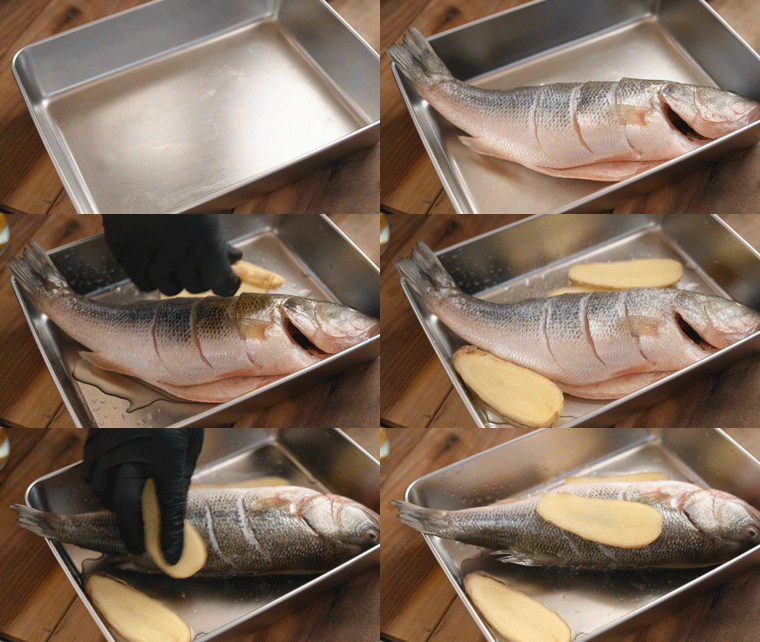
8. Whole Master-Braised Sea Bass
- Layer Sequence: Deep large foil baking pan. 150g Enoki Mushrooms → 150g Thinly Sliced Onion → 1 Whole Sea Bass (score both sides with three deep crosswise slashes, rub with 1 tbsp Shaoxing wine, 1 tsp salt, and 3 slices ginger; marinate for 15 minutes prior).
- Sauce Vol: Pour half a bowl of the remaining Master Sauce over the fish. Garnish with scallions and cilantro.
- Grill Timing: 25 minutes.
- Oven Timing: 40 minutes at 400°F (204°C).
- Visual Cue: The fish flesh flakes easily away from the backbone when tested with a fork, registering an internal safety temperature of 145°F (63°C) on a digital meat thermometer.
Alternative Minimalist Variation
If your Asian market is limited or you want a quick weeknight version, you can execute a streamlined version of this feast.
- The Simplified Base: Swap the seafood for cubed firm chicken breast or sliced button mushrooms.
- The Pantry Sauce Shortcut: Whisk together 4 tablespoons minced garlic, 2 tablespoons light soy sauce, 1 tablespoon standard Sriracha, 1 teaspoon cumin powder, and 1 teaspoon sugar. Drizzle with 3 tablespoons of hot vegetable oil, seal in a foil packet with any green vegetable (like broccoli florets), and bake at 400°F (204°C) for 20 minutes.
Common Mistakes & Troubleshooting
Why is my foil packet swimming in a pool of bland, watery liquid?
- The Cause: This occurs when you omit the starch vermicelli layer or overcrowd the packet with un-blanched, high-moisture vegetables. Enoki mushrooms and onions release massive volumes of cellular water as their cell walls collapse under heat.
- The Fix: Always lay a generous bed of dry, hydrated Longkou vermicelli directly beneath high-moisture ingredients. The starch matrix acts as a sponge, capturing this liquid and turning it into a rich glaze rather than a watery soup.
The garlic in my sauce tastes bitter and burnt after baking.
- The Cause: The neutral oil used to scald the aromatics was heated past its smoke point, or the foil packet leaked its steam, causing the garlic sugars to char directly against the dry aluminum paper.
- The Fix: Ensure your oil does not exceed 375°F (190°C) before pouring it over the garlic paste. Most importantly, crimp the foil seams tightly with a double fold to maintain a pressurized steam environment inside the packet.
Food Safety and Preparation
- Internal Temperature Benchmarks: When cooking raw fish or shellfish, always ensure sea bass reaches an internal temperature threshold of 145°F (63°C) to eliminate foodborne pathogens.
- Cross-Contamination Prevention: Keep raw seafood items strictly separated from fresh aromatics and cooked toppings during the campsite preparation phase.
- Overcrowding Limits: Do not layer raw proteins on top of each other in thick piles. Arrange them in a single, even layer inside the packets to ensure uniform thermal distribution.
Serving and Pairing Suggestions
Xi Zhi Shao Kao is a highly social meal meant to be torn open right at the dinner table. Serve these bubbling packets alongside a large bowl of freshly steamed jasmine rice or warm Flaky Scallion Pancakes to swipe up every drop of the garlic chili oil.
To balance the intense heat and rich profile of the Gochujang and cumin glaze, I highly recommend pairing this meal with a crisp, refreshing crunch like our Easy Smashed Cucumber Salad or a cold bowl of clear mung bean soup.
Frequently Asked Questions
Can I substitute the Gochujang with regular sriracha or hot sauce?
Gochujang provides a vital structural viscosity and amino-acid richness that cannot be replicated by vinegar-heavy Western hot sauces or thin sriracha glazes. If you cannot locate Gochujang, use premium hoisin sauce blended with extra raw chili flakes to mimic that savory-sweet weight.
Is this recipe entirely gluten-free?
Standard light soy sauce, oyster sauce, and Gochujang contain trace wheat elements introduced during industrial grain fermentation. To make this dish completely gluten-free, swap them out for certified gluten-free Tamari, gluten-free vegetarian oyster sauce, and a wheat-free alternative fermented chili paste.
Can I prepare these packets 24 hours in advance for a trip?
You can blend the master garlic-chili oil sauce up to a week in advance and store it in an airtight jar in the refrigerator. However, do not assemble the wet starch vermicelli and raw seafood into the foil packets until right before cooking. Leaving live shellfish or raw shrimp in direct contact with highly salinated sauces overnight will compromise their moisture, making them tough and dry.
Sources & Standards Referenced
- USDA Food Safety and Inspection Service – Safe Minimum Internal Temperature Baseline Guidelines
- Harvard T.H. Chan School of Public Health – Lipid Stability and High Smoke-Point Cooking Oils Overview

Authentic Chinese Foil Packet BBQ (Xi Zhi Shao Kao)

Equipment
- Disposable Foil Rectangular Trays or Heavy-Duty Aluminum Foil Sheets
- Instant-Read Digital Food Thermometer
- Small Heatproof Saucepan
Ingredients
Master Garlic-Chili Sauce
- 2 tbsp fresh chili rings (Fresno or cayenne) thinly sliced
- 4 tbsp fresh garlic finely minced
- 2 tbsp fresh ginger finely minced
- 2 tbsp fine Chinese chili powder
- 2 tbsp coarse chili flakes
- 4 tbsp light soy sauce Pearl River Bridge or Kikkoman brand
- 1 tbsp oyster sauce Lee Kum Kee brand
- 3 tbsp Korean chili paste (Gochujang) adds savory viscosity
- 1 tbsp cumin powder
- 1 tbsp white sugar
- 1 tsp coarse kosher salt
- 200 ml neutral cooking oil canola, peanut, or corn oil
- 4 tbsp clean water used to loosen the finished paste
Base and Protein Components
- 200 g Longkou starch vermicelli pre-soaked in warm water for 15 minutes, chopped
- 500 g enoki mushrooms roots trimmed off, separated into small bundles
- 1 medium yellow onion half sliced into thin strips, half finely diced
- 100 g fresh scallions finely chopped
- 500 g live fresh Manila clams purged in salt water for 1 hour, blanched until just open
- 16 pieces large raw shrimp peeled and de-veined
- 1 block medium silken tofu cut carefully into thick rectangular slabs
Instructions
- Assemble chili rings, minced garlic, ginger, chili powders, soy sauce, oyster sauce, Gochujang, cumin, sugar, and salt in a large heatproof bowl and whisk into a firm paste.
- Heat 200ml of neutral oil in a saucepan until it reaches roughly 375°F (190°C), then pour slowly over the aromatic mixture in three stages, stirring constantly as it splotches and bubbles.
- Whisk 4 tablespoons of room-temperature water into the chili paste to fully loosen the sauce into a smooth, emulsified pourable glaze; set aside.

- Preheat your home oven to 400°F (204°C) or fire up an outdoor charcoal grill to maintain a hot indirect heat area.
- Construct foil packets by laying down a structural foundation of enoki mushrooms and chopped yellow onions, followed by a handful of soaked mung bean vermicelli.
- Arrange your clean proteins (such as Manila clams or raw shrimp) in a single layer over the starch base to prevent overcrowding and ensure even heat penetration.
- Crimp the edges of the aluminum foil boxes tightly with a double fold to form an airtight seal that holds high-pressure steam inside during the baking process.
- Bake on a rimmed tray in the preheated oven for 20 to 25 minutes (or 15 minutes over a camp grill), transfer out, carefully open the foil lid away from your face to avoid steam burns, and serve hot topped with fresh cilantro.


Leave a Reply