There is a certain kind of Chinese home cooking that never makes it onto restaurant menus, and stir-fried cabbage with pork is one of them. It is the dish a cook throws together on a Tuesday night when the wok is already hot, the rice cooker is hissing, and half a head of cabbage is sitting in the fridge waiting to be used. The cabbage goes in sweet and crisp, the pork comes out tender and glossy, and the whole thing is on the table before you have finished setting it.
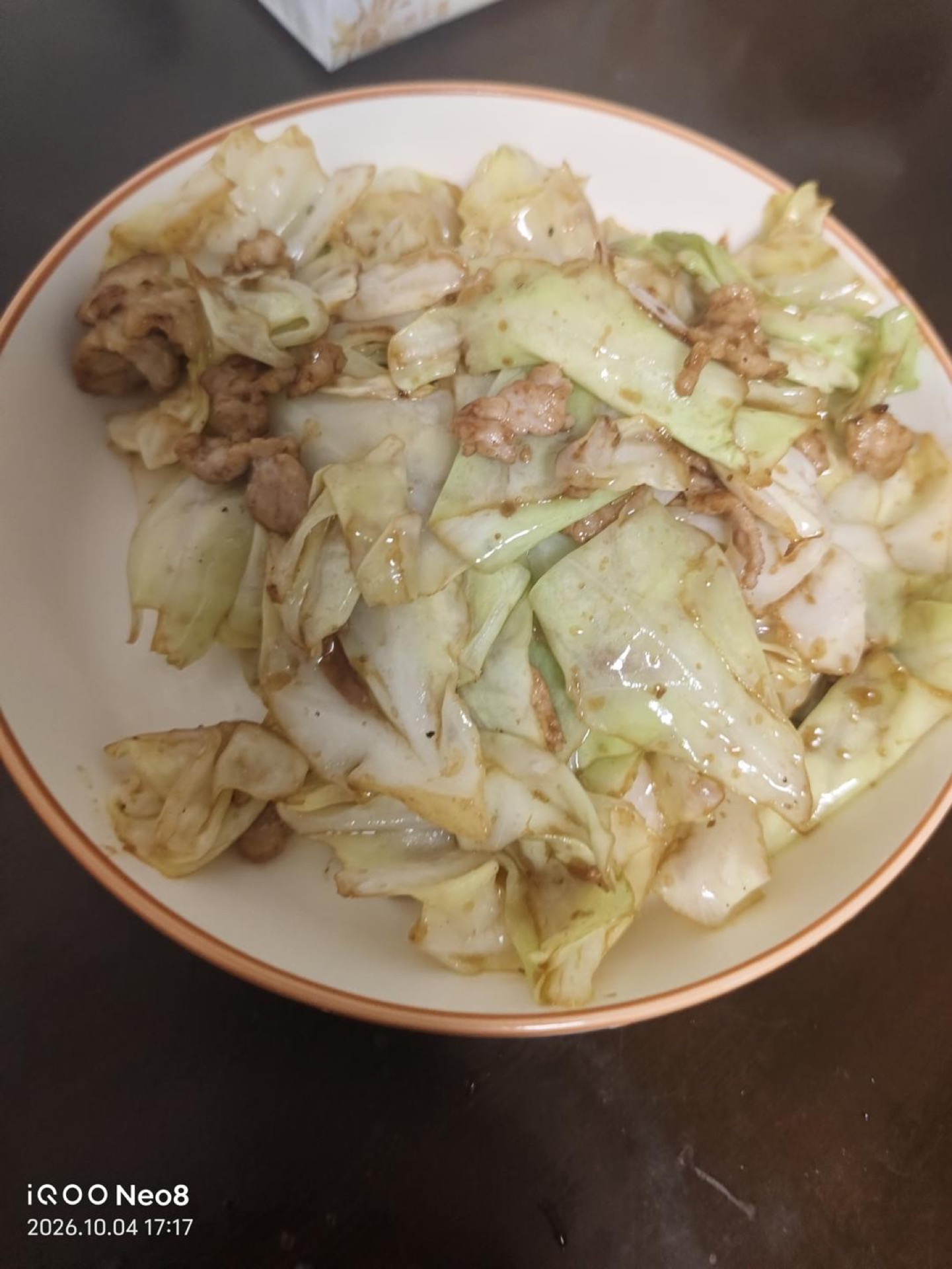
What makes this version worth writing down is the balance. Cabbage, when it is stir-fried hard and fast, turns sweet and slightly nutty at the edges while staying crisp in the middle. Pork loin, cut small and marinated with a little sugar and cornstarch, stays silky instead of turning into dry little pebbles. A spoonful of oyster sauce ties the two together into something that tastes far more considered than the fifteen minutes it took to make.
If you have ever eaten this dish at a friend’s house and wondered why yours never tastes the same, the answer is almost always heat and timing — not some secret ingredient. The wok has to be genuinely hot, the cabbage has to hit the oil in a single confident pour, and the pork has to come out of the pan before it overcooks. Get those three things right and the rest is just seasoning.
What Is Stir-Fried Cabbage with Pork?
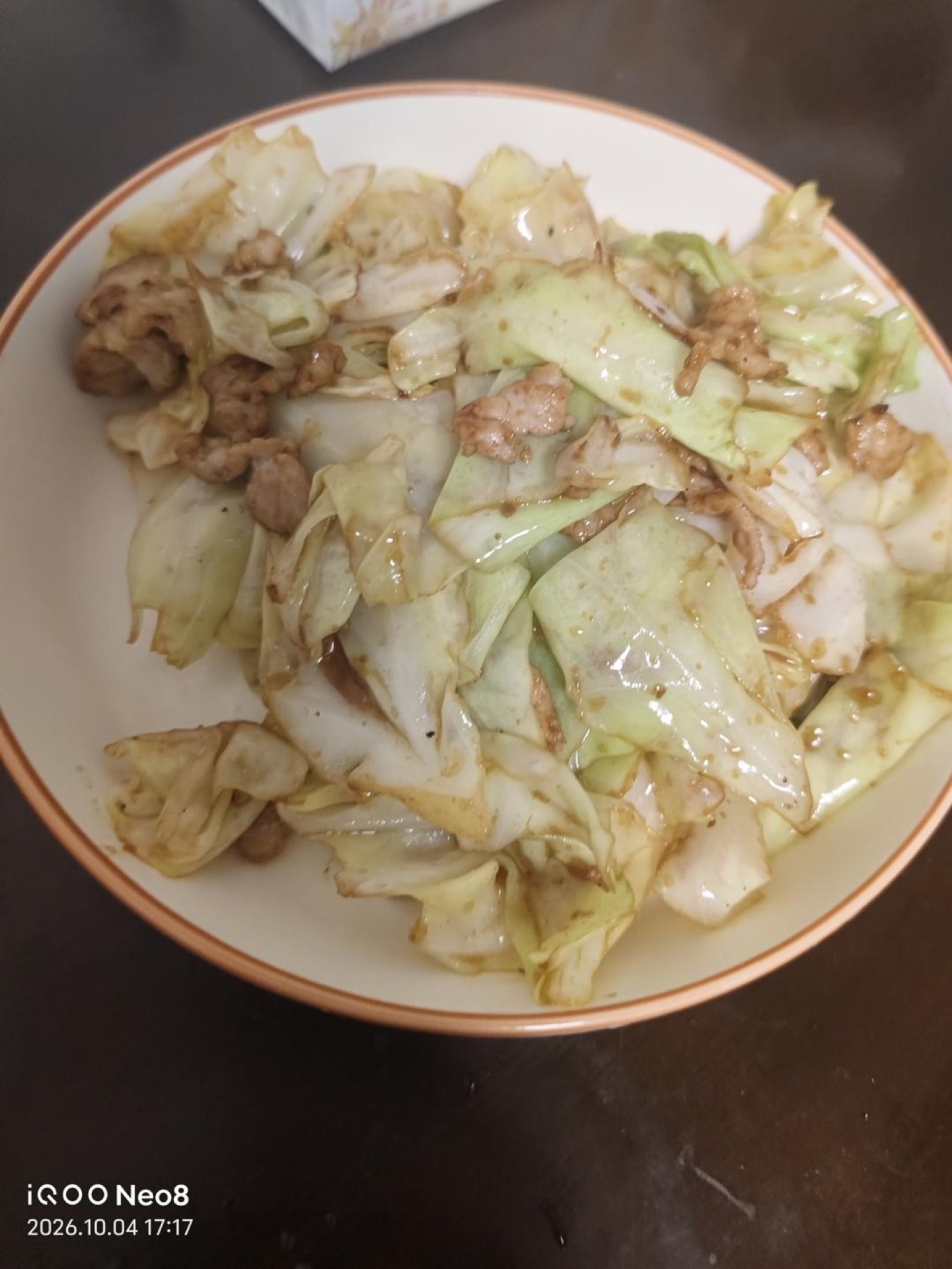
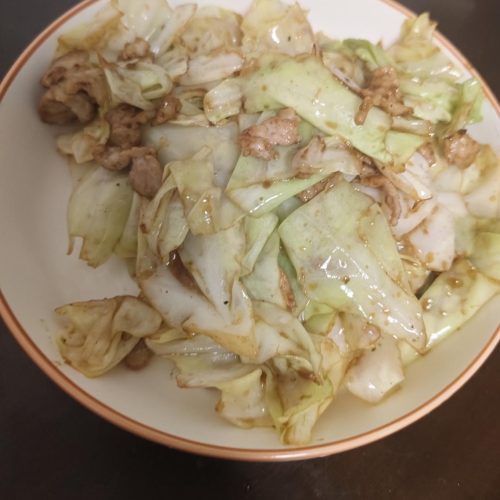
Stir-fried cabbage with pork, called ganlan chaorou (甘蓝炒肉) in Chinese, is a home-style wok dish of torn green cabbage and small cubes of marinated pork loin, seasoned with oyster sauce, a touch of sugar, and — in this family’s version — a pinch of cumin. It is a northern-style everyday plate rather than a banquet dish: fast, cheap, and built around whatever cabbage is in season.
The Chinese name breaks down simply. 甘蓝 (ganlan) is cabbage, 炒 (chao) means stir-fried, and 肉 (rou) is meat. So the dish is exactly what it says: cabbage, stir-fried with meat. That plainness is the point. It is not a dish that hides behind a complicated sauce; it is a dish that depends on the wok, the freshness of the cabbage, and the cook’s willingness to keep things moving.
Home cooks in China often judge a stir fry by how little liquid is left in the pan. If the cabbage has released a puddle of water, the wok was not hot enough. If the plate is glossy with a clinging sauce and the cabbage still has bite, the cook got it right.
In many households the pork is whatever cut is on hand — loin, shoulder, or a bit of belly. Loin is the leanest and the one used here, which is why the marinade matters so much. A lean cut with no marinating time will seize up and turn tough in the time it takes the cabbage to soften. Sugar, a little cornstarch, and a brief rest fix that problem completely.
Cabbage itself is one of the great unsung stir-fry vegetables. It is cheap, it keeps for weeks in the fridge, and it has a natural sweetness that only shows up when it is cooked hard and fast. That sweetness is what makes this dish taste almost like it has more sugar in it than it does.
If you enjoy this style of quick cabbage cooking, a tomato cabbage stir fry is a natural next step — it uses the same vegetable with a completely different, tangier sauce. And if you like the idea of small pieces of pork tossed through a hot wok, a stir fried diced pork in the jiang bao style is the same technique with a sweeter, darker glaze.
If you like this kind of cooking, my stir fried baby napa cabbage with crispy potato is the closest recipe on the site — the same technique and the same pantry.
1Stir-Fried Baby Napa Cabbage with Crispy Potato Slices and PorkAn authentic Sichuan canteen-style stir-fry featuring sweet baby Napa cabbage, crispy-edged potatoes, and tender pork belly seasoned with spicy bean paste.Check out this recipe

Cooked this way once, you will want the next one too: stir fried diced pork starts from the same base and the same pan.
2Authentic Jiang Bao San Ding (Stir-Fried Diced Pork)A quick, comforting Chinese homestyle meal featuring diced pork, tofu, radish, and soybeans in a deeply savory yellow soybean paste sauce.Check out this recipe

For the next cook from the same playbook, stir fried pork with peppers is the recipe I point people to.
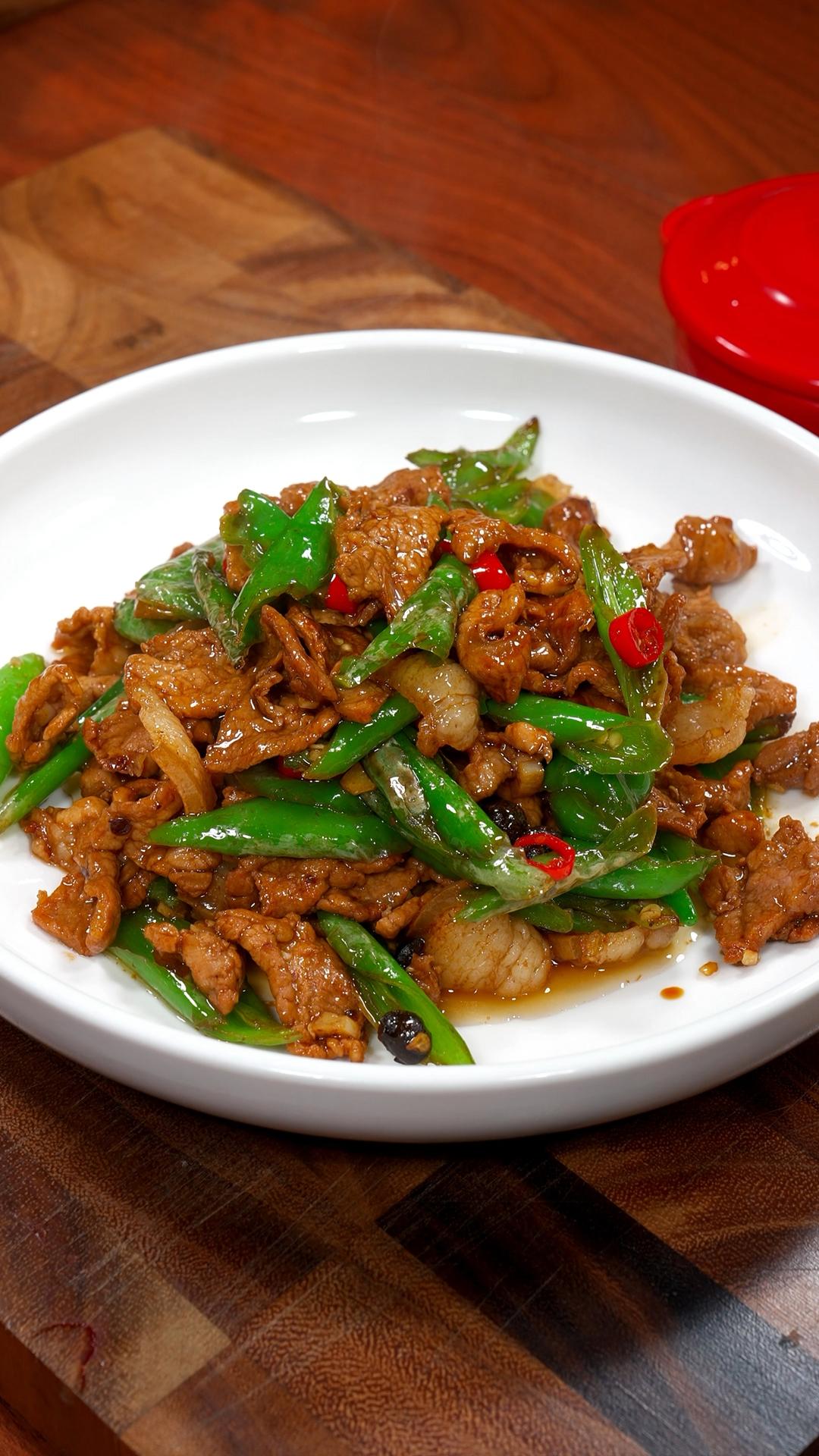
3Stir-Fried Pork with Peppers (辣椒炒肉)This fast, homestyle Chinese stir-fry (Lajiao Chao Rou) is the ultimate “rice thief.” Tender, seared pork and smoky, blistered green peppers are tossed in a simple, savory sauce. Ready in 20 minutes!Check out this recipe
Ingredient Notes
This recipe has a short ingredient list, which means each item carries real weight. Here is what to look for and what each one is doing.
Green cabbage (甘蓝). Use a firm, heavy head with tight leaves. Spring and fall cabbage is sweeter; winter cabbage is denser and holds its crunch better. Half a medium head is about right for a pound of usable leaves. Savoy cabbage works but softens faster, so reduce the stir-fry time by about a minute. Napa cabbage is a different dish entirely — it releases far more water.
Pork loin. Ask for a piece with a little fat marbled through it if you can. Pure lean loin is fine, but it has less margin for error. Pork shoulder or a trimmed piece of pork belly both work and are more forgiving. Cut everything to roughly the same thumb-sized cube so it cooks evenly.
Oyster sauce. This is the backbone of the sauce — salty, faintly sweet, and deeply savory. Lee Kum Kee is the standard supermarket brand. If you need a vegetarian version, look for mushroom-based “vegetarian oyster sauce,” which behaves almost identically. If you cannot find either, hoisin plus a splash of soy sauce is a workable substitute, though sweeter.
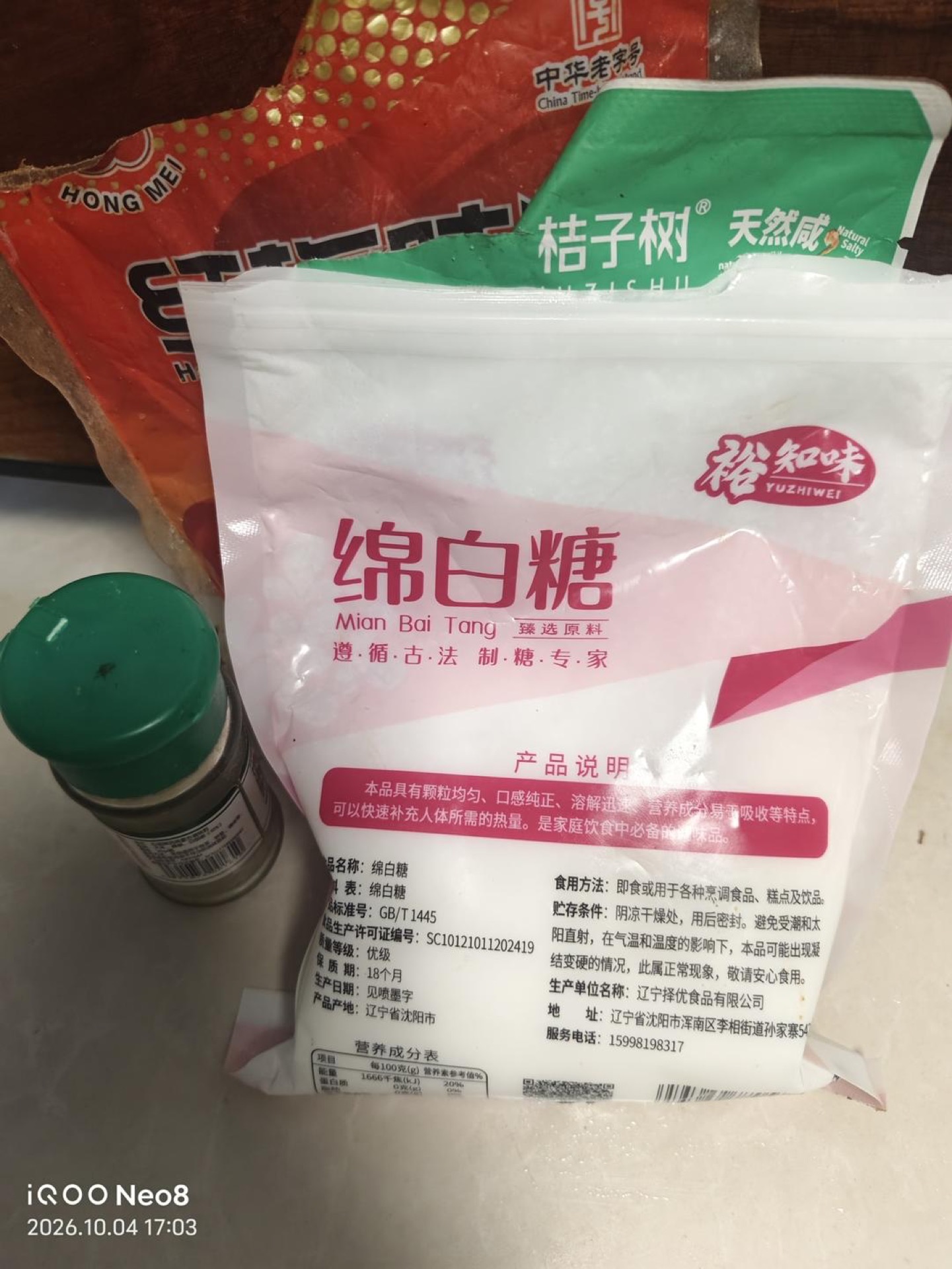
Sugar. A small amount goes into the marinade and another small amount into the sauce. It is not there to make the dish sweet; it is there to round off the saltiness of the oyster sauce and to help the pork brown. Do not skip it.
Cumin. This is the one unusual note in the dish, and it is worth keeping. Cumin and cabbage are a classic pairing in northern China, and a light crush of the seeds gives the plate a warm, almost smoky aroma. Ground cumin works in a pinch — use half the amount, since it is more concentrated.
White pepper and MSG. Both are optional but both are traditional. White pepper adds a clean, faintly floral heat that black pepper does not. MSG adds a savory depth that makes the dish taste more finished. If you would rather not use MSG, a quarter teaspoon of chicken bouillon powder does something similar.
If you are out of rice vinegar for another dish, this substitute for rice vinegar guide is worth bookmarking, though this particular recipe does not call for any vinegar at all.
Ingredients
Here is the full list for four servings. Everything below is measured in US cups and spoons, with metric equivalents in the notes where it matters.
- 1 lb (450 g) pork loin, cut into thumb-sized cubes
- 1 tsp granulated sugar (for the marinade)
- 1 pinch ground white pepper
- 1 tsp cornstarch
- 1 tbsp neutral oil (for the marinade)
- 1 tsp MSG, optional
- 2 tbsp neutral oil, divided (for the wok)
- 1 tsp cumin seeds, lightly crushed
- 1 lb (450 g) green cabbage, about half a head, torn into 2-inch pieces
- 2 tbsp oyster sauce
- 1 tsp granulated sugar (for the sauce)
- 1 tsp light soy sauce, or tamari
- 1 tsp toasted sesame oil, optional, to finish
- Salt, to taste
Note that the recipe uses salt twice: once in the marinade and once at the end to taste. Because oyster sauce and soy sauce are both salty, taste before you add the final pinch.
Equipment Needed
You do not need much, but the one piece of equipment that matters is the wok. A carbon steel wok is the traditional choice because it takes high heat without warping and develops a nonstick patina over time. A large stainless steel skillet or a heavy cast iron pan will also work, though cast iron takes longer to heat up and holds heat longer, which can overcook delicate cabbage if you are not careful. A well-seasoned flat-bottomed wok is the best compromise for a home electric stove.
Beyond the wok you will want a cutting board and a sharp chef’s knife for the pork, a slotted spoon or spider for lifting the pork out of the pan without carrying oil with it, a small bowl for mixing the sauce, and a plate or tray to hold the seared pork while the cabbage cooks. A pair of long wooden chopsticks or a wok spatula for tossing is genuinely useful — the constant motion is what keeps everything from scorching.
One more thing: have everything chopped, measured, and within arm’s reach before you turn on the heat. This dish cooks in under ten minutes once the wok is hot, and there is no time to go looking for the oyster sauce while the cabbage is on the fire.
Why This Recipe Works
The first reason is the marinade. A lean cut like pork loin has very little intramuscular fat, so it relies on external protection to stay tender. Sugar helps the surface brown and caramelize, cornstarch forms a thin barrier that traps moisture, and the oil keeps the pieces from sticking to each other in the pan. Fifteen minutes is enough; thirty is better.
The second reason is the two-stage cooking. The pork is seared first and removed, then the cabbage is stir-fried on its own, and only at the end are they combined. If you tried to cook them together, the pork would overcook while the cabbage was still releasing water, and the whole pan would end up steaming rather than searing. Cooking them separately means each one gets exactly the heat it needs.
The third reason is the sauce ratio. Two parts oyster sauce to one part sugar to one part soy sauce is a reliable formula for a glossy, savory-sweet glaze that coats rather than pools. It is thick enough to cling to the cabbage leaves and thin enough to toss through the pork without turning gluey.
The fourth reason is the cumin. It is a small amount — just a teaspoon of lightly crushed seeds — but it does something that no other ingredient in the dish does. It adds a warm, almost earthy top note that makes the cabbage taste roasted rather than merely fried. If you have only ever had cabbage boiled or braised, this is the version that will change your mind about it.
Prep & Mise en Place
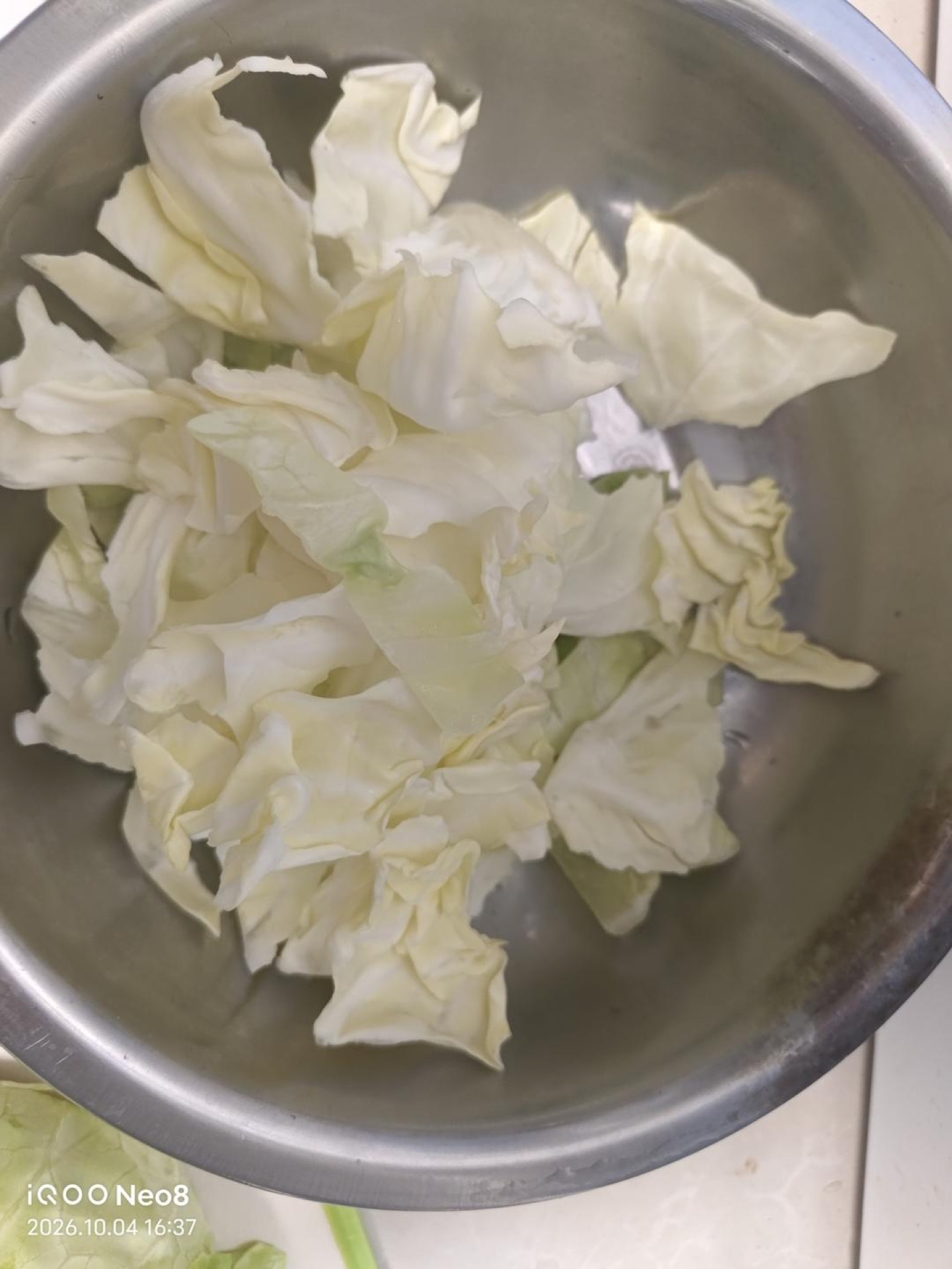
Start with the cabbage. Tear it by hand rather than cutting it with a knife. Tearing creates rough, irregular edges that catch sauce far better than a clean cut, and it also keeps the leaves from bruising. Aim for pieces about two inches across — big enough to stay crisp, small enough to cook through in a couple of minutes. Rinse them in cold water and drain thoroughly. Any water left clinging to the leaves will turn to steam in the wok and ruin the sear, so a salad spinner or a quick pat with a clean towel is worth the extra thirty seconds.
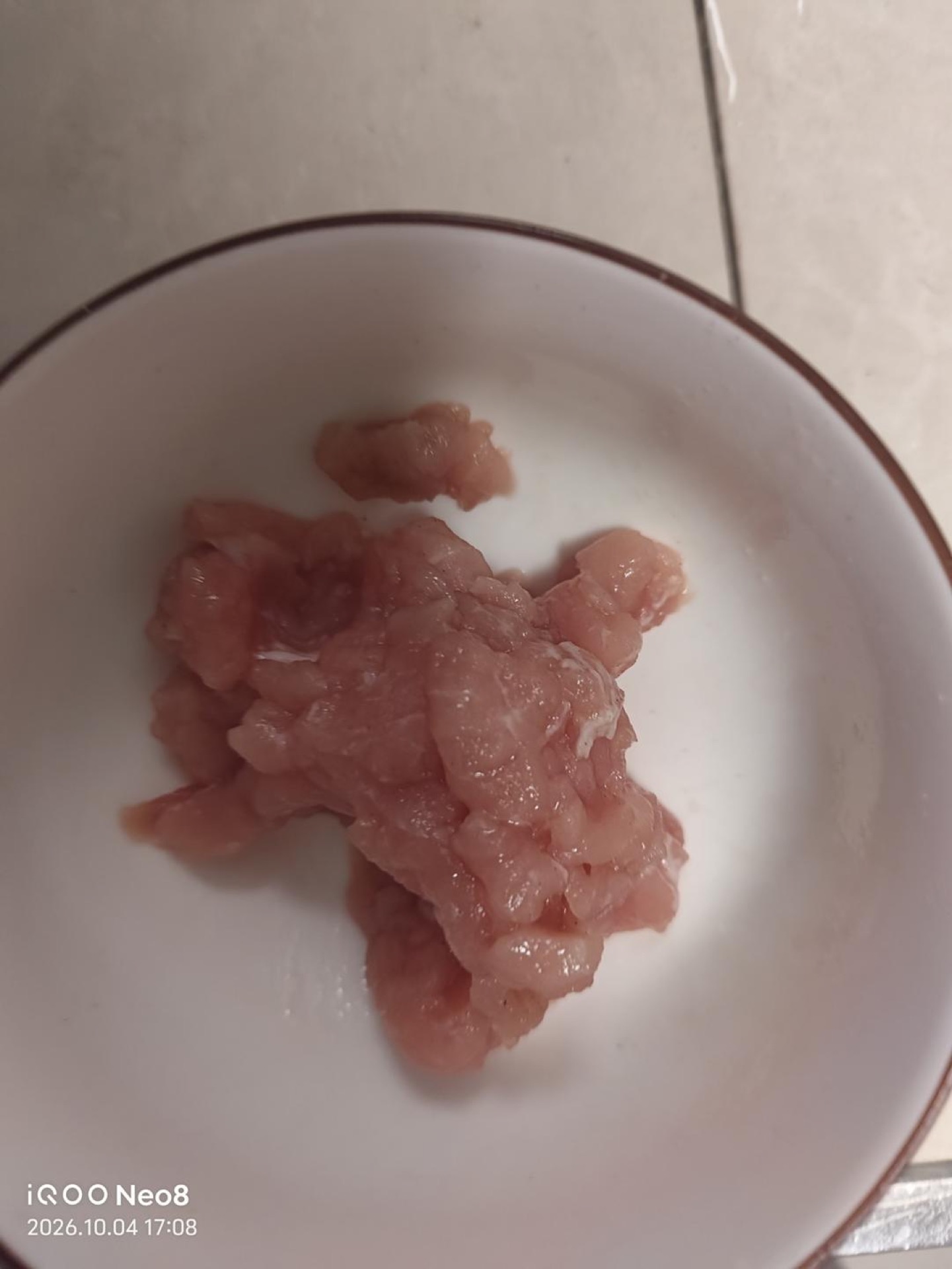
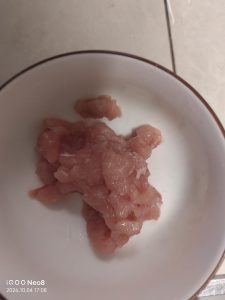
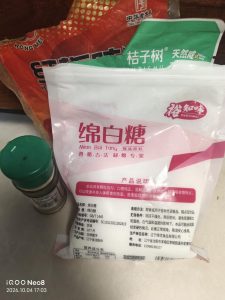
Next, the pork. Trim any large pieces of exterior fat, then cut the loin into cubes roughly the size of your thumb — about one inch. Try to keep them uniform. Put the cubes in a bowl and add the sugar, white pepper, salt, cornstarch, oil, and MSG if using. Mix with your hands until every piece is coated, then set aside for at least fifteen minutes while you prepare everything else.
While the pork marinates, mix the sauce. In a small bowl, combine the oyster sauce, sugar, soy sauce, and a tablespoon of water. Stir until the sugar dissolves. Set it next to the stove.
Finally, measure out the cumin seeds and give them a quick crush with the flat side of your knife or the bottom of a small pan. You want them cracked, not powdered. Put them in a tiny dish next to the sauce.
Now lay everything out in the order you will use it: oil, pork, cabbage, cumin, sauce, sesame oil. Once the wok is hot, you will not have time to hunt for anything, and a stir fry that pauses halfway through is a stir fry that steams.
Cooking Process
Step 1 — Tear and Wash the Cabbage
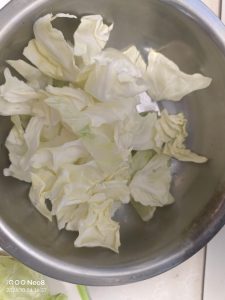
Tear the cabbage into bite-sized pieces by hand, then rinse them in clean water and drain well.
Step 2 — Cube the Pork
Cut the pork loin into small cubes, roughly the size of your thumb.
Step 3 — Marinate the Pork
Add the sugar, white pepper, salt, and MSG to the pork and mix well, then let it marinate.
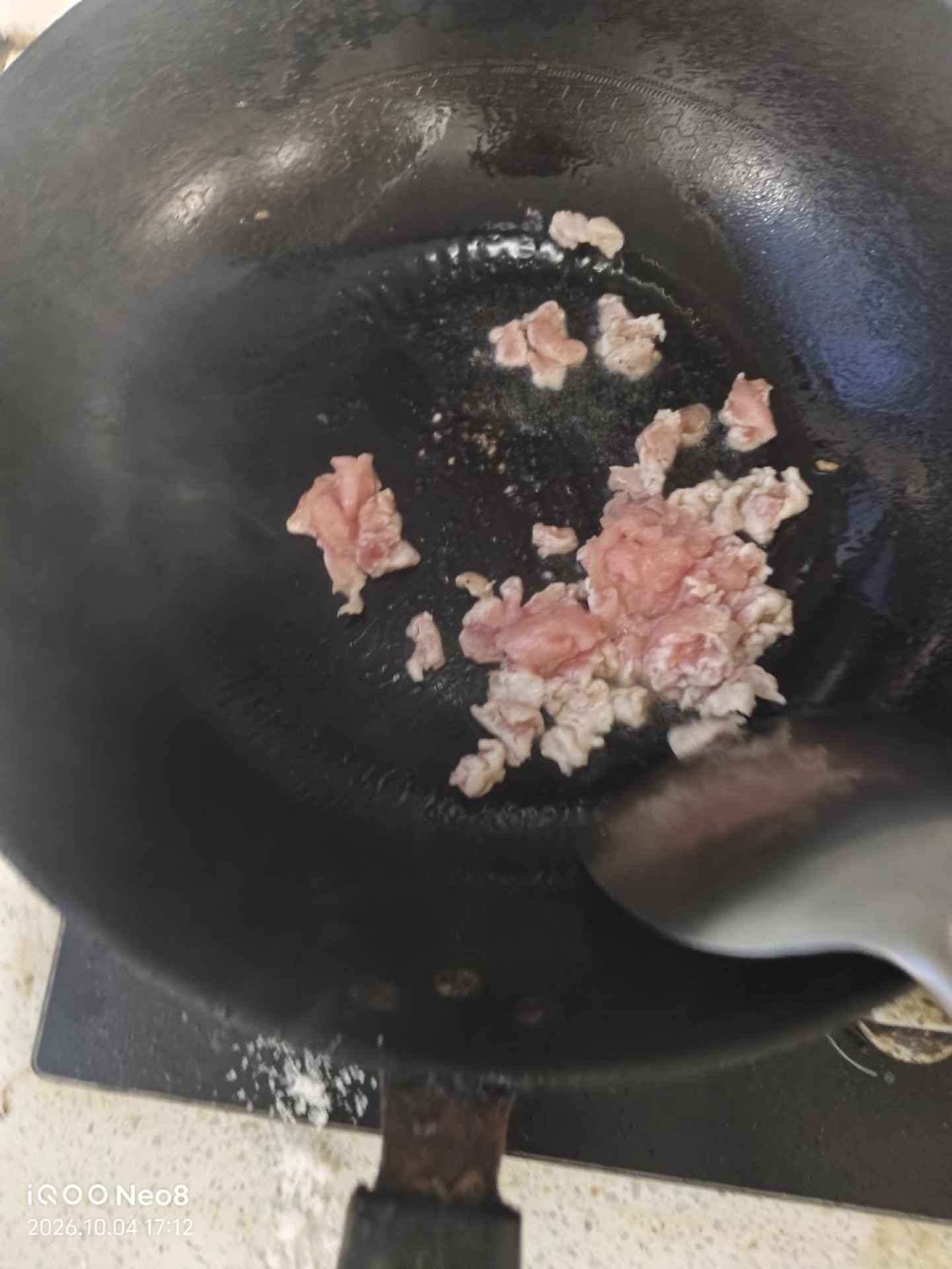
Step 4 — Sear the Pork
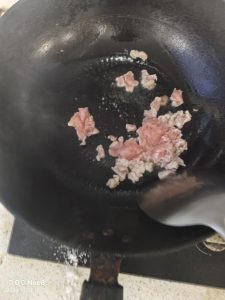
Heat a small amount of oil in the wok and slide the pork pieces apart, stir-frying until the color turns white.
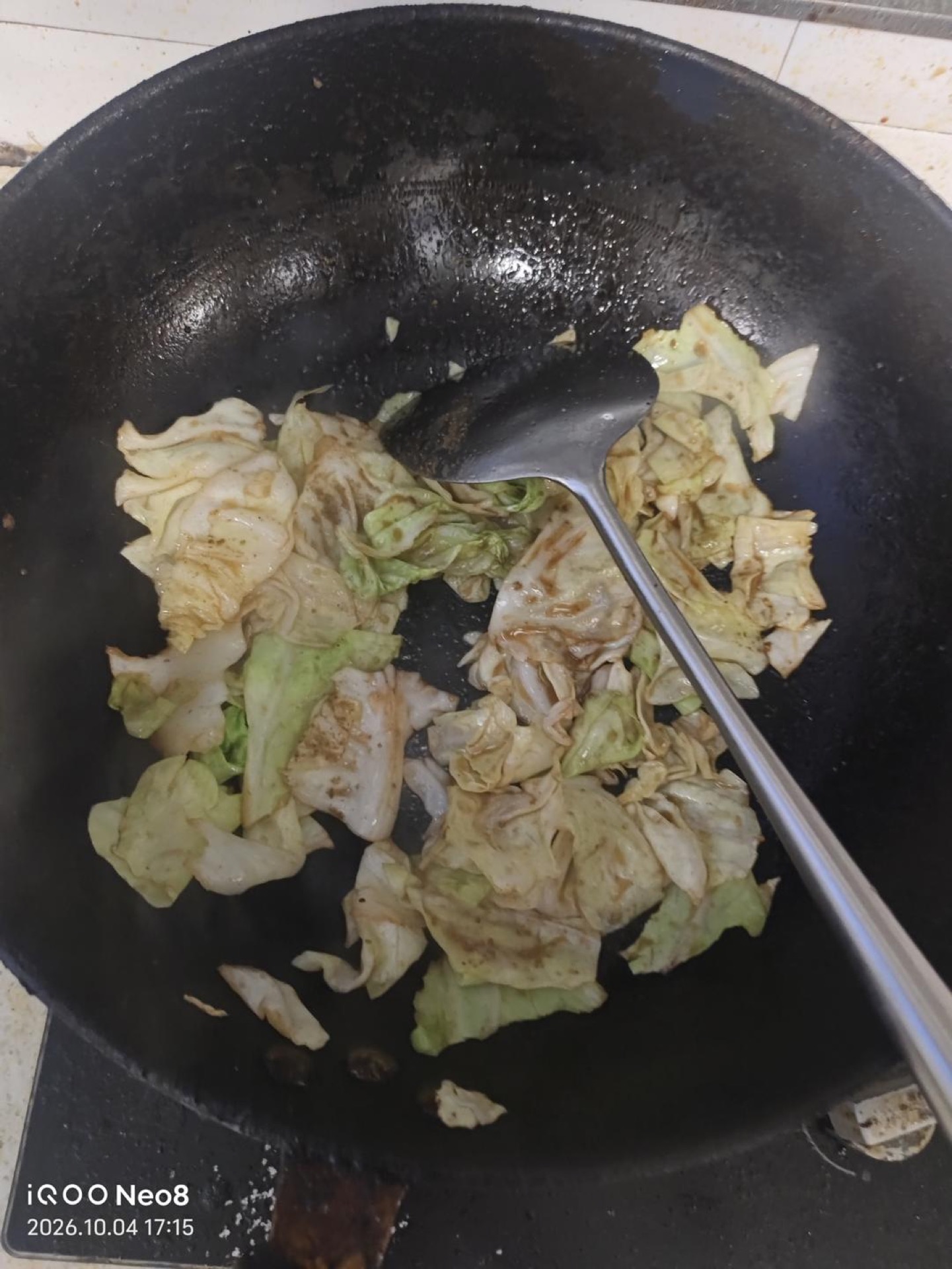
Step 5 — Heat the Wok and Add Cabbage
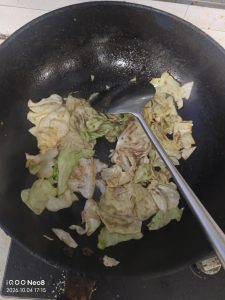
Once the wok is hot and the oil is hot, add the cabbage.
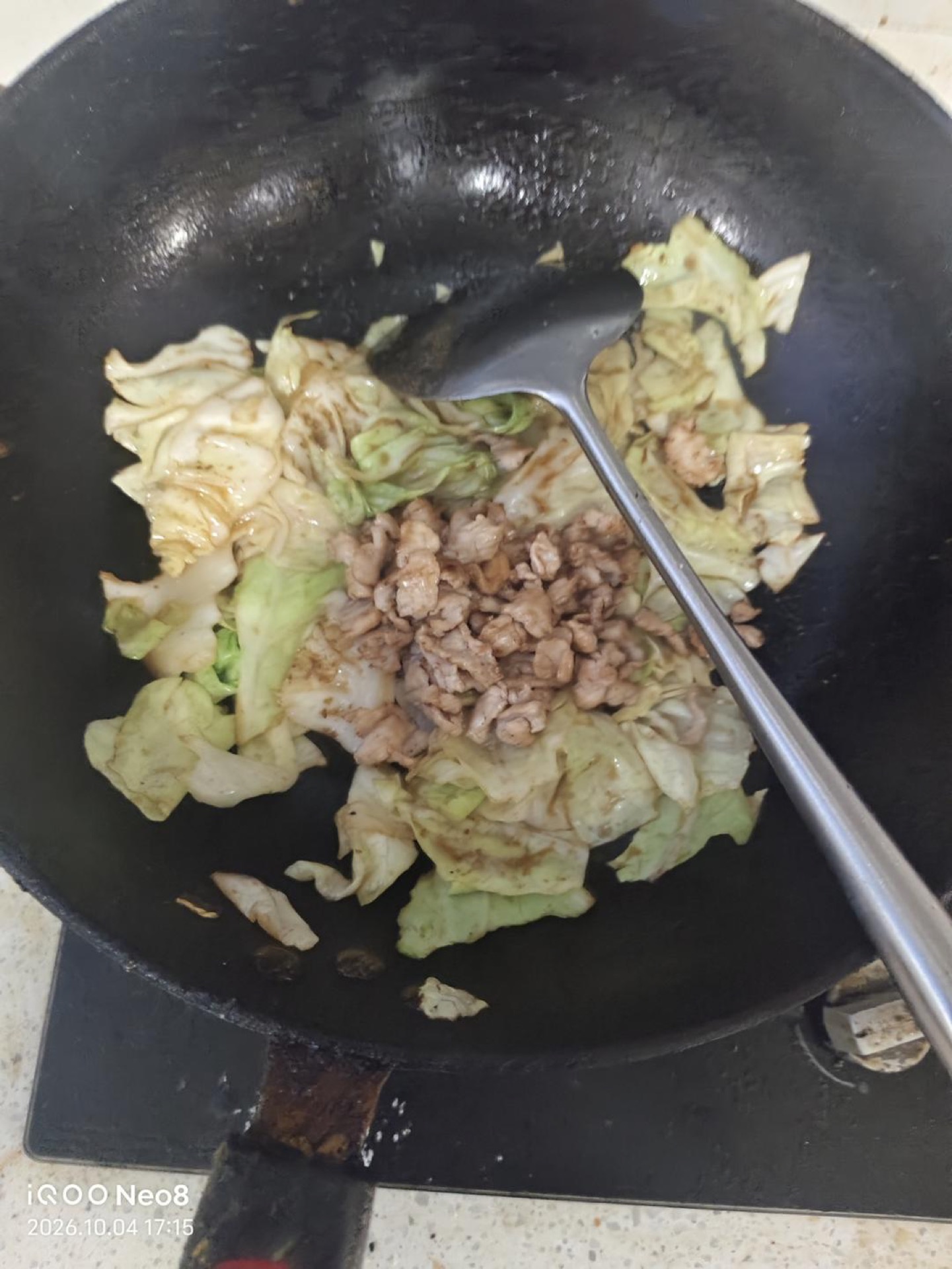
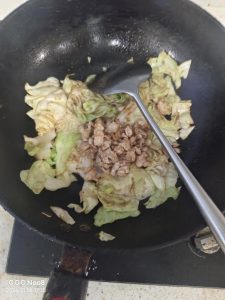
Step 6 — Season and Combine
Add the seasonings — oyster sauce, sugar, salt, and cumin to taste — then return the pork to the wok and toss everything together.
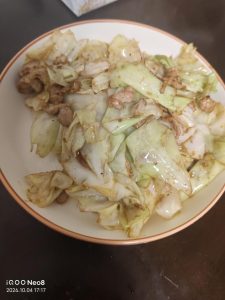
Step 7 — Plate and Serve
It is done — turn it out onto a plate and serve hot.
Common Mistakes When Making Stir-Fried Cabbage with Pork
1. The wok is not hot enough. This is the single most common reason cabbage stir fry turns out soggy. If the cabbage goes into a lukewarm pan, it releases its water before it can brown, and you end up with a braise. The fix is to heat the wok over high heat until a drop of water flicked into it evaporates on contact, then add the oil, let it shimmer, and only then add the cabbage.
2. The cabbage is still wet from washing. Even a hot wok cannot sear wet cabbage; the surface moisture has to boil off first, and by the time it does, the leaves have already softened. The fix is to drain the torn cabbage thoroughly and spin or pat it dry before it goes anywhere near the pan.
3. The pork is overcooked. Pork loin is lean and unforgiving. If you leave it in the wok while the cabbage cooks, it will go from tender to chalky in about ninety seconds. The fix is to sear it first, remove it to a plate while the cabbage cooks, and return it only at the very end, just long enough to heat through and coat with sauce.
4. Too much sauce. Oyster sauce is thick and salty. If you double the sauce without doubling the cabbage, the dish turns into a sticky, over-seasoned mess that overwhelms the vegetable. The fix is to measure the sauce rather than pouring it in by eye, and to remember that the cabbage will release a little of its own liquid as it cooks.
5. Crowding the wok. A pound of cabbage is a lot of volume, and if your wok is small, the cabbage will pile up and steam instead of searing. The fix is to cook the cabbage in two batches, removing the first batch to a plate before adding the second, then combining everything at the end. It takes an extra two minutes and makes a noticeable difference.
6. Adding salt too early. Salt draws water out of cabbage. If you salt the cabbage as soon as it hits the pan, it will start weeping before it has had a chance to brown. The fix is to salt at the end, after the sauce goes in, and only if the dish needs it.
Variations
With pork belly instead of loin. Slice a piece of skin-on pork belly thinly and render it first in the wok until the fat turns golden. Pour off the excess fat, then proceed with the recipe. The result is richer and more unctuous, and the cabbage picks up a lovely porky flavor from the rendered fat.
With dried chilies. Tear three or four dried red chilies in half, shake out the seeds, and add them to the oil just before the cabbage. They will bloom in the hot oil and give the whole dish a gentle, toasty heat. This is closer to a Sichuan preparation and pairs beautifully with the cumin.
With black vinegar. A teaspoon of Chinkiang black vinegar stirred in at the very end adds a malty, faintly sweet acidity that cuts through the richness of the pork. Do not add it earlier, or the aroma will cook off.
Vegetarian version. Skip the pork entirely and use sliced shiitake mushrooms or pressed, cubed firm tofu in its place. Marinate the tofu the same way, sear it until golden, and proceed. Use vegetarian oyster sauce or mushroom sauce to keep the dish fully plant-based.
With glass noodles. Soak a small bundle of glass noodles until pliable, then add them to the wok with the sauce at the end and toss until they are coated and translucent. This turns the dish into a one-bowl meal.
Frequently Asked Questions
Can I use napa cabbage instead of green cabbage? You can, but the dish will be noticeably different. Napa cabbage has a much higher water content and softer leaves, so it will release liquid and collapse rather than stay crisp. If you use it, stir-fry it for less time and consider salting it for ten minutes beforehand and squeezing out the excess water.
Why did my pork turn out tough? Almost always because it was overcooked. Pork loin needs only a brief sear — just until the outside turns white and the pieces separate — and then it should come out of the pan entirely. Returning it at the end for thirty seconds is enough to finish it through.
Do I really need MSG? No. It is traditional and it does add a rounder, more savory flavor, but the dish works perfectly well without it. If you leave it out, taste the finished dish and add a little extra oyster sauce or a pinch of sugar if it tastes flat.
Can I make this ahead of time? The pork can be cubed and marinated up to twenty-four hours in advance and kept covered in the refrigerator. The cabbage can be torn and washed a few hours ahead, as long as it is thoroughly dried and stored in a covered container. The actual stir-frying, however, should happen right before you eat.
How do I keep the cabbage crisp? Three things: dry the leaves well, get the wok properly hot, and do not crowd the pan. Cook the cabbage for only two to three minutes, tossing constantly, until the edges start to turn translucent but the centers still have bite. It will continue to soften slightly off the heat, so err on the side of undercooking.
How to Serve
Stir-fried cabbage with pork is a natural partner for plain steamed white rice, which soaks up the oyster sauce without competing with it. A bowl of congee works just as well if you want something softer. For a fuller table, serve it alongside a cold dish or a soup so there is something cool and something warm in the same meal.
If you want to build a bigger spread around it, a plate of crispy pork and chive spring rolls makes a great crunchy contrast, and a side of quick kimchi adds a sharp, fermented bite that cuts right through the richness of the pork. Both are make-ahead friendly, so the only thing you are cooking at the last minute is the stir fry itself.

Storage & Reheat
Let the dish cool to room temperature before storing it — no more than two hours on the counter. Transfer it to a shallow airtight container and refrigerate for up to three days. Cabbage stir fry actually holds up reasonably well, though the leaves will soften a little each day.
To reheat, the best method is a hot skillet or wok over medium-high heat. Add a teaspoon of water, cover, and let it steam for two to three minutes, then uncover and toss until the liquid evaporates and everything is hot through. The microwave works in a pinch but tends to make the cabbage limp. Reheat to an internal temperature of 165°F (74°C).
Freezing is not recommended. Cabbage becomes mushy and watery once frozen and thawed, and the texture never fully recovers.
Allergen Notice
This recipe contains soy and wheat from the soy sauce, and shellfish from the oyster sauce. If you are cooking for someone with a shellfish allergy, substitute vegetarian mushroom sauce or a combination of hoisin and soy sauce. For a gluten-free version, use tamari in place of the soy sauce and confirm that your oyster sauce is gluten-free — many brands are, but not all.
Always check the labels on your specific brands, since formulations vary between manufacturers and between countries.
Nutrition Disclaimer
Nutrition information is calculated using an ingredient database and should be considered an estimate. In cases where multiple ingredient alternatives are given, the first listed is calculated for nutrition. Garnishes and optional ingredients are not included.
About the Author & Recipe Development
Lin is the cook, writer, and recipe developer behind Woks of Love. She grew up watching her grandmother run a home kitchen where the wok was never put away and every meal started with a hot pan and a small bowl of something marinating. That is still how she cooks today: fast, seasonal, and built around whatever is in the fridge.
This version of ganlan chaorou comes from a family recipe that has been made the same way for decades, with one small addition — a pinch of cumin — that Lin picked up from a northern Chinese home cook and never gave back. It has been tested repeatedly on a home electric stove and a carbon steel wok to make sure the timing works for cooks without a restaurant-grade burner.
Every recipe on this site is cooked, tasted, and re-tested before it is published. If something does not work the first time, it does not go up.
Authoritative References
For safe handling and cooking temperatures for pork, see the USDA safe minimum internal temperature chart. For guidance on cooling and storing cooked leftovers, the FDA cold food storage guidance is a useful reference. For a deeper look at how high-heat stir-frying affects vegetable texture and water loss, Harold McGee’s On Food and Cooking remains the standard text.
Stir-Fried Cabbage with Pork (甘蓝炒肉): Tender Pork, Sweet Crisp

Equipment
- Wok
- Cutting Board
- Slotted Spoon
Ingredients
For the Pork Marinade
- 1 lb pork loin cut into thumb-sized cubes
- 1 tsp granulated sugar
- 1 pinch ground white pepper
- 1 tsp cornstarch
- 1 tbsp neutral oil
- 1 tsp MSG optional
For the Stir-Fry
- 2 tbsp neutral oil divided
- 1 tsp cumin seeds lightly crushed
- 1 lb green cabbage about half a head, torn into 2-inch pieces
- 2 tbsp oyster sauce
- 1 tsp granulated sugar
- 1 tsp soy sauce light soy, or tamari
- 1 tsp toasted sesame oil optional, to finish
Instructions
- Tear the cabbage into bite-sized pieces by hand, then rinse them in clean water and drain well.

- Cut the pork loin into small cubes, roughly the size of your thumb.
- Add the sugar, white pepper, salt, and MSG to the pork and mix well, then let it marinate.
- Heat a small amount of oil in the wok and slide the pork pieces apart, stir-frying until the color turns white.
- Once the wok is hot and the oil is hot, add the cabbage.
- Add the seasonings — oyster sauce, sugar, salt, and cumin to taste — then return the pork to the wok and toss everything together.
- It is done — turn it out onto a plate and serve hot.












Leave a Reply